


In recent years, the intersection of digital culture and aesthetic medicine has created a unique phenomenon among UK citizens seeking cosmetic enhancements. The pursuit of the perfect profile, heavily influenced by digital platforms, has led a massive wave of individuals to explore medical tourism in Turkey. Patients are no longer solely relying on local options; instead, they are looking globally for specialized experts who understand the nuances of modern aesthetic preferences.
This surge in international travel is largely driven by a desire for what many term "influencer-grade" results—a sculpted, refined look frequently showcased online. However, the reality of achieving these results requires immense surgical skill and an understanding of individual facial harmony. Consequently, finding a destination that balances high-level expertise with accessible care has made this transcontinental journey a top consideration for prospective patients.
Turkey is geographically positioned at the crossroads of Europe and Asia, making it highly accessible for UK patients. The short flight time and frequent airline routes contribute heavily to its status as a leading medical travel hub.
Understanding Social Media Trends vs Reality for Nose Jobs
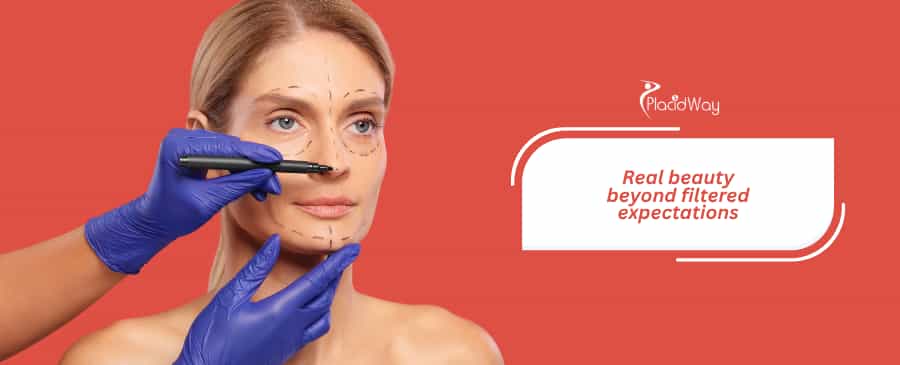
Platforms like Instagram and TikTok have fundamentally altered how individuals perceive their own facial features, often setting unrealistic standards through the use of digital filters. These virtual alterations present a flawless, symmetrical version of the face that defies natural human anatomy. When exploring options for a nose job in Turkey, patients frequently bring filtered photos to their consultations, hoping to replicate a computer-generated ideal.
The clinical reality, however, is grounded in the limitations of skin thickness, bone structure, and cartilage memory. Ethical healthcare providers prioritize patient education, ensuring that individuals understand the difference between digital modification and achievable surgical outcomes. A successful procedure generally aims for facial balance and an improvement in appearance, rather than attempting to forge an impossible, pixel-perfect replication.
Patients should be wary of any medical provider who guarantees to perfectly replicate a filtered photograph. Surgical outcomes are highly dependent on individual anatomy, and no responsible professional can promise exact digital replication.
Why UK Patients Choose Rhinoplasty Clinics in Turkey
The decision to travel abroad for medical care is rarely made lightly, yet thousands of British patients consistently choose rhinoplasty clinics in Turkey each year. One of the primary drivers is the sheer volume of procedures performed by specialists in the region. Surgeons who focus heavily on facial aesthetics often encounter a vast array of complex cases, allowing them to refine their techniques at a rapid pace.
Furthermore, the infrastructure supporting international patients has evolved significantly, offering streamlined communication and comprehensive pre-operative assessments. Facilities frequently adhere to rigorous international safety standards, providing an environment that prioritizes clinical excellence. When combining this specialized surgical expertise with modern medical facilities, the appeal for UK residents becomes highly apparent.
According to global aesthetic society reports, Turkey consistently ranks within the top countries worldwide for the total volume of surgical cosmetic procedures performed annually.
Analyzing the Affordable Rhinoplasty Cost in Turkey
A major consideration for anyone contemplating aesthetic surgery is the financial investment required. The affordable rhinoplasty cost in Turkey is often a deciding factor for UK patients, who might face prohibitively high prices in private domestic sectors. This cost discrepancy is generally attributed to differences in the cost of living, lower operational overheads, and favorable exchange rates, rather than a compromise in medical quality.
It is crucial for prospective patients to look beyond a single price tag and understand the nuances of procedural costs. Different techniques, such as revision surgeries or complex structural reconstructions, naturally command different fees. Below is a detailed comparison outlining the typical financial landscape for various nose-reshaping procedures.
| Procedure Name | Average Cost in Turkey (USD) | Estimated Cost in the UK (USD) |
|---|---|---|
| Primary Rhinoplasty | $2,500 - $4,000 | $7,000 - $10,000 |
| Revision Rhinoplasty | $3,500 - $5,500 | $9,000 - $14,000 |
| Ethnic Rhinoplasty | $3,000 - $4,500 | $8,000 - $12,000 |
| Tip Plasty (Nose Tip Only) | $1,800 - $2,800 | $5,000 - $7,500 |
The Science and Art Behind Ethnic Rhinoplasty in Turkey
Nose reshaping is never a one-size-fits-all endeavor, particularly when addressing the diverse anatomical characteristics of different ethnicities. Ethnic rhinoplasty in Turkey has gained immense traction because surgeons emphasize the preservation of a patient's cultural heritage while achieving the desired aesthetic refinements. The approach requires a deep understanding of varying cartilage strengths, skin thicknesses, and underlying bone structures.
For example, patients of African, Asian, or Middle Eastern descent often require specific grafting techniques to provide adequate structural support to the nasal bridge or tip. Surgeons utilize an intricate blend of medical science and artistic vision to ensure the changes look natural against the patient's unique facial landscape. This highly customized approach is typically what separates standard results from truly exceptional, harmonious outcomes.
Thicker skin, common in many ethnic rhinoplasty cases, generally takes longer to show final definition after surgery because postoperative swelling subsides at a slower rate compared to thinner skin types.
Preparing for Your Nose Surgery in Turkey
Proper preparation is a vital component of a successful medical tourism experience. Before committing to nose surgery in Turkey, patients are usually required to undergo thorough virtual consultations. During these sessions, comprehensive medical histories are evaluated to identify any contraindications, and patients are encouraged to openly discuss their aesthetic goals and functional breathing concerns.
Once medical clearance is granted, patients receive strict preoperative instructions to mitigate surgical risks. This typically involves ceasing the use of tobacco products, avoiding blood-thinning medications, and ensuring the body is in optimal health prior to travel. A well-prepared patient not only experiences a smoother surgical process but also sets the foundation for a more predictable and comfortable recovery phase.
Always request a video consultation with your prospective surgeon before booking flights. This face-to-face interaction helps establish trust, allows you to ask specific questions about their techniques, and ensures you feel comfortable with their communication style.
Advanced Techniques Used for Rhinoplasty in Turkey
The landscape of facial aesthetic surgery is continually evolving, and staying at the forefront of these innovations is crucial for delivering optimal results. Medical facilities catering to international patients frequently invest in state-of-the-art technologies that minimize tissue trauma and enhance surgical precision. The adoption of these modern methods is a significant reason why the pursuit of advanced rhinoplasty in Turkey remains so popular.
Surgeons typically select an operative approach based on the specific anatomical needs of the patient. Understanding these distinct techniques can help prospective patients have more informed discussions during their clinical consultations. Below are some of the primary methods currently utilized:
- Open Rhinoplasty: Involves a small incision across the columella, providing the surgeon with maximum visibility and access for complex structural changes.
- Closed Rhinoplasty: All incisions are made inside the nostrils, leaving no visible external scarring. This is generally suited for more straightforward, minor adjustments.
- Ultrasonic (Piezo) Rhinoplasty: Utilizes high-frequency sound waves to sculpt the nasal bones meticulously without damaging surrounding soft tissues, typically resulting in less bruising.
- Preservation Rhinoplasty: Focuses on maintaining the natural dorsum structure rather than cutting it away, leading to a more natural contour and potentially smoother recovery.
Navigating the Recovery Process After Nose Reshaping
Understanding the postoperative phase is just as important as the surgery itself. Following nose reshaping surgery, patients must navigate a period of physical vulnerability where swelling, mild bruising, and congestion are entirely expected. Most surgeons require international patients to remain in the country for approximately seven to ten days so that casts and sutures can be safely removed prior to air travel.
The initial weeks back in the UK require strict adherence to aftercare protocols, such as sleeping with the head elevated and avoiding strenuous physical activities. While the acute bruising typically resolves within two weeks, patients must understand that internal tissue healing is a gradual process. Flying too soon or disregarding medical advice can increase the risk of complications and negatively impact the final aesthetic outcome.
Changes in cabin pressure during commercial flights can exacerbate facial swelling and increase the risk of bleeding. This is why surgeons strictly mandate a minimum waiting period before allowing patients to fly home.
Managing Expectations for Rhinoplasty Results
One of the most challenging aspects of cosmetic surgery is the psychological journey of the patient during the recovery phase. When individuals seek an influencer-grade rhinoplasty, they often expect immediate, camera-ready results the moment the cast is removed. However, the reality is that the nose will appear swollen and somewhat distorted immediately after the splint is taken off.
Medical professionals continuously stress the importance of patience. The skin needs time to contract over the new underlying framework, a process commonly known as "shrink-wrapping." While significant improvements are visible within a few months, it generally takes up to a full year—and sometimes longer for thicker skin—for the absolute final contours to settle into their permanent shape.
The tip of the nose is notoriously the last area to fully heal. It can retain microscopic amounts of fluid and swelling for 12 to 18 months post-surgery.
Safety Standards for Medical Tourism in Turkey
Patient safety must always supersede aesthetic desires when contemplating cross-border healthcare. The rise of medical tourism in Turkey has prompted many facilities to seek rigorous international accreditations to assure foreign patients of their clinical standards. Organizations like the Joint Commission International (JCI) evaluate hospitals based on strict protocols for infection control, patient care, and emergency preparedness.
While the country boasts numerous world-class medical centers, the onus remains on the patient to perform due diligence. Thoroughly verifying a surgeon’s credentials, ensuring they are members of recognized international plastic surgery boards, and confirming the accreditation status of the operating facility are non-negotiable steps. Prioritizing these safety metrics greatly reduces the risks associated with elective surgical procedures.
Never make a decision based solely on social media marketing. Always look for objective indicators of quality, such as peer-reviewed publications by the surgeon and official board certifications in plastic and reconstructive surgery.
Revision Rhinoplasty in Turkey for Complex Cases
Not all patients traveling abroad are doing so for their first surgical experience. A significant demographic seeks revision rhinoplasty in Turkey to correct functional impairments or aesthetic dissatisfaction resulting from a previous surgery. These secondary procedures are inherently more complex due to the presence of scar tissue and the potential depletion of natural cartilage.
Because of this increased difficulty, revision cases require a surgeon with exceptional expertise in reconstructive techniques. Often, cartilage grafts must be harvested from the patient's ear or rib to rebuild the structural integrity of the nose. UK patients frequently seek out specialized Turkish surgeons specifically for their robust experience in handling these highly intricate, restorative operations.
Surgeons generally recommend waiting a minimum of 12 months after a primary nose job before attempting any revision surgery. This allows all scar tissue to soften and deep swelling to completely resolve.
How Male Rhinoplasty in Turkey is Gaining Popularity
While aesthetic surgery has traditionally seen higher engagement from female demographics, the demand for male rhinoplasty in Turkey is experiencing a rapid upward trajectory. Men are increasingly seeking refinements to address breathing difficulties, correct dorsal humps, or create a more balanced facial profile. However, the aesthetic goals for men often differ significantly from those of women.
The primary objective in male nose reshaping is typically to maintain strong, masculine facial proportions while avoiding an overly "scooped" or artificially delicate appearance. Surgeons carefully plan these procedures to preserve structural prominence. The nuanced approach required to achieve these subtle yet impactful changes has driven many male patients from the UK to seek specialized expertise internationally.
- Structural Preservation: Maintaining a straight, prominent nasal bridge rather than creating a curved slope.
- Tip Refinement: Addressing bulbous tips without over-rotating the nose upwards.
- Functional Correction: Repairing deviated septums sustained from sports injuries or trauma.
Real Patient Experiences with Nose Surgery in Turkey
Understanding the clinical aspects of surgery is essential, but hearing from individuals who have already navigated the journey offers invaluable perspective. Real patient narratives highlight the emotional and logistical realities of traveling for healthcare. These experiences shed light on what prospective patients can realistically expect regarding consultations, the hospital environment, and the emotional phases of recovery.
Below are summaries of experiences from individuals who have undergone nose surgery in Turkey. These accounts emphasize the importance of thorough research, setting realistic expectations, and strictly following medical advice post-operation.
Sarah's Journey to Facial Balance
Sarah traveled from London seeking a primary rhinoplasty to address a dorsal hump. She noted that her initial consultations focused heavily on maintaining her natural look rather than copying a trendy social media filter. Her recovery was manageable, and she emphasized the importance of resting during the first week.
David's Functional Improvement
After struggling with breathing issues from an old sports injury, David opted for a functional and aesthetic procedure. He was impressed by the advanced diagnostic imaging used before his surgery. He advises future patients to prepare for the discomfort of breathing through the mouth for the first few days.
Aisha's Ethnic Rhinoplasty Experience
Aisha sought a surgeon specialized in ethnic rhinoplasty to refine her nasal tip without losing her heritage characteristics. She appreciated the surgeon’s transparent explanation of how her thicker skin would require a longer healing timeline. At six months post-op, she is beginning to see the refined results she desired.
Mark's Complex Revision
Following an unsatisfactory surgery in his home country, Mark traveled for a complex revision procedure. His case required rib cartilage grafting to rebuild structural support. He highlights that while the process was mentally taxing, choosing a highly accredited facility made him feel secure throughout the ordeal.
How PlacidWay Assists Your Rhinoplasty Medical Tourism Journey in Turkey
Navigating the global healthcare landscape can be a complex and overwhelming process for any patient. Attempting to identify reputable facilities, communicate across language barriers, and verify international medical accreditations requires significant time and expertise. This is where dedicated medical tourism platforms provide essential value to prospective patients.
By offering structured assistance and educational resources, patients are empowered to make informed, confident healthcare decisions. PlacidWay facilitates your pathway to medical care by providing targeted, value-based support tailored to your unique clinical needs.
- Connecting patients exclusively with internationally accredited medical centers and board-certified specialists.
- Facilitating the secure transfer of medical records and imaging for comprehensive pre-operative evaluations.
- Providing transparent access to patient reviews, clinic credentials, and surgeon portfolios.
- Assisting with language translation and clear communication between the patient and the healthcare provider.
- Offering detailed comparative data regarding procedural options and clinical technologies.
Frequently Asked Questions
Why do UK patients travel to Turkey for rhinoplasty?
Many UK patients travel to Turkey because of the high concentration of specialized surgeons and the integration of advanced surgical technologies. Additionally, the overall cost of care is generally much lower compared to private clinics in the United Kingdom.
How much does a nose job cost in Turkey?
The cost typically ranges from $2,500 to $5,000 depending on the complexity of the procedure and the specific techniques used. This often represents a significant savings compared to the prices typically found in Western Europe.
Is ultrasonic rhinoplasty better than traditional methods?
Ultrasonic rhinoplasty utilizes specialized instruments to reshape bone with minimal trauma to surrounding tissues. While it generally reduces postoperative bruising and swelling, your surgeon will determine if it is the best method for your specific anatomy.
How long should I stay in Turkey after rhinoplasty?
Patients are typically advised to remain in the country for at least seven to ten days following their surgery. This allows time for initial recovery and for the surgeon to safely remove splints or sutures before you fly.
Are rhinoplasty results permanent?
While the structural changes made during surgery are intended to be permanent, the nose continues to age naturally along with the rest of the face. Final results typically settle after about one year, though minor shifts can occasionally occur.
What is the difference between primary and revision rhinoplasty?
Primary rhinoplasty is performed on a nose that has never been surgically altered before. Revision rhinoplasty is a secondary procedure aimed at correcting aesthetic or functional issues resulting from a previous surgery, and it is generally more complex.
Can social media filters replicate real surgical results?
Social media filters create mathematically perfect symmetry that is often impossible to achieve on human tissue. Surgeons emphasize that surgery aims for significant improvement and facial harmony, rather than digital perfection.
Is it safe to undergo medical tourism in Turkey?
Medical tourism can be safe when patients thoroughly research and select internationally accredited facilities. It is crucial to look for certifications, verify the surgeon's global board memberships, and understand all associated risks.
Will a nose job affect my breathing?
When performed correctly, a functional rhinoplasty is specifically designed to maintain or improve the patient's airway. However, some temporary breathing difficulties are commonly experienced during the initial recovery due to internal swelling.
Do I need a visa to travel from the UK to Turkey for medical care?
As of recent regulations, UK citizens traveling to Turkey for tourism or medical purposes for short stays generally do not require a visa. Always check current government travel advisories to ensure you meet all entry requirements before booking.
Ready to explore your options for rhinoplasty abroad? Let PlacidWay connect you with internationally accredited medical centers.
Medical Disclaimer: This article is for informational purposes only and is not medical advice. Always consult a qualified healthcare provider before any medical decisions. Results may vary. Read Full Disclaimer here.
References
- International Society of Aesthetic Plastic Surgery (ISAPS). Global Statistics on Cosmetic Procedures. https://www.isaps.org/discover/about-isaps/global-statistics/
- National Center for Biotechnology Information (NCBI). Psychological Aspects of Rhinoplasty. https://pubmed.ncbi.nlm.nih.gov/20543695/
- American Society of Plastic Surgeons (ASPS). Rhinoplasty Recovery and Results. https://www.plasticsurgery.org/cosmetic-procedures/rhinoplasty/recovery



.jpg)


.jpg)








Share this listing