


In recent years, the landscape of global healthcare has shifted, prompting many European citizens to seek alternatives beyond their borders. For German patients, long waiting lists for elective orthopedic procedures and rising domestic healthcare expenses have become a pressing concern. As a result, medical tourism in Turkey has seen a massive influx of international patients looking for timely, high-quality interventions.
Turkey has strategically positioned itself as a premier hub for complex orthopedic care, seamlessly blending geographic proximity with exceptional medical infrastructure. The availability of affordable knee arthroplasty in Turkey allows German patients to bypass extensive delays, rapidly addressing chronic joint pain with globally recognized surgical standards.
According to recent industry reports, hundreds of thousands of medical tourists travel to Turkey annually, with orthopedic and joint replacement surgeries ranking among the most highly sought-after specialties.
Understanding Total Knee Replacement Surgery Abroad
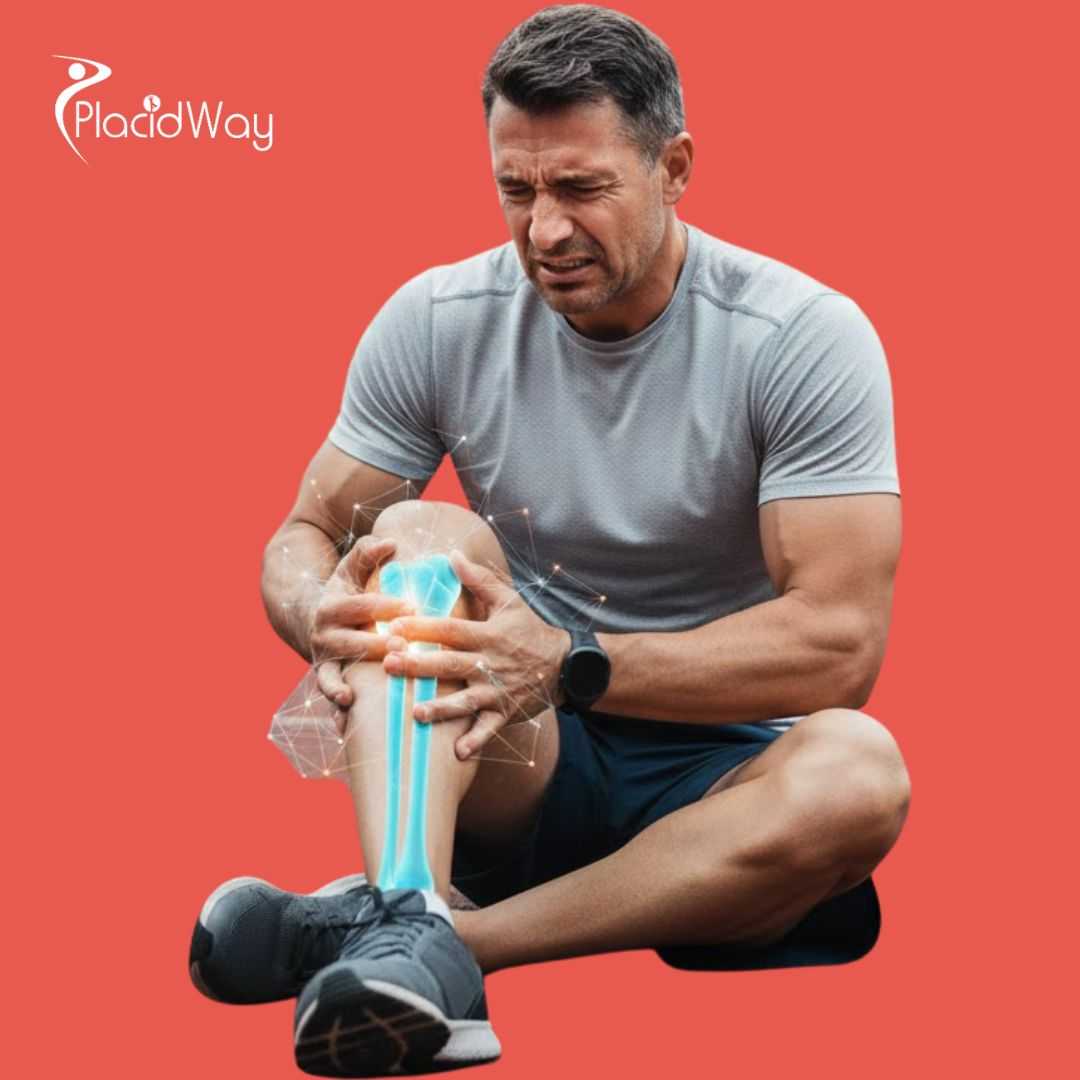
Knee arthroplasty, commonly known as a knee replacement, is a highly effective surgical procedure aimed at resurfacing a joint damaged by severe arthritis or acute trauma. The process involves removing the diseased cartilage and underlying bone, replacing them with highly durable artificial implants. For those traveling for knee replacement surgery abroad, the fundamental medical principles remain identical to those practiced in top Western European hospitals.
This orthopedic intervention is typically recommended when conservative treatments, such as physical therapy or corticosteroid injections, no longer provide adequate relief. By opting for care internationally, patients can swiftly regain joint function and drastically reduce chronic pain, ultimately reclaiming their mobility and quality of life.
The artificial joint components used in knee arthroplasty are typically made of high-grade titanium, cobalt-chromium alloys, and highly cross-linked medical plastics designed to mimic natural joint movement seamlessly.
Evaluating the Quality of Knee Replacement in Turkey
When considering crossing borders for a major surgical procedure, safety and clinical excellence are naturally the primary concerns for patients. The rapid rise of orthopedic care in Turkey is heavily supported by rigorous international accreditation protocols. Many facilities hold certifications from bodies like the Joint Commission International (JCI), ensuring that clinical outcomes, hygiene, and patient safety meet global benchmarks.
Furthermore, many Turkish orthopedic surgeons have undergone extensive fellowships and training in the United States or Europe. They utilize a multidisciplinary approach, ensuring that every patient receives comprehensive pre-operative screening and personalized surgical planning prior to entering the operating room.
Studies suggest that modern total knee replacements have an implant survival rate of over 90% at the 15-year mark, highlighting the long-term reliability of this life-changing intervention.
Affordable Knee Arthroplasty Cost in Turkey vs. Germany
The vast cost difference remains the most compelling driving factor for German patients looking to undergo joint replacement abroad. High administrative fees, expensive domestic labor, and supply chain markups drastically inflate prices in Western Europe. Conversely, the knee arthroplasty cost in Turkey is substantially lower due to favorable economic conditions and targeted healthcare export strategies.
Importantly, lower prices do not equate to a compromise in surgical safety or implant quality. The comprehensive pricing structures provided by international patient departments generally cover surgeon fees, anesthesia, high-end FDA-approved implants, and the necessary hospital stay. Below is a detailed cost comparison reflecting current market ranges.
| Procedure Name | Average Cost in Turkey (€) | Average Cost in Germany (€) |
|---|---|---|
| Total Knee Replacement (Unilateral) | €4,500 - €6,500 | €12,000 - €18,000 |
| Partial Knee Replacement | €4,000 - €5,500 | €10,000 - €15,000 |
| Bilateral Knee Replacement (Both Knees) | €8,000 - €11,000 | €20,000 - €28,000 |
| Revision Knee Surgery | €6,000 - €8,500 | €15,000 - €22,000 |
Patients traveling from Germany to Turkey for orthopedic surgeries frequently report saving between 50% and 65% on their total medical expenditures, even after factoring in flight costs.
The Surgical Process for Orthopedic Treatment in Turkey
The journey from an initial virtual consultation to the operating table is highly streamlined for international patients. Upon arrival, individuals undergo rigorous pre-operative testing, including blood work, EKG, and detailed imaging (X-rays or MRIs), ensuring the highest safety margins prior to the administration of anesthesia.
The actual surgery typically lasts between one to two hours, depending on the complexity of the joint deterioration. When appropriate, surgeons utilize minimally invasive techniques to preserve as much natural tissue as possible. This approach generally promotes less post-operative pain and a more rapid transition into the vital rehabilitation phase.
Always carry a comprehensive file of your past medical history, current medications, and previous diagnostic images to your initial, in-person surgical consultation.
Rehabilitation and Recovery After Knee Surgery in Turkey
Following a total or partial knee replacement, early mobilization is considered a cornerstone of successful recovery. Physical therapy generally begins within 24 hours post-surgery, with therapists assisting patients in standing and taking their first assisted steps. This early activity is crucial for preventing joint stiffness and stimulating healthy blood flow.
The inpatient stay most commonly lasts from three to five days, during which medical staff closely monitor pain management and wound healing. While the timeline varies by individual, most patients experience steady functional improvements over several weeks, allowing them to eventually fly back to Germany safely.
Patient Case Summary: Early Mobility Focus
A 62-year-old German patient with severe osteoarthritis traveled to Turkey for a unilateral procedure. Supervised physical therapy began on day one. By day five, the patient was navigating hospital corridors with a walker, demonstrating the effectiveness of immediate post-operative mobilization protocols.
Technology Powering Knee Arthroplasty Clinics in Turkey
The integration of advanced medical technology heavily defines the high success rates seen in the region. Many top-tier facilities boast robotic-arm assisted surgical platforms and 3D computer navigation systems. These tools offer the surgeon unparalleled precision, ensuring the artificial joint is aligned perfectly with the patient’s unique anatomical structure.
Additionally, the materials utilized in modern implants represent the pinnacle of biomedical engineering. Highly cross-linked polyethylene and advanced metallic alloys ensure maximum durability. Such advanced integration underscores why knee arthroplasty clinics in Turkey are frequently compared favorably against their Western European counterparts.
Robotic-assisted orthopedic surgery does not mean a machine performs the operation. Instead, the robotic arm provides real-time tactile feedback, keeping the human surgeon within ultra-precise, pre-planned anatomical boundaries.
Preparing for Medical Tourism in Turkey from Germany
Thorough preparation is fundamental for a seamless medical journey. Patients are encouraged to engage in pre-operative digital consultations with their chosen surgical team, allowing for the review of MRI scans and the establishment of clear medical expectations. Furthermore, engaging in "pre-hab" (pre-operative physical conditioning) can significantly strengthen the muscles surrounding the joint.
Logistically, the short flight duration between Germany and major Turkish cities makes travel highly feasible, even for those with limited mobility. Organizing comprehensive health records and ensuring all domestic post-operative care (such as physical therapy back in Germany) is arranged beforehand are essential steps.
Deep Vein Thrombosis (DVT) is a serious risk when flying shortly after major surgery. Patients must strictly adhere to their surgeon's prescribed timeline for flying home and use recommended compression garments or blood-thinning medications during transit.
Navigating Language and Culture for Orthopedic Care in Turkey
The prospect of undergoing surgery in a foreign country can be daunting, particularly concerning communication. However, language barriers are virtually eliminated in dedicated international patient departments. Multilingual patient coordinators, often fluent in German and English, are typically present during all medical interactions, translating complex medical jargon seamlessly.
Beyond language, the cultural concept of misafirperverlik, or traditional Turkish hospitality, plays a tremendous role in patient comfort. Medical staff are renowned for their empathetic, attentive care, creating a supportive and culturally sensitive environment that puts anxious international patients fully at ease.
Do not hesitate to ask your medical coordinator to translate all pre-operative consent forms and post-operative instructions into German before you sign them or begin rehabilitation.
Exploring Alternatives to Complete Knee Replacement Surgery
A highly ethical surgical practice always evaluates whether the most invasive option is truly necessary. Not all joint pain requires a complete overhaul of the knee mechanics. Before finalizing an arthroplasty plan, specialized physicians assess if less invasive modalities could offer sufficient relief and structural repair.
Alternatives might include arthroscopic debridement to remove loose cartilage, targeted physical rehabilitation, or a partial (unicompartmental) knee replacement. The decision strictly depends on the extent of bone and cartilage deterioration, ensuring that patients receive the most conservative, yet effective, treatment possible.
Patient Case Summary: Conservative Approach
A 55-year-old athlete from Munich sought a total replacement due to medial joint pain. Upon thorough evaluation in Turkey, the surgical team determined that a less invasive partial knee replacement was sufficient. This tailored approach resulted in faster rehabilitation and excellent functional preservation.
Understanding the Risks of Knee Arthroplasty Procedures
It is vital to acknowledge that no medical procedure is entirely devoid of risk. Like any major orthopedic surgery, knee arthroplasty carries inherent, though manageable, potential complications. The most recognized risks include surgical site infections, the development of blood clots, nerve impingement, and potential loosening of the implant over time.
While strict pre-operative cardiovascular screenings and aggressive antibiotic protocols mitigate a vast majority of these issues, outcomes can never be fully guaranteed. Most patients experience highly successful results and pain reduction, but realistic expectations regarding healing timelines and the possibility of localized discomfort must be maintained.
Patient Case Summary: Managing Expectations
A patient faced minor localized swelling and stiffness during their third week of post-operative recovery. By strictly adhering to the post-discharge physiotherapy regimen and staying in digital contact with the surgical team, the swelling subsided, leading to a smooth, predictable healing phase.
How PlacidWay Assists Your Knee Arthroplasty Medical Tourism Journey in Turkey
Navigating cross-border healthcare systems requires thorough research and specialized expertise. For German citizens looking to undertake medical tourism in Turkey for their orthopedic needs, having a trusted partner streamlines the overwhelming logistics of international healthcare access.
Our platform focuses on empowering patients by connecting them directly with accredited global healthcare providers. Through diligent evaluation and transparent information sharing, we help ensure your medical journey is rooted in informed, confident decision-making.
- Providing direct access to verified profiles of highly credentialed international orthopedic facilities.
- Facilitating the collection and transfer of detailed medical quotes and surgical itineraries.
- Assisting with the secure exchange of medical records, X-rays, and MRI data between patients and clinical evaluation teams.
- Offering continuous multilingual communication support to bridge any initial language gaps with healthcare providers.
- Supplying comprehensive educational resources detailing procedure protocols, expected outcomes, and global healthcare accreditations.
Real Experiences with Orthopedic Surgery in Turkey
Hearing directly about the outcomes of others is an integral part of building patient confidence. Analyzing the flow of international medical seekers reveals a strong trend of high clinical satisfaction regarding complex joint interventions. These real-world summaries offer an authentic glimpse into what candidates can realistically expect.
German citizens routinely highlight the impressive ratio of clinical excellence compared to the affordable surgical costs. The testimonials consistently reflect the profound impact of rapid access to care, bypassing domestic waitlists and returning to an active, pain-free lifestyle efficiently.
Patient Case Summary: Bypassing the Waitlist
Facing a 9-month waitlist for joint surgery in Germany, a 68-year-old patient opted for bilateral knee evaluation in Turkey. They underwent sequential surgeries separated by three days. Accompanied by rigorous daily rehabilitation, the patient returned home within three weeks, successfully skipping the extensive domestic backlog.
The success of knee replacement is highly dependent on the patient's commitment to physical therapy post-surgery. Even the most perfectly placed implant requires strong surrounding muscles to function optimally.
Frequently Asked Questions About Knee Replacement in Turkey
Educated patients naturally make the most confident and successful healthcare decisions. When organizing cross-border surgeries, it is common to have a multitude of questions regarding logistics, safety, and physical recovery expectations.
Below, we have compiled the most frequent inquiries from international patients exploring orthopedic solutions. These answers provide concise insights to help clarify the medical tourism experience.
Why is knee arthroplasty in Turkey more affordable than in Germany?
The lower cost is primarily due to lower operational and administrative expenses, currency exchange rates, and government incentives for healthcare exports. Patients do not sacrifice quality, as international standards are strictly maintained.
How long does a knee replacement procedure usually take?
The surgical procedure typically takes between one and two hours. However, pre-operative preparation and post-anesthesia recovery add additional time to the hospital stay.
Is it safe to travel back to Germany after knee surgery?
Yes, flying is generally safe once the orthopedic surgeon provides clearance, which is typically around 10 to 14 days post-surgery. Patients are advised to take precautions against deep vein thrombosis (DVT) during the flight.
What type of implants are used in Turkish orthopedic clinics?
Surgeons generally use globally recognized, FDA or CE-approved implants made from high-grade titanium and cross-linked polyethylene. These are identical to the materials used in top German and US hospitals.
How long will an artificial knee joint last?
Most modern knee implants generally last 15 to 20 years, depending on the patient's activity level and weight. Routine follow-ups help monitor the condition of the implant over time.
Will I face language barriers in Turkish hospitals?
No, major facilities catering to medical tourists have dedicated international patient departments. Multilingual staff fluent in German and English are typically available to assist throughout the process.
When can I walk normally again after knee arthroplasty?
Most patients experience a significant improvement in mobility within 4 to 6 weeks. Complete recovery and return to normal, unassisted walking usually takes three to six months of dedicated physical therapy.
What are the main risks associated with knee replacement?
Common surgical risks include infection, blood clots, nerve damage, and implant loosening. Thorough pre-operative screening and strict post-operative protocols help mitigate these potential complications.
Can I have both knees replaced at the same time?
Bilateral knee arthroplasty is possible but is generally only recommended for patients in excellent cardiovascular health. Your surgeon will carefully evaluate your medical history before approving a simultaneous procedure.
Do I need a visa to travel from Germany to Turkey for surgery?
German citizens typically do not need a visa for tourist or medical visits of up to 90 days in a 180-day period. Always verify current travel regulations with the embassy before booking your trip.
Ready to explore affordable knee arthroplasty options in Turkey? Connect with accredited orthopedic specialists today and start your journey towards a pain-free life.
References
- Mayo Clinic. Knee Replacement Overview and What to Expect. https://www.mayoclinic.org/tests-procedures/knee-replacement/about/pac-20385276
- World Health Organization (WHO). Medical Tourism and Cross-Border Healthcare Policies. https://www.who.int/europe/news/item/08-01-2024-building-cross-border-collaboration-in-health
- American Academy of Orthopaedic Surgeons (AAOS). Total Knee Replacement. https://orthoinfo.aaos.org/en/treatment/total-knee-replacement/
- Cleveland Clinic. Deep Vein Thrombosis (DVT) Risks and Flight Precautions. https://my.clevelandclinic.org/health/diseases/16911-deep-vein-thrombosis-dvt




.png)
.png)
.png)
.png)
.png)








Share this listing