


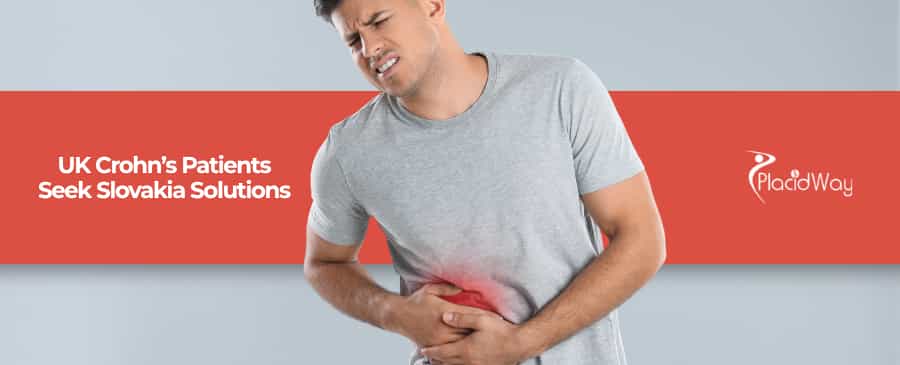
The pursuit of effective management for chronic gastrointestinal conditions has led many individuals to explore international medical options. Specifically, the emergence of stem cell therapy for Crohn's disease in Slovakia offers a new avenue for patients seeking alternative symptom management. This innovative approach focuses on utilizing the body's own regenerative mechanisms to target the severe inflammation characterizing Crohn's disease. As traditional medications often yield varying degrees of success, regenerative medicine aims to modulate the immune system more naturally.
For individuals facing limited options domestically, engaging in medical tourism in Slovakia provides access to highly specialized medical professionals and advanced clinical protocols. The treatment generally involves harvesting adult stem cells, which are then processed and reintroduced into the patient's body. These cells are believed to possess unique properties that can help repair damaged intestinal tissue and regulate hyperactive immune responses. While not a definitive cure, many patients experience a stabilization of their condition.
- Immunomodulation: Stem cells may help reset an overactive immune system, reducing the chronic inflammation associated with Crohn's disease.
- Tissue Repair: The therapy aims to promote the healing of the intestinal lining, potentially reducing the frequency of severe flare-ups.
- Autologous Treatment: Most procedures use the patient's own cells, which generally minimizes the risk of rejection or severe allergic reactions.
- Alternative Pathway: Offers a potential option for patients who have developed resistance or severe side effects to standard biologic therapies.
Mesenchymal stem cells (MSCs) are often the preferred choice in regenerative therapies for autoimmune conditions because they naturally home in on areas of inflammation within the body.
Why British Patients Choose Slovakia for Crohn's Disease Treatment
The healthcare landscape in the United Kingdom frequently presents challenges such as extensive wait times and restricted access to experimental or newly developed therapies. Consequently, many patients are turning toward affordable stem cell therapy in Slovakia as a viable alternative. Slovakia has quietly developed a robust healthcare infrastructure, particularly in the fields of biotechnology and regenerative medicine. By combining European Union medical standards with cost-effective economic models, the country has positioned itself as a highly attractive destination.
The burgeoning Slovakia medical tourism market specifically caters to international patients looking for transparent, high-quality care without the exorbitant price tags found in other Western European nations. British patients find the geographical proximity advantageous, allowing for relatively short and inexpensive flights. Furthermore, English is widely spoken within the medical communities in Slovakia, ensuring clear communication regarding complex medical histories and treatment protocols.
- Reduced Wait Times: Private clinics in Slovakia typically offer prompt scheduling, allowing patients to begin their therapeutic journey without prolonged delays.
- Expert Medical Staff: Slovakian specialists often hold international certifications and participate in ongoing global regenerative medicine research.
- Geographic Proximity: Direct flights from major UK airports make traveling for initial treatments and necessary follow-ups highly convenient.
- EU Standards: Healthcare facilities operate under stringent European directives, ensuring high levels of hygiene, safety, and clinical governance.
In recent years, Eastern and Central European countries have seen a medical tourism growth rate of nearly 15% annually, driven largely by patients seeking advanced specialized treatments like stem cell therapy.
Exploring CellCenter: A Leading Clinic for Stem Cell Therapy in Slovakia
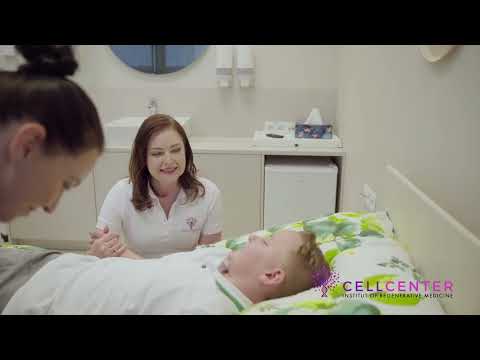
When selecting a destination for regenerative treatments, the caliber of the medical facility is of paramount importance. International patients frequently seek out established institutions known for their clinical excellence, and one notable example is CellCenter in Slovakia. This specialized facility has garnered attention for its dedication to individualized patient care and its utilization of modern laboratory technology. The clinic operates with a multidisciplinary approach, ensuring that gastroenterological experts collaborate closely with regenerative medicine specialists.
The appeal of stem cell clinics in Slovakia lies in their commitment to advancing therapeutic protocols while maintaining strict adherence to safety guidelines. Facilities of this caliber typically offer comprehensive diagnostic evaluations prior to treatment, ensuring that patients are suitable candidates for the procedure. By focusing intensely on the patient's specific disease presentation, medical teams can tailor the stem cell extraction and application processes to optimize potential outcomes.
- Advanced Laboratory Processing: Utilizes sophisticated isolation and culturing techniques to ensure the highest quality of stem cells.
- Comprehensive Pre-Screening: In-depth blood work and imaging are routinely performed to determine patient eligibility and safety.
- Multidisciplinary Teams: Features collaboration between immunologists, gastroenterologists, and stem cell researchers.
- Patient-Centric Facilities: Designed to provide comfortable, supportive environments tailored for international patients undergoing complex procedures.
Slovakia invests heavily in medical innovation, hosting several research institutes that collaborate closely with clinical facilities to bring laboratory advancements directly into patient care.
Cost of Stem Cell Therapy for Crohn's Disease in Slovakia vs. the UK
Financial considerations play a major role in the decision to seek medical care abroad. The cost of stem cell therapy in Slovakia is notably more accessible than comparable private treatments in the United Kingdom. Because regenerative therapies are rarely covered by the National Health Service (NHS) for Crohn's disease, British patients are often forced to look at private UK clinics where costs can be prohibitive. Slovakia’s lower cost of living and operational overhead translate directly into savings for the patient.
Understanding Crohn's disease treatment prices requires looking at the comprehensive package, which usually includes diagnostics, the procedure itself, and initial post-operative care. Even when factoring in travel expenses, patients frequently find that seeking treatment in Central Europe presents a highly cost-effective solution. Below is a realistic comparison of average costs, though actual prices may vary based on individual clinical needs.
| Procedure / Service | Average Cost in Slovakia (£) | Estimated Private Cost in UK (£) |
|---|---|---|
| Initial Diagnostic & Screening | £500 - £900 | £1,500 - £3,000 |
| Autologous MSC Therapy Protocol | £4,500 - £8,000 | £15,000 - £25,000+ |
| Post-Procedure Consultation | £100 - £250 | £300 - £600 |
| Estimated Total Package | £5,100 - £9,150 | £16,800 - £28,600+ |
Always request a highly detailed quote from the clinic before traveling. Ensure you understand exactly what the price includes, such as anesthesia, laboratory processing fees, and post-infusion monitoring.
How Stem Cell Therapy Addresses Crohn's Disease Symptoms
Crohn's disease is characterized by a misdirected immune system that attacks the gastrointestinal tract, leading to painful ulcers, strictures, and malabsorption. Innovative stem cell treatments aim to intercept this destructive cycle by introducing cells capable of modulating the immune response. Typically, Mesenchymal Stem Cells (MSCs) are utilized because they generally possess profound anti-inflammatory properties. When administered, these cells communicate with the existing immune cells, encouraging them to downregulate aggressive behaviors.
Moreover, these therapies focus on repairing the mucosal lining of the gut. Patients seeking Crohn's disease treatment abroad are often educated on how stem cells secrete growth factors that stimulate local tissue repair. While results vary, most patients experience a gradual decrease in abdominal pain, reduced frequency of diarrhea, and an overall improvement in energy levels as their bodies heal from chronic inflammation.
- Cytokine Regulation: Stem cells can alter the release of inflammatory cytokines, dampening the biological pathways that cause flare-ups.
- Mucosal Healing: Encourages the regeneration of the intestinal lining, which is crucial for proper nutrient absorption.
- Fistula Management: In some specialized protocols, local injections of stem cells have been utilized to assist in the closure of complex perianal fistulas.
- Symptom Alleviation: The overarching goal is a tangible reduction in daily discomfort and a decreased reliance on heavy immunosuppressive drugs.
Stem cells do not necessarily replace damaged tissue directly; rather, they act like "managers," releasing signals that instruct the body's own resident cells to begin the repair process.
The Patient Journey: Receiving Stem Cell Therapy in Slovakia
Embarking on medical travel to Slovakia involves a highly structured process designed to maximize safety and patient comfort. The journey begins well before boarding a flight, typically initiating with remote video consultations where medical records are meticulously reviewed. Once the patient arrives in Slovakia, they undergo comprehensive physical examinations and blood work to ensure their current health status aligns with the treatment protocol. This thorough approach helps mitigate potential risks and sets realistic baseline expectations.
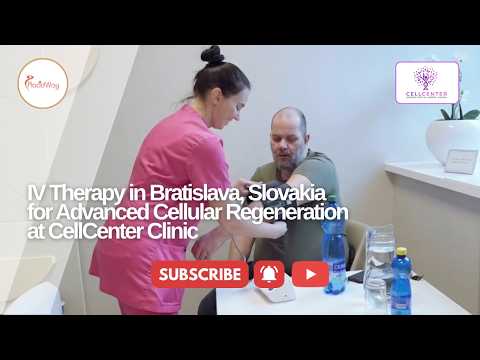
The actual procedure is usually performed on an outpatient basis over a few days. First, stem cells are extracted—most commonly from the patient's abdominal fat via a mini-liposuction procedure. The sample is then transferred to a specialized laboratory for isolation and activation. Finally, the concentrated stem cells are reintroduced into the patient, typically via an intravenous drip. Throughout this process, English-speaking staff members guide patients, ensuring they understand each step of their Crohn's disease stem cell protocol.
- Initial Assessment: Comprehensive review of medical history, current medications, and baseline symptom severity.
- Cell Harvesting: A minimally invasive procedure performed under local anesthesia to collect the required stem cells.
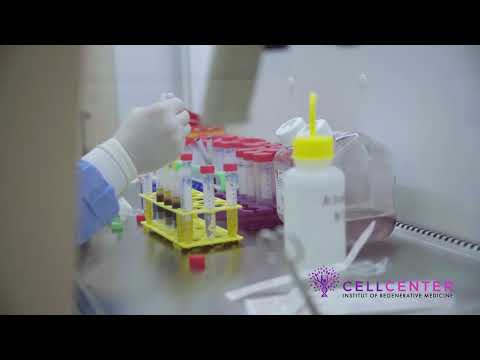
- Laboratory Processing: Highly skilled technicians isolate and sometimes multiply the cells in a sterile, controlled environment.
- Re-infusion: The therapeutic cells are delivered back to the patient, requiring only a few hours of relaxed monitoring afterward.
Patient Experience Summary
A 42-year-old patient from Manchester reported that the clinic staff explained every step of the harvesting process in clear English, significantly reducing her pre-procedure anxiety and making the overall journey smooth and professional.
Safety Protocols and Medical Standards in Slovakia
Patient safety remains the critical cornerstone of any invasive or regenerative procedure. Opting for safe stem cell procedures in Slovakia means entering a healthcare framework strictly regulated by European Union medical directives. Slovakian clinics must adhere to rigorous standards concerning laboratory sterility, ethical medical practices, and patient privacy. The Ministry of Health in Slovakia conducts regular audits, ensuring that facilities offering advanced cellular therapies maintain top-tier operational integrity.
Patients should understand that while stem cell therapy is generally well-tolerated, no medical procedure is entirely devoid of risk. Reputable medical tourism destinations in Central Europe emphasize transparent risk disclosure. Potential contraindications, such as active infections or certain types of malignancies, are strictly monitored. It is this commitment to high medical standards that provides international patients with confidence when traveling abroad for care.
- EU Compliance: Strict adherence to the European Medicines Agency (EMA) guidelines regarding advanced therapy medicinal products.
- Sterile Environments: Utilization of ISO-certified cleanrooms for all stem cell processing and culturing.
- Board-Certified Specialists: Treatments are administered by licensed physicians with specialized training in regenerative medicine.
- Continuous Monitoring: Comprehensive post-treatment observation to promptly address any rare adverse reactions.
Stem cell therapy is not suitable for everyone. Patients with active severe infections, history of certain cancers, or severe bleeding disorders are typically contraindicated. Thorough medical screening is an absolute requirement before proceeding.
Preparing for Stem Cell Therapy for Crohn's Disease in Slovakia
Thorough preparation is essential for anyone planning medical tourism in Slovakia. Preparation begins weeks before the actual procedure and requires close coordination between the patient's home gastroenterologist and the Slovakian medical team. Patients are typically advised to compile extensive medical records, including recent colonoscopy reports, blood panels, and a detailed list of current medications. This documentation is critical for tailoring the specific treatment protocol.
Furthermore, lifestyle and dietary adjustments are frequently recommended prior to undergoing regenerative therapies abroad. Clinics generally advise patients to refrain from smoking and limit alcohol consumption to optimize their body's healing capacity. Depending on the physician's guidance, certain anti-inflammatory medications or blood thinners may need to be temporarily paused. Preparing both physically and organizationally ensures the body is in the best possible state to receive the treatment.
- Medical Documentation: Gather all relevant imaging, biopsy results, and laboratory tests from the past 12 months.
- Medication Review: Discuss current biologic or immunosuppressive therapies with the treating clinic to determine if adjustments are needed.
- Nutritional Support: Focus on a balanced, anti-inflammatory diet in the weeks leading up to the trip to support immune health.
- Logistical Planning: Arrange for a travel companion, comfortable accommodations near the clinic, and adequate time off work.
Carry a physical folder containing printed copies of all your medical records and translated summaries, even if you have already sent them digitally to the clinic. This ensures immediate access during your initial consultation.
What to Expect During Recovery and Follow-Up Care
The post-procedural phase is highly individualized, but understanding typical stem cell therapy recovery timelines helps manage expectations. Immediately following the infusion, patients usually rest at the clinic for a few hours before being discharged. Most experience mild fatigue or slight soreness at the site of the cell extraction. It is generally recommended that patients remain in Slovakia for an additional two to three days to allow the medical team to conduct a final assessment before flying home.
Long-term follow-up is a critical component of successful international Crohn's disease treatment. Reputable clinics will establish a schedule for remote check-ins to monitor symptom progression over the subsequent months. Because stem cells work primarily by modulating the immune system and promoting tissue repair over time, the therapeutic benefits are not instantaneous. Patients are encouraged to maintain close contact with their local gastroenterologist to track structural improvements.
- Immediate Aftercare: Prioritizing rest, hydration, and avoiding strenuous physical activity for at least 7 to 10 days.
- Dietary Reintroduction: Slowly reintroducing foods under medical guidance to monitor gastrointestinal responses.
- Remote Monitoring: Scheduled telemedicine consultations at the 1, 3, and 6-month marks to evaluate efficacy.
- Symptom Tracking: Keeping a detailed diary of bowel movements, pain levels, and energy to share with healthcare providers.
Patient Experience Summary
A 35-year-old software engineer noted that while he felt fatigued for the first week post-treatment, the clinic's structured remote follow-up plan gave him peace of mind once he returned to London.
Success Rates and Limitations of Stem Cell Tourism
When considering any medical intervention, patients must weigh the potential benefits against the realistic limitations. Discussions surrounding Crohn's disease stem cell outcomes must be grounded in clinical reality; while many patients experience substantial relief, it is not guaranteed. Success rates vary widely based on the patient’s age, the duration of the disease, and the severity of intestinal damage prior to treatment. Some patients report prolonged periods of remission, while others may experience only mild to moderate improvements.
It is crucial to approach regenerative medicine in Eastern Europe with cautious optimism. Stem cell therapy is currently viewed as an adjunctive or alternative management tool rather than a definitive cure. The therapy cannot reverse severe structural damage, such as dense fibrotic strictures, which may still require surgical intervention. Transparent clinics will clearly outline these limitations during the consultation phase, ensuring patients make informed decisions.
- Variable Efficacy: Individual biological responses dictate the extent and duration of symptom relief.
- Not a Permanent Cure: The underlying genetic and environmental triggers of Crohn's disease remain present.
- Adjunctive Care: Often most effective when combined with targeted dietary changes and stress management.
- Scientific Evolution: Protocols are continually updated as global clinical trials yield new data regarding stem cell behavior.
Clinical studies observing stem cell applications for autoimmune conditions note that while a significant percentage of patients experience decreased inflammatory markers within 3 to 6 months, ongoing lifestyle management is required to maintain results.
Navigating Legal and Ethical Considerations in Slovakia
The regulatory environment surrounding regenerative medicine is complex, and choosing ethical stem cell clinics in Slovakia ensures that treatments are performed responsibly. Slovakia operates within the legal frameworks established by the European Union, which explicitly prohibits the unauthorized commercialization of certain embryonic stem cells. As a result, the medical tourism sector in this region focuses predominantly on adult, autologous (self-derived) cells, sidestepping many of the ethical controversies associated with other cell types.
Patients pursuing international healthcare solutions must also navigate informed consent. A hallmark of an ethical clinic is the provision of comprehensive documentation detailing the experimental nature of the therapy, the realistic potential for adverse effects, and the lack of guaranteed outcomes. By adhering to these strict ethical guidelines, Slovakian medical institutions protect patient welfare while legally advancing the field of regenerative therapies.
- Autologous Protocols: Utilizing the patient's own cells eliminates the ethical dilemmas associated with donor tissues.
- Informed Consent: Mandatory, detailed explanations of the procedure, ensuring patients are fully aware of risks and expected outcomes.
- Regulatory Oversight: National health authorities conduct rigorous inspections to enforce compliance with medical laws.
- Transparent Advertising: Ethical clinics avoid making absolute guarantees or presenting the therapy as a "miracle cure."
The European Medicines Agency (EMA) classifies advanced stem cell treatments as Advanced Therapy Medicinal Products (ATMPs), subjecting them to rigorous safety and quality evaluations similar to traditional pharmaceuticals.
Real Experiences of British Patients Treating Crohn's in Slovakia
Patient testimonials provide invaluable insight into the realities of undergoing treatment abroad. Many British Crohn's patients in Slovakia report that their primary motivation was regaining a sense of normalcy after years of debilitating flare-ups. Themes frequently highlighted in these experiences include the high level of professionalism among Slovakian medical staff and the pristine conditions of the clinical facilities. While clinical data is essential, personal narratives often help prospective patients visualize their own potential journey.
It is important to note that experiences with gastrointestinal stem cell therapy are inherently subjective. Some individuals note a rapid decline in their reliance on steroid medications, while others emphasize the gradual return of their physical stamina. Reviewing a variety of patient experiences can help individuals build a balanced perspective on what they might achieve through regenerative tourism.
- Enhanced Quality of Life: Many report being able to participate in social and work activities that were previously hindered by their condition.
- Reduction in Flare-ups: Several patients highlight a significant decrease in the frequency and severity of abdominal pain and urgency.
- Professional Care: Consistent praise for the attentive, empathetic, and highly communicative nature of the medical staff.
- Weight Stabilization: Improvements in gut absorption often lead to healthier, more stable body weight post-treatment.
Patient Experience Summary
A 50-year-old teacher from Birmingham shared that 6 months after her treatment in Slovakia, her inflammatory markers had notably decreased, allowing her to carefully expand her diet for the first time in a decade.
Patient Experience Summary
Another patient from Edinburgh highlighted the ease of the medical travel process, emphasizing that the transparency of the clinic regarding realistic outcomes helped manage his expectations perfectly.
Combining Medical Treatment with Wellness in Slovakia
Beyond its clinical excellence, the medical travel experience in Slovakia is often enhanced by the country's tranquil environment and rich wellness traditions. For patients recovering from a medical procedure, a calm, stress-free atmosphere is highly conducive to healing. Slovakia is renowned for its natural thermal springs and wellness resorts, which focus on holistic health and relaxation. Many patients choose to extend their stay in the country to take advantage of these serene environments.
While recovering from stem cell therapy for Crohn's disease, patients are advised to rest and avoid strenuous travel immediately. Engaging in mild, restorative activities in the beautiful Slovakian countryside can positively impact mental well-being, which is intimately connected to gut health. Always consult with the treating physician before participating in any spa or wellness activities to ensure they are safe post-procedure.
- Stress Reduction: The peaceful surroundings of Slovakian wellness towns help lower cortisol levels, aiding the immune system.
- Holistic Recovery: Access to specialized dietary programs and mild physical therapies tailored for post-treatment patients.
- Scenic Recuperation: Fresh air and natural landscapes provide a stark, positive contrast to the clinical hospital environments back home.
- Cultural Tourism: For those feeling up to it, exploring gentle historical sites provides a pleasant distraction during the observation period.
Slovakia is home to more than 1,300 mineral springs, many of which form the foundation for internationally recognized therapeutic spa towns dedicated to rehabilitation and chronic disease management.
How PlacidWay Assists Your Stem Cell Therapy Journey in Slovakia
Navigating international healthcare options can be overwhelming, especially when managing a chronic illness. Partnering with a dedicated medical tourism facilitator streamlines the process, ensuring patients are connected with reputable and verified clinics. PlacidWay focuses on empowering patients by providing the necessary tools, information, and connections required to make confident healthcare decisions. By bridging the gap between international patients and top-tier medical facilities, the journey becomes significantly more manageable.
When planning your regenerative treatment, having access to an organized platform ensures all your questions regarding facility credentials and physician expertise are answered. PlacidWay acts as an informational conduit, facilitating clear communication and efficient coordination. Our goal is to support your pursuit of better health by organizing the clinical aspects of your Crohn's disease treatment abroad.
- Clinic Vetting: Providing access to a network of pre-screened, certified medical facilities in Slovakia.
- Direct Communication: Facilitating initial contact and remote consultations between you and the foreign medical team.
- Information Aggregation: Offering detailed profiles on clinic specialties, doctor credentials, and patient reviews.
- Quote Procurement: Assisting in obtaining transparent, detailed treatment estimates directly from the healthcare providers.
- Medical Record Transfer: Helping coordinate the secure sharing of your medical history with the treating specialists.
Frequently Asked Questions
Is stem cell therapy a cure for Crohn's disease?
Currently, there is no permanent cure for Crohn's disease. Stem cell therapy aims to modulate the immune system and promote tissue repair, which generally helps manage symptoms and improve the patient's quality of life.
Why are British patients traveling to Slovakia for this treatment?
Many British patients face long waiting lists and limited access to advanced regenerative therapies at home. Slovakia offers modern medical facilities, specialized medical professionals, and more accessible treatment options at a lower cost.
How much does stem cell therapy for Crohn's disease cost in Slovakia?
The cost of stem cell therapy in Slovakia typically ranges from £5,000 to £12,000 depending on the specific protocol. This is significantly more affordable compared to private options in the UK, which can exceed £20,000.
Are stem cell clinics in Slovakia safe and regulated?
Yes, medical facilities in Slovakia must comply with stringent European Union healthcare directives. Reputable clinics maintain high safety protocols, modern laboratories, and employ board-certified medical professionals.
What type of stem cells are generally used for Crohn's disease?
Most protocols utilize Mesenchymal Stem Cells (MSCs), which are typically harvested from the patient's own adipose (fat) tissue or bone marrow. MSCs are preferred due to their potential immunomodulatory and anti-inflammatory properties.
How long does the treatment process take in Slovakia?
The typical patient journey lasts between 5 to 10 days, encompassing initial consultations, cell harvesting, processing, and the final infusion. Patients generally require a short observation period before returning home.
Do I need a visa to travel to Slovakia from the UK for medical treatment?
British citizens can typically travel to Slovakia visa-free for up to 90 days within any 180-day period for tourism and medical purposes. It is always advisable to check current entry requirements before planning your trip.
What are the common side effects of stem cell therapy?
Most patients experience mild, temporary side effects such as fatigue, localized pain at the injection or harvest site, or a low-grade fever. Severe complications are rare but emphasize the importance of thorough pre-treatment screening.
Will I need to pause my current Crohn's medications before treatment?
Medication adjustments depend entirely on your individual medical history and the specific clinical protocol. Your treating physician in Slovakia will provide detailed instructions regarding your current immunosuppressants or biologics.
How soon can I expect to see results after the procedure?
Results vary widely; some patients report symptom relief within a few weeks, while others may take several months to notice improvements. Consistent follow-up care and lifestyle management are crucial for assessing the therapy's efficacy.
Ready to explore your options for stem cell therapy abroad? Let PlacidWay connect you with top-rated medical centers in Slovakia.
Medical Disclaimer: This article is for informational purposes only and is not medical advice. Always consult a qualified healthcare provider before any medical decisions. Results may vary. Read Full Disclaimer here.
References
- National Center for Biotechnology Information (NCBI). Mesenchymal Stem Cell Therapy for Crohn's Disease. https://pmc.ncbi.nlm.nih.gov/articles/PMC8375136/
- European Medicines Agency (EMA). Advanced therapy medicinal products: Overview. https://www.ema.europa.eu/en/human-regulatory/overview/advanced-therapy-medicinal-products-overview
- Wikipedia. Medical Tourism. https://en.wikipedia.org/wiki/Medical_tourism






.png)










Share this listing