


Bariatric revision surgery is becoming an increasingly necessary option for individuals who have experienced complications or inadequate weight loss from a primary procedure. Often, patients face significant anatomical changes, such as pouch dilation or severe acid reflux, which require expert medical intervention. As these secondary procedures are technically demanding, patients typically seek highly experienced specialists to manage the complex surgical requirements. Consequently, finding a trusted medical destination has become a priority for many seeking a second chance at their health goals.
For many U.S. patients, cross-border healthcare has emerged as a practical and accessible solution for these intricate operations. The rising demand is heavily influenced by the expertise concentrated in specialized centers just across the southern border. Many individuals discover that choosing an accredited clinic offers comprehensive care that meets rigorous international quality standards. Ultimately, this geographic proximity allows patients to access high-quality complex bariatric revision surgeries in Mexico without enduring the prohibitive wait times often experienced domestically.
- Inadequate Weight Loss: Failing to reach the target weight within the expected timeframe.
- Significant Weight Regain: Gradual stretching of the stomach leading to increased food intake.
- Severe Acid Reflux (GERD): A common complication following a primary sleeve gastrectomy.
- Anatomical Complications: Issues such as fistulas, strictures, or slipping of a gastric band.
Approximately 10% to 20% of all bariatric surgery patients may eventually require a revisional procedure due to weight regain or mechanical complications over a ten-year period.
Understanding Complex Bariatric Revision Procedures in Mexico
Revisional weight loss surgery refers to secondary operations designed to repair, alter, or enhance a previously performed bariatric procedure. These surgeries are generally far more intricate than primary operations because surgeons must navigate dense scar tissue and altered abdominal anatomy. Modifying the digestive tract for a second time requires an advanced understanding of gastrointestinal mechanics and extensive surgical precision. Because of these challenges, it is vital to be treated by a medical team specifically trained in bariatric revisions.
Specialty centers in border regions frequently handle a high volume of these challenging cases, fostering a deep level of institutional expertise. Through daily exposure to diverse complications from primary surgeries, these surgical teams have refined their approaches to minimize intraoperative risks. They utilize thorough preoperative mapping to create highly individualized surgical strategies for every patient. This specialized focus helps ensure that medical tourism in Mexico remains a viable and safe avenue for complex healthcare needs.
- Adhesiolysis requirement: Meticulous removal of scar tissue before the actual revision begins.
- Altered blood supply: Surgeons must carefully manage delicate blood vessels that were rerouted during the first surgery.
- Extended operative times: Revisions typically take much longer under anesthesia than primary surgeries.
- Customized procedural planning: Each surgery is unique depending on the specific failure of the previous operation.
Studies indicate that experienced bariatric centers performing more than 50 revisions annually generally observe significantly lower complication rates compared to lower-volume facilities.
Why U.S. Patients Choose Tijuana Specialty Centers for Revisions
Geographic convenience plays a monumental role in the decision-making process for individuals seeking secondary weight loss surgeries. Border cities offer unparalleled access, allowing patients from the U.S. to drive or take a short flight without dealing with drastic time zone changes. This proximity makes preoperative consultations and postoperative follow-ups significantly easier to manage. Furthermore, the local healthcare infrastructure has been purposefully developed to accommodate the unique needs of international visitors.
Beyond location, the high caliber of specialized medical professionals draws thousands of patients southward each year. Many of the leading surgeons in these specialty centers hold international memberships and have trained in top-tier global institutions. The facilities themselves are often equipped with the same advanced surgical equipment found in modern U.S. hospitals. Therefore, exploring weight loss surgery clinics in Tijuana typically provides a balanced blend of elite surgical talent and exceptional patient hospitality.
- Direct Flight Access: Easy transit through major airports like San Diego International.
- Bilingual Medical Teams: Overcoming language barriers to ensure clear patient-doctor communication.
- Comprehensive Care Packages: Programs that often include ground transportation and dedicated patient coordinators.
- Shorter Wait Times: Ability to schedule urgent revisions much faster than through domestic healthcare systems.
Tijuana is currently recognized as one of the busiest global hubs for bariatric surgery, drawing tens of thousands of medical tourists every year for metabolic treatments.
Cost of Bariatric Revision Surgery in Mexico vs the U.S.
Navigating the financial burden of secondary weight loss surgery in the U.S. can be incredibly frustrating for patients. Insurance companies frequently classify revisions as experimental or not medically necessary, leading to overwhelming outright denials. Even when coverage is approved, exorbitant deductibles and out-of-pocket maximums can make the procedure financially inaccessible. Consequently, identifying affordable bariatric revision in Mexico has become a necessity for those requiring critical medical intervention.
International specialty centers offer transparent, self-pay pricing structures that completely bypass the convoluted insurance approval process. These packages generally bundle the surgeon's fees, anesthesia, facility costs, and initial post-operative medications into one predictable price. By leveraging the lower cost of living and operational overhead, these facilities pass significant savings directly to the patient. Comparing the bariatric revision cost in Tijuana to stateside pricing clearly illustrates why this medical corridor is thriving.
| Procedure Name | Average Cost in Tijuana (USD) | Estimated Cost in U.S. (USD) |
|---|---|---|
| Lap Band Removal & Revision | $5,500 - $7,000 | $15,000 - $22,000 |
| Sleeve to Gastric Bypass Conversion | $6,000 - $8,500 | $20,000 - $30,000 |
| Gastric Bypass Revision (Pouch Reset) | $6,500 - $9,000 | $25,000 - $35,000 |
| Sleeve to Duodenal Switch (DS) | $7,000 - $9,500 | $28,000 - $40,000 |
Diagnostic Protocols for Gastric Bypass and Sleeve Revisions in Mexico
Proper diagnostic testing is the cornerstone of a safe and successful secondary bariatric procedure. Before committing to surgery, medical teams must determine the exact cause of the primary surgery's failure. This involves mapping the current state of the patient's esophagus, stomach pouch, and intestinal pathways. Such meticulous investigation allows surgeons to formulate the most appropriate and least invasive surgical strategy.
Leading facilities mandate a rigorous battery of preoperative assessments to screen for undiscovered complications like ulcers or hernias. Tests such as an upper endoscopy or a barium swallow provide clear visual insights into the gastrointestinal tract's functionality. Furthermore, comprehensive blood panels evaluate the patient's nutritional status, checking for deficiencies common in post-bariatric patients. Thorough diagnostics generally reduce unexpected surgical challenges, contributing to a smoother operative experience.
- Upper Gastrointestinal (GI) Endoscopy: Direct visualization of the stomach lining using a flexible camera.
- Barium Swallow Fluoroscopy: X-ray imaging to track real-time fluid movement and detect structural leaks.
- Nutritional Blood Panels: Assessing levels of iron, B12, vitamin D, and proteins.
- Cardiopulmonary Evaluations: Ensuring the heart and lungs can withstand a second round of general anesthesia.
Many primary bariatric failures are not due to patient non-compliance, but rather anatomical adaptations over time, such as the gradual widening of the stomach-intestine connection (stoma).
Types of Weight Loss Surgery Revisions Available in Mexico
Because there are multiple primary weight loss surgeries, the revision required will vary vastly from patient to patient. Surgical interventions are not one-size-fits-all; they are highly customized to address the specific anatomical issue at hand. Some individuals require the removal of outdated devices, while others need a complete conversion to a different digestive layout. Understanding the various options is essential for setting realistic post-operative expectations.
Surgeons frequently perform conversions when the initial procedure causes unmanageable side effects. For example, a gastric sleeve revision in Mexico often involves converting the sleeve into a gastric bypass to alleviate severe acid reflux. Alternatively, patients with failed gastric bands typically have the device removed and immediately transitioned into a sleeve gastrectomy. Exploring these varied methodologies allows patients to make informed decisions alongside their chosen medical providers.
- Lap-Band to Sleeve/Bypass: Removal of the restrictive silicone band and reshaping the stomach anatomy.
- Sleeve to Roux-en-Y Gastric Bypass: Excellent for resolving GERD and stimulating further weight loss.
- Bypass Resizing (Transoral Outlet Reduction): Tightening a stretched pouch without open surgery using endoscopic suturing.
- Sleeve to Duodenal Switch (DS): Upgrading a restrictive procedure by adding a powerful malabsorptive intestinal bypass.
Converting a sleeve gastrectomy to a Roux-en-Y gastric bypass is currently the most commonly performed revisional bariatric surgery worldwide due to its dual benefit of weight loss and reflux resolution.
Advanced Surgical Technologies Used by Tijuana Bariatric Clinics
The modernization of surgical tools has drastically improved the safety and efficacy of secondary bariatric procedures. Highly regarded medical facilities continually invest in advanced technologies to provide their surgical teams with the best possible resources. Most revisions are performed using minimally invasive laparoscopic techniques, which rely on high-definition cameras and small incisions. These modern methodologies are crucial for navigating the complex scar tissue from previous operations.
Furthermore, robotic-assisted surgery is becoming an increasingly prevalent option in specialized Mexican health centers. Robotic systems offer surgeons enhanced 3D visualization and unparalleled dexterity in tight abdominal spaces. These precision tools generally reduce tissue trauma, which translates into less post-operative pain for the patient. By leveraging these cutting-edge innovations, international specialists maintain outcomes that rival the best domestic surgical units.
- High-Definition Laparoscopy: Provides crystal-clear magnification of delicate internal structures.
- Robotic Surgical Systems: Allows for micro-movements and superior suturing capabilities.
- Advanced Energy Devices: Specialized instruments that simultaneously cut and seal blood vessels, minimizing bleeding.
- Endoscopic Staplers: High-tech stapling devices that ensure secure, leak-proof stomach closures.
Minimally invasive laparoscopic revisions have been shown to reduce hospital stay durations by up to 40% compared to traditional open surgical methods.
Navigating Safety and Risk Management for Medical Tourism in Mexico
Patient safety must always be the paramount concern when pursuing medical travel for an invasive procedure. Secondary weight loss operations inherently carry a heightened risk of complications such as internal bleeding, staple line leaks, or infection. Because of these elevated risks, selecting an appropriately certified and highly vetted healthcare provider is critical. Facilities that prioritize safety generally adhere to strict international sterilization and infection control protocols.
To further mitigate risks, leading centers implement rigorous preoperative screening to ensure patients are fit for travel and surgery. They maintain fully equipped intensive care units (ICUs) and keep multidisciplinary medical teams on standby. Patients are encouraged to thoroughly research a clinic's complication rates and their emergency contingency plans. Asking detailed questions about risk management is an essential step in securing a safe medical journey.
- Verify Accreditations: Look for centers endorsed by recognized international health organizations.
- Surgeon Credentials: Ensure the primary surgeon is board-certified and specializes in revisional bariatrics.
- On-site ICU: Confirm the hospital has intensive care capabilities in the event of an emergency.
- Clear Communication Protocols: Ensure you have a direct line to a medical coordinator at all times.
Always disclose your complete medical history, including all prior surgeries and medications, to your international medical team to prevent dangerous surgical contraindications.
Patient Recovery and Post-Operative Care at a Tijuana Bariatric Center
The immediate post-operative period following a revision requires meticulous monitoring and specialized care. Most patients typically spend two to three nights in the hospital, allowing nurses to monitor vital signs and manage pain effectively. During this time, medical staff conduct leak tests using specialized dyes to ensure the new stomach connections are secure. Early mobilization is strongly encouraged to prevent complications such as deep vein thrombosis (DVT).
Once discharged from the hospital, patients generally transfer to a nearby recovery facility to rest before traveling home. Reputable centers provide extensive discharge instructions detailing wound care, hydration goals, and emergency contact procedures. Ongoing care continues long after the patient crosses the border back home. Surgeons typically schedule regular virtual consultations to track healing progress and address any lingering concerns.
- Hospital Stay: 2-3 days of intensive inpatient monitoring and IV hydration.
- Local Recovery: 1-2 days resting at a specialized post-op hotel or recovery house.
- Pain Management: Utilizing prescribed medications to control discomfort during the first week.
- Telemedicine Follow-ups: Scheduled video calls at 1-week, 1-month, and 3-month milestones.
Long-Term Nutritional Support After Bariatric Revision in Mexico
Nutrition plays a defining role in the long-term success and safety of any secondary weight loss surgery. Patients must strictly adhere to a phased dietary progression, exactly as they did following their primary operation. This begins with a clear liquid diet, gradually advancing to purees, soft foods, and eventually regular solid meals. Rushing this dietary timeline can jeopardize the healing staple lines and lead to severe medical complications.
Beyond the immediate healing phase, revisions often introduce new layers of malabsorption or dietary restriction. Consequently, lifelong adherence to a specialized bariatric vitamin and mineral regimen is typically required to prevent severe malnutrition. Patients must work closely with a bariatric dietitian to continuously monitor their protein intake and hydration levels. Maintaining this disciplined approach to nutrition ensures that the body heals correctly and sustains healthy weight management.
- Phase 1 (Days 1-7): Clear liquids only, focusing on hydration and avoiding sugars.
- Phase 2 (Weeks 2-3): Full liquids and protein shakes to maintain muscle mass.
- Phase 3 (Weeks 4-5): Pureed and soft foods, chewing thoroughly to ease digestion.
- Lifelong Supplements: Daily intake of chewable multivitamins, calcium, iron, and B12.
Dehydration is the most common reason for hospital readmission in the first month following a bariatric revision. Sipping fluids constantly throughout the day is crucial.
Psychological Readiness for a Second Weight Loss Surgery in Mexico
Undergoing a second major operation can take a significant emotional toll on patients. Many individuals experience feelings of frustration, guilt, or anxiety if their primary surgery did not yield the expected results. It is vital to unpack these emotions and recognize that bariatric surgeries are medical tools, not infallible cures. A thorough psychological evaluation helps ensure that the patient is mentally prepared to tackle the lifestyle changes once again.
Successful long-term outcomes rely heavily on establishing a robust support system before traveling for the procedure. Patients are strongly encouraged to engage in pre- and post-operative counseling to address the root causes of previous weight regain. Participating in bariatric support groups provides a safe space to share experiences and coping strategies. Ultimately, aligning one's mental health with their physical recovery is a critical component of secondary bariatric success.
- Managing Expectations: Understanding that weight loss may be slower after a revision compared to the primary surgery.
- Addressing Eating Disorders: Therapy for binge eating or emotional eating habits that may persist.
- Building Support Networks: Leaning on family, friends, or dedicated bariatric communities.
- Behavioral Modification: Committing to long-term lifestyle changes rather than relying solely on the surgery.
Patients with untreated severe psychiatric conditions or active substance abuse are typically contraindicated for revisional bariatric surgery until their mental health is stabilized.
Real Patient Experiences with Bariatric Revision in Mexico
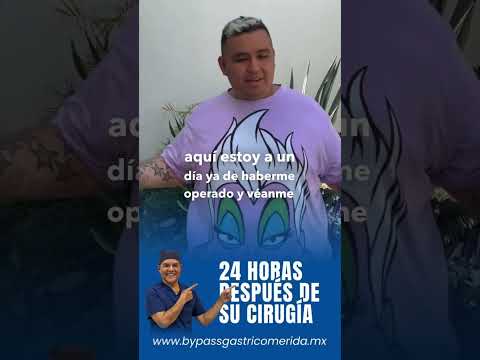
Hearing from individuals who have navigated the complexities of medical travel provides invaluable insight and reassurance. Testimonials offer a realistic glimpse into the clinical environment, the quality of care, and the overall patient journey. While medical statistics provide the foundation of trust, the human element connects deeply with prospective patients. These narratives often highlight the compassion and professionalism exhibited by international medical teams.
It is important to remember that every individual's anatomy, compliance, and healing process are completely unique. Results generally vary, but many patients report profound improvements in their metabolic health and daily quality of life. Reading diverse case summaries can help set realistic expectations regarding recovery timelines and post-operative weight loss pacing. Below are glimpses into the experiences of patients who chose to undergo secondary procedures abroad.
Sarah's Sleeve to Bypass Conversion
After developing severe GERD five years post-sleeve, Sarah traveled to a specialty clinic. The conversion to a gastric bypass resolved her acid reflux almost immediately, and she appreciated the attentive nursing staff during her hospital stay.
Michael's Band Removal and Sleeve
Michael suffered from a slipped lap-band that caused chronic nausea. His surgical team safely removed the old device and performed a sleeve gastrectomy in one session, allowing him to restart his weight loss journey without the pain.
Elena's Pouch Reset Experience
Facing significant weight regain after an older gastric bypass, Elena opted for an endoscopic pouch resizing. She was impressed by the advanced, non-invasive technology used, which resulted in a virtually pain-free overnight recovery.
David's Duodenal Switch Upgrade
Needing a stronger metabolic intervention due to returning diabetes, David upgraded his sleeve to a Duodenal Switch. He valued the thorough preoperative testing that ensured his safety before undertaking such a complex revision.
Preparing for Your Medical Travel and Bariatric Surgery in Tijuana
Organizing a medical trip across international borders requires meticulous logistical planning and attention to detail. Patients must ensure all travel documentation is up-to-date, as a valid passport is required for entry and return. Coordinating flights to San Diego and arranging secure ground transport across the border should be handled well in advance. Proper preparation significantly reduces pre-surgery anxiety, allowing the patient to focus entirely on their health.
Packing for a surgical trip involves preparing for comfort and ease of movement during the recovery phase. Loose-fitting clothing, slip-on shoes, and a specialized abdominal binder are essential items for the hospital stay. It is also highly recommended to travel with a trusted companion who can assist with luggage and provide emotional support. By organizing these practical elements, patients generally experience a smoother, more comfortable medical tourism journey.
- Travel Documents: Ensure your passport is valid and keep printed copies of your medical itinerary.
- Financial Arrangements: Notify your bank of international travel and finalize payment methods with the facility.
- Medical Records: Bring physical and digital copies of your operative reports from your primary surgery.
- Comfort Items: Pack a small travel pillow to protect your abdomen during the car or plane ride home.
Start a pre-op liquid diet exactly as instructed by your surgeon. Shrinking the liver before surgery is crucial for reducing intraoperative complications, especially in complex revisions.
How PlacidWay Assists Your Bariatric Revision Medical Tourism Journey in Mexico
Navigating the global healthcare landscape can be overwhelming when searching for highly specialized secondary operations. PlacidWay serves as a comprehensive resource, connecting international patients with rigorously vetted, top-tier medical facilities. We understand that finding the right expertise is crucial when dealing with the complexities of previous surgical interventions. Our platform is designed to empower patients with transparent information, enabling confident and informed healthcare decisions.
We streamline the research phase by providing direct access to detailed clinic profiles and surgeon credentials. By utilizing our network, individuals can easily compare multiple medical providers to find the best fit for their specific needs. Our goal is to simplify the complex process of international medical travel through reliable, patient-centric assistance. With PlacidWay, stepping into the next phase of your metabolic health journey becomes a clear and structured experience.
- Providing access to a curated network of accredited, board-certified bariatric specialists.
- Facilitating direct communication between patients and international medical teams.
- Assisting patients in gathering and comparing customized medical quotes based on their unique anatomical needs.
- Offering comprehensive educational resources to help patients understand complex surgical procedures.
- Supporting the initial consultation process by helping securely transfer previous medical records.
Frequently Asked Questions
Do I need a passport to travel to Tijuana for bariatric revision?
Yes, U.S. citizens generally need a valid passport to cross the border and return home after medical procedures. It is advisable to ensure your passport is valid for at least six months beyond your travel dates.
What is the typical recovery time for a bariatric revision surgery?
Most patients experience a hospital stay of two to three days, followed by a few days of resting at a local recovery center. Generally, patients can return to non-strenuous work within two to four weeks depending on the procedure's complexity.
Are bariatric revision surgeries more dangerous than primary surgeries?
Secondary weight loss surgeries typically carry a higher risk of complications due to existing scar tissue and altered anatomy. This is why thorough diagnostic evaluations and selecting an experienced specialist are critical for patient safety.
Will my U.S. insurance cover weight loss surgery in Mexico?
The vast majority of U.S. health insurance plans do not cover medical procedures performed internationally. Patients usually pay out-of-pocket, taking advantage of the significantly lower self-pay prices available abroad.
How long should I wait after my first surgery before getting a revision?
Patients are generally advised to wait at least 12 to 18 months after their initial surgery before considering a revision. This allows weight loss to stabilize and gives the body sufficient time to heal.
Can a gastric sleeve be converted to a gastric bypass?
Yes, converting a sleeve gastrectomy to a Roux-en-Y gastric bypass is a very common revisional procedure. It is frequently recommended for patients who develop severe acid reflux or experience inadequate weight loss.
How do I follow up with my doctor after returning home?
Most international bariatric centers provide post-operative follow-up through telemedicine and virtual consultations. Patients are also encouraged to establish a relationship with a local primary care physician for routine blood work and immediate care needs.
Is it safe to travel immediately after a complex bariatric revision?
Patients are typically required to stay in the destination city for several days post-surgery to monitor for immediate complications like leaks or bleeding. Once cleared by the surgical team, short-distance travel like a flight or drive home is generally safe.
What dietary changes are required after a second bariatric surgery?
Following a revision, patients must restart the phased bariatric diet, beginning with clear liquids and slowly progressing to pureed and solid foods over several weeks. Strict adherence to this diet is necessary to allow the newly formed anatomical connections to heal properly.
Why do primary bariatric surgeries fail?
Failure can occur due to anatomical issues such as a stretched stomach pouch, technical surgical errors from the primary procedure, or hormonal adaptations. Additionally, lifestyle factors and a lack of psychological support can lead to significant weight regain.
Ready to Take the Next Step in Your Medical Journey?
Connect with top-rated medical centers and specialists worldwide. Let PlacidWay help you find the best care tailored to your needs.
Medical Disclaimer: This article is for informational purposes only and is not medical advice. Always consult a qualified healthcare provider before any medical decisions. Results may vary. Read Full Disclaimer here.
References:
- American Society for Metabolic and Bariatric Surgery (ASMBS). Bariatric Surgery Procedures. https://asmbs.org/patients/bariatric-surgery-procedures
- Mayo Clinic. Gastric bypass surgery - Risks and Revisions. https://www.mayoclinic.org/tests-procedures/gastric-bypass-surgery/about/pac-20385189
- National Institute of Diabetes and Digestive and Kidney Diseases (NIDDK). Bariatric Surgery. https://www.niddk.nih.gov/health-information/weight-management/bariatric-surgery
- Centers for Disease Control and Prevention (CDC). Medical Tourism: Travel for Medical Care. https://wwwnc.cdc.gov/travel/page/medical-tourism









.jpg)

.jpg)








Share this listing