
Bariatric Revision Surgery: Tijuana vs. U.S. Cost Comparison
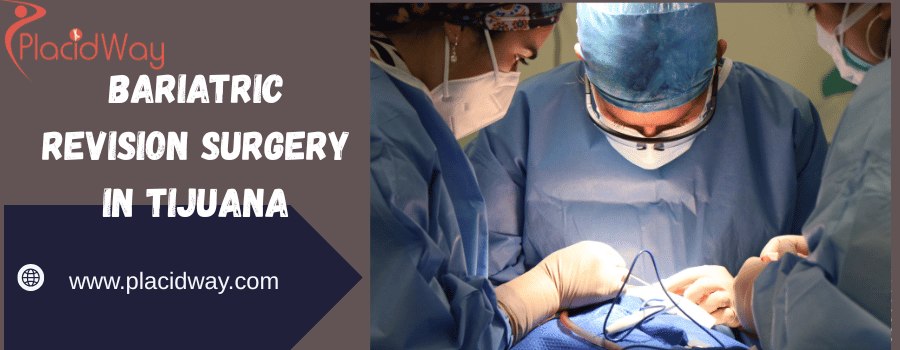
Navigating the journey of weight loss can be complex, especially when initial surgical interventions do not provide the expected long-term outcomes. Many patients considering a second step explore bariatric revision surgery in Tijuana to manage complications or address weight regain. Seeking healthcare across borders introduces unique financial advantages, but it also requires careful evaluation of safety, surgeon credentials, and post-operative logistics.
Understanding whether traveling for healthcare makes sense for your specific situation involves looking beyond the initial price tag. You need to consider travel expenses, time off work, and the critical need for long-term follow-up care once you return home. This guide breaks down the financial landscape, clinical considerations, and practical steps for evaluating this major medical decision.
Key Takeaways
- Revision procedures are inherently more complex and carry higher risks than initial surgeries due to existing scar tissue.
- Cost savings in Mexico largely stem from lower overhead and administrative expenses, not necessarily a lack of technology.
- Patients must arrange long-term follow-up care with a local physician before traveling abroad for surgery.
- Not everyone qualifies for a revision; a thorough evaluation by a qualified bariatric specialist is mandatory.
- Thorough research into facility accreditation and surgeon experience is vital for patient safety.
Why do patients consider a second weight loss surgery in Mexico?
Weight loss surgery is a powerful tool, but it is not a cure for obesity. Over time, physical changes to the stomach pouch or the progression of underlying metabolic conditions can lead to weight regain. In other instances, patients may develop physical complications such as severe acid reflux (GERD), chronic nausea, or difficulty swallowing. When dietary changes and lifestyle modifications fail to resolve these issues, a doctor may recommend an anatomical correction.
Many patients who underwent procedures like lap band surgery a decade ago are now finding that the device needs to be removed or converted to a different type of surgery. Because health insurance policies in the U.S. frequently deny coverage for revision procedures—labeling them as non-essential—patients are left to shoulder the entire financial burden. This high out-of-pocket reality drives many to explore international options where pricing aligns better with their personal budget.
How much does bariatric revision surgery cost in Tijuana compared to the U.S.?
The stark difference in pricing is one of the main catalysts for medical travel. Healthcare systems in North America carry significant administrative burdens, high labor costs, and substantial malpractice insurance premiums, all of which inflate the final bill for the patient. In Mexico, these overhead expenses are considerably lower.
When reviewing potential costs, keep in mind that a revision is technically more difficult than a primary surgery. Surgeons must navigate through adhesions and altered anatomy, which increases time in the operating room. Therefore, you will typically find that revisions cost slightly more than first-time gastric sleeve or bypass surgeries, even in Mexico.
| Procedure Type | Estimated U.S. Cost | Estimated Tijuana Cost |
|---|---|---|
| Lap Band Removal & Sleeve Conversion | $18,000 - $25,000 | $5,500 - $7,000 |
| Sleeve to Bypass Conversion | $20,000 - $30,000 | $6,000 - $8,500 |
| Pouch Resizing | $15,000 - $22,000 | $5,000 - $6,500 |
What factors influence the total price of the procedure?
Many facilities package their services to simplify the process for international patients. While a packaged price might look appealing, you need to understand exactly what is included. Typically, these estimates cover the surgeon fees, anesthesia, standard hospital materials, and brief hotel accommodations.
However, unexpected costs can arise. If your anatomy is severely scarred, the surgery may take longer, requiring more anesthesia and operating room time. Additionally, patients should budget for:
- Pre-operative blood work and cardiac evaluations.
- Travel expenses, including flights to San Diego and border crossing transport.
- Specialized post-operative medications and nutritional supplements.
- Potential extra nights in the hospital if your recovery is slower than expected.
How can I identify a safe bariatric revision surgery clinic in Tijuana?
Choosing where to have surgery is arguably the most critical decision in your medical journey. Because regulations differ by country, the responsibility falls heavily on the patient to perform due diligence. Look for facilities that hold accreditations from recognized international bodies, such as the Joint Commission International (JCI), or those equivalent to rigorous domestic standards.
When evaluating a center, ask detailed questions about their emergency response capabilities. A safe facility must have an intensive care unit (ICU) on-site or an immediate, established transfer protocol to a nearby hospital capable of handling severe surgical emergencies. Do not rely solely on online reviews; ask to see the surgeons certifications and verify that they are actively participating in recognized medical societies.
What are the most common types of revision procedures performed?
The type of revision you require directly depends on your primary surgery and the specific problems you are experiencing now. For example, lap band removals are very common today. Many patients who received gastric bands experience slippage, port infections, or inadequate weight loss. Surgeons often remove the band and convert the patient to a gastric sleeve or bypass during the same operation, provided the stomach tissue is healthy enough.
Another frequent revision is converting a gastric sleeve to a Roux-en-Y gastric bypass. While the sleeve is highly effective for weight loss, it can sometimes induce severe, treatment-resistant acid reflux. Converting to a bypass alters the anatomy in a way that stops the reflux while also providing an additional mechanism for weight loss.
Who is typically considered a suitable candidate for a revision?
Not everyone who regains weight is a candidate for further surgery. A qualified healthcare provider will conduct a thorough psychological and physical evaluation before approving a revision. They need to determine whether the weight regain is due to an anatomical failure, such as a stretched stomach pouch, or if it relates to a return of old dietary habits.
If the issue is primarily behavioral, counseling and meetings with a registered dietitian may be recommended over taking on the risks of a second surgery. Medical clearance also involves checking your heart, lungs, and nutritional status to ensure your body can withstand another round of general anesthesia and surgical trauma.
What are the potential risks and complications of a revision?
Safety must always remain your top priority. The primary reason a second surgery is more dangerous is the presence of adhesions. Every time the abdomen is operated on, the body forms scar tissue. This tissue can bind organs together, making it difficult for the surgeon to separate them without causing accidental damage to the stomach or intestines.
Because the blood supply to the stomach may have been altered during the first surgery, the tissue might not heal as predictably. This increases the risk of a leak, where digestive fluids escape into the abdominal cavity, requiring emergency intervention. Other risks include blood clots, prolonged recovery times, and long-term vitamin and mineral deficiencies.
How does medical tourism in Tijuana work for surgical patients?
The geographical proximity of this border city makes it a highly accessible destination for North American patients. Most treatment pathways begin with remote consultations, where you share your medical records, surgical history, and current test results with the medical team abroad. Once approved, patients usually fly into Southern California.
Upon arrival, many established clinics provide a shuttle service that takes you directly across the border to the medical facility or a nearby hotel. You will undergo final blood tests and an in-person physical assessment before the operation. After discharge from the hospital, you will stay locally to ensure you are stable, hydrated, and capable of handling the journey home.
How should I manage my aftercare and long-term follow-up at home?
The success of weight loss surgery relies heavily on post-operative care. When you return home, you will no longer have immediate access to your operating surgeon. Therefore, you must find a local healthcare provider willing to take over your long-term monitoring. This can sometimes be challenging, as some physicians hesitate to take on patients who received complex procedures abroad.
You must obtain all operative reports, surgical notes, and discharge instructions translated into English before leaving Mexico. Bring these to your local doctor. You will require periodic blood tests to check for vitamin B12, iron, and calcium deficiencies. Committing to a lifelong regimen of specific bariatric vitamins and dietary discipline is mandatory for maintaining your health.
Why Choose PlacidWay for Medical Tourism in Tijuana?
PlacidWay is an informational platform designed to help patients explore healthcare options globally.
- Extensive Directory: Access information on numerous clinics and specialized healthcare providers in Mexico.
- Educational Resources: Read objective profiles and facility information to help guide your independent research.
- Direct Connections: Send inquiries directly to healthcare facilities to request customized treatment estimates.
- Procedure Details: Review available surgical methods, facility accreditations, and provider credentials in one place.
- Global Reach: Compare treatment options across different countries to find a destination that fits your budget and medical needs.
Frequently Asked Questions
Is it safe to travel to Tijuana for a medical procedure?
Traveling for healthcare always carries some risk. While many patients have safe experiences in Tijuana, your safety depends on thoroughly researching the facility, verifying surgeon credentials, and understanding the clinic protocols for emergencies.
Will my U.S. health insurance cover a revision surgery in Mexico?
U.S. health insurance providers typically do not cover planned medical procedures performed outside the United States. Patients traveling for surgery abroad usually pay out of pocket using savings, personal loans, or medical financing.
How long do I need to stay in Tijuana after my operation?
Patients typically stay in the hospital for two to three days after the procedure, followed by an additional two to four days in a local hotel. Surgeons usually require an in-person follow-up before clearing you to travel home.
Do surgeons in Tijuana speak English?
Many surgeons and medical staff members who frequently treat international patients are bilingual. However, proficiency varies by facility, so you may want to ask about translation services during your initial consultation.
Can I bring a companion with me to the hospital?
Yes, most facilities allow you to bring a companion. Having a trusted friend or family member with you can provide emotional support and physical assistance during the early days of your recovery.
What happens if I experience a complication after returning home?
If you experience a medical emergency at home, you must seek immediate care at the nearest local emergency room. It is vital to establish a relationship with a local doctor before you travel so they can manage your long-term follow-up care.
Are the medical instruments and technology similar to U.S. hospitals?
Facilities that cater to international patients often invest in modern surgical equipment, including laparoscopic and robotic tools. You should verify the specific technology and accreditation of your chosen facility before booking.
How long after my initial surgery can I have a revision?
The appropriate timeline depends on your individual health, the type of original surgery, and the reasons for the revision. Surgeons typically wait until you have fully healed from the primary procedure and attempted non-surgical interventions.
Will I need to follow a special pre-op diet again?
Yes, surgeons routinely require patients to undergo a strict pre-operative liver-shrinking diet before a revision. This diet reduces the size of your liver, giving the surgeon better access to your stomach and potentially lowering surgical risks.
How do I transfer my medical records to a foreign clinic?
You can usually request a digital copy of your medical records and operative reports from your original surgeon. These documents are then securely emailed or uploaded to your prospective surgical team abroad for review.
Compare Treatment Options
Take the next step in researching your medical journey. Request detailed information about facilities, options, and estimated costs from healthcare providers abroad.
Request Treatment InformationReferences
- Bariatric Surgery Procedures – American Society for Metabolic and Bariatric Surgery (ASMBS)
- Weight-loss Surgery – National Institute of Diabetes and Digestive and Kidney Diseases
- Medical Tourism – Centers for Disease Control and Prevention (CDC)
- Gastric Bypass Surgery – Mayo Clinic
- Outcomes of Revisional Bariatric Surgery – National Center for Biotechnology Information (NCBI)
- Weight Loss Surgery Options – Johns Hopkins Medicine
- Bariatric Surgery Patient Information – American College of Surgeons





























Share this listing