



For active Canadians, waiting months or even years for vital orthopedic interventions can mean the end of a competitive career or a severe decline in daily quality of life. The public healthcare system, while equitable, often categorizes sports injuries as elective, pushing athletes to the bottom of extensive surgical waitlists. Driven by the pressing need to preserve their physical capabilities, a growing number of individuals are exploring rotator cuff repair in Puerto Vallarta as a highly viable, immediate solution.
This surge in international medical travel is fueled by the desire to access rapid, high-quality medical care without the exorbitant price tags associated with private clinics back home. In Mexico, world-class orthopedic specialists utilize state-of-the-art arthroscopic technology to address shoulder injuries efficiently. By choosing this destination, patients seamlessly bypass healthcare bottlenecks, allowing them to initiate their rehabilitation and return to their active lifestyles much sooner than anticipated.
- Immediate Accessibility: Bypassing waitlists allows athletes to undergo surgery before significant muscle atrophy sets in.
- Specialized Expertise: Surgeons often hold international certifications and specialize in advanced sports medicine.
- Minimally Invasive Techniques: Arthroscopic methods are commonly utilized to promote faster tissue healing.
- Comprehensive Care: Treatment plans typically include pre-operative imaging, the surgery, and initial post-operative physical therapy.
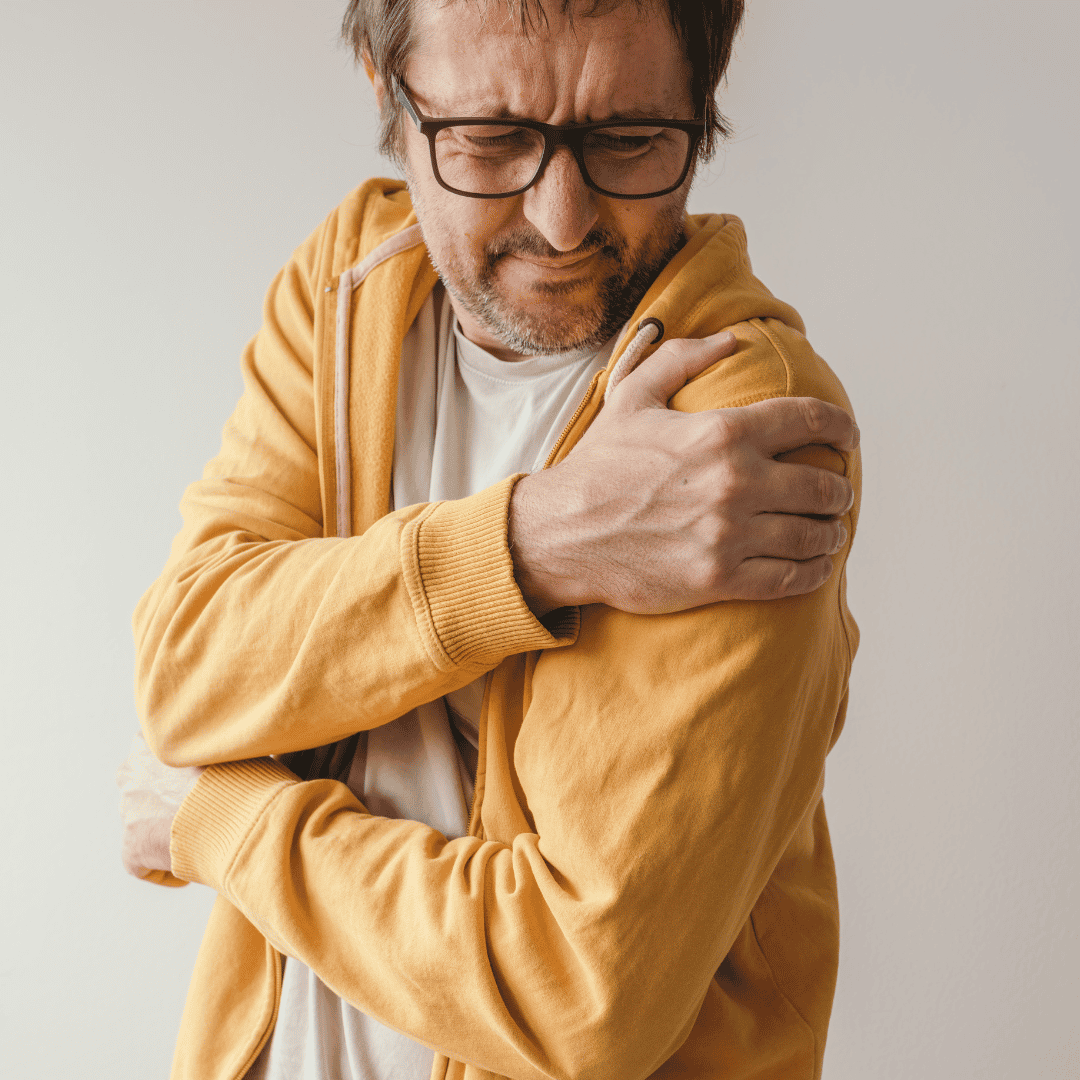
The rotator cuff is a critical group of four muscles and their tendons that stabilize the shoulder joint. A tear in any of these tendons can drastically reduce arm mobility, making everyday tasks and athletic endeavors extremely painful.
Why Canadian Athletes Choose Orthopedic Surgery in Puerto Vallarta
The decision to seek cross-border healthcare is rarely taken lightly, particularly when it involves joint repair critical to athletic performance. However, the appeal of orthopedic surgery in Puerto Vallarta goes far beyond simply escaping a delayed domestic system. The region has heavily invested in modern medical infrastructure, developing top-tier medical facilities that strictly adhere to international standards of hygiene, safety, and patient care.
Furthermore, the destination offers an environment highly conducive to the initial phases of post-surgical healing. Rather than navigating icy Canadian sidewalks while in a sling, patients recover in a warm, relaxing climate that naturally alleviates stress and promotes blood flow. Combined with English-speaking medical staff and dedicated medical concierge services, the entire experience is designed to be as seamless and supportive as possible.
- Accredited Facilities: Many private hospitals and specialized clinics maintain stringent global healthcare accreditations.
- Favorable Exchange Rates: The economic dynamic makes comprehensive private healthcare exceptionally affordable for Canadians.
- Holistic Healing Environment: Warm weather and serene surroundings contribute positively to the psychological aspects of recovery.
- Direct Flight Access: Numerous direct flights from major Canadian cities make travel logistics straightforward and relatively stress-free.
According to medical travel industry reports, orthopedic procedures consistently rank among the top three reasons North Americans travel abroad for healthcare, driven primarily by the need for immediate joint and tendon repair.
The Impact of Long Wait Times on Athletic Performance and Recovery
In the realm of sports medicine, time is an athlete’s most critical asset, and delaying structural repairs can have compounding negative effects on the body. When a torn rotator cuff is left untreated for extended periods, the affected muscles begin to undergo fatty infiltration and atrophy. This biological degradation means that even when the surgery is eventually performed, the muscle tissue may be weaker and less capable of holding the surgical anchors securely.
Moreover, chronic pain leads to compensatory movement patterns, which can place undue stress on the spine, neck, and the opposite shoulder. Canadian athletes frequently report that spending a year or more on a public waitlist not only degrades their physical conditioning but also severely impacts their mental health and career longevity. Securing rapid access to shoulder surgery in Mexico mitigates these risks, offering a clear pathway back to optimal function.
- Muscle Atrophy: Prolonged disuse leads to muscle wasting, complicating post-surgical rehabilitation.
- Tendon Retraction: Over time, a torn tendon can retract further away from the bone, making anatomical repair significantly more difficult.
- Compensatory Injuries: Altered biomechanics to avoid pain can cause secondary injuries in neighboring joints.
- Psychological Strain: Extended periods of inactivity can trigger anxiety and depression related to lost athletic identity.
Delaying surgery for a massive, full-thickness rotator cuff tear can sometimes render the injury "irreparable" by standard means, potentially necessitating much more invasive procedures like a reverse total shoulder replacement down the line.
Cost of Rotator Cuff Repair in Puerto Vallarta vs Canada
While public healthcare in Canada covers medically necessary surgeries, those unwilling to wait often look to private domestic clinics, where the out-of-pocket expenses can be staggering. In contrast, evaluating the shoulder surgery cost in Mexico reveals a pathway to premium care at a fraction of the North American private market price. This dramatic price disparity is not a reflection of compromised quality, but rather differences in regional operating costs, lower malpractice insurance burdens, and optimized administrative overhead.
When budgeting for medical tourism, it is vital to look beyond the base surgical fee and consider the comprehensive package. High-quality centers in Mexico typically bundle the surgeon's fee, anesthesiology, operating room time, and immediate post-operative medications into one transparent price. Below is a realistic market range comparison illustrating the financial advantage for self-paying patients.
| Procedure Name | Average Cost in Puerto Vallarta (USD) | Estimated Private Cost in Canada (USD) |
|---|---|---|
| Arthroscopic Rotator Cuff Repair (Standard) | $5,500 - $7,000 | $15,000 - $22,000 |
| Complex Repair (with Biceps Tenodesis) | $6,500 - $8,500 | $20,000 - $28,000 |
| Revision Rotator Cuff Surgery | $7,000 - $9,500 | $25,000 - $35,000 |
| Initial MRI Diagnostic Scan | $250 - $400 | $800 - $1,200 |
Medical tourism packages in Mexico frequently utilize the exact same FDA-approved bio-composite anchors and high-strength surgical sutures used by top orthopedic surgeons in the United States and Canada.
Exploring Advanced Surgical Techniques in Puerto Vallarta
Orthopedic medicine has evolved rapidly, moving away from large, invasive incisions toward precision-based minimally invasive techniques. Surgeons performing sports medicine procedures abroad heavily rely on arthroscopy, a technique utilizing a small camera and specialized instruments inserted through tiny keyhole incisions. This approach minimizes damage to surrounding healthy tissues, directly translating to less post-operative pain and a swifter initiation of physical therapy.
For high-demand athletes, many specialists employ rapid-return protocols such as the double-row repair technique. This advanced suturing method creates a broader footprint of tendon-to-bone contact, providing superior biomechanical strength immediately following the operation. By implementing these sophisticated methods, surgeons aim to restore the complex anatomy of the shoulder to withstand the extreme forces generated during competitive sports.
- All-Arthroscopic Repair: Utilizes a camera and micro-instruments through tiny punctures, avoiding cutting through the deltoid muscle.
- Double-Row Suture Bridging: Maximizes the compression of the tendon against the bone to enhance natural healing and structural integrity.
- Biologic Augmentation: Some clinics offer complementary therapies like PRP (Platelet-Rich Plasma) to potentially accelerate tissue regeneration.
- Concomitant Procedures: Surgeons can simultaneously address related issues, such as bone spurs or a torn labrum, during the same arthroscopic session.
What to Expect During Your Rapid-Return Shoulder Surgery Experience
Navigating surgery in a foreign country can understandably evoke apprehension, but understanding the structured clinical pathway significantly alleviates anxiety. Upon arrival, your journey typically begins with a comprehensive pre-operative consultation, during which the surgical team reviews your MRI scans, conducts physical evaluations, and finalizes the customized surgical blueprint. This direct, unhurried face-time with the operating surgeon establishes crucial trust and clarity.
The surgery itself usually takes between one to three hours, depending on the tear's complexity, performed under general anesthesia combined with a regional nerve block. Following the procedure, patients generally spend one night in the hospital or a specialized recovery suite for close monitoring and intravenous pain management. The medical team focuses intensely on immediate comfort, ensuring you are stable and prepared to transition to outpatient recovery.
- Day 1 (Arrival & Prep): Pre-operative blood tests, EKG, final surgeon consultation, and anesthesiologist review.
- Day 2 (Surgery): Admission to the clinic, the arthroscopic procedure, and transition to the post-op recovery room.
- Day 3 (Discharge): Pain management stabilization, wound inspection, fitting of the specialized shoulder sling, and discharge to your hotel.
- Days 4-7 (Initial Recovery): Resting at your accommodation, gentle prescribed movements, and a follow-up appointment to check incisions.
Pack oversized, button-down shirts or zip-up hoodies. You will be entirely unable to lift your operative arm above your head for several weeks, making standard t-shirts impossible to wear.
Choosing a Specialized Sports Medicine Clinic in Puerto Vallarta
The cornerstone of a successful medical tourism experience lies in meticulously selecting the right medical provider. When seeking a facility for complex joint repair, it is imperative to look beyond polished websites and focus on verifiable credentials. A premier clinic will typically feature board-certified orthopedic surgeons who hold active memberships in international sports medicine societies and regularly participate in continued medical education.
Furthermore, evaluating a clinic involves assessing its technological capabilities and its protocols for international patient support. The ideal facility will seamlessly integrate modern diagnostic imaging, highly sterile operating theaters, and dedicated patient coordinators who speak fluent English. Prospective patients should actively request information regarding the specific implants utilized and inquire about the surgeon's annual volume of arthroscopic shoulder repairs.
- Verify Credentials: Ensure the surgeon is board-certified in orthopedics with specialized fellowship training in shoulder or sports medicine.
- Check Accreditations: Look for clinics that adhere to recognized national or international healthcare quality standards.
- Request Statistics: Ask the provider about their specific infection rates and overall volume of rotator cuff procedures.
- Review Support Services: Confirm that the facility provides comprehensive assistance with medical record translation, local transfers, and clear communication channels.
The Standard Recovery Timeline for Medical Tourists in Mexico
Healing a surgically repaired tendon requires immense patience and strict adherence to protocol; there are no shortcuts to biological integration. Most patients experience significant discomfort and sleep disruption during the first two weeks, managed through prescribed medications and ice therapy. During this critical initial phase, the arm is strictly immobilized in an abduction sling to protect the delicate surgical anchors from any tension.
Medical tourists generally spend about 7 to 10 days in the destination before receiving clearance to fly home to Canada. Once back, the focus shifts to a long-term, phased recovery plan. While everyday non-strenuous activities may resume around the three-month mark, athletes must understand that achieving maximal strength and clearance for heavy lifting or aggressive overhead sports typically requires six to nine months of dedicated effort.
- Weeks 1-4 (Maximum Protection): Strict sling usage, managing inflammation, and highly restricted movement to allow early tissue healing.
- Weeks 5-8 (Passive Motion): Weaning off the sling, beginning physical therapy focused exclusively on passive range of motion with a therapist's assistance.
- Weeks 9-16 (Active Motion): Transitioning to active movement, gradually teaching the muscles to engage without resistance.
- Months 4-6+ (Strengthening): Introducing resistance bands and light weights, ultimately progressing toward sport-specific dynamic exercises.
Sleeping in a reclined position (at a 45-degree angle) in a recliner chair for the first few weeks post-surgery is widely recommended by orthopedic surgeons, as lying flat puts painful tension on the newly repaired shoulder tendons.
Typical Rehabilitation and Physical Therapy Options Abroad
Surgery is only the first fifty percent of a successful outcome; rigorous, intelligent physical therapy makes up the remainder. While the bulk of your rehabilitation will occur back home in Canada, your time in Mexico often includes the crucial first steps of this journey. Shortly after your procedure, a local physical therapist will typically visit you to demonstrate essential early movements, such as pendulum swings, and instruct you on how to safely don and doff your sling.
To ensure a flawless transition of care, your international surgeon will provide a comprehensive, multi-phase rehabilitation protocol document. This detailed blueprint acts as a direct communication tool between your surgical team abroad and your local Canadian physiotherapist. By establishing a clear, collaborative roadmap, athletes can confidently explore options for medical tourism knowing their continuity of care remains uninterrupted.
- Immediate Post-Op Physio: Instruction on safe sleeping postures, dressing, and basic blood-flow exercises for the hand and wrist.
- Protocol Documentation: Receiving a week-by-week rehabilitation guide signed by the operating surgeon.
- Virtual Follow-ups: Many surgeons offer telemedicine appointments to monitor progress and consult with your local physical therapist.
- Home Exercise Programs: Strict guidance on what movements are safely permitted and, more importantly, strictly forbidden in the early stages.
Potential Risks and Transparent Success Rates of Shoulder Surgery
Every surgical intervention inherently carries biological risks, and maintaining realistic expectations is paramount for any medical traveler. While arthroscopic shoulder surgery is highly refined, it is never without potential complications. Generally, the procedure yields excellent outcomes, effectively reducing pain and restoring function, but patients must meticulously follow post-operative instructions to safeguard these results.
Most patients experience a straightforward recovery, yet issues such as temporary stiffness (frozen shoulder), infection, or nerve irritation can occasionally arise. The most significant risk remains the retear of the tendon, which typically occurs if a patient aggressively overexerts the shoulder before the tendon has fully fused to the bone. Transparent surgeons will openly discuss these possibilities and outline the steps taken in the operating room to minimize their occurrence.
- Tendon Retear: The risk of the repair failing, often linked to poor tissue quality, smoking, or non-compliance with physical therapy restrictions.
- Infection: Minimized through strict surgical sterility and prophylactic antibiotics, but remains a baseline risk for any invasive procedure.
- Shoulder Stiffness: A common side effect requiring dedicated physical therapy to safely stretch the joint capsule.
- Anesthesia Reactions: Rare but possible adverse reactions to the medications used during the surgery.
Clinical studies indicate that arthroscopic rotator cuff repairs have a general success rate ranging from 80% to 90% in terms of significant pain relief and functional improvement, heavily dependent on tear size and patient adherence to rehab.
Preparing for Your Medical Tourism Journey to Mexico
Thorough preparation transforms a potentially stressful medical trip into a highly organized and manageable experience. Well before your departure date, it is essential to compile a comprehensive medical dossier. This should include your most recent MRI files on a USB drive or accessible cloud link, detailed radiologist reports, and a complete medical history outlining any underlying conditions or daily medications.
Beyond medical documentation, practical logistics require careful attention. Traveling with a trusted companion is highly advised, as you will essentially be one-handed and reliant on assistance for carrying luggage, managing travel documents, and handling immediate post-surgical care. Ensuring your passport is valid for at least six months and notifying your bank of international travel are critical administrative steps.
- Medical Records: Gather high-resolution imaging, blood work, and local physician notes to share with your international surgeon.
- Travel Companion: Bring a friend or family member to provide essential physical and emotional support during transit and early recovery.
- Financial Preparation: Clarify all payment methods accepted by the clinic and notify your financial institutions to prevent card freezes abroad.
- Home Readiness: Pre-cook meals, place essential items at waist level, and set up a comfortable recovery zone in your Canadian home prior to leaving.
Invest in slip-on shoes with good traction. Navigating airports and clinic hallways securely is vital, as a slip or fall could severely compromise your newly repaired shoulder.
How PlacidWay Assists Your Rotator Cuff Repair Medical Tourism Journey in Puerto Vallarta
Coordinating complex healthcare across international borders can be an overwhelming task, particularly when managing the pain and stress of a severe sports injury. Utilizing a dedicated medical tourism facilitator streamlines the process, transforming a daunting administrative challenge into a clear, manageable pathway to wellness. PlacidWay acts as your specialized advocate, bridging the gap between Canadian patients and top-tier medical providers in Mexico.
By leveraging an extensive network of rigorously vetted healthcare partners, the facilitation process focuses entirely on delivering value, transparency, and seamless communication. The goal is to ensure that your primary focus remains on your impending surgery and subsequent rehabilitation, rather than getting bogged down in logistical uncertainties or language barriers.
- Providing comprehensive information on highly credentialed, board-certified orthopedic surgeons specialized in sports medicine.
- Facilitating the secure transfer of your medical records and MRI scans for precise preliminary surgical evaluations.
- Coordinating direct virtual consultations between you and prospective surgeons to discuss customized treatment protocols.
- Assisting with transparent cost estimates and breaking down the specifics of surgical packages from reputable medical centers.
- Offering dedicated patient coordination to advocate for your medical needs and ensure clear communication with international clinical staff.
Inspiring Success Stories from Canadian Athletes
When considering crossing borders for joint repair, nothing provides more reassurance than hearing the authentic experiences of peers who have successfully navigated the same path. The decision to pursue rapid-return orthopedic solutions abroad has allowed countless Canadian athletes to reclaim their passions, circumventing a system that threatened to sideline them indefinitely.
These narratives highlight not only the clinical success of the procedures but also the profound psychological relief of taking control of one's healthcare journey. The following testimonials reflect typical experiences of highly active individuals who prioritized their mobility and chose to beat the waitlist.
Mark, 42 - Recreational Hockey Player from Toronto
"I was told I'd wait 18 months for surgery. By month three, my shoulder was freezing up entirely. Going to Mexico was the best decision I made. The facility was pristine, and my surgeon was incredible. Eight months post-op, and I'm back on the ice with full mobility."
Sarah, 35 - Competitive Tennis Player from Vancouver
"A massive tear threatened my coaching career. The team in Puerto Vallarta used advanced arthroscopy that my local doctor said would have cost me over $20k privately here. The recovery was tough, but the initial care I received set the perfect foundation. I'm serving pain-free again."
David, 29 - CrossFit Competitor from Calgary
"I was terrified of losing my strength gains while waiting on the public list. The speed at which I was seen, evaluated, and operated on in Mexico was staggering. They understood my athletic goals and tailored the repair to handle high-stress movements."
Emma, 48 - Masters Swimmer from Montreal
"The communication from the international clinic surpassed my expectations. My Canadian physio was highly impressed with the detailed operative notes and rehab protocol they sent back with me. It felt like a truly collaborative, global approach to my health."
Many high-level professional athletes routinely travel internationally to specific specialists for orthopedic repairs, making cross-border sports medicine a widely accepted practice in elite sports circles.
Frequently Asked Questions About Shoulder Surgery in Mexico
When planning an international medical procedure, having clear, accurate answers to common logistical and clinical questions is vital. Patient education is the cornerstone of a safe and successful medical tourism journey, empowering individuals to make confident choices regarding their bodily health.
Below are some of the most pressing inquiries raised by Canadian athletes considering crossing borders to repair their rotator cuffs, designed to clarify the realities of the experience.
Is rotator cuff surgery in Mexico safe for international athletes?
Yes, when performed at accredited facilities by board-certified orthopedic surgeons, shoulder surgery in Mexico generally maintains safety standards comparable to those in Canada. Patients should carefully vet their chosen clinic and medical team prior to traveling.
How long do I need to stay in Puerto Vallarta after shoulder surgery?
Most orthopedic specialists typically recommend staying in Puerto Vallarta for 7 to 10 days post-surgery. This timeline allows for initial physical therapy, a follow-up consultation, and clearance to fly home safely.
Can I fly back to Canada immediately after my rotator cuff repair?
Flying immediately is generally contraindicated due to swelling, discomfort, and the risks associated with cabin pressure changes shortly after anesthesia. Surgeons typically require a brief in-country recovery period before clearing patients for air travel.
Will my Canadian physical therapist be able to coordinate my rehab?
Yes, most international orthopedic surgeons provide detailed operative reports and multi-phase rehabilitation protocols. You can simply hand these comprehensive documents to your local physical therapist in Canada to continue your recovery seamlessly.
Why is rotator cuff repair cheaper in Puerto Vallarta than private surgery in Canada?
The lower cost of rotator cuff repair in Puerto Vallarta is primarily driven by reduced administrative overhead, lower malpractice insurance premiums, and differences in the cost of living. It is not generally a reflection of lower surgical quality or inferior materials.
Do Mexican orthopedic surgeons use the same surgical anchors and materials?
Reputable clinics catering to international medical tourists typically utilize FDA-approved surgical anchors, sutures, and arthroscopic equipment from globally recognized medical manufacturing brands.
What happens if I experience complications after returning to Canada?
While severe complications are rare, you must seek immediate care through the Canadian healthcare system or an emergency room if urgent issues like infection arise. Many medical tourists also purchase specialized medical complication insurance prior to their trip.
Do I need a special medical visa to travel to Mexico for surgery?
Canadian citizens generally do not require a special medical visa for short-term healthcare treatments in Mexico. A standard tourist entry permit, valid for up to 180 days, is typically sufficient for orthopedic procedures and recovery.
How quickly can I return to sports after rapid-return shoulder surgery?
Return to play varies significantly based on the sport, the extent of the tear, and individual healing rates. While some non-contact activities may resume in 3 to 4 months, full clearance for high-impact or overhead sports typically takes 6 to 9 months of dedicated rehab.
What type of anesthesia is typically used for this procedure abroad?
Orthopedic surgeons usually utilize a combination of general anesthesia and a regional nerve block. The nerve block helps significantly reduce immediate post-operative pain during the first 12 to 24 hours of your recovery.
Ready to bypass the waitlist and reclaim your active lifestyle? Let PlacidWay connect you with world-class orthopedic care today.
References
- Canadian Institute for Health Information (CIHI). Wait Times for Priority Procedures in Canada. https://www.cihi.ca/en/wait-times-for-priority-procedures-in-canada
- American Academy of Orthopaedic Surgeons (AAOS). Rotator Cuff Tears: Surgical Treatment Options. https://orthoinfo.aaos.org/en/treatment/rotator-cuff-tears-surgical-treatment-options/
- Mayo Clinic. Rotator Cuff Injury - Diagnosis and Treatment. https://www.mayoclinic.org/diseases-conditions/rotator-cuff-injury/diagnosis-treatment/drc-20350231
- Centers for Disease Control and Prevention (CDC). Medical Tourism: Travel for Medical Care. https://wwwnc.cdc.gov/travel/page/medical-tourism


.png)











Share this listing