


A reverse shoulder replacement is a specialized orthopedic procedure designed for individuals with complex joint deterioration. Unlike conventional shoulder surgeries, this technique reverses the anatomical positions of the ball and socket to restore functionality. This specific configuration allows the deltoid muscle to take over the lifting mechanics previously managed by a severely damaged rotator cuff. Consequently, patients who have lost essential arm mobility typically find this approach highly beneficial for regaining basic movement.
Many individuals exploring international healthcare options are increasingly researching complex reverse shoulder arthroplasty in Mexico. By accessing highly equipped medical centers across the border, patients can often receive sophisticated joint treatments that utilize advanced biomechanical implants. The procedure generally aims to alleviate chronic pain and restore an acceptable range of motion for daily activities. However, it is important to remember that individual anatomical variations mean medical outcomes will naturally differ.
The reverse shoulder implant was originally designed in Europe in the 1980s specifically for patients with severe rotator cuff arthropathy, and its biomechanical success has since made it a global standard.
Why U.S. Retirees Choose Medical Tourism in Tijuana
Over the past decade, a growing number of older adults have started seeking healthcare alternatives outside their home country. This demographic often faces substantial out-of-pocket expenses for speciali
zed orthopedic interventions domestically. By exploring an , patients can access high-quality care without completely exhausting their retirement savings. The immediate proximity of this border city to the United States makes it a highly convenient option for cross-border medical travel.
Furthermore, international patients frequently seek out a specialized certified clinic in Tijuana because these facilities routinely cater to North American quality standards. Medical tourists typically appreciate the comprehensive care models that emphasize personalized attention and bilingual communication. Dedicated orthopedic centers in this region generally invest heavily in modern surgical technologies to remain globally competitive. Ultimately, this unique combination of financial accessibility, lower clinical costs, and modern infrastructure drives the steady influx of medical travelers.
- Significant Cost Savings: Out-of-pocket expenses are typically a fraction of domestic healthcare prices.
- Geographic Convenience: Easily accessible via short flights to San Diego followed by a quick border crossing.
- Bilingual Medical Staff: Facilitates clear communication regarding complex orthopedic procedures.
- Modern Infrastructure: Access to state-of-the-art imaging and surgical equipment.
Candidacy for Complex Reverse Shoulder Arthroplasty in Mexico
Determining whether a patient is suitable for this specific surgery requires a thorough clinical evaluation by an orthopedic specialist. The ideal candidate typically suffers from a completely torn rotator cuff accompanied by severe joint arthritis, a condition known as rotator cuff arthropathy. Individuals who have experienced previously failed conventional joint replacements are also generally evaluated for this reversed mechanical approach. A comprehensive physical assessment helps surgeons gauge the existing strength of the surrounding deltoid muscle.
Conversely, patients must understand the strict medical contraindications associated with this highly invasive orthopedic intervention. Individuals with active joint infections, severe osteoporosis, or highly compromised immune systems are generally disqualified from proceeding. Moreover, those with significantly damaged deltoid nerves typically cannot undergo this operation, as that specific muscle is crucial for post-surgical movement. Medical professionals carefully weigh these physiological factors because results can never be guaranteed.
Patients with a history of severe cardiovascular disease or uncontrolled diabetes generally face higher surgical risks. Always undergo a rigorous preoperative cardiac clearance before committing to international medical travel.
Affordable Reverse Shoulder Replacement Cost in Tijuana
Financial transparency is a major factor driving the growth of medical tourism in Tijuana for specialized joint care. In the United States, patients routinely face astronomical bills for hospital stays, surgeon fees, and the prosthetic device itself. Across the border, the bundled pricing structures generally provide a much more manageable financial landscape for retirees on fixed incomes. These comprehensive packages typically include standard preoperative testing, the surgical intervention, and the initial hospital recovery days.
When analyzing the exact financial requirements, prospective patients must account for the different phases of the surgical journey. The cost of shoulder replacement surgery in Mexico generally ranges from $8,500 to $12,500, depending on the complexity of the specific case. In stark contrast, uninsured or underinsured patients in the U.S. might see estimates exceeding $30,000 for identical interventions. Review the generalized cost comparison below to understand the typical financial landscape.
| Procedure / Treatment Phase | Average Cost in Tijuana (USD) | Average Cost in U.S. (USD) |
|---|---|---|
| Preoperative Diagnostics (MRI, X-Rays) | $300 - $600 | $1,500 - $3,500 |
| Standard Reverse Shoulder Replacement | $8,500 - $10,500 | $25,000 - $35,000 |
| Complex Revision Reverse Replacement | $10,500 - $12,500 | $35,000 - $50,000 |
| Initial In-Hospital Physical Therapy | Included in Package | $1,000 - $2,500 |
Surgical Techniques for Reverse Shoulder Replacement in Tijuana Clinics
The operative methodologies employed by specialists south of the border mirror those practiced in top-tier medical institutions worldwide. Surgeons generally utilize highly advanced, FDA-approved prosthetic devices made from durable titanium and specialized medical-grade plastics. During the operation, the physician strategically removes the damaged natural bone and meticulously secures the reversed mechanical components into place. This intricate adjustment relies heavily on precise spatial alignment to ensure optimal biomechanical leverage for the deltoid muscle.
Many top-rated orthopedic clinics in Tijuana are also increasingly adopting minimally invasive surgical approaches to joint replacement. By utilizing smaller incisions and muscle-sparing techniques, surgeons generally aim to reduce postoperative pain and accelerate tissue healing. Advanced computer-assisted navigation systems are sometimes used to enhance the accuracy of implant placement. Despite these modern advancements, patients should remain aware that complex reconstructive surgeries inherently carry substantial bodily stress.
By securing a synthetic ball to the shoulder blade and placing an artificial socket on the top of the arm bone, this surgery fundamentally alters your shoulder's natural center of rotation.
The Diagnostic Process Before Shoulder Surgery in Tijuana
A successful medical travel journey requires a highly organized and rigorous diagnostic protocol prior to entering the operating room. Most international specialists generally request preliminary X-rays and detailed MRI scans from your home country to conduct an initial virtual consultation. Once you arrive at your destination, the clinical team typically performs a secondary round of high-resolution imaging. This localized evaluation allows the surgeon to confirm the exact degree of bone loss and carefully plan the surgical geometry.
In addition to advanced joint imaging, patients undergo a comprehensive battery of routine medical clearance examinations. These standard evaluations typically include extensive blood panels, electrocardiograms, and detailed consultations regarding ongoing prescription medications. Ensuring optimal physical readiness is an absolute priority for minimizing intraoperative risks during complex orthopedic procedures abroad. Only after all safety parameters are met will the medical team generally authorize the scheduled joint replacement.
Always carry physical copies of your most recent MRI discs and printed medical clearance reports when traveling, even if you have previously sent digital copies to the international facility.
Safety and Quality Standards of Reverse Shoulder Replacement Clinics in Tijuana
Many prospective travelers naturally harbor initial concerns regarding the clinical hygiene and regulatory oversight of international medical facilities. However, reputable centers specializing in shoulder arthroplasty in Mexico generally operate under stringent international sterilization and patient safety protocols. Many of these modern hospitals actively pursue independent global accreditations to demonstrate their commitment to excellent clinical outcomes. Furthermore, the specialized orthopedic surgeons practicing in these dedicated facilities are typically board-certified and routinely undergo ongoing medical education.
A rigorous commitment to safety extends far beyond the sterile environment of the primary operating theater. High-quality institutions generally employ multidisciplinary teams consisting of experienced anesthesiologists, intensive care specialists, and dedicated infectious disease coordinators. These professionals collaborate closely to monitor patient vitals and mitigate potential systemic complications throughout the hospital stay. By maintaining these high operational standards, cross-border facilities strive to provide a secure environment for major joint reconstruction.
Studies indicate that internationally accredited medical facilities often maintain surgical infection rates that are statistically comparable to domestic averages in the United States.
Navigating the Recovery Process After Shoulder Arthroplasty in Mexico
The initial postoperative phase demands strict compliance with medical guidelines to ensure the artificial joint stabilizes correctly. Patients typically spend two to three days resting in the hospital, where nurses expertly manage acute pain through intravenous medications. Following discharge, most individuals generally transition to a nearby recovery facility or hotel to rest safely before attempting to travel internationally. During this crucial early period, the arm is strictly immobilized in a specialized sling to prevent accidental dislocation.
Long-term success depends heavily on a dedicated, phased physical therapy program that begins gently and gradually increases in intensity. Initially, therapists generally guide patients through passive range-of-motion exercises to prevent debilitating scar tissue from forming around the prosthesis. As the surrounding tissues heal over several months, the focus shifts toward actively strengthening the remaining deltoid muscle. Most patients experience a gradual improvement in independence, though full rehabilitative recovery typically takes up to a year.
Arrange for a primary care physician and a licensed physical therapist in your home city before you travel for surgery, ensuring a seamless transition of post-operative care.
Risks and Contraindications for Reverse Shoulder Replacement in Tijuana
While modern orthopedic techniques are highly refined, patients must carefully acknowledge that every major surgery carries inherent physiological risks. Potential complications associated with a reverse shoulder replacement typically include deep joint infections, excessive bleeding, and adverse reactions to general anesthesia. In some cases, patients might experience accidental nerve damage during the highly complex dissection of the shoulder joint. Furthermore, the artificial components themselves generally run a slight risk of mechanical dislocation during the early healing phase.
It is crucial to understand that medical outcomes vary significantly among individuals, and clinical success can never be guaranteed. Over time, normal physiological wear and tear can cause the artificial prosthesis to eventually loosen from the native bone. If severe mechanical failure or chronic infection occurs, patients generally face the daunting prospect of requiring an additional, highly complex revision surgery. Thoroughly discussing these specific contraindications with your surgeon ensures that your expectations remain cautiously realistic.
- Infection Risks: Though rare, deep tissue infections require immediate antibiotic intervention.
- Implant Dislocation: The new joint is most vulnerable to popping out of place during the first few weeks.
- Nerve Irritation: Surrounding nerves may be temporarily stretched, generally causing temporary numbness.
- Mechanical Wear: Prosthetics have a finite lifespan and may eventually require replacement.
Preparing for Orthopedic Surgery Medical Tourism in Tijuana
Thorough preparation is the absolute cornerstone of a smooth, stress-free international medical experience for U.S. retirees. Weeks before your scheduled procedure, you are typically advised to temporarily halt the use of specific anti-inflammatory medications and blood thinners. Patients generally need to optimize their home environment by rearranging furniture and placing essential daily items within easy, waist-level reach. Because you will have severely limited arm function, purchasing adaptive equipment like slip-on shoes and loose-fitting clothing is highly recommended.
Logistical preparation for traveling to a Mexican medical tourism destination requires equally careful attention to detail. Ensure your passport is current, and carefully coordinate your travel itinerary to allow for an unhurried, comfortable journey. Most patients find it incredibly helpful to travel with a trusted companion who can physically assist with luggage and personal care tasks. By proactively managing these practical details, you can focus your mental energy entirely on your physical recovery.
Nicotine drastically restricts blood flow to healing tissues, which is why surgeons generally require patients to cease smoking completely at least one month prior to any joint replacement surgery.
Success Rates of Reverse Shoulder Surgery in Mexico
The primary clinical goal of this specific orthopedic intervention is substantial pain relief combined with functional mobility restoration. Based on historical data, the vast majority of patients generally report a dramatic decrease in the severe, chronic pain that originally hindered their lives. Regarding mobility, most individuals typically regain the vital ability to reach the top of their head and manage personal hygiene independently. While athletic performance is rarely fully restored, the improvement in basic quality of life is usually considered significant.
Longevity of the surgical outcome relies heavily on the patient's ongoing commitment to sensible physical limitations. Most patients experience sustained joint function for many years, provided they avoid heavy lifting and severe impact activities. However, because anatomical conditions vary, your specific functional threshold will typically differ from that of other patients. Consistent follow-up care with a local physician helps ensure the structural integrity of the implant over the long term.
According to general orthopedic registries, over 85% of patients who undergo a reverse shoulder replacement typically retain a functional, pain-free joint ten years after their initial procedure.
The intricate design of the reverse implant utilizes a convex glenosphere (the ball) and a concave humeral cup (the socket) to stabilize the joint mechanics entirely without a functioning rotator cuff.
Patient Experiences with Reverse Shoulder Replacement Clinics in Tijuana
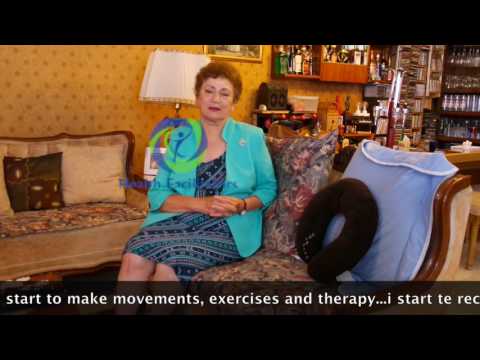
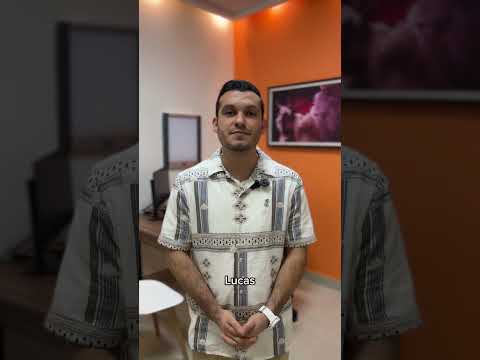
Reading about the lived experiences of previous medical travelers often provides valuable insights into the realities of cross-border healthcare. Many individuals seeking orthopedic procedures in Mexico feel initial apprehension, which is typically alleviated by the professionalism of the medical staff. Real patient accounts generally highlight the stark contrast between the personalized attention received abroad and the sometimes rushed nature of domestic care. These narratives help prospective patients mentally prepare for both the clinical environment and the physical recovery process.
While positive testimonials reflect highly satisfactory outcomes, prospective travelers should consistently approach personal reviews with a balanced, realistic perspective. It is crucial to remember that a smooth recovery for one individual never guarantees an identical outcome for another. The varied nature of human biology dictates that post-surgical pain levels and functional achievements will naturally fluctuate. Review these generalized patient summaries to understand the typical medical tourism journey.
John T., 68 - Restored Independence
After struggling with a massive rotator cuff tear, John opted for cross-border surgery to avoid depleting his savings. He generally found the surgical team highly communicative and currently enjoys a mostly pain-free range of motion during his daily routines.
Mary S., 72 - Comprehensive Care
Mary traveled south specifically seeking an affordable solution for her severe shoulder arthritis. She typically praises the pristine hospital environment and reports that her dedicated rehabilitation phase was crucial to regaining her ability to perform basic household tasks.
Robert L., 65 - A Smooth Transition
Facing a complex revision surgery, Robert appreciated the thorough pre-operative virtual consultations that answered his extensive questions. His recovery generally progressed as planned, though he acknowledges the first few weeks required immense patience and strict adherence to protocol.
Susan W., 70 - Regaining Mobility
Unable to lift her arm above her waist domestically, Susan found expert care at an international orthopedic center. She typically emphasizes the importance of traveling with a companion and is now comfortably managing her gardening hobbies with modified techniques.
How PlacidWay Assists Your Reverse Shoulder Replacement Medical Tourism Journey in Tijuana
Organizing a major international surgical intervention independently can often feel overwhelmingly complex for the average prospective patient. Navigating foreign healthcare systems requires a thorough understanding of medical credentials, clinical standards, and cross-border logistical coordination. This is precisely where professional healthcare facilitators step in to bridge the gap between U.S. patients and reputable foreign medical providers. By streamlining the initial connection process, patients generally experience a much smoother transition into international care.
PlacidWay utilizes extensive industry experience to help medical travelers safely explore their options for shoulder arthroplasty abroad. We focus intently on empowering individuals through transparent information, ensuring they can make highly educated decisions regarding their physical health. Our team typically acts as a supportive liaison, facilitating crucial preliminary communication between you and the designated international clinical specialists. Review the specific ways we guide your medical journey below.
- Provider Vetting: We connect you exclusively with established medical centers that meet stringent international quality benchmarks.
- Medical Record Transfer: We safely facilitate the digital exchange of your medical history and imaging files to the international surgical team.
- Consultation Coordination: We help schedule initial virtual meetings so you can discuss your complex case directly with specialized orthopedic surgeons.
- Comprehensive Education: We provide detailed informational resources regarding surgical protocols, typical recovery timelines, and facility accreditations.
- Quotation Assistance: We assist in acquiring transparent, highly detailed cost estimates directly from the medical providers.
Medical tourism facilitators fundamentally serve as expert informational guides, significantly reducing the immense administrative burden often associated with securing healthcare across international borders.
Frequently Asked Questions About Reverse Shoulder Replacement in Tijuana
Making an informed decision about international orthopedic care requires addressing common patient concerns and queries directly. Medical tourists generally have numerous specific questions regarding surgical protocols, travel logistics, and expected clinical outcomes. Understanding the nuances of utilizing orthopedic clinics in Tijuana helps individuals confidently plan their cross-border healthcare journey.
The following section addresses the most frequent inquiries prospective patients have when considering this specialized joint surgery. Reviewing these details typically provides clarity on everything from preliminary evaluations to post-operative rehabilitation timelines. Remember that while these answers offer general guidance, your dedicated healthcare provider will always supply personalized medical recommendations.
How long do I need to stay in Mexico for the surgery?
Most patients typically stay in the area for about seven to ten days following their operation. This duration generally allows the surgical team to monitor early healing and remove surgical staples. Your specific timeline will depend on your individual recovery progress.
Do I need a special visa to travel for this orthopedic procedure?
Citizens of the United States and Canada generally do not require a special medical visa for stays under 180 days. You will need a valid passport to cross the border securely. Always verify current immigration rules before planning your medical travel.
What type of implant materials are used during the surgery?
Surgeons generally utilize high-grade titanium, cobalt-chromium alloys, and advanced medical plastics for the implants. These are typically the exact same FDA-approved materials used by orthopedic specialists in the United States. Your surgeon will discuss the specific prosthesis brand during your consultation.
Is it safe to travel back home shortly after a joint replacement?
Traveling is usually permissible once your orthopedic surgeon provides official medical clearance. Patients are typically advised to take frequent breaks to stretch and maintain proper blood circulation during the journey home. Most patients experience a smooth trip if they follow all postoperative travel guidelines.
Will my domestic health insurance cover treatments abroad?
Standard U.S. health insurance policies, including traditional Medicare, generally do not cover non-emergency surgeries performed internationally. However, patients typically find that the out-of-pocket costs abroad are substantially lower than domestic co-pays. It is always wise to consult your insurance provider for specific policy details.
How soon can I begin physical therapy after my operation?
Gentle movement exercises typically begin within the first 24 to 48 hours after your procedure. Formal, structured physical therapy generally commences a few weeks later, once the initial tissue healing has stabilized. Strict adherence to this schedule is crucial for regaining optimal joint function.
What happens if I experience complications after returning home?
Before you leave, your international medical team will usually establish a clear communication plan for remote follow-up. You are typically advised to have a local primary care physician or orthopedist available for immediate domestic assistance. Promptly addressing any concerns is vital, though severe post-travel complications are generally uncommon.
Are the surgical facilities equipped for emergencies?
Yes, specialized facilities that cater to international medical tourists are generally equipped with modern intensive care units. They typically maintain rigorous safety protocols and employ specialized rapid-response medical teams. This infrastructure is designed to handle unexpected clinical situations safely.
Can I have both shoulders replaced simultaneously?
Performing bilateral complex shoulder arthroplasty at the exact same time is generally contraindicated due to the severe limitation on postoperative mobility. Surgeons typically recommend waiting several months between operations so one arm can fully recover. Staging the procedures usually promotes safer healing and better functional outcomes.
How long will the new artificial joint last?
Modern prosthetic devices generally function well for 15 to 20 years, depending on your activity level and bone health. While many individuals enjoy long-term relief, normal wear and tear can eventually necessitate a revision surgery. Routine monitoring with your local physician helps ensure the longevity of the implant.
Ready to explore affordable options for your reverse shoulder replacement in Tijuana? Let PlacidWay guide your medical tourism journey.
References
- American Academy of Orthopaedic Surgeons (AAOS). Reverse Total Shoulder Replacement. https://orthoinfo.aaos.org/en/treatment/reverse-total-shoulder-replacement/
- Mayo Clinic. Shoulder replacement surgery. https://www.mayoclinic.org/tests-procedures/shoulder-replacement/about/pac-20519121
- Cleveland Clinic. Reverse Shoulder Replacement. https://my.clevelandclinic.org/health/procedures/reverse-shoulder-replacement

.png)
.png)











Share this listing