


Cancun has rapidly emerged as a globally recognized destination for individuals seeking alternative therapies for trauma and post-traumatic stress disorder. Medical tourism in Mexico has evolved significantly beyond traditional medical procedures to include comprehensive psychological wellness and psychedelic-assisted treatments. International patients are increasingly drawn to this coastal region for its unique combination of clinical expertise, serene therapeutic environments, and progressive approaches to complex mental health challenges. The region provides a structured setting where profound psychological exploration is guided by experienced professionals.
The integration of psychedelic substances with professional psychotherapeutic support offers a new paradigm for trauma recovery. While traditional psychiatric treatments remain highly effective for many, some patients experience treatment-resistant PTSD, prompting them to explore medically supervised alternative options abroad. By combining ancestral plant medicine traditions with modern clinical safety protocols, Cancun provides an environment that generally fosters deep introspection and emotional processing. Most patients find that this dual approach allows them to address deeply rooted trauma that previously felt inaccessible.
The global shift toward recognizing the therapeutic potential of psychedelic compounds has led major universities worldwide to establish dedicated psychedelic research centers. This rigorous academic validation is helping to legitimize alternative treatments for complex trauma.
Understanding Psychedelic Therapy for Trauma Recovery
Psychedelic-assisted therapy involves the carefully monitored administration of psychoactive compounds alongside structured psychotherapeutic integration. This innovative approach aims to address the root emotional causes of trauma rather than merely managing the daily physiological symptoms of PTSD. Medical professionals typically guide patients through altered states of consciousness, allowing them to process deeply entrenched emotional blockages in a highly controlled, safe setting. The therapy encourages the brain to form new neural pathways, aiding in the processing of traumatic memories.
The therapeutic process generally consists of three distinct phases: comprehensive psychological preparation, the guided psychedelic session, and extensive psychological integration. By temporarily altering brain connectivity and reducing the hyperactivity of the amygdala—the brain's fear center—these therapies often allow individuals to confront painful experiences without becoming overwhelmed. Most patients experience a significant shift in perspective, though outcomes can vary widely based on individual psychological profiles and the dedication to aftercare.
Clinical trials have demonstrated that a significant percentage of participants with severe PTSD no longer qualify for the diagnosis after completing specialized, medically supervised psychedelic therapy protocols.
- Preparation Phase: Building trust with the clinical team, setting intentions, and undergoing medical screening.
- Medication Session: Experiencing the supervised altered state to confront and process traumatic memories.
- Integration Phase: Working with therapists to translate emotional insights into long-lasting behavioral changes.
Why Choose Medical Tourism in Cancun for PTSD Healing
Choosing a destination for specialized mental health treatment requires careful consideration of both the clinical environment and the surrounding atmospheric conditions. Cancun offers a distinct advantage by providing access to highly qualified mental health professionals operating within secluded, nature-immersed retreat centers. The tranquil backdrop of the Caribbean Sea and lush surrounding jungles typically plays a vital role in nervous system regulation. This natural regulation is widely considered essential for individuals actively recovering from severe trauma.
Furthermore, the specific regulatory framework in certain parts of Mexico allows for the supervised therapeutic use of specific psychedelic compounds that remain heavily restricted in many home countries. Medical tourists benefit from specialized programs designed explicitly for international visitors, ensuring seamless communication, cultural competence, and rigorous safety standards. This unique combination of therapeutic accessibility, breathtaking natural beauty, and specialized clinical focus makes the region an ideal setting for profound psychological healing.
Testimonial: Finding Peace Abroad
"After years of struggling with conventional treatments for my complex trauma, the structured retreat in Mexico provided a turning point. The combination of professional medical oversight and the calming jungle environment helped me face memories I had been suppressing for decades."
Affordable Psychedelic-Assisted PTSD Healing Cost in Cancun
One of the primary factors driving international patients toward alternative mental health therapies abroad is the cost-effectiveness of comprehensive medical tourism packages. The affordable psychedelic-assisted PTSD healing cost in Cancun allows individuals to access extended, intensive retreat programs that would often be financially prohibitive in North America or Europe. These all-inclusive comprehensive packages typically cover pre-retreat medical screening, the core therapy sessions, intensive integration counseling, and holistic wellness activities. Transparent pricing helps patients focus entirely on their healing journey.
While prices fluctuate depending on the specific retreat center, the duration of the clinical program, and the level of personalized psychiatric supervision, patients generally discover substantial financial savings. It is critically important to note that these costs reflect highly structured clinical programs rather than recreational tourist experiences. By comparing costs, medical tourists can plan their therapeutic journeys effectively without compromising on the quality of emergency medical care and psychological support.
| Treatment/Program Type | Average Cost in Cancun (USD) | Estimated Cost in US/UK (USD) |
|---|---|---|
| 7-Day Standard Therapy Retreat | $3,500 - $5,000 | $8,000 - $12,000 |
| 14-Day Intensive Trauma Program | $6,000 - $8,500 | $15,000 - $20,000 |
| Private 1-on-1 Guided Session | $1,500 - $2,500 | $3,500 - $6,000 |
Top Psychedelic-Assisted PTSD Healing Clinics in Cancun
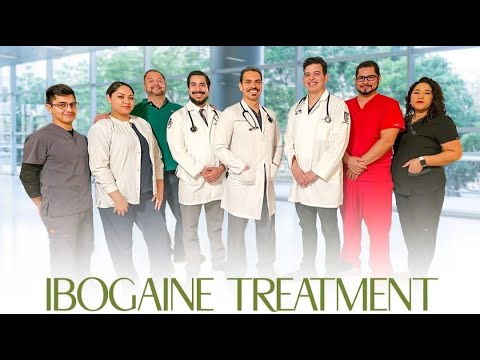
The Yucatan Peninsula hosts a growing variety of specialized facilities dedicated to integrative mental health and severe trauma recovery. Among these reputable institutions, facilities like the Cancun Psychedelic Healing Clinic stand out by successfully blending modern psychiatric protocols with respectful traditional plant medicine practices. These high-tier centers are typically staffed by comprehensive multidisciplinary teams comprising licensed psychiatrists, trauma-informed clinical psychologists, and experienced holistic facilitators. This team approach generally ensures a balanced and deeply supported healing environment.
When evaluating PTSD healing clinics in Cancun, prospective patients must fiercely prioritize facilities that emphasize rigorous medical screening and psychological safety above all else. Leading retreat centers strictly adhere to international best practices for psychoactive administration, ensuring that emergency medical protocols and equipment are firmly in place. By focusing on evidence-based integration and comprehensive long-term aftercare, these clinics strive to provide a secure environment where profound and lasting mental health improvements can generally occur.
Always request a virtual consultation with the lead clinical facilitator before booking a retreat. Ask specific questions about their emergency medical protocols, staff-to-patient ratios during active sessions, and the exact qualifications of their therapeutic team.
The Patient Journey and Retreat Experience in Cancun
The patient journey at a medical psychedelic retreat is meticulously structured to ensure ultimate emotional safety and to maximize potential therapeutic benefits. Upon arrival in Mexico, individuals are typically welcomed into a calming, private environment specifically designed to minimize external stressors and promote deep physiological relaxation. The initial days are purposefully dedicated to building a foundation of trust with the clinical team, setting very clear therapeutic intentions, and undergoing thorough psychological and physiological evaluations. This slow acclimation is crucial for anxiety reduction.
The core of the clinical experience involves the supervised psychedelic sessions, which are generally conducted in highly comfortable, sensory-controlled settings. Following these acute sessions, patients immediately engage in intensive integration therapy, utilizing proven modalities such as somatic experiencing, expressive art therapy, and cognitive-behavioral techniques to process their new insights. Most patients experience this highly structured, supportive environment as a defining factor in successfully transitioning from a profound emotional realization to sustainable behavioral change.
Testimonial: A Supportive Environment
"I was incredibly nervous about traveling abroad for such a sensitive treatment. However, the patient journey was so carefully planned out. From the moment I arrived, the medical staff made me feel entirely safe, which allowed me to fully surrender to the therapeutic process."
Safety Protocols and Medical Supervision in Mexico
Patient safety remains the absolute highest priority in any reputable, medically supervised psychedelic-assisted therapy program. Comprehensive medical tourism demands rigorous pre-screening processes to identify potential dangerous contraindications, such as a personal or family history of specific psychotic disorders, severe cardiovascular issues, or the current use of certain psychiatric medications. These strict clinical protocols are designed to mitigate inherent risks and to ensure that individuals are entirely physically and psychologically prepared for the intensive experience.
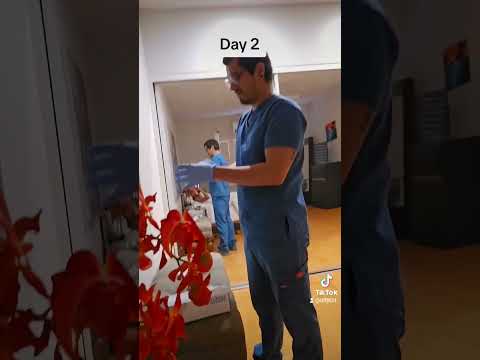
During the active psychedelic sessions, vital signs and emotional distress levels are continuously monitored by highly trained medical professionals. Facilities are generally equipped to handle acute psychological emergencies, providing immediate pharmacological or psychological interventions if absolutely necessary. By maintaining a consistently high standard of clinical oversight, these medical retreats provide a secure therapeutic container where patients can safely navigate the incredibly complex landscape of trauma recovery without fear of medical neglect.
Never abruptly stop taking prescribed psychiatric medications, such as SSRIs, to participate in a retreat. Medication tapering must be done slowly and exclusively under the direct supervision of your prescribing physician to avoid severe withdrawal symptoms or dangerous drug interactions.
Common Substances Used in Psychedelic Retreats
The specific psychoactive compounds utilized in these clinical healing retreats vary based on the patient's individual psychological profile, the center's specific clinical approach, and local regulatory frameworks. Psilocybin, the active therapeutic compound in magic mushrooms, is frequently employed for its remarkable ability to temporarily promote neural neuroplasticity and deep emotional openness. Another commonly utilized substance is Ayahuasca, a traditional Amazonian plant medicine globally recognized for its powerful introspective properties and profound somatic emotional release.
Other specialized facilities may incorporate MDMA-assisted therapy—where permitted by law—or Ibogaine, which is particularly noted for treating complex trauma that is deeply intertwined with severe substance use disorders. Each distinct substance interacts uniquely with the human brain's complex serotonin and neurotransmitter systems, necessitating highly specialized clinical facilitation techniques. Medical professionals carefully match the specific therapeutic compound to the patient's unique trauma history to optimize the potential for meaningful psychological breakthroughs.
Research indicates that classical psychedelics like psilocybin work by decreasing activity in the Default Mode Network (DMN) of the brain, which is often hyperactive in individuals suffering from depression and severe trauma.
Who is a Candidate for Psychedelic Therapy in Cancun?
Psychedelic therapy is not a universal medical solution and requires incredibly careful patient selection to ensure both clinical safety and therapeutic efficacy. Ideal candidates are typically adults who have been formally diagnosed with PTSD, complex trauma, or treatment-resistant depression, and who have previously engaged in traditional psychotherapy with limited results. These individuals generally possess a strong, internal desire to confront their underlying emotional pain and are fully committed to the challenging, long-term work of psychological integration.
Conversely, there are strict medical contraindications that unequivocally rule out certain individuals from participating in these medical tourism programs. Those with active schizophrenia, bipolar disorder with a history of acute mania, or severe, unmanaged personality disorders are generally advised against these treatments due to the high risk of severe psychological destabilization. A thorough, honest psychiatric evaluation is absolutely mandatory to ensure that the potential emotional benefits far outweigh the inherent risks of intentionally altering one's state of consciousness.
The preparation process is considered just as important as the actual therapy session. Studies show that patients who engage in extensive pre-retreat intention setting generally experience lower anxiety levels during the treatment and report better long-term outcomes.
Integrating Therapy: Post-Retreat Care and Support
The most critical phase of psychedelic trauma healing extends far beyond the duration of the actual retreat itself. Integration is the deliberate process of translating the profound insights and massive emotional shifts experienced during the altered state into actionable, positive changes in everyday life. Without dedicated, professional post-retreat care, the intense therapeutic benefits can gradually fade, causing patients to inadvertently revert to long-standing trauma responses and destructive behavioral patterns.
Highly reputable medical programs in Cancun typically provide robust, structured aftercare support, including scheduled virtual therapy sessions, dedicated community support groups, and highly personalized wellness plans. Patients are strongly encouraged to proactively establish a working relationship with an integration specialist in their home country to maintain forward momentum and process newly emerging emotions. By heavily prioritizing long-term psychological support, medical tourists generally experience much more sustainable improvements in their overall mental health.
Testimonial: The Importance of Aftercare
"The retreat in Mexico opened my eyes, but it was the three months of integration therapy provided by the clinic afterward that actually changed my life. Having a dedicated professional help me apply my insights to my daily triggers was the key to my recovery."
Legal and Ethical Considerations for Medical Tourists
Navigating the complex global legal landscape of psychedelic medicine requires intense diligence, as legal regulations vary significantly across different international borders. In Mexico, the traditional, ceremonial use of certain naturally occurring plant medicines holds a somewhat unique legal status, allowing specialized retreat centers to operate within specific cultural and therapeutic frameworks. However, medical tourists must thoroughly research the explicit legalities surrounding their chosen treatments and ensure they are attending fully licensed, legally compliant medical facilities.
Ethical clinical considerations also play a vital, non-negotiable role in the administration of these powerful therapies. High-quality, reputable clinics prioritize comprehensive informed consent, ensuring patients fully and deeply understand the potential psychological risks and the exact nature of the substances being administered. Additionally, there is a growing, vital emphasis on cultural reciprocity and deeply respecting the indigenous traditions from which many of these plant medicines originally originate.
Medical tourism for psychedelic healing is not just about legality; it's about access to specialized clinical environments. Many patients travel because they seek a deeply immersive, distraction-free environment that is impossible to replicate in an urban outpatient setting.
Preparing for Your Psychedelic Healing Retreat
Adequate, disciplined preparation is absolutely essential for a safe and highly effective psychedelic-assisted healing experience in Cancun. Medical tourists are typically required to strictly adhere to a specific preparatory diet, commonly known as a "dieta," which involves abstaining from certain heavy foods, alcohol, caffeine, and recreational substances to prepare the body chemically and energetically. Moreover, patients must work intimately with their prescribing physicians to safely taper off any medically contraindicated medications under strict professional supervision.
Psychological preparation is equally, if not more, important, involving dedicated intention setting and mental readiness exercises guided by a professional. Patients are actively encouraged to engage in daily mindfulness practices, reflective journaling, and multiple pre-retreat talk therapy sessions to clearly clarify their recovery goals and identify their core emotional blockages. By approaching the clinical retreat with a calmly prepared mind and a cleansed body, individuals generally maximize their internal capacity to engage fully with the therapy.
Start practicing mindfulness or meditation at least a month before your retreat. Developing the ability to sit quietly with discomfort and observe your thoughts without judgment is an invaluable skill during a guided psychedelic therapy session.
How PlacidWay Assists Your PTSD Medical Tourism Journey in Cancun
Navigating international healthcare options for highly specialized mental health treatments can be a complex and incredibly overwhelming process for patients already dealing with severe trauma. PlacidWay serves as a crucial, trustworthy resource for patients seeking a , connecting individuals directly with reputable, stringently vetted medical providers. Our specialized platform is expertly designed to streamline the exhaustive research process, empowering patients to make highly informed decisions about their mental health care abroad.
We hyper-focus on providing completely transparent information and direct access to top-tier psychiatric and holistic facilities worldwide. By utilizing our comprehensive online directory, medical tourists can accurately evaluate various therapeutic programs, compare differing clinical approaches, and directly request confidential consultations. PlacidWay is fiercely committed to facilitating a secure, supportive, and well-informed medical journey for those seeking profound psychological healing.
- Providing a comprehensive directory of rigorously vetted and accredited international mental health and wellness facilities.
- Facilitating direct, secure communication between prospective patients and licensed clinical specialists.
- Offering detailed, transparent information on different therapeutic modalities and clinical center safety protocols.
- Assisting patients in comparing program structures and medical credentials to find the best fit for their specific psychological needs.
- Empowering medical tourists with extensive educational resources regarding international mental health treatments.
Frequently Asked Questions About Psychedelic Healing in Cancun
Prospective patients naturally have numerous pressing questions when considering international travel for advanced psychiatric and holistic alternative treatments. Understanding the intricate nuances of psychedelic-assisted therapy, the practical logistics of medical tourism, and the specific clinical protocols used in Cancun is essential for absolute peace of mind. We have carefully compiled a detailed list of common inquiries to help you comprehensively better understand the scope and nature of these healing retreats.
Whether you are primarily curious about the emergency safety protocols, the specific types of therapy offered, or the realistic expected recovery timeline, comprehensive information is the absolute key to your preparation. The following frequently asked questions address the most pressing concerns shared by medical tourists actively seeking trauma recovery in Mexico. Always remember to discuss these specific points directly and openly with your chosen clinical provider during the initial consultation phase.
Is psychedelic-assisted therapy legal in Cancun?
Certain traditional plant medicines operate within a specific cultural and therapeutic legal framework in Mexico. Patients must ensure they attend fully licensed and compliant medical tourism facilities. Always verify the legal status of specific compounds with your chosen clinic before traveling.
How long does a PTSD healing retreat typically last?
Most comprehensive healing retreats in Cancun range from one to two weeks. This timeframe allows for adequate pre-screening, multiple supervised therapy sessions, and initial psychological integration. Shorter intensive programs exist, but longer stays generally support deeper therapeutic processing.
Are medical professionals present during the psychedelic sessions?
Yes, reputable clinics ensure that licensed medical professionals, such as psychiatrists and clinical psychologists, are actively involved. They monitor vital signs and psychological distress levels throughout the entire experience. Emergency medical protocols are typically established to manage any adverse reactions safely.
What conditions can psychedelic therapy treat?
These therapies are primarily utilized for individuals diagnosed with treatment-resistant PTSD, complex trauma, and severe depression. They are also being explored for severe anxiety disorders and end-of-life distress. A thorough psychiatric evaluation is necessary to determine if a patient is a suitable candidate.
Do I need a special visa for medical tourism in Mexico?
Most international tourists, including those from the US, Canada, and the UK, do not require a special medical visa for short-term retreat stays in Mexico. A standard tourist visa or entry permit is generally sufficient for the duration of the therapy program. Always check current immigration requirements prior to booking your trip.
What is the role of integration in psychedelic therapy?
Integration involves processing the psychological insights gained during the altered state and applying them to daily life. It is considered the most vital phase for ensuring sustainable behavioral and emotional changes. Most patients work with therapists for weeks or months post-retreat to anchor their healing.
Can I take my current psychiatric medications during the retreat?
Many psychiatric medications, particularly SSRIs and MAOIs, present severe contraindications when combined with psychedelic compounds. Patients are generally required to safely taper off these medications under the strict supervision of their prescribing physician. You should never alter your medication regimen without professional medical advice.
Is the treatment guaranteed to cure my PTSD?
No medical or psychological treatment can guarantee a complete cure for trauma or PTSD. While many individuals experience profound breakthroughs, results vary significantly based on personal psychology, trauma history, and post-retreat integration. The therapy provides a powerful tool for healing, but requires active patient participation.
What is the typical cost of a psychedelic retreat in Cancun?
Comprehensive packages in Cancun typically range from $3,000 to $8,000, depending on the length of stay and the level of medical supervision. This is generally more cost-effective compared to similar emerging legal treatments in regions like North America. The price usually covers clinical screening, therapy sessions, and accommodation within the facility.
How do I choose a safe and reputable clinic?
Look for facilities that emphasize rigorous medical screening, transparent clinical protocols, and highly qualified psychiatric staff. Reading thorough patient reviews and utilizing vetted medical tourism platforms can help ensure the facility meets international safety standards. Prioritize clinics that place a heavy emphasis on preparation and long-term aftercare.
Ready to take the next step in your healing journey? Let PlacidWay connect you with top-rated, vetted psychedelic-assisted PTSD healing retreats in Cancun. Your path to profound trauma recovery starts with the right guidance and support.
References
- Johns Hopkins Center for Psychedelic and Consciousness Research. "Psilocybin Treatment for Major Depression Effective for Up to a Year for Most Patients." https://hopkinspsychedelic.org/
- Multidisciplinary Association for Psychedelic Studies (MAPS). "MDMA-Assisted Therapy for PTSD." https://maps.org/mdma/
- Frontiers in Psychiatry. "The Therapeutic Potential of Ayahuasca in the Treatment of Depression and Trauma." https://www.frontiersin.org/articles/10.3389/fpsyt.2021.687615/full
- Wikipedia. "Psychedelic therapy." https://en.wikipedia.org/wiki/Psychedelic_therapy
.png)


.png)
.png)
.png)








Share this listing