



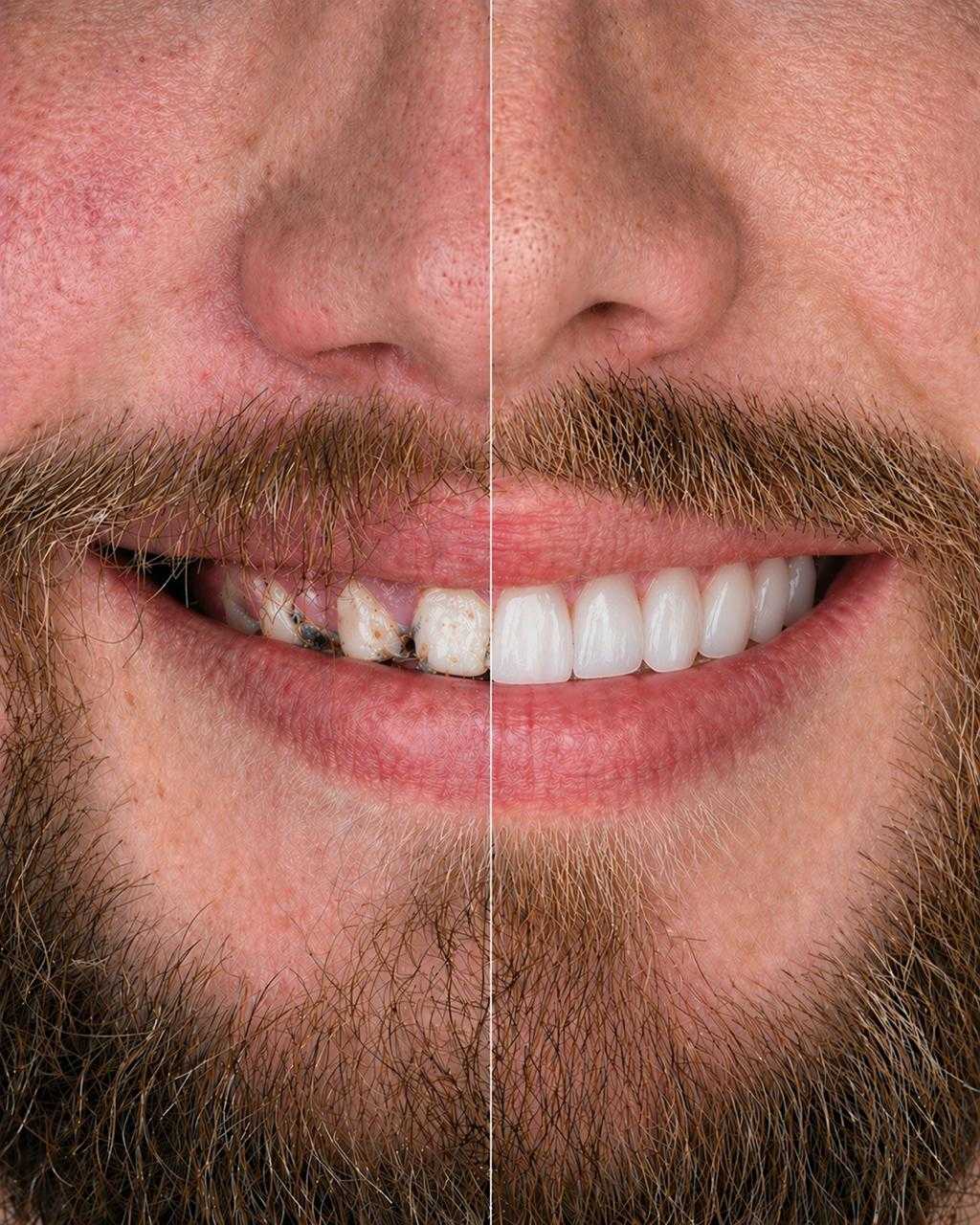
For thousands of North American seniors, finding reliable and affordable dental implants has become a primary health objective. The concept of full arch restoration has revolutionized modern dentistry, allowing individuals with severe tooth loss to regain functional, natural-looking smiles. All-on-4 restorations in Los Algodones, Mexico have emerged as a highly sought-after solution, drawing massive crowds of medical tourists to this unique border town. This specialized technique typically uses just four strategically placed titanium posts to support a completely customized, full-arch prosthetic bridge.
The procedure is particularly appealing because it maximizes the use of available jawbone, which frequently eliminates the need for complex, time-consuming bone grafting surgeries. Patients traveling for dental tourism in Mexico are generally amazed to discover that they can often have their implants placed and receive temporary teeth in a single visit. Understanding the mechanics of this procedure is the first crucial step for anyone considering crossing the border to reclaim their oral health and self-confidence.
The term "All-on-4" refers to the entire prosthetic arch being securely anchored onto exactly four foundational implants per jaw, relying on bio-mechanical angling to ensure maximum stability without extensive grafting.
- Minimally Invasive Strategy: Utilizing angled placement generally reduces surgical trauma compared to traditional methods.
- Immediate Load Capability: Many patients experience the benefit of leaving the clinic with a fixed temporary bridge on the same day.
- Comprehensive Restoration: The technique effectively replaces an entire upper or lower set of missing teeth simultaneously.
Why Snowbirds Choose Molar City for Dental Implants
Located just across the border from Yuma, Arizona, Los Algodones has earned its famous moniker, "Molar City," due to its unprecedented density of dental professionals. Every winter, thousands of American and Canadian "snowbirds" flock to this small town seeking relief from exorbitant domestic healthcare costs. The primary motivation for this migration is the ability to access high-quality full mouth dental restorations at a fraction of the cost found in their home countries. The entire local economy is built around catering to the specific needs, comfort, and safety of international medical travelers.
Beyond the undeniable financial benefits, these retirees are attracted to the streamlined, patient-centric care models found in the region. Many top-tier dental clinics in Los Algodones employ bilingual staff, offer transparent pricing structures, and utilize state-of-the-art diagnostic equipment. Visitors generally find the town highly walkable, exceptionally welcoming, and strictly focused on delivering safe, efficient healthcare experiences designed specifically for North American seniors.
Los Algodones boasts over 300 dental clinics within just a few square blocks, making it the highest concentration of dental facilities anywhere in the world.
The Science Behind Full Mouth Dental Restorations
The biomechanical genius of the All-on-4 system lies in the precise, mathematically calculated angles at which the posterior implants are positioned. By tilting the back implants at an angle of 30 to 45 degrees, specialists can anchor the posts into dense, anterior bone rather than the softer, frequently resorbed posterior bone. This approach generally avoids the sinus cavities in the upper jaw and the nerve canals in the lower jaw. The implant supported dentures in Mexico rely on this scientific principle to provide immediate stability and structural integrity.
Following the surgical placement, a vital biological process called osseointegration must take place over several months. During this period, the patient's living bone cells gradually fuse with the microscopic pores of the titanium implant surface. Most patients typically experience a seamless integration process, resulting in an incredibly durable artificial root system that effectively halts further bone loss and preserves facial structure.
Clinical studies generally show that All-on-4 restorations maintain a success rate of over 95% after ten years when performed by experienced surgical teams and paired with proper oral maintenance.
Cost of All-on-4 Restorations in Molar City Versus the US
The stark difference in healthcare economics is the primary catalyst driving patients toward affordable dental work in Mexico. In the United States, a complete upper and lower All-on-4 restoration can easily bankrupt a retiree, with prices often exceeding the cost of a luxury vehicle. In contrast, the All-on-4 procedure cost in Los Algodones offers profound financial relief without requiring patients to sacrifice safety or technological advancement. These substantial savings are primarily due to lower administrative overhead, reduced operational costs, and affordable malpractice insurance in Mexico.
It is important to understand that the final price tag can fluctuate based on the specific materials chosen for the final prosthetic and any necessary preliminary treatments, such as extractions. However, even when factoring in travel, accommodation, and the highest grade of materials like zirconia, patients generally save between 50% and 70%. The table below illustrates a realistic market range comparison to help prospective medical tourists plan their budgets effectively.
| Treatment / Procedure | Average Cost in Los Algodones, Mexico | Average Cost in the US / Canada |
|---|---|---|
| All-on-4 Dental Implants (Single Arch - Acrylic) | $8,000 - $10,500 | $24,000 - $30,000 |
| All-on-4 Dental Implants (Single Arch - Zirconia) | $10,000 - $13,500 | $28,000 - $35,000 |
| Standard Tooth Extractions (Per Tooth) | $50 - $100 | $150 - $400 |
| 3D CBCT Panoramic Scan | $100 - $150 (Often included free) | $350 - $600 |
Step-by-Step Procedure for Implant Supported Dentures in Mexico
The journey toward a completely renovated smile begins with a comprehensive, in-depth consultation. Upon arriving at their chosen Los Algodones dental clinic, patients undergo thorough diagnostic imaging using 3D CBCT scanners to map bone density and locate vital nerve pathways. The dental team uses this highly detailed imagery to digitally plan the precise location, angle, and depth for each of the four titanium implants. This pre-planning phase is absolutely critical to ensuring surgical accuracy and minimizing unforeseen complications.
During the active surgical phase, any remaining damaged teeth are gently extracted, and the jawbone is prepared to receive the implants. Under appropriate local anesthesia and sedation, the specialist places the posts into the predetermined positions. Following the surgery, an on-site laboratory typically fabricates a temporary, functional prosthetic bridge, which is securely attached to the implants on the same day or shortly thereafter. Patients then return home to heal before traveling back months later for their final, permanent teeth.
Always ask your chosen provider for a detailed, day-by-day itinerary before booking your travel. Knowing exactly when you need to be in the clinic versus when you can rest makes the medical tourism experience significantly less stressful.
Evaluating Candidacy for All-on-4 Dental Implants
While this innovative procedure is highly versatile, an initial medical evaluation is necessary to determine if a patient is a suitable candidate. Ideal candidates for full arch implants in Molar City are generally individuals struggling with severe periodontal disease, missing the majority of their natural teeth, or currently wearing cumbersome traditional dentures. Because the angled placement utilizes denser anterior bone, many patients who were previously told they lacked the bone volume for standard implants discover they are excellent candidates for this specific technique.
However, strict contraindications exist that may disqualify certain individuals or necessitate preparatory treatments. Patients with uncontrolled diabetes, severe autoimmune disorders, or those currently undergoing active radiation therapy to the head and neck are generally not advised to proceed with immediate implant surgery. Furthermore, heavy tobacco use significantly impedes the body’s healing capability, and surgeons typically require patients to cease smoking weeks before and after the procedure to reduce the risk of implant failure.
Transparent communication with your dental surgeon is mandatory. Failing to disclose underlying health conditions, daily medications, or blood thinners can lead to severe surgical complications and jeopardize your overall safety.
Advanced Dental Technology Utilized in Mexican Border Clinics
A common, yet quickly fading, misconception is that crossing the border means stepping back in time regarding medical technology. In reality, the premier dental specialists in Mexico heavily invest in cutting-edge equipment to attract and reassure international clientele. Many facilities in Los Algodones operate sophisticated in-house laboratories equipped with Computer-Aided Design and Computer-Aided Manufacturing (CAD/CAM) systems. This technology allows for the rapid, highly accurate creation of surgical guides and custom dental prosthetics.
The materials utilized by these advanced clinics are generally identical to those used by top-tier professionals in Beverly Hills or New York. From premium European-manufactured titanium implants to flawless, stain-resistant zirconia crowns, the standard of care is strictly maintained. The integration of intraoral scanners also means patients typically avoid the discomfort of messy, traditional dental impression putty, enjoying a much more comfortable diagnostic experience.
Many high-end clinics in Molar City utilize 3D bio-printers to create highly precise surgical templates. These templates guide the dentist's drill to the exact micrometer, ensuring safe and perfectly aligned implant placement.
Navigating the Recovery Timeline for Full Arch Implants
The immediate post-operative period requires strict adherence to the surgeon's guidelines to ensure the implants integrate successfully. During the first few weeks, patients typically experience moderate swelling, minor bruising, and localized discomfort. These normal physiological reactions are generally managed effectively through prescribed anti-inflammatory medications and pain relievers. The most crucial rule during this initial phase is maintaining a strict soft-food diet, as chewing hard or sticky foods can exert damaging pressure on the newly placed titanium posts.
The long-term integration phase spans approximately four to six months. During this silent healing period, the jawbone continuously grows and bonds securely around the threaded implants. Most patients comfortably wear their temporary acrylic bridge during this time, allowing them to smile and speak naturally. Once the osseointegration is confirmed to be fully successful by the dental team, the patient returns to swap the temporary prosthesis for their permanent, highly durable final restoration.
Invest in a high-quality blender or food processor before your surgery. Preparing nutritious smoothies, pureed soups, and mashed vegetables will make your mandatory soft-diet phase much easier and more enjoyable.
Potential Risks and Contraindications for Bone Grafting and Implants
While the prospect of restoring one's smile is exciting, all surgical interventions inherently carry some degree of risk. Patients pursuing Mexican medical tourism must approach the procedure with realistic expectations and an understanding of potential biological hurdles. General surgical risks include localized infection at the implant site, excessive bleeding, or temporary numbness due to minor nerve irritation. Fortunately, these occurrences are generally rare when the procedure is executed by highly credentialed, experienced implantologists.
The most significant concern is implant non-integration or failure, which occurs when the bone simply refuses to fuse with the titanium post. This risk is notably elevated in individuals with poor bone quality, heavy smokers, or those suffering from uncontrolled metabolic diseases. If an implant does fail to integrate, it typically requires removal, an extended period of healing, and potentially supplementary bone grafting procedures before a new post can be safely re-inserted.
- Peri-implantitis: An inflammatory condition affecting the gum and bone around the implant, usually caused by poor oral hygiene.
- Prosthetic Wear: Over time, the materials making up the artificial teeth may chip or degrade, requiring professional maintenance.
- Systemic Rejection: Though exceedingly rare with bio-compatible titanium, the body may naturally reject the foreign object in isolated cases.
Long Term Maintenance for Your New Smile
Protecting your substantial investment in an All-on-4 dental restoration requires establishing and maintaining an impeccable daily oral hygiene routine. Just because the teeth are artificial does not mean they are immune to bacterial plaque and tartar buildup. Patients are generally instructed to brush their prosthetic teeth at least twice daily using a non-abrasive toothpaste and a soft-bristled brush. This prevents scratching the surface of the bridge and keeps the gum tissues healthy and free from inflammation.
Equally important is the cleaning of the critical junction where the prosthetic bridge meets the natural gum line. Debris trapped in this tight space can lead to destructive peri-implantitis. Most dental professionals heavily advocate the daily use of a water flosser specifically designed for implant care, as it safely flushes out bacteria without damaging the hardware. Furthermore, scheduling routine professional cleanings and examinations every six months is absolutely essential for monitoring the long-term health of the implants.
A water flosser is statistically proven to be up to twice as effective at reducing gingival bleeding around dental implants compared to traditional string floss.
Real Patient Experiences with Affordable Dental Work in Mexico
The true impact of this transformative procedure is best understood through the life-changing stories of those who have already completed the journey. For many seniors, years of hiding their smiles, struggling to chew nutritious foods, and suffering from declining self-esteem are suddenly reversed. Hearing about the genuine, human experiences of fellow medical tourists often helps alleviate the natural anxiety associated with traveling to a foreign country for major healthcare procedures.
These summaries highlight the profound emotional and physical relief that patients typically experience when discovering high-quality dental care in Mexico. While every individual’s biological response and healing timeline varies, these diverse accounts paint a realistic picture of the standard medical tourism experience in Los Algodones.
Restored Confidence for Robert (62)
After struggling with loose, painful lower dentures for a decade, Robert traveled from Oregon to Molar City. He reports that the state-of-the-art clinic provided an immediate load lower arch, allowing him to eat comfortably and smile broadly without the fear of his teeth slipping.
Massive Savings for Linda (68)
Quoted nearly $60,000 in her hometown of Chicago for full mouth restorations, Linda researched cross-border options. She safely received upper and lower zirconia arches in Los Algodones for a fraction of her domestic quote, noting the incredible cleanliness of the facility and the compassionate bilingual staff.
A Smooth Journey for James (71)
Nervous about language barriers and border crossings, James from Nevada utilized a medical tourism facilitator. He experienced a highly organized trip where his dental surgeon thoroughly explained the 3D CBCT scans, leading to a highly successful surgical outcome with minimal post-operative swelling.
Regaining Nutrition for Susan (65)
Severe periodontal disease forced Susan into a restricted, soft-food-only diet for years. Following her healing phase and the placement of her permanent All-on-4 bridge in Mexico, she joyfully reports her ability to eat crisp apples and steaks again, vastly improving her overall nutritional health.
How PlacidWay Assists Your All-on-4 Medical Tourism Journey in Molar City
Navigating international healthcare systems can feel overwhelming, especially when preparing for complex oral surgery. Ensuring that you select a fully vetted, globally recognized facility is the cornerstone of a safe and successful medical journey. Partnering with a dedicated medical tourism platform removes the guesswork, allowing patients to focus entirely on their health, comfort, and recovery.
PlacidWay provides robust, value-based support to seamlessly connect prospective patients with top-tier healthcare providers. By relying on a structured, transparent process, patients are empowered to make highly informed decisions regarding their medical care across borders.
- Providing comprehensive profiles of internationally accredited medical and dental centers.
- Facilitating direct, transparent communication between patients and certified healthcare specialists.
- Supplying detailed, comparative cost estimates to aid in accurate healthcare budgeting.
- Offering access to verified patient reviews and extensive educational resources regarding specific treatments.
- Assisting with the secure transfer of necessary medical records and preliminary diagnostic imaging.
Preparing for Your Dental Tourism Trip Across the Border
Adequate preparation is essential for a smooth, stress-free experience when traveling for dental tourism in Los Algodones. Patients should begin by gathering all relevant dental and medical records, including lists of current daily medications and any recent x-rays, to securely transmit to their chosen provider beforehand. It is highly recommended to consult with your primary care physician back home to ensure you are healthy enough to travel and undergo oral surgery under local anesthesia or sedation.
Logistically, confirming the validity of your passport or WHTI-compliant document well in advance is critical. Many patients plan their trips meticulously, deciding whether to walk across the pedestrian border from Yuma or utilize clinic-provided shuttle services. Taking the time to clearly understand the clinical itinerary, from the initial consultation through the post-operative checkup, ensures that expectations align perfectly with the reality of the medical trip.
The Andrade Port of Entry, which connects Yuma, Arizona directly to Los Algodones, Mexico, is specifically geared toward the massive influx of medical tourists. It is generally recognized as one of the easiest, safest, and fastest pedestrian border crossings in North America.
Essential Pre-Trip Checklist
- Verify passport expiration dates.
- Inform your bank of international travel to avoid card holds.
- Forward medical history and CBCT scans to the clinic.
- Stock your home pantry with soft, nutritious recovery foods.
Frequently Asked Questions About Molar City Dental Implants
Choosing to undergo a major restorative procedure in a different country naturally brings up a multitude of questions and concerns. Patients want to ensure they are making the most informed, secure, and financially sound choice possible regarding their oral healthcare. Thoroughly researching the mechanics, logistics, and safety protocols involved is a vital part of the medical tourism planning phase.
Below is a curated list of the most common inquiries prospective patients have when considering affordable All-on-4 restorations in Mexico. These answers are designed to clarify the process, set realistic expectations, and empower patients to confidently navigate their cross-border dental journey.
Why is Los Algodones known as Molar City?
Los Algodones has earned this nickname because it features a massive concentration of dental professionals operating within a few square blocks. It specifically caters to North American patients seeking affordable, high-quality dental care right across the border.
Are dental implants in Mexico safe for US retirees?
Yes, they are generally very safe when performed by experienced, credentialed specialists. Many top-tier clinics in Mexico adhere to international sterilization and safety protocols comparable to those in the United States.
How long does the All-on-4 process take in Mexico?
The initial surgical phase typically requires a stay of three to five days for implant placement and fitting of temporary teeth. Patients usually return after four to six months for another brief visit to attach the permanent prosthetics.
Do I need a passport to visit Molar City?
Yes, a valid passport or an approved Western Hemisphere Travel Initiative (WHTI) document is required to re-enter the United States. It is highly recommended to check current border regulations before planning your trip.
Will I experience pain during the implant surgery?
Local anesthesia and various sedation options are typically utilized to keep patients comfortable during the procedure. Post-operative discomfort is common but can generally be managed effectively with prescribed pain relief medications.
Can I eat normally after getting All-on-4 implants?
During the initial healing phase, patients are strictly advised to adhere to a soft food diet to avoid disrupting the implants. Once the implants have fully osseointegrated and the final permanent teeth are placed, most patients can return to a normal, unrestricted diet.
What materials are used for Mexican dental implants?
Reputable clinics typically use high-grade titanium for the implant posts due to its excellent biocompatibility. The final prosthetic teeth are generally crafted from durable materials like zirconia, porcelain, or high-grade acrylic.
How long do All-on-4 restorations generally last?
With proper oral hygiene and regular professional cleanings, the titanium implants can potentially last a lifetime. The prosthetic bridge may experience normal wear and tear and typically needs replacement or maintenance after ten to fifteen years.
Can I drive across the border to Los Algodones?
Many patients choose to park their vehicles on the US side in Yuma, Arizona, and simply walk across the pedestrian border crossing. This method is generally faster and eliminates the need to navigate foreign driving regulations or purchase Mexican auto insurance.
What if my implant fails after returning to the US?
While implant failure is rare, many top clinics offer warranties on their materials and workmanship. Patients should thoroughly discuss warranty terms and establish a follow-up plan with their provider before undergoing the procedure.
References?
- Centers for Disease Control and Prevention (CDC). Medical Tourism Basics. https://wwwnc.cdc.gov/travel/page/medical-tourism
- Mayo Clinic. Dental Implant Surgery. https://www.mayoclinic.org/tests-procedures/dental-implant-surgery/about/pac-20384622
- American Dental Association (ADA) MouthHealthy. Implants. https://www.mouthhealthy.org/all-topics-a-z/implants
.png)















Share this listing