



The rising cost of reproductive healthcare in North America has led countless families to explore international alternatives. For many individuals facing daunting medical bills, seeking affordable IVF in Tijuana Mexico has emerged as a practical and highly effective solution. By combining close proximity to the United States with rigorous healthcare standards, this destination offers an accessible pathway for those hoping to build a family. Patients are generally relieved to discover that crossing the border does not equate to compromising on the quality of their medical care.
The continuous surge in medical tourism in Tijuana Mexico is primarily driven by state-of-the-art infrastructure and bilingual, globally trained specialists. Prospective parents can typically access premium reproductive medicine at a mere fraction of the costs they would face in their home countries. This distinct geographic advantage allows patients to drive or fly in effortlessly, bypassing the staggering thirty-thousand-dollar invoices commonly associated with domestic care. The seamless blend of financial savings and clinical excellence has established the region as a primary hub for cross-border health solutions.
- Substantial cost reductions compared to average US and Canadian fertility clinics.
- Immediate geographic accessibility for Southern California residents.
- Care provided by board-certified, internationally educated reproductive endocrinologists.
- Comprehensive bilingual support staff ensuring clear medical communication.
Tijuana is one of the most visited border cities in the world, largely due to its booming medical and wellness sector catering specifically to international visitors.
Understanding the Process of In Vitro Fertilization in Tijuana Mexico
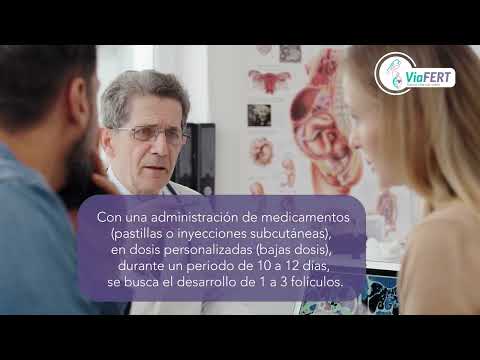
The foundational protocol for fertility treatments in Tijuana Mexico closely mirrors the standardized processes utilized in top-tier global medical institutions. The journey typically begins with ovarian stimulation, where tailored hormonal medications are administered to encourage the development of multiple viable eggs. Throughout this phase, patients are carefully monitored via ultrasounds and blood tests to ensure their bodies are responding appropriately. This careful supervision is crucial for optimizing the yield of healthy eggs while minimizing potential bodily stress.
Once the eggs reach optimal maturity, a minor surgical procedure is performed to retrieve them under mild sedation. These retrieved eggs are then carefully combined with sperm within an advanced laboratory environment to facilitate fertilization. The resulting embryos are meticulously cultivated for several days before the healthiest candidate is selected for transfer into the patient's uterus. Most patients experience this transfer as a straightforward, non-invasive step similar to a standard pelvic exam.
- Ovarian Stimulation: Daily hormone injections over roughly 10 to 14 days.
- Egg Retrieval: A brief outpatient procedure using ultrasound guidance.
- Fertilization: Laboratory cultivation using standard IVF or specialized injection techniques.
- Embryo Transfer: Placement of a selected embryo into the uterine lining.
Keep a detailed daily planner for your medication schedule. Fertility protocols rely heavily on strict timing, and having alarms set can help you avoid missing critical injection windows.
Evaluating Success Rates for IVF Treatments in Tijuana Mexico
When researching IVF clinics in Tijuana Mexico, understanding how to interpret success rates is vital for managing clinical expectations. Success in reproductive medicine is generally influenced by a variety of independent factors, including the maternal age, underlying causes of infertility, and lifestyle choices. Most established facilities proudly report success metrics that rival or occasionally exceed those of prominent North American counterparts. However, reputable specialists will never guarantee results, as the complexities of human biology make absolute certainty impossible.
Modern laboratories in this region employ stringent quality control measures to cultivate robust embryos, which typically enhances implantation probabilities. Patients under the age of 35 generally see the most favorable outcomes, though advanced protocols and donor programs have significantly improved metrics for older individuals. It is crucial for prospective parents to have transparent discussions with their providers regarding their unique clinical profile. Focusing on individualized, realistic data helps foster a healthier, less stressful emotional journey.
According to global fertility health data, utilizing genetically screened embryos can generally increase implantation success rates by up to 60% for specific demographic groups.
Affordable IVF Cost in Tijuana Mexico Compared to the US
The primary catalyst for the influx of patients across the southern border is the remarkably affordable IVF in Tijuana Mexico. In the United States, a single cycle can rapidly escalate to $25,000 or $30,000 once medications, laboratory fees, and specialized testing are factored into the equation. Conversely, the IVF cost in Tijuana Mexico operates within a highly regulated, economically favorable framework without sacrificing medical integrity. This price disparity is primarily due to lower administrative overhead, favorable exchange rates, and reduced regional liability insurance costs.
Transparency in medical billing is a hallmark of the most respected cross-border facilities catering to international demographics. Patients typically receive comprehensive pricing outlines that detail every aspect of their anticipated care, mitigating the anxiety of unexpected surcharges. By thoroughly comparing these distinct financial frameworks, individuals can make empowered decisions regarding their family planning budgets. The following table provides a realistic overview of the financial landscape.
| Procedure / Treatment | Average Cost in Tijuana Mexico | Average Cost in the US |
|---|---|---|
| Standard IVF Cycle (Excluding Meds) | $5,000 - $6,500 | $15,000 - $20,000 |
| Intracytoplasmic Sperm Injection (ICSI) | Included or $500 - $800 | $1,500 - $2,500 |
| Preimplantation Genetic Testing (PGT-A) | $2,000 - $3,500 | $4,000 - $7,000 |
| Fertility Medications (Estimated) | $1,500 - $2,500 | $4,000 - $8,000 |
Advanced Technologies Available for IVF Clinics in Tijuana Mexico
Leading IVF clinics in Tijuana Mexico are equipped with sophisticated laboratory environments that match those found in top global metropolises. These facilities consistently invest in cutting-edge incubation technologies and microscopic tools designed to optimize embryonic development. The integration of high-efficiency particulate air (HEPA) filtration systems generally ensures that the lab environment remains pristine and contaminant-free. This commitment to maintaining rigorous, high-tech environments plays a crucial role in supporting viable pregnancies.
By leveraging these advancements, specialists can typically provide a highly customized approach for complex infertility cases. State-of-the-art diagnostic tools allow embryologists to monitor cellular division continuously without physically disturbing the sensitive biological materials. The availability of these comprehensive scientific resources is a primary reason why medical tourism in Tijuana Mexico is so highly regarded. Patients can feel confident that they are receiving scientifically backed, modern reproductive care.
- Time-Lapse Incubators: Allows embryologists to monitor embryo growth 24/7 without opening the incubator.
- Advanced Cryopreservation: Vitrification techniques that generally yield a 90% or higher survival rate for frozen embryos.
- Laser-Assisted Hatching: Precision lasers used to gently thin the embryo's outer shell to promote implantation.
Vitrification, the rapid-freezing method used in modern fertility labs, prevents the formation of destructive ice crystals within the eggs and embryos, fundamentally changing the landscape of fertility preservation.
The Patient Consultation Journey for IVF in Tijuana Mexico
The journey toward obtaining fertility treatments in Tijuana Mexico typically begins long before a patient ever physically crosses the international border. Most recognized facilities offer comprehensive virtual consultations, allowing prospective parents to meet with specialists from the comfort of their living rooms. During these initial video calls, doctors generally review existing medical records, discuss previous fertility challenges, and outline potential strategic protocols. This proactive approach ensures that patients feel well-informed and comfortable before committing to international travel.
Once a preliminary plan is established, an in-person diagnostic evaluation is typically scheduled at the facility. This comprehensive physical assessment often includes specialized ultrasounds, comprehensive hormonal panels, and detailed semen analysis to confirm the virtual diagnosis. The thoroughness of this consultation phase is critical for fine-tuning medication dosages and ensuring the highest level of personalized care. Building this strong doctor-patient rapport is fundamental to reducing anxiety and fostering a trusting medical relationship.
- Virtual review of prior medical histories and fertility testing.
- Detailed discussion of clinical options and realistic success probabilities.
- In-person transvaginal ultrasound for baseline follicle counting.
- Comprehensive pre-cycle hormonal blood panels.
Preparing for Your Fertility Treatments and IVF in Tijuana Mexico
Adequate preparation is essential when embarking on the path of affordable IVF in Tijuana Mexico to ensure your body is primed for the procedure. Medical professionals generally advise patients to adopt a holistic approach to their health several months prior to beginning hormone stimulation. This typically involves maintaining a balanced, nutrient-dense diet, taking recommended prenatal vitamins, and managing everyday stress levels effectively. Optimizing your physical and mental well-being can occasionally influence the quality of eggs retrieved and improve the receptivity of the uterine lining.
Logistical preparation is equally critical for international patients engaging in medical tourism in Tijuana Mexico. Organizing medical records, ensuring your passport is current, and arranging a flexible schedule for frequent appointments will significantly streamline the experience. Many patients find it beneficial to coordinate closely with their local gynecologists, who can sometimes perform intermediate ultrasounds to minimize border crossings. Structuring both your lifestyle and your calendar properly generally results in a much smoother, less demanding medical journey.
Request a digital copy of all your local medical records, including past bloodwork and imaging, to share with your international fertility team. A consolidated digital folder will prevent redundant testing and save you both time and money.
Safety and Medical Standards for IVF in Tijuana Mexico
When selecting IVF clinics in Tijuana Mexico, safety and adherence to international medical protocols should remain a patient's foremost priority. The most reputable institutions operate under strict oversight and typically maintain certifications from both national health authorities and international medical tourism boards. These accreditations generally require clinics to pass rigorous inspections focusing on clinical hygiene, laboratory air quality, and emergency response capabilities. By prioritizing recognized facilities, patients can typically expect clinical standards that parallel those found in the US and Europe.
Furthermore, specialists practicing in these premier centers often hold memberships in prestigious global organizations such as the American Society for Reproductive Medicine (ASRM). This active participation generally ensures that the medical staff remains updated on the latest peer-reviewed research and technological advancements. While safety is paramount, it is important to remember that all biological procedures carry inherent risks that must be transparently discussed. Patients should always advocate for themselves by asking direct questions about emergency protocols and laboratory credentials.
Fertility treatments inherently carry physical and emotional risks. Conditions such as Ovarian Hyperstimulation Syndrome (OHSS) or ectopic pregnancies can occasionally occur. Strict adherence to contraindications and full disclosure of your medical history are mandatory to minimize these risks.
Common Add-On Procedures for IVF in Tijuana Mexico
To maximize the efficacy of fertility treatments in Tijuana Mexico, specialists frequently recommend specific adjunctive procedures tailored to a patient's diagnosis. While standard in vitro fertilization involves mixing eggs and sperm in a petri dish, complex cases often require advanced interventions to facilitate success. These supplementary techniques are generally designed to overcome severe male factor infertility, recurrent implantation failures, or age-related biological hurdles. Understanding these options helps patients make informed, collaborative choices alongside their reproductive endocrinologists.
The availability and affordability of these enhancements are major advantages of affordable IVF in Tijuana Mexico. Procedures that might be cost-prohibitive in domestic clinics are typically accessible internationally, allowing for a more comprehensive treatment approach. Before agreeing to any add-on, it is generally advised that patients seek clear clinical justifications from their providers to ensure the intervention is scientifically necessary. The integration of these targeted therapies is crucial for modern, precision-based fertility care.
- ICSI (Intracytoplasmic Sperm Injection): A single sperm is directly injected into the egg, typically recommended for low sperm count or poor motility.
- PGT-A (Preimplantation Genetic Testing): Screening embryos for chromosomal abnormalities to generally lower miscarriage rates.
- ERA (Endometrial Receptivity Analysis): A biopsy to determine the optimal timing for embryo transfer based on uterine receptivity.
ICSI was originally developed in 1992 and has since revolutionized male factor infertility treatments, allowing men with extremely low sperm counts to biologically father children.
Managing Expectations and Recovery After IVF in Tijuana Mexico
The post-procedure phase of IVF in Tijuana Mexico requires patience, gentle physical care, and significant emotional support. After the embryo transfer, patients are generally advised to observe a brief period of pelvic rest, refraining from strenuous exercise, heavy lifting, or high-impact activities. While bed rest is no longer strictly mandated by modern medical guidelines, prioritizing relaxation for 24 to 48 hours is typically encouraged to allow the body to recover from any procedural cramping. This delicate "two-week wait" before the official pregnancy test is often the most emotionally taxing portion of the journey.
Managing realistic expectations during this waiting period is crucial for mental well-being when engaging in medical tourism in Tijuana Mexico. It is common for the hormonal medications used during the cycle to produce side effects such as bloating, breast tenderness, and mild mood fluctuations, which can mimic early pregnancy symptoms. Patients typically undergo a highly sensitive blood test approximately ten to fourteen days post-transfer to accurately determine if implantation has occurred. Maintaining open communication with your clinical team during this period generally provides essential reassurance and guidance.
The hormone hCG (Human Chorionic Gonadotropin) is what pregnancy tests detect. Because some IVF trigger shots contain hCG, testing too early at home can occasionally result in a false positive.
Legal and Ethical Considerations for IVF in Tijuana Mexico
Navigating the legal framework of reproductive healthcare is an important step when pursuing affordable IVF in Tijuana Mexico. Mexico generally has progressive and accommodating regulations regarding assisted reproductive technologies, making it a highly attractive destination for diverse family structures. Standard procedures, including anonymous egg and sperm donation, are broadly protected and legally regulated to ensure the safety and privacy of all participating parties. This supportive legal environment allows clinics to operate transparently while upholding robust ethical standards.
International patients typically face no restrictions when bringing legally prescribed fertility medications back across the border for their personal use. However, it is fundamentally important to carry comprehensive medical documentation, including signed prescriptions and physician letters, to prevent delays at customs. By familiarizing themselves with these straightforward legal parameters, patients can confidently proceed with their fertility treatments in Tijuana Mexico. A solid understanding of these ethical and legal guidelines fosters a secure and stress-free medical experience.
Mexico is known for having inclusive fertility laws, generally allowing single parents and LGBTQ+ couples equal access to comprehensive assisted reproductive technologies without legal discrimination.
Navigating Border Travel for Medical Tourism in Tijuana Mexico
The logistics of traveling to access top-tier IVF clinics in Tijuana Mexico are remarkably straightforward, particularly for patients residing in North America. The city sits directly adjacent to San Diego, California, offering multiple convenient border crossings by car or pedestrian bridges. Many renowned medical facilities are strategically located just minutes from the border in modern, highly secure commercial districts tailored specifically for international visitors. This exceptional proximity generally allows patients to commute back and forth for monitoring appointments rather than committing to extended hotel stays.
To facilitate a seamless experience, patients participating in medical tourism in Tijuana Mexico should prepare essential travel documentation well in advance. A valid passport is standardly required for entry and re-entry, and utilizing dedicated medical lanes (often provided in coordination with recognized clinics) can significantly reduce border wait times. Furthermore, the region is highly accustomed to international travelers, meaning transportation and navigational services are typically bilingual and user-friendly. With proper planning, the physical journey becomes a minor logistical detail rather than a barrier to care.
- Ensure your US or Canadian passport is valid for at least six months past your travel dates.
- Inquire if your chosen facility provides a Fast Pass for expedited border re-entry.
- Consider flying into San Diego International Airport (SAN) and utilizing dedicated medical transport shuttles.
- Keep all medical appointment confirmations readily accessible when crossing the border.
Real Patient Experiences with Affordable IVF in Tijuana Mexico
The emotional weight of infertility is universal, but the stories of those who sought affordable IVF in Tijuana Mexico often share a common theme of renewed hope. Many couples initially feel overwhelmed by the exorbitant costs in their home states, believing that parenthood might be financially out of reach. Discovering high-caliber medical options just across the border generally transforms their perspective, offering a pragmatic solution without sacrificing clinical excellence. Hearing about the lived experiences of others can typically provide profound comfort to prospective patients embarking on this same path.
While every biological journey is profoundly unique and success is never guaranteed, the compassion and professionalism encountered at these international centers leave a lasting impact. Patients consistently highlight the personalized, unhurried nature of the consultations they receive from bilingual specialists. The testimonials below illustrate the diverse, real-world experiences of individuals who navigated medical tourism in Tijuana Mexico to address their family planning needs.
Overcoming the Financial Hurdle
After facing quotes upwards of $28,000 in California, Sarah and Mark explored international options. They generally felt immediate relief upon receiving transparent pricing and experienced a highly professional, supportive environment throughout their entire stimulation cycle.
A Seamless Cross-Border Commute
Living in San Diego, Jessica was able to drive across the border for her morning ultrasounds and return to work by noon. She typically noted that the convenience and high-tech lab equipment surpassed her initial domestic consultations.
Compassionate Care for Complex Cases
At 39, Elena required specialized donor egg protocols. She experienced deep empathy from her international medical team, who generally took the time to meticulously explain every step of the legal and medical process.
Expertise in Advanced Testing
David and Michael sought a clinic utilizing rigorous PGT-A screening. They were highly impressed by the facility’s modern genetic testing capabilities, which typically rivaled the best clinics they had researched in the US.
How PlacidWay Assists Your IVF Medical Tourism Journey in Tijuana Mexico
Navigating the landscape of international healthcare can initially feel complex and overwhelming for prospective parents. Ensuring that you are connecting with accredited professionals who adhere to stringent safety protocols is essential for your peace of mind. Partnering with a dedicated medical tourism platform generally bridges the gap between your family planning goals and highly qualified international healthcare providers.
PlacidWay is committed to facilitating transparent, value-driven connections for patients seeking high-quality reproductive care globally. By prioritizing patient education and clinical accountability, we help individuals make thoroughly informed, confident medical decisions regarding their fertility journeys.
- Providing comprehensive, objective information on accredited, internationally recognized medical facilities.
- Facilitating direct, streamlined communication between patients and board-certified fertility specialists.
- Offering detailed insights into procedural methodologies and technological standards maintained by global providers.
- Assisting with the acquisition of transparent, comprehensive cost estimations for medical procedures.
- Supplying extensive educational resources regarding medical protocols and clinical safety standards.
Frequently Asked Questions
Is IVF in Tijuana Mexico safe for international patients?
Yes, seeking IVF in Tijuana Mexico is generally safe when selecting accredited facilities. Clinics typically follow stringent international protocols and employ highly trained fertility specialists.
How much does affordable IVF in Tijuana Mexico usually cost?
The IVF cost in Tijuana Mexico typically ranges from $5,000 to $8,000 per cycle. This often represents a 60% to 70% savings compared to standard US prices.
Are the fertility specialists in Tijuana well-qualified?
Most reproductive endocrinologists and embryologists in this region have completed rigorous international training. They generally hold certifications from recognized global medical and fertility associations.
Do I need a special visa for medical tourism in Tijuana Mexico?
US and Canadian citizens typically do not need a special visa for short medical visits under 180 days. A valid passport is generally sufficient for border entry and return.
What is the recovery time after an IVF embryo transfer?
Patients are generally advised to rest for 24 to 48 hours immediately following an embryo transfer. Light, normal activities can typically be resumed shortly after, avoiding strenuous exercise.
Can I use donor eggs during my fertility treatments in Tijuana Mexico?
Yes, utilizing donor eggs is a widely available and legal option in Mexico. Clinics generally provide access to diverse, rigorously screened donor profiles.
How do I bring fertility medications back across the border?
You can typically bring legally prescribed fertility medications across the border for personal use. Ensure you carry the original prescription and a signed letter from your attending specialist.
Are advanced techniques like PGT-A available at IVF clinics in Tijuana Mexico?
Advanced genomic testing like PGT-A is widely offered by modern facilities in the region. These tests are generally used to screen embryos for chromosomal abnormalities prior to transfer.
How long will I need to stay in Tijuana for an IVF cycle?
Patients typically need to stay in or travel to the area for about 10 to 14 days during the active stimulation and retrieval phase. Some choose to cross the border only for essential appointments.
What happens if my first IVF cycle is not successful?
If a cycle is unsuccessful, specialists generally review the case to adjust future protocols. Patients can typically proceed with a frozen embryo transfer if extra embryos were preserved.
Ready to explore affordable, world-class IVF options? Let PlacidWay help you take the first step towards building your family today.
Medical Disclaimer: This article is for informational purposes only and is not medical advice. Always consult a qualified healthcare provider before any medical decisions. Results may vary. Read Full Disclaimer here.
References
- American Society for Reproductive Medicine (ASRM). In Vitro Fertilization (IVF). https://www.asrm.org/advocacy-and-policy/fact-sheets-and-one-pagers/just-the-facts-the-safety-of-in-vitro-fertilization-ivf/
- Centers for Disease Control and Prevention (CDC). Assisted Reproductive Technology (ART). https://www.cdc.gov/art/index.html
- Mayo Clinic. In vitro fertilization (IVF) - What you can expect. https://www.mayoclinic.org/tests-procedures/in-vitro-fertilization/about/pac-20384716
- Cleveland Clinic. Intracytoplasmic Sperm Injection (ICSI). https://my.clevelandclinic.org/health/treatments/22463-intracytoplasmic-sperm-injection
- U.S. Customs and Border Protection. Prohibited and Restricted Items - Medications. https://www.cbp.gov/travel/us-citizens/know-before-you-go/prohibited-and-restricted-items




-Package-at-Advanced-Fertility-Center-Cancun,-Cancun,-Mexico.png)





.png)








Share this listing