
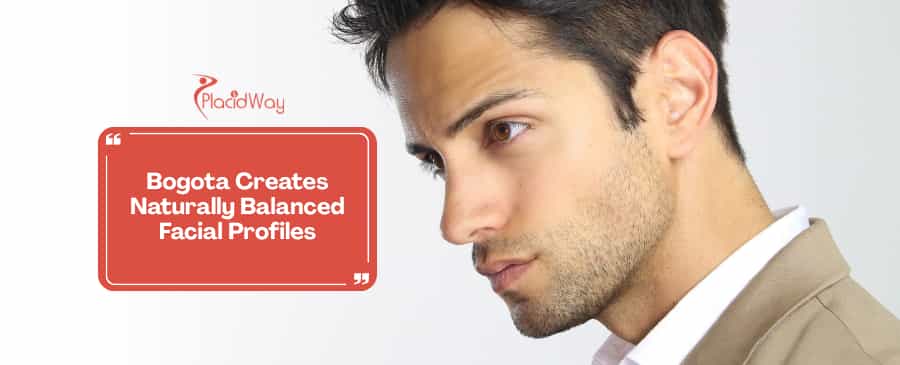
Over the past decade, the landscape of cosmetic facial procedures has shifted dramatically, introducing unprecedented precision to aesthetic medicine. Rhinoplasty in Bogota has emerged as a global frontrunner in this evolution, largely driven by the sophisticated integration of advanced 3D-AI imaging systems. European patients are increasingly traveling across the Atlantic, actively seeking specialized practitioners who can meticulously calculate the ideal nasal proportions using digital mapping. This technology allows medical professionals to analyze facial anatomy in microscopic detail, shifting the surgical paradigm from artistic guesswork to highly calibrated digital precision.
The conceptualization of the "Custom Profile" represents a harmonious blend of artificial intelligence and skilled surgical artistry tailored to the individual. Practitioners utilizing these systems can generate highly detailed predictive models, typically providing patients with a realistic preview of their potential structural changes. Choosing nose surgery in Colombia now means accessing specialized facilities that prioritize cutting-edge software to map out bone density, cartilage limits, and tissue thickness. Consequently, this innovation is redefining patient expectations, setting a new, technology-driven benchmark for the international medical travel industry.
- Volumetric Analysis: AI systems measure facial volume to ensure the new nasal structure maintains harmony with the chin and forehead.
- Soft Tissue Prediction: Advanced algorithms attempt to predict how skin and soft tissues will drape over the modified bone and cartilage.
- Asymmetry Detection: 3D mapping accurately identifies pre-existing facial asymmetries, allowing surgeons to plan compensations carefully.
- Real-Time Adjustments: Patients and practitioners can manipulate digital models collaboratively during consultations to align aesthetic goals.
Modern 3D-AI imaging systems can analyze over 100,000 data points on the human face in a matter of seconds, creating a surgical roadmap that significantly reduces operative unpredictability.
Why International Patients Choose Nose Surgery in Colombia
The global healthcare landscape has become highly interconnected, allowing individuals to seek out specific surgical expertise regardless of geographical borders. European patients often pursue medical tourism in Bogota because the region has cultivated a distinct reputation for prioritizing natural-looking aesthetic outcomes. Unlike the older, over-resected "scooped" nasal styles of previous decades, the Colombian approach generally focuses on structural preservation and ethnic harmony. This commitment to maintaining the patient's inherent facial character resonates strongly with international visitors who desire subtle, undetectable refinements.
Furthermore, the destination combines highly specialized medical training with a deeply ingrained culture of patient-centric care and hospitality. Professionals offering affordable rhinoplasty in Colombia often hold international board certifications and participate in global aesthetic symposiums. This dual advantage of world-class surgical acumen and compassionate clinical environments provides a compelling alternative to local healthcare systems that may feature extensive wait times or prohibitive pricing. The focus remains squarely on comprehensive patient safety, stringent clinical protocols, and customized surgical planning.
- Emphasis on structural preservation rather than aggressive cartilage removal.
- Access to practitioners with extensive cross-cultural anatomical experience.
- Integration of holistic post-operative care protocols to manage recovery.
- Strict adherence to international hygiene and patient safety standards.
According to international aesthetic registries, Colombia consistently ranks among the top global destinations for cosmetic procedures, drawing thousands of international patients annually for specialized facial surgeries.
How 3D-AI Imaging Transforms Rhinoplasty Outcomes in Bogota
The integration of digital technology into the surgical planning phase represents one of the most critical advancements in modern aesthetic medicine. Utilizing 3D-AI modeling for rhinoplasty in Bogota allows practitioners to move beyond traditional two-dimensional photography, offering a comprehensive 360-degree anatomical view. This advanced software carefully calculates millimeter-level alterations, ensuring that changes to the nasal bridge or tip do not compromise respiratory function. By simulating various surgical maneuvers virtually, the medical team can typically identify potential structural challenges long before the patient enters the operating room.
While this technology is revolutionary, it is paramount to understand that AI simulations function as predictive guides, not absolute guarantees. The best rhinoplasty surgeons in Colombia utilize these images to establish realistic expectations, ensuring the patient's aesthetic desires align with their physiological limitations. Human tissue healing is inherently unpredictable, influenced by genetics, skin thickness, and post-operative adherence to care instructions. Therefore, 3D-AI acts as a sophisticated communicative bridge, fostering transparent dialogue and trust between the international patient and the medical team.
- Provides a detailed visualization of anticipated changes from multiple facial angles.
- Helps prevent unrealistic patient expectations by demonstrating physiological boundaries.
- Assists in preoperative mapping for both cosmetic adjustments and functional breathing corrections.
- Facilitates precise communication between the surgeon and the anesthesiology team.
The use of 3D facial scanning technology in surgical planning has been clinically shown to improve patient communication and enhance subjective satisfaction rates by aligning aesthetic goals before surgery.
Affordable Rhinoplasty Cost in Bogota Compared to Europe
Financial considerations remain a significant driving force for the global movement of healthcare consumers seeking specialized facial procedures. The nose surgery cost in Colombia represents a highly competitive value proposition when compared directly against major European healthcare markets. Economic factors, favorable exchange rates, and lower administrative overhead allow South American facilities to offer premium clinical services at a fraction of the traditional cost. Crucially, this price disparity does not typically reflect a compromise in the quality of surgical materials, facility standards, or medical expertise.
For individuals exploring affordable rhinoplasty in Bogota, it is vital to analyze comprehensive pricing structures rather than superficial baseline quotes. International patients must account for the primary surgical fee, anesthesia, facility costs, and specialized post-operative care items required for healing. The detailed cost comparison below illustrates the realistic market ranges for various nasal procedures, highlighting the economic viability of cross-border medical travel. Prospective patients should always secure transparent, itemized estimates during their initial virtual consultations to facilitate accurate financial planning.
| Procedure Name | Average Cost in Bogota | Cost Comparison (Europe/UK) |
|---|---|---|
| Primary AI-Guided Rhinoplasty | $3,500 - $4,800 | $8,500 - $12,000 |
| Revision Rhinoplasty | $4,500 - $6,000 | $10,000 - $15,000 |
| Septorhinoplasty (Functional + Cosmetic) | $4,000 - $5,500 | $9,000 - $13,500 |
| Ultrasonic (Piezo) Rhinoplasty | $4,200 - $5,800 | $9,500 - $14,000 |
Always verify whether your quoted surgical fee includes essential secondary costs, such as pre-operative cardiovascular testing, specialized post-surgical garments, and required follow-up consultations.
The Medical Tourism Experience for Rhinoplasty in Colombia
Embarking on a journey for international healthcare requires comprehensive logistical planning and a deep understanding of the destination's clinical infrastructure. Those pursuing medical tourism in Bogota will generally find a highly structured ecosystem designed specifically to cater to the needs of foreign visitors. High-tier clinical facilities frequently employ dedicated international patient coordinators who oversee the complex transition from initial inquiry to final post-operative clearance. This streamlined approach minimizes the stress associated with navigating a foreign healthcare system, allowing the patient to focus entirely on their upcoming procedure and recovery.
A crucial component of successful nose surgery in Colombia is understanding the extended timeframe required for safe international travel. Medical protocols strictly dictate that patients must remain in the host country for a designated healing period to monitor for potential complications. The high altitude of the capital city also necessitates a brief acclimatization period before undergoing any surgical intervention involving general anesthesia. Consequently, the medical travel experience demands patience, strict adherence to clinical guidelines, and a willingness to embrace the structured recovery process far from home.
- Mandatory acclimatization period of 24 to 48 hours prior to surgical clearance.
- Required in-country stay of 10 to 14 days post-operation for monitoring.
- Comprehensive pre-operative blood work and cardiovascular evaluations conducted locally.
- Utilization of specialized international patient coordinators to bridge language gaps.
Bogota sits at an elevation of over 2,600 meters (8,660 feet) above sea level, which is why medical professionals mandate a pre-surgical resting period to allow your body to naturally adjust to the thinner air.
Preparing for Your AI-Guided Rhinoplasty in Bogota
Proper pre-surgical preparation is absolutely fundamental to mitigating risks and ensuring the smoothest possible clinical experience abroad. Preparation for rhinoplasty in Bogota typically begins weeks before boarding a flight, starting with rigorous lifestyle modifications mandated by the surgical team. Patients are strictly advised to cease all nicotine consumption, as smoking severely compromises micro-vascular blood flow, which is critical for tissue survival. Furthermore, certain supplements, anti-inflammatory medications, and alcohol must be paused to prevent excessive surgical bleeding and unwanted intraoperative complications.
Beyond physical preparation, organizing your personal health records is a vital step in facilitating safe medical tourism in Colombia. You must securely transfer your comprehensive medical history, including past surgeries, chronic conditions, and known drug allergies, to your chosen healthcare provider. Mental and emotional preparation also plays a significant role; understanding that healing is a gradual process helps manage expectations regarding immediate post-surgical swelling. Patients must arrive with a clear understanding that the initial reveal is just the beginning of a lengthy, evolving tissue maturation phase.
- Strict cessation of smoking and vaping at least four weeks prior to surgery.
- Discontinuation of blood-thinning medications and herbal supplements as directed.
- Compilation and translation of comprehensive medical records for the surgical team.
- Preparation of a quiet, comfortable post-operative resting environment.
Strict Contraindications: Individuals with severe bleeding disorders, uncontrolled hypertension, active systemic infections, or severe psychological dysmorphia are generally not viable candidates for elective cosmetic surgery and must disclose all conditions.
Understanding the Consultation Process for Nose Surgery in Colombia
The consultation phase is the critical foundation upon which a successful surgical journey is built, serving to align patient desires with medical realities. Initial consultations for nose surgery clinics in Bogota generally occur via secure video conferencing, allowing international patients to connect with specialists from their home countries. During this remote session, practitioners will evaluate high-resolution photographs, discuss the patient's aesthetic goals, and provide preliminary insights into suitable surgical techniques. This virtual meeting is essential for establishing early rapport and determining if the individual is a preliminary candidate for the desired procedure.
However, the definitive clinical assessment invariably takes place in person upon the patient's arrival in South America. The in-person consultation for affordable rhinoplasty in Bogota utilizes the advanced 3D-AI imaging technology to generate a comprehensive digital map of the facial structure. The medical team conducts thorough internal and external physical examinations to assess airway functionality, cartilage strength, and skin elasticity. This exhaustive, multi-step evaluation ensures that the final surgical plan addresses both cosmetic enhancement and functional respiratory preservation.
- Initial virtual screening to assess primary eligibility and aesthetic objectives.
- In-person structural analysis to evaluate skin thickness and cartilage density.
- Implementation of 3D-AI imaging to simulate potential, realistic surgical modifications.
- Detailed discussion regarding potential risks, limitations, and specific surgical maneuvers.
Surgical Techniques Used for Natural Noses in Bogota
The quest for the "Custom Profile" relies heavily on the implementation of advanced, tissue-sparing surgical methodologies designed to create subtle, harmonious results. A prominent technique utilized during rhinoplasty in Bogota is Ultrasonic or Piezo rhinoplasty, which employs high-frequency sound waves to sculpt the nasal bones gently. This sophisticated approach drastically reduces surrounding soft tissue trauma, which typically translates to less post-operative bruising and a more controlled structural contour. The emphasis remains firmly on precise architectural remodeling rather than the destructive reduction techniques of the past.
Another critical surgical philosophy adopted by leading professionals performing nose surgery in Colombia is the "Preservation Rhinoplasty" technique. This method focuses on maintaining the structural integrity of the nasal dorsum by adjusting the underlying framework rather than resecting the top layers of cartilage. When additional support is required, specialists carefully harvest native cartilage, usually from the nasal septum or ear, to construct a resilient framework. These advanced techniques are instrumental in achieving outcomes that look entirely natural, avoiding the pinched or overly uniform appearance that patients fear.
- Ultrasonic (Piezo) Rhinoplasty: Precision bone sculpting reducing trauma to delicate soft tissues.
- Preservation Rhinoplasty: Modifying underlying structures while preserving the natural nasal bridge line.
- Structural Grafting: Utilizing autologous cartilage to reinforce the nasal tip and prevent future collapse.
- Functional Septoplasty: Simultaneously correcting deviated septums to optimize airway functionality.
Clinical observations indicate that utilizing Piezoelectric (Ultrasonic) instrumentation during nasal bone modification can potentially reduce immediate post-operative ecchymosis (bruising) by up to 50% in eligible patients.
Recovery Timeline After Rhinoplasty in Bogota
Understanding the physiological healing process is essential for navigating the weeks and months following your cosmetic procedure. The immediate recovery phase for medical tourism in Bogota requires patients to remain resting with their heads elevated to combat expected facial edema and minor serosanguinous drainage. During the first week, patients typically wear a protective external splint, which stabilizes the newly constructed bone and cartilage framework. This initial period is characterized by varying degrees of congestion and swelling, which is carefully monitored by the local clinical team before medical clearance is granted for international flights.
Long-term healing following AI rhinoplasty in Colombia is a gradual, evolving journey rather than an instantaneous transformation. While the majority of visible swelling subsides within the first month, allowing patients to return to social activities, the final microscopic swelling takes significantly longer to resolve. The thick skin at the nasal tip is particularly notorious for retaining fluid, requiring persistent patience and adherence to post-operative massage or taping protocols. The journey to the final "Custom Profile" is a marathon that demands dedication to the long-term aftercare instructions provided.
- Days 1-7: Acute swelling, potential bruising, and mandatory use of an external nasal splint.
- Days 7-14: Splint removal, noticeable reduction in bruising, clearance for international air travel.
- Months 1-3: Resolution of up to 70% of primary facial swelling, resuming light cardiovascular exercise.
- Months 6-12+: Gradual refinement of the nasal tip as residual subcutaneous fluid slowly dissipates.
Flying with residual swelling can be uncomfortable due to cabin pressure changes; always pack physician-approved saline sprays and adhere strictly to your prescribed medication schedule during transit.
Risks and Safety Protocols for Nose Surgery in Colombia
Every surgical intervention carries inherent physiological risks that must be thoroughly evaluated and understood prior to entering the operating theater. Patients considering rhinoplasty in Bogota must acknowledge that complications, though relatively uncommon in accredited facilities, are always a statistical possibility. Potential general risks include adverse reactions to anesthesia, post-operative infections, prolonged epistaxis (nosebleeds), and delayed wound healing. Furthermore, cosmetic risks exist, such as unpredictable scar tissue formation, slight structural asymmetries, or functional breathing disruptions that may emerge as swelling resolves.
To mitigate these factors, reputable facilities offering nose surgery in Colombia implement stringent, internationally recognized safety protocols. Comprehensive pre-surgical medical clearances are mandatory, typically involving electrocardiograms, coagulation profiles, and detailed airway assessments to rule out contraindications. Additionally, rigorous sterilization standards and advanced intraoperative monitoring technologies are utilized to safeguard the patient's vital functions throughout the procedure. Transparency regarding these risks is a hallmark of an ethical medical practice, ensuring patients make fully informed, autonomous healthcare decisions.
- Thorough preoperative cardiovascular and hematological evaluations are strictly enforced.
- Utilization of advanced intraoperative patient monitoring and specialized anesthetic protocols.
- Clear, documented communication regarding the signs of post-operative infection or excessive bleeding.
- Establishing immediate action plans and accessible contact points for post-surgical emergencies.
The incidence of severe surgical complications in elective cosmetic procedures is significantly reduced when patients meticulously follow all preoperative fasting and medication restriction guidelines provided by their anesthesiologist.
Success Rates and Longevity of Rhinoplasty in Bogota
The definition of success in cosmetic nasal surgery extends beyond immediate aesthetic satisfaction; it encompasses long-term structural stability and functional airway preservation. The longevity of affordable rhinoplasty in Bogota is heavily dependent on the surgical techniques employed, specifically the use of structural grafting to support the nasal tip. When practitioners prioritize architectural strength over aggressive cartilage removal, the results are typically more resilient to the natural aging process and gravity. Patients who carefully follow long-term care instructions, including rigorous sun protection, generally experience sustained, satisfying outcomes.
However, it is vital to approach the concept of success with realism, acknowledging that minor imperfections are an inherent aspect of human anatomy. While AI rhinoplasty in Colombia utilizes sophisticated predictive modeling, no medical procedure can completely control the biological variables of tissue healing. Revision surgeries are occasionally necessary to address unpredictable scar contracture or minor structural shifts that become apparent only after all swelling subsides. Establishing a foundation of realistic expectations during the initial consultation is the most significant determinant of ultimate patient satisfaction.
- Long-term success relies heavily on structural preservation and autologous cartilage grafting techniques.
- Final aesthetic outcomes may take up to 18-24 months to fully manifest as microscopic swelling resolves.
- Minor anatomical asymmetries are natural and may persist despite precise surgical interventions.
- A small percentage of patients may require secondary revision procedures due to unpredictable biological healing.
The human nose continues to undergo subtle morphological changes throughout a person's life due to natural aging, loss of tissue elasticity, and the constant effects of gravity.
Patient Case Studies: Rhinoplasty Journeys in Colombia
Analyzing individual patient journeys provides invaluable, practical insights into the realities of international medical travel. Experiences from those who have undergone rhinoplasty in Bogota often highlight the intricate balance between managing logistics, overcoming pre-surgical anxiety, and navigating the recovery process. These narratives frequently emphasize the critical importance of selecting highly specialized clinics that integrate advanced 3D-AI imaging to establish transparent surgical blueprints. Hearing from varied demographics helps prospective patients formulate a more grounded understanding of what the experience truly entails.
The following summarized case studies illustrate diverse motivations for seeking nose surgery in Colombia, ranging from functional breathing corrections to subtle cosmetic refinements. They reflect the typical progression of the medical tourism experience, acknowledging both the challenges of early recovery and the satisfaction of gradual, long-term healing. Please remember that these are individualized summaries, and clinical outcomes will always vary based on unique anatomical and genetic factors.
Primary Cosmetic Refinement
A patient from the UK traveled for a primary rhinoplasty to address a dorsal hump. Utilizing 3D-AI imaging, the surgical team mapped a preservation approach. The patient experienced moderate swelling during the 14-day stay but noted that the final result maintained her natural ethnic features without looking artificially altered.
Functional and Aesthetic Septorhinoplasty
An individual sought intervention for severe breathing difficulties coupled with noticeable nasal asymmetry. The dual-approach surgery in Bogota corrected the deviated septum while subtly refining the nasal tip. The patient reported significant improvements in respiratory function alongside a harmonized facial profile after 12 months of healing.
Secondary Revision Procedure
Following an unsatisfactory surgery in their home country, this patient required a complex revision utilizing rib cartilage grafting. The extensive pre-operative AI mapping in Colombia was crucial for planning the structural reinforcement. The recovery was lengthy, requiring strict adherence to post-care protocols, but ultimately yielded a stable, natural contour.
Ultrasonic Precision Surgery
A patient opting for Ultrasonic (Piezo) rhinoplasty highlighted the reduced bruising experience. Seeking a very subtle refinement of a bulbous tip, the patient appreciated the conservative surgical plan developed through digital simulations. They felt comfortable flying back to Europe within the standard two-week medical clearance window.
How PlacidWay Assists Your Rhinoplasty Medical Tourism Journey in Bogota
Navigating the complexities of international healthcare requires structured support and access to verified, authoritative information. For patients pursuing medical tourism in Bogota, establishing a secure connection with highly credentialed medical professionals is the most critical step in the journey. Independent research can be overwhelming, which is why utilizing specialized platforms dedicated to global healthcare facilitation provides a distinct logistical advantage. Our focus is on empowering the patient through transparency, seamless communication, and comprehensive clinical access.
PlacidWay serves as an essential conduit between international patients seeking affordable rhinoplasty in Colombia and established, specialized medical facilities. We prioritize facilitating the exchange of vital medical data and coordinating crucial initial evaluations, ensuring that your transition into the cross-border healthcare ecosystem is safe and highly organized. By focusing strictly on medical coordination and provider verification, we help patients focus entirely on their clinical preparation and eventual recovery.
- Facilitating direct, secure communication channels between patients and top-tier clinical facilities.
- Assisting in the safe compilation and transfer of comprehensive medical histories and diagnostic imaging.
- Providing access to rigorously verified profiles of internationally accredited surgeons and healthcare centers.
- Coordinating virtual consultations to ensure primary eligibility and aesthetic alignment before international travel.
- Supplying detailed, value-based information regarding specialized clinical procedures and advanced medical technologies.
Frequently Asked Questions About Rhinoplasty in Bogota
Preparing for a major cosmetic procedure abroad naturally generates a multitude of practical and clinical inquiries. Prospective patients researching rhinoplasty in Bogota frequently seek clarity regarding safety protocols, logistical timelines, and the realities of post-surgical healing. A comprehensive understanding of these operational details is crucial for minimizing anxiety and ensuring a smoothly executed medical journey.
Below is a curated compilation of the most common questions surrounding nose surgery in Colombia, formulated to provide concise, authoritative guidance. These insights address the practicalities of international medical travel, helping patients make informed, responsible decisions regarding their cross-border healthcare options.
Is 3D-AI rhinoplasty safe for international patients in Bogota?
Medical tourism in Colombia is generally safe when utilizing internationally accredited facilities. However, patients must always undergo comprehensive pre-surgical evaluations to mitigate individual health risks.
How long should I stay in Bogota after nose surgery?
Most patients are advised to remain in the country for at least 10 to 14 days post-operation. This allows for initial recovery, splint removal, and essential follow-up evaluations.
What makes Colombian surgeons experts in natural rhinoplasty?
Surgeons specializing in rhinoplasty in Bogota typically undergo rigorous international training and utilize advanced technologies like 3D-AI imaging. This combination fosters precise, anatomically respectful surgical plans.
Are the results shown in 3D-AI imaging guaranteed?
No medical procedure can guarantee specific outcomes due to individual healing variations and anatomical limitations. The 3D-AI imaging serves as a predictive communication tool rather than a strict guarantee.
Does the cost of rhinoplasty in Bogota include post-operative care?
The affordable nose surgery cost in Colombia usually covers the surgery, anesthesia, and immediate follow-up visits. Patients should clarify exactly what is included during their initial comprehensive consultation.
How soon can I fly back to Europe after my nose surgery?
Patients are typically cleared to fly 10 to 14 days post-surgery, once the risk of severe swelling and nosebleeds diminishes. Flying too soon can exacerbate swelling due to cabin pressure changes.
Is a visa required for European medical tourists traveling to Colombia?
Citizens of most European Union countries and the United Kingdom generally do not need a tourist visa for stays up to 90 days. It is crucial to verify current entry requirements prior to travel.
What happens if I need revision rhinoplasty in the future?
While surgeons strive for optimal initial results, some patients may require secondary adjustments due to unpredictable healing. Most clinics have specific policies regarding revisions that should be reviewed beforehand.
How is the language barrier handled during medical tourism in Bogota?
Leading medical facilities catering to international patients typically employ bilingual staff and offer translation services. This ensures clear communication regarding medical history, procedural steps, and recovery guidelines.
What are the typical contraindications for cosmetic nose surgery?
Contraindications generally include severe bleeding disorders, uncontrolled cardiovascular diseases, and unrealistic aesthetic expectations. Active nasal infections or structural instability may also delay or prevent surgery.
Ready to explore your options for advanced 3D-AI rhinoplasty in Bogota? Let PlacidWay connect you with world-class medical facilities today.
References
- American Society of Plastic Surgeons (ASPS). Rhinoplasty Guide and Overview. https://www.plasticsurgery.org/cosmetic-procedures/rhinoplasty
- National Center for Biotechnology Information (NCBI). The Role of 3D Imaging in Rhinoplasty. https://pmc.ncbi.nlm.nih.gov/articles/PMC12622225/
- International Society of Aesthetic Plastic Surgery (ISAPS). Global Statistics on Cosmetic Surgical Procedures. https://www.isaps.org/discover/about-isaps/global-statistics/global-survey-2024-full-report-and-press-releases/
- Mayo Clinic. Rhinoplasty: Risks, Preparation, and Results. https://www.mayoclinic.org/tests-procedures/rhinoplasty/about/pac-20384532
- Centers for Disease Control and Prevention (CDC). Medical Tourism: Travel for Medical Care. https://wwwnc.cdc.gov/travel/page/medical-tourism


.png)


.jpg)
.jpg)


.jpg)
.jpg)
.jpg)
.jpg)








Share this listing