
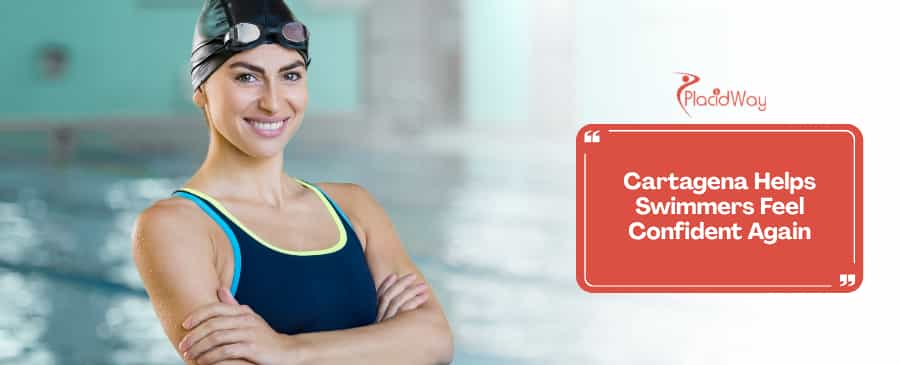
In recent years, the intersection of aesthetic surgery and athletic performance has seen remarkable advancements, particularly for water-based athletes. Competitive swimmers require an incredible range of motion, precise hydrodynamics, and upper body strength. For these athletes, traditional augmentation methods often posed challenges, leading to the growing popularity of high-stability breast implants in Cartagena. This coastal Colombian city has emerged as a premier destination for athletes seeking specialized surgical techniques that respect their rigorous physical demands.
The appeal lies in the unique properties of highly cohesive gel implants, often referred to as "gummy bear" implants. These devices are engineered to maintain their shape under pressure, providing a natural aesthetic without compromising the integrity of the chest wall mechanics. As medical tourism in Cartagena continues to flourish, aquatic athletes from North America and Europe are discovering that they can achieve their aesthetic goals while maintaining their competitive edge in the water.
Highly cohesive "gummy bear" implants retain their structural integrity even if punctured, making them incredibly durable under the intense hydrodynamic pressure experienced by competitive swimmers.
Understanding High-Stability Implants for Swimmers
A breast augmentation procedure for an athlete requires a fundamentally different approach than one for a non-athlete. High-stability implants are formulated with a thicker, cross-linked silicone gel. This dense cohesivity means the implant behaves more like a solid than a liquid, resisting the rippling and folding that can occur during intense upper-body exertion, such as the freestyle or butterfly stroke.
For swimmers, this stability translates to predictability. When diving off blocks or executing flip turns, the rapid changes in water resistance can cause less cohesive implants to shift uncomfortably. High-stability variants are typically designed to stay firmly in the surgically created pocket, minimizing internal friction and providing the athlete with a sense of security and physical continuity during races.
Form-stable silicone implants account for a significantly growing percentage of augmentations among female athletes, largely due to their reduced risk of shape distortion over time.
Why Competitive Swimmers Choose Breast Augmentation in Colombia
Choosing to undergo breast augmentation in Colombia is a decision increasingly driven by a combination of elite surgical expertise and comprehensive patient care. Cartagena is home to board-certified plastic surgeons who specialize in the biomechanics of athletic bodies. These professionals understand that a swimmer's pectoral muscles are critical to their livelihood and passion, necessitating specialized surgical care that minimizes muscular disruption.
Furthermore, the infrastructure for international patients in this city is exceptionally well-developed. Patients seeking top plastic surgery in Cartagena often find that medical facilities boast international accreditations, modern technology, and hygiene standards that mirror or exceed those found in their home countries. This level of professional dedication ensures athletes feel confident entrusting their bodies to these specialists.
Elena's Return to the Masters League
Elena, a competitive Masters swimmer from the US, sought a procedure that wouldn't impede her butterfly stroke. She traveled to Cartagena for form-stable implants. She generally experienced a smooth recovery and successfully returned to her rigorous training schedule, praising her surgeon's understanding of sports biomechanics.
Cost of High-Stability Breast Implants in Cartagena vs. North America
One of the primary catalysts for the surge in medical travel is the breast implants cost in Cartagena. In North America or Europe, cosmetic surgeries utilizing premium, high-stability cohesive gel implants can carry a prohibitive price tag, often exacerbated by facility fees and anesthesia costs. Cartagena offers a more accessible alternative without sacrificing the quality of the implants or the expertise of the surgical team.
International patients seeking affordable breast implants in Cartagena generally save between 40% to 60% compared to US prices. These packages frequently bundle surgical fees, premium implant costs, anesthesia, and facility use into one transparent price. Below is a comparative look at typical market ranges for these procedures.
| Procedure / Sub-Treatment | Average Cost in Cartagena (USD) | Average Cost in USA/Canada (USD) |
|---|---|---|
| High-Stability Cohesive Gel Implants | $3,500 - $4,800 | $8,000 - $12,000 |
| Traditional Silicone Implants | $2,800 - $3,500 | $6,000 - $9,000 |
| Breast Augmentation with Lift (Mastopexy) | $4,500 - $6,500 | $10,000 - $16,000 |
Biomechanical Advantages of Modern Breast Implants for Water Sports
Swimming relies heavily on the pectoralis major and latissimus dorsi muscles. Any surgical intervention in the chest area must carefully consider how these muscles contract, stretch, and bear loads during propulsion. High-stability implants offer a distinct biomechanical advantage because their firm structure is less prone to displacement caused by forceful muscle contractions.
Furthermore, their predictable shape allows surgeons to calculate the exact degree of tissue stretching required, minimizing drag in the water. For a competitive swimmer, even a fraction of a second lost to poor hydrodynamics can be detrimental. The smooth integration of a well-placed cohesive implant typically supports a natural, streamlined silhouette, allowing water to flow smoothly over the body.
Studies suggest that up to 85% of athletes who opt for high-stability, cohesive gel implants report high satisfaction with their physical comfort during rigorous upper-body exercise post-recovery.
The Surgical Approach for Athletic Breast Augmentation in Cartagena
The placement of the implant is arguably the most crucial decision for an aquatic athlete. Traditional sub-muscular placement (under the pectoral muscle) can lead to "animation deformity," where the flexing of the muscle visibly distorts the implant. To avoid this and protect the swimmer's strength, skilled surgeons offering medical tourism in Cartagena often utilize sub-fascial or customized dual-plane techniques.
Sub-fascial placement involves positioning the implant under the thin, tough layer of connective tissue (fascia) that covers the pectoral muscle, but above the muscle itself. This approach typically leaves the muscle completely intact, preserving maximum pushing and pulling power in the water. Surgeons meticulously evaluate each athlete's anatomy and stroke style before recommending the exact surgical plane.
During your virtual consultation, explicitly mention your swimming strokes (e.g., freestyle vs. breaststroke). This helps your surgeon determine the best implant placement to preserve your specific muscle function.
Navigating Recovery and Return to the Pool After Surgery
Recovery for an athlete demands patience and strict adherence to medical protocols. While the allure of jumping back into the water is strong, the initial healing phase is critical for long-term success. Patients are generally advised to abstain from any upper body exertion and swimming for at least six to eight weeks. Premature return to the pool can lead to complications, shifting, or delayed healing of the incisions.
Once cleared by their medical team, swimmers typically undergo a phased return. This usually begins with gentle water walking and kicks, gradually progressing to full stroke mechanics as the chest tissues adapt to the high-stability implants. Breast augmentation in Colombia often includes comprehensive digital follow-ups, ensuring athletes have professional guidance through every phase of their rehabilitation.
Maria’s Phased Comeback
A competitive triathlete, Maria underwent sub-fascial augmentation in Cartagena. By strictly following her surgeon’s 8-week phased recovery plan, she avoided complications and generally found her swim times returning to her pre-surgery baseline within four months of her procedure.
Potential Risks and Considerations for Aquatic Athletes
While the benefits are significant, it is vital to acknowledge the medical realities of aesthetic surgery. Like any major surgical procedure, breast augmentation carries inherent risks. For swimmers, specific concerns include the possibility of capsular contracture—a condition where the scar tissue around the implant hardens. This can cause discomfort and potentially restrict the fluid shoulder rotation required for competitive swimming.
Infection, poor scarring, and alterations in nipple sensation are also possibilities. International patients must be particularly diligent about post-operative care and recognize that flying shortly after surgery carries a slight increase in the risk of blood clots. It is generally recommended to extend your stay in the destination country to allow for safe initial healing and immediate post-operative monitoring.
Always secure a local physician or specialist in your home country who is willing to provide follow-up care and manage any unexpected complications before you travel abroad for surgery.
Choosing the Right Implant Profile for Streamlined Swimming
The profile of an implant refers to how far it projects from the chest wall. For competitive swimmers, selecting the correct profile is as crucial as selecting the implant material. High or ultra-high profile implants can alter a swimmer's center of gravity and increase frontal drag in the water, requiring more energy to move at the same speed.
Therefore, aquatic athletes generally favor low or moderate-profile high-stability breast implants in Cartagena. These profiles offer a broader base and less forward projection, mimicking a natural athletic silhouette. Surgeons specializing in sports aesthetics will use precise measurements of your chest width and natural breast base to recommend a profile that enhances your physique without acting as a physical anchor in the pool.
Water density is nearly 800 times greater than air. Because of this, even minor alterations in a swimmer's frontal profile can drastically affect hydrodynamic drag and overall race performance.
Medical Tourism in Cartagena: Combining Surgery with Tranquil Recovery
Beyond the surgical excellence, Cartagena medical tourism offers an environment highly conducive to healing. The city boasts a warm, coastal climate and an array of premium recovery retreats designed specifically for post-operative patients. Recovering in a serene, stress-free environment can have a profound impact on physical healing, reducing systemic stress and allowing athletes to focus entirely on their rest.
Patients visiting for top plastic surgery in Cartagena often spend their initial recovery weeks enjoying the peaceful atmosphere of specialized recovery houses. These facilities typically provide round-the-clock nursing care, anti-inflammatory diets, and lymphatic drainage massages, all of which are critical for athletes looking to minimize downtime and return to peak physical condition safely.
Chloe’s Healing Retreat
Chloe, a British competitive swimmer, chose to extend her stay in Cartagena by two weeks. She utilized a dedicated medical recovery boutique where specialized lymphatic massages generally helped reduce her swelling faster, giving her a confident head start on her journey back to the pool.
Preparing for Your Breast Enhancement Journey to Colombia
Preparation is the cornerstone of a successful medical tourism experience. As an athlete, your preparation should include tapering off your training schedule strategically so your body is rested, not fatigued, before going into surgery. Optimizing your nutrition, maintaining high hydration levels, and abstaining from supplements that can increase bleeding (like fish oil or certain vitamins) are standard protocols prior to your breast augmentation procedure.
Logistically, ensure your passport is valid and review any travel advisories. Communication is key; compile a comprehensive medical history, including any previous sports injuries, specifically in the shoulders or back, as these can influence your post-operative rehabilitation. Transparent communication with your international surgical team ensures they are fully equipped to handle your specific athletic requirements.
Pack front-closing, loose-fitting clothing and a high-quality, non-underwire compression garment as recommended by your surgeon. Reaching overhead will be strictly prohibited during your initial recovery.
Longevity and Performance of High-Stability Implants Under Water Pressure
For aquatic athletes, questions regarding the durability of implants under water pressure are common. High-stability, cohesive gel implants are typically engineered to withstand forces far exceeding normal human depths. Whether you are doing deep-water dives, open water swims, or standard pool races, the structural integrity of these modern implants is highly reliable.
While no implant is considered a lifelong device, the robust nature of gummy bear implants generally provides excellent longevity. Most athletes can expect their results to last a decade or more before requiring any revision. Routine monitoring through ultrasound or MRI ensures that the implant shell remains intact and continues to support the athlete’s active lifestyle seamlessly.
Modern high-stability implants are extensively tested for atmospheric and hydrostatic pressure. Scuba divers and deep-water swimmers generally experience no structural changes to their implants during deep descents.
Samantha’s Open Water Success
As an open-water marathon swimmer, Samantha was concerned about the effects of prolonged cold water and physical exertion on her implants. Three years post-op, her high-stability implants have generally remained perfectly intact and comfortable through numerous ocean races.
How PlacidWay Assists Your Breast Augmentation Medical Tourism Journey in Cartagena
Navigating international healthcare requires a trusted partner. PlacidWay connects patients with internationally recognized, accredited medical providers, ensuring you have access to top-tier care tailored to your unique needs as an athlete. We streamline the initial research and connection phases so you can focus on your health and goals.
Our commitment is to empower you with transparent information and facilitate smooth communication with highly qualified surgical teams. PlacidWay’s services include:
- Connecting you directly with rigorously vetted, board-certified plastic surgeons specializing in athletic aesthetics.
- Providing transparent, comprehensive cost estimates and detailed procedure overviews to aid in your decision-making.
- Facilitating secure, initial virtual consultations between you and the surgical teams in Cartagena.
- Offering access to patient reviews, clinical accreditations, and provider portfolios.
- Assisting with dedicated customer support to guide you through the intricacies of the medical travel process.
Frequently Asked Questions About High-Stability Breast Implants in Cartagena
Making an informed decision is critical when combining international travel with medical procedures. Below, we address some of the most common inquiries athletes have regarding this specialized surgery.
From recovery timelines to international travel logistics, understanding these details helps ensure a safer, more predictable journey.
How soon can I swim after getting breast implants in Cartagena?
Most patients are generally advised to wait at least six to eight weeks before returning to the pool. Rigorous competitive swimming strokes like butterfly or freestyle may require a longer recovery period as guided by your surgeon.
Are high-stability implants safe for deep-water diving?
Yes, high-stability, highly cohesive silicone implants are typically designed to withstand significant atmospheric and hydrodynamic pressure without rupturing.
Will breast implants affect my swimming speed or hydrodynamics?
When properly sized and placed, modern implants generally do not negatively impact hydrodynamics. Many swimmers opt for moderate profiles to maintain a streamlined silhouette.
Why is Cartagena a preferred destination for this procedure?
Cartagena offers a combination of highly trained, board-certified surgeons, internationally accredited facilities, and affordable pricing, making it a leading hub for medical tourism.
What is the difference between sub-glandular and sub-fascial placement?
Sub-glandular places the implant over the muscle, while sub-fascial places it under the fibrous tissue layer above the muscle. Both typically avoid cutting the pectoral muscle, which is often preferred by upper-body athletes.
Do I need a visa to travel to Colombia for medical procedures?
Citizens from many countries, including the US, Canada, and the UK, generally do not require a visa for short-term medical tourism visits to Colombia. Always verify current entry requirements before traveling.
Are high-stability implants heavier than traditional implants?
Highly cohesive gel implants can feel slightly firmer and may have a different weight distribution, but they are generally comparable in weight to traditional silicone implants of the same volume.
What happens if I experience a complication after returning home?
It is crucial to establish follow-up care with a local healthcare provider before you travel. Reputable international surgeons typically provide detailed medical records and digital follow-up consultations.
Can capsular contracture affect my swimming?
Severe capsular contracture can cause firmness and discomfort, which might impede upper body mobility. Following your surgeon’s recovery protocol typically helps minimize this risk.
How long do high-stability breast implants typically last?
While they are not lifelong devices, highly cohesive silicone implants generally last between 10 to 20 years. Routine medical imaging is typically recommended to monitor their condition over time.
- American Society of Plastic Surgeons (ASPS). Breast Augmentation. https://www.plasticsurgery.org/cosmetic-procedures/breast-augmentation
- National Center for Biotechnology Information (NCBI). Biomechanics of Breast Implants in Athletes. https://pubmed.ncbi.nlm.nih.gov/35075503/
- Mayo Clinic. Breast augmentation: What you can expect. https://www.mayoclinic.org/tests-procedures/breast-augmentation/about/pac-20393178
- Cleveland Clinic. Gummy Bear Breast Implants. https://my.clevelandclinic.org/health/treatments/21724-breast-implants
- Centers for Disease Control and Prevention (CDC). Travelers' Health: Colombia. https://wwwnc.cdc.gov/travel/destinations/traveler/none/colombia

.png)

.png)





.jpg)
.jpg)
.jpg)
.jpg)
.jpg)
.jpg)








Share this listing