
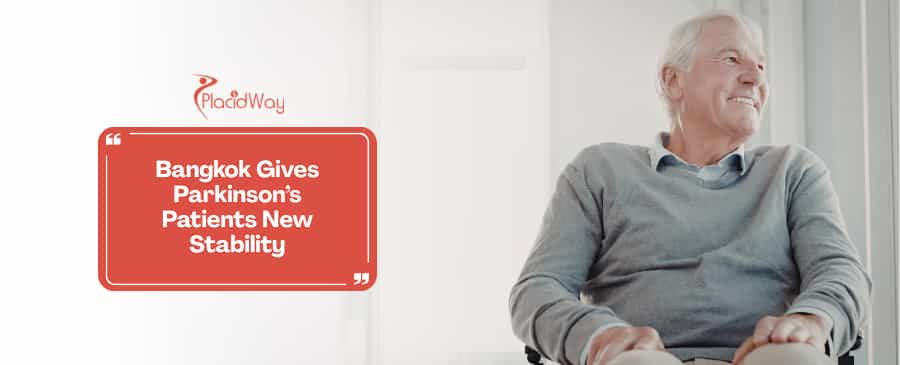
For decades, Parkinson's disease has presented one of the most challenging neurological puzzles for the medical community. As the condition primarily affects older demographics, millions of seniors across the United States face the daunting reality of progressive motor control loss, tremors, and a declining quality of life. Traditional pharmacological interventions often face challenges with diminishing efficacy over time, prompting both patients and specialists to look toward more advanced, innovative therapeutic avenues.
In recent years, Southeast Asia has emerged as a focal point for cutting-edge neurological research and application. Specifically, Parkinson's treatment in Thailand has garnered international attention due to the implementation of advanced protocols like targeted cell therapies. Dopaminergic cell infusions aim to address the root cause of Parkinson's by directly targeting the depletion of dopamine-producing neurons in the brain, offering a profound shift from merely managing symptoms to potentially altering the trajectory of the disease.
Parkinson’s disease is the second most common neurodegenerative disorder in the United States, driving a significant push for global medical innovation as patients seek out alternative interventions unavailable in their home state.
Why US Seniors Choose Parkinson's Treatment in Thailand
The decision to travel abroad for complex medical care is never taken lightly, particularly for seniors dealing with mobility issues. However, the unique combination of world-class medical infrastructure and highly specialized neurological experts makes Thailand an increasingly attractive option. Medical tourism in Bangkok allows patients to access innovative therapies that might still be navigating lengthy regulatory approval phases in the United States, giving them an opportunity to pursue timely interventions.
Beyond clinical excellence, the holistic approach to patient care in Southeast Asia appeals strongly to international visitors. Thai medical facilities are renowned for their hospitality, providing comprehensive support that extends well beyond the operating room. This includes specialized physical therapy, nutritional support, and dedicated international patient coordinators who ensure smooth communication, making the entire journey less stressful for seniors and their traveling companions.
Thailand welcomes millions of medical tourists annually, with a notable percentage seeking advanced care for chronic neurological and orthopedic conditions.
Patient Case Summary: Finding Stability
A 68-year-old retired teacher from Ohio had struggled with worsening tremors for six years. Frustrated by the side effects of traditional medications, he explored Parkinson's clinics in Thailand. Following a thorough evaluation and targeted infusion protocols, he reported a noticeable improvement in his motor stability and was able to return to his favorite hobby of woodworking within six months.
The Science Behind Dopaminergic Cell Therapy for Parkinson's
At its core, Parkinson's disease is characterized by the progressive death of dopaminergic neurons in the substantia nigra, a region of the brain critical for movement coordination. As these cells die, dopamine levels plummet, leading to the hallmark tremors, rigidity, and bradykinesia. The premise of dopaminergic cell therapy is to introduce specialized cells that can either replace the lost neurons, protect the remaining ones, or secrete neurotrophic factors that promote brain tissue repair.
The therapies currently utilized in international hubs involve rigorous processing in highly controlled laboratory environments. These cells are carefully prepared to ensure viability and are typically administered through minimally invasive infusion methods. Once introduced to the body, these cellular agents theoretically home in on areas of inflammation and neurological damage, attempting to restore a healthier microenvironment within the central nervous system.
Dopamine is a neurotransmitter that acts as a messenger between the brain and the nervous system, which is why its depletion leads to the severe motor control issues seen in Parkinson's disease.
Affordable Dopaminergic Cell Infusion Cost in Bangkok
One of the most compelling reasons US patients look overseas is the prohibitive cost of experimental or out-of-pocket healthcare at home. The dopaminergic cell therapy cost in North America, if available, can be financially devastating for retirees on fixed incomes. Conversely, Thailand's lower cost of living and different medical liability frameworks allow top-tier hospitals to offer advanced treatments at a fraction of the price without compromising on technology or safety.
It is important to understand that the total financial investment includes various phases of care. A comprehensive package generally covers the initial neurological assessment, the cell processing and infusion, hospital stays, and preliminary physical rehabilitation. Below is an estimated comparison to illustrate the potential financial differences.
| Procedure / Service | Average Cost in Bangkok (USD) | Estimated Cost in US (USD) |
|---|---|---|
| Comprehensive Neurological Evaluation | $800 - $1,500 | $3,000 - $6,000 |
| Dopaminergic Cell Infusion Therapy | $15,000 - $25,000 | $40,000 - $80,000+ |
| Post-treatment Rehab & Observation (per week) | $1,000 - $2,500 | $5,000 - $10,000 |
Exploring Parkinson's Clinics in Bangkok
When selecting a destination for critical healthcare, the quality of the facility is paramount. Neurological clinics in Bangkok are frequently housed within massive, state-of-the-art international hospitals that resemble luxury hotels more than clinical environments. These institutions are specifically designed to cater to the needs of foreign patients, boasting advanced imaging technologies, specialized clean rooms for cell handling, and dedicated intensive care units.
Many of these hospitals hold accreditations from rigorous global bodies, ensuring they maintain strict protocols regarding patient safety, hygiene, and medical ethics. Patients are encouraged to thoroughly research prospective clinics, focusing on the specific qualifications of the neurology team, the origin and processing methods of the cellular materials, and the presence of multilingual staff to ensure clear communication throughout the process.
Always request a virtual consultation with the lead neurologist before traveling. This allows you to assess their communication style, ask specific questions about the protocol, and ensure you feel comfortable with their expertise.
Evaluating the Safety of Medical Tourism in Thailand
Safety is understandably the primary concern for seniors contemplating medical tourism in Thailand. While the country possesses a highly advanced private healthcare sector, patients must exercise due diligence. Internationally accredited hospitals adhere to global benchmarks for infection control, medication safety, and patient rights. However, the nature of advanced cell therapies requires a thorough understanding of both the potential benefits and the inherent uncertainties.
It is crucial for patients to understand that the regulatory environment for regenerative medicine varies significantly by country. In Thailand, reputable facilities operate under strict guidelines set forth by the Ministry of Public Health. Patients should only engage with institutions that are entirely transparent about their safety records, cell sourcing practices, and the rigorous pre-screening processes they utilize to determine patient eligibility.
Patients must ensure that any facility they choose is fully accredited and legally authorized to perform cellular therapies. Avoid clinics that promise guaranteed cures or pressure you into making immediate financial commitments without comprehensive medical evaluations.
The Patient Journey for Neurological Care in Southeast Asia
The journey to receiving Parkinson's disease therapies abroad begins long before boarding a flight. It starts with comprehensive remote evaluations where US medical records, recent MRI scans, and detailed symptom diaries are reviewed by Thai specialists. This preliminary screening ensures that the patient is physically capable of undertaking the travel and that they are a viable candidate for the proposed intervention.
Upon arrival in Bangkok, patients are typically greeted by hospital concierge services and escorted to the medical facility. The first few days usually involve an extensive array of in-person diagnostic tests, including blood work and advanced neurological imaging, to establish a precise baseline. Only after a multidisciplinary medical board approves the current health status does the actual treatment phase commence, ensuring the utmost care is taken at every step.
Patient Case Summary: A Smoother Journey
A 72-year-old patient from Florida traveled to Bangkok with her daughter for advanced neurological care. She noted that the seamless integration of airport transfers, translation services, and compassionate nursing staff made the daunting prospect of overseas treatment surprisingly manageable and stress-free.
Anticipated Results for Dopaminergic Cell Infusions
Setting realistic expectations is a vital component of any advanced medical procedure. While breakthrough science offers hope, it is imperative to state clearly that results can vary drastically from patient to patient. Most patients experience subtle changes over an extended period rather than immediate, dramatic reversals of symptoms. Neurologists typically emphasize that the primary goal is often to halt or slow disease progression and improve the efficacy of existing medications.
When successful, patients may report reductions in tremor severity, improved sleep patterns, enhanced mobility, and a decrease in the "off" periods associated with traditional levodopa therapy. However, outcomes are highly dependent on the stage of the disease at the time of treatment, the patient's overall biological resilience, and strict adherence to post-treatment physical therapy protocols.
Regenerative cell therapies often operate on a delayed timeline; it can take anywhere from three to six months for the cellular activity to translate into noticeable clinical improvements in motor function.
Potential Risks of Cellular Therapy for Parkinson's Disease
No medical intervention is entirely without risk, and advanced treatments for Parkinson's in Bangkok are no exception. Patients must be fully informed of potential complications before consenting to the procedure. General risks associated with infusion therapies include the possibility of infection at the injection site, localized bleeding, or mild allergic reactions to the carrier solutions used during the administration process.
More specifically to cell therapies, there is a small risk of an adverse immune response, even when the cells are processed meticulously. Additionally, because this field of medicine is continually evolving, long-term data spanning several decades is still being accumulated. Strict contraindications typically apply; patients with active malignancies, severe cardiovascular instability, or advanced cognitive decline are generally deemed unsuitable for these protocols.
Preparing for Dopaminergic Cell Infusions in Thailand
Proper preparation is the key to a safe and successful medical tourism experience. Months before departure, patients should work closely with their primary care physician and local neurologist in the US. It is essential to compile an exhaustive medical dossier that includes a comprehensive history of the illness, previous medication trials, current prescriptions, and notes on any other underlying health conditions.
Logistical preparation is equally important. Seniors should assess their fitness to fly for long durations and consider upgrading to seats that allow for mobility and rest to prevent deep vein thrombosis (DVT). Dietary adjustments, cessation of specific supplements that might increase bleeding risks, and a proactive focus on physical conditioning can also optimize the body’s readiness to receive cellular therapies.
Ensure you travel with at least a two-month supply of your current Parkinson's medications in clearly labeled, original prescription bottles. Never pack essential medication in checked luggage.
Post-Treatment Care and Recovery in Bangkok
The immediate post-infusion phase is critical for ensuring patient safety and maximizing the potential benefits of the therapy. After the procedure, patients generally remain in Bangkok for a specified period—typically one to two weeks. This time allows the medical team to conduct rigorous neurological monitoring, ensuring there are no acute adverse reactions and tracking initial responses to the therapy.
During this recovery window, leading hospitals integrate intensive physical and occupational therapy into the daily routine. Gentle mobilization exercises are designed to stimulate neuroplasticity—the brain's ability to form new neural connections. Patients are also provided with comprehensive discharge plans, including dietary recommendations and schedules for follow-up telemedicine consultations once they return to the United States.
Patient Case Summary: Focused Rehabilitation
A 65-year-old executive underwent cellular infusions in Bangkok and utilized his two-week recovery period to participate in daily specialized physiotherapy. He credited this holistic, combined approach for his accelerated recovery and improved stamina upon returning to his high-pressure career in New York.
Comparing Global Destinations for Parkinson's Disease Therapies
While Southeast Asia is a dominant force in regenerative medicine, patients frequently weigh affordable Parkinson's care in Bangkok against other global hubs like Mexico or Eastern Europe. Mexico offers the distinct advantage of geographic proximity to the US, reducing travel fatigue for seniors. Eastern European destinations boast strong regulatory alignments with EU medical standards and a history of robust medical spa traditions.
However, Thailand consistently distinguishes itself through its exceptional synthesis of advanced medical technology, deeply ingrained cultural hospitality, and highly competitive pricing structures. The availability of multidisciplinary medical teams who speak fluent English and possess international board certifications makes Bangkok an optimal choice for patients prioritizing comprehensive, empathetic care alongside clinical innovation.
Bangkok has frequently ranked among the top global destinations in the Medical Tourism Index, reflecting its exceptional medical infrastructure and patient satisfaction rates.
Cross-border healthcare is a multi-billion dollar industry that continues to grow exponentially, driven largely by patients seeking specialized care that is restricted, unavailable, or cost-prohibitive in their home nations.
Over 70% of medical tourists cite cost savings combined with high-quality healthcare infrastructure as their primary motivation for traveling abroad for complex procedures.
Patient Case Summary: Peace of Mind
A 70-year-old retired nurse carefully compared clinics in Central America and Southeast Asia before choosing Bangkok. She was ultimately won over by the stringent JCI accreditations of Thai hospitals and the meticulous transparency regarding the cellular processing protocols, which gave her immense peace of mind.
How PlacidWay Assists Your Dopaminergic Cell Infusions Medical Tourism Journey in Bangkok
Navigating international healthcare options can feel overwhelming, but utilizing specialized medical tourism platforms ensures that patients make informed, secure decisions. Here is how PlacidWay supports your journey to receiving advanced care:
- Providing direct access to a curated network of internationally accredited hospitals and highly vetted medical professionals.
- Facilitating the secure transfer of medical records and organizing preliminary remote consultations with leading neurologists.
- Offering detailed, transparent breakdowns of treatment costs and clinical packages so patients can plan their finances effectively.
- Assisting with educational resources to help patients understand the nuances, risks, and realistic expectations of advanced cellular therapies.
- Providing continuous guidance and multi-lingual communication support throughout the entire medical evaluation and treatment process.
Frequently Asked Questions About Dopaminergic Cell Infusions in Bangkok
Are dopaminergic cell infusions in Bangkok safe for elderly US patients?
The safety of this procedure generally depends on the patient's overall health and the specific protocols followed by the medical facility. Internationally accredited hospitals in Bangkok typically adhere to rigorous global safety standards, though comprehensive pre-treatment evaluations are mandatory.
How much do Parkinson's cell therapies cost in Thailand compared to the US?
Patients often find that medical procedures in Thailand cost significantly less than similar treatments in the United States. Savings can range from fifty to seventy percent, even when factoring in advanced neurological evaluations and facility fees.
Do I need a special visa to undergo medical treatment in Bangkok?
US citizens can typically enter Thailand for short stays without a visa, but for extended medical treatments, a medical visa or tourist visa extension may be required. Your chosen healthcare provider usually assists with the necessary documentation.
What is the typical recovery time after a cell infusion?
Recovery times vary, but patients generally spend one to two weeks in Bangkok for post-infusion observation and initial physical therapy. Full integration and noticeable changes, if any, typically manifest over several months.
Can cell infusions completely cure Parkinson's disease?
Currently, there is no known cure for Parkinson's disease. Dopaminergic cell infusions are designed to help manage symptoms and potentially slow progression, but they are not a definitive cure.
Who is not a good candidate for this procedure?
Individuals with severe comorbidities, advanced dementia, or active infections are typically contraindicated for cellular therapies. A thorough neurological and physical assessment is required to determine eligibility.
How does follow-up care work when I return to the United States?
International hospitals usually provide comprehensive medical reports and discharge summaries for your local neurologist. Many facilities also offer telemedicine consultations to monitor your progress remotely.
Will my US health insurance cover treatment in Thailand?
Most standard US health insurance plans, including traditional Medicare, do not cover elective treatments or experimental therapies abroad. Patients generally rely on self-funding or specialized medical travel insurance.
Are the hospitals in Bangkok accredited?
Yes, Bangkok is home to numerous hospitals that hold Joint Commission International (JCI) accreditation. This ensures they meet stringent international standards for patient safety and quality of care.
What should I bring to my initial consultation in Bangkok?
You should bring all recent medical records, MRI/CT scans, a detailed timeline of your Parkinson's progression, and a current list of medications. Having comprehensive documentation helps neurologists tailor the treatment protocol safely.
Take the Next Step Towards Better Neurological Health
If you or a loved one are exploring advanced Parkinson's treatment options, PlacidWay is here to help you navigate your medical tourism journey to Bangkok safely and efficiently. Connect with globally accredited specialists today.
References
- National Institute on Aging. Parkinson's Disease: Causes, Symptoms, and Treatments. https://www.nia.nih.gov/health/parkinsons-disease
- Mayo Clinic. Parkinson's disease - Diagnosis and treatment. https://www.mayoclinic.org/diseases-conditions/parkinsons-disease/diagnosis-treatment/drc-20376062
- Centers for Disease Control and Prevention (CDC). Medical Tourism: Travel to Another Country for Medical Care. https://wwwnc.cdc.gov/travel/page/medical-tourism
- World Health Organization (WHO). Parkinson disease. https://www.who.int/news-room/fact-sheets/detail/parkinson-disease
.png)







.png)
.png)
.png)
.png)


.jpg)
.jpg)
.jpg)
.jpg)








Share this listing