



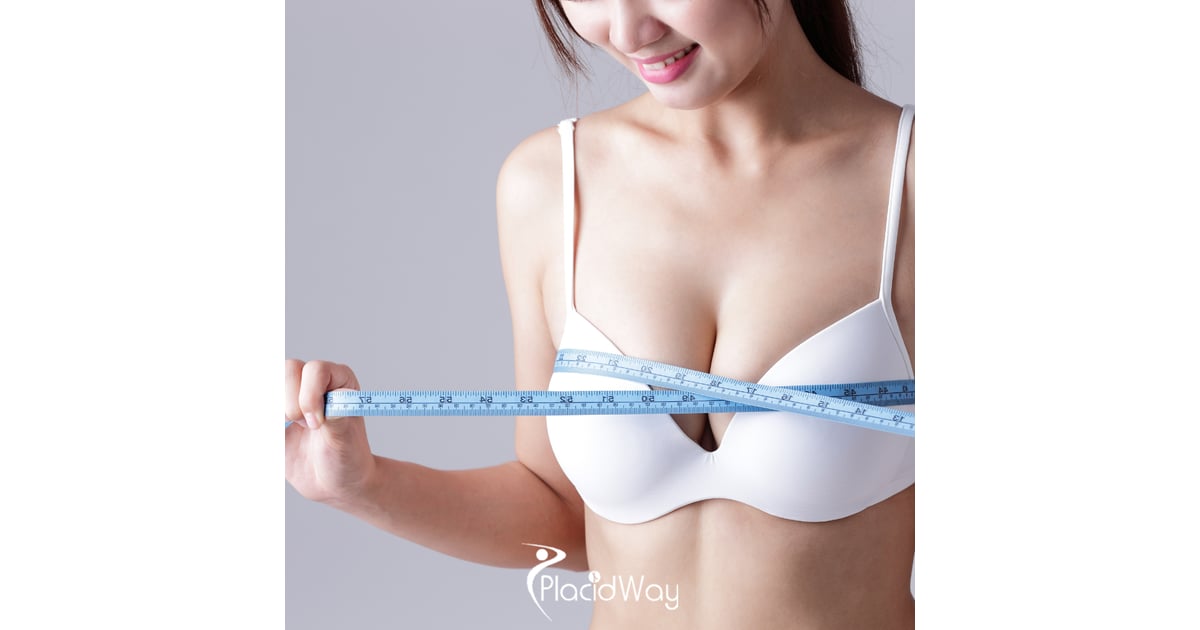
The global landscape of cosmetic surgery is witnessing a dramatic paradigm shift, moving away from hyper-voluminous results toward athletic, proportionate enhancements. Coined the "Yoga-Boob" aesthetic, this trend prioritizes a natural silhouette that complements an active lifestyle without looking overtly surgical. As patients increasingly seek subtle refinements, hybrid breast augmentation in South Korea has emerged as the gold standard for achieving this highly coveted, understated look.
South Korea’s premier medical districts have pioneered the integration of micro-implants with advanced fat-grafting techniques. This hybrid approach generally provides the structural support of a small implant while utilizing the patient's own adipose tissue to seamlessly camouflage the edges. Consequently, international patients are traveling globally to experience the refined precision that South Korean medical professionals offer, defining the next generation of aesthetic body contouring in 2026.
The "Yoga-Boob" trend was heavily influenced by activewear culture, where patients desire breast profiles that fit perfectly into sports bras without causing discomfort or requiring heavy support during workouts.
Understanding Small-Implant Hybrid Procedures in South Korea
At its core, a hybrid breast enhancement involves a dual-modality approach designed to maximize natural aesthetics while minimizing surgical footprints. The procedure utilizes a significantly smaller silicone implant than traditional surgeries—often under 250cc—to establish a modest foundation of projection and cleavage. This is meticulously paired with autologous fat grafting, where fat is harvested from the patient’s abdomen or thighs via gentle liposuction.
Once harvested and purified, the fat is strategically injected over the implant and around the breast margins. This technique is particularly popular in breast augmentation clinics in South Korea because it addresses the common issue of palpable implant edges in thin patients. By wrapping the small implant in a layer of the patient's natural tissue, surgeons typically achieve a soft, organic feel that mimics natural anatomy almost flawlessly.
- Volume Base: Small, low-profile implants provide underlying shape and structural stability.
- Soft Contours: Purified fat grafting is layered over the cleavage and upper poles to soften transitions.
- Dual Benefit: Patients experience subtle breast enhancement alongside targeted body contouring (liposuction) in donor areas.
- Tissue Compatibility: The use of autologous fat generally reduces the risk of visible rippling, especially in patients with low body fat.
Patient Experience: Sarah from Australia
"I wanted a shape that looked natural in my yoga gear without feeling heavy. The hybrid procedure gave me exactly that. The small implant provided the lift, and the fat transfer made it feel completely like my own tissue. The precision I experienced was remarkable."
Why Patients Choose Medical Tourism in South Korea for Breast Enhancement
South Korea has long been celebrated as the global epicenter of cosmetic innovation, and its approach to breast aesthetics is no exception. The country's surgeons are internationally recognized for their meticulous attention to detail and their dedication to achieving anatomically harmonious results. When looking for medical tourism in South Korea, international patients are drawn by the high standards of surgical precision and the sophisticated technology utilized in top-tier facilities.
Furthermore, South Korean clinical protocols place a massive emphasis on patient safety, comprehensive pre-operative screening, and cutting-edge post-operative care. Many facilities offer dedicated international departments equipped with multi-lingual coordinators, ensuring that language barriers do not compromise the quality of care. This seamless integration of high-end hospitality and elite medical expertise makes the journey a highly attractive proposition.
- Surgical Expertise: Surgeons undergo rigorous, world-class training specifically focusing on Asian and Western aesthetic harmony.
- Advanced Technology: Clinics utilize high-definition 3D imaging to simulate potential outcomes before surgery.
- Comprehensive Care: Post-operative protocols often include specialized therapies to reduce swelling and accelerate tissue healing.
Recent industry reports indicate that hybrid breast procedures utilizing fat grafting have seen an estimated 40% increase in patient demand globally between 2022 and 2026, driven largely by the shift toward natural aesthetics.
Cost of Hybrid Breast Augmentation in South Korea vs. Other Countries
Understanding the financial investment is a critical aspect of planning any overseas medical journey. The affordable hybrid breast augmentation in South Korea presents a highly compelling value proposition when compared to healthcare markets in North America, Europe, or Australasia. While the procedure requires specialized skills—essentially combining two surgeries (liposuction and augmentation) into one—South Korean clinics manage to offer highly competitive pricing without compromising on safety or technology.
It is important to note that the total cost of small-implant procedures can fluctuate based on the specific type of implant chosen, the complexity of the fat extraction, and the facility's accreditation level. However, most patients experience substantial savings, often making the overall cost, inclusive of travel, more economical than domestic options.
| Procedure Name | Average Cost in South Korea | Estimated Cost in US/UK/Aus |
|---|---|---|
| Hybrid Breast Augmentation (Implant + Fat) | $6,500 - $9,000 | $10,000 - $16,000 |
| Traditional Breast Augmentation (Implants Only) | $4,500 - $7,000 | $7,000 - $11,000 |
| Autologous Fat Transfer to Breasts (Standalone) | $4,000 - $6,500 | $6,000 - $10,000 |
When reviewing quotes from international clinics, always inquire if the price includes pre-operative lab tests, post-surgical compression garments, and required follow-up consultations to avoid unexpected expenses.
Candidacy for Small-Implant Breast Procedures in South Korea
Determining candidacy for a hybrid augmentation requires a thorough evaluation of the patient's anatomical starting point and their long-term aesthetic goals. Typically, the ideal candidate for small-implant breast procedures in South Korea is someone seeking a modest increase in cup size—usually a single cup—and an improved upper pole fullness. Because this technique relies on autologous fat, patients must have adequate, localized fat deposits in areas like the abdomen, flanks, or thighs available for harvesting.
Patients with very low body fat percentages may not have enough donor tissue to facilitate the fat grafting component effectively. Conversely, individuals who have experienced mild postpartum breast deflation or subtle asymmetries often find this procedure highly beneficial, as the fat can be strategically injected to correct contour irregularities while the small implant restores lost central volume.
- Adequate Donor Fat: Sufficient harvestable fat is essential for the grafting phase of the procedure.
- Realistic Expectations: The goal is typically subtle enhancement rather than dramatic, oversized volume.
- Good Overall Health: Candidates should be non-smokers and free from medical conditions that impair healing.
- Tissue Quality: Good skin elasticity generally yields the best results for retaining the grafted fat and supporting the implant.
Patient Experience: Elena from the UK
"I was worried I wouldn't have enough fat for the transfer since I'm quite petite. My surgeon was incredibly skilled at utilizing fat from my inner thighs. The result is a beautifully subtle shape that perfectly suits my frame."
The Surgical Process for Hybrid Breast Augmentation in South Korea
The surgical timeline for hybrid breast enhancement is a meticulously orchestrated process that generally takes between two to three hours under general anesthesia. The process begins with the liposuction phase. The surgeon carefully extracts adipose tissue using low-pressure techniques to preserve the viability of the fat cells. This fat is then processed in a centrifuge to separate pure fat cells from blood and other fluids, ensuring only the healthiest tissue is prepared for injection.
Next, the small silicone implants are placed, typically via an inframammary (under the breast crease) or transaxillary (armpit) incision. Once the implants are secured in their pockets—usually under the muscle for a more natural slope—the surgeon uses micro-cannulas to inject the purified fat. The fat is layered intricately over the implant margins and the décolletage to build a seamless, "yoga-boob" transition from the chest wall to the breast.
- Harvesting: Gentle liposuction is performed on pre-determined donor sites.
- Purification: Fat is centrifuged to isolate viable cells for grafting.
- Implant Placement: Small-volume implants are positioned to create the foundational shape.
- Micro-grafting: Fat is injected in micro-droplets around the implant for structural blending.
Injecting fat in micro-droplets (rather than large clumps) is a crucial technique. It ensures that the newly transferred fat cells have immediate access to the body's blood supply, maximizing their survival rate.
Recovery Expectations for Breast Augmentation Clinics in South Korea
The recovery journey after a hybrid breast procedure is unique because patients must manage healing at both the breast site and the liposuction donor site. Most patients experience moderate soreness, bruising, and swelling in the initial 48 to 72 hours. Breast augmentation clinics in South Korea are renowned for their comprehensive aftercare, often providing patients with specialized LED light therapies and lymphatic drainage massages to expedite the reduction of edema.
Patients are generally advised to wear a supportive, non-underwire surgical bra, as well as compression garments on the liposuction areas. It is crucial to avoid putting pressure on the newly grafted fat; therefore, sleeping on the back is mandatory for several weeks. While patients can typically return to desk work within 7 to 10 days, strenuous cardiovascular activities and heavy lifting must be avoided for at least six weeks to ensure the fat cells integrate properly.
- First Week: Focus on rest; mild to moderate discomfort is typical and managed with prescribed medication.
- Two to Three Weeks: Swelling begins to subside; return to light daily activities is usually permitted.
- Six Weeks: Most activity restrictions are lifted, though high-impact chest exercises should still be approached with caution.
- Three to Six Months: Final results become apparent as the grafted fat fully stabilizes and residual swelling resolves.
Maintain a stable, nutrient-dense diet during recovery. Extreme caloric deficits can cause the body to metabolize the newly transferred fat before it has a chance to establish a permanent blood supply.
Risks and Considerations for Hybrid Breast Augmentation in South Korea
As with any surgical intervention, hybrid breast procedures carry inherent risks that must be carefully evaluated. While the "yoga-boob" aesthetic yields high patient satisfaction, prospective candidates must be aware that the survival of grafted fat is variable. Typically, the body absorbs between 30% to 50% of the transferred fat within the first few months. Surgeons generally account for this by slightly over-filling the area during surgery, but volume retention cannot be absolute.
Furthermore, standard risks associated with implants still apply, albeit potentially mitigated by the smaller implant size. Capsular contracture, where scar tissue tightens around the implant, and implant displacement are possible complications. Additionally, fat necrosis—where small amounts of fat die and form hard lumps—can occur. These lumps are usually benign but can cause anxiety and may require clinical evaluation to differentiate them from breast pathology.
- Fat Resorption: Unpredictable loss of grafted fat volume over the first 3 to 6 months.
- Fat Necrosis: Formation of firm, benign lumps under the skin due to non-surviving fat cells.
- Capsular Contracture: The hardening of the scar tissue capsule around the silicone implant.
- Asymmetry: Healing variations can lead to slight differences in breast shape or size.
Always disclose your complete medical history and any medications you are taking to your surgeon. Certain supplements and blood-thinning medications must be discontinued prior to surgery to minimize the risk of hematoma or excessive bleeding.
Technological Innovations in South Korea for Breast Augmentation
The global reputation of South Korean medical facilities is built on a foundation of relentless technological advancement. To achieve the precise contours required for the "yoga-boob" look, clinics utilize high-resolution 3D body scanners. This technology allows the surgeon and patient to visualize potential outcomes, map out exact fat harvest sites, and select the optimal small implant profile before an incision is ever made. Such precision significantly elevates patient satisfaction.
In the operating room, advancements like specialized delivery funnels (which allow for "no-touch" implant insertion) are standard practice. This drastically reduces the risk of bacterial contamination and subsequent capsular contracture. Furthermore, the use of closed-loop fat processing systems ensures that the harvested fat is never exposed to ambient air, thereby preserving the cellular integrity and significantly improving the survival rate of the fat graft.
The implementation of "no-touch" surgical funnels for implant insertion has been clinically shown to reduce the rates of subclinical infections, which are considered a primary trigger for capsular contracture.
The Psychological Impact of the Yoga-Boob Aesthetic in South Korea
The shift toward the yoga-boob aesthetic represents more than just a change in visual preference; it highlights a profound evolution in how patients perceive body autonomy and comfort. Historically, breast augmentation was often associated with achieving noticeable, dramatic alterations. Today, patients seek interventions that align seamlessly with their personal identities and active lifestyles. The psychological relief of possessing a proportionate figure that does not draw unwanted attention or hinder athletic performance is immense.
Patients traveling for medical tourism in South Korea frequently report high levels of post-operative confidence. The hybrid procedure generally eliminates the "tacked on" appearance that can sometimes accompany traditional implants in thin women. By bridging the gap between natural anatomy and surgical enhancement, patients often experience an enhanced body image that feels authentically theirs, fostering a positive mental outlook alongside physical refinement.
Patient Experience: Mei from Singapore
"I spent years feeling self-conscious about my small chest, but I was terrified of looking 'fake.' The hybrid approach I received in Seoul changed my life. I feel entirely confident in my body, and my new shape feels like it has always been part of me."
How to Prepare for Affordable Hybrid Breast Augmentation in South Korea
Thorough preparation is vital for ensuring a smooth medical journey and an optimal surgical outcome. Planning for an overseas medical procedure requires logistical foresight and physical readiness. Patients should arrange their travel to allow for sufficient rest before the surgery and plan to stay in the destination country for at least 10 to 14 days post-operatively. This timeframe ensures that immediate follow-up appointments and essential recovery monitoring are completed before long-haul flying.
From a physical standpoint, achieving a stable weight prior to surgery is critical. Because the procedure involves fat grafting, significant weight fluctuations after the surgery can alter the results, causing the grafted breasts to shrink or expand. Additionally, patients are strictly advised to cease all nicotine use for at least four weeks before and after the surgery, as smoking severely constricts blood vessels and can lead to the necrosis (death) of the newly transferred fat cells.
- Medical Clearances: Obtain necessary blood tests and an ECG from your local doctor before traveling.
- Weight Stability: Reach and maintain your ideal body weight prior to the procedure.
- Nicotine Cessation: Stop all forms of smoking, vaping, and nicotine patches to ensure adequate blood flow for graft survival.
- Logistical Planning: Secure an appropriate medical visa if required, and organize a comfortable recovery environment.
Clinical studies consistently show that patients who abstain completely from nicotine for four weeks before and after fat grafting procedures generally exhibit a 30-40% higher fat survival rate compared to active smokers.
Long-Term Care for Small-Implant Breast Procedures in South Korea
While the initial recovery phase typically concludes within a few months, long-term maintenance is essential to preserve the integrity of the small-implant breast procedures. Although silicone implants are highly durable, they are not lifetime devices. Patients should anticipate that future revisions or implant exchanges may be necessary after 10 to 15 years. Routine screenings and self-examinations remain a critical component of lifelong breast health.
Additionally, because a portion of the augmentation relies on living fat tissue, the augmented breasts will behave like normal body fat. If a patient gains significant weight, the breasts may enlarge; if they lose weight, volume may decrease. International medical protocols often recommend periodic MRI scans or specialized ultrasounds every few years to assess the condition of the implant shell and ensure no silent ruptures have occurred.
Patient Experience: Chloe from the USA
"Knowing how to care for my hybrid implants long-term gave me peace of mind. My doctor in Gangnam provided a thorough roadmap for future check-ups. Three years later, my weight has stayed stable, and my results are as flawless as day one."
How PlacidWay Assists Your Hybrid Breast Augmentation Medical Tourism Journey in South Korea
Navigating an international medical landscape requires a trusted partner to ensure safety, quality, and seamless communication. PlacidWay serves as a vital bridge between international patients and globally accredited medical institutions, simplifying the complexities of cross-border healthcare. When pursuing the "yoga-boob" aesthetic, having access to verified information and reputable providers is paramount to achieving a successful outcome.
By prioritizing transparency and patient education, PlacidWay helps individuals make informed, empowered decisions regarding their cosmetic journey. Here is how PlacidWay facilitates your experience:
- Access to Accredited Facilities: Connecting patients with top-tier, internationally certified clinics.
- Comprehensive Provider Profiles: Offering detailed insights into surgeon qualifications, facility technologies, and patient reviews.
- Direct Communication Channels: Facilitating initial consultations and dialogue between patients and medical professionals.
- Medical Record Coordination: Assisting in the secure transfer of pre-operative tests and health histories.
- Procedure Education: Providing extensive resources on surgical methodologies, risks, and realistic expectations.
Medical tourism platforms like PlacidWay empower thousands of patients annually by allowing them to compare verified clinical data internationally, ensuring that they select healthcare providers aligned precisely with their surgical goals.
Frequently Asked Questions About Hybrid Breast Augmentation in South Korea
Making the decision to undergo elective surgery abroad involves answering numerous logistical, financial, and medical questions. To aid in your research process, we have compiled the most common inquiries related to this specific aesthetic procedure.
Review the questions below to gain a deeper understanding of what to expect when pursuing hybrid breast enhancement.
What is hybrid breast augmentation?
Hybrid breast augmentation is a surgical procedure that combines the use of small silicone implants with autologous fat grafting. This technique generally aims to provide volume while using the patient's own fat to smooth edges for a natural appearance.
Why is it called the "Yoga-Boob" aesthetic?
The term refers to an athletic, proportional, and natural-looking breast shape that does not interfere with an active lifestyle. It typically appeals to patients seeking subtle enhancement rather than dramatic volume.
How much does hybrid breast augmentation cost in South Korea?
The procedure generally costs between $6,500 and $9,000 in South Korea, depending on the complexity of the fat grafting and the type of implants used. This is often more affordable compared to Western countries.
Are small-implant procedures safer than traditional implants?
Small implants typically place less strain on breast tissue and skin, which may reduce the risk of long-term sagging. However, all surgical procedures carry inherent risks that should be discussed with a qualified surgeon.
How long is the recovery for hybrid breast augmentation in South Korea?
Most patients experience an initial recovery period of one to two weeks before returning to light work. Full integration of the grafted fat and complete healing typically takes three to six months.
Can the grafted fat be reabsorbed by the body?
Yes, it is common for the body to naturally reabsorb a percentage of the transferred fat (usually 30% to 50%) within the first few months. Surgeons typically over-correct slightly during the procedure to account for this.
Do I need a medical visa for breast enhancement in South Korea?
Depending on your country of origin, you may need a short-term medical visa (C-3-3) or an electronic travel authorization (K-ETA). It is essential to check current immigration requirements before planning your trip.
How soon can I exercise after a hybrid breast procedure?
Patients are generally advised to avoid strenuous upper-body exercises and intense cardio for at least six weeks. Light walking is usually encouraged early on to promote healthy blood circulation.
Will I need to replace small implants in the future?
While modern silicone implants are highly durable, they are not considered lifetime devices. Most patients may need an implant exchange or removal after 10 to 15 years due to natural wear or changes in breast tissue.
Is it safe to fly after hybrid breast surgery in South Korea?
Surgeons generally recommend waiting 10 to 14 days before taking a long-haul flight. This waiting period helps minimize the risk of deep vein thrombosis (DVT) and ensures immediate post-operative monitoring is complete.
Ready to explore your options for the natural 'Yoga-Boob' aesthetic? Let PlacidWay connect you with world-class medical facilities tailored to your goals.
References
- American Society of Plastic Surgeons (ASPS). Breast Augmentation. https://www.plasticsurgery.org/cosmetic-procedures/breast-augmentation
- National Center for Biotechnology Information (NCBI). Outcomes and Safety in Autologous Fat Grafting to the Breast. https://pmc.ncbi.nlm.nih.gov/articles/PMC5010318/
- Mayo Clinic. Breast augmentation: What you can expect. https://www.mayoclinic.org/tests-procedures/breast-augmentation/about/pac-20393178
.png)
.png)
.jpg)

.jpg)
.png)
.jpg)
.png)








Share this listing