
The Real Cost of Breast Augmentation in Seoul: A Detailed Price Breakdown
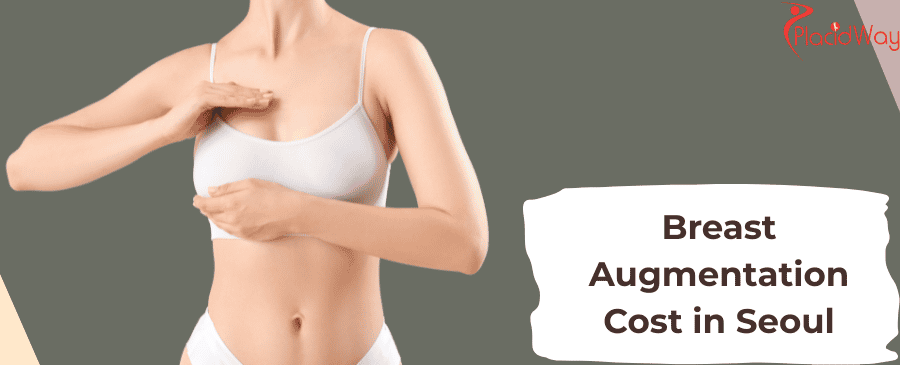
If you are exploring options for aesthetic surgery abroad, understanding the landscape of breast augmentation in Seoul is an important first step. South Korea has developed a global reputation for advanced cosmetic procedures, attracting patients from around the world. However, making an informed decision requires looking far beyond the price tag. You need to consider implant varieties, potential medical risks, the logistics of recovery away from home, and how to thoroughly vet your chosen facility.
Key Takeaways
- The estimated total cost typically spans between $4,500 and $9,000 USD, heavily dependent on the chosen implant material.
- Patients are generally advised to stay in South Korea for at least 7 to 10 days for necessary post-operative care and medical clearance.
- Breast implants carry inherent risks, including capsular contracture, infection, and the potential need for future revision surgeries.
- Thoroughly verifying your surgeon’s board certification and ensuring clear communication in your native language are critical steps.
- Patients must establish a follow-up care plan with a local physician in their home country in case complications arise later.
What is included in the overall cost of breast augmentation in Seoul?
When reviewing a quote for your procedure, it helps to understand exactly how the final number is calculated. Facility fees reflect the standard of the operating room and the equipment used, while the surgeon's fee correlates with their level of experience and professional credentials. The choice of implant represents a significant portion of the total cost.
In many facilities catering to international patients, the quote may also include pre-operative consultations, baseline medical tests (such as blood work and EKGs), and the required surgical compression garments. Some packages even provide limited transportation between your hotel and the facility on the day of surgery.
However, it is crucial to remember that your medical travel budget must go beyond the clinic's quote. Flights, accommodation for a week or more, meals, and travel insurance are usually not included and can add thousands of dollars to your overall expenditure.
How do different implant types affect the total price?
The specific material and brand of the implant are often the biggest variables in the final price. Traditional saline implants tend to be the most cost-effective option, while standard silicone gel implants sit in the middle of the pricing tier. In recent years, newer highly cohesive silicone "gummy bear" implants have become popular due to their shape retention and specific safety profiles, naturally increasing the overall cost.
Your surgeon will discuss which implant profile, projection, and material align best with your anatomical structure and aesthetic goals. It is important to prioritize the suitability and regulatory approval of the implant over cost alone. Patients should always verify that the implants used meet rigorous international safety standards.
Are there hidden fees I should anticipate?
Medical tourism inherently carries financial unpredictability. If a minor complication occurs, such as a mild infection or delayed wound healing, you may need additional medications, extra follow-up visits, or an extended hotel stay before you are cleared to fly. These costs fall entirely on the patient.
Additionally, you must consider the costs of post-operative care once you return home. Routine follow-ups, monitoring imaging (like MRIs or ultrasounds recommended by the FDA for silicone implants), and the treatment of any late-stage complications will likely not be covered by the international facility and may not be fully covered by your domestic health insurance.
Why is medical tourism in Seoul popular for cosmetic procedures?
The rise of medical tourism in Seoul is closely tied to the city's investment in advanced medical infrastructure. Many facilities utilize detailed 3D imaging technology during consultations, allowing patients to visualize potential outcomes before deciding to proceed. Furthermore, a highly competitive environment encourages the adoption of refined surgical techniques.
For international visitors, the appeal also lies in the supportive services offered. Many established centers employ dedicated patient coordinators who assist with translation, medical documentation, and navigation of the clinical process. However, popularity does not negate the need for rigorous personal research.
What are the potential risks and complications of breast implants?
It is vital to understand that breast implants are not lifetime devices. According to major medical organizations, a significant percentage of patients will require revision surgery at some point due to complications or dissatisfaction. Capsular contracture—where the scar tissue around the implant hardens and squeezes it—is one of the most common complications requiring medical intervention.
Furthermore, global health authorities, including the FDA, have noted potential risks such as Breast Implant-Associated Anaplastic Large Cell Lymphoma (BIA-ALCL), primarily associated with textured implants, and systemic symptoms sometimes referred to as Breast Implant Illness (BII). A thorough discussion of these risks with a qualified medical professional is essential before deciding on surgery.
Important Consideration: Travel and Surgery
Combining surgery with long-haul travel increases certain medical risks. Extended periods of immobility on an airplane shortly after surgery can elevate the risk of deep vein thrombosis (DVT) and pulmonary embolism. Patients must strictly adhere to their surgeon's timelines regarding safe travel.
How long should I plan to stay in Seoul for recovery?
The immediate post-operative period involves managing pain, monitoring the incision sites for signs of infection, and sometimes the management of surgical drains. Attempting to travel too soon can compromise your healing process and increase your risk for complications.
During this 7-to-10-day window, you will likely have one or two follow-up appointments. The surgeon will evaluate your recovery, provide instructions on how to wear your compression garments, and eventually issue medical clearance for your flight home. Keep in mind that "cleared to fly" does not mean fully recovered; final healing takes several months.
Am I a suitable candidate for breast augmentation?
Suitability is determined during a comprehensive medical consultation. Certain medical conditions, such as bleeding disorders, autoimmune diseases, or a history of significant breast tissue abnormalities, may affect your eligibility. Smoking severely impedes wound healing and increases the risk of necrosis, meaning patients are usually required to cease nicotine use well before and after surgery.
Pregnancy and breastfeeding can significantly alter breast shape and size, potentially impacting the results of the surgery. Therefore, doctors often recommend waiting until a woman has finished having children, though it is not a strict requirement. Only a qualified physician can determine if the procedure is medically appropriate for you.
How do I choose a qualified breast augmentation clinic in Seoul?
When searching for a breast augmentation clinic in Seoul, looking past marketing material is essential. Verify that the operating physician is formally certified in plastic or aesthetic surgery by recognized national or international medical boards. Understand that credentials differ from country to country, so research what local board certification entails.
Safety should always precede aesthetics. Inquire about the facility's safety protocols, including whether a board-certified anesthesiologist is present throughout the entire procedure. You should also evaluate how the clinic handles language barriers; a deep understanding of medical consent and post-operative instructions requires precise translation.
What should I do if complications occur after returning home?
One of the most significant risks of medical tourism is the lack of continuity of care. If you develop a late-stage complication—such as a delayed infection, fluid buildup (seroma), or capsular contracture—months after your surgery, returning to South Korea may be physically unsafe and financially impractical.
Before leaving the facility in Seoul, ensure you request a complete, translated copy of your medical records. This should include detailed surgical notes, the exact make, model, and serial number of your implants, and details of any medications administered. Having these documents is crucial for your domestic physician to provide appropriate care.
How should I prepare for my breast augmentation consultation?
A consultation is as much an interview for the surgeon as it is an evaluation of the patient. Be completely transparent about your medical background, including any past surgeries, current medications, herbal supplements, and lifestyle habits like smoking or alcohol consumption, as these can severely impact surgical safety.
Bring specific questions regarding the surgeon’s complication rates, their policy on revision surgeries (and who bears the cost), and exactly what the recovery timeline looks like. Clear expectations set the foundation for a safer and more informed medical experience.
Why Choose PlacidWay for Your Medical Tourism Journey?
Navigating healthcare options in a foreign country can be complex. PlacidWay offers a platform to help patients research international healthcare providers.
- Access to Information: PlacidWay provides informational profiles on various clinics and hospitals worldwide.
- Cost Comparisons: The platform allows users to compare estimated pricing and available cosmetic procedures across different regions.
- Direct Communication: Patients can use the system to request information directly from medical facilities abroad.
- Educational Resources: PlacidWay features articles and guides designed to help individuals understand the landscape of international healthcare.
- Global Network: The platform facilitates connections between individuals seeking treatment and healthcare providers accustomed to treating international patients.
Frequently Asked Questions
Is breast augmentation cheaper in Seoul than in the US or UK?
The cost can be competitive, though it is not always significantly cheaper when factoring in premium implants like Motiva. While procedure costs may range from $4,500 to $9,000 USD, patients must also account for flights, hotels, and extended stays, which can bring the total closer to domestic prices.
Do clinics in Seoul offer financing for international patients?
Most international patients are required to pay the full procedure cost upfront before surgery. Local financing options are typically reserved for residents. However, some patients secure medical loans or specialized financing in their home countries prior to traveling.
How long does a breast augmentation surgery typically take?
The surgical procedure usually takes between 1 to 2 hours, depending on the complexity of the surgery, the placement technique, and whether any additional procedures, such as a breast lift, are being performed simultaneously.
When can I safely fly back home after breast surgery?
Surgeons typically advise waiting at least 7 to 10 days before flying. Flying too soon can increase the risk of deep vein thrombosis (DVT) and exacerbate swelling due to changes in cabin pressure. Always obtain formal clearance from your surgeon before traveling.
Is it practical to travel alone for breast surgery in Korea?
While some patients do travel alone, having a companion is highly recommended. After general anesthesia, you will need assistance with basic tasks, carrying luggage, and navigating the city during the first few days of your recovery.
Will I need an interpreter to communicate with my surgeon?
Many facilities that cater to international patients employ in-house translators or have English-speaking staff. It is important to confirm this beforehand to ensure you can clearly discuss your medical history, goals, and post-operative instructions.
How long do breast implants typically last?
Breast implants are not considered lifetime devices. While many can last 10 to 15 years or longer, patients should anticipate the potential need for future revision surgeries due to natural aging, implant rupture, or capsular contracture.
What is fat transfer breast augmentation?
This is an alternative technique where a surgeon uses liposuction to harvest fat from another part of your body and injects it into the breasts. It typically provides a more modest increase in size compared to implants and has different risks and longevity profiles.
Will my surgical scars be noticeable?
Scarring is an inevitable result of any surgery. Surgeons generally place incisions in inconspicuous areas, such as the inframammary fold (under the breast) or periareolar region (around the nipple). Scars typically fade over time but will never completely disappear.
Can I breastfeed after having breast augmentation?
Many women can successfully breastfeed after augmentation. However, depending on the incision site (especially periareolar incisions) and implant placement, there is a risk of disruption to milk ducts or nerves, which may affect milk production.
Compare Treatment Options
Gather information, review estimated costs, and learn more about aesthetic procedures to make an informed decision regarding your healthcare journey.
Request Treatment InformationReferences
- Breast Augmentation Overview – American Society of Plastic Surgeons (ASPS)
- Risks and Complications of Breast Implants – U.S. Food and Drug Administration (FDA)
- Breast Augmentation Procedure Details – International Society of Aesthetic Plastic Surgery (ISAPS)
- Medical Tourism Guidelines – Centers for Disease Control and Prevention (CDC)
- Breast Augmentation: Risks and Preparation – Mayo Clinic
- Breast Enlargement (Implants) – National Health Service (NHS)


















Share this listing