


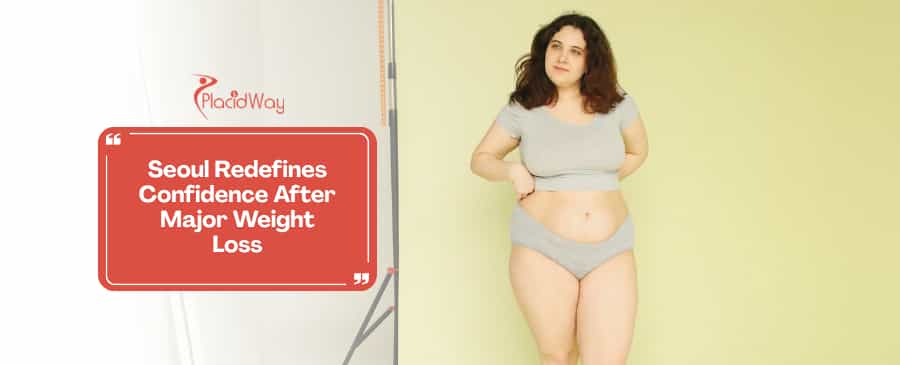
The global surge in successful bariatric surgeries and GLP-1 weight management therapies has created an unprecedented demand for sophisticated body contouring procedures. Consequently, patients achieving massive weight reduction are increasingly seeking specialized post-weight loss surgery in Seoul to address the complex aesthetic challenges left behind. Traditional fat removal alone often exacerbates the appearance of deflated, inelastic tissue, necessitating a more advanced clinical approach.
In response to this demographic shift, international cosmetic standards are pivoting rapidly away from simple volume reduction toward comprehensive tissue restoration. The 2026 clinical landscape highlights liposuction in South Korea as a pioneering force in this transition, utilizing technology-driven methodologies to prioritize structural support. South Korean medical providers have systematically integrated advanced energy modalities into their protocols to maximize the skin's natural elastic response.
South Korea was among the first nations to widely adopt combined radiofrequency and ultrasound liposuction protocols specifically tailored for post-bariatric patients, significantly reducing the need for aggressive excisional surgeries.
Understanding the Shift from Fat Removal to Skin Retraction
For decades, the primary objective of body contouring was the maximum safe extraction of adipose tissue to reduce physical bulk. However, patients who have already lost significant weight typically present with depleted fat stores surrounded by stretched, compromised dermal networks. If a surgeon performs standard body contouring in Seoul focusing purely on extraction, the patient often experiences worsened skin sagging and contour irregularities.
The modern paradigm focuses intently on skin retraction, utilizing thermal coagulation to stimulate neocollagenesis and elastin remodeling deep within the dermal layers. By prioritizing advanced liposuction techniques in Seoul, surgeons aim to carefully shrink the skin envelope over the newly reduced frame. This conservative, highly targeted approach generally results in a firmer, more natural silhouette without relying entirely on invasive skin excision.
Clinical observations indicate that energy-assisted liposuction techniques can achieve up to 30-40% more skin contraction compared to traditional suction-assisted lipoplasty in mild to moderate laxity cases.
Advanced Body Contouring Technologies in Seoul
To achieve optimal tissue tightening, South Korean facilities heavily invest in the latest generation of minimally invasive devices. Modalities such as Radiofrequency-Assisted Liposuction (RFAL) and Ultrasound-Assisted Liposuction (VASER) are now standard practice for complex restorative cases. These tools allow surgeons performing liposuction in South Korea to safely deliver controlled thermal energy beneath the skin, melting residual fat while simultaneously causing the septal network to contract.
Helium-plasma technology is another significant addition to the modern surgical toolkit, renowned for its ability to instantly cool the tissue while delivering rapid heating to the collagen matrix. By combining these synergistic technologies, specialists can offer highly tailored post-weight loss surgery in Seoul. These tools not only refine the body's superficial topography but also dramatically improve the underlying structural integrity of the skin.
Thermal energy applied during advanced liposuction triggers a wound-healing response in the body, which leads to sustained collagen production and continuous skin tightening for up to six months post-procedure.
Analyzing the Post-Weight Loss Liposuction Cost in South Korea
Financial accessibility remains a primary driver for the expansion of international healthcare travel, particularly for complex, multi-stage restorative procedures. Evaluating the skin retraction liposuction cost is crucial for patients weighing their options against prohibitive domestic healthcare pricing. South Korean clinics typically operate with higher volume and subsidized medical infrastructures, allowing them to offer advanced technological procedures at competitive rates.
While prices fluctuate based on the patient's BMI, the number of anatomical zones treated, and the specific energy devices utilized, the overall financial burden is significantly lighter. The integration of medical tourism in South Korea means patients can access premier surgical technology and highly specialized post-operative care without the exorbitant markups typically seen in Western healthcare systems.
| Procedure Type | Average Cost in South Korea | Comparison Cost (US/UK) |
|---|---|---|
| Traditional Liposuction (Small Area) | $2,000 - $3,500 | $4,500 - $7,000 |
| Ultrasound-Assisted (VASER) Lipo | $3,500 - $5,500 | $7,000 - $11,000 |
| Radiofrequency-Assisted (BodyTite) | $4,000 - $6,500 | $8,500 - $14,000 |
| Helium-Plasma Skin Tightening Add-on | $1,500 - $3,000 | $4,000 - $6,000 |
Why Medical Tourism in South Korea Leads the 2026 Lipo Market
The global reputation of medical tourism in South Korea is built upon a foundation of stringent safety protocols, rigorous surgical training, and continuous technological innovation. The government heavily regulates medical institutions catering to international patients, ensuring that facilities maintain exceptional standards of hygiene and clinical excellence. This systemic support attracts thousands of patients annually who seek sophisticated aesthetic interventions unavailable or unaffordable in their home countries.
Furthermore, South Korean aesthetic specialists are globally recognized for their meticulous attention to proportional balance and natural-looking outcomes. Patients seeking affordable skin tightening in South Korea benefit from surgical philosophies that emphasize harmony over dramatic, artificial alterations. The comprehensive care ecosystem, featuring dedicated international patient coordinators and integrated recovery programs, solidifies Seoul's status as a premier medical destination.
Always verify that your chosen facility holds credible international accreditations, such as from the Joint Commission International (JCI) or the Korean Accreditation Program for Hospitals Serving Foreign Patients (KAHF).
Evaluating Ideal Candidates for Skin-Tightening Liposuction
Identifying the correct patient profile is absolutely crucial for the success of energy-assisted body contouring procedures. The most appropriate candidates for advanced liposuction techniques in Seoul are individuals who have maintained a stable weight for at least six months and present with mild to moderate skin laxity. These patients generally possess enough underlying dermal elasticity to respond positively to thermal coagulation and neocollagenesis.
Conversely, patients exhibiting severe, heavy skin aprons with severe striae (stretch marks) or significantly separated abdominal muscles are typically not suitable for minimally invasive approaches alone. In such instances, specialists at top lipo clinics in South Korea will generally advise surgical excision, such as a full abdominoplasty, to safely and effectively achieve the desired structural outcome.
Energy-assisted liposuction is typically contraindicated for patients with active infections, severe cardiovascular disease, bleeding disorders, or those who are currently pregnant. A comprehensive medical clearance is mandatory before proceeding.
Preparing for Your Body Contouring in Seoul
Comprehensive pre-operative preparation is critical to mitigating risks and ensuring the tissue is primed for optimal healing. Prior to undergoing body contouring in Seoul, international patients are typically required to undergo extensive laboratory testing, nutritional assessments, and virtual consultations. Stabilizing nutritional deficiencies, particularly common in post-bariatric patients, is essential for robust post-surgical collagen synthesis.
Patients are also strongly advised to cease smoking and abstain from blood-thinning medications or supplements for several weeks prior to the intervention. By adhering strictly to the pre-operative guidelines provided by their chosen liposuction in South Korea specialists, patients can significantly minimize the risk of complications such as hematomas or delayed wound healing.
Hydration plays a massive role in skin elasticity. Surgeons frequently mandate strict hydration protocols in the weeks leading up to energy-assisted liposuction to ensure optimal thermal conductivity within the tissue layers.
The Role of Energy-Assisted Liposuction in Skin Retraction
The integration of thermal energy during fat extraction fundamentally alters the biomechanical properties of the treated areas. When patients seek post-weight loss surgery in Seoul, they are often treated with devices that emit controlled acoustic waves or radiofrequency currents. This targeted energy precisely liquefies the adipocytes while simultaneously heating the fibro-septal network that anchors the skin to the underlying muscle.
This localized heating initiates a controlled inflammatory cascade, prompting the body's natural defense mechanisms to produce new, dense collagen fibers. As a result, patients exploring the skin retraction liposuction cost find immense value in these dual-action technologies, as they typically reduce the circumference of the treated area while actively lifting and firming the superficial dermal layers over subsequent months.
- Tissue Contraction: Immediate shortening of collagen fibers due to thermal heating.
- Fat Emulsification: Gentler extraction of fat, reducing trauma to surrounding blood vessels.
- Neocollagenesis: Long-term generation of new collagen over 3 to 6 months.
- Targeted Precision: Ability to safely treat delicate areas like the neck, inner thighs, and arms.
Navigating Liposuction Clinics in South Korea Safely
The abundance of choices in the international medical market requires patients to exercise diligent research and critical evaluation. Selecting from the top lipo clinics in South Korea means looking beyond marketing aesthetics to verify the concrete credentials of the surgical team. Prospective patients should prioritize board-certified plastic surgeons who possess specialized fellowships in post-bariatric body contouring and energy-based aesthetic devices.
Transparency during the initial consultation is a strong indicator of clinical trustworthiness and ethical practice. Reputable facilities offering medical tourism in South Korea will proactively discuss realistic limitations, provide comprehensive risk disclosures, and refuse to guarantee absolute aesthetic perfection, focusing instead on achievable clinical improvements.
Maximize your virtual consultations by asking for before-and-after photos of patients with similar body types and skin laxity levels, specifically noting their progress at the 6-month post-operative mark.
Typical Recovery Timeline for Post-Weight Loss Restoration
The recuperation process following advanced thermal contouring is generally more manageable than extensive excisional surgeries, though it still demands strict compliance with post-operative care instructions. After undergoing affordable skin tightening in South Korea, most patients experience moderate swelling, bruising, and localized tenderness for the first two to three weeks. Specialized medical compression garments must be worn continuously during this phase to support the retracting tissue and minimize edema.
While individuals can typically resume light walking within days to promote healthy circulation, strenuous cardiovascular exercise and heavy lifting are restricted for several weeks. The final results of body contouring in Seoul evolve gradually; while initial changes are visible once the acute swelling subsides, the complete structural tightening brought on by collagen remodeling can take up to six months to fully mature.
Many Korean clinics utilize specialized post-operative therapies, including hyperbaric oxygen treatments and manual lymphatic drainage massages, to significantly accelerate the resolution of surgical swelling.
Managing Expectations and Understanding Potential Risks
No surgical intervention is entirely without inherent risk, and informed consent is the cornerstone of safe international medical travel. Patients seeking advanced liposuction techniques in Seoul must understand that while technology minimizes complications, issues such as contour irregularities, asymmetrical healing, or prolonged numbness can occasionally occur. Thermal energy devices also carry a rare but specific risk of superficial burns or hyperpigmentation if not utilized by highly trained specialists.
A crucial component of successful liposuction in South Korea is psychological readiness and realistic expectation management. Patients must recognize that body contouring aims for dramatic improvement rather than flawless perfection. Maintaining a stable weight post-procedure is strictly required, as significant weight fluctuations will likely compromise the surgically achieved skin retraction and fat reduction.
Patient Experiences with Advanced Liposuction Techniques in Seoul
Reviewing clinical case summaries provides valuable insight into the typical patient journey and the achievable outcomes of modern post-weight loss restoration. Thousands of international travelers successfully navigate their surgical goals by selecting specialized lipo clinics in South Korea. Their experiences underscore the importance of accurate patient selection and adherence to strict recovery protocols.
The following summaries represent common clinical presentations of individuals who opted for affordable skin tightening in South Korea, highlighting the functional and aesthetic benefits of prioritizing skin retraction methodologies over traditional extraction alone.
Case Summary: Post-Bariatric Arm Contouring
Patient presented with 80 lbs of weight loss and moderate laxity in the upper arms. Opted for Radiofrequency-Assisted Liposuction to avoid long brachioplasty scars. After 4 months, the patient exhibited significant dermal retraction, reporting improved comfort in fitted clothing and minimal visible scarring.
Case Summary: Abdominal Restoration via VASER
Following GLP-1 weight management, the patient experienced localized abdominal adiposity combined with skin deflation. Utilizing Ultrasound-Assisted Liposuction, the surgeon effectively reduced the fat volume while triggering tissue contraction. The patient reported a firmer core contour without needing a full abdominoplasty.
Case Summary: Thigh Tightening Post-Weight Loss
Patient sought treatment for inner thigh friction and laxity following a 60 lb weight reduction. Helium-plasma technology combined with micro-cannula liposuction was utilized. The patient experienced standard post-op bruising but noted a visible tightening of the medial thigh tissue by week 12.
Case Summary: Comprehensive Flank and Back Contouring
Patient exhibited stubborn fat deposits and loss of elasticity in the posterior flanks after lifestyle-based weight loss. Advanced thermal lipolysis was performed. The clinical outcome demonstrated a smoother back silhouette and excellent tissue adherence, with the patient highly satisfied with the natural-looking result.
How PlacidWay Assists Your Liposuction Medical Tourism Journey in South Korea
Navigating cross-border healthcare requires careful planning, robust provider verification, and seamless communication. For individuals seeking post-weight loss surgery in Seoul, leveraging an experienced medical tourism facilitator is an essential step in ensuring a safe and transparent experience. PlacidWay offers a comprehensive platform designed to empower patients with knowledge and direct access to top-tier international healthcare providers.
By utilizing PlacidWay's established network, prospective patients can confidently research their options regarding skin retraction liposuction cost and clinical expertise. The platform is dedicated to streamlining the preliminary stages of medical travel, allowing patients to focus entirely on their clinical preparation and eventual recovery.
- Access to a curated global network of accredited and heavily vetted clinical facilities.
- Direct communication channels with international patient coordinators and medical specialists.
- Comprehensive provider profiles featuring medical credentials, clinical expertise, and facility accreditations.
- Assistance in obtaining personalized, transparent medical quotes for comparative analysis.
- Guidance on understanding complex clinical terms and procedure methodologies.
- Support in navigating the initial consultation processes, including virtual pre-operative assessments.
Frequently Asked Questions About Body Contouring in Seoul
Understanding the nuances of international cosmetic procedures is critical for informed decision-making. Patients exploring medical tourism in South Korea frequently share similar concerns regarding safety, technique, and logistical preparation. Gathering clear, clinically accurate information is the best way to alleviate anxiety and ensure a smooth clinical journey.
Below are some of the most common inquiries related to liposuction in South Korea, focusing specifically on the shift toward post-weight loss tissue management and energy-assisted technologies.
Why is skin retraction important after weight loss?
Massive weight loss often leaves behind stretched, inelastic tissue that traditional fat removal cannot address. Skin retraction techniques help tighten the dermal layers, contouring the body closer to its new underlying muscular structure without requiring extensive surgical excision.
Am I a good candidate for liposuction in South Korea?
Ideal candidates are those who have maintained a stable weight for at least six months and have mild to moderate skin laxity. Patients with severe, overhanging skin aprons are typically better suited for excisional surgeries like a tummy tuck.
What energy-based techniques are used for body contouring in Seoul?
Clinics in South Korea frequently utilize Radiofrequency-Assisted Liposuction (RFAL), Ultrasound-Assisted Liposuction (VASER), and helium-plasma devices. These technologies emit targeted thermal energy to melt residual fat and stimulate collagen production for skin tightening.
How much does skin retraction liposuction cost in South Korea?
The cost typically ranges from $3,500 to $7,500 depending on the target areas and the specific technology utilized. This generally represents a significant savings compared to the prices seen in the United States and the United Kingdom.
Is medical tourism in South Korea safe for cosmetic surgery?
Yes, South Korea maintains stringent healthcare regulations and boasts numerous internationally accredited facilities. However, patients must diligently research their specific provider and ensure their surgeon is properly board-certified.
How long is the recovery for post-weight loss surgery in Seoul?
Most patients experience initial swelling and bruising for about two to three weeks, during which they must wear compression garments. While light activities can resume quickly, full tissue retraction and final results can take up to six months.
Will energy-assisted liposuction leave visible scars?
These advanced techniques typically require very small incisions, often just a few millimeters wide, to insert the cannulas and energy probes. As a result, scarring is generally minimal and strategically hidden within the body's natural creases.
Can skin tightening liposuction replace a tummy tuck?
It generally cannot replace a tummy tuck for patients who have significant, heavy folds of loose skin or separated abdominal muscles. It serves as an excellent alternative for patients with only moderate laxity who wish to avoid large surgical scars.
How do I choose between different lipo clinics in South Korea?
Look for clinics with specific expertise in post-bariatric body contouring and verifiable international accreditations. Prioritizing providers who offer comprehensive pre-operative evaluations and clear, transparent risk disclosures is highly recommended.
Does PlacidWay charge hidden fees for coordinating medical tourism?
PlacidWay provides transparent facilitation, connecting patients with accredited global healthcare providers. The platform focuses on providing detailed provider information, credential verification, and direct communication channels for an informed medical journey.
Ready to explore advanced skin retraction and post-weight loss body contouring options? Let PlacidWay connect you with world-class, accredited clinics in South Korea today.
Medical Disclaimer: This article is for informational purposes only and is not medical advice. Always consult a qualified healthcare provider before any medical decisions. Results may vary. Read Full Disclaimer here.
References:
- American Society of Plastic Surgeons (ASPS). Liposuction Overview and Contouring Techniques. https://www.plasticsurgery.org/cosmetic-procedures/liposuction
- International Society of Aesthetic Plastic Surgery (ISAPS). Global Statistics on Body Contouring and Medical Tourism. https://www.isaps.org/discover/patients/procedures/body/liposuction/
- Mayo Clinic. Liposuction: What You Can Expect and Clinical Risks. https://www.mayoclinic.org/tests-procedures/liposuction/about/pac-20384586
.png)





.jpg)









Share this listing