


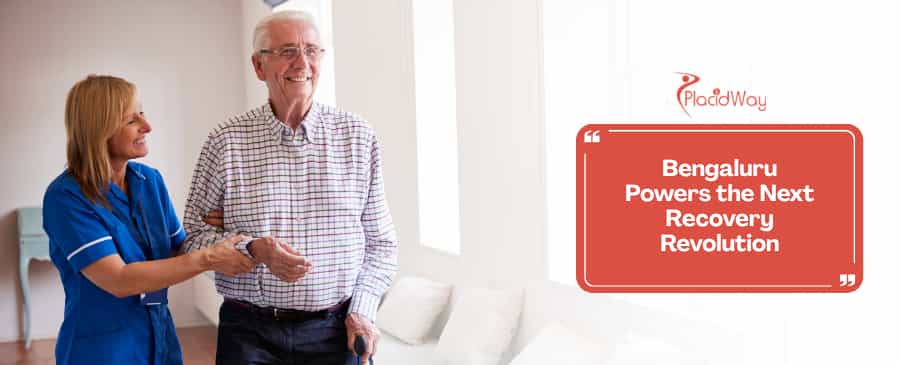
The healthcare landscape is experiencing a profound paradigm shift, blending regenerative biology with high-tech mechanotherapy to form what is now known as the hybrid recovery model. By combining the regenerative potential of cellular therapies with the precise, repetitive movements of advanced exoskeletons, patients facing severe mobility challenges are accessing entirely new pathways to healing. This innovative approach is rapidly positioning itself as the gold standard for neurological and musculoskeletal restoration. Recognizing this trend, international patients are increasingly seeking stem cell therapy in Bengaluru to access this synergistic care.
At the core of this medical evolution is the city's unique ecosystem, which seamlessly merges its reputation as a global technology capital with its rapidly expanding biotechnology sector. Patients traveling for robotic rehabilitation in India are discovering that this integration generally promotes enhanced neuroplasticity, allowing the brain and body to relearn movements more efficiently. Through carefully synchronized treatment plans, the newly introduced stem cells are theoretically stimulated by the targeted physical activity provided by robotic assistance. This combination typically maximizes the therapeutic benefits, offering hope to those who have exhausted conventional medical options.
Combining biological treatments with precise mechanical stimulation is known as mechanotherapy, which is designed to signal cells to repair tissues faster and more effectively.
- Cellular Regeneration: Stem cells generally work to reduce inflammation and promote tissue repair at the injury site.
- Precision Movement: Robotic exoskeletons guide the patient through exact biomechanical movements, typically preventing muscle atrophy.
- Synergistic Neuroplasticity: The repetitive motion from robotics signals the central nervous system, which may enhance the integration of newly formed neural connections.
- Data-Driven Adjustments: Advanced robotics capture real-time movement data, allowing specialists to refine the rehabilitation protocol daily.
Why Medical Tourism in Bengaluru is the Future of Neurological Care
As the world looks toward the future of specialized healthcare, medical tourism in Bengaluru is emerging as a dominant force for 2026 and beyond. The city has invested heavily in creating world-class medical infrastructure that directly rivals established healthcare hubs in North America and Europe. This dedication to excellence attracts some of the most brilliant minds in neurology, biotechnology, and biomechanical engineering, resulting in care environments that are both cutting-edge and highly compassionate. Furthermore, international accreditation standards have become the norm across the city's premium healthcare facilities.
For individuals seeking advanced neurological rehabilitation in Bengaluru, the appeal extends beyond just the technology itself. The destination offers a seamless blend of top-tier medical expertise, strict safety protocols, and English-speaking medical staff, effectively removing communication barriers for global travelers. As waiting times in Western healthcare systems continue to grow, this dynamic metropolis provides immediate access to life-changing therapies. The local healthcare community focuses extensively on comprehensive, patient-centered care models that address both the physiological and psychological aspects of severe injuries.
Bengaluru is home to more than 400 biotechnology companies, making it one of the largest specialized biotech clusters in the Asia-Pacific region.
- Access to multi-disciplinary teams consisting of neurologists, cellular biologists, and robotic physiotherapists.
- State-of-the-art facilities equipped with the latest iterations of gait-training robots and upper-limb exoskeletons.
- Stringent regulatory frameworks ensuring that all biological therapies adhere to international ethical and safety guidelines.
- Comprehensive support systems designed specifically to cater to the needs of the international medical traveler.
Who Can Benefit from Stem Cell and Robotic Rehab Programs in Bengaluru
Determining candidacy for these advanced therapies is a highly individualized process, relying heavily on extensive medical evaluations and diagnostic imaging. Generally, stem cell and robotic rehab programs in Bengaluru cater to patients suffering from complex neurological deficits, spinal cord injuries, and severe orthopedic trauma. Conditions such as stroke, multiple sclerosis (MS), and traumatic brain injuries (TBI) are among the most frequently treated, as these ailments require profound neurological re-wiring and intensive physical re-education. Specialists carefully review each patient's medical history to ensure that the hybrid approach offers a realistic chance of functional improvement.
It is important to understand that while these programs represent the pinnacle of modern rehabilitative medicine, they are not universally applicable to all patients. Individuals with active systemic infections, certain advanced cardiovascular conditions, or active malignancies are typically contraindicated for regenerative therapies. Pre-treatment assessments are rigorous, designed to protect patient safety above all else. For eligible candidates, however, integrating affordable stem cell treatment in Bengaluru with mechanical support offers a structured pathway toward regaining independence and improving overall quality of life.
Stem cell therapies are advanced medical procedures with specific contraindications. Only a qualified medical specialist can determine your eligibility based on comprehensive diagnostic testing.
- Spinal Cord Injury Patients: Seeking to restore motor function and improve sensory perception below the level of injury.
- Stroke Survivors: Utilizing robotic gait training to overcome hemiparesis and improve overall mobility.
- Multiple Sclerosis Sufferers: Focusing on modulating the immune system while maintaining muscle tone through robotic assistance.
- Traumatic Brain Injury Cases: Leveraging neuroplasticity to relearn basic motor skills and coordination.
Affordable Stem Cell and Robotic Rehabilitation Cost in Bengaluru
One of the primary drivers behind the surge in international patients traveling to India is the remarkable financial accessibility of these ultra-modern treatments. The cost of stem cell therapy in Bengaluru, when coupled with extensive robotic rehabilitation sessions, is a fraction of what patients would expect to pay in the United States, the United Kingdom, or Australia. This cost advantage does not stem from a reduction in quality; rather, it is a result of lower local operational costs, favorable exchange rates, and domestically developed biotechnology innovations. Consequently, patients can access longer, more comprehensive rehabilitation programs without encountering prohibitive financial barriers.
Transparency in pricing is a hallmark of the premium facilities catering to international medical tourists. When evaluating the affordable stem cell treatment in Bengaluru, patients typically receive detailed, itemized cost estimates that encompass the biological harvesting, laboratory cultivation, administration, and the subsequent weeks of robotic physiotherapy. By understanding the full financial scope upfront, patients and their families can plan their medical journey with confidence, knowing they are receiving world-class hybrid recovery therapies at an unmatched value.
Always request a comprehensive, itemized quote before traveling. Ensure the estimate includes the cost of pre-treatment diagnostics, the stem cell procedure, and the daily robotic rehabilitation sessions.
| Procedure Name | Average Cost in Bengaluru (USD) | Cost in USA/UK (USD) |
|---|---|---|
| Autologous MSC Therapy (Single Session) | $4,500 - $7,000 | $15,000 - $25,000 |
| Robotic Gait Rehabilitation (Per Month) | $2,000 - $3,500 | $8,000 - $12,000 |
| Comprehensive Hybrid Program (4 Weeks) | $8,500 - $12,000 | $35,000 - $55,000 |
| Exosome Therapy + Upper Limb Rehab | $5,000 - $8,000 | $18,000 - $28,000 |
The Science Behind Combining Stem Cells with Advanced Robotic Rehabilitation
The foundation of the hybrid recovery model lies in the complex biological interactions triggered when cellular therapies meet mechanotherapy. Mesenchymal stem cells (MSCs) are recognized for their potent anti-inflammatory properties and their ability to secrete growth factors that theoretically encourage the repair of damaged tissue. However, simply introducing these cells into the body is only the first step. To effectively guide these hybrid recovery programs in India, the body requires mechanical signaling to direct the healing process, establishing a blueprint for the newly forming neural and muscular connections.
This is where advanced robotic rehabilitation steps in as a vital component of the treatment protocol. Devices such as robotic exoskeletons provide high-dosage, repetitive, and task-specific training that is virtually impossible to achieve through manual physiotherapy alone. This constant, precise movement sends consistent sensory feedback to the brain, which generally aids in bypassing damaged neural pathways and establishing new ones—a process known as neuroplasticity. By integrating the biological fuel of stem cells with the structural guidance of robotics, patients typically experience a more profound and sustained recovery trajectory.
Studies indicate that combining regenerative medicine with intensive robotic physiotherapy can improve functional recovery metrics by up to 30% compared to isolated treatment methods.
- Paracrine Effect: Stem cells release cytokines and growth factors that create a microenvironment conducive to tissue healing.
- Sensory-Motor Integration: Robotic devices force the precise alignment of limbs, sending correct proprioceptive signals back to the central nervous system.
- Muscle Re-education: Continuous robotic assistance typically prevents joint stiffness and maintains muscle viability while nerves regenerate.
- Endurance Building: Exoskeletons support a patient's body weight, allowing them to practice walking for much longer durations than traditional therapy permits.
How Stem Cell Clinics in Bengaluru Ensure Global Safety Standards
For international patients considering complex medical procedures abroad, patient safety and clinical standards are understandably the highest priorities. The leading stem cell clinics in Bengaluru operate under stringent regulatory frameworks, adhering to protocols set forth by international bodies such as the FDA (in principle) and the International Society for Stem Cell Research (ISSCR). The laboratories tasked with cultivating and expanding the cellular products utilize Good Manufacturing Practice (GMP) certified cleanrooms, ensuring zero contamination and maximum cellular viability before administration.
Furthermore, these top-tier medical facilities frequently hold accreditations from the Joint Commission International (JCI) and the National Accreditation Board for Hospitals & Healthcare Providers (NABH). These credentials guarantee that the infrastructure, ethical guidelines, and patient care methodologies mirror those found in top Western hospitals. Specialists leading these departments are often internationally trained, ensuring that patients pursuing robotic rehabilitation in India are in the hands of experts who prioritize evidence-based medicine, extensive clinical monitoring, and uncompromising ethical standards.
GMP (Good Manufacturing Practice) certification ensures that biological products are consistently produced and controlled according to the strictest global quality standards.
- Utilization of Class 100 cleanrooms for all cellular processing and expansion procedures.
- Mandatory multi-level screening of all biological materials to prevent infectious disease transmission.
- Continuous monitoring of patient vitals during and after cellular administration in intensive care settings.
- Transparent ethical committees that review and approve all personalized hybrid recovery protocols.
Preparing for Your Hybrid Recovery Journey in Bengaluru
Embarking on a complex medical journey requires meticulous planning, both physically and administratively. Preparing for your medical tourism journey in Bengaluru begins long before boarding a flight; it starts with comprehensive tele-consultations between your local healthcare providers and the international specialists. Patients are typically required to submit recent MRI scans, detailed medical histories, and specific blood panels. This preliminary remote evaluation ensures that the patient is a viable candidate for the hybrid recovery protocol, avoiding unnecessary travel for those who may not benefit from the therapy.
Once medical clearance is granted, patients must focus on physical preparation. Even though the robotic exoskeletons provide significant physical support, patients generally need a baseline of systemic health to endure the intensive daily physiotherapy sessions. Adhering to a prescribed pre-treatment nutritional plan and engaging in light, approved physical movements can prepare the body for the rigorous schedule ahead. Successfully planning a trip for stem cell therapy in Bengaluru also involves understanding the visa requirements and securing a designated caregiver to accompany the patient during the recovery period.
Organize all your medical records, imaging CDs, and physician notes in both digital and physical formats. Having a comprehensive medical dossier expedites your intake process upon arrival.
- Remote Diagnostics: Complete all required blood work and imaging as requested by the destination clinical team.
- Visa Facilitation: Apply for an Indian Medical Visa well in advance, utilizing the official invitation letter provided by the healthcare facility.
- Nutritional Priming: Follow a diet rich in antioxidants and anti-inflammatory foods to optimize your body's environment for cellular therapy.
- Caregiver Support: Ensure a family member or dedicated companion travels with you to assist with daily living tasks outside of clinical hours.
The Role of Artificial Intelligence in Bengaluru Robotic Rehabilitation Centers
The integration of Artificial Intelligence (AI) has dramatically elevated the efficacy of mechanotherapy in modern medicine. The top robotic rehabilitation centers in Bengaluru utilize AI-driven software that continuously analyzes a patient's movement data during therapy sessions. Rather than relying on a static, one-size-fits-all mechanical movement, these intelligent exoskeletons read the patient's muscular intent and physiological limitations in real time. The machines then adjust the level of robotic assistance they provide, ensuring the patient is consistently challenged without being pushed into physical exhaustion.
This adaptive learning capability is critical for maximizing the benefits of the accompanying biological treatments. As the stem cells typically initiate neural and muscular repair, the AI systems recognize subtle improvements in the patient's strength and coordination. The AI then recalibrates the rehabilitation protocol, gradually reducing mechanical support to force the newly healed biological systems to take over. This delicate, technology-assisted transition is a hallmark of the advanced neurological rehabilitation in Bengaluru, ensuring that recovery milestones are met safely and efficiently.
Modern AI-powered exoskeletons perform up to 1,000 micro-adjustments per second to adapt to a patient's unique gait and muscle exertion levels.
- Intent Detection: Sensors detect electrical signals in the muscles, prompting the robot to move only when the patient initiates the effort.
- Real-Time Analytics: Therapists receive immediate data on joint angles, weight distribution, and stride length to tweak the daily protocol.
- Virtual Reality Integration: Many robotic systems are paired with AI-driven VR screens, gamifying the therapy to keep patients mentally engaged.
- Fatigue Monitoring: The AI algorithms generally recognize when a patient's form breaks down due to fatigue, safely winding down the session to prevent injury.
Post-Treatment Expectations for Stem Cell Therapy in Bengaluru
Managing expectations is an essential component of the hybrid recovery process. It is crucial for patients to understand that regenerative medicine is not an overnight cure, but rather the initiation of a prolonged healing cascade. Post-treatment care for stem cell therapy in Bengaluru focuses on monitoring this slow, biological evolution. In the weeks immediately following the procedure and the intensive robotic therapy, patients typically experience varying degrees of fatigue, temporary muscle soreness, and incremental changes in sensory or motor function. The peak regenerative effects of the stem cells are generally observed several months post-procedure.
The conclusion of the on-site program marks the beginning of the home-based recovery phase. Reputable clinics ensure that international patients return home equipped with comprehensive discharge protocols, detailed transition plans, and prescribed home exercise regimens. The goal of the hybrid recovery programs in India is to instil new movement patterns that the patient must continue to practice diligently. Long-term success relies heavily on the patient's dedication to maintaining physical activity, adhering to follow-up virtual consultations, and adopting a lifestyle that supports ongoing cellular health.
- Immediate Phase (1-4 weeks): Focus on acute recovery from the biological procedure combined with intensive robotic training.
- Transition Phase (1-3 months): Return to the home country; patients generally practice newly acquired mobility skills with local therapists.
- Maturation Phase (3-6 months): Biological integration of cellular therapies; this is typically when the most notable functional improvements are documented.
- Long-Term Maintenance: Ongoing commitment to traditional physical therapy, nutritional health, and virtual monitoring by the originating clinical team.
Comparing Stem Cell and Robotic Rehab in Bengaluru vs Western Countries
When evaluating international healthcare options, discerning patients often weigh the benefits of traveling abroad against staying in their home countries. The landscape of regenerative medicine in Bengaluru presents distinct advantages, primarily regarding accessibility and treatment comprehensive depth. In many Western nations, advanced robotic rehabilitation is heavily restricted by insurance quotas, often limiting patients to only a few sessions per month. Conversely, the hybrid models in India provide intensive, daily access to these machines, which is a critical factor in driving neuroplasticity and achieving meaningful functional recovery.
Additionally, regulatory environments regarding stem cell applications vary widely. While the core safety and ethical standards are strictly maintained globally, specialized clinics in Bengaluru often have the agility to combine multiple therapeutic modalities—such as MSCs and advanced exoskeleton training—into cohesive, uninterrupted programs. When comparing the cost of stem cell therapy in Bengaluru to the fragmented, highly expensive care models in North America or Europe, patients find that medical tourism offers a more immersive, patient-focused, and financially viable pathway to health.
Patients undergoing hybrid recovery abroad typically receive up to 5 times more hours of active robotic physiotherapy compared to standard insurance-approved programs in the US.
- Program Intensity: Daily, multi-hour robotic and occupational therapy sessions rather than restricted weekly appointments.
- Holistic Integration: Seamless coordination between the regenerative biologists and the physiotherapists under one roof.
- Zero Wait Times: Immediate onboarding for approved candidates, preventing further physical deterioration while waiting for domestic care.
- Cost-to-Value Ratio: Accessing cutting-edge medical technology at a fraction of Western healthcare prices.
Cultural and Healing Advantages During Medical Tourism in Bengaluru
The environment in which a patient recovers plays a deeply influential role in their overall clinical outcome. Beyond its technological prowess, the healing environment in Bengaluru is highly conducive to medical recovery. Known as the "Garden City" of India, its mild, temperate climate provides a comfortable backdrop for patients undergoing strenuous rehabilitation. This pleasant weather allows patients to occasionally step outside the clinical environment, reducing the psychological stress and hospital fatigue commonly associated with prolonged medical treatments.
Furthermore, the culture of care in India naturally leans toward a holistic understanding of health. Many advanced facilities integrating robotic rehabilitation in India also offer adjunct therapies deeply rooted in traditional wellness, such as specialized yoga for neurological patients and Ayurvedic nutritional planning. These complementary practices do not replace the high-tech medical protocols but serve to enhance them. They generally help in lowering cortisol levels, improving mental resilience, and creating a sense of inner balance that is vital when facing the arduous journey of physical rehabilitation.
Bengaluru sits at an elevation of over 900 meters (3,000 feet), providing it with a uniquely cool and stable climate year-round compared to other major Indian metropolitan areas.
- Access to integrative wellness programs, including guided meditation and therapeutic breathwork.
- A compassionate, hospitality-driven approach to patient care that prioritizes dignity and emotional support.
- Dietary programs customized to international palates while utilizing locally sourced, anti-inflammatory superfoods.
- A culturally vibrant yet peaceful city atmosphere that offers supportive environments for accompanying family members.
Patient Experiences with Stem Cell Therapy and Robotic Rehab in Bengaluru
Understanding the real-world impact of these advanced treatments is best achieved by exploring the journeys of those who have already navigated the process. The narrative of successful stem cell treatments in Bengaluru is built upon the incremental victories of patients from across the globe. While clinical results vary based on the severity of the initial injury, many individuals report substantial improvements in their quality of life, moving from total dependency toward renewed levels of autonomy. These stories highlight the powerful synergy of biological healing and mechanical persistence.
Below are brief summaries reflecting the diverse experiences of international patients who traveled for hybrid recovery programs in India. These accounts emphasize that while the journey requires profound dedication and patience, the structured fusion of high-end robotics and personalized regenerative medicine typically provides the essential tools needed to reclaim one's health and mobility.
A Journey from Spinal Cord Injury to Assisted Mobility
After a severe accident, Marcus from the UK was told he would likely never bear weight again. Combining stem cell infusions with intensive robotic gait training over six weeks, he generally experienced improved core stability and, eventually, the ability to take assisted steps using a walker, surpassing his initial domestic prognosis.
Overcoming Post-Stroke Limitations
Sarah, traveling from Australia, struggled with severe right-side hemiparesis following a stroke. Through a targeted hybrid program focusing on upper limb robotic repetition and localized cellular therapy, she typically noted a significant reduction in muscle spasticity and regained enough fine motor control to resume feeding herself independently.
Managing Multiple Sclerosis Progression
David from Canada sought alternative options to manage aggressive MS symptoms. By engaging in a month-long regenerative program paired with exoskeleton endurance training, he generally reported a stabilization in his energy levels and improved balance, allowing him to navigate his home safely without constant assistance.
Restoring Quality of Life Post-Trauma
Following a complex traumatic brain injury, Elena from Spain faced severe coordination deficits. Her multidisciplinary team in Bengaluru utilized AI-driven neuro-rehab alongside MSCs. Over time, her family typically observed enhanced cognitive processing speed and smoother, more deliberate physical movements during her daily routines.
How PlacidWay Assists Your Stem Cell Medical Tourism Journey in Bengaluru
Navigating the complex world of international healthcare requires a trusted partner to ensure a seamless, secure, and highly organized experience. Booking stem cell therapy in Bengaluru involves intricate planning, from evaluating medical credentials to understanding specific treatment protocols. PlacidWay serves as an essential bridge, connecting global patients with fully accredited, top-tier medical facilities. By leveraging a vast network of vetted specialists, patients are empowered to make informed, confident decisions regarding their hybrid recovery pathways.
The focus remains strictly on delivering value-based, transparent medical coordination. Patients utilizing PlacidWay's platform gain access to objective information, verified patient reviews, and direct channels of communication with international medical teams. This streamlined approach typically removes the stress and uncertainty associated with medical travel, allowing individuals and their families to focus entirely on the physiological and psychological demands of the medical tourism journey in Bengaluru.
- Expert Provider Matching: Connecting patients with highly specialized, globally accredited hybrid recovery centers.
- Direct Medical Communication: Facilitating secure tele-consultations between patients and international neurologists and rehab specialists.
- Transparent Quote Coordination: Assisting patients in obtaining detailed, itemized cost estimates directly from the medical providers.
- Comprehensive Information Access: Providing extensive resources on treatment protocols, facility credentials, and expected medical timelines.
- Dedicated Patient Support: Offering continuous guidance through the medical inquiry process, ensuring all clinical questions are addressed by professionals.
Frequently Asked Questions About Hybrid Recovery in Bengaluru
Making an informed decision about advanced regenerative treatments requires absolute clarity. Patients and their families naturally have numerous inquiries regarding the safety, logistics, and expectations of pursuing hybrid recovery in Bengaluru. Addressing these questions directly helps demystify the medical travel process and ensures that patients are adequately prepared for the realities of cross-border healthcare.
Below is a curated list of the most common questions international patients ask when considering the combination of stem cell therapy in Bengaluru with high-tech mechanical rehabilitation. These answers are designed to provide foundational knowledge, though personal medical advice must always be obtained directly from a specialized physician.
How does hybrid recovery improve traditional rehabilitation outcomes?
Hybrid recovery combines the cellular regeneration capabilities of stem cells with the repetitive, precise mechanical assistance of robotic devices. This synergy generally encourages neuroplasticity and typically accelerates functional recovery more effectively than conventional therapies alone.
Is stem cell therapy safe for neurological conditions?
When performed in internationally accredited facilities, regenerative therapies are generally considered safe. However, strict medical evaluations are required, as outcomes vary, and patients typically experience a range of individualized results depending on their specific condition.
Why is Bengaluru considered a top hub for these combined therapies?
Bengaluru is globally recognized for its advanced biotechnology sector, highly skilled medical specialists, and state-of-the-art robotic infrastructure. The city offers world-class hybrid therapies at a significantly lower cost compared to Western nations.
What conditions generally respond well to this combined treatment?
Patients seeking treatment for spinal cord injuries, stroke recovery, multiple sclerosis, and advanced neurodegenerative conditions typically seek this hybrid approach. Medical suitability must be determined by a qualified specialist.
How long does a typical hybrid rehabilitation program last?
A standard hybrid recovery protocol generally lasts between four to eight weeks, depending on the patient's specific health needs. This timeframe allows for stem cell administration followed by intensive, progressive robotic physical therapy.
Are there age restrictions for hybrid recovery programs?
While there are typically no strict age limits, older adults undergo rigorous cardiovascular and systemic health screenings. Patient acceptance is based on overall medical stability rather than chronological age alone.
What type of stem cells are generally used in these procedures?
Most specialized centers utilize autologous mesenchymal stem cells (MSCs) harvested from the patient's own bone marrow or adipose tissue. Some protocols may also incorporate ethically sourced allogeneic cells from certified laboratories.
Do I need an exceptional visa for medical tourism in India?
International patients typically require an Indian Medical Visa to undergo prolonged treatments. Many specialized care centers provide official invitation letters to facilitate a smooth and expedited visa application process.
Can I continue my rehabilitation once I return to my home country?
Yes, continuous care is a critical component of hybrid recovery. Centers generally provide detailed discharge summaries and home-based exercise protocols, and many offer virtual consultations to monitor long-term progress.
Does insurance cover the cost of these hybrid therapies?
Currently, most international health insurance policies consider stem cell and advanced robotic therapies to be elective or experimental, meaning out-of-pocket payment is usually required. Patients are advised to consult their providers for specific coverage details.
Ready to explore advanced hybrid recovery options in Bengaluru? Connect with PlacidWay today to find accredited specialists and receive personalized treatment estimates.
Medical Disclaimer: This article is for informational purposes only and is not medical advice. Always consult a qualified healthcare provider before any medical decisions. Results may vary. Read Full Disclaimer here.
References
- National Institutes of Health (NIH). Stem Cell Therapy for Neurological Disorders. https://pmc.ncbi.nlm.nih.gov/articles/PMC6650276/
- World Health Organization (WHO). Rehabilitation Fact Sheet. https://www.who.int/news-room/fact-sheets/detail/rehabilitation
- Mayo Clinic. Stem Cell Transplant: What You Need to Know. https://www.mayoclinic.org/tests-procedures/bone-marrow-transplant/in-depth/stem-cells/art-20048117


.png)
.png)
.png)

-(6).png)









Share this listing