



The global medical community is witnessing a profound transformation as healthcare providers move away from aggressive marketing and toward stringent, evidence-based clinical practices. At the forefront of this evolution is the emerging 2026 shift toward regulatory-compliant pediatric stem cell research in Mumbai, India. This pivotal transition is redefining how regenerative medicine is perceived and administered, prioritizing patient safety, ethical sourcing, and scientific transparency over commercial interests.
For decades, families seeking advanced therapies for their children often faced a labyrinth of unregulated clinics and unverified claims. However, top-tier medical institutions in Mumbai are now pioneering a strictly ethical approach. By aligning with international bioethics frameworks, these centers are establishing themselves as trustworthy destinations for international medical tourists who demand rigorous standards and transparent clinical outcomes.
India’s premier medical institutions are preparing for the "2026 Shift"—a comprehensive national initiative aiming to completely eradicate non-compliant regenerative treatments and standardize all stem cell therapies under rigorous clinical trial conditions.
Understanding Regulatory-Compliant Pediatric Stem Cell Therapy in India
Regulatory-compliant stem cell therapy refers to medical procedures and research that operate strictly within the legal and ethical frameworks mandated by national health authorities. In India, this means full adherence to the guidelines established by the Indian Council of Medical Research (ICMR) and the Central Drugs Standard Control Organisation (CDSCO). These governing bodies dictate that, aside from a few well-established hematological applications, most pediatric stem cell therapies must be conducted as formal clinical trials.
This stringent oversight ensures that safe stem cell treatments for children in India are not just a marketing promise, but a clinically monitored reality. Under these regulations, hospitals are required to maintain an Institutional Committee for Stem Cell Research (IC-SCR), which rigorously reviews every patient protocol. This ethical safeguard guarantees that international patients receive care that is meticulously documented, peer-reviewed, and deeply rooted in scientific integrity.
Stem cell therapies for many pediatric conditions are still considered investigational. Results are never guaranteed, and treatments should only be pursued in facilities that explicitly outline the investigational nature of the procedure without promising miraculous cures.
Why Medical Tourism in Mumbai is Shaping the Future of Stem Cell Research
As international healthcare dynamics shift, medical tourism in Mumbai India has evolved beyond simple cost-arbitrage to become a center of specialized medical excellence. Mumbai’s premier healthcare facilities possess state-of-the-art laboratories, internationally trained hematologists, and dedicated pediatric care units. This robust infrastructure allows the city to support complex, multi-phase clinical research that rivals Western institutions.
The influx of global patients has inadvertently accelerated the push for higher ethical standards. To cater to an informed international clientele, hospitals have realized that clinical transparency is their strongest asset. By emphasizing "ethics over ads," Mumbai is actively shaping the future of regenerative medicine, drawing families who value honest prognoses, comprehensive post-procedural care, and highly regulated therapeutic environments.
Mumbai is home to some of South Asia's most advanced Good Manufacturing Practice (GMP) compliant laboratories, which are essential for the safe cultivation and processing of stem cells intended for human application.
Analyzing the Pediatric Stem Cell Therapy Cost in Mumbai, India
One of the primary drivers for families seeking medical care abroad is the ability to access cutting-edge research without facing insurmountable financial burdens. The stem cell therapy cost in India is remarkably economical, largely due to lower administrative and operational costs, rather than any compromise in medical quality. However, ethical institutions emphasize that costs should reflect the complexity of the clinical trial protocols, extensive pre-screening, and rigorous follow-up care.
When analyzing the financial aspects of affordable pediatric stem cell research in Mumbai, it is crucial to look at realistic market ranges for specific sub-treatments. Transparency in billing is a cornerstone of the new ethical guidelines, ensuring families are fully aware of what their investments cover, from laboratory processing to pediatric intensive care monitoring.
| Procedure Name / Sub-Treatment | Average Cost in Mumbai, India (USD) | Estimated Cost in USA/UK (USD) |
|---|---|---|
| Autologous Bone Marrow Extraction & Processing | $4,000 - $6,000 | $18,000 - $30,000 |
| Umbilical Cord Blood Stem Cell Application (Allogeneic) | $5,500 - $7,500 | $22,000 - $35,000 |
| Stem Cell Therapy for Neurological Research (Pediatric Protocol) | $6,000 - $8,500 | $25,000 - $40,000 |
Conditions Addressed by Pediatric Stem Cell Clinics in Mumbai
The scope of research at leading pediatric stem cell clinics in Mumbai is carefully regulated. Unlike unregulated centers that claim to treat an endless list of ailments, ethically compliant hospitals focus strictly on conditions where stem cell application shows scientific rationale and preliminary clinical promise. These applications are typically part of registered clinical trials aimed at gathering robust efficacy data.
Currently, research is heavily focused on neurodevelopmental disorders, specific metabolic conditions, and pediatric hematological diseases. It is imperative for parents to understand that while these treatments can potentially assist in managing symptoms or improving quality of life, they are generally considered investigational. The focus is on incremental improvement and safety.
- Pediatric Leukemia and Lymphoma: Utilizing established hematopoietic stem cell transplants.
- Cerebral Palsy and Neurodevelopmental Disorders: Investigational trials assessing motor function improvements.
- Spinal Cord Injuries: Research into cellular repair and inflammation reduction.
- Autoimmune and Metabolic Disorders: Clinical studies focusing on immune system modulation.
According to recent medical tourism data, India has seen a 30% increase in international patients seeking participation in registered, ethically compliant clinical trials for regenerative medicine over the last five years.
The Strict Regulatory Framework Governing Stem Cell Research in India
The cornerstone of the 2026 shift is the uncompromising regulatory framework that governs all regenerative medicine in the country. The National Guidelines for Stem Cell Research (NGSCR), developed jointly by the Department of Biotechnology (DBT) and the ICMR, dictate strict boundaries for what is permissible. These rules distinctly separate proven therapies (like bone marrow transplants for blood cancers) from investigational procedures.
For a facility to offer investigational treatments, it must register its trial with the Clinical Trials Registry - India (CTRI). This ensures public transparency regarding the trial's methodology, patient inclusion criteria, and ethical approvals. International patients are encouraged to verify a hospital’s CTRI registration, ensuring their child is participating in legitimate, peer-reviewed pediatric stem cell research in Mumbai, India.
Any stem cell procedure in India that involves more than minimal manipulation of cells automatically falls under the classification of an "Investigational New Drug" (IND), requiring the highest level of regulatory scrutiny.
What to Expect During Pediatric Stem Cell Procedures in Mumbai
Embarking on a medical journey for regenerative therapies involves a structured, multi-disciplinary approach. Upon arrival, the initial phase involves exhaustive medical evaluations. Specialists conduct detailed blood work, neurological assessments, and imaging to confirm that the child is a suitable candidate for the specific research protocol. This meticulous screening is a hallmark of ethical care.
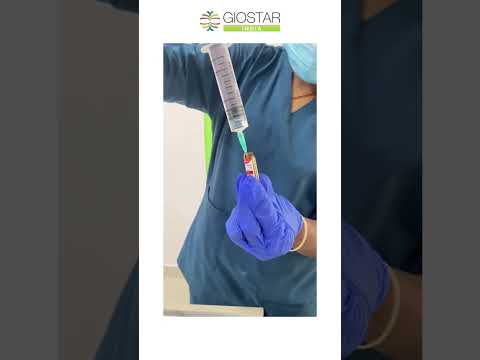
The actual procedure typically involves the harvesting of cells (usually from the patient's own bone marrow) or the preparation of donor umbilical cord cells. This is followed by specialized laboratory processing and, subsequently, the reintroduction of the cells into the patient’s body via intravenous infusion or specialized injections. Most patients experience a highly monitored recovery phase within a specialized pediatric intensive care setting to ensure immediate safety.
Always request the patient information sheet and informed consent documents well in advance of your travel. These documents must clearly outline the investigational nature of the treatment, potential risks, and the detailed protocol as approved by the ethical committee.
Evaluating the Safety and Efficacy of Stem Cell Treatments in India
Safety is the primary mandate for any regulatory-compliant medical institution. When evaluating safe stem cell treatments for children in India, it is essential to look at the institution's track record of managing complications and providing emergency pediatric care. Ethically grounded hospitals operate on the principle of "do no harm," ensuring that the clinical environment mitigates risks associated with infections or adverse immune responses.
Efficacy, however, must be approached with cautious optimism. Because many of these procedures are under clinical investigation, outcomes cannot be guaranteed. While some families report noticeable improvements in motor skills or cognitive function, others may see no significant change. Ethical hospitals in Mumbai provide honest statistical probabilities based on current trial data rather than showcasing misleading outlier success stories.
Patient Success Stories: Pediatric Stem Cell Therapy in Mumbai, India
While strict ethical guidelines prohibit promising cures, hearing about the experiences of other families can provide valuable insight into the standard of care provided by pediatric stem cell clinics in Mumbai. These summaries focus on the quality of the medical journey, the professionalism of the staff, and realistic improvements in quality of life.
The following case summaries illustrate the cautious, structured approach taken by premier institutions, highlighting why families trust Mumbai's evolving healthcare landscape.
A Journey of Compassionate Care
"Traveling from the UK, we were apprehensive about participating in a clinical trial. However, the medical team in Mumbai provided an incredibly transparent overview of the research protocol for our son. The focus was entirely on safety and methodical care, giving us peace of mind throughout the investigational therapy." – Sarah T., United Kingdom
Professionalism Above All
"We sought affordable pediatric stem cell research in Mumbai after facing dead ends back home. The hospital did not make any false promises. They explained the potential risks and the experimental nature of the treatment. We appreciated their brutal honesty and the impeccable hygiene standards in the pediatric ward." – David M., Australia
Comprehensive Follow-up
"What impressed us most was the post-procedure follow-up. Even after we returned to Canada, the clinical research coordinators in Mumbai maintained regular contact to track our daughter's progress. It truly felt like a collaborative, scientific partnership rather than a commercial transaction." – Elena R., Canada
Ethical and Transparent
"Finding an ethical center for regenerative medicine was our top priority. The institution in Mumbai provided us with the full ethical board approval documents before we even booked our flights. The doctors were phenomenal, focusing on incremental improvements in our child's daily quality of life." – Mohammed A., UAE
How to Choose Regulatory-Compliant Pediatric Stem Cell Hospitals in Mumbai
Navigating the complex landscape of global healthcare requires diligence. To identify truly ethical pediatric stem cell clinics in Mumbai, international patients must verify several crucial credentials. First, confirm that the hospital has a dedicated Institutional Committee for Stem Cell Research (IC-SCR) that aligns with national guidelines. Without this, a facility cannot legally conduct investigational research.
Secondly, look for international accreditations such as the Joint Commission International (JCI) or the National Accreditation Board for Hospitals & Healthcare Providers (NABH). These accreditations signify that the facility maintains rigorous standards of patient care, safety protocols, and operational transparency. Avoid clinics that rely heavily on emotional advertising or those that refuse to provide detailed clinical trial registration numbers.
The presence of an independent Ethics Committee (EC) is a mandatory requirement for any hospital in India conducting human clinical trials, acting as the ultimate safeguard for patient rights and well-being.
The Role of Ethics over Advertising in Mumbai's Stem Cell Landscape
The defining characteristic of the 2026 shift is the intentional pivot from aggressive marketing to ethical communication. In the past, the regenerative medicine sector was plagued by exaggerated claims and flashy advertisements that preyed on vulnerable families. Today, leading hospitals in Mumbai are adopting a policy of scientific restraint, prioritizing the publication of peer-reviewed data over billboard campaigns.
This shift ensures that when families evaluate the stem cell therapy cost in India, they are investing in genuine medical infrastructure and legitimate research protocols, not paying for marketing overhead. By placing ethics over ads, these institutions are not only complying with tightening national regulations but are also elevating India's reputation as a globally trusted hub for complex pediatric care.
Preparing for Your Medical Travel to Mumbai for Stem Cell Research
Preparing for medical tourism in Mumbai India requires meticulous planning, especially when traveling with a child requiring specialized care. Once a compliant hospital has accepted the patient into a research protocol, families must obtain an Indian Medical Visa. This requires an official invitation letter from the treating hospital, detailing the nature and duration of the clinical trial.
Additionally, it is crucial to gather and securely transmit all of the child’s previous medical records, imaging (MRIs, CT scans), and genetic testing results to the medical team in Mumbai beforehand. Establishing an open line of communication with the hospital's international patient department will significantly streamline the admission and evaluation process upon arrival.
Consult with your child's primary care pediatrician in your home country before making travel arrangements. Ensuring continuity of care and having a local doctor willing to oversee post-procedural follow-ups is critical for long-term safety.
Mumbai's Chhatrapati Shivaji Maharaj International Airport has dedicated medical tourism facilitation counters designed to provide immediate assistance, wheelchair access, and expedited clearance for incoming international patients.
How PlacidWay Assists Your Pediatric Stem Cell Medical Tourism Journey in Mumbai, India
Navigating the intricacies of international medical travel and identifying ethically compliant clinical trials can be overwhelming for families. PlacidWay acts as a dedicated facilitator, ensuring that your pursuit of pediatric stem cell research in Mumbai, India is safe, transparent, and seamlessly coordinated.
- Provider Vetting: We connect you exclusively with accredited medical institutions that strictly adhere to Indian regulatory and ethical guidelines for stem cell research.
- Document Facilitation: We assist in the secure transfer of complex pediatric medical records to ensure specialized doctors can conduct thorough pre-evaluations.
- Clinical Trial Guidance: We help families understand the difference between standard treatments and investigational research, ensuring informed decision-making.
- Transparent Estimates: We provide detailed, itemized cost estimates directly from the hospitals to facilitate accurate financial planning for the procedure.
- Multilingual Support: We offer dedicated communication support to bridge any language barriers between your family and the medical research teams in Mumbai.
Frequently Asked Questions About Pediatric Stem Cell Research in Mumbai, India
What is regulatory-compliant pediatric stem cell research in Mumbai, India?
Regulatory-compliant pediatric stem cell research in Mumbai refers to treatments and clinical trials that strictly adhere to the guidelines set by the Indian Council of Medical Research (ICMR). These protocols prioritize patient safety, ethical sourcing, and evidence-based applications over commercial advertising.
How much does pediatric stem cell therapy cost in Mumbai, India?
The stem cell therapy cost in India generally ranges from $4,000 to $8,500, depending on the specific sub-treatment and complexity of the condition. This represents a significant saving compared to the United States or the UK, where similar procedures often exceed $25,000.
Are stem cell treatments safe for children in India?
When conducted in accredited, regulatory-compliant facilities, safe stem cell treatments for children in India maintain high safety standards. However, all medical procedures carry inherent risks, and outcomes vary, which is why treatments are often administered under rigorous clinical trial frameworks.
Why is Mumbai considered a hub for medical tourism in India?
Medical tourism in Mumbai India is thriving due to the city’s advanced medical infrastructure, internationally trained specialists, and strict adherence to emerging bioethical guidelines. Patients benefit from world-class healthcare at a fraction of Western costs.
What conditions are typically addressed by pediatric stem cell clinics in Mumbai?
Pediatric stem cell clinics in Mumbai focus research on congenital neurological disorders, certain types of pediatric leukemia, metabolic disorders, and autoimmune conditions. These applications are generally part of ongoing clinical investigations to ensure efficacy and safety.
How do I choose the best pediatric stem cell hospital in Mumbai?
Selecting a facility requires verifying their registration with the Central Drugs Standard Control Organisation (CDSCO) and the presence of an Institutional Committee for Stem Cell Research (IC-SCR). It is crucial to choose hospitals that prioritize transparent clinical data over aggressive marketing.
What should international patients expect during recovery?
Most patients experience a phased recovery, involving initial post-procedural monitoring followed by long-term follow-up care. The duration of stay in Mumbai typically ranges from two to four weeks, depending on the specific protocol and the child's healing process.
Do I need a special visa for medical travel to Mumbai?
Yes, international patients seeking treatment should apply for an Indian Medical Visa (Medical Visa or e-Medical Visa). This specialized visa requires an invitation or appointment letter from a recognized, accredited medical institution in India.
What is the source of the stem cells used in these procedures?
Treatments typically utilize either autologous stem cells (harvested from the child's own bone marrow or adipose tissue) or allogeneic umbilical cord blood cells. The sourcing is heavily regulated to ensure ethical compliance and minimize the risk of immune rejection.
How can PlacidWay assist with my medical journey to Mumbai?
PlacidWay provides comprehensive, value-based assistance by connecting you with accredited, ethical healthcare providers in Mumbai. We offer tailored guidance, help navigate complex medical documents, and ensure you make informed decisions aligned with international healthcare standards.
References
- U.S. National Library of Medicine. ClinicalTrials.gov: Stem Cell Therapy Research. https://clinicaltrials.gov/ct2/results?cond=Pediatric+Diseases&term=Stem+Cell
- World Health Organization (WHO). Ethical Standards and Procedures for Research with Human Beings. https://www.who.int/ethics/research/en/
- National Center for Biotechnology Information (NCBI). Medical Tourism and Regulatory Frameworks in India. https://pmc.ncbi.nlm.nih.gov/articles/PMC8236744/

.png)





.png)
.png)
.png)




.png)
-(6).png)








Share this listing