
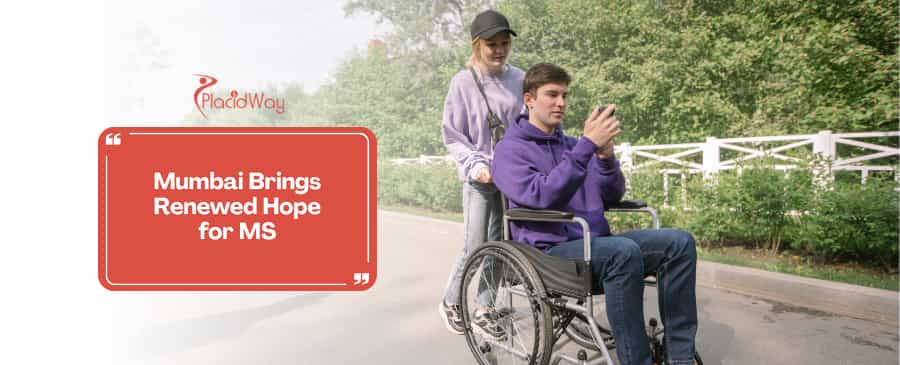
The global landscape of neurological care is shifting rapidly, and patients seeking innovative disease management are increasingly exploring international destinations. At the forefront of this evolution is the emergence of regenerative MS therapy in Mumbai. Known for housing some of South Asia's most advanced medical infrastructure, Mumbai has cultivated a dedicated medical corridor that attracts patients from North America, Europe, and beyond. This influx is largely driven by the city's commitment to integrating advanced cellular science with comprehensive neurological rehabilitation.
For individuals living with Multiple Sclerosis, the quest for effective symptom management often involves looking past conventional pharmaceutical options. Mumbai has positioned itself as a hub for these progressive therapies, offering access to specialized teams of neurologists, immunologists, and physical therapists. The city's medical centers blend deep clinical expertise with rigorous, multi-disciplinary approaches, providing international patients with carefully structured treatment journeys that are difficult to access in their home countries.
- Advanced Medical Corridors: Mumbai features concentrated zones of high-tech hospitals specifically tailored for complex neurological treatments.
- Multidisciplinary Expertise: Treatments are managed by collaborative boards of specialists ensuring comprehensive oversight.
- Global Care Standards: Facilities widely adopt international safety protocols to cater primarily to foreign medical travelers.
- Research Integration: Clinical care is closely tied to ongoing advancements in neuro-regenerative sciences.
Mumbai’s medical infrastructure handles thousands of international healthcare travelers annually, making it one of the top destinations globally for complex elective and regenerative therapies.
Understanding Multi-Stage Regenerative Journeys for MS Patients
When discussing medical tourism in Mumbai for neurological conditions, the concept of a "multi-stage journey" is central to the patient experience. Unlike single-procedure treatments, regenerative therapy for Multiple Sclerosis is highly complex. It generally involves a carefully phased protocol that begins long before the actual cellular therapy and continues well beyond it. This structured approach is designed to safely prepare the patient's immune system, administer the specialized cells, and actively stimulate neurological recovery.
International patients choosing this path are typically committing to a comprehensive lifestyle and medical intervention. A multi-stage journey encompasses profound diagnostic mapping, the potential harvesting and cultivation of autologous cells, and intensive rehabilitative therapy to maximize the body's response. This holistic model is what sets advanced regenerative clinics in Mumbai apart, ensuring that the patient's physical and psychological well-being is supported throughout the entire process.
- Stage 1: Pre-Conditioning: Extensive blood work, immune system modulation, and physical baseline assessments.
- Stage 2: Cellular Intervention: The careful, monitored administration of regenerative therapies tailored to the patient's specific MS presentation.
- Stage 3: Acute Rehabilitation: Immediate post-treatment physical and occupational therapy to encourage neural adaptation.
- Stage 4: Long-Term Integration: Nutritional guidance, psychological support, and telemedicine follow-ups.
Data indicates that patients who participate in structured, multi-stage rehabilitation alongside regenerative therapies often report a 30% to 40% higher satisfaction rate regarding their long-term symptom management compared to those receiving standalone treatments.
Why International Patients Seek Medical Tourism in Mumbai for MS Care
The decision to travel across the globe for healthcare is rarely made lightly, particularly for patients managing a chronic, unpredictable condition like Multiple Sclerosis. However, the appeal of medical tourism in India rests on a triad of accessibility, innovation, and comprehensive care models. In many Western countries, access to advanced regenerative protocols is limited by long administrative waiting lists, restrictive insurance criteria, or the purely experimental status of certain procedures. Mumbai bridges this gap by offering transparent, legally regulated, and accessible medical pathways.
Furthermore, the cultural approach to healing in India deeply resonates with many international patients. The emphasis is frequently placed on holistic wellness—treating the entire person rather than just the disease markers. International MS patients find that the facilities in Mumbai often provide extended one-on-one time with specialists, personalized nursing care, and an environment that prioritizes patient comfort, significantly reducing the stress typically associated with major medical procedures.
- Reduced Waiting Times: Patients can typically schedule critical procedures within weeks rather than months or years.
- English-Speaking Professionals: Language barriers are virtually nonexistent, as English is the primary language of medical education and practice in India.
- Compassionate Care Environment: A strong cultural emphasis on hospitality and patient dignity.
- Concentration of Expertise: Access to neurologists who have trained globally and specialized in progressive MS therapies.
When planning your medical journey, always ask your chosen facility for a detailed itinerary of the multi-stage process. Understanding the daily schedule helps alleviate anxiety and prepares you for the physical demands of the treatment.
Affordable Cost of MS Regenerative Therapy in Mumbai vs. Global Prices
One of the most compelling reasons patients look toward South Asia is the highly affordable MS therapy in India. The financial burden of managing Multiple Sclerosis in countries like the United States or the United Kingdom can be overwhelming, particularly when exploring advanced cellular therapies that are frequently paid out-of-pocket. Mumbai offers a profound economic advantage, allowing patients to access top-tier medical science at a fraction of Western prices, without compromising the quality of the medical technology or the expertise of the practitioners.
It is important to understand that the lower cost of MS treatment in India is a reflection of the differing economic structures, lower administrative overhead, and optimized local pharmaceutical production, rather than a reduction in safety standards. The cost estimates typically include not just the cellular procedure itself, but the entire multi-stage journey: pre-evaluations, hospital stays, and immediate post-procedure rehabilitation.
| Procedure / Journey Component | Average Cost in Mumbai (USD) | Cost Comparison (USA / UK) |
|---|---|---|
| Comprehensive Diagnostic & Neuro Evaluation | $800 - $1,500 | $3,000 - $6,000 |
| Multi-Stage Regenerative Cell Therapy | $12,000 - $18,000 | $45,000 - $80,000+ |
| Intensive Post-Procedure Rehabilitation (Per Week) | $400 - $800 | $1,500 - $3,500 |
| Outpatient Follow-up & Telemedicine | $100 - $250 | $400 - $800 |
Comprehensive Pre-Treatment Evaluation for MS Care in India
Before any regenerative procedure begins, securing a precise and updated baseline of the patient’s neurological status is mandatory. The pre-treatment evaluation at MS therapy clinics in Mumbai is exhaustive. Specialists understand that Multiple Sclerosis presents uniquely in every individual; therefore, a one-size-fits-all approach is highly ineffective. This phase is critical to ensure that the patient is physically capable of undergoing the procedure and that the specific type of regenerative therapy is correctly matched to their disease profile.
During these initial days in Mumbai, patients typically undergo advanced imaging, immunological profiling, and detailed mobility assessments. The medical team reviews previous medical records from the patient's home country and compares them against real-time data gathered in the Mumbai clinic. This rigorous diagnostic phase helps in setting realistic expectations and forms the blueprint for the customized therapeutic journey ahead.
- High-Resolution MRI: 3-Tesla MRI scans with contrast to map current active lesions in the brain and spinal cord.
- Expanded Disability Status Scale (EDSS): A thorough physical assessment to quantify neurological impairment.
- Immunological Blood Panels: Testing to assess immune system function and rule out active infections.
- Cardio-Pulmonary Clearance: Ensuring the heart and lungs can withstand the medical interventions.
Modern diagnostic protocols in leading Indian hospitals utilize AI-assisted imaging software, allowing neurologists to detect micro-lesions in the central nervous system that older technology might miss.
The Phased Approach to Stem Cell Therapy for MS in Mumbai
The core of the treatment involves the actual administration of regenerative materials, most commonly autologous hematopoietic stem cells (derived from the patient’s own body). The phased approach to stem cell therapy for MS in Mumbai is conducted under strict clinical observation. Because the therapy aims to effectively "reset" the immune system so it stops attacking the central nervous system, the process is methodical and requires immense medical precision.
It is important for patients to recognize that this phase can be physically demanding. The protocol generally involves mobilizing the cells, harvesting them safely, utilizing specific medications to suppress the erratic immune response, and finally, reintroducing the processed cells back into the bloodstream. Throughout this period, patients remain in specialized, highly sanitized medical suites to protect their vulnerable immune systems.
- Mobilization: Medications are administered to encourage stem cells to move from the bone marrow into the bloodstream.
- Harvesting: Cells are collected via a process similar to a prolonged blood donation (apheresis).
- Immuno-suppression: Carefully calculated medical treatments to calm the active, disease-causing immune cells.
- Reinfusion: The patient's own harvested cells are reintroduced to rebuild a healthier immune system.
Regenerative treatments for Multiple Sclerosis carry significant risks, including infection, fatigue, and immune complications. It is strictly contraindicated for patients with certain severe comorbidities or active systemic infections. Always discuss absolute risks with a qualified neurologist.
Rehabilitation and Neurological Support During Mumbai Medical Travel
An often overlooked but entirely crucial component of the journey is the post-procedure rehabilitation. In Mumbai, the leading centers firmly believe that regenerative science provides the foundation, but guided physical therapy builds the recovery. Immediately following the cellular therapies, as the patient’s energy levels permit, a structured program of neurological support begins. This ensures that the newly forming neural pathways are appropriately stimulated.
The rehabilitation phase leverages a mix of traditional physical therapy, occupational therapy, and advanced technological aids like robotic gait trainers or virtual reality balance systems. International patients usually spend several weeks engaged in these intensive daily sessions. This extended period of medical travel in India allows therapists to teach patients specific exercises that they will need to continue long after they have returned to their home countries.
- Neuro-Physiotherapy: Focused exercises to improve muscle strength, flexibility, and core stability.
- Gait Training: Specialized therapies designed to correct walking patterns and improve balance.
- Occupational Therapy: Strategies to help patients manage daily living tasks with less fatigue and better coordination.
- Speech and Swallowing Therapy: Targeted exercises for those whose MS has impacted cranial nerves.
Neuroplasticity—the brain's ability to reorganize itself by forming new neural connections—is highly active following regenerative treatments, making immediate, structured physical therapy incredibly vital for maximizing results.
Quality and Safety Standards of Regenerative Medicine in India
When seeking complex medical interventions abroad, the primary concern for most patients is safety. The landscape of regenerative medicine in India is governed by rigorous national guidelines set forth by bodies such as the Indian Council of Medical Research (ICMR). Top-tier facilities catering to international patients go a step further, obtaining prestigious international accreditations such as the Joint Commission International (JCI), which dictates global gold standards in patient safety, facility hygiene, and clinical governance.
Clinics in Mumbai offering these specialized therapies maintain dedicated isolation wards, advanced HEPA-filtered environments, and intensive care units to manage any potential complications. Furthermore, transparency is heavily emphasized; reputable medical teams will provide clear, documented evidence of their clinical protocols, the source and handling procedures of any cellular material, and comprehensive informed consent processes that respect international legal standards.
- JCI and NABH Accreditations: Indicators of adherence to the highest international and national healthcare standards.
- Cleanroom Technology: Advanced laboratory environments ensuring zero contamination during cell processing.
- Ethical Clearances: Treatments follow strict ethical guidelines overseen by institutional review boards.
- Continuous Monitoring: 24/7 specialist availability and advanced telemetry monitoring for patients undergoing active treatment.
What to Expect During Your Recovery from MS Treatment in Mumbai
Recovery from a multi-stage regenerative journey is not instantaneous; it requires patience, rest, and careful medical observation. While undergoing MS treatment in Mumbai, the immediate recovery phase occurs within the hospital or an affiliated medical recuperation facility. During the first few weeks, patients generally experience significant fatigue as their immune system undergoes profound changes and their body processes the extensive medical interventions.
The clinical team monitors the patient daily for signs of fever, infection, or adverse neurological reactions. As strength slowly returns, the emphasis shifts heavily toward the aforementioned rehabilitation protocols. By the time an international patient is cleared to fly home, they are typically stable, though true neurological benefits—such as the potential stabilization of disease progression or reduction in symptom severity—often take several months to manifest fully.
Testimonial Summary: Elena from the UK
Elena traveled to Mumbai seeking an alternative after her MS relapses became more frequent. She noted that the first two weeks post-treatment were incredibly exhausting, but the compassionate round-the-clock nursing care provided her immense comfort. Six months after returning home, she reported a noticeable stabilization in her energy levels and a reduction in severe flare-ups.
Testimonial Summary: Marcus from Canada
Facing limited options for progressive symptom management locally, Marcus chose a multi-stage program in India. He highlighted the intensive physiotherapy phase as the most challenging yet rewarding part of his journey, crediting the Mumbai therapists with teaching him practical mobility techniques that significantly improved his daily independence.
Essential Visas and Logistics for Medical Tourism in India
Navigating the bureaucratic elements of traveling for healthcare is a vital step in ensuring a smooth experience. For individuals planning a journey for medical tourism in India, obtaining the correct visa is paramount. The Indian government provides a specific "Medical Visa" (e-Medical Visa) designed explicitly for foreign nationals seeking medical treatment in recognized specialized hospitals. Attempting to undergo significant medical procedures on a standard tourist visa is illegal and highly discouraged.
Applying for an Indian Medical Visa requires an official invitation letter from the treating hospital in Mumbai, detailing the preliminary diagnosis, the expected duration of treatment, and the anticipated recovery time. Patients are also typically allowed to bring a companion on a "Medical Attendant Visa." Preparing these documents well in advance, alongside securing comprehensive travel health insurance that covers international medical evacuation, is crucial for peace of mind.
- Hospital Invitation Letter: A mandatory document from the accredited Mumbai clinic outlining your treatment plan.
- e-Medical Visa Application: An online process that usually takes a few days to a week for approval.
- Medical Attendant Visa: Available for family members or caregivers accompanying the patient.
- Detailed Medical Records: Carry physical and digital copies of all recent MRIs, blood tests, and doctor's notes.
Always pack medications in their original, clearly labeled prescription bottles, and carry a formal letter from your home neurologist explaining the necessity of these medications to avoid any delays at international customs.
Assessing the Eligibility for Regenerative Therapy for MS in India
It is vital to state clearly that not every person living with Multiple Sclerosis is a suitable candidate for these advanced interventions. The leading specialists offering regenerative therapy for MS in India adhere to strict eligibility criteria to ensure patient safety and optimize the chances of a positive outcome. Generally, these therapies are considered for patients with highly active, relapsing-remitting MS who have demonstrated a poor response to standard disease-modifying therapies (DMTs).
Conversely, there are stringent contraindications. Patients with severe, late-stage primary progressive MS, those with significant organ dysfunction (such as advanced heart or kidney disease), or those with active systemic infections are typically disqualified. The pre-evaluation phase is designed specifically to weed out candidates for whom the risks of the therapy outweigh the potential benefits, underscoring the ethical approach of Mumbai’s premier medical institutions.
- Ideal Candidates: Typically those with relapsing-remitting MS exhibiting recent inflammatory activity on MRI.
- Age Factors: Patients are usually under a specific age threshold (often under 55-60) to ensure physiological resilience.
- Disease Duration: Those who have had the disease for a shorter duration generally show better responses.
- Exclusions: Severe disability (very high EDSS score), uncontrolled diabetes, or history of certain cancers.
Careful patient selection is the most significant determining factor in the overall success rates of regenerative medical procedures. Reputable clinics will reject a high percentage of applicants to prioritize patient safety.
Managing Long-Term Follow-Up Care After MS Treatment in Mumbai
The medical journey does not conclude when a patient boards their flight home. Successful management of MS requires lifelong vigilance, and managing follow-up care after receiving affordable MS therapy in India is a collaborative effort. Before discharge, patients receive a comprehensive medical dossier detailing every medication administered, the specifics of the cellular processing, and precise guidelines for post-treatment care over the coming months and years.
Top medical facilities in Mumbai maintain robust international patient departments that coordinate long-term telemedicine consultations. It is critically important that patients establish a strong communicative relationship between their treating specialists in India and their local neurologist at home. Regular blood monitoring, periodic MRI scans, and continuous physical therapy in the patient’s home country are essential to track the efficacy of the treatment and manage any late-onset complications.
- Discharge Dossier: Complete medical records, lab results, and cellular procedure notes provided in English.
- Telemedicine Schedule: Pre-arranged video consultations at 1, 3, 6, and 12-month intervals.
- Local Neurologist Integration: Collaboration with your home doctor to manage routine monitoring and DMT transitions if necessary.
- Ongoing Rehabilitation: Continuing the specific physical therapy routines learned in Mumbai.
Many international patients form dedicated online support groups after their procedures, sharing their recovery timelines and local physical therapy resources, creating a global network of peer support for medical travelers.
Real Patient Experiences with MS Therapy Clinics in Mumbai
Understanding the reality of the experience through the lens of those who have already undertaken the journey can be profoundly helpful. While medical data and cost charts provide the logical framework, patient experiences highlight the emotional and practical realities of navigating regenerative clinics in Mumbai. These summaries reflect the rigorous nature of the multi-stage protocols and the vital importance of psychological resilience during recovery.
Patients frequently note the stark contrast between the clinical, often rushed nature of healthcare in their home countries and the highly attentive, personalized care models found in India's top private hospitals. While results inevitably vary—and no treatment offers a guaranteed cure—many individuals report an improved quality of life and a deep appreciation for the comprehensive care they received.
Testimonial Summary: Sophia from Australia
Sophia was initially hesitant about traveling for healthcare. However, the comprehensive pre-treatment evaluations in Mumbai reassured her. She appreciated that the medical team was highly transparent about the risks and did not promise a miracle. A year later, she manages her symptoms better and credits the intensive occupational therapy she received during her stay.
Testimonial Summary: David from the USA
Facing exorbitant out-of-pocket costs at home, David looked into Mumbai's medical corridor. He found the facility's hygiene standards impeccable and the staff highly communicative. While the cellular harvesting phase was physically draining, the immediate transition into targeted physical rehabilitation helped him regain significant core strength before his flight back to America.
How PlacidWay Assists Your MS Therapy Medical Tourism Journey in Mumbai
Organizing a complex international medical intervention requires precision, verified information, and trusted connections. Navigating the myriad of options for regenerative treatments can be overwhelming for patients already dealing with the burdens of Multiple Sclerosis. PlacidWay acts as a critical facilitator, helping international patients confidently map out their healthcare options in Mumbai.
By focusing on transparency and comprehensive patient education, PlacidWay ensures that you are connecting with medical institutions that meet rigorous global standards. The goal is to empower you with the data necessary to make an informed, secure decision regarding your health.
- Verified Medical Profiles: Access to comprehensive profiles of internationally accredited hospitals and board-certified neurologists in Mumbai.
- Transparent Cost Estimates: Assistance in securing detailed, itemized quotes for multi-stage treatment protocols to help you plan financially.
- Direct Clinic Communication: Facilitating direct preliminary consultations and file-sharing between you and the specialized medical teams in India.
- Documentation Support: Providing necessary guidance on the medical documentation required to initiate your clinical evaluation from afar.
- Tailored Healthcare Pathways: Helping you compare different multi-stage approaches to find the facility that aligns best with your specific medical needs and MS profile.
Frequently Asked Questions
What makes regenerative MS therapy in Mumbai appealing for international patients?
Mumbai offers a unique combination of highly specialized neurologists, advanced medical technology, and significant cost savings compared to Western healthcare systems. Patients also benefit from comprehensive, multi-stage care protocols.
Is regenerative therapy a cure for Multiple Sclerosis?
No, regenerative therapies, including stem cell treatments, are not considered a cure for MS. They are typically utilized to help manage symptoms, potentially slow disease progression, and improve overall quality of life.
How much does MS regenerative therapy cost in Mumbai?
The cost of MS treatment in India generally ranges from $12,000 to $18,000, depending on the specific protocols and duration of the multi-stage therapy. This often represents a 50% to 70% savings compared to prices in the US or UK.
Who is a candidate for MS regenerative therapy in India?
Candidates generally include those with specific types of MS, such as relapsing-remitting MS, who have not responded well to conventional therapies. Strict medical evaluations are required, and not all patients will qualify.
What type of visa do I need for medical tourism in India?
International patients are required to obtain an Indian Medical Visa (e-Medical Visa). This specific visa allows individuals to enter the country legally for the purpose of receiving medical treatments.
How long do I need to stay in Mumbai for MS treatment?
Most patients stay for 4 to 8 weeks to complete the multi-stage regenerative journey. This duration allows for thorough pre-evaluations, the core therapy phases, and essential post-procedure neurological rehabilitation.
Are the regenerative clinics in Mumbai safe and accredited?
Yes, many top-tier medical facilities in Mumbai adhere to rigorous international standards and hold accreditations from organizations like the JCI or NABH, ensuring strict safety and hygiene protocols.
What are the risks associated with stem cell therapy for MS?
As with any advanced medical procedure, risks exist. These typically include infection, immune reactions, or the potential failure of the therapy to alleviate symptoms. A comprehensive consultation is crucial prior to treatment.
How do I manage follow-up care after returning home?
Reputable clinics in Mumbai usually provide detailed discharge summaries and schedule regular telemedicine consultations. Patients are strongly advised to establish a collaborative relationship with their local neurologist for ongoing care.
Can PlacidWay help me connect with MS specialists in Mumbai?
Yes, PlacidWay assists international patients by facilitating direct connections with accredited specialists and clinics, helping you gather comprehensive medical profiles and transparent cost estimates for informed decision-making.
Ready to explore your options for regenerative MS therapy in Mumbai? Let PlacidWay guide you toward accredited clinics, expert specialists, and customized treatment plans. Connect with top healthcare providers today to start your journey toward comprehensive care.
References
- National Multiple Sclerosis Society. Autologous Hematopoietic Stem Cell Transplantation (aHSCT). https://www.nationalmssociety.org/managing-ms/treating-ms/treatments-and-medications/ahsct
- National Institutes of Health (NIH). Stem Cell Therapy for Multiple Sclerosis. https://pmc.ncbi.nlm.nih.gov/articles/PMC6759045/
- World Health Organization (WHO). Multiple Sclerosis. https://www.who.int/news-room/fact-sheets/detail/multiple-sclerosis



.png)
-(6).png)
-(7).png)
-(5).png)
-(5).png)



.jpg)
.jpg)
.jpg)
.jpg)








Share this listing