



The global demand for specialized cosmetic procedures has grown exponentially, and facial contouring in South Korea stands at the forefront of this medical revolution. Southeast Asian patients, in particular, are increasingly traveling abroad to achieve symmetrical, refined facial structures through advanced surgical techniques. The appeal lies not only in the high aesthetic standards but also in the renowned precision of Korean maxillofacial specialists who deeply understand Asian facial anatomy.
Among the most sought-after procedures is jawline surgery in South Korea, a transformative operation designed to reshape the lower face by modifying the bone structure. Patients seeking to correct asymmetrical jaws, overly square jawlines, or prominent chins often find that South Korean medical infrastructure offers unparalleled expertise. By combining technical excellence with comprehensive patient care protocols, this destination has solidified its reputation as the epicenter for complex facial bone surgeries.
South Korea is home to some of the highest concentrations of specialized facial bone surgeons in the world. Their clinical protocols are specifically tailored to address the unique bone density and soft tissue characteristics of Asian patients.
Why Southeast Asian Patients Choose Jawline Surgery in South Korea
The steady influx of international patients from Southeast Asian nations is driven by a combination of exceptional surgical outcomes and localized aesthetic preferences. Many patients from Singapore, Malaysia, Indonesia, and Thailand aspire to achieve the "V-line" shape—a slender, oval face that is highly popularized in East Asian media. Medical tourism in South Korea effectively caters to this specific aesthetic goal by utilizing advanced techniques that are often less prevalent or more costly in the patients' home countries.
Furthermore, the Korean plastic surgery industry is highly regulated, providing international patients with an added layer of safety and confidence. The combination of state-of-the-art medical facilities, culturally competent patient care, and comprehensive language support creates an optimal environment for medical tourists. This holistic approach ensures that patients feel understood and supported from their initial consultation through their final recovery stages.
According to regional medical travel reports, specialized bone contouring surgeries account for a significant percentage of procedures requested by inbound medical tourists to South Korea from the Southeast Asian demographic.
Types of Facial Contouring and Jawline Surgery in South Korea
When discussing maxillofacial surgery in South Korea, it is important to understand that "jawline surgery" is an umbrella term encompassing several distinct procedures. Each surgery is highly customized based on the patient's existing bone structure, soft tissue distribution, and desired aesthetic outcome. Surgeons utilize meticulous planning to ensure the functional integrity of the jaw is maintained while the aesthetic goals are met.
Depending on individual needs, patients may undergo targeted bone reduction, reshaping, or repositioning. The most frequently performed variations of jaw reduction surgery focus on minimizing the mandibular angle, refining the chin, or addressing structural asymmetries.
- V-Line Surgery: This comprehensive procedure generally combines mandibular angle reduction with a genioplasty (chin surgery) to create a smooth, tapered lower face.
- Mandibular Angle Reduction: Focuses specifically on shaving or cutting the prominent corners of the lower jaw, which is typical for patients seeking to soften a "square" face.
- Genioplasty: Involves repositioning, reducing, or augmenting the chin bone to ensure it aligns harmoniously with the newly contoured jawline.
- Zygoma Reduction: While technically cheekbone surgery, it is frequently combined with jawline contouring to balance the overall facial width and proportion.
Most facial contouring surgeries are performed using intraoral incisions (inside the mouth). This technique generally leaves no visible external scars on the patient's face.
Jawline Surgery Cost in South Korea vs. Southeast Asia
A primary catalyst for the surge in medical travel is the highly competitive jawline surgery cost in South Korea. In domestic markets like Singapore or premium clinics in Malaysia, complex maxillofacial procedures can carry exorbitant price tags due to the scarcity of specialized surgeons. In contrast, the high volume of these procedures performed in South Korea allows clinics to offer advanced care at much more accessible price points without compromising on safety or technology.
When searching for affordable jawline surgery in South Korea, patients must evaluate the comprehensive value, which typically includes pre-operative 3D imaging, the surgery itself, and post-operative follow-up. While prices vary depending on the complexity of the case, the cost-to-quality ratio remains a significant draw for Southeast Asian patients.
| Procedure Name | Average Cost in South Korea (USD) | Average Cost in Singapore (USD) |
|---|---|---|
| Mandibular Angle Reduction | $4,500 - $7,000 | $10,000 - $15,000 |
| Comprehensive V-Line Surgery | $7,000 - $10,000 | $15,000 - $22,000 |
| Genioplasty (Chin Contouring) | $3,500 - $5,500 | $8,000 - $12,000 |
| Two-Jaw (Orthognathic) Surgery | $10,000 - $15,000 | $20,000 - $30,000 |
Always request a detailed breakdown of your medical quote. Ensure it includes anesthesia fees, facility charges, pre-operative exams (like CT scans), and standard post-operative medications to accurately compare international prices.
The Advanced Technology Behind Jawline Clinics in South Korea
The clinical infrastructure found within top-tier facial contouring clinics in South Korea is truly world-class, heavily relying on advanced preoperative planning systems. Technology is leveraged to eliminate guesswork, ensuring that every millimeter of bone reduced or repositioned aligns perfectly with the patient's anatomical limits. This rigorous technological approach helps in minimizing nerve damage and achieving highly precise, symmetrical outcomes.
Southeast Asian patients are frequently amazed by the diagnostic tools utilized during their initial consultations. From comprehensive volumetric imaging to custom-printed surgical guides, the integration of biomedical engineering with plastic surgery represents a pinnacle in modern medical tourism in South Korea.
- 3D CT Scanning: Provides a complete three-dimensional view of the skull, allowing surgeons to map out the exact location of critical facial nerves and blood vessels prior to making any incisions.
- CAD/CAM Technology: Computer-aided design and manufacturing are used to create personalized surgical guides and custom implants, ensuring tailored results for each patient.
- Virtual Surgery Simulations: Software that allows patients and surgeons to visually project the anticipated post-operative results, setting realistic expectations before entering the operating room.
The use of customized 3D-printed surgical guides in jaw contouring has been shown to reduce time spent under general anesthesia by streamlining the surgeon's operative workflow.
Understanding the Recovery Process for Jawline Surgery in South Korea
When planning for facial contouring, understanding the nuances of recovering from jawline surgery is crucial for a safe and successful journey. Because this involves structural alteration of the facial bones, the recovery phase demands strict adherence to post-operative guidelines provided by your medical team. Patients typically experience significant swelling, bruising, and tightness in the initial days following the operation.
Most patients generally need to stay in the country for approximately two weeks so the surgical team can monitor their initial healing and safely remove sutures. During this critical window, patients are typically placed on a strict liquid or soft-food diet to prevent any strain on the newly operated jaw muscles and bones.
- Days 1 to 3: The period of maximum swelling. Patients generally wear a compression garment around the head and face to control edema.
- Days 7 to 10: Swelling begins to noticeably subside. Many patients feel comfortable enough to go for light walks. Stitches are typically removed during this time.
- Weeks 2 to 4: Bruising fades significantly. Patients usually transition from liquid diets to very soft foods, strictly avoiding any chewing that requires force.
- Months 3 to 6: The majority of residual swelling resolves. The newly contoured bone structure begins to define the lower face. Final results can generally be evaluated around the one-year mark.
Patient Success Stories: Jawline Surgery in South Korea
One of the most compelling reasons medical tourists travel abroad is the documented success of past patients. Hearing firsthand experiences about jaw reduction results provides invaluable reassurance to prospective patients from Southeast Asia. These summaries highlight the diverse goals and outcomes of individuals who sought expert surgical care.
While every patient’s anatomical foundation is unique, the consistent theme among these medical travelers is the high standard of care and communication they received. By choosing verified professionals for V-line surgery in South Korea, these individuals navigated their aesthetic journeys with confidence.
A.L. from Malaysia
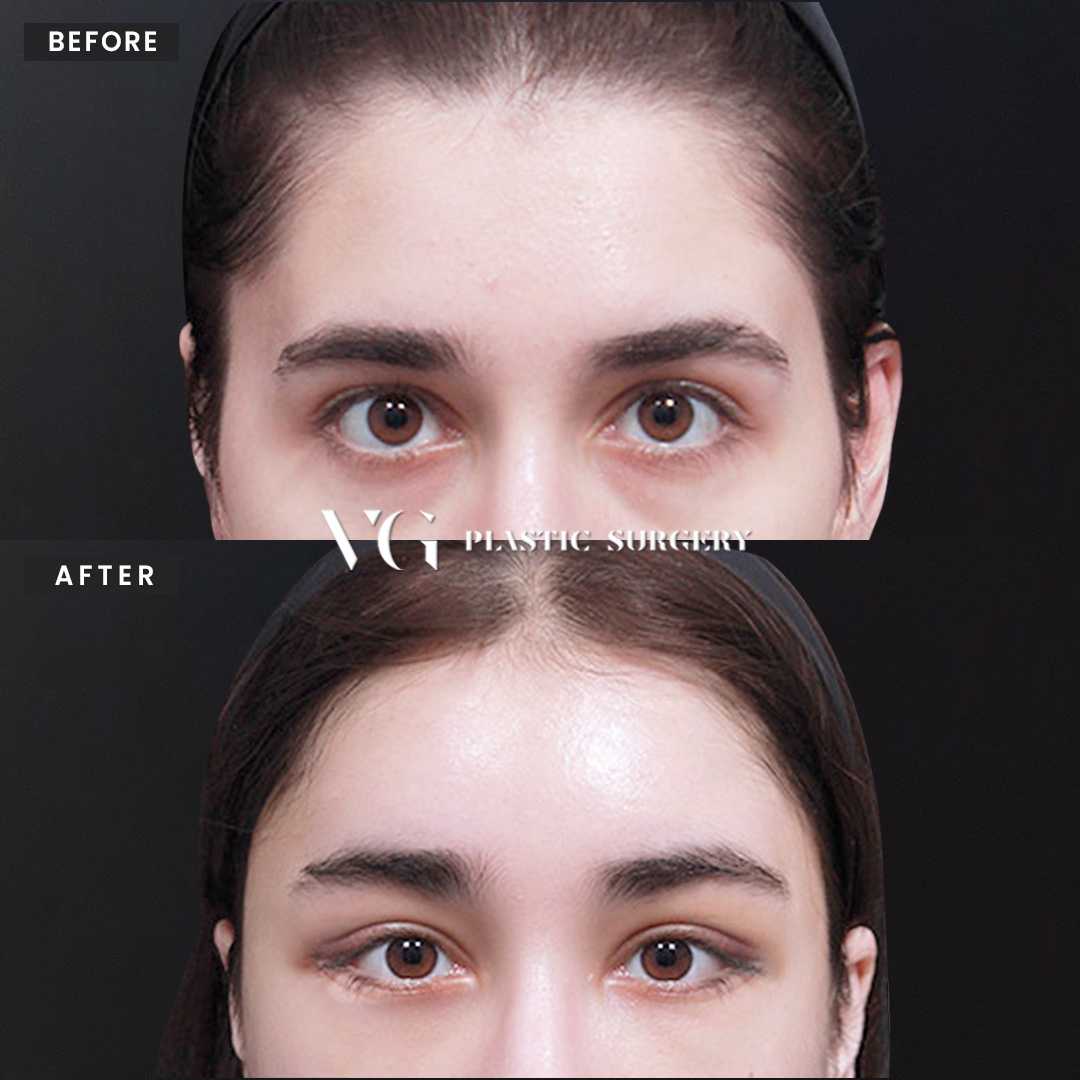
A.L. sought treatment to address a highly pronounced, square jawline that made her face appear wider than she desired. After undergoing a mandibular angle reduction, she experienced a safe recovery and achieved a softer, more tapered facial profile that complemented her natural features.
S.K. from Singapore
Struggling with facial asymmetry due to uneven lower jaw growth, S.K. opted for specialized jawline contouring. Utilizing advanced 3D planning, her surgical team effectively realigned and shaved the necessary bone, resulting in a significantly more balanced and symmetrical facial appearance.
M.T. from Thailand
M.T. wished to achieve a popular "V-line" shape and underwent a combined jaw reduction and genioplasty. She reported that the comprehensive pre-operative consultations helped set realistic expectations, and she was thrilled with the elegant, slender contour of her lower face after the swelling subsided.
J.D. from Indonesia
Seeking a more masculine but refined jaw structure, J.D. traveled for specialized contouring that avoided an overly delicate look. His surgeons expertly modified his mandibular angle to maintain a strong structural definition while reducing excessive width, perfectly aligning with his aesthetic goals.
Risks and Considerations for Facial Contouring in South Korea
While pursuing safe plastic surgery in South Korea is highly accessible, it is imperative to acknowledge that any surgery involving general anesthesia and bone modification carries inherent medical risks. Prospective patients must approach their decision with a clear understanding of potential complications. Common temporary side effects typically include numbness, swelling, and localized discomfort, which generally resolve over several months.
However, more serious risks such as infection, facial nerve injury, hematoma, or undesirable asymmetry can occur, albeit rarely when performed by board-certified specialists. Strict contraindications exist for individuals with severe underlying health conditions, poor bone density, or active oral infections. Always disclose your complete medical history to your chosen surgeon.
Facial bone contouring is an irreversible procedure. Patients must undergo thorough psychological and physical evaluations to ensure they possess realistic expectations and are medically fit for prolonged general anesthesia and a challenging recovery process.
Planning Your Medical Tourism Trip for Jawline Surgery in South Korea
Organizing medical travel to South Korea requires meticulous planning, far beyond securing a standard vacation itinerary. Due to the physical demands of facial contouring recovery, patients must prioritize proximity to their medical facility and ensure they have a calm, comfortable environment to rest. Translating medical documents, understanding visa requirements, and coordinating post-operative care are essential steps.
Southeast Asian patients must factor in the climate and local diet into their planning. Since you will generally be on a soft or liquid diet post-surgery, knowing where to easily access appropriate nutrition or having an accompanying caregiver can dramatically improve your recovery experience. Preparing thoroughly ensures a smooth transition from arrival to the day of surgery.
Pack loose, comfortable clothing that buttons or zips up the front. After facial surgery, pulling tight shirts over your head can be difficult, painful, and risks disrupting your facial compression bandages.
Qualifications of Facial Contouring Surgeons in South Korea
The key to minimizing risk and achieving optimal results lies in selecting the best facial contouring surgeons in South Korea. The country's medical board maintains rigorous standards for plastic and reconstructive surgery. Board-certified specialists typically undergo over a decade of intensive medical education, residency, and fellowship training specific to maxillofacial anatomy.
International patients should independently verify a surgeon's credentials before committing to any procedure. Trustworthy surgeons are highly transparent about their qualifications, success rates, and the specific surgical methodologies they employ for aesthetic bone alteration.
- Ensure the doctor is a verified member of the Korean Society of Plastic and Reconstructive Surgeons (KSPRS).
- Look for specialists who have dedicated extensive practice specifically to craniofacial or maxillofacial surgery, rather than general cosmetic procedures.
- Review their portfolio of international patients to confirm they have experience communicating with and addressing the anatomical traits of Southeast Asian demographics.
Popular Facial Contouring Procedures Combined with Jawline Surgery in South Korea
To achieve comprehensive facial harmony, many patients opt to undergo multiple complementary procedures during a single surgical session. Combining surgeries under one administration of general anesthesia can be cost-effective and consolidate the overall recovery timeline. When planning jawline surgery in South Korea, a holistic facial assessment often reveals that addressing only the lower jaw may not yield the most balanced aesthetic result.
Surgeons generally evaluate the upper and mid-face proportions in relation to the newly planned jawline. Based on individual anatomy and goals, experts may suggest adjunctive surgeries to refine the profile completely, provided the patient is medically cleared for a longer operative duration.
- Rhinoplasty (Nose Reshaping): Refining the nasal bridge and tip is frequently combined with jaw contouring to balance the patient's lateral facial profile.
- Zygoma (Cheekbone) Reduction: If a patient reduces their jawline significantly, wide cheekbones may appear disproportionately prominent, making this a common pairing.
- Buccal Fat Removal: To prevent the soft tissue from appearing heavy or sagging after the underlying bone is reduced, precise fat removal can enhance the sharpness of the new jawline.
Combining multiple facial bone contouring procedures is often referred to in the medical field as "facial feminization" or "profile balancing," depending on the specific aesthetic goals of the patient.
How PlacidWay Assists Your Jawline Surgery Medical Tourism Journey in South Korea
Navigating an international medical journey requires professional support to ensure safety, clear communication, and informed decision-making. PlacidWay serves as a dedicated medical tourism facilitator, connecting Southeast Asian patients with highly vetted specialists for facial contouring in South Korea. Our platform focuses on bridging the gap between international patients and world-class healthcare providers.
We empower patients by providing comprehensive access to detailed provider profiles, procedural education, and transparent medical credentials. By utilizing our network, individuals can make confident, informed choices regarding their surgical care abroad.
- Facilitating the secure transfer of your preliminary medical records and diagnostic images to prospective surgeons for remote evaluation.
- Assisting with the scheduling of initial virtual consultations to help you connect with qualified facial contouring specialists before making a commitment.
- Providing comprehensive educational resources regarding procedure specifics, standard recovery protocols, and provider qualifications.
- Streamlining communication between you and the international departments of medical centers to ensure your medical queries are promptly addressed.
Frequently Asked Questions About Jawline Surgery in South Korea
Making the decision to pursue complex aesthetic surgery abroad naturally generates numerous questions. Southeast Asian patients seeking jawline surgery in South Korea frequently inquire about logistics, safety protocols, and realistic recovery expectations.
Below is a curated list of frequently asked questions designed to provide clarity on the medical tourism process and the specifics of facial contouring procedures.
How long do I need to stay in South Korea for jawline surgery?
Most patients typically need to stay in South Korea for 10 to 14 days after their procedure. This timeframe generally allows surgeons to monitor initial healing and safely remove stitches before you travel.
Is jawline surgery painful?
Patients generally experience swelling and discomfort rather than severe pain, which is typically managed effectively with prescribed medications. The initial few days are the most challenging, but discomfort usually subsides gradually.
When can I see the final results of my facial contouring?
While initial swelling goes down within a few weeks, it typically takes six months to a full year to see the final, refined results. Bone healing and tissue settling are gradual processes that require patience.
Are there dietary restrictions after jawline surgery?
Yes, patients are strictly required to follow a liquid diet for the first week to two weeks, gradually transitioning to soft foods. Chewing solid or hard foods must generally be avoided for at least a month to protect the surgical site.
What is the difference between V-line surgery and jaw reduction?
Jaw reduction typically focuses only on shaving the angles of the lower jaw to reduce width. V-line surgery generally combines jaw reduction with chin contouring (genioplasty) to create a slender, continuous contour from the jaw to the chin.
Do I need a special medical visa for South Korea?
Citizens from many Southeast Asian countries may enter South Korea on a short-term tourist visa, but a medical visa (C-3-3 or G-1-10) might be required depending on your nationality and length of stay. Always verify current visa regulations with the local embassy prior to travel.
Can I combine rhinoplasty with jawline surgery?
Yes, many patients choose to combine procedures to achieve comprehensive facial harmony in a single surgical session. However, this depends on individual health assessments and your surgeon's professional recommendation.
How do clinics communicate with international patients?
Top medical facilities catering to international patients typically provide dedicated in-house translators who are fluent in English and various Southeast Asian languages. This ensures clear communication regarding medical history, surgical goals, and post-operative instructions.
Will I have visible scars after jawline surgery?
Surgeons typically perform facial contouring through incisions made inside the mouth to avoid visible facial scarring. In rare cases where external incisions are necessary, they are usually hidden strategically in natural skin creases.
What happens if I need follow-up care in my home country?
Reputable surgeons typically provide comprehensive digital medical records and clear post-operative imaging for you to share with local healthcare providers. Medical tourism facilitators can also assist in establishing communication between your primary surgeon and local specialists.
Take the Next Step Toward Your Jawline Surgery in South Korea
Embarking on a journey for advanced aesthetic transformation requires access to reliable information and trusted medical professionals. South Korea continues to set the global standard for complex bone contouring, offering Southeast Asian patients a blend of surgical mastery, technological innovation, and comprehensive patient care. By prioritizing safety and thorough research, you can navigate your medical travel experience with confidence.
If you are ready to explore your options for jawline surgery in South Korea, PlacidWay is here to guide your initial steps. Connect with highly qualified specialists, review detailed procedure insights, and begin planning your pathway to achieving your aesthetic goals today.
Ready to explore top-rated specialists for your facial contouring journey? Let PlacidWay connect you with board-certified surgeons.
Medical Disclaimer: This article is for informational purposes only and is not medical advice. Always consult a qualified healthcare provider before any medical decisions. Results may vary. Read Full Disclaimer here.
References:
- American Society of Plastic Surgeons (ASPS). Jaw Contouring Surgery Overview. https://www.plasticsurgery.org/cosmetic-procedures
- National Center for Biotechnology Information (NCBI). Outcomes and Complications in Asian Facial Bone Contouring Surgery. https://pmc.ncbi.nlm.nih.gov/articles/PMC2884897/
- International Society of Aesthetic Plastic Surgery (ISAPS). Global Statistics on Cosmetic Procedures. https://www.isaps.org/discover/about-isaps/global-statistics/
- Stanford Medicine. Craniofacial Surgery Patient Guides. https://med.stanford.edu/plasticsurgery/patient_care/craniofacial-surgery/cleft-craniofacial-surgery.html
- Mayo Clinic. Orthognathic (Jaw) Surgery: What You Can Expect. https://www.mayoclinic.org/tests-procedures/jaw-surgery/about/pac-20384990





.png)
.jpg)
.png)
.png)


.png)
.png)
.jpg)
.jpg)








Share this listing