


Total Hip Replacement in Tijuana Mexico is a surgical procedure where a damaged hip joint is replaced with a durable prosthetic, offering Canadians a fast, affordable alternative to extensive public healthcare waitlists. Costing between $12,000 and $18,000 USD, packages typically include FDA-approved implants, hospital stays, and surgery by board-certified orthopedists, allowing patients to bypass waits of 12 to 24 months.

In Ontario, the public healthcare system is built on a promise of universal access, but for patients suffering from severe joint degeneration, that access often comes with a devastatingly long wait. According to recent provincial data, thousands of Canadians face wait times stretching from 12 to 24 months for elective orthopedic procedures. During this waiting period, patients frequently endure chronic pain, reduced mobility, and a rapidly declining quality of life. For active adults and seniors who cannot afford to put their lives on hold, waiting is simply no longer an option.
As a result, a massive paradigm shift is occurring. To bypass the provincial backlog, an increasing number of individuals are exploring international options. Specifically, patients are discovering the immense value of undergoing a Total Hip Replacement in Tijuana Mexico. Positioned just minutes across the US border from San Diego, California, Tijuana has evolved into a premier destination for world-class, globally accredited orthopedic care.
This comprehensive guide is designed to empower Canadian patients with the facts. We will explore exactly how the cross-border medical journey works, compare the financial realities of private surgery, outline the step-by-step surgical process, and address critical safety considerations. By the end of this article, you will have a clear, objective roadmap to determine if medical tourism is the right choice for your joint health.
What is Total Hip Replacement?
Total hip arthroplasty (hip replacement) is one of the most successful interventions in modern medicine, designed to restore function to a deteriorated joint.
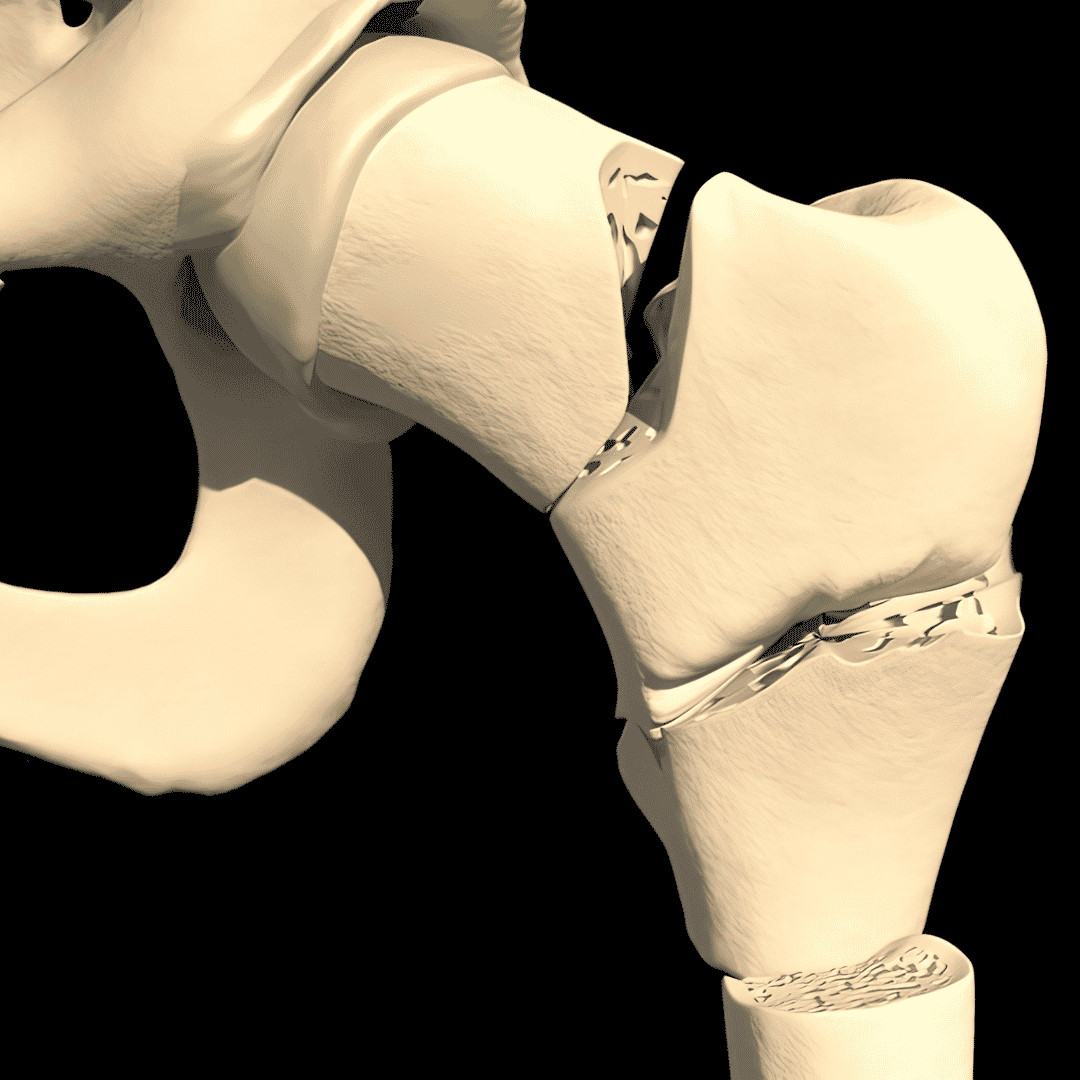
A total hip replacement involves removing the diseased or damaged bone and cartilage from the hip joint and replacing it with artificial components. The surgeon replaces the head of the femur (thighbone) with a metal or ceramic ball and lines the pelvic socket (acetabulum) with a durable plastic, ceramic, or metal cup. Over time, the body undergoes osseointegration—the process where the natural bone grows into the porous surface of the titanium implant, creating a permanent, stable bond.
Types of Hip Replacement Approaches
Surgeons in Mexico utilize the same advanced surgical techniques found in top North American hospitals. The two primary approaches are:
- Anterior Approach: The surgeon accesses the hip from the front of the leg, parting the muscles rather than cutting them. This often results in a faster initial recovery and a lower risk of post-operative dislocation.
- Posterior Approach: The traditional method where the surgeon accesses the joint from the back. It provides excellent visibility for the surgeon and is highly effective for complex anatomical deformities or revision surgeries.
Why Canadians Are Looking South?
While the Ontario Health Insurance Plan (OHIP) covers the full cost of a hip replacement, the system operates on a triage basis. Life-threatening conditions take precedence, pushing "elective" joint replacements down the queue. As wait times exceed clinical guidelines, patients experience muscle atrophy, dependency on harsh pain medications, and psychological distress. Tijuana offers immediate scheduling—usually within two to four weeks—allowing patients to reclaim their mobility on their own timeline rather than the government's.
Cost Comparison: Mexico vs. Global Prices
For Canadians opting out of the public queue, the alternative is paying out-of-pocket at a private surgical center. However, domestic private healthcare or traveling to the United States carries exorbitant price tags. Exploring a Total Hip Replacement in Tijuana Mexico provides profound financial relief without compromising clinical standards.
Note: Prices are estimates and vary based on patient health status, the specific implant brand chosen, and the complexity of the surgery.
What Factors Into the Package Cost?
Medical tourism centers in Mexico operate on an all-inclusive package model. This transparent pricing structure shields patients from surprise medical bills. A standard comprehensive package typically includes:
- Pre-operative cardiovascular evaluations, X-rays, and extensive blood panels.
- Surgeon, anesthesiologist, and specialized nursing staff fees.
- A premium, FDA-approved prosthetic implant (brands like Zimmer Biomet, Stryker, or DePuy Synthes).
- 3 to 4 nights in a private, fully equipped hospital room.
- Ground transportation between the San Diego International Airport and the Tijuana hospital.
Why is it so much cheaper?
The affordability of Mexican healthcare does not equate to inferior quality. The savings stem from macroeconomic factors: lower administrative overhead, favorable currency exchange rates, reduced malpractice insurance premiums for doctors, and a streamlined private healthcare sector unburdened by inflated insurance negotiations. These systemic efficiencies are passed directly to the patient.
The Step-by-Step Surgical Procedure
Traveling from Ontario for major orthopedic surgery requires seamless logistics. Most patients fly from Toronto Pearson (YYZ) or Ottawa directly to San Diego (SAN). Knowing exactly what to expect helps alleviate anxiety and ensures a structured, safe experience. Here is the typical 7-step process:
- Remote Medical Evaluation: Before you book flights, you submit your local X-rays and medical history. The Tijuana orthopedic surgeon reviews your case, confirms your candidacy, and discusses implant options via a secure video consultation.
- Arrival and Border Crossing: You arrive at San Diego International Airport. A bilingual clinic representative greets you and transports you across the border through a dedicated medical lane directly to the hospital in Tijuana.
- In-Person Pre-Operative Testing: Upon arrival at the clinic, you undergo a physical examination, an EKG, and blood work to ensure you are healthy enough for general or spinal anesthesia.
- Anesthesia Administration: On surgery day, the anesthesiologist administers either a general anesthetic (putting you fully to sleep) or a regional spinal block (numbing the lower half of your body alongside heavy sedation).
- The Joint Replacement (1.5 to 2 hours): The surgeon creates the incision, carefully removes the deteriorated bone and cartilage, and precisely positions the titanium and ceramic/plastic implant to restore perfect joint alignment.
- Recovery Room Observation: You are moved to a specialized recovery ward where nurses monitor your vital signs, manage acute pain intravenously, and watch for immediate post-surgical complications.
- Hospital Stay and Early Mobility (Days 2-4): Unlike fast-tracked North American clinics, Mexican hospitals typically keep you inpatient for several days. Physical therapists will help you stand and take your first steps with a walker within 24 hours of surgery.
Safety and Quality Standards in Mexican Orthopedics
The most common question Canadian patients ask is: "Is it safe to have joint replacement surgery in Mexico?" The direct answer is yes—provided you select a thoroughly vetted, internationally accredited medical institution and a board-certified surgeon.
Accreditation and Hospital Standards
The landscape of Mexican private healthcare is highly advanced. Premium medical tourism facilities actively seek international validation to attract North American patients. When evaluating a hospital, look for Joint Commission International (JCI) accreditation or certification from the Mexican General Health Council (CSG). These organizations enforce strict, globally recognized protocols regarding operating room sterility, infection control, and emergency intensive care capabilities.
Surgeon Credentials
Orthopedic excellence is driven by the surgeon's experience. Top Tijuana orthopedists undergo rigorous medical training, often completing fellowships in joint reconstruction in the United States, Canada, or Europe. To guarantee safety, your surgeon must be certified by the Consejo Mexicano de Ortopedia y Traumatología (CMOT). High-volume surgeons—those performing hundreds of joint replacements annually—consistently yield lower complication rates and superior patient outcomes.
Risk Mitigation
Top clinics mitigate risks by utilizing the exact same FDA-approved prosthetics used in Canadian hospitals. There are no "knock-off" joints in reputable centers; you receive authentic components from global industry leaders, complete with serial numbers and manufacturer warranties. Furthermore, extended hospital stays allow for prolonged intravenous antibiotics and close monitoring of deep vein thrombosis (DVT) risks.
Post-Operative Recovery and Aftercare Timeline
Surgery is only the beginning of your journey back to mobility. The success of a hip replacement relies heavily on diligent post-operative care and adherence to a structured physical therapy regimen. Because you will be traveling internationally, understanding the recovery phases is crucial.
The Recovery Phases
- Phase 1: In-Country Healing (Days 1-7): You will spend 3 to 4 days in the hospital, followed by a few days in a nearby medical recovery hotel. You will learn to navigate stairs with crutches or a walker and practice specific movements that protect your new joint.
- Phase 2: The Journey Home (Week 2): Once your surgeon provides medical clearance, you will fly back to Ontario. You must arrange for wheelchair assistance at the airports and wear compression stockings to prevent blood clots during the flight.
- Phase 3: Home Rehabilitation (Weeks 3-8): You transition to outpatient physical therapy in Canada. Focus shifts to strengthening the abductor muscles and restoring a normal gait pattern. Most patients return to desk work and light driving during this window.
- Phase 4: Long-Term Maintenance (Months 3-12): The joint reaches maximum medical improvement. You can resume low-impact activities like swimming, cycling, and golfing. High-impact sports (like running or singles tennis) are generally discouraged to preserve the life of the implant.
Warning Signs to Watch For
If you experience any of the following upon returning to Canada, seek immediate medical attention:
- Excessive swelling, warmth, or red streaking around the surgical incision.
- A persistent fever exceeding 101°F (38.3°C).
- Sudden, severe pain in the hip or an inability to bear weight.
- Sharp chest pain or sudden shortness of breath (a potential sign of a pulmonary embolism).
How to Choose a Clinic for Total Hip Replacement?
Booking a major surgery abroad requires a proactive, investigative approach. Never select a provider based solely on the lowest price. Use this practical 6-point checklist to evaluate potential clinics and protect your health investment.
- Verify Board Certification: Ensure the surgeon is CMOT-certified and ask specifically how many total hip replacements they perform per year (aim for 100+).
- Confirm Hospital Accreditation: Request proof that the facility holds active JCI or national CSG accreditation and features an on-site Intensive Care Unit (ICU).
- Demand Implant Transparency: Ask for the exact brand and model of the prosthetic hip. Reputable clinics will gladly provide this information.
- Review the Written Quote: Ensure you receive a comprehensive, itemized quote. Verify that it includes the implant, surgeon fees, anesthesia, and hospital stay to avoid hidden costs.
- Assess Language and Communication: The surgical team and international coordinators must communicate clearly in English to ensure you fully understand your care instructions.
- Plan Your Canadian Follow-Up: Before booking your trip, find a local physical therapist and inform your family doctor in Ontario so they are prepared to oversee your long-term rehabilitation.
Risks, Limitations, and Contraindications
Every surgical procedure, regardless of geographical location, carries inherent clinical risks. When traveling internationally for a joint replacement, logistical complexities compound these medical risks. It is essential to maintain realistic expectations and understand when medical tourism is not appropriate.
Honest Contraindications
Total Hip Replacement in Tijuana Mexico is not recommended for everyone. You should likely remain in Canada for surgery if you:
- Have a Body Mass Index (BMI) over 40, which drastically increases the risk of infection and anesthesia complications.
- Suffer from severe, unmanaged cardiovascular disease, recent heart attacks, or advanced kidney failure.
- Have active infections or severe osteoporosis that could prevent the implant from securely anchoring to the bone.
- Cannot arrange for reliable support at home or afford post-operative physical therapy in Canada.
Challenges of Follow-Up Care
The primary limitation of medical tourism is continuity of care. If a delayed complication occurs—such as a deep joint infection three months post-surgery—you cannot easily return to your Mexican surgeon. You will need to rely on the Canadian public system to manage the complication. While OHIP covers emergency complications regardless of where the initial surgery took place, navigating a different doctor who did not perform the original procedure can be stressful.
5-Step Action Plan for Mexico Medical Travel
If you have decided that waiting a year or more in pain is unacceptable, it is time to take structured action. Follow this 5-step framework to transition from research to recovery safely and efficiently.
- Acquire Your Medical Records: Request copies of your most recent pelvic/hip X-rays, MRI reports, and medical history from your Ontario physician. You need these to get an accurate remote diagnosis.
- Research and Shortlist Clinics: Utilize global platforms like PlacidWay to identify 2 or 3 top-tier, accredited orthopedic centers in Tijuana. Review patient testimonials and surgeon credentials.
- Conduct Remote Consultations: Schedule video calls with the shortlisted surgeons. Ask tough questions about their complication rates, infection protocols, and what specific implant they recommend for your lifestyle.
- Finalize Logistics and Booking: Choose your clinic, place a deposit to secure your surgical date, and book your flights to San Diego. Ensure your Canadian passport is valid for at least six months past your travel date.
- Prepare Your Home: Set up your Ontario home for recovery. Remove tripping hazards (like throw rugs), install grab bars in the bathroom, and secure a raised toilet seat before you leave for Mexico.
Frequently Asked Questions
Reclaim Mobility and Quality of Life
Facing a multi-year wait for an orthopedic procedure in Ontario is a heavy physical and emotional burden. However, you are not trapped by the limitations of the public system. By pursuing a Total Hip Replacement in Tijuana Mexico, you can access internationally accredited, high-quality orthopedic care at a fraction of the cost of domestic private alternatives. With comprehensive packages, FDA-approved implants, and rapid scheduling, Tijuana provides a definitive pathway out of pain.
Your health and mobility are your most valuable assets. Do not let chronic joint pain dictate your lifestyle while you languish on a waiting list.
Take Control of Your Healthcare Today
Connect with top-rated orthopedic surgeons in Tijuana. Request an itemized cost estimate, review hospital credentials, and book a free remote consultation to discuss your specific medical needs.
The information in this article is for educational purposes only and does not constitute medical advice. Individual results vary based on health status, case complexity, and other factors. Always discuss your specific situation with a licensed healthcare professional before making treatment decisions. PlacidWay connects patients with verified healthcare providers but does not provide medical services directly.
- Mayo Clinic: Hip Replacement - Patient Guide
- World Health Organization (WHO): Musculoskeletal Conditions
- National Institutes of Health (NIH): Outcomes of Total Hip Arthroplasty
- PlacidWay Medical Tourism: Orthopedic Surgery Abroad Options







.png)











Share this listing