


When researching Artificial Disc Replacement in Puerto Vallarta versus the USA or Canada, the most critical differentiator is the cost. Artificial disc replacement in Puerto Vallarta typically costs $12,000 to $18,000 USD, representing a 60% to 70% savings compared to the $35,000–$55,000 average out-of-pocket cost in North America. These medical tourism packages generally include the neurosurgical procedure, hospital stay, premium FDA-approved implants (like Mobi-C or ProDisc), and dedicated medical transportation, all performed in globally accredited facilities.

Living with chronic neck or lower back pain can be utterly debilitating. Conditions like degenerative disc disease, herniated discs, and spinal stenosis can strip away your mobility, disrupt your sleep, and severely impact your quality of life. For decades, the standard surgical answer for severe spinal disc degradation was spinal fusion. While effective for pain relief, fusion permanently locks spinal segments together, restricting natural movement and potentially causing adjacent segment disease over time.
Today, medical technology offers a superior alternative: motion-preserving spine surgery. However, navigating the North American healthcare system to access this procedure often means facing staggering out-of-pocket costs, insurance denials labeling the procedure as "experimental," or agonizingly long waitlists in universal healthcare systems. This frustrating reality leads thousands of patients each year to explore cross-border medical options.
Pursuing Artificial Disc Replacement in Puerto Vallarta has emerged as a world-class solution. Nestled on Mexico’s stunning Pacific coast, Puerto Vallarta combines state-of-the-art medical infrastructure with the tranquil environment ideal for post-operative recovery. Here, board-certified neurosurgeons and orthopedic spine specialists utilize the exact same FDA-approved prosthetics found in top US hospitals, but at a fraction of the price.
This comprehensive guide is designed to empower your healthcare journey. In the sections below, we will thoroughly explore:
- What artificial disc replacement entails? And why Puerto Vallarta is a leading destination?
- A transparent cost comparison and value breakdown
- The step-by-step surgical and recovery process
- Essential safety protocols and checklists to ensure you choose the best possible medical provider
Quick Facts at a Glance
Essential benchmarks for patients researching motion-preserving spinal arthroplasty in Mexico.
- Average Cost in Puerto Vallarta
- $12,000 – $18,000
- Average Cost in the USA
- $35,000 – $55,000+
- Hospital Stay
- 2 – 3 Nights
- Required Time in Destination
- 10 – 14 Days
- Premium Implant Brands
- Mobi-C, ProDisc, Prestige LP
- Full Recovery Timeline
- 8 – 12 Weeks
What is Artificial Disc Replacement (ADR)?
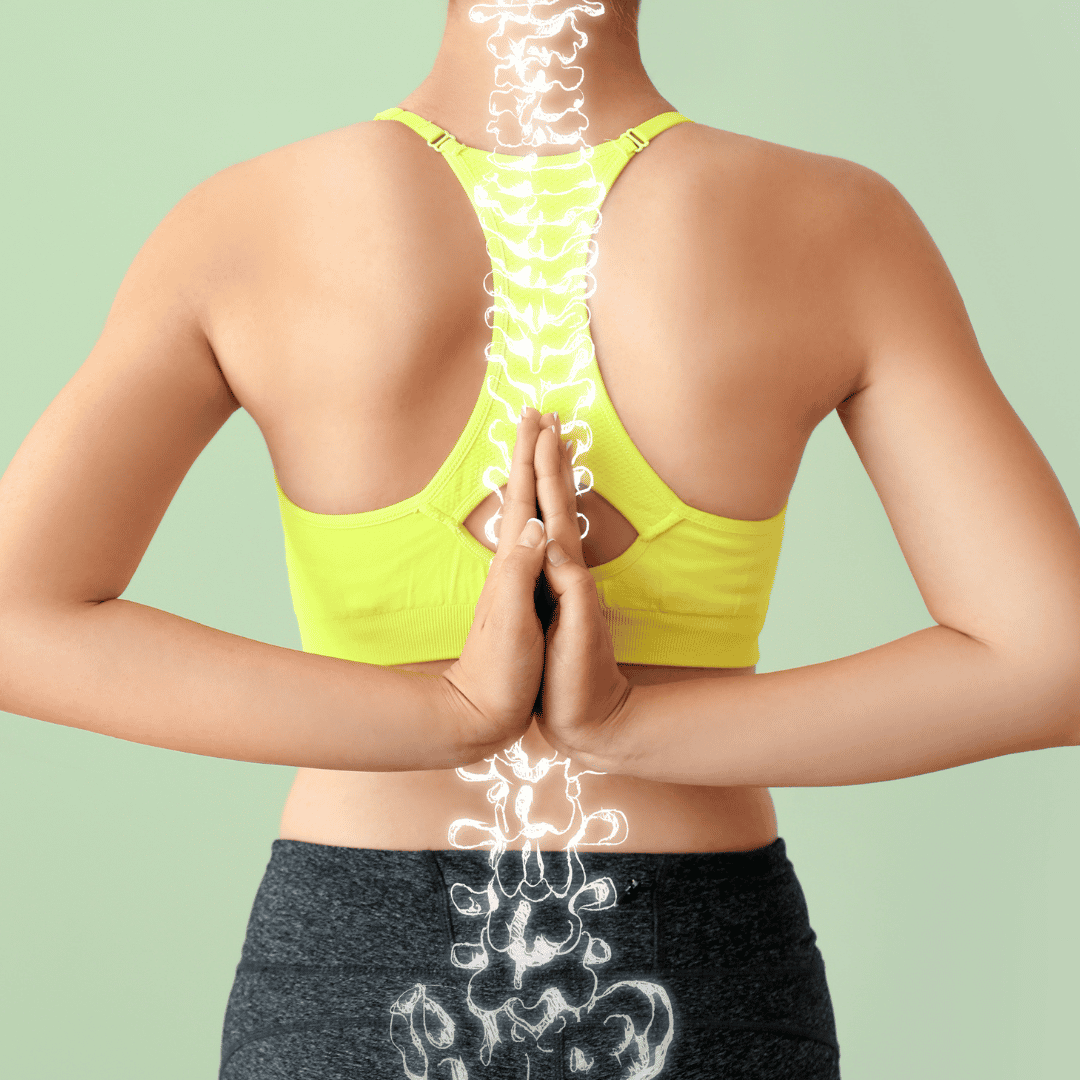
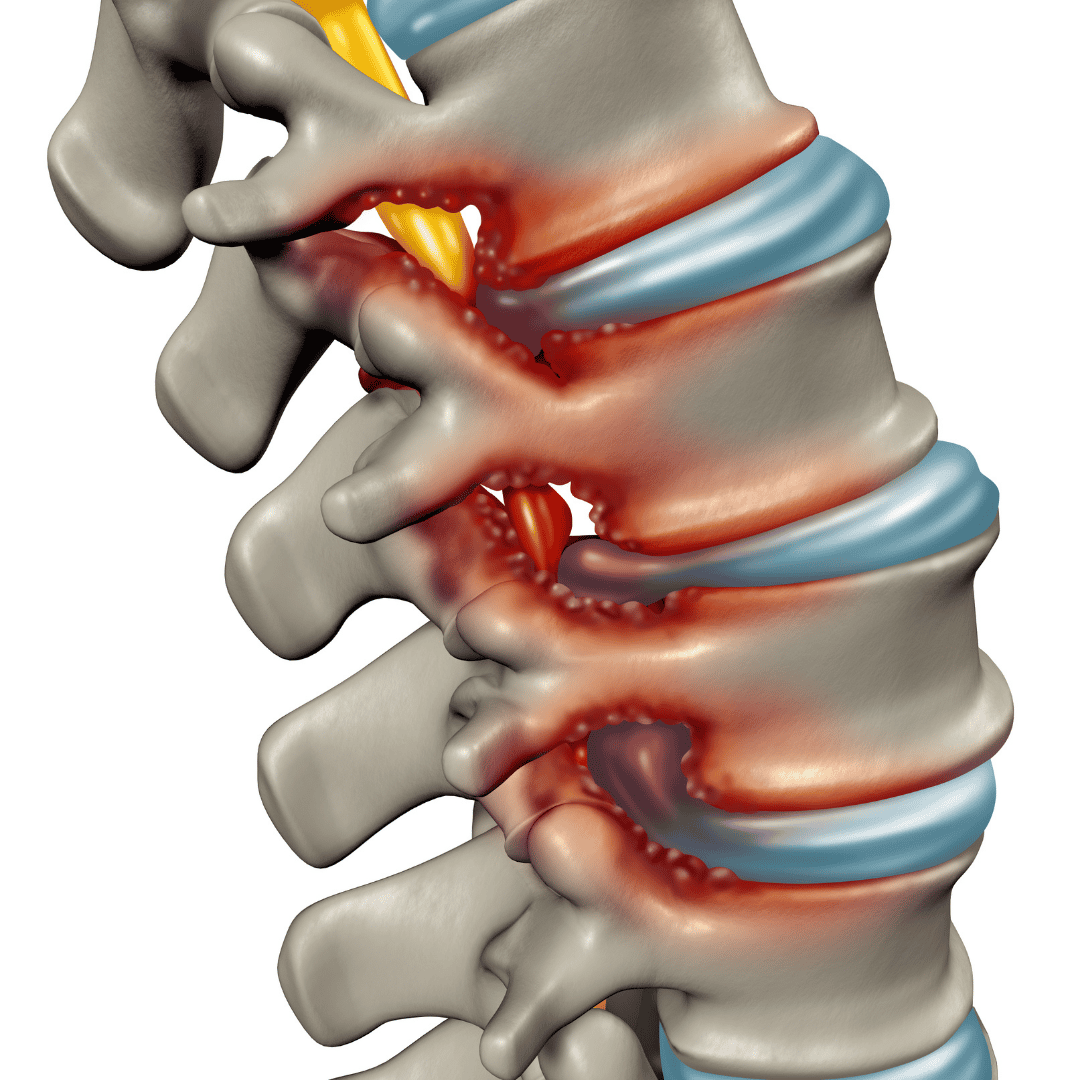
The human spine consists of vertebrae separated by intervertebral discs, which act as shock absorbers. When these discs degenerate due to age, trauma, or genetics, they can bulge or collapse, pressing painfully against the spinal cord or exiting nerve roots. ADR surgery meticulously removes the damaged disc material and inserts an articulating device made of biocompatible materials—usually a combination of titanium, cobalt-chromium, and medical-grade polyethylene.
Cervical vs. Lumbar Disc Replacement
The procedure is typically categorized into two primary areas of the spine:
- Cervical Disc Replacement (Neck): Performed through a small incision in the front of the neck. It is highly effective for relieving arm pain, numbness, and neck stiffness. The cervical spine is the most common and successful area for disc replacement.
- Lumbar Disc Replacement (Lower Back): Performed through an incision in the abdomen to access the lower spine safely. It addresses severe lower back pain and sciatica. Lumbar ADR requires specialized vascular and neurosurgical teamwork to navigate around major abdominal blood vessels safely.
Why do patients choose Puerto Vallarta for this specific operation?
Beyond the world-class medical facilities, the region offers a distinct psychological advantage. Spine surgery requires a calm, low-stress environment for initial recovery. Recovering in a serene coastal destination with premium hospital hospitality drastically reduces the stress often associated with major medical procedures.
Cost Breakdown: Puerto Vallarta vs USA
The financial barrier to spine surgery in North America is substantial. Even with insurance, co-pays and deductibles for advanced spine procedures can ruin a family's finances. The table below outlines the stark contrast in costs, highlighting why medical tourism has become a mainstream solution.
Note: Costs vary based on whether it is a single-level or multi-level replacement, the specific region of the spine (cervical vs. lumbar), and the exact brand of the prosthetic disc required for your anatomy.
What is Included in a Puerto Vallarta Spine Package?
When booking Artificial Disc Replacement in Puerto Vallarta through reputable medical tourism facilitators, you are quoted an "all-inclusive" medical package. This typically covers:
- Primary neurosurgeon and assistant surgeon fees
- Anesthesiologist fees and specialized spinal monitoring
- The prosthetic disc implant (e.g., Mobi-C, ProDisc)
- 2 to 3 nights in a private, high-tech hospital room
- Pre-operative blood work, X-rays, and physical evaluations
- Ground transportation between the local airport, hotel, and hospital
What is Excluded?
- Airfare to and from Puerto Vallarta (PVR Airport)
- Post-operative hotel accommodations (usually 7 to 10 additional days)
- Long-term physical therapy in your home country
Why is it so much cheaper?
Many patients wonder if lower costs equate to lower quality. In the case of premium medical tourism hubs, this is a misconception. The dramatic cost reduction is driven by macroeconomic factors: lower administrative overhead, favorable currency exchange rates, reduced malpractice insurance premiums due to different legal frameworks, and the avoidance of hyper-inflated US hospital markups. The surgical skill and the titanium implant remain world-class.
Step-by-Step ADR Spine Surgery Journey in Mexico
Traveling abroad for major neurosurgery requires meticulous planning. Knowing exactly what happens at each stage of your journey helps mitigate anxiety and sets realistic expectations for your care.
- Remote Evaluation (Weeks Prior): Your journey begins at home. You will securely send recent MRI and X-ray imaging to the spine center in Puerto Vallarta. A board-certified neurosurgeon or orthopedic spine specialist will review your case to confirm if you are a candidate for ADR rather than a fusion.
- Arrival and Pre-Op (Day 1): You fly into Licenciado Gustavo Díaz Ordaz International Airport (PVR). A medical concierge driver transports you to your clinic. You undergo comprehensive pre-operative testing, including EKGs, blood panels, and an in-person consultation with your surgical team.
- The Surgical Procedure (Day 2): Administered under general anesthesia, the surgery takes roughly 2 to 3 hours per disc level. The surgeon makes an anterior (front) incision, carefully navigates around vital structures, removes the degenerated disc, decompresses the nerves, and securely anchors the new artificial disc into place.
- Hospital Observation (Days 2-4): You will stay in the hospital for 2 to 3 nights. Pain management is prioritized using IV medications. Physical therapists will assist you out of bed within 24 hours of surgery to promote blood circulation and begin gentle mobility.
- In-Country Recovery (Days 5-12): You are discharged to a local recovery hotel. You will rest, take brief walks to encourage healing, and attend follow-up appointments. The surgical team will monitor your incision site.
- Clearance for Travel (Day 13-14): Once the surgeon confirms your neurological function is stable and incisions are healing beautifully, you will receive medical clearance to fly home and transition to outpatient care.
Safety and Quality Standards
Is it safe to undergo spinal arthroplasty in Mexico? Yes, provided you select an internationally accredited facility and a highly credentialed surgical team. Safety in medical tourism is achieved through rigorous, uncompromising vetting.
Surgeon Credentials in Mexico
When dealing with the spine and central nervous system, expertise is non-negotiable. Elite spine surgeons in Puerto Vallarta possess credentials that mirror those of top specialists worldwide:
- Board Certification: Look for certification by the Mexican Council of Neurological Surgery (Consejo Mexicano de Cirugía Neurológica) or the Mexican Board of Orthopedics.
- Global Fellowships: The top-tier surgeons frequently complete advanced spine fellowships in the United States, Germany, or Canada, specializing specifically in motion-preserving arthroplasty.
- International Affiliations: Active membership in the North American Spine Society (NASS) or AO Spine demonstrates a commitment to ongoing global medical education.
Hospital Accreditation
Do not compromise on the facility. The hospital should be certified by the Consejo de Salubridad General (CSG)—Mexico’s equivalent to the Joint Commission—or hold direct Joint Commission International (JCI) accreditation. These bodies mandate strict protocols for operating room sterility, ICU readiness, infection control, and anesthesia safety.
Recovery Timeline and Aftercare
One of the greatest benefits of Artificial Disc Replacement compared to fusion is a significantly faster, less restrictive recovery. Because the surgeon does not have to wait for bones to graft together, patients can often regain mobility much sooner.
Phased Recovery Timeline
- Weeks 1–2 (Acute Healing): You will experience surgical site pain, muscle spasms, and a sore throat (if a cervical procedure was performed). The focus is on rest, short walks, and avoiding any bending, lifting, or twisting. A soft collar or brace may be prescribed temporarily.
- Weeks 3–6 (Increasing Mobility): Surgical pain subsides dramatically. Many patients report immediate relief from their pre-surgery nerve pain. You may return to light desk work and driving, provided you are no longer taking narcotic pain medications. Osseointegration (bone growing onto the implant) begins.
- Months 2–3 (Physical Therapy): You will commence guided physical therapy to strengthen the core or neck muscles. The artificial disc allows you to maintain normal range of motion. Light cardiovascular exercise is permitted.
- Months 4+ (Full Clearance): Most patients are cleared to return to standard activities, including low-impact sports, with a fully stabilized artificial disc.
Warning Signs to Watch For Post-Op
Though complications are rare, you must monitor your body closely. Contact medical professionals immediately if you experience:
- Difficulty breathing, swallowing, or sudden chest pain (requires emergency care).
- A sudden return or worsening of nerve pain, numbness, or weakness in your arms or legs.
- Signs of infection at the incision site: excessive redness, swelling, warmth, or purulent drainage.
- A fever exceeding 101°F (38.3°C).
How to Choose the Right Spine Clinic in Mexico?
Your spine is arguably the most critical structural component of your body. Choosing the right medical provider in Puerto Vallarta requires diligence. Use this practical checklist to make a highly informed decision.
- Verify Surgeon Specialization: Ensure the doctor specifically specializes in spine surgery, not general orthopedics or general neurosurgery. Ask how many ADR procedures they perform annually.
- Confirm Implant Brands: Request the specific brand name of the implant in writing. Reputable clinics use globally recognized devices like the Mobi-C, ProDisc-C, or Prestige LP.
- Assess Hospital Accreditation: Ensure the surgery takes place in a fully equipped hospital (CSG or JCI accredited) with an on-site Intensive Care Unit (ICU)—never a small outpatient clinic.
- Review Transparent Pricing: Your quote should explicitly itemize surgeon fees, hospital stay, anesthesia, and the cost of the prosthetic implant. Beware of vague estimates.
- Plan Home-Country Follow-Up: Establish contact with a local primary care doctor or physical therapist who is willing to monitor your long-term recovery once you return from Mexico.
Red Flags to Avoid
Exercise caution and consider walking away if a clinic pressures you to book immediately with aggressive sales tactics, refuses to set up a direct video consultation with the surgeon, cannot provide the brand name of the implant, or quotes a price that seems suspiciously low (e.g., under $8,000 for spinal arthroplasty).
Risks, Limitations, and Contraindications
Every surgery, no matter how advanced, carries inherent risks. When exploring Artificial Disc Replacement in Puerto Vallarta, you must have an honest understanding of the clinical limitations and who is genuinely eligible for the procedure.
Clinical Risks of ADR
Research indicates that while ADR is highly successful, risks include infection, bleeding, adverse reactions to anesthesia, and in rare cases, implant migration or failure. Additionally, the surgery may fail to completely resolve all pre-existing chronic pain, especially if nerve damage was extensive prior to surgery.
Who Should NOT Pursue Artificial Disc Replacement?
Not everyone is a candidate for motion preservation. ADR is generally contraindicated (not recommended) for patients who have:
- Significant osteoporosis or poor bone quality, which prevents the implant from anchoring securely into the vertebrae.
- Severe facet joint arthritis; maintaining motion in arthritic joints will continue to cause pain.
- Spinal instability, spondylolisthesis, or severe scoliosis (these conditions require the stabilizing effects of a spinal fusion).
- Active spinal infections or prior extensive spinal surgeries at the same level.
Travel-Specific Risks
The main limitation of international medical travel is the distance from your surgeon during the post-operative phase. Furthermore, flying too soon after surgery elevates the risk of Deep Vein Thrombosis (blood clots). Patients must strictly adhere to the mandatory 10-to-14-day stay in Puerto Vallarta to mitigate these risks before flying.
5-Step Action Plan for ADR Spine Surgery in Mexico
If you are ready to explore your options for a pain-free future, follow this structured, actionable framework to ensure a smooth and safe process.
- Obtain Fresh Imaging: Secure a high-resolution MRI of your spine that is no more than 3 to 6 months old. Surgeons cannot legally or safely quote a procedure without current imaging.
- Request Multiple Quotes: Use medical tourism platforms to gather 2 to 3 detailed quotes from top-rated spine centers in Puerto Vallarta. Compare the package inclusions side-by-side.
- Schedule a Video Consultation: Book a telemedicine appointment with the neurosurgeon. Discuss your symptoms, ask about their experience with your specific spinal issue, and discuss implant options.
- Coordinate Local Aftercare: Speak with your local physician or physical therapist to ensure they are on board to manage your post-operative rehabilitation once you return.
- Organize Logistics: Once comfortable with your choice, finalize your surgical dates, book your flights to PVR, and ensure your passport is valid for at least six months past your travel dates.
Take the First Step Toward a Pain-Free Spine
Connect with internationally accredited spine centers in Puerto Vallarta. Review surgeon profiles, compare package costs, and schedule a free, no-obligation video consultation today.
Frequently Asked Questions
Make an Empowered Healthcare Decision
Choosing to undergo Artificial Disc Replacement in Puerto Vallarta is a significant decision that holds the potential to dramatically restore your quality of life. By stepping outside the confines of the North American healthcare pricing model, you gain access to motion-preserving spinal technology, world-class neurosurgical talent, and premium hospital care—all at a highly accessible price point.
However, successful medical tourism requires informed planning. Prioritize your safety by selecting accredited facilities, demanding transparency regarding implant brands, and establishing a solid post-operative care plan in your home country. Your spine is the foundation of your body; invest the time to research thoroughly and choose a medical team that meets the highest international standards.
If you are tired of living with debilitating spinal pain and are ready to explore your options, the next step is simple. Browse verified clinics on PlacidWay, request an individualized cost estimate based on your MRI, and schedule a consultation with a leading specialist in Puerto Vallarta today.
The information in this article is for educational purposes only and does not constitute medical advice. Individual results vary based on health status, case complexity, and other factors. Always discuss your specific situation with a licensed healthcare professional before making treatment decisions. PlacidWay connects patients with verified healthcare providers but does not provide medical services directly.
- Mayo Clinic: Artificial Disk Replacement - Overview
- World Health Organization (WHO): Musculoskeletal Conditions
- National Institutes of Health (NIH): Cervical Disc Arthroplasty vs. Anterior Cervical Discectomy and Fusion
- Wikipedia: Artificial Disc Replacement
- PlacidWay Medical Tourism: Spine Surgery Abroad Options
.png)

.jpg)

.png)
.png)
.png)








Share this listing