


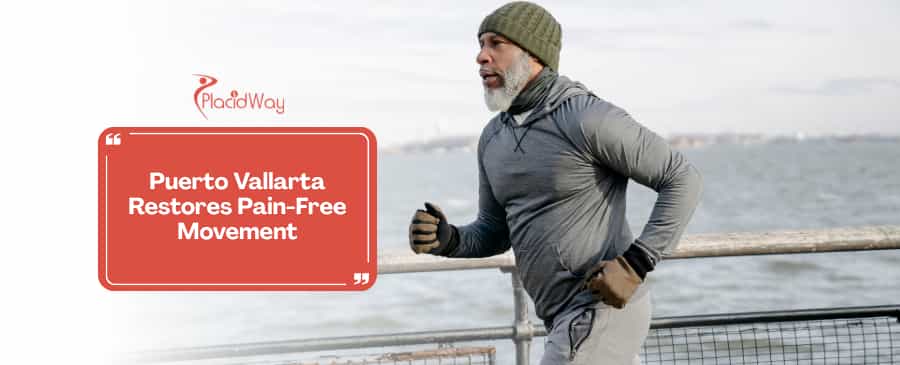
Spine health is crucial for maintaining an active lifestyle, and modern medical advancements offer effective alternatives to traditional spinal fusion. Artificial Disc Replacement in Puerto Vallarta Mexico provides a motion-preserving option for patients suffering from severe cervical or lumbar disc degeneration. By replacing the damaged disc with a specialized prosthetic device, patients generally maintain better flexibility and natural spinal mechanics. This procedure is carefully designed to alleviate chronic nerve pain while typically offering a faster return to daily activities compared to standard fusion surgeries.
As healthcare costs continue to rise in the United States, an increasing number of international patients are exploring cross-border solutions for complex orthopedic care. Puerto Vallarta has rapidly emerged as a premier hub for innovative spine care abroad, combining state-of-the-art medical infrastructure with highly trained surgical specialists. The region boasts modern medical facilities equipped with advanced diagnostic and surgical technologies that align with rigorous international standards. Consequently, medical tourists can access high-quality treatments in a serene environment highly conducive to post-operative recovery.
- Motion Preservation: Designed to mimic the natural movement of a healthy spine.
- Reduced Adjacent Segment Disease: May lower the risk of added stress on neighboring spinal discs.
- Quicker Mobilization: Patients generally start walking shortly after surgery.
- Targeted Pain Relief: Effectively addresses nerve compression and radiating pain.
Clinical studies generally indicate that over 85% of carefully selected candidates for artificial disc replacement report significant pain reduction and functional improvement within the first year.
Why US Patients Choose Medical Tourism for Spine Care in Puerto Vallarta
The financial burden of complex orthopedic procedures in North America is a primary driving force behind the global medical travel movement. Medical tourism in Puerto Vallarta provides an accessible pathway for uninsured or underinsured patients to receive world-class care without facing devastating medical debt. Beyond the undeniable financial advantages, patients are drawn to the highly personalized, attentive care typically offered by international medical teams. Mexican healthcare models often prioritize extended doctor-patient consultation times, ensuring comprehensive understanding and comfort prior to surgery.
Geographic proximity also plays a vital role in the decision-making process for US and Canadian citizens. Direct flights from major North American hubs make traveling for lumbar disc replacement abroad remarkably convenient and less physically taxing for those suffering from chronic back pain. Furthermore, the coastal destination offers a tranquil, stress-free environment that psychological studies suggest can positively impact physical healing. Integrating top-tier surgical intervention with a calm recuperation setting creates an optimal healthcare experience.
- Substantial cost savings without compromising on medical technology.
- Minimal wait times for consultations and surgical scheduling.
- Access to globally recognized, board-certified spine specialists.
- Convenient geographic location with numerous direct flights.
Puerto Vallarta is home to several internationally certified hospitals that maintain dedicated international patient departments to facilitate smooth, bilingual communication.
The Evaluation Process for Cervical and Lumbar Disc Replacement in Mexico
Determining candidacy for an artificial disc replacement requires a meticulous and multifaceted medical evaluation. Before traveling for cervical disc arthroplasty in Mexico, patients typically undergo comprehensive remote consultations utilizing telemedicine platforms. During these initial assessments, international spine specialists review recent MRI scans, X-rays, and detailed medical histories to establish a preliminary treatment plan. This careful remote screening ensures that patients only make the journey if they are highly likely to benefit from the intended procedure.
Once the patient arrives at the destination facility, an in-person, pre-operative evaluation takes place. This final assessment usually involves updated diagnostic imaging, comprehensive blood panels, and cardiovascular clearances to confirm optimal surgical readiness. It is important to note that not all individuals qualify for motion-preserving implants; patients with severe osteoporosis, spinal instability, or active infections are generally contraindicated. The surgical team will transparently discuss the findings, ensuring realistic expectations and appropriate procedural alignment.
- Initial virtual consultation and records review.
- Thorough analysis of bone density and spinal alignment.
- In-person diagnostic updates (X-rays, MRIs, CT scans).
- Detailed pre-surgical briefing regarding anticipated outcomes.
Always obtain high-resolution digital copies of your MRI and X-ray imaging from your local provider, as these are critical for the initial remote assessment with your international surgeon.
Cost of Artificial Disc Replacement in Puerto Vallarta Compared to the US
One of the most compelling reasons individuals pursue affordable Artificial Disc Replacement in Puerto Vallarta is the dramatic difference in treatment expenses. In the United States, complex spinal surgeries often carry exorbitant price tags, even for patients with comprehensive health insurance due to high deductibles and co-insurance. The pricing structure in Mexico is typically bundled, meaning the quoted price generally encompasses surgeon fees, anesthesia, hospital stays, and the cost of the implant itself. This transparent approach eliminates the confusing and unexpected bills often associated with domestic healthcare systems.
While prices vary depending on individual medical requirements and the specific type of implant utilized, the overarching spine surgery cost in Mexico represents a fraction of US averages. Facilities utilize the exact same high-quality, FDA-approved artificial discs, yet structural differences in administrative overhead and localized living costs create substantial savings. Prospective patients should evaluate these estimates carefully while considering the required length of stay for safe recuperation.
| Procedure Name | Average Cost in Puerto Vallarta | Estimated Cost in the US |
|---|---|---|
| Single-Level Cervical Disc Replacement | $12,500 - $16,000 | $35,000 - $55,000 |
| Two-Level Cervical Disc Replacement | $17,000 - $21,000 | $50,000 - $75,000 |
| Single-Level Lumbar Disc Replacement | $14,500 - $18,000 | $40,000 - $65,000 |
Medical pricing is dynamic and subject to individual health conditions. The provided costs are estimates and do not guarantee final billing. Always request a personalized, comprehensive quote from your chosen provider.
Innovative Technologies Used in Mexican Spine Care Facilities
International patients are often pleasantly surprised by the advanced level of technological integration found in modern Mexican orthopedic centers. Surgeons performing advanced artificial disc replacement abroad utilize globally recognized, FDA-approved prosthetic devices designed for maximum durability and motion preservation. Brands such as Mobi-C, ProDisc, and M6-C are frequently utilized, ensuring that medical tourists receive implants identical in quality to those used in premier US hospitals. These materials are biocompatible, predominantly utilizing titanium, cobalt-chromium, and specialized medical-grade plastics.
Beyond the implants themselves, surgical theaters in leading facilities are equipped with cutting-edge supportive technologies. Minimally invasive surgical techniques are typically employed, guided by advanced fluoroscopy and intraoperative 3D navigation systems. This precision technology allows the surgical team to meticulously align the new disc, a critical factor for long-term functional success. Embracing these high-tech modalities generally reduces tissue trauma, mitigates intraoperative risks, and promotes a smoother healing trajectory.
- Utilization of top-tier, internationally approved implant brands.
- Intraoperative neuromonitoring to safeguard nerve function.
- Advanced imaging systems for real-time surgical precision.
- Minimally invasive instruments designed to preserve surrounding muscles.
Artificial discs are engineered to replicate the six degrees of natural spinal motion, including flexion, extension, lateral bending, and rotation.
What to Expect During the Artificial Disc Replacement Procedure
Preparing mentally and physically for the operating room is an essential aspect of the medical tourism in Mexico experience. On the day of surgery, patients are typically admitted early to complete final administrative tasks and meet with the anesthesiology team. The procedure is performed under general anesthesia, ensuring the patient remains entirely asleep and comfortable throughout the duration of the intervention. The specialized surgical team typically consists of the lead spine surgeon, an assisting surgeon, specialized nurses, and monitoring technicians.
The surgical approach for disc replacement is almost exclusively anterior, meaning the incision is made at the front of the neck or abdomen. This strategic approach allows the surgeon to access the spine without disturbing the major back muscles, nerves, and spinal cord. Once the damaged natural disc is carefully excised and the area is prepared, the chosen prosthetic device is securely implanted into the disc space. Most single-level procedures generally require between one and three hours of surgical time.
- Administration of general anesthesia for complete comfort.
- Careful anterior incision to access the affected spinal segment.
- Complete removal of the degenerated disc and bone spurs.
- Precise placement and securing of the artificial implant.
Surgical Approach Insight
By utilizing an anterior approach (through the front of the neck or abdomen), spine surgeons can typically bypass sensitive posterior nerve roots. This method is highly favored in modern orthopedics as it generally significantly reduces post-operative muscular pain.
Recovery Timeline for Spine Surgery Patients in Puerto Vallarta
The immediate post-operative period is heavily focused on pain management and early mobilization, which are critical to preventing complications. Following spine surgery abroad, patients generally remain in the hospital for a period of one to three days, depending on the complexity of the intervention. During this initial phase, the nursing staff closely monitors vital signs, manages surgical site care, and assists the patient with taking their first steps. Most individuals are encouraged to walk within 24 hours of the procedure to promote healthy blood circulation.
After discharge from the medical facility, patients typically transition to a nearby hotel or recovery retreat in Puerto Vallarta for the subsequent week or two. This allows the surgical team to conduct necessary follow-up evaluations and ensure the incision is healing appropriately before clearing the patient for international air travel. While patients can generally resume light, daily activities within a few weeks, complete fusion of the prosthetic endplates to the bone can take several months. Strenuous activities and heavy lifting are strictly prohibited during the early healing phases.
- Days 1-3: In-patient hospital stay, pain management, and initial walking.
- Days 4-14: Out-patient recovery in Puerto Vallarta, attending follow-up checks.
- Weeks 2-6: Gradual return to light desk work and daily non-strenuous routines.
- Months 3-6: Progressive reintroduction of more rigorous physical activities under medical guidance.
Patient Experience Summary
"The initial days were focused on rest, but the nursing staff had me up and walking the halls very soon after surgery. Staying near the clinic for a week made me feel incredibly secure before flying home."
Potential Risks and Transparent Safety Protocols in Mexican Clinics
While artificial disc replacement is highly regarded for its efficacy, no surgical intervention is entirely devoid of risk. Reputable providers of orthopedic surgery in Puerto Vallarta maintain strict protocols to transparently discuss these possibilities with prospective patients. Common risks associated with major spinal surgery typically include infection, bleeding, adverse reactions to anesthesia, and temporary difficulty swallowing (dysphagia) in cervical cases. Additionally, there is always a slight risk of device migration or a mechanical failure of the implant over time.
To mitigate these risks, leading international hospitals implement rigorous safety standards that often rival or exceed those found in North America. Facilities are frequently accredited by respected bodies such as the Joint Commission International (JCI) or the Mexican General Health Council (CSG). Furthermore, surgical teams utilize sterile environments, advanced intraoperative monitoring, and prophylactic antibiotics to aggressively prevent complications. Patients are strongly advised to strictly adhere to all pre-operative and post-operative guidelines to optimize their personal safety.
- General surgical risks include infection and blood clots.
- Specific procedure risks involve nerve injury or implant subsidence.
- Strict adherence to international sanitation and sterilization guidelines.
- Comprehensive pre-operative screening to exclude high-risk candidates.
Accreditation by the Joint Commission International (JCI) signifies that a hospital complies with rigorous, universally recognized standards for patient safety and quality of care.
Combining Post-Operative Healing with Puerto Vallarta Medical Travel
One unique advantage of engaging in medical tourism in Mexico is the ability to recover in an environment that actively promotes relaxation and stress reduction. Puerto Vallarta, known for its stunning coastal landscapes and warm climate, offers an ideal backdrop for the delicate post-operative healing phase. Medical studies suggest that lowered psychological stress levels can positively influence immune function and overall physical recovery. Patients frequently note that recovering in a comfortable, resort-like setting feels vastly superior to recuperating in a bustling, clinical domestic environment.
While the focus must firmly remain on medical healing rather than a traditional vacation, the soothing ambiance plays a supportive role. Patients can generally enjoy gentle walks along flat, paved resort paths or relax on shaded balconies overlooking the ocean. It is critical, however, to follow the surgeon's explicit instructions regarding sun exposure on the incision site and complete avoidance of swimming pools or ocean water until medically cleared. Balancing strict medical adherence with the tranquil environment yields the most successful medical travel experiences.
- Low-stress environments are generally beneficial for physical recovery.
- Warm, even climates can sometimes ease joint and muscular stiffness.
- Access to premium hospitality and comfortable, accessible accommodations.
- Strict avoidance of swimming or vigorous tourist activities is mandatory.
Patient Experience Summary
"Recovering while looking out at the Pacific Ocean completely changed my mindset. It felt less like a medical crisis and more like a focused healing retreat."
Qualifications of Leading Spine Surgeons in Puerto Vallarta
The caliber of medical professionals operating in prominent spine clinics in Puerto Vallarta is exceptionally high, heavily reassuring international visitors. Many leading spine surgeons and neurosurgeons in the region have undergone extensive fellowship training in the United States, Canada, or Europe. This cross-border education ensures they are deeply familiar with the latest global techniques, including advanced motion preservation surgeries. Furthermore, reputable doctors maintain active memberships in prestigious international organizations, such as the North American Spine Society (NASS).
Patients are encouraged to proactively request and review their prospective surgeon’s credentials during the consultation phase. A highly qualified specialist will transparently provide information regarding their board certifications, surgical volume, and specific experience with artificial disc prosthetics. High-volume surgeons—those who perform a specific procedure frequently—are generally associated with lower complication rates and more predictable surgical outcomes. The medical infrastructure in Mexico supports a collaborative, multidisciplinary approach, ensuring specialists coordinate care effectively.
- Specialized fellowship training in advanced spinal orthopedics.
- Active certifications by the Mexican Council of Orthopedics and Traumatology.
- Memberships in elite global spinal and neurosurgical societies.
- Extensive, documented track records of specific disc replacement surgeries.
Surgeons who perform a high volume of specific spinal procedures (over 50 annually) typically demonstrate lower complication rates and improved patient satisfaction scores.
How to Prepare for Orthopedic Surgery Abroad in Mexico
Proper preparation is the cornerstone of a smooth, successful medical journey when pursuing affordable spine care in Mexico. Logistical planning should begin several weeks prior to the scheduled surgery date, ensuring all travel documents, such as passports, are completely up to date. Medical tourists are strongly advised to travel with a dedicated companion who can assist with luggage management, mobility, and emotional support during the immediate post-operative period. Organizing ground transportation in advance to and from the airport, hotel, and clinic is also a vital preparatory step.
On a medical level, preparing the body for surgery is equally important. Patients must closely coordinate with their local primary care physicians regarding the management of current medications, particularly blood thinners, which usually must be ceased prior to surgery. Engaging in pre-operative physical therapy, if approved by the surgeon, can help strengthen core muscles, potentially easing the post-surgery rehabilitation phase. Comprehensive preparation typically alleviates anxiety and positions the patient for optimal healing.
- Ensure your passport is valid for at least six months beyond your travel dates.
- Arrange for a supportive travel companion to assist you during recovery.
- Strictly follow all pre-operative fasting and medication cessation guidelines.
- Organize seamless ground transportation prior to your arrival.
Invest in specialized medical travel insurance. Standard travel insurance rarely covers complications arising from planned medical procedures, so securing a specialized policy provides crucial peace of mind.
Success Factors for International Spine Care Patients
Achieving optimal, long-lasting results from an international artificial disc replacement relies heavily on the patient's commitment to post-operative protocols. The surgery itself is merely the first phase; dedicated rehabilitation dictates the ultimate functional outcome. Patients generally must engage in structured physical therapy to carefully rebuild neck or core strength and restore natural flexibility. Adhering strictly to prescribed movement limitations during the early weeks is vital to prevent dislodging the newly placed implant.
Furthermore, integrating care across borders is an essential component of long-term success. Before departing for Puerto Vallarta, proactive patients establish a relationship with a local orthopedic specialist or physical therapist in their home country. Having a trusted domestic provider ready to manage routine follow-up care, assess ongoing healing via X-ray, and guide physical therapy ensures a seamless continuum of healthcare. Transparent communication between the Mexican surgical team and the domestic provider typically leads to the safest and most effective recovery.
- Commitment to a structured, professionally guided physical therapy program.
- Strict avoidance of nicotine, which significantly impedes bone and tissue healing.
- Establishing a clear continuum of care with a domestic healthcare provider.
- Maintaining a healthy weight to reduce unnecessary stress on the spine.
Patient Experience Summary
"The surgery went perfectly, but my dedication to post-op physical therapy back home in Texas was what truly restored my full range of motion. It is a team effort."
Patient Experience Summary
"Coordinating my records between my local doctor and the surgical team in Mexico seemed daunting, but staying organized made my aftercare completely seamless."
How PlacidWay Assists Your Artificial Disc Replacement Journey in Puerto Vallarta
Navigating the logistics of international medical travel can feel overwhelming, especially when managing chronic spinal pain. PlacidWay specializes in simplifying this complex process by acting as a dedicated bridge between international patients and premier global healthcare providers. By facilitating clear communication and providing organized pathways to treatment, patients can focus entirely on their health and recovery rather than administrative burdens.
Leveraging deep industry expertise, PlacidWay connects individuals seeking advanced orthopedic interventions with thoroughly evaluated medical facilities in Mexico. The platform provides valuable resources and guidance, empowering patients to make confident, well-informed healthcare decisions.
- Connecting patients with globally accredited hospitals and certified spine specialists.
- Facilitating the secure transfer of medical records and imaging for remote consultations.
- Providing transparent, comprehensive quotes directly from the medical providers.
- Offering dedicated patient coordination to streamline medical scheduling and communication.
- Supplying extensive educational resources regarding specific procedures and destinations.
PlacidWay has assisted thousands of international patients in accessing high-quality, affordable specialized medical care across dozens of countries worldwide.
Frequently Asked Questions About Artificial Disc Replacement in Mexico
When considering crossing borders for specialized healthcare, prospective patients understandably have numerous questions regarding safety, logistics, and procedural specifics. Compiling accurate information is a critical step in feeling secure and confident in your medical travel decisions. A well-informed patient is typically a more relaxed patient, which positively influences the entire surgical experience.
Below, we have gathered answers to the most common inquiries related to pursuing spinal disc replacement abroad. These addresses key concerns encompassing candidacy, financial expectations, post-operative care, and international travel logistics, offering a clearer picture of what the journey entails.
Am I a good candidate for artificial disc replacement?
Candidates generally include adults with degenerative disc disease who have not responded to conservative treatments. Your surgeon will typically require MRI scans and physical evaluations to determine your specific suitability.
How much does spine surgery cost in Mexico compared to the US?
Patients often save between 50% to 70% on spine surgery costs in Mexico compared to typical out-of-pocket prices in the United States. Pricing varies based on the number of levels treated and specific implant technologies used.
Is it safe to have spine surgery in Puerto Vallarta?
Many facilities in Puerto Vallarta adhere to rigorous international safety standards and employ highly trained specialists. As with any surgery, risks exist, so selecting heavily vetted and accredited hospitals is crucial for patient safety.
How long will I need to stay in Mexico after disc replacement?
Most patients are advised to remain in Puerto Vallarta for 10 to 14 days following their artificial disc replacement. This allows surgeons to monitor initial recovery and complete essential follow-up evaluations before you fly home.
What type of artificial discs are used in Mexican clinics?
Leading Mexican spine centers typically utilize globally recognized, FDA-approved implants such as Mobi-C, ProDisc, and M6. These high-quality prosthetics are designed to mimic natural spinal movement and durability.
Will I need a visa to travel to Mexico for medical care?
US and Canadian citizens generally do not need a visa for stays under 180 days, but a valid passport is required. You will be issued a standard tourist card upon arrival, which covers short-term medical travel.
How do I communicate with medical staff if I don't speak Spanish?
Top-tier medical facilities catering to international tourists typically employ bilingual doctors, nurses, and patient coordinators. Clear communication is prioritized to ensure you fully understand your treatment and recovery instructions.
What happens if I experience complications after returning home?
Reputable surgeons usually provide detailed discharge summaries and establish telemedicine follow-up protocols. Patients are strongly advised to coordinate with a local orthopedic specialist in the US prior to travel for integrated post-operative care.
How quickly can I return to work after disc replacement?
Return to work timelines depend heavily on the nature of your job and individual healing rates. Those with desk jobs typically resume work within two to four weeks, while physically demanding professions require significantly more time.
Does my US health insurance cover artificial disc replacement in Mexico?
Most standard US health insurance plans do not cover international planned medical procedures. However, the significantly lower self-pay costs in Mexico often make the procedure more affordable than domestic deductibles and co-pays.
Ready to take the first step toward a pain-free life? Let PlacidWay connect you with world-class spine specialists in Puerto Vallarta.
References
- • National Library of Medicine. Artificial Disc Replacement: Clinical Indications and Outcomes. https://pmc.ncbi.nlm.nih.gov/articles/PMC6778281/
- • Mayo Clinic. Cervical Disc Replacement Surgery Details and Expectations. https://newsnetwork.mayoclinic.org/discussion/mayo-clinic-q-and-a-cervical-disk-replacement/
- • American Academy of Orthopaedic Surgeons (AAOS). Artificial Disc Replacement in the Lumbar Spine. https://orthoinfo.aaos.org/en/treatment/artificial-disk-replacement-in-the-lumbar-spine/
- • Cleveland Clinic. Artificial Disc Replacement: Procedure, Recovery, and Risks. https://my.clevelandclinic.org/health/treatments/16758-cervical-artificial-disk-replacement
- • Wikipedia. Medical Tourism Overview and Healthcare Globalization. https://en.wikipedia.org/wiki/Medical_tourism






.png)
.png)






.png)

.png)








Share this listing