


Planning a plastic surgery trip to Bangkok from Australia requires booking flights, securing an internationally accredited (JCI) clinic, and arranging a 7-to-14-day recovery stay. Australians typically save 50% to 70% on procedures like breast augmentation, facelifts, and mommy makeovers compared to domestic prices. Comprehensive medical packages generally range from $4,000 to $15,000 AUD, including board-certified surgeon fees, anesthesia, hospital facilities, and post-operative monitoring before flying home.

Every year, more than 15,000 Australians pack their bags and head overseas for medical treatments, with Southeast Asia serving as the primary destination. For citizens navigating the high cost of living in Sydney, Melbourne, and Brisbane, local cosmetic procedures have become increasingly unaffordable. A standard mommy makeover in Australia can easily exceed $30,000 AUD out-of-pocket, putting aesthetic goals far out of reach for the average individual.
As a result, organizing a plastic surgery trip to Bangkok from Australia has evolved from a niche trend into a mainstream, highly structured medical tourism pathway. Thailand’s capital city has firmly established itself as a global epicenter for aesthetic medicine. It combines resort-style recovery environments with cutting-edge medical technology, all overseen by surgeons who frequently hold international qualifications.
However, traveling roughly 9 hours by plane for major surgery is a significant undertaking that requires meticulous logistical and medical planning. This comprehensive, step-by-step guide is designed to help Australians navigate the process safely. By the end of this article, you will understand the precise cost comparisons, the step-by-step surgical journey, essential safety accreditations to look for, and crucial strategies to prevent complications during your flight home.
Why Bangkok for Plastic Surgery?
The motivation for a plastic surgery trip to Bangkok from Australia extends far beyond simple cost reduction. The Thai government has spent the last two decades actively investing in its medical infrastructure to attract international patients. Consequently, premium private hospitals in Bangkok operate more like five-star hotels than clinical wards, featuring English-speaking concierges, private recovery suites, and VIP airport transfers.
Types of Procedures Popular Among Australians
While Thai clinics offer the full spectrum of aesthetic and reconstructive medicine, Australian patients primarily travel for high-impact, transformative procedures. The most frequently requested surgeries include:
- Breast Enhancements: Including augmentation, breast lifts (mastopexy), and breast reductions.
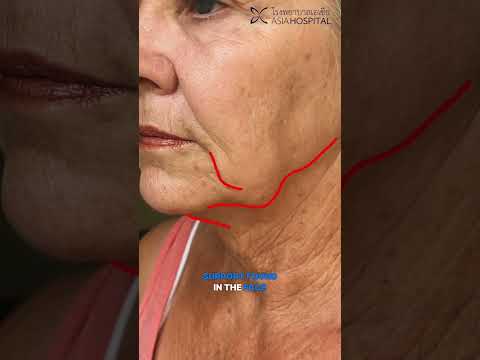
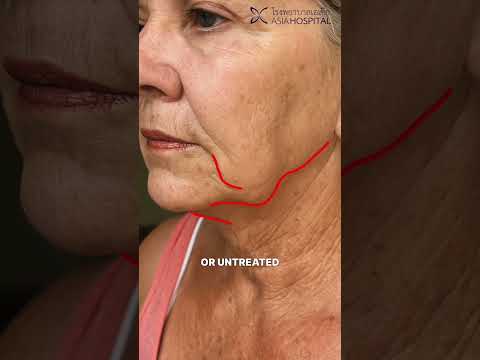
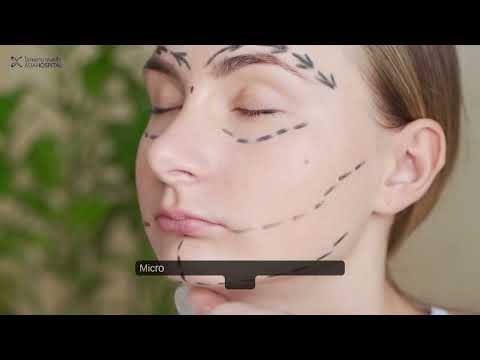
- Facial Rejuvenation: Comprehensive face and neck lifts, blepharoplasty (eyelid surgery), and complex rhinoplasty.
- Body Contouring: High-definition liposuction, tummy tucks (abdominoplasty), and comprehensive "Mommy Makeovers" (combining breast and abdominal procedures).
- Gender Affirmation: Bangkok is globally recognized as the leading destination for highly specialized gender confirmation surgeries.
The context of this market is vital. In Australia, strict regulations, high labor costs, and expensive medical indemnity insurance drive up surgical fees. In contrast, Thailand’s lower cost of living and specialized medical tourism ecosystem allow top-tier surgeons to offer world-class aesthetic outcomes without the exorbitant domestic price tags.
Cost Comparison: Australia vs. Bangkok
The primary catalyst for planning a plastic surgery trip to Bangkok from Australia is the undeniable financial advantage. Even when factoring in airfare and luxury accommodation, patients consistently report massive savings. The table below outlines the average estimated costs for popular procedures.
Note: Costs are estimates in Australian Dollars (AUD) and fluctuate based on currency exchange rates, the specific clinic, case complexity, and the surgeon's expertise level.
What is Included in a Bangkok Surgery Package?
One of the major benefits of Thai medical tourism is the transparent, package-based pricing model. In Australia, patients often receive separate bills from the surgeon, the anesthesiologist, and the hospital. A standard Bangkok cosmetic package typically encompasses:
- The primary surgeon's fee and surgical assistant fees.
- Board-certified anesthesiologist services.
- Operating room use, medical supplies, and high-quality implants (e.g., Motiva, Mentor).
- 1 to 3 nights in a private hospital room with 24/7 specialized nursing care.
- Pre-operative blood tests, chest X-rays, and EKGs.
- All required post-operative medications and basic compression garments.
Why is it so much cheaper?
The lower cost is not an indicator of subpar surgical skills or inferior medical supplies. Top clinics in Bangkok use the exact same FDA-approved implants and surgical instruments found in Sydney or Melbourne. The cost difference is driven by macroeconomic factors: significantly lower administrative overhead, favorable exchange rates, lower staff wages, and vastly reduced medical malpractice insurance premiums for doctors.
The Step-by-Step Bangkok Plastic Surgery Procedure
Embarking on international surgery requires moving through a structured sequence of events. Here is exactly what to expect when executing a plastic surgery trip to Bangkok from Australia.
- Virtual Consultation & Quote (Weeks 1-4): You will submit photographs and your medical history to a Thai clinic's international department. A surgeon will review your case, determine eligibility, and provide an official surgical plan with an itemized quote.
- Booking and Travel Prep (Weeks 4-8): Once you accept the quote, you will schedule your surgery date. You must then book a direct flight (from hubs like SYD, MEL, or BNE to BKK) and reserve a nearby recovery hotel. It is highly recommended to secure specialized medical travel insurance at this stage.
- Arrival and Pre-Op Assessment (Day 1-2): Upon landing in Thailand, you will settle into your hotel. The next day, you attend an in-person consultation with your surgeon to finalize the aesthetic plan. You will also undergo comprehensive pre-operative health screenings (bloodwork, EKG) to ensure you are fit for anesthesia.
- Surgery Day (Day 3): You will be admitted to the hospital, prepped by the nursing team, and placed under general anesthesia. Depending on the procedure, surgery lasts anywhere from 2 to 7 hours.
- Hospital Observation (Days 3-5): Most major procedures require a 1-to-2 night stay in the hospital. This allows the medical team to monitor your vital signs, manage acute pain intravenously, and ensure no immediate complications (like hematomas) occur.
- Hotel Recovery & Follow-up (Days 6-14): You will be discharged to your Bangkok hotel. During this time, you will rest extensively and return to the clinic for scheduled wound checks, dressing changes, and suture/drain removal.
- Clearance and Flight Home (Day 15+): After a final inspection, your surgeon will issue a "Fit to Fly" certificate. You can then board your flight back to Australia to complete your long-term recovery.
Safety, Quality, and Accreditation
The most common question Australians ask is: "Is it safe to get plastic surgery in Bangkok?" The direct answer is that surgery in Thailand is highly safe, provided you strictly utilize internationally accredited hospitals and board-certified plastic surgeons. Medical tourism is heavily regulated by the Thai Ministry of Public Health.
International Accreditation Standards
When comparing Thai facilities to Australian standards, look for the Joint Commission International (JCI) gold seal. JCI is a US-based organization that evaluates global hospitals on over 1,000 rigorous safety parameters, ranging from operating room sterility protocols to emergency airway management. A JCI-accredited hospital in Bangkok operates at the exact same safety tier as a top-tier private hospital in Brisbane or Perth.
Evaluating Surgeon Credentials
Thai plastic surgeons are subjected to rigorous medical education. To ensure the highest quality of care, verify that your chosen surgeon holds the following credentials:
- Board Certification: They must be certified by the Society of Plastic and Reconstructive Surgeons of Thailand (ThPRS).
- International Memberships: Leading surgeons are often members of the International Society of Aesthetic Plastic Surgery (ISAPS) or the American Society of Plastic Surgeons (ASPS).
- Global Training: Many elite Thai surgeons complete advanced fellowships in Australia, the United States, or Europe, ensuring they are well-versed in Western aesthetic preferences and advanced surgical techniques.
Recovery, Aftercare, and Flying Home
A successful plastic surgery trip to Bangkok from Australia is defined not just by the operation, but by how strictly you adhere to the post-operative recovery timeline. The recovery process dictates your final aesthetic result and your overall safety.
The Recovery Timeline
- Phase 1: Acute Healing (Days 1-5): Characterized by maximum swelling, bruising, and discomfort. You must rest in an elevated position, take prescribed antibiotics and analgesics, and limit mobility to short walks around your hospital room or hotel to promote blood flow.
- Phase 2: Transition (Days 6-14): Pain subsides significantly. Drains and non-dissolvable sutures are removed. You will begin wearing specialized compression garments 24/7 to reduce swelling and support the new body contours.
- Phase 3: Long-term Maturation (Weeks 3 to 6 Months): Upon returning to Australia, you will slowly resume normal activities. Heavy lifting and vigorous exercise are strictly prohibited for at least 4 to 6 weeks. Scars will slowly fade from red to pale over the course of a year.
The Danger of the Long-Haul Flight
The single greatest risk specific to Australians is the flight home. A 9-hour flight from Bangkok to Sydney places post-operative patients at an elevated risk for Deep Vein Thrombosis (DVT)—a dangerous blood clot in the leg. To mitigate this risk, you must never fly before your surgeon gives clearance. During the flight, wear medical-grade compression stockings, stay hydrated, and perform ankle-pump exercises every hour.
How to Choose a Plastic Surgery Clinic in Bangkok?
With dozens of clinics advertising to foreigners, making an informed choice is critical. Use this practical 6-step checklist to systematically evaluate providers in Bangkok and protect your health.
- Demand JCI Accreditation: Verify the hospital's JCI status independently via the official Joint Commission International directory online.
- Check Surgeon Credentials: Ask for the surgeon's CV. Look specifically for ISAPS membership and extensive experience in the exact procedure you are requesting.
- Review Before-and-After Portfolios: Ensure the surgeon has experience achieving the specific aesthetic you desire. Look for consistent results on body types similar to yours.
- Confirm English Proficiency: Miscommunication in medicine is dangerous. Ensure your surgeon and the primary nursing staff speak fluent English.
- Ask for All-Inclusive Written Quotes: Avoid surprise bills. Ensure the quote explicitly covers anesthesia, facility fees, implants, and overnight hospital stays.
- Evaluate Aftercare Support: Does the clinic have a dedicated international patient coordinator to assist with hotel transfers and emergency contact during your recovery?
Red Flags to Avoid
Immediately walk away from any clinic that pressures you to book with "limited time discounts," refuses to name your specific surgeon prior to taking a deposit, or operates in an outpatient clinic that lacks intensive care unit (ICU) capabilities for emergencies.
Risks, Limitations, and Contraindications
Every surgical procedure carries inherent risks, including infection, adverse reactions to anesthesia, excessive bleeding, and asymmetrical results. When undertaking a plastic surgery trip to Bangkok from Australia, you compound clinical risks with travel logistics.
Follow-Up Care Challenges
The primary limitation of medical tourism is the lack of direct, long-term follow-up care. If you develop a seroma (fluid buildup) or a localized infection three weeks after returning to Melbourne, you cannot simply drive back to your surgeon in Bangkok. You must seek care from an Australian General Practitioner or emergency department. It is highly recommended to inform your local GP of your travel plans before you leave, ensuring they are willing to assist with basic post-operative wound care upon your return.
Who Should NOT Pursue Surgery Abroad?
Medical travel is contraindicated for certain individuals. You should reconsider traveling to Thailand for surgery if you:
- Have a Body Mass Index (BMI) over 30 or 32, as this significantly increases the risk of anesthesia complications and poor wound healing.
- Suffer from uncontrolled diabetes, high blood pressure, or cardiovascular disease.
- Have a history of Deep Vein Thrombosis (DVT) or blood clotting disorders.
- Are unwilling or unable to stay in Bangkok for the full 10-to-14 day recommended recovery period before flying.
5-Step Action Plan for Bangkok Medical Travel
If you have weighed the risks and benefits and are ready to move forward, follow this actionable framework to organize your trip securely.
- Consult Your Local GP: Schedule a baseline health check in Australia to ensure you are physically fit for surgery and international travel.
- Gather Multiple Quotes: Use verified platforms like PlacidWay to request cost estimates from 3 different JCI-accredited hospitals in Bangkok.
- Schedule a Video Consultation: Speak face-to-face with your prospective Thai surgeon. Discuss your aesthetic goals and ask about their complication rates.
- Secure Medical Travel Insurance: Standard travel insurance will void claims related to elective surgery. Purchase specialized medical tourism insurance that covers complications or extended hotel stays due to medical delays.
- Plan Your Leave and Logistics: Book your flights, secure a recovery-focused hotel in Bangkok (preferably one accustomed to hosting surgical patients), and arrange for 3 to 4 weeks off work to ensure proper healing.
Take the First Step Toward Your Transformation
Connect with internationally accredited plastic surgery centers in Bangkok. Review board-certified surgeon profiles, compare all-inclusive packages, and schedule a free, no-obligation video consultation today.
Frequently Asked Questions
Boost Your Healthcare Decision
Organizing a plastic surgery trip to Bangkok from Australia provides a viable, high-quality solution for those priced out of the domestic cosmetic market. By choosing Thailand, patients gain access to world-renowned surgical talent, luxury hospital facilities, and state-of-the-art medical technology while saving up to 70% on total costs.
However, successful medical tourism requires moving beyond the allure of low prices. It demands diligent research, strict adherence to international safety accreditations like the JCI, and a firm commitment to a safe, slow recovery before boarding the long flight home. When executed properly, traveling to Bangkok can safely turn your aesthetic goals into reality without creating a burdensome financial debt.
If you are ready to explore your options, begin by browsing verified Thai clinics on PlacidWay. Request customized, all-inclusive price quotes, verify surgeon credentials, and book a preliminary video consultation to start your transformation journey safely.
The information in this article is for educational purposes only and does not constitute medical advice. Individual results vary based on health status, case complexity, and other factors. Always discuss your specific situation with a licensed healthcare professional before making treatment decisions. PlacidWay connects patients with verified healthcare providers but does not provide medical services directly.
- International Society of Aesthetic Plastic Surgery (ISAPS): Patient Safety in Aesthetic Surgery
- Joint Commission International (JCI): Standards for International Hospitals
- World Health Organization (WHO): Deep Vein Thrombosis and Travel
- American Society of Plastic Surgeons (ASPS): Medical Tourism and Plastic Surgery Patient Guide
- PlacidWay Medical Tourism: Global Plastic Surgery Treatment Options & Costs
.jpg)


.png)

.jpg)

.jpg)









Share this listing