


Stem cell therapy is a regenerative medical procedure that utilizes the body’s own undifferentiated cells to repair damaged tissues, reduce systemic inflammation, and promote cellular regeneration. The primary reason South Koreans travel to Japan every year for stem cell therapy is regulatory: Japan legally permits the laboratory culturing and multiplication of stem cells to yield millions of potent cells, a process currently restricted by South Korean medical law.

Regenerative medicine is fundamentally reshaping how we approach chronic pain, autoimmune conditions, and systemic aging. Yet, access to the most advanced forms of these treatments is heavily dictated by geography and national legislation. It is estimated that up to 30,000 South Koreans travel to Japan every year for stem cell therapy, crossing the Korea Strait not for tourism, but in pursuit of medical options legally unavailable in their home country.
South Korea boasts one of the most advanced healthcare systems globally, characterized by cutting-edge technology and exceptional clinical outcomes. However, South Korean medical law strictly prohibits the ex vivo (outside the body) culturing and expansion of a patient's stem cells prior to reinjection. Conversely, Japan established a progressive, highly regulated legal framework in 2014 that allows specialized clinics to harvest, culture, multiply, and safely administer these powerful cells.
This comprehensive guide explores the clinical realities, regulatory differences, and practical logistics driving this massive medical migration. By the end of this article, you will understand the profound difference between cultured and uncultured stem cells, evaluate the cost-to-value ratio of Japanese medical tourism, and learn how to navigate the safety protocols required for a successful regenerative medicine journey.
Quick Facts at a Glance
Essential benchmarks for patients researching regenerative medicine and cell culturing in Japan.
- Average Cost in Japan
- $12,000 – $25,000 USD
- Primary Cell Type Used
- Cultured MSCs (Adipose-derived)
- Cell Culturing Duration
- 3 to 4 Weeks
- Required Trips to Japan
- Two (Harvesting & Injection)
- Regulatory Oversight
- MHLW & ASRM Laws
- Target Conditions
- Osteoarthritis, Anti-aging, Immunity
The Cultured Stem Cell Advantage
To understand why South Koreans travel to Japan every year for stem cell therapy, one must first grasp the biological and legal distinction between different forms of regenerative medicine. The treatments sought in Japan predominantly utilize Mesenchymal Stem Cells (MSCs). These adult stem cells are usually harvested from the patient's own abdominal fat tissue (adipose-derived) or bone marrow.
MSCs possess a unique capacity for immunomodulation and tissue repair. When introduced into the body, they act as cellular "managers," seeking out areas of inflammation and releasing exosomes and growth factors that stimulate the body's natural healing mechanisms. However, the raw fat tissue extracted from a patient only contains a minute fraction of viable stem cells.
Cultured vs. Uncultured Cells
In South Korea, as in the United States, regulations generally permit the use of uncultured stem cells. This means a doctor can harvest fat, use a centrifuge to separate the Stromal Vascular Fraction (SVF)—a soup of cells containing a small number of stem cells—and immediately reinject it into the patient on the same day. This limits the total dosage to roughly a few hundred thousand cells.
Japan’s regulatory framework, established by the Act on the Safety of Regenerative Medicine (ASRM), permits culturing. In a highly sterile laboratory, the harvested cells are placed in an incubator and multiplied over three to four weeks. This process expands a small initial sample into a therapeutic dosage of 50 million to 200 million highly concentrated, potent stem cells. This exponential increase in cell count is widely believed by researchers to significantly enhance the therapeutic efficacy for systemic aging, joint regeneration, and chronic disease management.
Cost or Value Comparison: Evaluating the Investment
Stem cell culturing is a highly complex, labor-intensive process requiring state-of-the-art cleanroom laboratories (Cell Processing Centers) and continuous monitoring by specialized biotechnologists. Consequently, the therapy is not inexpensive. The table below outlines the average costs and fundamental differences between the regional options available to East Asian patients.
Note: Costs vary widely based on the targeted cell count, the specific condition being treated, and the clinic's geographical location in Japan (Tokyo and Osaka tend to be premium markets).
What Drives the Price?
When patients review quotes for regenerative medicine in Japan, the bulk of the cost is attributed to the Cell Processing Center (CPC) fees. Operating a facility that meets the stringent Class I or Class II safety standards set by the Japanese Ministry of Health, Labour and Welfare (MHLW) requires immense overhead. However, the value proposition lies in the dosage. Paying $15,000 for 100 million vibrant, young, multiplied stem cells often presents a superior clinical value compared to paying $5,000 for a negligible amount of uncultured cells.
Packages typically include the initial medical consultation, blood screenings, the localized fat harvesting procedure, the multi-week culturing process, the final reinjection via IV drip or localized syringe, and access to medical interpreters (a critical component for Korean tourists).
The Cultured Stem Cell Procedure
The journey for regenerative medicine in Japan is not a single-day event. Because the cells must be grown over several weeks, the logistical process requires careful coordination. Here is the standard timeline patients experience.
- Pre-Screening and Consultation: Patients submit recent medical records, blood tests, and imaging (like MRIs for osteoarthritis) to the Japanese clinic via a coordinator. A remote consultation determines preliminary eligibility.
- Trip One: Cell Harvesting (Day 1-2): The patient travels to Japan. Under local anesthesia, a physician performs a minor mini-liposuction, typically extracting about 10-20cc of fat from the abdomen or buttocks. A small blood sample is also drawn to create the blood-derived serum used to feed the cells during culturing. The patient can fly home to Korea the next day.
- The Culturing Phase (Weeks 1-4): The harvested tissue is securely transported to the Cell Processing Center. Over 3 to 4 weeks, biotechnologists isolate the MSCs and incubate them, carefully monitoring for viability, sterility, and optimal multiplication rates.
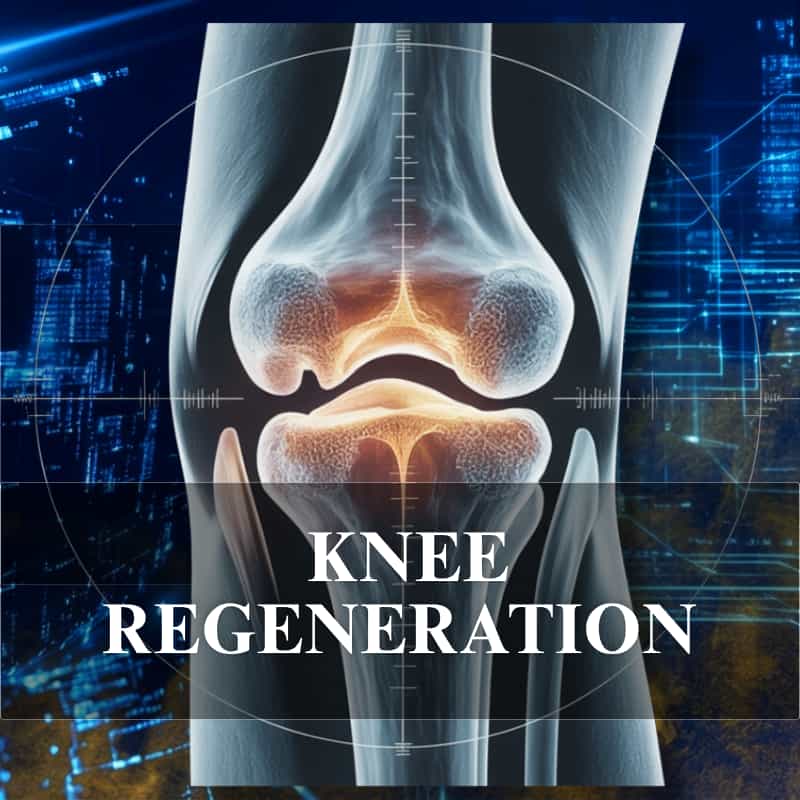
- Trip Two: Cell Administration (Day 30+): The patient returns to Japan. Depending on the medical goal, the multiplied cells are administered via an intravenous (IV) drip for systemic anti-aging and immunomodulation, or via direct intra-articular injection into damaged joints (like a knee or shoulder).
- Observation and Discharge: Administration takes 1 to 2 hours. Patients are observed for immediate adverse reactions before being discharged. Most patients return to their home country the following day.
Safety, Quality, and Regulatory Standards in Japan
The foremost question for any international medical traveler is: "Is it safe?" The primary reason medical professionals trust Japanese stem cell therapy is the intense governmental oversight. In many offshore destinations, stem cell clinics operate in unregulated gray areas. Japan is the exact opposite.
The Act on the Safety of Regenerative Medicine (ASRM)
Implemented in 2014, the ASRM mandates that any facility providing regenerative medicine must pass rigorous inspections by specialized committees and be officially registered with the MHLW. Treatments are categorized by risk:
- Class I: High-risk treatments (e.g., using iPS cells or embryonic cells). These are mostly restricted to clinical trials.
- Class II: Medium-risk treatments, which include the culturing of adult somatic stem cells (like adipose-derived MSCs) for treating specific medical conditions.
- Class III: Low-risk treatments, encompassing the use of uncultured cells (SVF) or PRP (Platelet-Rich Plasma).
Quality Control and Risk Mitigation
Japanese Cell Processing Centers adhere to strict Good Gene, Cellular, and Tissue-based Products Manufacturing Practice (GCTP) standards. Before any cultured cells are released for reinjection, they undergo exhaustive testing for bacterial contamination, mycoplasma, endotoxins, and chromosomal abnormalities. While autologous treatments (using your own cells) carry practically zero risk of graft-versus-host disease or allergic rejection, proper sterilization protocols are essential to prevent laboratory-acquired infections.
Recovery Timelines and Post-Treatment Care
Unlike invasive orthopedic surgeries or organ transplants, the recovery from stem cell therapy is remarkably mild. However, because the cells require time to integrate and stimulate biological repair, patience is required to see clinical results.
The Phased Recovery Timeline
- Immediate (Days 1-3): Following a joint injection, patients may experience localized swelling, mild stiffness, or a temporary increase in pain as the inflammatory healing response begins. Following an IV infusion, some patients report mild fatigue or a temporary low-grade fever, which usually resolves within 24 hours.
- Short-Term (Weeks 2-6): During this phase, the newly introduced stem cells are actively secreting growth factors and reducing systemic inflammation. Patients treating osteoarthritis may begin noticing a reduction in daily joint pain. Systemic patients often report improved sleep quality and energy levels.
- Long-Term (Months 3-6+): Tissue regeneration is a slow biological process. The peak therapeutic benefits of cartilage repair, improved autoimmune markers, or overall vitality are typically evaluated at the 3-to-6-month mark.
Warning Signs to Monitor
While severe complications are exceptionally rare with autologous MSC therapies, patients should immediately contact their providing clinic and a local physician if they experience a persistent high fever, severe swelling or heat at an injection site, or sudden shortness of breath following their return home.
How to Choose a Regenerative Clinic in Japan?
As the market expands, identifying a reputable provider requires diligence. Use this practical 6-step checklist to evaluate Japanese stem cell clinics securely.
- Verify MHLW Registration: Ask for the clinic's official Provision Plan Number issued by the Japanese Ministry of Health, Labour and Welfare. If they cannot provide this, do not proceed.
- Examine Cell Viability Guarantees: Reputable clinics will guarantee a specific minimum cell count (e.g., 100 million) and provide a laboratory certificate showing cell viability percentages (which should exceed 90%).
- Assess Language Support: Since complex medical concepts will be discussed, ensure the clinic provides dedicated, medically trained translators for Korean or English speakers.
- Evaluate the CPC Location: Determine whether the clinic has an in-house Cell Processing Center or partners with a reputable external lab. In-house facilities often reduce transportation risks for the cells.
- Check Physician Credentials: The administering doctor should be a specialist in the condition being treated (e.g., an orthopedic surgeon for joint injections, or a specialized internist for systemic therapies).
- Require Transparent Pricing: Ensure the quote explicitly covers the harvesting, culturing, administration, and translator fees, with no hidden laboratory surcharges.
Risks, Limitations, and Important Contraindications
While the regenerative potential of MSCs is vast, responsible medical travel requires a balanced understanding of limitations. Stem cell therapy is not a universal cure, and absolute guarantees of health outcomes cannot be made.
Honest Contraindications
Not everyone is a candidate for stem cell culturing. Medical guidelines typically contraindicate therapy for:
- Patients with active or recent cancer diagnoses, as the potent growth factors secreted by stem cells could theoretically stimulate malignant tumor growth.
- Individuals with active systemic infections or severe blood clotting disorders.
- Patients whose target joints have degraded to "bone-on-bone" stage 4 osteoarthritis, where total joint replacement surgery is the only clinically proven recourse.
Managing Expectations and Mitigation
Research indicates that while many patients experience profound improvements in pain and vitality, individual biological responses vary significantly based on age, lifestyle, and disease progression. A major limitation of traveling abroad for care is the challenge of ongoing follow-up. Patients must establish a relationship with a local physician in South Korea or their home country who is aware of the treatment and can monitor long-term outcomes objectively through blood panels or follow-up MRIs.
Your 5-Step Action Plan for Treatment in Japan
If you have explored the clinical data and believe cultured stem cells align with your health goals, follow this actionable framework to begin the process safely.
- Gather Domestic Medical Records: Compile your recent blood tests, physician notes, and any relevant diagnostic imaging (X-rays or MRIs). Translate summaries into English or Japanese if possible.
- Request Pre-Evaluations: Use reputable medical tourism platforms like PlacidWay to submit your case to multiple certified Japanese regenerative clinics for initial review.
- Conduct a Virtual Consultation: Schedule a video call with the prospective Japanese specialist. Discuss your specific goals, the expected cell count, and realistic timelines for symptom relief.
- Plan the Split Journey: Organize your logistics acknowledging the two-trip requirement. Book brief 2-to-3-day trips for the initial harvest and the subsequent reinjection 4 weeks later.
- Establish Local Follow-Up: Inform your primary care physician at home about your intended procedure so they can document baseline markers and assist with long-term tracking.
Frequently Asked Questions
Your Regenerative Health Journey
The fact that South Koreans travel to Japan every year for stem cell therapy in such high numbers underscores a fundamental truth about modern healthcare: patients will cross borders to access the most scientifically advanced, legally protected therapies available. Japan has successfully combined pioneering biotechnology with rigorous legislative oversight, offering medical tourists a trusted haven for cellular healing.
If chronic pain, joint degradation, or the systemic effects of aging are impacting your quality of life, cultured stem cell therapy may offer a scientifically grounded pathway forward. Do not let geographical boundaries limit your healthcare options.
Explore Your Regenerative Options Today
Connect with verified, MHLW-registered regenerative medicine clinics in Japan. Compare protocols, request transparent cost estimates, and schedule your initial virtual consultation.
The information in this article is for educational purposes only and does not constitute medical advice. Individual results vary based on health status, case complexity, and other factors. Always discuss your specific situation with a licensed healthcare professional before making treatment decisions. PlacidWay connects patients with verified healthcare providers but does not provide medical services directly.
- National Institutes of Health (NIH): Regenerative Medicine in Japan: The ASRM Framework
- World Health Organization (WHO): Biologicals and Stem Cell Regulations
- Mayo Clinic: Stem cells: What they are and what they do
- Wikipedia: Stem-cell therapy Overview
- PlacidWay Medical Tourism: Global Stem Cell Therapy Options and Clinics

.png)













Share this listing