


Planning a Regenerative Medicine Trip to Japan: Safety, Costs & Clinic Licensing
.png)
Japan has quietly become the gold standard for advanced medical treatments, specifically when it comes to cellular therapies. If you are looking into this, you probably aren't just looking for a quick fix—you are looking for cutting-edge science that is regulated and safe. That is exactly what a regenerative medicine trip to Japan offers.
Unlike many other destinations where regulations can be a bit of a gray area, Japan has taken a very different approach. Since the implementation of the Act on the Safety of Regenerative Medicine in 2014, the country has established a legal framework that prioritizes patient safety above all else. This means that when you visit a clinic here, you aren't just walking into a medical office; you are entering a facility that has to answer to the Ministry of Health, Labour and Welfare.
However, navigating a medical system in a foreign language can be tricky. From understanding the different classes of treatments to figuring out if you need a specific medical visa, there is a lot to organize. This guide will walk you through every single step, ensuring you know exactly what to expect regarding costs, safety, and the logistical realities of seeking stem cell therapy in Japan.
Why is Japan considered a leader in regenerative medicine?
The reputation Japan holds isn't accidental. It stems largely from the groundbreaking work of Dr. Shinya Yamanaka, who won the Nobel Prize for discovering induced pluripotent stem cells (iPS cells). This discovery shifted the global focus toward Japan, prompting the government to fast-track laws that support safe innovation. You won't find this level of government support and oversight in many other countries.
Furthermore, the infrastructure here is built for precision. Clinics aren't just operating in the shadows; they are part of a national ecosystem. They have to submit therapeutic plans to specific committees for review. This creates an environment where regenerative medicine is treated as a serious medical discipline, not an experimental alternative wellness trend.
Is regenerative medicine legal in Japan?
Legality is often the biggest worry for international patients. In Japan, the answer is a definitive yes, but with conditions. The government doesn't just allow these therapies; it polices them. The ASRM law was specifically designed to stop unregulated "stem cell tourism" while allowing legitimate science to flourish.
Clinics must obtain a license from the Ministry of Health, Labour and Welfare (MHLW). If a clinic cannot show you their specific license number for the therapy they are proposing, that is a major red flag. This legal framework protects you by ensuring that the facility meets the same hygiene and safety standards as a major hospital.
What is the cost of regenerative medicine in Japan?
Cost is a significant factor, and Japan is not a "budget" destination. You are paying for high safety standards, verified cell counts, and doctor expertise. Prices vary heavily based on the source of the cells (fat, bone marrow, umbilical cord) and the complexity of the culture process.
Here is a breakdown of estimated costs for common procedures:
| Treatment Type | Estimated Cost (USD) | Notes |
|---|---|---|
| Stem Cell Consultation | $300 - $1,000 | Includes initial medical review and translation. |
| Adipose (Fat) Derived Stem Cells | $15,000 - $25,000 | Includes liposuction, cell culture, and infusion. |
| Bone Marrow Stem Cells | $18,000 - $30,000 | More invasive extraction, often used for orthopedic issues. |
| NK (Natural Killer) Cell Therapy | $3,000 - $5,000 per infusion | Often requires multiple sessions (typically 6). |
| Exosome Therapy | $2,000 - $8,000 | Cell-free therapy, often cheaper and faster. |
Keep in mind that these figures usually cover the medical procedure alone. You must also budget for flights, accommodation in cities like Tokyo or Osaka, and potentially a medical interpreter if the clinic does not provide one.
How can I verify if a clinic is accredited?
This is the most critical step in your planning. Accredited clinics in Japan are proud of their status and will usually display their certification on their website or in their lobby. The MHLW maintains a list of approved regenerative medicine plans.
If you ask a clinic for their registration number and they hesitate or give a vague answer, walk away. Legitimate facilities have gone through a rigorous process to get that number, involving third-party committee reviews. It is your primary proof of safety.
Do I need a specific visa for medical treatment in Japan?
Japan is very organized regarding entry for healthcare. The "Visa for Medical Stay" is designed specifically for international patients. To get this, you cannot just apply on your own; you need a guarantee from a registered guarantor (medical coordinator) or the medical institution itself.
This visa covers not just the treatment but also recovery time. Interestingly, it can be issued for multiple entries if your treatment plan requires you to come back for follow-up injections over the course of a year or three years.
What are the different classes of regenerative medicine in Japan?
Understanding these classes helps you manage expectations. Class I involves cells that can differentiate into any cell type, like iPS cells. These are highly regulated and mostly found in university hospitals or clinical trials.
Most medical tourists will be looking at Class II treatments. This usually involves taking your own cells (autologous), culturing them to increase their numbers, and putting them back into your body. Because the cells are your own, the rejection risk is low, but the processing requires a sterile, approved facility.
Can I get iPS cell therapy in Japan now?
While Japan is the home of iPS cells, the government is extremely cautious about commercializing them too quickly. There is a lot of excitement, but you likely won't find a private clinic offering "off-the-shelf" iPS treatments for general wellness or anti-aging just yet.
If you see a clinic advertising iPS therapy for sale to the general public, investigate thoroughly. It is more likely they are offering MSC (Mesenchymal Stem Cell) therapy and using marketing buzzwords. True iPS treatments are currently focused on specific conditions like macular degeneration or Parkinson's disease within controlled study environments.
What medical conditions are commonly treated?
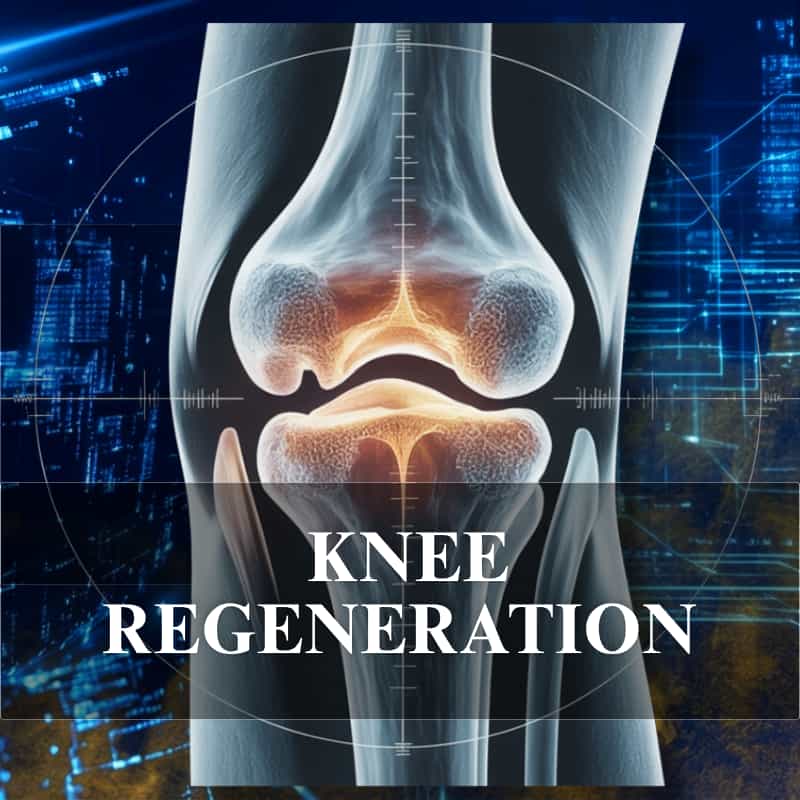
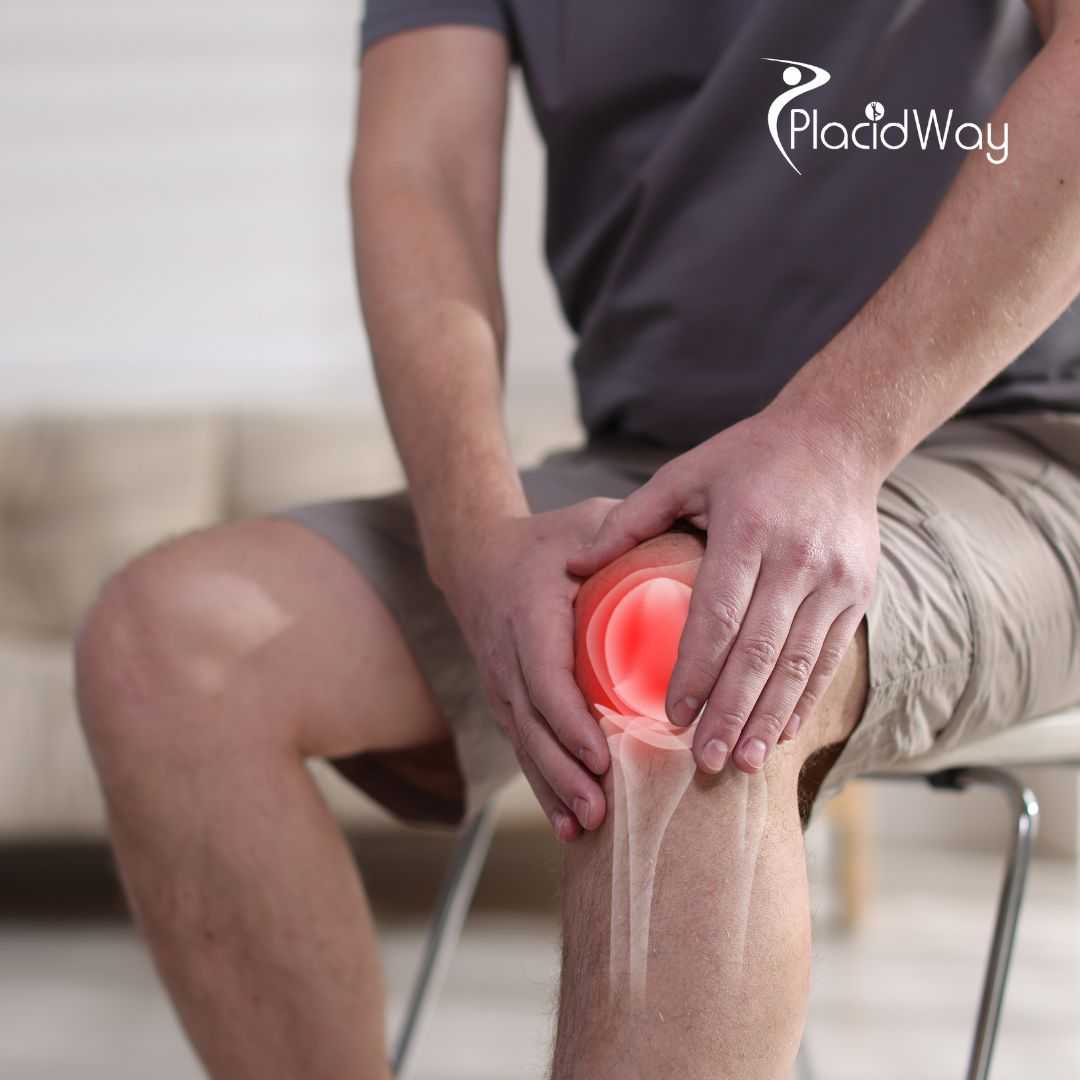
Orthopedics is one of the biggest draws. Patients with worn-down cartilage often travel to Japan for stem cell injections into the knees or hips, hoping to delay or avoid replacement surgery. The results for joint repair have been promising in many Class II protocols.
Beyond joints, there is a growing sector for systemic treatments—intravenous infusions of stem cells aimed at reducing inflammation, helping with autoimmune issues, or improving overall vitality. However, results for systemic conditions can vary greatly from person to person.
Do Japanese clinics speak English?
Japan is culturally distinct, and English fluency isn't guaranteed even in medical settings. High-end clinics focusing on medical tourism will almost certainly have a coordinator who speaks English, Chinese, or other major languages.
Communication is vital for informed consent. You need to understand exactly what is happening to your body. If the clinic does not have fluent staff, they will often require you to hire a medical interpreter to ensure you fully comprehend the risks and procedures.
How long does the treatment process take?
Regenerative medicine isn't usually a "one-and-done" afternoon appointment if culturing is involved. In the first visit, the doctor collects a sample of your fat or blood. This sample is sent to a specialized cell processing center (CPC) where the cells are grown (cultured) for several weeks.
You then return to Japan for the infusion or injection. Some patients choose to stay in Japan for that month to enjoy a vacation, while others fly home and return later. Make sure you clarify the timeline so you can plan your travel logistics.
Is the treatment covered by insurance?
You should prepare to pay out-of-pocket. Because these treatments are often classified as elective or advanced medical care, insurance companies rarely pick up the tab. This applies to both domestic Japanese patients and international visitors.
Payment is usually required upfront or in stages (deposit for culturing, balance before administration). Credit cards are widely accepted, but it is wise to notify your bank beforehand about large international transactions.
What are the risks involved?
Safety is high in Japan, but no medical procedure is risk-free. The most common "risk" is financial—spending a significant amount of money and not seeing the health improvement you hoped for. Biological responses vary.
Physical risks are generally low for autologous (your own) cells. However, ensuring the cell processing center is sterile is paramount to prevent contamination. This is why the Japanese government inspects these facilities so strictly.
Can I bring a companion or family member?
Having a support system is encouraged. If you are undergoing a procedure that might leave you sore or tired, like bone marrow aspiration or extensive liposuction for fat harvesting, having a family member help you with luggage and travel is invaluable.
Your companion usually enters on the same visa arrangement, but they must be listed on the guarantee documents provided by the medical coordinator.
What documents should I bring?
Japanese doctors are thorough. They want to see the data. Do not rely on verbal explanations of your condition. Bring the actual images and lab reports from your home country. Ideally, have key summaries translated into Japanese before you arrive.
The more information the doctor has, the better they can tailor the cell therapy to your specific needs. If you show up empty-handed, they may require you to undergo expensive re-testing in Japan, delaying your treatment.
How do I maintain results after I leave Japan?
Stem cells aren't magic seeds that grow without water. Your body needs the right environment to heal. Doctors will often prescribe specific diet, exercise, or physical therapy regimens to maximize the efficacy of the injected cells.
Establish a communication channel before you leave. Many clinics now use secure messaging apps or email to track your progress for 6 to 12 months after the procedure. Adhering to their advice is just as important as the injection itself.
Ready to explore Regenerative Medicine options?
Finding the right clinic and navigating the regulations can be overwhelming. Let us help you connect with accredited providers.
Explore PlacidWay for Solutions.png)

.png)
.png)

.png)



-(6).png)











Share this listing