


Regenerative Medicine in Japan: Why It’s the Global Gold Standard
.png)
Japan has positioned itself at the absolute forefront of modern healthcare, particularly in the fields of regenerative medicine and stem cell therapy. This leadership isn't just a matter of coincidence; it is the result of decades of dedicated research, massive government investment, and a regulatory framework that is unlike any other in the world. If you are wondering why so many patients and researchers look toward the Land of the Rising Sun for the future of healing, the answer lies in their revolutionary approach to induced pluripotent stem cells (iPSCs) and their commitment to bringing these treatments to the bedside as safely and quickly as possible.
In this guide, we will explore the specific reasons behind Japan's dominance, from the scientific breakthroughs that earned a Nobel Prize to the legislative acts that have turned the country into a "fast lane" for medical innovation. We will also address common questions regarding the safety, cost, and types of treatments available. Whether you are a patient seeking options for joint regeneration, neurological recovery, or simply curious about the science, Japan offers a glimpse into a world where damaged tissues and organs can truly be repaired.
Why is Japan considered the world leader in regenerative medicine?
The primary reason Japan holds the top spot is the discovery of induced pluripotent stem cells (iPSCs) by Dr. Shinya Yamanaka in 2006. This breakthrough allowed scientists to reprogram regular adult cells (like skin cells) back into a stem-cell state, bypassing the ethical concerns associated with embryonic cells. This discovery was so impactful that it earned the Nobel Prize in 2012, setting the stage for Japan to become a global hub for biotechnology.
Beyond the science, Japan’s government enacted the Act on the Safety of Regenerative Medicine (ASRM) and the PMD Act. These laws allow for "conditional approval," meaning if a therapy is proven safe and shows likely efficacy in early trials, it can be offered to patients while further data is collected. This makes Japan the fastest place in the world to move a lab discovery into a real-world stem cell treatment.
What are iPS cells and why are they important for stem cell therapy?
Induced pluripotent stem cells are the "holy grail" of regenerative medicine. Unlike traditional adult stem cells found in bone marrow or fat, which are limited in what they can become, iPSCs can be transformed into heart cells, nerve cells, or even retinal cells. This flexibility allows doctors to create personalized stem cell therapy protocols that are genetically matched to the patient, significantly reducing the risk of immune rejection.
Because they are derived from the patient's own tissue, iPSCs eliminate the need for donor matching. In Japan, these cells are being used in groundbreaking clinical trials for Parkinson’s disease, spinal cord injuries, and macular degeneration. The ability to "grow" healthy replacement tissue from a simple skin sample is what makes this technology a cornerstone of Japan's healthcare innovation.
How does the Japanese regulatory system speed up stem cell treatments?
In most countries, a stem cell therapy must go through three or four phases of clinical trials, which can take over a decade. However, Japan's Pharmaceuticals and Medical Devices Act (PMD Act) introduced a shortcut. Once safety is confirmed and there is a "predictable" benefit, the government grants conditional marketing authorization. This allows patients access to cutting-edge treatments much sooner.
- Safety First: Rigorous safety checks are completed before any patient contact.
- Real-World Data: Companies collect data from patients using the therapy to prove long-term efficacy.
- Fast-Track Status: This system has made Japan a magnet for international biotech firms looking to launch regenerative therapies.
What is the cost of stem cell therapy in Japan compared to other countries?
While regenerative medicine is never "cheap" due to the advanced laboratory work required, Japan offers a competitive pricing structure compared to the West. In the United States, a complex stem cell procedure can easily exceed $30,000 to $50,000, often without the same level of regulatory oversight found in Japanese certified clinics. Japan's prices are reflective of their advanced biomanufacturing capabilities, which help lower the cost of cell expansion.
The following table provides a general comparison of stem cell therapy costs across different regions for various conditions:
| Country | Joint Treatments (Knee/Hip) | Neurological Conditions | Anti-Aging/Cosmetic |
|---|---|---|---|
| Japan | $8,000 - $15,000 | $15,000 - $25,000 | $5,000 - $10,000 |
| United States | $10,000 - $20,000 | $25,000 - $50,000 | $7,000 - $15,000 |
| Germany | $9,000 - $18,000 | $15,000 - $30,000 | $8,000 - $12,000 |
| Mexico | $3,000 - $8,000 | $10,000 - $20,000 | $2,500 - $6,000 |
What conditions can be treated with stem cell therapy in Japan?
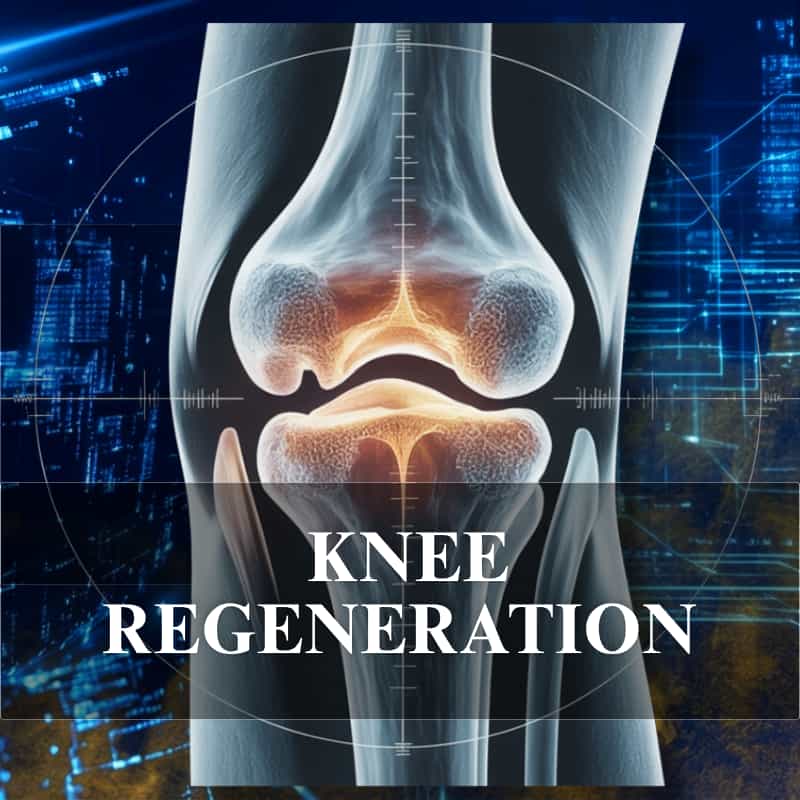
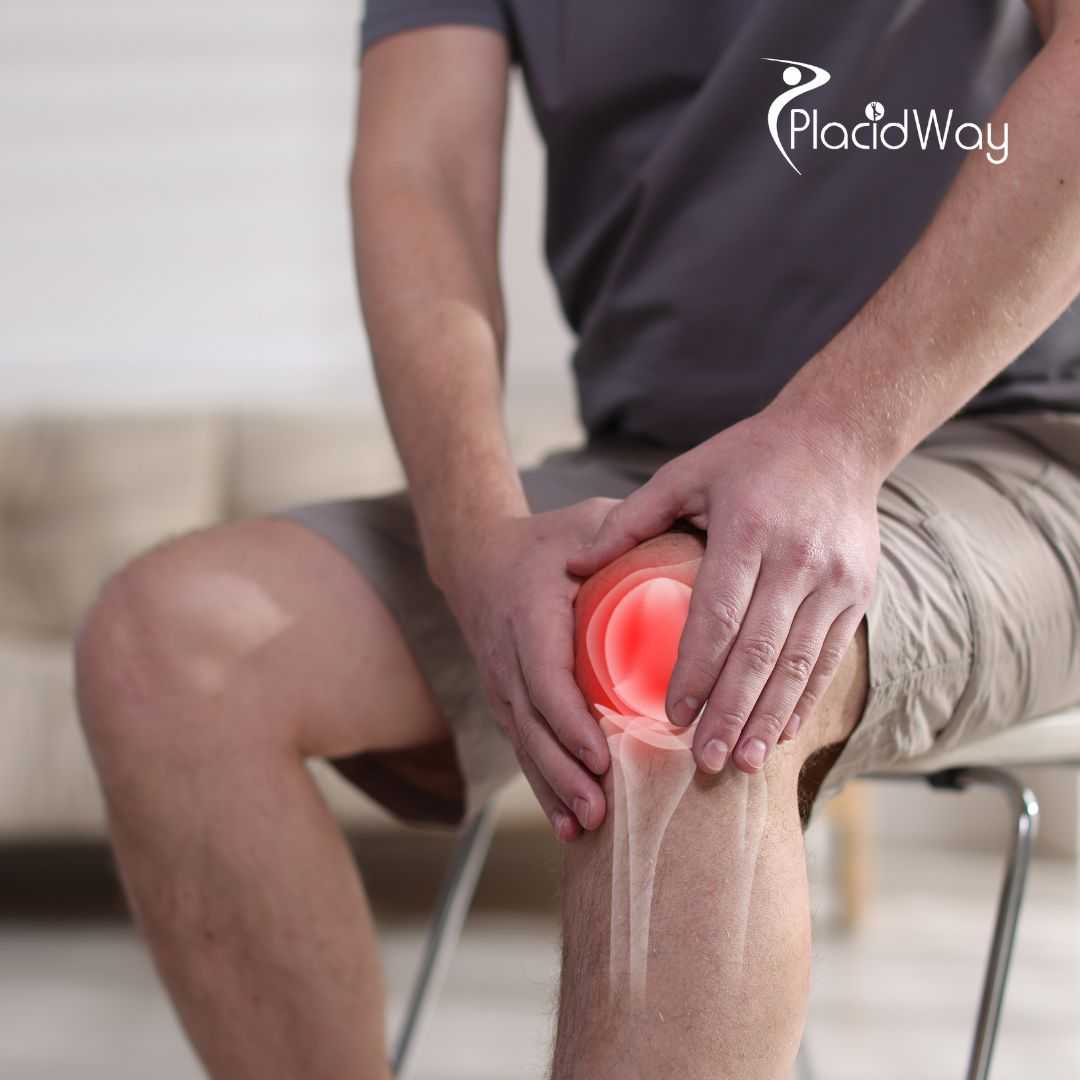
Japan’s clinics and hospitals offer a broad spectrum of regenerative medicine applications. Because of their advanced research into different cell lineages, they are particularly successful in treating orthopedic issues and chronic degenerative diseases. Patients often travel to Japan for mesenchymal stem cell (MSC) injections to repair cartilage or reduce inflammation in the joints.
Commonly treated conditions include:
- Osteoarthritis: Using stem cells to regrow knee and hip cartilage.
- Cardiovascular Diseases: Repairing heart tissue after a myocardial infarction.
- Diabetes: Researching iPS-derived islet cells for insulin production.
- Neurological Disorders: Targeting ALS and Alzheimer’s with neuro-regenerative cells.
Is stem cell therapy in Japan safe and regulated?
Safety is the cornerstone of Japanese healthcare. Every medical institution providing regenerative medicine must submit a detailed "Provision Plan" to a Certified Committee for Regenerative Medicine. These committees are vetted by the government to ensure that the stem cell treatment being offered is based on sound science and is performed in a sterile, professional environment.
Furthermore, Japan has strict rules against the use of unproven or "predatory" clinics. By maintaining a public list of certified institutions, the Japanese government protects patients from fraud. When you receive cell therapy in Japan, you are benefiting from a system that balances medical innovation with a deep respect for patient safety and bioethics.
What is the role of the Japanese government in promoting regenerative medicine?
The Ministry of Health, Labour and Welfare (MHLW) doesn't just regulate; it actively promotes. Japan views regenerative medicine as a key pillar of its future economy, especially given its aging population. Significant funding is funneled into institutions like the Center for iPS Cell Research and Application (CiRA) at Kyoto University to ensure that the pipeline of biotechnology remains full.
This government support extends to "Cell Stock" projects. By creating a bank of high-quality, pre-screened iPS cells that are compatible with a large percentage of the population, the government is making stem cell therapy more affordable and accessible for everyone, not just the wealthy. This public-private partnership is a major reason why Japan remains ahead of its competitors.
Can international patients access stem cell therapy in Japan?
Japan is increasingly open to "medical tourists" seeking advanced medical care. Many top-tier hospitals have established international departments to assist with visa processing, translation, and travel logistics. Because regenerative medicine often requires multiple visits (one for cell harvesting and another for transplantation), Japanese clinics have streamlined these processes for those traveling from abroad.
When planning a trip for stem cell therapy, it is vital to work with certified clinics. Japan's transparent system makes it easy to verify if a doctor is authorized to perform MSC therapy or iPSC procedures. This transparency gives international patients peace of mind that they are receiving world-class healthcare in a safe environment.
What is the future of regenerative medicine in Japan and beyond?
As we move through 2026, Japan is shifting its focus toward industrializing regenerative medicine. The goal is to move away from manual laboratory work and toward automated biomanufacturing. This will allow for the mass production of clinical-grade stem cells, further driving down costs and making treatments a standard part of medical care rather than a luxury.
Research is also advancing in 3D bioprinting, where stem cells are used as "ink" to print functional human tissues. This could eventually lead to "printing" replacement patches for damaged hearts or even entire kidneys. Japan's combination of robotics expertise and biological research makes it the most likely place for these futuristic medical breakthroughs to become a reality.
How do Japanese stem cell clinics ensure the quality of their cells?
The quality of a stem cell treatment is only as good as the cells themselves. In Japan, cells must be processed in Cell Processing Centers (CPCs) that meet rigorous government standards. These facilities are designed to prevent contamination and ensure that the cells remain potent and viable for regeneration.
- Potency Testing: Cells are tested to ensure they can differentiate into the required tissue.
- Sterility: Multiple layers of filtration and clean-room technology are used.
- Genetic Stability: Particularly for iPSCs, cells are screened for mutations to ensure they won't form tumors.
Japan’s unique blend of Nobel-winning science, supportive laws, and high safety standards has truly made it the global leader in regenerative medicine. For patients looking for the latest in cell-based healing, Japan provides a level of expertise and security that is hard to match anywhere else in the world.
Contact PlacidWay today to learn more about how you can access world-class regenerative medicine and healthcare solutions tailored to your needs.
.png)
.png)


.png)
.png)
.png)





-(10).png)
.png)











Share this listing