
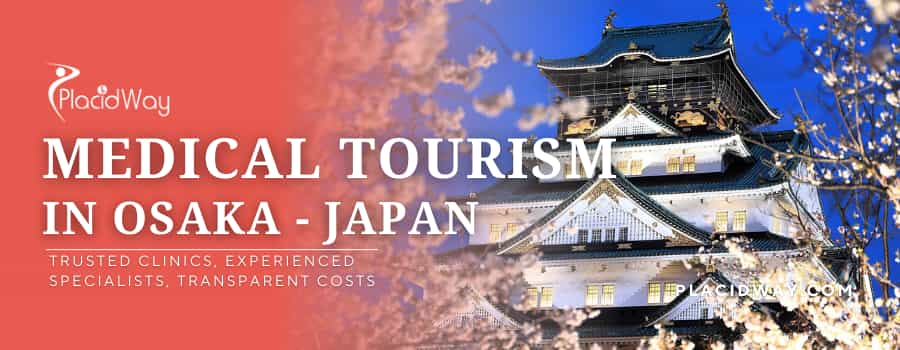
Medical Tourism in Osaka, Japan: A Comprehensive Guide to Healing and Heritage
Rain taps gently against the window of a high-rise hotel in Umeda, blurring the neon glow of the Ferris wheel down below. Lin, a professional from Taipei having just completed her comprehensive preventative cardiovascular screening that morning, sips warm matcha while reviewing her securely translated digital health report. Embarking on Medical Tourism in Osaka, Japan, often begins with profound moments of quiet reassurance just like this one.
It is completely understandable to feel a mix of anxiety and anticipation when planning healthcare across borders, especially when balancing clinical appointments with family travel. This vibrant city offers a unique environment where advanced clinical diagnostics seamlessly intertwine with world-class hospitality, ensuring that your journey prioritizes both precise medical care and gentle, restorative leisure.
Key Takeaways
- Osaka specializes in "Ningen Dock" comprehensive preventative health screenings that combine full-body MRI and PET-CT scans with immediate specialist consultations.
- Japan’s Medical Service Accreditation for International Patients (JMIP) ensures certified hospitals in Kansai meet strict multilingual and cultural support standards.
- Healthcare costs for complex diagnostics in Japan are typically 30% to 50% lower than comparable out-of-pocket expenses in the United States or Australia.
- The city's expansive, flat terrain and extensive elevator access within the Midosuji subway line make post-procedure mobility highly accommodating for recovering travelers.
- Medical visas for extended stays allow patients and their companions from eligible Asian countries up to six months of uninterrupted care and recovery time.
What Makes Osaka a Premier Destination for International Patients?
Choosing a destination for your healthcare journey involves weighing clinical excellence against the comfort of your recovery environment. Osaka uniquely balances world-renowned medical technology with an incredibly welcoming, accessible urban infrastructure.
- Advanced Preventative Care Integration: Kansai-region hospitals are globally recognized for early cancer detection protocols, utilizing high-resolution imaging equipment that operates alongside restorative wellness therapies. While you wait for laboratory results, the serene environments of nearby temple gardens in Tennoji provide a calming atmosphere to manage any medical anxieties.
- Exceptional Post-Treatment Hospitality: The local concept of "omotenashi" (wholehearted hospitality) extends directly from the clinic recovery ward to your chosen boutique hotel in Shinsaibashi. Medical staff coordinate with local accommodations to ensure your room meets specific temperature and accessibility requirements following surgical procedures.
- Gastronomic Adaptability for Recovery: Often called "Japan's Kitchen," the city offers diverse culinary options that cater seamlessly to post-operative dietary restrictions. Gentle, easily digestible local dishes like warm udon noodles or savory rice porridge (okayu) provide comforting nutrition when heavy foods are clinically restricted.
- Proximity to Restorative Nature: Unlike denser concrete landscapes, this region offers immediate access to healing natural environments, which clinical studies suggest improves recovery times. A short, accessible train ride transports recovering patients to the mineral-rich, therapeutic hot springs of nearby Arima Onsen, assuming physician clearance for thermal bathing.
- Robust Multilingual Support Systems: Designated international hospitals employ full-time medical coordinators who speak fluent Mandarin, English, and Hokkien to support patients from Taiwan and Singapore. These coordinators not only translate complex medical terminology but also assist with navigating local pharmacies and arranging wheelchair-accessible taxis for sightseeing.
Which Procedures Draw Patients from Taiwan and Beyond?
Patients from neighboring Asian countries and Western nations frequently travel to the Kansai region for highly specialized treatments that require exacting precision. The medical landscape here caters specifically to longevity, aesthetic refinement, and comprehensive diagnostics.
- Comprehensive Ningen Dock Screenings: These exhaustive one- or two-day preventative health audits evaluate everything from gastrointestinal health to cardiovascular risks using advanced endoscopy and MRI technology. Following the gentle, sedated procedures, patients often celebrate their clean bills of health with a modified, healthy multi-course kaiseki meal overlooking the city skyline.
- Regenerative Stem Cell Therapies: Regulated strictly by Japan's Ministry of Health, local clinics offer advanced joint and skin regenerative treatments aimed at reducing inflammation and promoting tissue repair. Because these procedures are largely minimally invasive, visitors can comfortably enjoy low-impact tourism, such as strolling through the fully accessible Osaka Aquarium Kaiyukan, the very next day.
- Aesthetic Dermatology and Laser Treatments: The region is famous for subtle, non-surgical cosmetic enhancements that prioritize natural results and minimal downtime. Since strict sun avoidance is required after intense laser therapies, patients find the city's vast network of underground shopping arcades in Umeda perfect for UV-free exploration.
- Advanced Orthopedic Diagnostics: Travelers seeking second opinions for complex spine or joint issues benefit from Japan’s unparalleled orthopedic imaging standards and meticulous specialist consultations. The city’s flat topography and widespread availability of mobility-assistive devices in public spaces make getting to and from these specialty clinics remarkably manageable.
- Targeted Oncology Treatments: Facilities here are equipped with heavy ion radiotherapy and proton beam therapy, offering localized cancer treatments with fewer systemic side effects. Between scheduled outpatient radiotherapy sessions, patients and their supporting family members can find quiet respite in the expansive, peaceful grounds of Osaka Castle Park.
How Do Medical Costs in Osaka Compare Globally?
It is entirely natural to meticulously plan your budget when coordinating cross-border healthcare, especially when comparing out-of-pocket expenses for elective or diagnostic care. The financial landscape in Japan offers highly transparent pricing structures, allowing you to seamlessly budget for both your clinical needs and your accompanying tourism itinerary.
| Medical Procedure | Average Cost in Osaka (USD) | Average Cost in Taiwan/Singapore (USD) | Tourism Integration & Recovery Benefit |
|---|---|---|---|
| Comprehensive Ningen Dock (PET-CT + MRI) | $2,500 - $3,500 | $3,200 - $4,800 | Requires only 1-2 days, leaving ample time to enjoy gentle cultural tours in Kyoto or Nara. |
| Advanced Endoscopy (Stomach & Colon) | $800 - $1,200 | $1,100 - $2,000 | Quick recovery allows patients to enjoy soft Japanese cuisine like chawanmushi by the next afternoon. |
| Non-Surgical Stem Cell Joint Therapy | $5,000 - $8,000 | $7,000 - $12,000 | Outpatient treatment format allows immediate return to accessible luxury hotels in the Namba district. |
| Premium Aesthetic Laser Resurfacing | $600 - $1,500 | $800 - $2,200 | Ideal for recovering while exploring the sun-protected, indoor shopping havens of Shinsaibashi-suji. |
| Cardiovascular Screening Package | $1,200 - $1,800 | $1,500 - $2,500 | Non-invasive pacing means no physical restrictions, perfect for evening river cruises down the Tombori River. |
How Will You Navigate Language Differences During Your Stay?
Worrying about communication breakdowns during sensitive health discussions is one of the most common concerns for traveling patients. The region’s healthcare infrastructure has systematically addressed this by integrating professional linguistic support directly into the patient experience alongside accessible urban wayfinding.
- Dedicated In-House Medical Interpreters: JMIP-accredited facilities employ certified translators who specialize in clinical terminology for Mandarin, English, and other languages. These professionals accompany you through every consultation, ensuring you understand your diagnosis with the same clarity you experience when reading dual-language tourist menus in Dotonbori.
- Translated Medical Documentation: Upon discharge, your test results, prescriptions, and follow-up care instructions are provided in your native language. This documentation makes it incredibly easy to explain your dietary restrictions to hotel concierges who can book appropriate, health-conscious local dining experiences for you.
- Multilingual City Infrastructure: Beyond the hospital walls, the local transportation network features prominent signage, ticket machines, and automated announcements in English, Traditional Chinese, and Korean. This seamless linguistic integration significantly lowers your stress levels when navigating from a clinical appointment to a leisurely afternoon at the Umeda Sky Building.
- Pharmacy Concierge Services: Filling prescriptions in a foreign country can feel daunting, but international clinics typically utilize partnered pharmacies equipped with translation tablets. Pharmacists ensure you understand precise dosage schedules while also offering advice on gentle Japanese skincare products to protect healing skin during your sightseeing.
- Digital Communication Tools: Most patient coordinators communicate via familiar platforms like LINE or WhatsApp, offering 24/7 text support during your stay. If you experience unexpected discomfort while enjoying a theatrical performance at the National Bunraku Theatre, a medical professional is only a quick message away.
Which Osaka Neighborhoods Offer the Best Post-Treatment Recovery?
Selecting the right neighborhood serves as the foundation for a restorative and stress-free trip, blending proximity to top-tier clinics with the comforts of premium hospitality. The city’s distinct districts each offer unique advantages depending on your mobility levels and prescribed post-treatment care.
- Umeda (Kita): The Hub of Premium Care: This northern district houses many of the region's elite diagnostic centers and luxury hotels, connected by expansive underground networks. If your procedure requires avoiding intense sunlight or uneven terrain, Umeda allows you to dine, shop, and attend follow-up appointments entirely indoors.
- Namba (Minami): Vibrant Yet Accessible: While famous for its energetic nightlife, Namba features numerous high-end hotels that offer serene, soundproofed environments just steps from major transit lines. It is ideal for patients undergoing non-invasive treatments who want immediate access to cultural landmarks and lively riverfront walking paths without strenuous travel.
- Tennoji: Quiet and Culturally Rich: Home to expansive green spaces like Tennoji Park and historical temples, this area provides a tranquil, meditative environment conducive to psychological healing. It is highly recommended for oncology or extensive diagnostic patients who prefer gentle morning walks in nature over bustling commercial districts.
- Honmachi: The Peaceful Corporate Center: Situated between the major northern and southern hubs, Honmachi offers wide, quiet streets and upscale, health-focused boutique accommodations. The area is highly walkable and relatively flat, making it a perfect base for patients utilizing mobility aids while still offering quick taxi access to major clinics.
- Osaka Bay Area: Salty Air and Ocean Views: For those whose treatments require extended recovery periods, the coastal hotels near Universal Studios Japan offer restorative ocean breezes and beautiful sunset views. The wide, crowd-controlled promenades are exceptionally wheelchair friendly, allowing you to enjoy fresh air safely outside the city core.
Are Clinics in Osaka Accredited and Safe for International Visitors?
Trusting a foreign medical system requires concrete evidence of safety, rigorous oversight, and standardized clinical excellence. Japan maintains some of the world's most stringent healthcare regulations, ensuring your peace of mind while you enjoy the cultural treasures of the Kansai region.
- The JMIP Certification Standard: The Japan Medical Service Accreditation for International Patients is a rigorous national framework evaluating a hospital's capability to safely treat foreign visitors. Facilities holding this accreditation guarantee seamless cultural integration, from dietary accommodations to translated sightseeing recommendations for your recovery days.
- JCI Accreditation Presence: Several elite private hospitals and university medical centers in the city have achieved Joint Commission International status, the global gold standard for patient safety. This means infection control protocols are strictly maintained, allowing you to safely transition from a sterile clinical environment to crowded tourist areas like Kuromon Market with proper guidance.
- Ministry of Health Oversight: Unlike regions with loosely regulated cosmetic sectors, the Japanese government strictly monitors the licensing of regenerative medicine and aesthetic dermatology. You can confidently enjoy your aesthetic treatments knowing the technologies utilized are highly vetted, leaving you worry-free as you explore the local fashion boutiques in Americamura.
- Standardized Pricing Frameworks: The national healthcare system enforces strict pricing guidelines for medical procedures, which greatly limits the risk of price gouging for international visitors. This financial transparency allows you to confidently allocate the remainder of your travel budget toward luxury cultural experiences, such as private tea ceremonies.
- Comprehensive Infection Control: Hospitals here mandate rigorous masking and hygiene protocols that exceed global averages, ensuring your immune system is protected during sensitive treatments. These cultural habits extend into the city's general population, providing a highly sanitary urban environment that supports safe, post-procedure tourism.
How Accessible is Osaka's Public Transit for Recovering Patients?
Navigating a bustling metropolis immediately after a health screening or medical procedure naturally brings up concerns regarding physical exertion and crowd management. Fortunately, the city’s public transportation infrastructure is globally renowned for its exceptional commitment to accessibility and passenger comfort.
- Barrier-Free Subway Stations: The major subway lines, particularly the Midosuji line, are equipped with spacious elevators and escalator networks connecting platforms directly to street levels. This design ensures that patients recovering from joint therapies or those feeling fatigued after comprehensive health screenings never have to struggle with steep staircases.
- Dedicated Priority Seating: Every train car features clearly marked, easily accessible priority seating designated for the elderly, expectant mothers, and individuals with medical conditions. Local commuters are highly respectful of these zones, allowing you to travel comfortably and safely to iconic destinations like Osaka Castle, even during busy hours.
- Abundant Wheelchair-Accessible Taxis: The city features a massive fleet of modern, spacious taxis designed with sliding doors and low floors to accommodate mobility devices and recovering patients. Drivers are exceptionally polite and trained to assist passengers with gentle boarding, making the trip from your clinic back to your hotel entirely stress-free.
- Tactile Paving and Wide Sidewalks: Major tourist districts and thoroughfares are outfitted with tactile paving and wide, well-maintained sidewalks free of severe trip hazards. This thoughtful urban planning allows for safe, steady walking exercises, which are often prescribed by physicians following minor surgical or regenerative procedures.
- Multilingual Navigation Apps: Local transit applications and station kiosks offer highly accurate, multilingual route planning that specifically includes barrier-free path options. You can easily plan a step-free journey from your medical facility to the serene grounds of Shitennoji Temple without any fear of getting lost or overtired.
What Can You Safely Eat in Japan's Kitchen After Your Procedure?
Gastronomic exploration is a primary draw for any visitor to Kansai, but medical procedures often dictate strict temporary dietary restrictions. Thankfully, the local culinary landscape offers an incredible spectrum of dishes that are both gentle on recovering digestive systems and profoundly flavorful.
- Comforting Rice Porridge (Okayu): Following gastrointestinal screenings or endoscopies, doctors typically recommend avoiding heavy, oily, or highly spiced foods for a short period. Traditional Japanese okayu, a warm, savory rice porridge often flavored with mild plum or soft egg, provides easily digestible nourishment that tastes authentically local.
- Nourishing Udon Noodles: The Kansai region is famous for its light, dashi-based broths paired with soft, easily chewed udon noodles. This comforting dish is an excellent, low-acid option for patients recovering from dental work or those needing mild, warming meals while adjusting to post-treatment medications.
- Steamed Egg Custard (Chawanmushi): Packed with high-quality protein necessary for tissue healing, this delicate, savory steamed egg dish is incredibly soft and easy to swallow. It is readily available at most traditional restaurants, allowing you to participate in group dining experiences without violating your post-operative dietary guidelines.
- Tofu-Based Delicacies: For those on strict, easily digestible diets, the city's specialty tofu restaurants offer multi-course meals featuring silken tofu, yuba (tofu skin), and light soy broths. These elegant meals provide a culturally immersive, plant-based dining experience that beautifully supports holistic healing and reduces systemic inflammation.
- Navigating Street Food Safely: While heavily fried treats like takoyaki and kushikatsu are beloved local staples, they may irritate sensitive stomachs immediately following health screenings. Medical coordinators suggest waiting until your physician clears you for rich foods, ensuring you can eventually savor these delicacies without compromising your recovery.
Do You Need a Special Visa for Healthcare Travel to Japan?
Understanding the legal requirements for your stay is crucial for eliminating administrative anxiety so you can focus entirely on your health and leisure. The Japanese government offers flexible entry pathways designed specifically to accommodate the varying needs of international patients and their families.
- Short-Term Tourist Visas for Quick Care: Patients from Taiwan, Singapore, and the United States benefit from visa-exempt entry for stays up to 90 days. This standard tourist entry is perfectly legally sufficient for attending health screenings, receiving cosmetic laser treatments, and combining these appointments with a two-week Kansai vacation.
- The Specialized Medical Visa: For treatments requiring extended hospitalization or rehabilitation, Japan offers a specific Medical Stay Visa valid for up to six months, or sometimes longer. This visa covers a wide range of services, including dental care, recuperation at hot spring resorts, and prolonged oncological therapies, ensuring your legal status is secure.
- Accommodating Accompanying Companions: The Medical Visa thoughtfully extends to accompanying family members or designated caregivers, allowing them to remain in the country with you. This ensures your support system is present to help you navigate daily life and enjoy quiet sightseeing moments in local gardens during your recovery.
- Application Facilitation by Guarantors: To obtain a medical visa, patients must work with a registered medical coordinating agency that serves as a legal guarantor for the trip. These agencies streamline the paperwork, schedule your clinical consultations, and even assist in booking appropriately accessible accommodations before you ever board your flight.
- Post-Care Extension Flexibility: If a physician determines that your recovery period must be extended to ensure your safety before flying, medical visas can typically be renewed domestically. This flexibility allows you to rest comfortably in your hotel without the stress of an expiring tourist stamp looming over your healing process.
How Can You Blend a Health Itinerary with a Family Vacation?
Many travelers strategically coordinate their clinical appointments to coincide with annual family holidays, maximizing both time and travel budgets. Osaka is uniquely positioned for this, offering distinct attractions that keep families entertained while the patient undergoes testing or rests.
- Staggered Scheduling Strategies: While you spend a morning undergoing a comprehensive Ningen Dock screening, your spouse and children can explore the interactive exhibits at the Kids Plaza Osaka. You can seamlessly reunite by mid-afternoon for a relaxed, low-impact family dinner in the easily navigable Grand Front Osaka dining complex.
- Universal Studios Japan Accommodations: Families traveling for a patient's outpatient therapies often choose hotels near the theme park, allowing children to enjoy thrilling attractions securely. Recovering patients can join the family for gentle park shows or simply enjoy the resort-style hotel amenities overlooking the tranquil bay area.
- Engaging Multi-Generational Activities: If you are traveling with elderly parents for their health checkups, the city offers highly accessible, low-exertion entertainment like the Osaka Museum of Housing and Living. These indoor, climate-controlled environments allow older patients to enjoy cultural heritage without risking physical exhaustion prior to their appointments.
- Accessible Day Trips to Kyoto and Nara: The rapid train networks make brief excursions to neighboring historical cities incredibly easy for recovering patients and their families. You can comfortably rent a wheelchair at major stations to gently explore the flat, paved paths of Nara Park alongside the famous roaming deer.
- Wellness-Focused Family Leisure: Post-treatment bonding can focus on holistic wellness, such as booking private, family-sized healing baths at Spa World. These controlled, therapeutic environments provide entertainment for younger family members while offering soothing, physician-approved relaxation for the recovering patient.
What Should You Expect from a Traditional Ningen Dock Screening?
The Japanese approach to preventative medicine is globally unique, transforming standard clinical checkups into highly refined, hospitality-driven experiences. Understanding the flow of these comprehensive audits helps alleviate any anxiety surrounding the intensive diagnostic process.
- Detailed Pre-Arrival Questionnaires: Weeks before you board your flight, you will complete an exhaustive health history form, securely translated by your medical coordinator. This ensures the clinical team is fully prepared to customize your diagnostic imaging and laboratory tests the moment you arrive in the city.
- A Serene, Hotel-Like Environment: Ningen Dock facilities are intentionally designed to remove the sterile, intimidating atmosphere of traditional hospitals. You will typically be provided with comfortable, high-quality lounge wear and guided through warmly lit, quiet waiting areas that feel more akin to a luxury spa than a clinic.
- Hyper-Efficient Diagnostic Routing: The operational efficiency of these clinics is remarkable; nurses and coordinators guide you seamlessly from MRI suites to ultrasound rooms with zero wasted time. This precise choreography means a full-body audit is often completed by lunch, leaving your afternoon completely free for urban exploration.
- Immediate Post-Screening Consultations: Unlike Western systems where results take weeks, Japanese physicians often review preliminary imaging and blood work with you on the very same day. Accompanied by your interpreter, you will receive clear, actionable lifestyle advice while enjoying a complimentary, nutritionally balanced recovery meal provided by the clinic.
- Seamless Digital Record Transfers: Upon completion of the screening, all high-resolution medical imaging and translated clinical reports are securely digitized for your personal records. You can easily share these vital diagnostics with your primary care physician back in Taiwan or Singapore, ensuring perfect continuity of care.
Are Top Kansai Tourist Attractions Wheelchair Accessible?
Mobility concerns should never deter you from experiencing the rich cultural tapestry of the Kansai region following an orthopedic or surgical intervention. Urban planners have meticulously upgraded major historical and entertainment sites to ensure universal access for all visitors.
- Osaka Castle's Modern Upgrades: Despite its imposing historical architecture, the main castle keep features a hidden, state-of-the-art elevator system specifically for wheelchair users and the elderly. You can effortlessly reach the top-floor observation deck to view the sprawling city skyline without navigating a single steep wooden staircase.
- The Osaka Aquarium Kaiyukan: Designed around a central, spiraling ramp, the aquarium allows visitors utilizing mobility aids to gently descend past massive aquatic habitats with zero physical strain. The dimly lit, climate-controlled environment is also highly soothing for patients recovering from procedures that require avoiding direct sunlight or excessive heat.
- Umeda Sky Building Floating Garden: The iconic architectural marvel offers dedicated accessibility routes, ensuring patients can reach the breathtaking open-air observation deck safely. Staff are highly trained to assist visitors with mobility challenges, making this a perfect, low-exertion evening activity to celebrate a successful medical consultation.
- Smooth Navigation in Dotonbori: While famously crowded, the main thoroughfares of the vibrant Dotonbori entertainment district are flat, fully paved, and pedestrian-only during peak hours. Recovering visitors can comfortably enjoy the neon-lit atmosphere and street performers from the safe, accessible vantage points along the paved Tombori River Walk.
- Accessible River Cruises: The Aqua-Liner and Tombori River Cruise boats are equipped with boarding ramps, allowing patients to sightsee directly from the water. This provides a spectacular, seated tour of the city’s historic bridges and architecture, completely eliminating the physical fatigue associated with traditional walking tours.
How Do Osaka Hospitals Handle the Discharge Process?
The transition from clinical care to hotel recovery is managed with exceptional precision, ensuring you never feel abandoned in a foreign environment. The discharge process is designed to thoroughly equip you with the knowledge, medications, and logistical support needed for safe healing.
- Meticulous Medication Instructions: Pharmacists do not simply hand over prescriptions; they sit down with you and your interpreter to visually explain each medication's purpose and precise timing. You are often provided with clearly labeled, compartmentalized pill organizers that make managing post-operative pain or preventative care incredibly straightforward.
- Coordinated Hotel Transfers: Hospital staff routinely liaise with your chosen accommodation to inform them of your imminent arrival and any specific physical requirements you may have. Medical coordinators will hail a spacious, accessible taxi and communicate exactly where the driver should drop you off to minimize your walking distance.
- Clear Activity Guidelines: Your discharging physician will provide exact, written parameters regarding what tourist activities you can safely undertake in the coming days. You will know definitively whether it is safe to soak in a hotel hot tub, eat raw sashimi at Kuromon Market, or endure long walking tours.
- 24-Hour Emergency Contact Protocols: Before leaving the clinic, you are equipped with direct, multilingual emergency contact numbers connected to on-call nursing staff. This safety net provides immense psychological comfort, allowing you to relax in your hotel room knowing professional help is immediately accessible if needed.
- Scheduled Follow-Up Flexibility: If your travel itinerary is tight, clinics often offer flexible, rapid follow-up appointments to check incisions or review final lab results before your flight. For aesthetic or minor procedures, some doctors even conduct final visual clearances via secure video calls to save you an extra trip to the hospital.
When is the Best Season to Travel for Care and Sightseeing?
Timing your medical journey correctly impacts both your physical comfort during recovery and the quality of your tourism experience. The local climate varies significantly throughout the year, and choosing the right season can greatly enhance your overall healing process.
- Spring (March to May) - Gentle Healing: The mild temperatures and low humidity create an ideal physical environment for recovering from surgeries, minimizing sweat and skin irritation under bandages. Coinciding your health screening with the iconic cherry blossoms at Kema Sakuranomiya Park offers profound psychological benefits and beautiful, comfortable walking conditions.
- Autumn (September to November) - Crisp and Comfortable: Similar to spring, autumn provides cool, crisp air that is highly conducive to post-treatment mobility and outdoor rehabilitation exercises. The spectacular red maple foliage in nearby Kyoto offers a breathtaking, low-exertion sightseeing opportunity for patients regaining their strength.
- Winter (December to February) - Indoor Focus: While the weather is chilly, this is the perfect season for extensive diagnostic screenings or laser dermatological treatments that require strict sun avoidance. You can comfortably navigate the city’s vast, heated underground shopping networks and enjoy warming, restorative seasonal dishes like hot pot (nabe).
- Summer (June to August) - Strategic Planning Required: The intense heat and high humidity can be physically taxing for recovering patients and may complicate the healing of surgical incisions. If you must travel during summer, coordinators highly recommend booking interconnected, air-conditioned accommodations in Umeda to strictly limit your outdoor heat exposure.
- Avoiding Major National Holidays: Medical coordinators strongly advise against booking complex procedures during Golden Week (early May) or Obon (mid-August). During these periods, clinics often operate on reduced staffing, and tourist destinations become overwhelmingly crowded, which can induce unnecessary stress during your recovery.
The Illustrative Journey: A Taipei Patient’s Week in Kansai
To truly understand how clinical precision blends with local hospitality, it helps to visualize a typical itinerary designed for comfort and efficiency. This illustrative schedule demonstrates how a patient from Taiwan seamlessly navigates preventative healthcare and leisure in the city.
- Day 1: Arrival and Acclimation: Upon landing at Kansai International Airport, the patient utilizes the pre-booked, accessible limousine bus directly to a premium hotel in Namba. The evening is spent relaxing, organizing translated medical documents with their digital coordinator, and enjoying a light, physician-approved meal of warm soba noodles.
- Day 2: The Clinical Audit: Arriving at the clinic by 8:30 AM, the patient is guided through a highly efficient, comprehensive Ningen Dock screening, including an MRI and gentle endoscopy. By 2:00 PM, the procedures are complete, and the patient reviews the preliminary, translated results with a specialist while enjoying a complimentary clinic lunch.
- Day 3: Gentle Cultural Exploration: Feeling fully recovered from the mild sedation, the patient embarks on a slow, visually stunning morning stroll through the accessible paths of the Botanical Garden. The afternoon is reserved for premium, UV-protected shopping in the Shinsaibashi arcades, acquiring local skincare products recommended by the clinic's dermatologist.
- Day 4: Culinary Indulgence and Departure: With a clean bill of health confirmed, the patient is cleared to enjoy the rich culinary heritage of the region without dietary restrictions. After savoring authentic wagyu beef and exploring the vibrant Kuromon Market, the patient heads to the airport, returning home with renewed peace of mind and digitized health records.
- Post-Trip Continuity of Care: One week after returning to Taipei, the patient receives a secure, fully translated package containing final pathology results and long-term wellness recommendations. The dedicated Osaka medical coordinator conducts a final follow-up call, ensuring the patient’s local physician has all necessary data to continue preventative care.
Frequently Asked Questions
Is it safe to fly immediately after a health screening in Japan?
For standard non-invasive screenings like MRIs, ultrasounds, or basic blood panels, flying the next day is entirely safe. However, if your procedure involved an endoscopy with polyp removal or minor aesthetic surgeries, physicians typically mandate a 48 to 72-hour waiting period before air travel.
Can I use my domestic health insurance in Japanese clinics?
Foreign domestic health insurance is generally not accepted directly by Japanese hospitals for medical tourism procedures. Patients are required to pay out-of-pocket or utilize specialized international travel health insurance that covers elective care and diagnostics abroad.
Do hospitals provide meals that cater to specific dietary restrictions?
Yes, JMIP-accredited hospitals are highly accustomed to accommodating cultural, religious, and allergy-related dietary requirements. You can easily request vegetarian, halal-friendly, or soft-food recovery meals, which are prepared with meticulous attention to cross-contamination.
How far in advance should I book my medical trip to Kansai?
To ensure availability for high-demand services like full-body PET-CT scans or specialized specialist consultations, you should initiate booking 2 to 3 months in advance. This timeline also allows ample time for visa processing, medical record translation, and securing accessible hotel accommodations.
Are medical interpreters included in the treatment cost?
In major international hospitals, standard multilingual staff support is often included in the facility fee. However, for dedicated, one-on-one professional interpretation during complex consultations, medical coordination agencies typically charge a separate, transparent daily fee.
Can I bring my children to the hospital during my appointments?
While Japanese hospitals are incredibly accommodating, clinical diagnostic areas maintain strict quiet zones and infection control protocols. It is highly recommended that a spouse or companion takes children to nearby family attractions, like Kids Plaza, while you attend your medical appointments.
What happens if a screening detects a serious medical issue?
If a Ningen Dock screening reveals a critical health concern, the clinic will immediately facilitate a consultation with a relevant local specialist. Your medical coordinator will assist in discussing whether to begin localized treatment in Japan or securely transfer your diagnostic imaging to your home physician.
Is it customary to tip doctors or nurses in Japan?
No, tipping is absolutely not customary and is generally politely refused in all sectors of Japanese society, including healthcare. Providing a simple, sincere bow and expressing gratitude verbally is the most culturally appropriate way to thank your medical team.
Are public baths (onsen) safe to use after medical treatments?
Immersion in public hot springs poses severe infection risks and thermal stress following any procedure involving incisions, injections, or laser resurfacing. You must obtain explicit medical clearance from your attending physician before utilizing any onsen or hotel pool facilities.
Will I face issues bringing prescribed Japanese medications home?
Most standard post-operative antibiotics, painkillers, and dermatological creams prescribed in Japan are legal to carry across borders for personal use. Your clinic will provide an official English-translated prescription summary, which you should present to customs officials if questioned during your return journey.
Are you ready to blend world-class preventative healthcare with the rich cultural hospitality of the Kansai region?
Reach out to our compassionate care coordinators today to discuss your clinical needs, compare verified hospital accreditations, and begin planning your seamless journey for Medical Tourism in Osaka, Japan.
References
- Japan Medical Service Accreditation for International Patients (JMIP) – Japan Medical Education Foundation
- Guide for when you are feeling ill – Japan National Tourism Organization (JNTO)
- Visa for Medical Stay – Ministry of Foreign Affairs of Japan
- Medical Care and Quality Standards – Ministry of Health, Labour and Welfare Japan
- Health Information for Travelers to Japan – Centers for Disease Control and Prevention (CDC)
- Global Healthcare Quality Standards – International Society for Quality in Health Care (ISQua)
- Healthcare Policies and Patient Safety – Japan Medical Association (JMA)
Medical Disclaimer: The information provided in this article is for educational and informational purposes only and does not constitute medical advice. Healthcare outcomes, costs, and recovery timelines vary significantly depending on individual health conditions and specific medical providers. Always consult with a qualified physician or healthcare professional before making any medical decisions or traveling internationally for healthcare services.




.png)
.png)
.png)
.png)



-(10).png)











Share this listing