
A teacher in London sits at her dining table, reviewing a two-year waiting list for bariatric surgery. She knows the delay affects her daily mobility, but booking a flight to the UAE feels like stepping into the unknown. Her primary concern is not the surgery itself, but how she will manage the long flight home and who will monitor her recovery once she returns.
Across the world in Toronto, a couple reviews their dwindling finances after three unsuccessful local IVF cycles. They are looking at specialized fertility clinics in Dubai, drawn by specific advanced reproductive technologies not easily accessed in their province. Their decision rests entirely on whether the strict travel timeline will align with highly unpredictable biological windows.
Meanwhile, a business executive in Nairobi is scheduling a two-week trip for complex dental implants. He has mapped out the exact number of days he can be away from his office. He is comparing specialized dental hubs, trying to figure out if a single trip will be enough, or if bone grafting requirements will force a costly second journey.
All three people are dealing with the same broad topic of medical tourism in Dubai, but their actual journeys, decisions, and experiences differ significantly.
How do you evaluate which clinic, specialist, and recovery timeline realistically fits your medical needs, personal constraints, and safety requirements before boarding a flight?
Beyond the Glossy Brochures: Understanding Your True Motivation
Deciding to cross borders for healthcare rarely starts with a desire for a vacation. It usually begins with a specific frustration, a hard limit, or an unanswered need.
Maybe you have reached the end of what your local healthcare system can offer in terms of timeline. The wait for orthopedic surgery is extending into years, and daily pain is making patience impossible.
Perhaps you require a level of discretion regarding plastic surgery that your home community simply cannot provide. The physical distance offers a quiet space to heal away from familiar eyes.
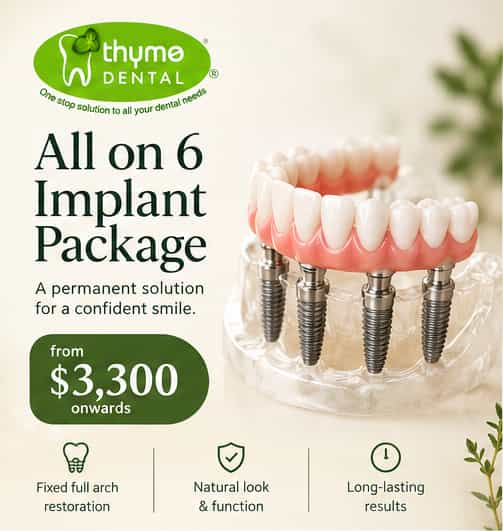
Maybe the out-of-pocket costs for full-mouth dental implants in your country exceed your life savings. You are looking for a financial model that makes restoring your health possible without total depletion of your resources.
Perhaps you are navigating the emotional exhaustion of IVF and need access to specialized donor programs or genetic screening protocols. The local regulations in your country might restrict the exact reproductive care you need to build your family.
Maybe you simply want the ability to choose your exact specialist. Instead of being assigned the next available doctor, you want to review credentials and select the hands that will perform your procedure.
Which sounds most like you?
"I cannot wait another year in pain just to get an initial surgical consultation."
This reader is prioritizing speed and accessibility over proximity. They are likely willing to absorb higher travel costs to regain their functional life through immediate orthopedic or bariatric intervention.
"My local dentist quoted me a price that equals a down payment on a house."
This reader is balancing cost against long-term value. Their decision challenge is verifying that lower upfront prices for dental implants do not hide compromised material quality or lack of follow-up support.
"We have tried everything at home, and the emotional clock is ticking faster than we can manage."
This reader is highly vulnerable and prioritizing advanced capability over convenience. For IVF patients, the focus must be on laboratory standards, ethical regulations, and the logistical stress of traveling during precise hormonal cycles.
"I want my recovery to happen in absolute privacy, far away from my workplace and social circle."
This reader is valuing environment and discretion above all else. When planning plastic surgery, they need to ensure the recovery facility provides actual medical monitoring, not just luxury hospitality.
This is why choosing medical tourism in Dubai should begin with your situation, not a generic ranking, slogan, or price comparison.
One Destination. Several Different Real-World Paths.
The healthcare landscape in the UAE is not a single, uniform environment. It is a highly segmented ecosystem regulated primarily by the Dubai Health Authority (DHA).
Official guidance notes that medical facilities here range from small, specialized day-surgery clinics to massive, multi-specialty hospital complexes. The right environment for a routine dental implant is vastly different from the infrastructure required for major bariatric surgery.
Capability, quality, timing, and support can differ substantially between providers. While the DHA enforces strict licensing for healthcare professionals, the actual patient experience—from bedside manner to aftercare coordination—varies by institutional model.
Current medical travel guidelines suggest that patients must distinguish between clinical excellence and hospitality services. A five-star recovery suite does not automatically equate to superior surgical outcomes or rigorous infection control.
This is a planning consideration, not a guarantee. Patients must align their specific medical acuity with the appropriate facility tier.
Here is what those differences can feel like in real life.
The Day-Surgery Clinic: When Precision Meets Tight Timelines
A patient lands on a Tuesday, takes a private transfer straight to a highly specialized dental hub, and begins consultations immediately. The environment feels less like a traditional hospital and more like a modern executive office.
This option attracts readers requiring focused, less invasive procedures like dental implants or minor cosmetic adjustments. It solves the problem of time, offering streamlined processes without the bureaucratic delays of a large hospital.
However, the less obvious reality involves emergency escalation. Day clinics generally lack intensive care units (ICUs). If an unexpected complication arises, you will be transferred to a larger tertiary hospital, adding logistical complexity.
Before you decide, ask:
- What is the exact protocol and partner hospital if I require emergency admission?
- Are all required diagnostic tools, like 3D dental imaging, available on-site?
- Who is responsible for my care if I experience severe pain at 2:00 AM?
- Will my procedure require multiple visits spaced months apart?
- Is the clinic registered specifically for surgical procedures with the DHA?
Convenience can change the calculation. It should not end the research.
The Multi-Specialty Hospital: When Acuity Demands Infrastructure
A patient checking in for orthopedic joint replacement is wheeled into a massive facility with distinct wings, hundreds of beds, and a dedicated intensive care unit. The environment is highly clinical, busy, and standardized.
This route is chosen by those undergoing major procedures like bariatric or orthopedic surgery. It solves the priority of safety, providing immediate access to diverse specialists, blood banks, and advanced life support if needed.
The trade-off is often a less personalized, highly institutionalized experience. You are navigating a massive system, and communication between different departments and your home country physician can be slow or disjointed.
What matters here isn’t the building’s size.
- How is my medical history transferred to my local doctor upon discharge?
- Who acts as my single point of contact within this large hospital system?
- Are physical therapy and post-operative rehabilitation included in my stay?
- What are the specific requirements for airline flight clearance after major surgery?
- Can my companion stay in the room with me during the initial recovery?
Extensive infrastructure can make the experience safer. It cannot replace the need for clear, personal communication.
The Boutique Fertility Center: When Environment Impacts Emotion
A couple walks into a quiet, heavily secured fertility clinic. The lighting is soft, the staff speaks in hushed tones, and the focus is entirely on reproductive endocrinology.
This option attracts patients seeking IVF who require extreme emotional support alongside cutting-edge laboratory science. It supports the need for focused expertise, often utilizing specialized embryology labs built to exact environmental specifications.
The hidden limitation is the rigid dependency on biology. Travel schedules must be flexible, and delays in cycle response can force extended, expensive hotel stays or entirely missed treatment windows.
Before you decide, ask:
- What happens to our travel timeline if my body responds slowly to stimulation?
- Does the clinic handle the specific local legal requirements for embryo transport?
- Who communicates daily lab updates, and in what language?
- What are the local regulatory laws regarding IVF, donor materials, and marital status?
- Is psychological support integrated into the treatment package?
Same medical goal. Completely different logistical pressure.
The Person Beside You Has A Role Too
There is often another person missing from guides like this. It is the spouse, the adult child, or the trusted friend sitting in the waiting room.
For procedures like orthopedic or bariatric surgery, a companion is rarely just along for a vacation. They are an active participant, carrying a heavy physical and emotional load.
They are the ones remembering the exact medication schedule when the patient is groggy. They are coordinating the transfer from the hospital to the hotel, managing heavy luggage while ensuring the patient does not strain themselves.
They provide emotional reassurance during sudden moments of panic. They notice slight changes in temperature or swelling, serving as the first line of defense against complications.
A responsible provider or decision process must account for this person. They need to know exactly who to call when a drain seems blocked at midnight.
They must understand the escalation pathways and where they are allowed to be during different phases of care. They also need practical support, like access to meals, comfortable rest areas, and clear communication.
A better decision considers everyone affected, not only the person making the purchase or lying on the operating table. The safest journeys are shared journeys.
Looking Past "Is Healthcare Here Good?"
It is entirely natural to ask if the healthcare in a destination is "good." However, this broad question fails to capture the complexity of clinical reality.
A country does not perform surgery; a specific surgeon in a specific facility does. An oversimplified answer can lead a patient to assume that a national reputation automatically guarantees individual clinical success.
Instead of asking if the healthcare is good, ask: Does this specific clinic routinely handle my exact level of medical complexity? What is their documented infection rate for this specific orthopedic procedure?
How many times has this surgeon performed this specific bariatric technique this year? If I develop a complication, does this surgeon have admitting privileges at a major trauma hospital?
Different people need different answers. A healthy thirty-year-old seeking minor cosmetic changes faces a vastly different risk profile than a sixty-year-old diabetic patient seeking joint replacement.
Moving From Claims to Accountability
Attractive marketing claims are easy to design. True medical trust requires verifiable accountability.
"We have the best internationally board-certified specialists and five-star luxury recovery."
A stronger verification question asks: Are these specialists permanently licensed with the Dubai Health Authority (DHA), or are they visiting on temporary permits? Where can I independently verify their surgical privileges?
Readers should look beyond website badges. Verify the professional’s active license through official local regulatory portals, confirm the facility’s specific DHA license for the intended procedure, and request clear documentation of medical malpractice insurance coverage.
Trust comes from identifiable responsibility, evidence, and a clear legal framework, not just promotional language.
Before you commit, try the 4-Pillar Reality Test
1. The Midnight Test: If I begin bleeding or experiencing severe pain at 3:00 AM on my third day at the hotel, what is the exact, written protocol, and who pays for the emergency admission?
2. The Handoff Test: Will my primary care physician back home receive a comprehensive medical file, operative notes, and implant details translated into English before I board my flight?
3. The Delay Test: If my IVF cycle requires an extra week, or my surgical drains cannot be removed on time, do I have the visa flexibility, budget, and work clearance to extend my stay without panic?
4. The Revision Test: If my dental implants fail or my plastic surgery requires revision six months from now, what does the contract state regarding liability, and who covers the return travel costs?
That is the Dubai Medical Tourism test.
Show the Topic Through Different Reader Eyes
"I am a budget-conscious patient needing extensive dental work."
Most suitable route: Dedicated dental hubs offering structured, multi-phase treatment plans.
Key factor to investigate: The exact brand and material of the dental implants, ensuring they can be serviced by dentists in your home country.
Warning: Do not choose based solely on the lowest quote; cheap hardware often leads to expensive failures later.
"I am an emotionally drained couple seeking IVF."
Most suitable route: Boutique fertility centers with specialized embryology labs and dedicated patient coordinators.
Key factor to investigate: Local laws regarding marital status requirements and restrictions on genetic testing or donor usage.
Warning: Do not book rigid, non-refundable flights; biological stimulation rarely follows a perfect calendar schedule.
"I am a first-time medical traveler seeking bariatric surgery."
Most suitable route: A multi-specialty hospital with an ICU and comprehensive pre-operative screening.
Key factor to investigate: The strict airline requirements for flying after abdominal surgery and deep vein thrombosis (DVT) risks.
Warning: Do not assume recovery ends when you leave the hospital; long-term nutritional follow-up at home is critical for survival.
"I am seeking highly discreet plastic surgery."
Most suitable route: High-end aesthetic clinics attached to specialized medical recovery resorts.
Key factor to investigate: Whether the recovery resort is staffed by registered nurses or simply hospitality staff.
Warning: Do not confuse luxury room service with vital signs monitoring; aesthetics must not overshadow medical safety.
Same destination. 4 completely different research journeys.
Beyond the Price Tag
Eventually, almost everybody asks.
People want to know exactly how much they will save. While comparing the initial surgical quote is reasonable, it is dangerously incomplete.
A procedure quote is just a starting point. True financial planning requires looking at the holistic impact.
What will the whole journey cost?
- Initial price: The clinic's quoted fee for the procedure and primary specialist.
- Preparation requirements: Extensive blood panels, imaging, or cardiac clearances required before leaving home.
- Travel or access: Flights, specialized medical visas, and specialized ground transport.
- Companion needs: Second flight tickets, extended hotel stays, and daily meals for your caregiver.
- Delays: Hotel costs if you are not medically cleared to fly on your original departure date.
- Follow-up requirements: Paying a local specialist in your home country who is willing to take over your aftercare.
- Unexpected problems: Out-of-pocket costs for emergency medications or complication management.
The cheapest procedure may not create the cheapest total experience.
The Reality of the Experience
Medical travel is a profoundly physical and sensory experience. It begins long before the operation and continues long after.
It is the hum of airplane engines while you try to manage anxiety about the upcoming week. It is arriving in a hyper-modern, air-conditioned lobby where everything feels unfamiliar yet highly efficient.
It involves handing over a thick folder of medical documents to a coordinator you have only ever met through a screen. It is sitting in a pristine waiting room, listening to a mix of languages, feeling vulnerable in a foreign space.
Recovery is waking up in a hospital bed, relying on a nurse whose first language may not be yours, navigating translation apps to express your pain levels. It is the slow, careful walk down a hotel hallway while your companion watches you nervously.
It is managing drains, organizing pill bottles on a hotel nightstand, and worrying about every slight twinge or unfamiliar sensation. It is the overwhelming relief of finally getting the medical clearance document that allows you to board a plane home.
That is still care and progress. Just a very different kind.
Questions Realized Too Late
"I wish I’d known how reluctant my local doctor would be to remove stitches placed by a surgeon halfway across the world."
"I wish I’d checked if my medical travel insurance specifically covered complications related to elective bariatric surgery, rather than just general travel mishaps."
"I wish we’d planned for the intense jet lag compounding the physical exhaustion of my IVF treatments."
"I wish I’d asked for the exact manufacturer details of my dental implants before they were placed in my jaw."
"I wish I’d known that sitting upright in economy class for twelve hours after orthopedic surgery would be agonizingly painful."
"I wish I’d checked who was actually on call at the clinic over the weekend when my pain spiked."
"Seamless, stress-free medical holidays tailored just for you."
Real-life questions provide better guidance than promotional messages because they focus on the inevitable friction of reality. Marketing promises seamlessness; true preparation acknowledges friction and plans for it.
Evaluating Your Own Fit
Medical Tourism in Dubai may be worth investigating when:
- You have a clear, documented medical diagnosis and realistic expectations of the outcome.
- You have verified the specific DHA licensing of both the facility and the individual doctor.
- You have a dedicated, able-bodied companion who can travel and assist you for the entire duration.
- Your travel budget includes a buffer of at least 20-30% for unforeseen delays or minor medical additions.
- You have already secured a local physician willing to accept your case for long-term follow-up.
Who Should Think Especially Carefully?
Medical travel—or any comparable option—may make less sense when:
- You suffer from severe chronic conditions (like advanced heart disease) that make air travel inherently dangerous.
- You are looking for a miracle cure that your home country doctors have explicitly deemed impossible.
- You are rushing a decision because of a limited-time financial discount or promotional offer.
- You cannot afford complications, meaning a delay of even three days would financially ruin you.
- You do not have anyone to travel with you for a major invasive procedure.
- You are unable to take adequate time off work for a proper, slow recovery.
"I’m not comfortable proceeding."
A responsible decision process must make it easy to recognize when walking away is the safest choice. If the logistics, risks, or lack of verified information feel overwhelming, pausing is the right medical decision.
Charting Your Research Pathway
What brings you here?
I need to understand if I am medically stable enough to fly after surgery.
Focus your research on airline medical clearance protocols and consult a local travel medicine physician.
I want to verify the background of a specific orthopedic surgeon.
Route your search directly to the Dubai Health Authority (DHA) professional registry to confirm their active license status.
I am trying to map out the exact timeline for an IVF cycle away from home.
Seek consultations with clinics that offer dedicated international patient coordinators who can explain protocol flexibility.
I am overwhelmed by the hidden costs of dental restoration.
Request a line-item breakdown from providers, explicitly asking what is excluded (like bone grafting or anesthesiologist fees).
I am worried about continuity of care when I return home.
Pause international research entirely until you secure a local specialist willing to take over your post-operative monitoring.
That is not simply a directory. It is a decision environment.
Returning to the Human Reality
Maybe you will decide the logistical hurdles of international travel are too heavy for your current situation, choosing to wait on a local list instead.
Maybe a family sitting around a kitchen table will realize that the hidden costs of taking a month off work negate the initial savings of the surgery abroad.
Maybe you will find a highly qualified specialist in Dubai who clearly communicates the risks, aligns with your needs, and provides a structured plan that brings you genuine peace of mind.
Medical tourism should never be reduced to simple promises of saving money, getting instant results, or finding the absolute "best." It involves individual circumstances, practical limitations, and a realistic awareness of risk.
The best medical journey is not the one with the most obvious surface advantage.
It is the one where:
- the right clinical capability,
- the right verified specialist,
- the right recovery environment,
- and a realistic path to long-term safe follow-up
can come together for your particular situation.
"Where is healthcare cheapest and fastest?"
Replace with:
"What is the next informed step that realistically fits my situation?"
PlacidWay: Your Way to Hope
Navigating healthcare decisions across borders is a profound responsibility. It is about your body, your family, and your future.
Maybe traveling for care is the right path for you. Maybe it isn’t. We believe that clarity comes from honest information, not pressure.
We focus on not only connecting patients with facilities, but ensuring you understand the deeper considerations of safety, preparation, and follow-through.
Trust is built on preparation and realistic expectations, not guaranteed solutions. Are you ready to explore what an informed medical journey might look like for you?
Disclaimer: The information provided in this guide is for educational and planning purposes only. It does not constitute medical advice, diagnosis, or treatment guarantees. Always consult with a qualified local healthcare professional before making decisions about international medical travel, flight clearance, or surgical procedures.
References
- Medical Tourism - Centers for Disease Control and Prevention (CDC)
- Healthcare Professional and Facility Regulation - Dubai Health Authority (DHA)
- Guidance on Dental Implants and Aftercare - National Health Service (NHS)
- Bariatric Surgery Overview and Risks - American Society for Metabolic and Bariatric Surgery (ASMBS)
- Assisted Reproductive Technologies and Travel Considerations - American Society for Reproductive Medicine (ASRM)



























Share this listing