

Evaluating Medical Tourism in Kosovo: A Practical Patient Decision Guide
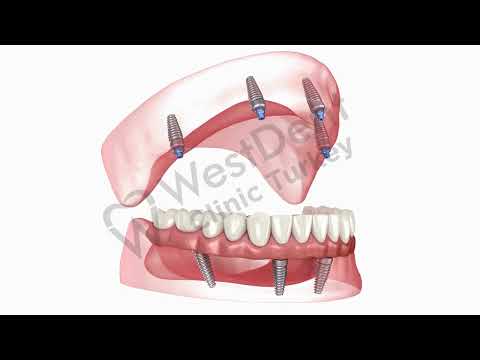
A diaspora professional sits in a Munich departure lounge, organizing a folder of dental X-rays. He is flying back to Pristina to visit family, but his primary motivation is a scheduled series of dental implants. Balancing social obligations with clinical recovery windows will dictate his entire two-week stay.
Meanwhile, a couple from the UK reviews an itinerary in their London kitchen. They have researched In Vitro Fertilization (IVF) clinics across Europe and selected a facility in Kosovo due to specific regulatory allowances and lower cycle costs. Their journey involves coordinating time off work, managing currency exchanges, and carrying the quiet, heavy emotional weight of fertility treatment abroad.
Elsewhere, a Swiss resident calculates the exact cost difference for rhinoplasty between a clinic in Zurich and a highly rated surgeon in Kosovo. The upfront savings are substantial, making the procedure immediately accessible. However, she is actively worrying about navigating the flight back home while dealing with post-operative swelling and strict follow-up requirements.
All three people are dealing with medical tourism in Kosovo, but their actual journeys, decisions, and experiences differ significantly.
How do I evaluate if a clinic in Kosovo realistically fits my medical requirements, travel constraints, and support needs, rather than just my initial budget?
Moving Beyond the Price Tag: Understanding Your True Motivation
Choosing to travel for healthcare requires more than comparing exchange rates. The decision usually stems from a specific life friction, a barrier in your local healthcare system, or a shifting personal priority.
Maybe your local dentist quoted a treatment plan for dental implants that equals the price of a small car. The financial barrier is absolute, forcing you to look beyond your borders for functional restoration.
Perhaps you have undergone multiple unsuccessful IVF cycles at home. The financial and emotional exhaustion has prompted you to seek out specialized clinics in Kosovo offering different protocols or donor options.
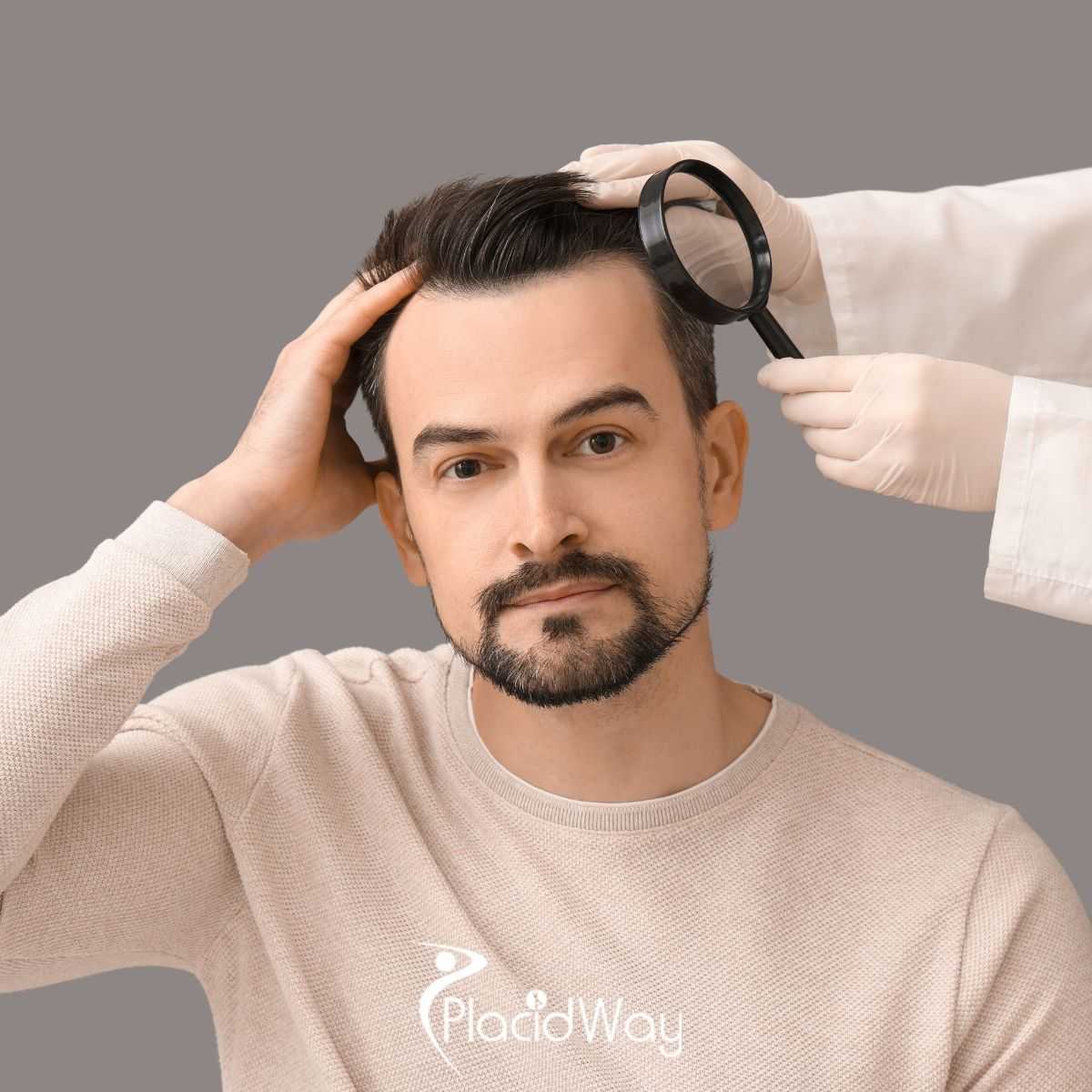
Maybe you are a member of the European diaspora planning a routine visit to Kosovo. Combining a hair transplantation procedure with a family trip seems like a highly efficient use of your annual leave.
Perhaps you have been saving for a specific cosmetic dentistry makeover for years. You want high-quality veneers but refuse to compromise your broader financial security to achieve the aesthetic result.
Maybe you are experiencing severe breathing issues requiring functional rhinoplasty. The waitlists in your home country are unmanageable, and you need a faster route to intervention.
Which sounds most like you?
"I cannot afford this procedure at home, but I refuse to compromise on basic clinical safety."
This reader is prioritizing cost vs verification. They need a destination where lower operational costs do not equate to a lack of professional regulation or hygiene standards.
"I need this done quickly, and the waiting lists here are stretching into next year."
This reader is prioritizing speed vs logistical complexity. They must carefully assess if the rapid scheduling abroad compensates for the burden of medical travel.
"I am going to be in the region anyway, so it makes sense to schedule the procedure now."
This reader is prioritizing convenience vs targeted capability. They need to ensure they are choosing a clinic based on medical merit, not just geographic proximity to their vacation spot.
"This is our final attempt at building a family, and we need an environment that supports our specific medical needs."
This reader is prioritizing individual needs vs standardized care. Their focus will be on clinical expertise, communication clarity, and empathetic support systems over mere financial savings.
"I want a cosmetic change, but I want to recover away from my professional circle."
This reader is prioritizing privacy vs proximity. They must evaluate how recovering in a hotel translates to accessing post-operative care and handling unexpected complications before flying home.
This is why choosing medical tourism in Kosovo should begin with your situation, not a generic ranking, slogan, or price comparison.
One Destination. Several Different Real-World Paths.
Medical tourism in Kosovo is not a single, unified experience. It is a fragmented market featuring highly advanced private hospitals alongside smaller, boutique aesthetic clinics.
Official guidance notes that while Kosovo’s private healthcare sector has grown rapidly, regulatory oversight can vary between facilities. Capability, quality, timing, and support can differ substantially between providers, locations, or business models. You will find clinics utilizing the exact same premium dental implant brands as those in Switzerland, operating mere streets away from facilities using generic alternatives.
In practice, this means your outcome relies heavily on your ability to verify local credentials. Accreditation is largely managed internally by Kosovo's Ministry of Health and specific professional chambers, rather than international bodies like the JCI. This is a planning consideration, not a guarantee of poor or excellent quality.
Here is what those differences can feel like in real life.
The Hybrid Traveler: When Family Ties Drive the Clinical Choice
Imagine someone flying into Pristina International Airport, immediately greeted by cousins who live locally. They are here for extensive cosmetic dentistry and dental implants, requiring multiple appointments over a two-week period. They do not need to book a hotel, arrange airport transfers, or worry about language barriers, as their family handles the logistics.
This option attracts members of the diaspora who want to maximize their time and resources. It solves the problem of isolation during recovery and dramatically reduces the total cost of the medical journey. Because they have local support, they feel confident navigating the city and managing any minor discomfort after the dental procedures.
However, the less obvious reality is that social obligations can conflict with medical recovery. Dental implants require strict rest, specific dietary adjustments, and careful hygiene. Attending large family gatherings or traveling through rural areas while recovering can introduce unnecessary risks or stress.
Before you decide, ask:
- Will my family's location require long, uncomfortable daily commutes to the dental clinic?
- Can I enforce strict boundaries regarding rest and diet while staying in a busy family home?
- Does my chosen clinic have an after-hours emergency line, or do they expect my local relatives to handle escalation?
- If the implants require a healing period of several months, am I prepared to fund a second trip back to Kosovo?
- Am I choosing this specific clinic because of verifiable clinical excellence, or simply because it is close to my family's neighborhood?
Convenience can change the calculation. It should not end the research.
The High-Stakes Timeline: When Protocol Dictates the Journey
Imagine a couple checking into a quiet hotel near a fertility clinic in Kosovo. Their entire schedule is dictated by ultrasound results, hormone levels, and precise injection timings. They are seeking IVF treatment here due to specific legal frameworks regarding treatments and donors, combined with highly responsive medical teams.
This option attracts patients facing rigid biological timelines or local regulatory hurdles. It provides an expectation of specialized, empathetic care within a highly focused medical environment. The appeal is accessing advanced reproductive technology without enduring the multi-year waitlists found in some Western European health systems.
The trade-off is the immense pressure of traveling during a physically and emotionally vulnerable period. Unforeseen delays in treatment response can force them to extend hotel stays and rebook flights. The hidden cost is the psychological toll of managing complex medication protocols in an unfamiliar environment while far from their usual support network.
What matters here isn’t just the quoted success rate.
- Who exactly takes ownership of coordinating my preliminary tests before I fly out?
- What is the exact escalation procedure if I experience adverse reactions to hormone medications in my hotel room?
- Are the clinic's success rates independently verified, and do they apply to my specific age and medical history?
- How does the clinic manage communication with my primary care doctor back home regarding ongoing pregnancy support?
- What happens financially and logistically if a cycle must be unexpectedly cancelled after I have arrived?
Attractive success claims can make the decision feel easier. They cannot replace clear, legally binding care protocols.
The Aesthetic Retreat: When Recovery Requires Complete Disconnect
Imagine a patient navigating Pristina wearing dark sunglasses and a surgical mask, returning to their accommodation after rhinoplasty. They chose a specialized cosmetic surgery center known for high-volume facial aesthetics. Their goal is to spend a week recovering quietly, reading in their room, and returning home only when the most visible swelling has subsided.
This route attracts readers prioritizing privacy alongside significant cost savings. It solves the desire to undergo a transformative procedure without answering questions from colleagues or neighbors during the immediate aftermath. Hair transplantation patients often choose this exact model to allow the initial grafts time to settle away from public scrutiny.
However, the operational challenge is managing medical safety without clinical observation. Swelling, bleeding, or graft complications require professional assessment, not self-diagnosis via hotel mirrors. Furthermore, obtaining flight clearance from airlines with visible facial swelling or recent cranial surgery can be surprisingly difficult.
Before you book your flights, ask:
- Does the surgical package include a dedicated nurse visit to my accommodation, or must I travel back to the clinic?
- What specific medical documents will the airline require before allowing me to board a flight home post-surgery?
- If I experience a complication on day three, who is responsible for my emergency admission to a local hospital?
- How is post-operative communication handled once I am back in my home country?
- Are revision surgeries included in the initial contract, and who pays for the return travel if one is required?
Same destination. Completely different risk profile.
The Person Beside You Has a Role Too
There is often another person missing from guides like this. It is the partner carrying the luggage, the friend managing the taxi app, or the sibling taking notes during the surgical consultation.
Medical travel relies heavily on the unpaid labor of companions. When you are under anesthesia, sedated for a dental procedure, or emotionally exhausted from fertility treatments, your companion becomes the primary project manager. They hold the responsibility of keeping the journey on track when you cannot.
Their real-life responsibilities are substantial. They must remember medication timings in a different time zone. They coordinate food delivery when you cannot chew or leave the room. They are the ones who must notice if a symptom looks concerning and decide whether to trigger an emergency response.
A responsible provider will integrate your companion into the process. Your companion needs to know exactly who to call at 2:00 AM if you are in pain. They need to understand what delays mean for their own work schedule and budget.
They also have their own boundaries and exhaustion limits. Evaluating a clinic means ensuring the facility supports both the patient and the person keeping the patient safe.
Better healthcare decisions consider the capacity of everyone affected, not just the person in the treatment chair.
Moving Past "Is Kosovo a Good Medical Destination?"
It is entirely natural to ask broad questions about the quality of care in an unfamiliar country. However, asking if a country is "good" or "safe" fails to capture the complexity of privatized healthcare.
A simple "yes" or "no" can be dangerously misleading. Medical excellence is not tied to a geographic border; it is tied to individual surgeons, specific clinic protocols, and strict regulatory adherence. You are not being treated by a country; you are being treated by a specific business entity within that country.
Instead of asking if the destination is safe, ask these targeted research questions:
- Is the surgeon registered with the Kosovo Medical Chamber, and is their specialty specifically recognized?
- Does the dental clinic use implant systems that are supported by dentists in my home country?
- What exact legal recourse do I have under Kosovo law if a procedure results in permanent harm?
- Does the facility hold local operating licenses from the Ministry of Health for the specific procedure I am booking?
- Is the IVF clinic transparent about what happens to biological material if the clinic changes ownership?
A first-time cosmetic patient needs answers about basic safety protocols. A returning fertility patient may need highly specific answers about laboratory equipment and embryo storage laws.
Verifying the Promises
Attractive marketing materials often blend medical care with tourism appeal. You must separate the clinical reality from the promotional language.
"Experience world-class cosmetic surgery with our internationally certified experts at a fraction of the cost!"
When you read claims like this, ask: Who exactly is certifying them? Trust requires identifiable responsibility. You must verify credentials through local official bodies, such as the Kosovo Chamber of Doctors or the Kosovo Dental Chamber.
Do not rely solely on website badges, social media follower counts, or curated testimonials. Evidence comes from verifiable professional registration, clear clinical pathways, and transparent pricing contracts.
Before You Commit, Try the 4-Point Airport Departure Test
Imagine you are sitting in Pristina airport waiting for your flight home. Run your planned experience through these four checkpoints:
- The Record Check: Do I have my complete medical file, surgical notes, and implant passport translated into English or my native language in my bag?
- The Escalation Check: If I develop an infection on the flight, do I have a direct number for a doctor at the clinic, or just a generic sales email?
- The Handover Check: Is my local doctor at home expecting me, and do they have the necessary information to remove my stitches or monitor my progress?
- The Return Check: If the procedure failed, do I clearly understand who is legally and financially responsible for a second intervention?
That is the medical travel test.
Show the Topic Through Different Reader Eyes
"I am a budget-conscious professional needing functional dental restoration."
Most suitable route: Focused clinical research on established dental implant centers in Pristina, prioritizing volume and technology over luxury.
Key factor to investigate: The exact brand of implant being used and its availability for maintenance in your home country.
Warning: Avoid packages that compress treatment timelines dangerously to fit a one-week vacation schedule.
"I am an exhausted fertility patient looking for a different regulatory environment."
Most suitable route: Direct consultation with specialized IVF units, utilizing medical facilitators who understand cross-border reproductive care.
Key factor to investigate: Kosovo's specific laws regarding age limits, donor anonymity, and embryo transport protocols.
Warning: Do not underestimate the emotional toll of navigating complex medical terminology in a second language during a highly stressful cycle.
"I am seeking a discreet cosmetic enhancement without draining my savings."
Most suitable route: All-inclusive aesthetic packages for rhinoplasty or hair transplantation that explicitly include post-operative nursing care at a hotel.
Key factor to investigate: The surgeon's specific portfolio for your demographic and their protocol for managing post-surgical complications.
Warning: Do not assume that a high social media follower count equates to rigorous surgical safety standards.
"I am planning a trip to visit my family and want to add cosmetic dentistry."
Most suitable route: Utilizing local family knowledge to identify reputable local clinics, but independently verifying their hygiene standards.
Key factor to investigate: Whether your social calendar allows for the strict dietary and rest requirements of veneer or implant placement.
Warning: Avoid letting relatives pressure you into choosing a cheaper, unverified neighborhood clinic simply because it is convenient.
Same destination. Four completely different research journeys.
Moving Beyond the Marketing Price
Eventually, almost everybody asks.
"How much cheaper is it, really?" It is a reasonable question, especially when cost is the primary driver of medical migration. However, comparing the upfront surgical fee to your local clinic's quote is an incomplete calculation.
You must shift your focus from the first number you see to the full financial impact of the journey.
What will the whole journey cost?
- Initial Procedure Price: The quoted cost of the surgery, IVF cycle, or dental implants.
- Travel and Access: Round-trip flights, airport transfers, and local daily transportation.
- Accommodation: Hotel stays scaled for recovery times (which are often longer than tourist visits).
- Companion Needs: Food, travel, and potential lost wages for the person supporting you.
- Hidden Medical Fees: Blood tests, anesthesia fees, post-operative garments, and specialized medications not included in the "base" package.
- Time Commitments: Your own unpaid leave from work.
- Follow-up Requirements: Local doctor visits in your home country to remove stitches or monitor healing.
- Unexpected Problems: Extended hotel stays due to flight clearance delays or minor surgical complications.
The cheapest procedure quote may not create the cheapest total journey.
The Reality of the Experience
The waiting room chairs in a Pristina clinic feel the same as those in London or Berlin.
The smell of clinical disinfectant.
The sudden realization that you are very far from your own bed.
Translating post-operative instructions on your phone while still groggy from sedation.
Navigating cobblestone streets carefully so you don't jar your new dental work.
The quiet relief of a nurse who speaks perfect English offering you water.
Sitting in a hotel room watching local television, icing your face, and waiting for time to pass.
The anxiety of security scanning your carry-on luggage packed with fertility medications.
That is still medical care. Just a very different kind.
The Overlooked Details
Before finalizing plans, patients often discover gaps in their research. These are the practical realities that marketing rarely addresses.
- "I wish I'd asked how my home dentist would react to maintaining a foreign implant brand."
- "I wish I'd known that airlines can deny boarding if my face is still heavily bruised from rhinoplasty."
- "I wish we'd planned for the emotional crash after the IVF cycle, rather than rushing straight to the airport."
- "I wish I'd checked if my travel insurance explicitly covered complications from elective surgery."
- "I wish I'd asked what happens if the hair transplant grafts fail six months from now."
- "I wish I'd known how hard it would be to find soft foods suitable for dental recovery in an unfamiliar neighborhood."
"Seamless, pain-free transformation in a beautiful destination!"
Real-life questions provide better guidance than promotional messages. A glossy brochure cannot negotiate with a local pharmacy for pain medication at midnight; meticulous preparation can.
Assessing Your Personal Fit
Medical Tourism in Kosovo may be worth investigating when:
- You have identified a verifiable clinic with credentials recognized by the relevant Kosovo health authorities.
- You have a capable companion who understands their logistical and emotional responsibilities.
- You possess the financial buffer to handle unexpected delays, extended stays, or minor emergencies.
- Your home healthcare provider is willing to support your post-operative recovery upon return.
- You are treating the trip strictly as a medical intervention, not a vacation with a surgery attached.
Who Should Think Especially Carefully?
Traveling for treatment—or any comparable option—may make less sense when:
- You suffer from complex underlying health conditions that require multi-disciplinary emergency support.
- You are traveling entirely alone for a procedure requiring general anesthesia.
- You are borrowing money to fund an elective cosmetic procedure.
- The clinic refuses to provide written contracts, medical records in your language, or transparent pricing.
- Your local doctor strongly advises against travel due to specific clinical risks.
- You cannot afford a second trip if revision surgery or follow-up is necessary.
"I’m not comfortable proceeding."
A responsible decision process should make it easier to recognize when stopping is the right choice. Walking away from an unverified clinic is always a successful outcome.
What brings you here?
I need extensive dental implants and bone grafting.
Focus your research on clinics with dedicated maxillofacial surgeons, verify their implant brands, and plan for multiple trips.
I am seeking IVF treatment and need to understand the local regulations.
Step away from pricing pages and consult directly with legal or medical facilitators who specialize in Kosovo's reproductive laws.
I want rhinoplasty but am nervous about the aftercare.
Search specifically for clinics that operate integrated recovery centers or provide continuous in-person nursing at partner hotels.
I am combining hair transplantation with a trip home to visit family.
Establish strict boundaries for your recovery time before booking flights, ensuring your clinical needs override social expectations.
I want cosmetic dentistry (veneers) and want to compare costs safely.
Request detailed before-and-after portfolios of patients with your specific dental structure, and ask for written guarantees regarding adjustments.
That is not simply a guide. It is a decision environment.
Returning to the Next Step
Maybe a professional is now checking the accreditation of a Pristina dental clinic, ensuring the implant brand matches what their local dentist recommended.
Maybe a couple is having a difficult conversation about the hidden costs of IVF travel, deciding whether the logistical stress outweighs the financial benefit.
Maybe a patient is looking at their limited budget and accepting that waiting another year to afford surgery at home is safer than rushing into a cheap, unverified clinic abroad.
Medical tourism cannot be reduced to simple promises of saving money, getting instant results, or finding "the best" clinic seamlessly. It is an industry built on individual circumstances, practical limitations, and a heavy reliance on patient-led verification.
The reality involves navigating risk awareness, understanding support systems, and acknowledging the long-term consequences of follow-through after the initial flights are booked.
The best destination is not the one with the most aggressive marketing.
It is the one where the right medical requirement, the right verified professional, the right recovery environment, and a realistic path to safe completion can come together for your particular situation.
"Where is medical tourism in Kosovo cheapest and fastest?"
"What is the next informed step that realistically fits my situation?"
Your Way to Hope
Maybe traveling for care is the turning point you need. Maybe it isn't.
True support is not only about finding an affordable procedure. It is about understanding the preparation, the emotional journey, and the family involvement required to make cross-border healthcare safe.
If you are ready to move from initial research toward transparent, verified clinic information, we are here to help you evaluate your options without pressure.
What do you need to know before you decide?
Discuss Your Specific Situation With UsDisclaimer: The information provided in this guide is for educational and planning purposes only. It does not constitute medical, legal, or financial advice. Quality, regulations, and prices in Kosovo vary significantly by provider. Always verify medical credentials with official regulatory bodies and consult your primary healthcare provider before committing to medical travel.
References
- Medical Tourism Guidelines – Centers for Disease Control and Prevention (CDC)
- Going Abroad for Dental Treatment – National Health Service (NHS)
- Quality of Care Framework – World Health Organization (WHO)
- Cross-Border Reproductive Care Guidance – American Society for Reproductive Medicine (ASRM)
- Patient Safety and Informed Consent for Aesthetic Surgery – International Society of Aesthetic Plastic Surgery (ISAPS)




















Share this listing