
.png)
Medical Tourism in Taiwan: Navigating Your Treatment and Clinic Choices
A couple from Australia sits at their kitchen table late at night, translating Taiwanese fertility clinic websites. Their local in vitro fertilization (IVF) waitlists and costs have completely drained their emotional reserves, pushing them to look across the ocean for a viable path forward.
A Canadian executive pulls up her upcoming travel schedule, trying to coordinate a comprehensive health screening and complex dental implants during a ten-day business trip to Taipei. She needs swift, highly accurate diagnostic data without disrupting her professional obligations.
A patient from the United States carefully reviews physical therapy protocols for a knee replacement abroad. They are seeking an orthopedic surgical center in Taichung where advanced medical infrastructure allows for an extended, supervised inpatient recovery before facing a long-haul flight home.
All three people are dealing with the same broad topic of medical tourism in Taiwan. Yet, their actual journeys, clinical decisions, logistical hurdles, and personal experiences differ significantly.
How do I determine if Taiwan offers the exact combination of clinical capability, safe recovery, and logistical feasibility required for my specific medical situation?
Beyond the Destination: What Drives Your Medical Choice
Evaluating international healthcare requires looking past promotional brochures and travel aesthetics. Your assessment must start entirely with your physical requirements, financial boundaries, and support network.
Maybe your domestic healthcare system requires a two-year wait for a necessary joint replacement, and your daily mobility is declining rapidly. A timely intervention abroad has become a matter of preserving your quality of life.
Perhaps you have undergone multiple unsuccessful fertility cycles in your home country. You are now seeking access to Taiwan’s highly regulated, technologically advanced reproductive medicine laboratories for another attempt at IVF.
Maybe you need extensive dental restorations, including multiple implants, which present a staggering out-of-pocket cost locally. You are willing to travel to East Asia if it means receiving high-grade materials and specialized surgical care within your budget.
Perhaps your family history carries severe genetic risks, and you want a deeply comprehensive preventative health screening. You require same-day MRI and PET scans that would take months to schedule individually in your local network.
Maybe you are balancing a highly specific medical need with the desire for absolute privacy. Seeking treatment far from your local community allows you to undergo plastic surgery and manage early recovery away from social obligations.
Which sounds most like you?
"I need a highly regulated medical environment, but I cannot afford North American out-of-pocket prices."
This reader is prioritizing verified clinical safety alongside financial accessibility. They must carefully weigh the total journey cost against the specific regulatory standards of Taiwanese hospitals.
"My primary concern is the speed of comprehensive diagnostics and treatment."
This person prioritizes efficiency and centralized care. Their decision relies heavily on evaluating how quickly a single hospital can coordinate multi-disciplinary specialists without sacrificing accuracy.
"I am traveling for a major procedure and need guaranteed extended post-operative supervision."
This reader is focused on the recovery environment rather than just the surgical event. They must prioritize hospitals that offer integrated inpatient rehabilitation over clinics that discharge patients to hotels immediately.
"I need advanced technology for a sensitive procedure, and I need clear, continuous communication in English."
This person is balancing technological capability with the necessity of informed consent. Their research must focus on hospitals with dedicated international patient centers and certified medical translators.
This is why choosing medical tourism in Taiwan should begin with your situation, not a generic ranking, slogan, or price comparison.
One Medical Tourism Destination. Several Different Real-World Paths.
Taiwan’s healthcare system involves genuinely different pathways, operational environments, and experience models. An independent outpatient clinic in Taipei operates under a vastly different structure than a massive academic medical center in Kaohsiung.
Official guidance from health authorities highlights that medical capabilities are strictly regulated, but patient experiences can vary based on facility focus. Some hospitals dedicate entire floors to international patients, offering concierge-level logistical support and in-house visa assistance.
Other highly capable surgical centers cater primarily to local citizens. While their clinical outcomes may be excellent, their ability to support a foreign patient through language barriers, complex travel documentation, or long-distance follow-up may be limited.
Capability, quality, timing, and support can differ substantially between providers, locations, or models. A clinic offering comprehensive health screenings may not possess the acute-care infrastructure necessary to handle a severe surgical complication.
Here is what those differences can feel like in real life.
In Vitro Fertilization (IVF): When Legal Frameworks Direct the Journey
A couple reviews their translated marriage certificate and prepares to submit legal documentation to a Taiwanese fertility clinic. They are navigating a pathway where strict regulatory compliance is just as critical as the medical protocol itself.
This option attracts patients seeking world-class reproductive laboratories that rival top-tier Western facilities at a lower financial threshold. Taiwan boasts some of the highest IVF success rates in Asia, driven by advanced genomic screening and specialized embryology.
However, the operational reality requires deep preparation. Taiwan’s Artificial Reproduction Act strictly limits IVF to legally married heterosexual couples, prohibiting commercial surrogacy and single-parent treatments.
International patients must verify their marriage documents through specific diplomatic channels before treatment can even be discussed. The process demands meticulous timing, careful coordination of hormone cycles across time zones, and multiple extended visits.
What matters here isn’t simply the laboratory success rate.
Before you decide, ask:
- Does my relationship status and medical history meet Taiwan’s strict legal criteria for artificial reproduction?
- How exactly must my legal documents be authenticated by Taiwan’s diplomatic missions before arrival?
- Can the initial hormone stimulation phase be coordinated with my local gynecologist, or must I spend the entire cycle abroad?
- What happens to remaining embryos if we need to suspend treatment, and what are the legal fees for international cryopreservation?
- Who is responsible for emergency communication if a complication arises after I return to my home country?
Same destination. Completely different preparation journey.
Orthopedic Surgery: When Post-Operative Supervision is Non-Negotiable
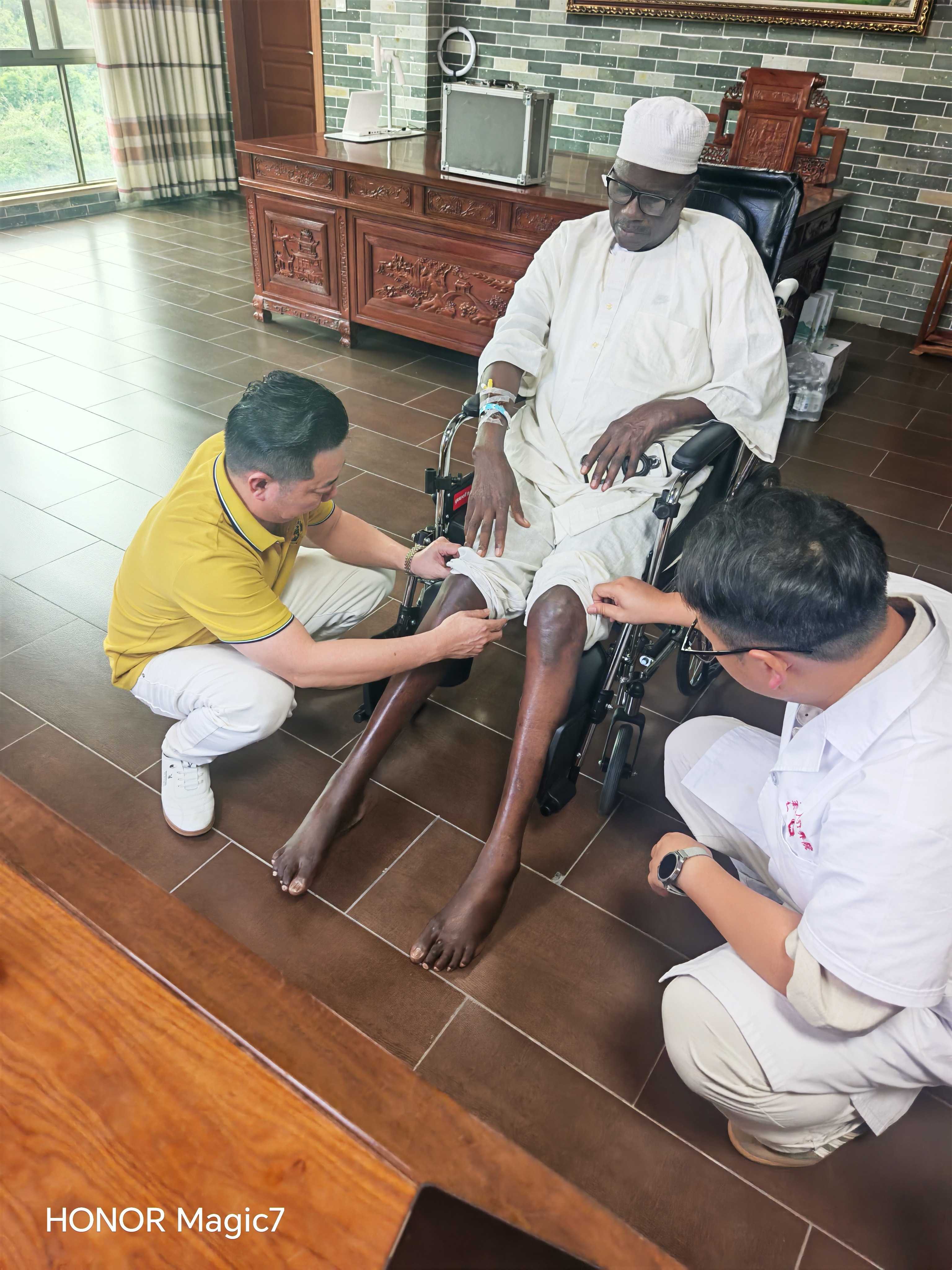
A patient wakes up in a private hospital room in Taichung after a successful knee replacement. Instead of being rushed out to a nearby hotel, they spend the next seven days undergoing rigorous, hospital-based physical therapy.
This pathway appeals to individuals seeking major joint revisions where early mobilization is critical to long-term success. Taiwanese medical centers frequently offer extended inpatient rehabilitation, a stark contrast to the rapid-discharge models common in North America.
Yet, the hidden challenge involves the massive logistical burden of flying long-haul after orthopedic trauma. Deep vein thrombosis (DVT) is a severe risk, requiring strict blood-thinner management and specific airline medical clearances.
Patients must account for the physical reality of navigating international airports with restricted mobility. Relying on a companion to manage luggage, medical equipment, and ground transfers is often a hard requirement, not an optional convenience.
Before you decide, ask:
- What are the specific clinical milestones I must reach before the surgeon will authorize my flight home?
- Does the quoted package include extended inpatient physical therapy, or is rehabilitation outsourced to a third-party facility?
- How does the hospital handle airline medical clearance forms, and who coordinates wheelchair access for my entire transit?
- If an infection occurs three weeks after I return home, what is the exact escalation procedure with the overseas surgeon?
- Is my companion physically capable of assisting with my mobility during long-haul travel?
Convenience can change the calculation. It should not end the research.
Comprehensive Health Screenings: When Preventative Data is the Goal
A business traveler arrives at a specialized diagnostic center in Taipei at 8:00 AM, moving seamlessly between MRI suites, cardiac evaluations, and blood panels. By 4:00 PM, they are sitting with an English-speaking physician reviewing a deeply detailed, digitized health report.
This option attracts readers who want aggressive, preventative health monitoring without the fragmented scheduling typical of Western healthcare. Taiwan’s health screening centers utilize cutting-edge imaging technology, integrating multiple specialists into a single-day experience.
However, generating massive amounts of medical data creates its own challenges. Finding an anomaly during a preventative scan while in a foreign country can immediately disrupt travel plans and cause severe anxiety.
Patients must know how abnormal findings are handled. A specialized screening center might not have the surgical capability to treat the issue they just diagnosed, requiring an immediate transfer to a larger hospital system.
What matters here isn’t just the volume of tests performed.
- Are the screening results provided in my native language, using medical terminology my local doctor will accept?
- What happens immediately if a critical health issue, such as an active tumor or cardiac blockage, is discovered during the screening?
- Does the screening center have direct admission rights to a major hospital if acute care is required?
- Will my local insurance accept international diagnostic imaging, or will I be forced to repeat the scans at home?
- Is the imaging equipment actively maintained and accredited by recognized healthcare quality boards?
Advanced technology can make the evaluation faster. It cannot replace the need for ongoing continuity of care.
Plastic Surgery & Dental Implants: When Aesthetic Goals Meet Functional Needs
A patient navigates the busy streets of Taipei, returning to their boutique hotel after a complex facial reconstruction and dental implant procedure. They are balancing the desire for privacy with the necessity of close, frequent clinical follow-ups.
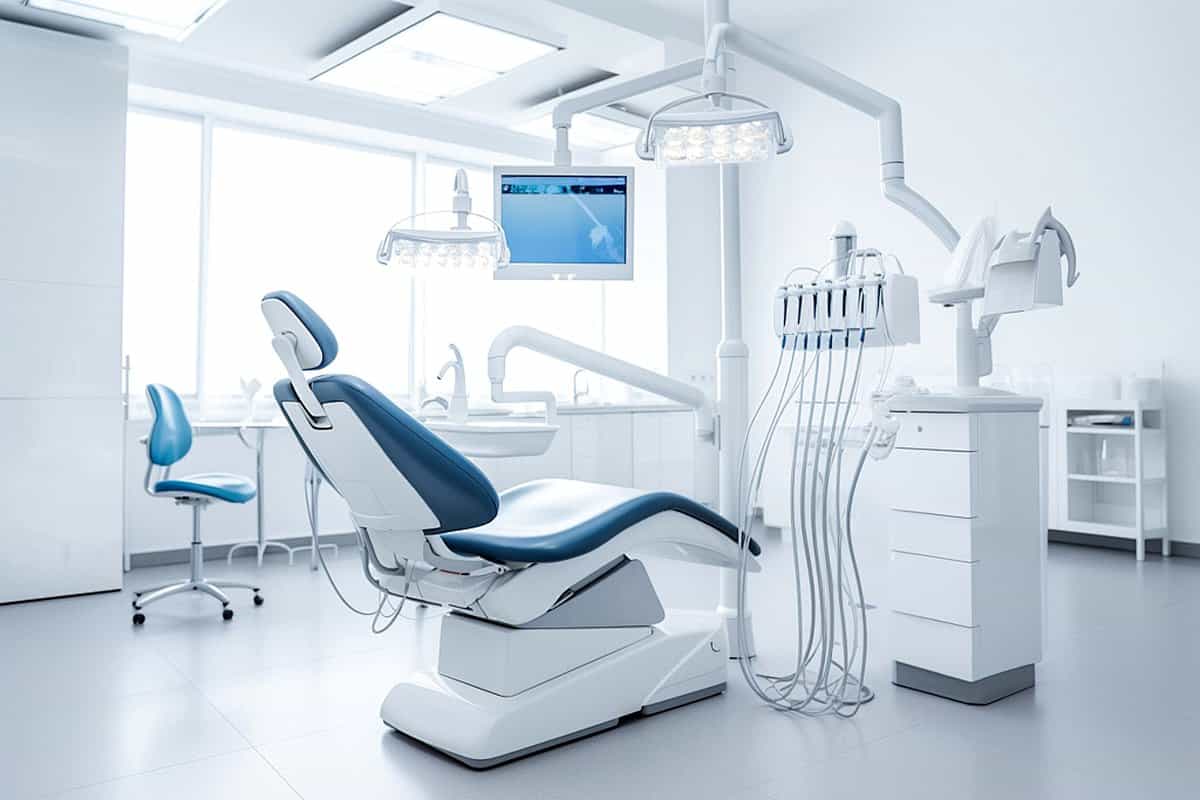
This route is popular for those seeking precision aesthetic and reconstructive work, drawing on Taiwan’s deep expertise in craniofacial surgery and advanced prosthodontics. The appeal lies in receiving highly customized treatment plans at specialized clinics.
The hidden reality is the extended timeline required for safe, high-quality results. Dental implants, for example, often require bone grafting and months of healing before the final crowns can be placed, necessitating multiple international trips.
Similarly, plastic surgery requires significant downtime where swelling and bruising make travel uncomfortable and highly conspicuous. Misjudging the required recovery time in the host country is a frequent, costly mistake.
Before you decide, ask:
- Does this procedure strictly require multiple visits spread over several months, doubling the total travel cost?
- What precise brand and certification of dental implants or surgical materials will be used, and are they available in my home country for future maintenance?
- Is the outpatient surgical facility fully equipped with emergency resuscitation equipment and backup power?
- How will post-operative swelling or surgical drains affect my ability to clear airport security and board a plane?
- Are revision surgeries covered if the aesthetic or functional outcome does not meet clinical standards?
The best option is not always the closest, cheapest, fastest, or most visible.
The Person Beside You Has a Role Too
There is often another person missing from guides like this: the companion. Whether it is a spouse, a family member, or a trusted friend, this person often carries the hidden weight of the medical journey.
Medical tourism is rarely an isolated individual experience. The person beside you becomes the default project manager, medical advocate, and emotional anchor during deeply vulnerable moments.
Their real-life responsibilities often include:
- Remembering critical post-operative instructions when you are still groggy from anesthesia.
- Navigating foreign pharmacies, unfamiliar transportation networks, and dietary restrictions.
- Managing financial transactions, hospital deposits, and insurance paperwork in a different currency.
- Noticing subtle changes in your physical condition or pain levels that require immediate attention.
- Providing steady emotional reassurance when travel delays or clinical setbacks occur.
A responsible medical provider should actively integrate the companion into the decision process. They need to understand exactly who to call if a fever spikes at 2:00 AM in the hotel room.
Companions also need to know the practical logistics of their own stay. They must understand hotel proximity to the hospital, transportation safety, and their own ability to step away and rest without compromising your care.
Better decisions consider everyone affected, not only the person making the purchase or choosing the option.
Replacing the Illusion of "The Best" Clinic
When researching healthcare abroad, the most common question is usually, "What is the best hospital in Taiwan for my procedure?" It feels like a natural starting point to ensure safety and quality.
However, a simple answer to this broad question can be deeply misleading. The "best" hospital for a local resident might be entirely unsuited for an international patient who requires medical visa sponsorship and English-speaking nursing staff.
Instead of searching for generic rankings, you need practical research questions that help compare options based on your actual vulnerabilities and requirements.
For a first-time international patient, the question is: "Which hospital has a dedicated international patient center capable of managing my entire travel and clinical itinerary?"
For a complex surgical case, the question changes to: "Which facility has the highest tier of local accreditation and an intensive care unit on-site?"
Moving from Marketing to Verification
Attractive websites and positive online testimonials do not constitute clinical safety. Trust must come from identifiable responsibility, verified credentials, and institutional accountability.
"We offer world-class, internationally recognized surgical care with guaranteed outcomes."
Instead of accepting this claim, you must ask: Who exactly is regulating this facility, and where can I independently verify their operating license and clinical safety record?
In Taiwan, readers should look beyond generic badges. Verify if the facility is accredited by the Joint Commission of Taiwan (JCT), which strictly evaluates hospital safety, infection control, and patient care standards. You should also confirm the specific physician’s board certification through Taiwan’s Ministry of Health and Welfare.
Before you commit, try the 4-Point Taiwan Medical Transit Test
Evaluate your chosen provider by testing how they handle the realities of international medical travel:
- The Visa Check: Do they provide official, verifiable medical invitation letters required by Taiwan’s Bureau of Consular Affairs for a medical visa?
- The Communication Check: Can you speak directly with the attending physician before booking flights, or are you only allowed to speak with sales coordinators?
- The Emergency Check: Do they provide a written protocol detailing exactly which local acute-care hospital you will be transferred to if a critical complication occurs?
- The Discharge Check: Is there a formalized system for sending your translated medical records, imaging, and surgical notes directly to your home-country physician?
That is the Taiwan Medical Transit test.
Show the Topic Through Different Reader Eyes
"I am navigating repeated IVF failures locally and looking for advanced genetic screening."
Direction: Focus exclusively on fertility centers in Taiwan authorized by the Health Promotion Administration that specialize in Preimplantation Genetic Testing (PGT).
Key Factor: Understanding the strict legal marriage document authentication process required before any medical consultation can begin.
Warning: Do not book travel until your local embassy or representative office has officially authenticated all required relationship documents.
"I am a business executive who needs a full physical workup during a short layover."
Direction: Target specialized diagnostic clinics in Taipei that guarantee same-day imaging and English-language result consultations.
Key Factor: Verifying how quickly translated health records can be securely transmitted to your primary care physician at home.
Warning: Do not assume a preventative screening center can perform immediate surgical interventions if a severe issue is discovered.
"I am an older patient traveling for a total hip replacement."
Direction: Look only at JCT-accredited major hospitals that offer integrated inpatient rehabilitation wards.
Key Factor: The airline’s specific medical clearance requirements for passengers flying within four weeks of major orthopedic surgery.
Warning: Do not underestimate the physical exhaustion and DVT risks associated with navigating international airports post-surgery.
"I am seeking extensive dental implants to replace failing bridges."
Direction: Research specialized prosthodontic clinics that utilize internationally recognized implant brands.
Key Factor: Calculating the total cost and time for the multiple trips required to allow for proper bone healing between extraction and final placement.
Warning: Do not choose a provider solely on upfront price without confirming they use implant systems that your local dentist can service.
Same destination. Four completely different research journeys.
Look Beyond the Surgical Invoice
Eventually, almost everybody asks: "How much will this actually cost?"
It is a reasonable question, especially when medical tourism is often marketed purely on cost savings. However, fixating only on the initial quoted price for the procedure hides the true financial reality of international healthcare.
What will the whole journey cost?
- The Initial Price: The hospital’s quote for the surgery, anesthesia, and standard facility fees.
- Preparation Requirements: Costs for local blood tests, document authentication, medical visas, and baseline imaging required before travel.
- Travel and Access: Peak-season international flights, specialized medical transport, and long-term hotel accommodations.
- Companion Needs: Additional food, lodging, and lost wage expenses for the person supporting your recovery.
- Time Commitments: The financial impact of being away from work for several weeks, especially if recovery is slower than anticipated.
- Unexpected Problems: Out-of-pocket expenses for extended hospital stays, additional medications, or rebooking flights due to medical delays.
- Ongoing Support: The cost of paying local specialists to manage your follow-up care or physical therapy once you return home.
The cheapest quoted procedure may not create the cheapest total journey, and it rarely guarantees the best long-term outcome.
What the Experience Actually Feels Like
Sitting in a sterile, brightly lit clinic waiting room in Taipei while jet lag pulls at your focus.
Handing over a stack of legal documents and hoping the translation holds up to bureaucratic scrutiny.
Waking up in a hospital bed, surrounded by highly attentive nursing staff who communicate warmth but speak very limited English.
Relying heavily on medical translation apps on your phone just to understand the day’s pain management schedule.
The quiet relief of receiving clear, high-resolution diagnostic results indicating your treatment is progressing exactly as planned.
Watching your companion carefully pack medical supplies into a suitcase, preparing for the daunting transit back to the airport.
The sudden wave of vulnerability when you realize you are thousands of miles away from your primary care doctor.
Small moments of profound gratitude when an international patient coordinator successfully navigates a complex logistical hurdle on your behalf.
That is still healthcare. Just a very different kind of vulnerability and progress.
The Questions Revealed Too Late
When the journey becomes complicated, patients often realize there were crucial details they missed during their initial research.
"I wish I’d known that my home-country doctor would refuse to remove the surgical drains placed by an overseas surgeon."
"I wish I’d asked exactly which brand of dental implants were being used, because my local dentist cannot find the right tools to adjust them."
"I wish we’d planned for the sheer physical exhaustion of a 14-hour flight only three days after being discharged from the clinic."
"I wish I’d checked if the IVF clinic provided after-hours emergency contact numbers for international patients dealing with medication reactions."
"I wish I’d known that medical visa applications required specific hospital sponsorship letters that take weeks to process."
"I wish I’d asked for a line-item breakdown of the hospital bill, as the 'all-inclusive package' did not cover the extra nights I needed in the ICU."
"Seamless medical travel with zero complications."
Real-life questions provide far better guidance than promotional absolutes. Preparing for friction is much safer than assuming a flawless experience.
Evaluating Your Fit for the Journey
Medical tourism in Taiwan may be worth investigating when:
- You have the ability to independently verify hospital accreditations and physician credentials through official Taiwanese health portals.
- You have a dedicated support system, including a companion willing to manage travel logistics and post-operative care.
- Your timeline allows for potential delays, extended recovery periods, and the possibility of returning for follow-up procedures.
- Your budget comfortably covers the procedure, travel, accommodations, and a significant contingency fund for unexpected medical needs.
- Your local primary care physician is aware of your plans and willing to manage your long-term follow-up care upon your return.
Who Should Think Especially Carefully?
Traveling to Taiwan for medical care—or pursuing any comparable international option—may make less sense when:
- Your condition is highly unstable, prone to sudden emergencies, or requires immediate, localized critical care intervention.
- You are traveling entirely alone for a major surgical procedure that heavily restricts your mobility and independence.
- Your budget is so tight that any delay, extended hospital stay, or flight change would cause severe financial distress.
- You suffer from severe travel anxiety, deep vein thrombosis risks, or conditions that make long-haul flights dangerous.
- You lack a local physician willing to accept your case or manage potential complications once you return home.
- The legal requirements for your desired procedure (such as IVF documentation) cannot be confidently met or authenticated.
A responsible evaluation process makes it perfectly acceptable to conclude: "I’m not comfortable proceeding."
Your Journey Before Commitment
Your research should begin directly from your personal situation, not from a list of top-ranked destinations.
What brings you here?
I am seeking affordable, highly regulated IVF treatment.
Your next step is verifying your eligibility under Taiwan’s Artificial Reproduction Act and reviewing document authentication processes with your local embassy.
I require extensive preventative health diagnostics quickly.
Your next step is identifying diagnostic centers with dedicated international patient departments capable of coordinating single-day comprehensive imaging.
I am facing a long waitlist for joint replacement surgery at home.
Your next step is researching JCT-accredited orthopedic hospitals that offer integrated inpatient rehabilitation and clear flight-clearance protocols.
I am combining a business trip with necessary dental implants.
Your next step is confirming whether your clinical timeline requires bone grafting, which would necessitate multiple international trips, fundamentally altering your travel plans.
That is not simply a directory comparison. It is a decision environment.
Returning to the Human Decision
Maybe a couple ultimately decides to proceed with IVF in Taiwan, feeling confident after successfully navigating the diplomatic document requirements and securing a medical visa.
Maybe an executive books her health screening in Taipei, finding comfort in the facility’s clear English communication and advanced MRI capabilities.
Maybe a patient evaluating a knee replacement chooses to stay home, realizing that the logistical burden of flying post-surgery and finding a local physical therapist is too overwhelming.
Medical tourism cannot be reduced to simple promises of saving money, getting instant results, or finding "the absolute best" doctor in the world. It is a complex reality involving practical limitations, support systems, verification, and long-term consequences.
The best medical destination is not the one with the most attractive marketing brochures.
It is the one where:
the right clinical capability,
the right verified provider,
the right logistical support system,
and a realistic path to safe recovery and local follow-up
can come together for your particular situation.
Instead of asking: "Is Taiwan the cheapest or easiest place for my procedure?"
Replace with: "What is the next informed step that realistically fits my medical needs, financial boundaries, and logistical capabilities?"
PlacidWay: Your Way to Hope
Navigating healthcare decisions across borders is an intensely personal journey. It requires careful consideration, family involvement, and a foundation of verified information.
Maybe international care is the right path for your situation. Maybe it isn't. The goal is not simply finding a distant clinic, but establishing a reliable environment where you feel supported, understood, and prepared.
Are you ready to explore the specific options, logistical realities, and verified providers that align with your medical needs?
Request Information for Your JourneyReferences
- Joint Commission of Taiwan (JCT) – Hospital Accreditation and Quality Standards
- Artificial Reproduction Act – Ministry of Justice, Republic of China (Taiwan)
- Deep Vein Thrombosis & Pulmonary Embolism Considerations for Travelers – Centers for Disease Control and Prevention (CDC)
- Visitor Visa for Medical Treatment Purposes – Bureau of Consular Affairs, Ministry of Foreign Affairs, Republic of China (Taiwan)
- Air Travel Health Advice and Post-Operative Flight Clearance – World Health Organization (WHO)
Disclaimer: This article provides general information regarding medical tourism in Taiwan and does not constitute medical, legal, or financial advice. Healthcare regulations, visa requirements, and medical guidelines are subject to change. Always consult with certified medical professionals and official government representatives before making decisions regarding international healthcare, travel, and post-operative recovery.
.png)


.png)
.png)
.jpg)
.png)



.jpg)
.jpg)
.jpg)
.jpg)












Share this listing