

Navigating Medical Tourism in Italy: Options, Costs, and Patient Journeys
A woman from London sits at her kitchen table reviewing a two-year waiting list for a hip replacement on the public health system. She cross-references this timeline with a private orthopedic clinic in Milan offering the surgery within weeks. She is calculating if pulling from her retirement savings is worth regaining her daily mobility now rather than later.
A couple from Toronto reviews international fertility regulations after exhausting their local IVF funding options. They are looking closely at Rome, balancing the high success rates of Italian clinics against the logistical strain of transporting medical records. They are trying to determine how they will manage their work schedules during an extended, unpredictable stay.
An executive in New York researches private addiction treatment centers. He is looking at specialized facilities in the Tuscan countryside where strict privacy laws and secluded environments offer a quiet space. His main concern is finding a program that seamlessly coordinates with his local psychiatrist for the eventual transition back home.
All three people are dealing with medical tourism in Italy, but their actual journeys, decisions, and experiences differ significantly.
How do you accurately compare a local healthcare delay or limitation against the financial, logistical, and physical realities of seeking treatment in another country?
The Real Reasons People Look Toward Italian Healthcare
Maybe you are facing a timeline that no longer works for your physical pain.
Perhaps your local options for complex dental implants are simply priced beyond what your savings can comfortably handle.
Maybe you have gone through multiple rounds of fertility treatments at home and need a different clinical approach supported by strict European laboratory standards.
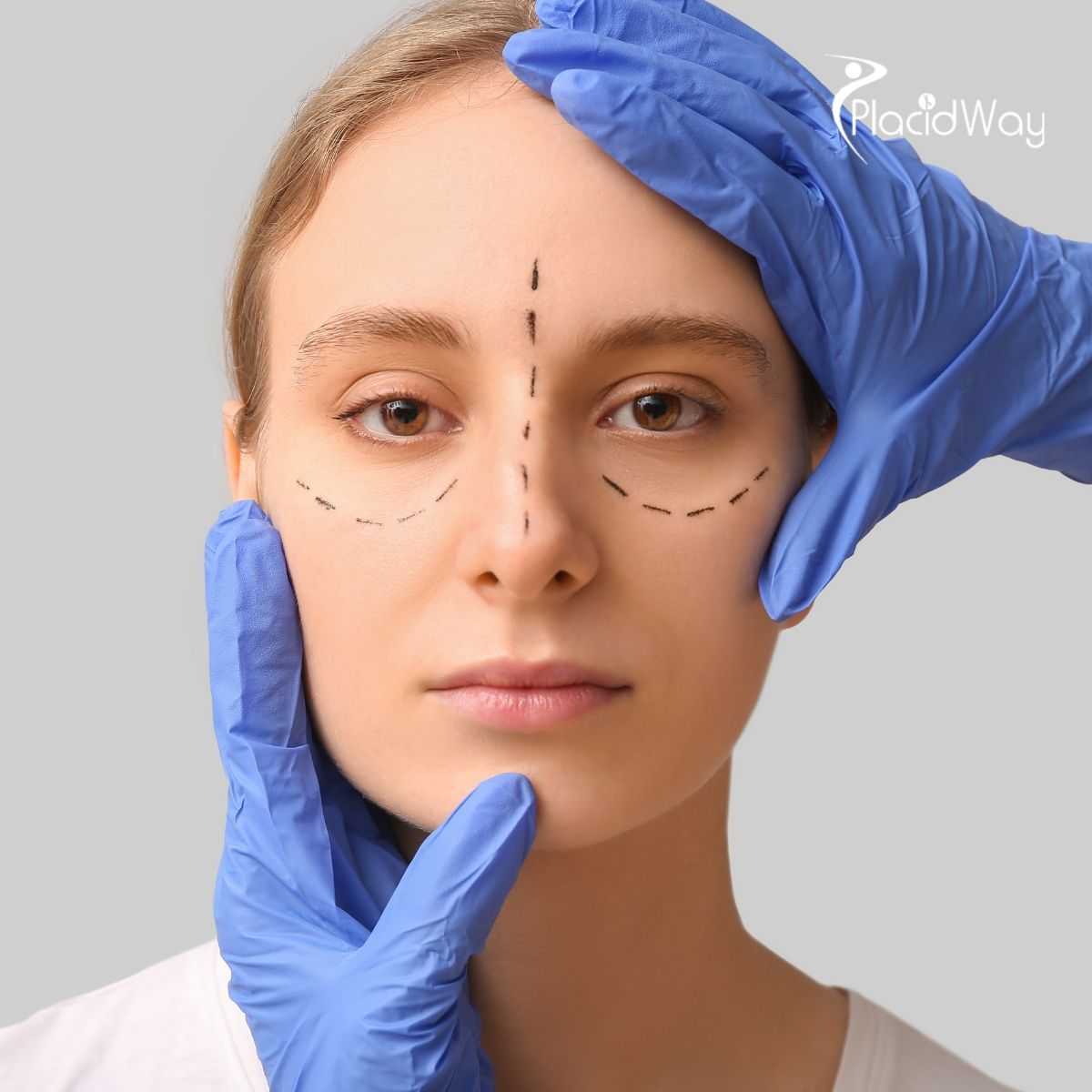
Perhaps you require cosmetic surgery but want to combine the intensive recovery period with the absolute privacy of a foreign setting.
Maybe you or a loved one needs addiction treatment, and moving far away from familiar triggers feels like the only viable first step.
Which sounds most like you?
"I cannot wait another year in pain just to get my knee replaced."
This reader is prioritizing speed and functional outcomes. They are weighing the immediate out-of-pocket cost of traveling against the long-term cost of losing mobility and daily comfort.
"We have one more chance at IVF, and we need a clinic with exceptional laboratory standards."
This reader is prioritizing capability and regulatory safety over convenience. They are looking beyond basic marketing to find specialized expertise that local clinics may not offer.
"I need a complete reset for my addiction, away from everyone I know."
This reader is prioritizing privacy, environment, and comprehensive support. They recognize that remaining in their current location is a barrier to early recovery.
"The quote for a full mouth restoration here is the size of a house deposit."
This reader is focused on the total financial journey. They are balancing lower upfront treatment costs in Europe against travel expenses and the logistics of follow-up care.
This is why choosing medical tourism in Italy should begin with your situation, not a generic ranking, slogan, or price comparison.
One Medical Tourism Destination. Several Different Real-World Paths.
Medical tourism in Italy involves genuinely different pathways, environments, and care models. The country operates a robust public healthcare system alongside highly advanced private medical facilities. Patients traveling from abroad typically engage with the private sector, which varies heavily by region, specialty, and clinic infrastructure.
Official guidance notes that northern regions like Lombardy often concentrate heavily on orthopedic and advanced surgical care. Conversely, specialized fertility and aesthetic clinics are distributed differently, often operating under strict regional health authority oversight. Capability, quality, timing, and support can differ substantially between individual providers and locations.
Non-EU citizens must navigate specific entry regulations, such as securing a Schengen Visa for Medical Treatment (Visto per Cure Mediche), which requires documented proof of scheduled clinic admission and sufficient funds. These are planning considerations, not guarantees, as every facility manages patient intake, language support, and aftercare differently.
Here is what those differences can feel like in real life.
The Private Surgical Hospital: When Joint Pain Limits Your Timeline
A patient reviews a surgical itinerary for a knee replacement in a private hospital near Milan. The facility handles hundreds of international orthopedic patients a year. The schedule maps out everything from airport transfer to pre-op imaging and post-surgery physical therapy.
This route attracts readers who need urgent intervention for functional decline. It solves the problem of extensive public waitlists back home. It creates the expectation of a highly streamlined, predictable surgical intervention.
However, orthopedic surgery requires immediate post-operative mobility and carefully managed pain. Flying shortly after joint replacement increases the risk of deep vein thrombosis (DVT). The hidden cost here is the mandatory extended hotel stay required before an airline will medically clear you to fly home.
Before you decide, ask:
- Who explicitly manages physical therapy during the days immediately following discharge?
- How many days must pass before the surgeon will authorize a medical clearance certificate for a return flight?
- What is the specific escalation procedure if a surgical site infection develops after returning home?
- Are the orthopedic implants used internationally recognized, ensuring local doctors can adjust or repair them if needed?
- Who coordinates the translation of all post-operative imaging and surgical notes into English?
- Does the facility provide a clear medical letter required for airport security when traveling with metal implants?
Same procedure. Completely different recovery timeline.
The Specialized IVF Clinic: When Building a Family Meets Regulatory Limits
A couple sits in a quiet consultation room in Rome, listening to an English-speaking reproductive endocrinologist explain their protocol. They traveled here because Italian regulations regarding donor gametes and embryo testing have evolved to offer high-standard reproductive care under strict local guidelines.
This path appeals to those who have hit clinical or financial walls in their home countries. It supports the deep priority of accessing advanced laboratory technology for fertility treatments. Someone might choose this over a closer option because European Union tissue and cell directives mandate rigorous safety standards.
Yet, fertility treatment is rarely a single, predictable event. The operational challenges include coordinating international medication shipments and syncing travel with unpredictable biological cycles. Italian Law 40/2004 also dictates specific eligibility requirements regarding relationship status and donor protocols that must be navigated carefully.
Before you decide, ask:
- How does the clinic handle scheduling if biological responses dictate a sudden change in travel dates?
- What specific legal documentation is required by Italian law regarding marital status or partner consent prior to treatment?
- Who is responsible for safely transporting or storing cryopreserved material if multiple cycles are needed?
- Does the clinic have a dedicated after-hours contact for urgent medication or dosage questions?
- How will local monitoring scans in your home country be communicated to the Italian medical team?
- Are there any legal restrictions on genetic testing for embryos that conflict with your treatment goals?
Rigorous standards can change the calculation. They should not end the research.
The Secluded Recovery Retreat: When Privacy Dictates the Outcome
A professional arrives at a discreet villa overlooking a northern Italian lake for a 30-day addiction treatment program. The environment is entirely removed from their daily life, offering intensive psychiatric support and holistic care in a highly controlled setting.
This option serves readers who require complete physical separation from their current triggers. It creates a space where confidentiality is paramount and daily stressors are eliminated. It is often chosen because the geographic distance enforces a necessary boundary for early recovery.
The less obvious reality is the immense challenge of the return journey. Transitioning from a highly structured, serene Italian environment back to a high-pressure home life requires an extensive, pre-planned support network to prevent relapse.
Before you decide, ask:
- What specific transition plan is built into the final week of the program?
- Does the facility coordinate directly with your local therapist or psychiatrist before discharge?
- Are the therapeutic modalities used recognized and easily continued in your home country?
- How are emergency medical situations unrelated to addiction handled by the facility?
- What happens financially and medically if you decide to leave the program earlier than planned?
- Is the center legally accredited as a psychiatric facility, or only as a wellness retreat?
An attractive location can make the environment easier. It cannot replace the critical requirement for long-term support.
The Person Beside You Has a Role Too
There is often another person missing from guides like this. Behind many successful medical trips to Italy is a spouse, partner, caregiver, or adult child managing the invisible labor of the journey.
This person handles the luggage while you are using crutches. They communicate with the dental clinic when your mouth is too swollen to speak. They sit in the hotel room during your cosmetic surgery, waiting for a phone call.
They navigate foreign pharmacies, translate menus using their phones, and provide emotional anchoring when plans inevitably shift.
A responsible clinic understands that treating a patient means communicating clearly with their companion. Companions need to know exactly how to reach the medical team after hours and what symptoms warrant an emergency room visit. They need access to clear timelines so they can manage their own work and family obligations back home.
Better decisions consider everyone affected, not only the person making the purchase.
Is Italian Healthcare Actually Better Than Staying Home?
It is entirely natural to want a definitive answer about quality. When you are considering flying across the world for dental implants or cosmetic surgery, you want absolute assurance that the destination is superior.
However, a simple "yes" or "no" is misleading. Italy possesses world-class medical infrastructure, but quality is tied to the specific surgeon, facility, and regulatory compliance, not just the country’s borders.
Instead of asking if the country is broadly better, ask these specific evaluation questions:
- How many times has this specific surgeon performed this exact procedure in the last year?
- Is the facility licensed by the local Azienda Sanitaria Locale (ASL) for inpatient surgical care?
- What are the exact legal and medical protocols if an unintended complication occurs?
- How does the clinic measure and report its infection or success rates?
- What specialized intensive care infrastructure exists on-site if required?
- Does the clinic guarantee medical records in English, or will you need to hire a translator?
An experienced patient looks for systemic safety. A first-time patient often relies on aesthetic marketing.
Moving Past Beautiful Clinics to Verified Accountability
When researching treatment abroad, it is easy to be swayed by stunning photography of recovery rooms and generic badges claiming international excellence. Trust requires more than polished websites.
"We are Italy’s premier luxury clinic, offering world-class care with guaranteed results."
Who exactly is responsible for this care, and where can their credentials be independently verified?
In Italy, responsible entities are clearly defined by law. You should verify the surgeon’s registration with the national medical council (Federazione Nazionale degli Ordini dei Medici Chirurghi e degli Odontoiatri, or FNOMCeO). The clinic itself must hold current authorization from the regional health authority (ASL), which governs health and safety standards.
Do not accept vague claims of excellence. Demand exact regulatory registration numbers and verify them through official Italian health ministry portals to ensure true accountability.
Before you commit, try the 4-Step Italian Clinic Test
Before transferring funds or booking flights, apply these practical checkpoints to your chosen facility:
- The Friday Night Test: If you develop a fever or severe pain at 10 PM on a Friday after discharge, exactly which phone number do you call, and who will answer?
- The Medical Translation Test: Are your final discharge papers, surgical notes, and implant serial numbers guaranteed to be provided in medical-grade English before you leave?
- The Local Handoff Test: If you take the proposed treatment plan to your local doctor right now, can they safely take over your follow-up care?
- The Unforeseen Delay Test: If you are not medically cleared to fly for an extra seven days, can your budget, visa, and support system absorb the impact?
That is the medical tourism in Italy test.
Show the Topic Through Different Reader Eyes
"I am a self-funded patient needing extensive dental work."
- Most suitable route: A specialized dental implant clinic in a major transit hub like Rome or Milan.
- Key factor to investigate: The total number of mandatory return visits required to finalize the prosthetics after the implants heal.
- Warning: Do not assume that a lower price per implant equals a lower total cost once multiple flights and accommodations are calculated.
"I am an athlete needing urgent orthopedic surgery."
- Most suitable route: A private orthopedic hospital in Northern Italy with an integrated sports rehabilitation wing.
- Key factor to investigate: The surgeon's specific experience with high-impact sports recovery protocols.
- Warning: Do not book a return flight based on convenience; rely only on strict medical clearance for flying post-surgery.
"I am seeking cosmetic surgery combined with a private recovery."
- Most suitable route: A boutique surgical center with an affiliated discrete recovery hotel.
- Key factor to investigate: How nursing staff physically access the hotel room during the first 48 hours of recovery.
- Warning: Avoid combining intensive sightseeing with surgical recovery, as physical exertion drastically increases complication risks.
"We are a couple exploring international IVF options."
- Most suitable route: A certified reproductive clinic highly experienced in managing cross-border patient logistics.
- Key factor to investigate: The exact Italian legal requirements for documented marital or partnership status prior to treatment.
- Warning: Do not plan strict travel windows, as ovarian stimulation and biological responses often shift scheduling unexpectedly.
Same medical tourism in Italy. 4 completely different research journeys.
Eventually, almost everybody asks.
"How much will it actually cost me to get treated in Italy?" This is a necessary and highly practical question.
However, the price of the surgery or treatment is only one piece of the financial reality. When you travel internationally for healthcare, you are funding a complete medical experience, not just purchasing a procedure.
Current data suggests private procedures can be cost-effective compared to US or UK private sectors, but these figures are planning tools, not final quotes.
What will the whole journey cost?
- Initial clinical price: Surgeon fees, facility use, and anesthesia.
- Preparation requirements: Medical visas, pre-flight clearances, local blood work, or translating medical files.
- Travel and access: Flights, specialized medical transfers, and extended hotel stays for recovery.
- Companion needs: Food, accommodation, and lost wages for the person supporting you.
- Hidden delays: The cost of changing flights if a doctor refuses to issue a fit-to-fly certificate.
- Follow-up requirements: Ongoing physical therapy, local dental adjustments, or continued fertility medications at home.
- Unexpected problems: Out-of-pocket costs for emergency room visits if a complication occurs abroad.
The cheapest procedure may not create the cheapest total experience.
What the Experience Actually Feels Like
It is waiting in a pristine, sunlit lobby in Florence while holding a folder of translated medical files.
It is the pressure of ensuring your passport, medical visa, and clinical admission papers are all aligned perfectly.
It is waking up in a recovery room, hearing a different language, and finding comfort in a nurse who speaks softly in English.
It is the slow, careful walk through a cobblestone street, leaning heavily on your companion as you test a new joint.
It is managing medications in a different time zone.
It is the relief of a successful consultation, followed by the exhaustion of navigating airport security with a healing body.
That is still care. Just a very different kind.
Questions Often Realized Too Late
- "I wish I’d known how difficult finding appropriate food would be immediately after dental surgery."
- "I wish I’d checked if the clinic's English-speaking staff were available during the night shift."
- "I wish we’d planned for the physical exhaustion of the return flight."
- "I wish I’d asked exactly how the physical therapy equipment would differ from what I use at home."
- "I wish I’d verified the local Italian laws regarding the specific fertility treatments we needed."
- "I wish I’d known how isolating recovering in a foreign hotel room could actually feel."
"Enjoy a seamless medical vacation with zero stress and beautiful sights."
Real-life questions provide better guidance than promotional messages. A medical journey requires active participation, logistical planning, and realistic expectations that marketing slogans actively obscure.
Understanding Your Personal Fit and Risks
Medical tourism in Italy may be worth investigating when:
- You have the financial flexibility to absorb unexpected travel delays or extra hotel nights.
- You have an available, capable companion who can travel with you and manage logistics.
- You have verified that local doctors at home are willing to manage your aftercare.
- You can clearly communicate your medical history and have complete, accessible records.
- You possess realistic timelines that prioritize healing over sightseeing.
Who Should Think Especially Carefully?
Medical tourism in Italy—or any comparable option—may make less sense when:
- Your medical condition is highly unstable or involves multiple severe comorbidities.
- You are traveling on an extremely tight budget with no emergency reserve funds.
- You are traveling entirely alone for a major surgical procedure.
- You cannot secure clear, written agreements about post-operative complication management.
- You feel pressured by aggressive sales tactics or time-limited discounts.
- You have severe anxiety regarding international travel, obtaining visas, or being away from home.
I’m not comfortable proceeding.
A responsible guide helps you recognize when not moving forward is the safest and most appropriate decision.
What brings you here?
I need to bypass a long waitlist for a hip or knee replacement.
Investigate specialized private orthopedic hospitals in Northern Italy and verify their post-op rehabilitation protocols.
I am looking for highly regulated, advanced IVF treatments.
Research clinics certified by the Italian Ministry of Health, focusing heavily on their international patient coordination teams.
I want complex dental implants but need to manage the overall cost.
Compare total journey costs, including the mandatory multiple flights required for multi-stage implant procedures.
I require cosmetic surgery and value absolute privacy during recovery.
Look into boutique clinics that offer integrated, medically supervised hotel recovery spaces away from major tourist centers.
I am seeking a residential addiction treatment program away from my current environment.
Focus on specialized retreats that prioritize psychiatric continuity of care and structured return-home transition plans.
That is not simply a guide. It is a decision environment.
Returning to the Human Decision
Maybe you are sitting with your partner, looking at a spreadsheet comparing the total costs of IVF in three different countries.
Maybe you are looking at your swollen joints, wondering if the stress of international travel is worth the promise of faster surgery.
Maybe you are weighing the need for addiction recovery against the fear of stepping onto a plane to a place you have never been.
These are heavy, personal decisions. Medical tourism in Italy should not be reduced to simple promises such as saving money, getting instant results, or finding a flawless vacation.
The reality involves managing individual circumstances, accepting practical limitations, relying on support systems, and maintaining deep risk awareness. Follow-through after the initial decision dictates the outcome as much as the surgery itself.
The best option is not the one with the most beautiful marketing photos.
It is the one where:
the right clinical standards,
the right specialized provider,
the right logistical support,
and a realistic path to safe, long-term follow-up care
can come together for your particular situation.
"Where is medical tourism in Italy cheapest or fastest?"
"What is the next informed step that realistically fits my situation?"
A Message from PlacidWay – Your Way to Hope
At PlacidWay, we understand that seeking healthcare far from home is rarely a simple choice. It is a step driven by a need for solutions, relief, and often, a better quality of life.
Maybe it is the right path for your family. Maybe it isn’t.
Not only are you looking for a highly capable medical team. But you are also seeking an environment that respects your dignity, safety, and specific personal needs.
We believe medical tourism is one possible option, requiring careful preparation, family involvement, and a foundation of trust. We are here to help you access transparent information so you can approach your options with hope and realistic expectations.
What do you need to know today to make the best choice for tomorrow?
References
- Cross-border Healthcare – Italian Ministry of Health (Ministero della Salute)
- National Registry of Doctors and Dentists – FNOMCeO
- Medical Tourism Patient Safety and Risks – Centers for Disease Control and Prevention (CDC)
- Going Abroad for Medical Treatment – National Health Service (NHS)
- Travel and Health Guidelines – World Health Organization (WHO)
Disclaimer: This guide is for informational purposes only and does not constitute medical, financial, or legal advice. Healthcare regulations, provider availability, and treatment protocols vary by region and change frequently. Always consult with a qualified local healthcare professional before making decisions regarding international medical travel, surgery, or specialized treatments.























Share this listing