


内容
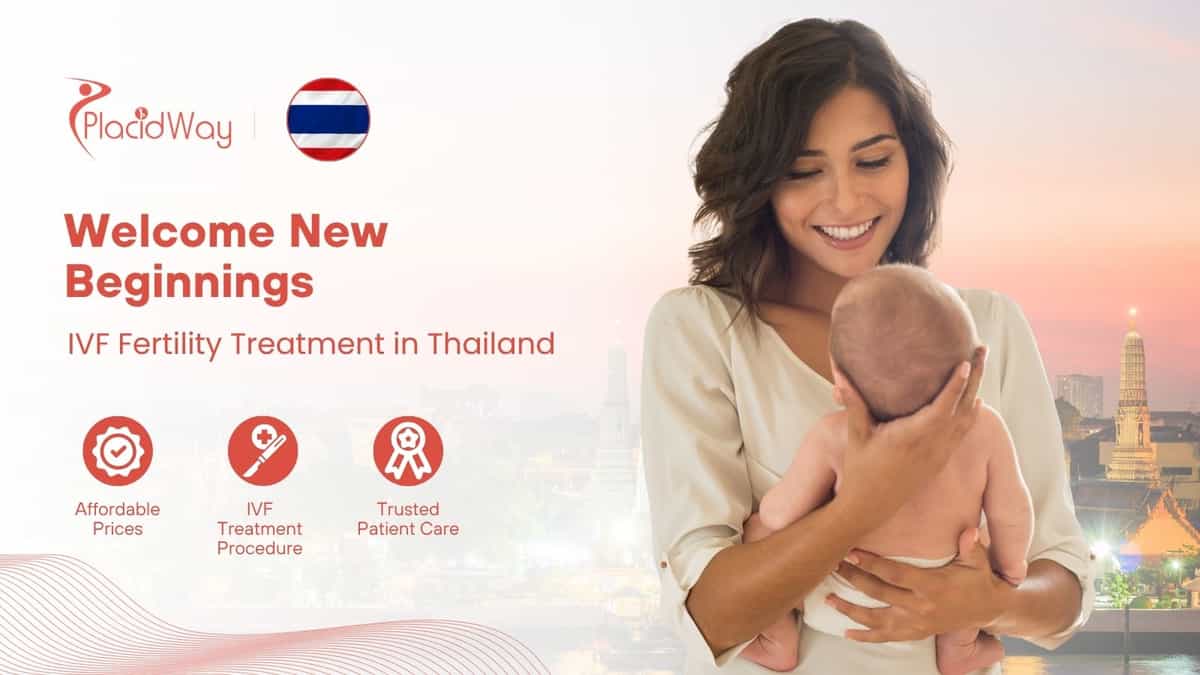
泰国为渴望为人父母的夫妇提供价格合理的试管婴儿服务
泰国长期以来被公认为医疗旅游的首选目的地,其辅助生殖技术在亚洲名列前茅。对于饱受不孕不育困扰的夫妇而言,泰国犹如一盏希望的明灯,将最先进的辅助生殖技术与以患者为中心的关怀相结合。曼谷、普吉岛和清迈的诊所配备了世界一流的实验室,其水平可与美国和欧洲的实验室相媲美,而治疗费用却更加亲民。
泰国生育专家以其在胞浆内单精子注射(ICSI)和胚胎植入前遗传学检测(PGT-A)等先进技术方面的精湛技艺而闻名。通过使用新一代测序(NGS),医生可以以99.9%的准确率筛查胚胎染色体异常,从而显著提高健康妊娠的几率并降低流产率。
泰国的医疗文化强调营造轻松无压力的环境,这对提高生育成功率至关重要。患者通常会将治疗与轻松的假期结合起来,在接受促排卵治疗的同时,享受豪华住宿和泰国式的热情款待。
无论您是寻求标准的试管婴儿还是复杂的基因筛查,泰国都能为您提供安全、规范、高质量的组建家庭途径。
你可知道?
泰国是亚洲首个获得JCI医院认证的国家。这种对质量的承诺也延伸到了生育诊所,许多诊所使用**EmbryoScope**——一种延时培养箱,使胚胎学家能够全天候监测胚胎发育,而无需干扰胚胎,从而实现更精准的胚胎筛选和更高的成功率。
关键信息概览
使用 PGT-A(基因筛查)的诊所报告称,35 岁以下女性的临床妊娠率为 65-75%。
在顶级诊所中,使用 NGS(下一代测序)进行染色体筛查已成为标准做法。
在泰国进行试管婴儿治疗的费用比在澳大利亚或美国低 40-60%,套餐起价约为 6500 美元。
泰国拥有 60 多家获得 JCI 认证的医院,确保达到最高的国际安全标准。
生育专家通常在美国、英国或澳大利亚获得专业资格认证,并拥有数十年的经验。
“生育假期”的概念有助于减轻压力,这是成功着床的关键因素。
囊胚培养标准
在泰国,囊胚培养(将胚胎培养至第5或第6天)是标准的治疗方案,而非某些国家常见的第3天胚胎移植。这使得胚胎学家能够选择最强壮、最具活力的胚胎进行移植或冷冻,从而显著提高妊娠率。
选择合适的套餐可以大大简化您的就医流程。以下部分,我们精心整理了曼谷多家顶级生育中心的名单,这些中心提供全面的试管婴儿套餐。这些套餐通常包含试管婴儿/卵胞浆内单精子注射(IVF/ICSI)手术、囊胚培养、胚胎移植和医生诊疗费。高级套餐可能还包含一定数量胚胎的PGT-A基因筛查和机场接送服务。浏览这些选项,找到符合您特定需求和预算的套餐。
注意:大多数套餐不包含兴奋剂药物,因为每个患者的剂量各不相同。这些药物可在医院药房购买。

Price starting from $7,500
Egg Freezing Package in Bangkok Thailand at LRC Fertility Center
LRC Fertility Clinic - Best IVF Clinic Bangkok
- Fertility Treatment
Bangkok, Thailand

Price starting from $16,000
IVF with Gender Selection Package in Bangkok Thailand at LRC Fertility Center
LRC Fertility Clinic - Best IVF Clinic Bangkok
- Fertility Treatment
Bangkok, Thailand

Price starting from $8,400
ICSI Fertility Treatment Package in Bangkok Thailand by LRC Fertility Clinic
LRC Fertility Clinic - Best IVF Clinic Bangkok
- Fertility Treatment
Bangkok, Thailand

Price starting from $11,000
IVF with Gender Selection in Thailand by Gift Fertility Bangkok
Best IVF & Fertility Treatments at Gift Fertility Bangkok
- Fertility Treatment
Bangkok, Thailand
了解经济投入是您决策过程中至关重要的一环。下表清晰列出了泰国试管婴儿 (IVF) 和卵胞浆内单精子注射 (ICSI) 的平均费用,并与美国和澳大利亚的价格进行了对比。虽然这些数字是估算值,但它们突显了可节省的巨额费用——通常情况下,您只需花费比在家进行一个基础疗程更低的费用,就能负担得起更高级的基因筛查。
提示:采用卵胞浆内单精子注射(ICSI)的试管婴儿周期费用通常在6,500 至 8,500 美元之间。添加 PGT-A 筛查通常需要额外支付 2,000 至 3,000 美元。
Fertility Treatment 中心成本比较 Thailand
| 提供者 | 程序 | 价格 |
|---|---|---|
| LRC Fertility Clinic - Best IVF Clinic Bangkok | Egg Freezing Treatment, Fertility Treatment | $7500 |
| LRC Fertility Clinic - Best IVF Clinic Bangkok | Intracytoplasmic sperm injection (ICSI), Fertility Treatment | $8400 |
| Best IVF & Fertility Treatments at Gift Fertility Bangkok | IVF with Gender Selection, Fertility Treatment | $11000 |
| LRC Fertility Clinic - Best IVF Clinic Bangkok | IVF with Gender Selection, Fertility Treatment | $16000 |
Fertility Treatment 成本比较 Thailand
| 国家 | 程序 | 价格 |
|---|---|---|
| United States | Intracytoplasmic sperm injection (ICSI), Fertility Treatment | $30000 |
| United States | Pre-implantation Genetic Screening (PGS), Fertility Treatment | $42000 |
您的成功很大程度上取决于您选择的实验室和诊所。我们精选了泰国顶尖的辅助生殖中心,这些中心以其在辅助生殖领域的专长而闻名。这些诊所均经过严格筛选,拥有生殖技术(RT)认证、先进的胚胎学实验室以及经验丰富的国际患者团队。请浏览以下简介,了解更多关于他们的技术和成功率的信息。
标准:寻找拥有自己内部基因实验室的诊所,以便更快地获得 PGT-A 结果。
LRC Fertility Clinic - Best IVF Clinic Bangkok
Bangkok, Thailand
.png)
Best IVF & Fertility Treatments at Gift Fertility Bangkok
Bangkok, Thailand
.png)
Genesis Fertility Center in Bangkok Thailand
Bangkok, Thailand
直接聆听以往患者的亲身经历能带来莫大的安慰。以下视频见证了前往泰国实现家庭梦想的夫妇们的真实故事。观看这些视频,了解他们的个人经历、所接受的医疗服务以及成功受孕的喜悦。
洞察:患者经常称赞泰国护士的礼貌和细心,这有助于减轻治疗过程中的焦虑。
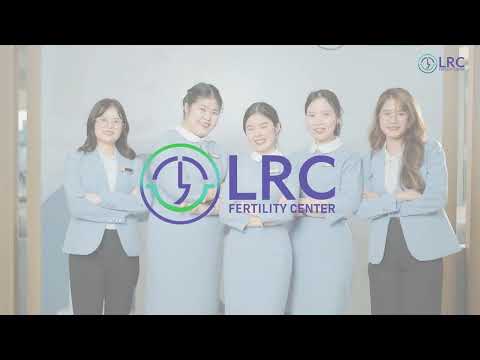
患者评价能真实反映医疗服务的质量。在本版块,您可以找到来自泰国专科医生的真实评价和评分,他们都曾委托泰国的专科医生进行生育治疗。阅读他们对诊所的组织架构、沟通清晰度以及整体就医体验的反馈,有助于您选择合适的医疗机构。
评论提示:请查找提及具体医生姓名的评论,因为医患关系在生育治疗中至关重要。

How Much Does In-Vitro Fertilization Cost in Thailand?
The estimated In-Vitro Fertilization Cost in Thailand typically ranges from $5,500 to $9,000 per cycle. This price generally includes initial consultations, ultrasound monitoring, egg retrieval, fertilization, and the fresh embryo transfer procedure. Key Takeaways: In-Vitro Fertilization in Thailand Significant Savings: The procedure offers substantial financial savings compared to fertility care in North America or Europe. Legal Compliance: Treatments are legally restricted to married couples presenting valid documentation. Advanced Tech: Advanced technologies such as chromosomal screening are available but typically increase the total baseline price. Medications Excluded: Hormone stimulation medications are often billed separately based on individual patient requirements. Global Standards: International patients benefit from modern infrastructure and English-speaking medical teams. Why Is Thailand a Popular Destination for In-Vitro Fertilization? Couples choose this destination due to the combination of highly trained reproductive endocrinologists, modern clinical facilities, and competitive pricing structures that do not compromise on medical quality. The landscape of medical tourism in Thailand has evolved significantly, transforming the nation into a leading hub for advanced reproductive care. Many specialists have received rigorous training and fellowships in Western countries, ensuring that their clinical protocols align with international healthcare standards. A reputable In-Vitro Fertilization clinic in Thailand is typically equipped with state-of-the-art embryology laboratories. These sophisticated environments utilize advanced incubation systems and strict quality controls essential for optimal embryo development and higher implantation probabilities. Beyond the technical capabilities, international patients highly value the holistic and compassionate approach to care. Fertility struggles bring immense emotional stress, and the supportive, culturally welcoming environment provided by local healthcare teams helps alleviate much of the anxiety associated with complex medical journeys. Did You Know? Many specialized facilities offer complementary wellness services such as acupuncture and nutritional counseling, aiming to support stress reduction and optimize physiological readiness for conception. What Is the Average In-Vitro Fertilization Cost in Thailand Compared to Other Countries? The In-Vitro Fertilization cost in Thailand presents substantial savings, typically amounting to 50% to 70% less than equivalent treatments performed in the United States or the United Kingdom. This stark price difference does not indicate a reduction in medical efficacy. The financial variations are primarily driven by the lower cost of living, operational overhead, and administrative expenses within the destination country. These systemic economic differences allow facilities to offer premium healthcare at accessible rates. When analyzing In-Vitro Fertilization in Thailand, patients must recognize that these figures represent base estimates. Complex cases requiring specialized interventions such as surgical sperm extraction or comprehensive chromosomal screening will adjust the final total upward. Region Estimated Base Cycle Cost (USD) Primary Financial Consideration Thailand $5,500 - $9,000 Highly competitive pricing with modern technology United States $12,000 - $20,000+ Premium pricing often excluding basic medications United Kingdom $7,000 - $12,000 Strict clinical regulations and varied private costs What Factors Influence the Total Price at an In-Vitro Fertilization Clinic in Thailand? Individual medical requirements directly dictate the final invoice. Variables such as maternal age, underlying diagnoses, required laboratory techniques, and the duration of hormone stimulation all contribute to overall expenses. Advanced Laboratory Techniques: Procedures like Intracytoplasmic Sperm Injection or assisted hatching require specialized embryologist skills and advanced equipment resulting in added fees. Preimplantation Genetic Testing: Biopsying embryos to screen for chromosomal abnormalities or specific genetic disorders represents a significant additional laboratory cost. Cryopreservation Needs: Freezing surplus embryos or utilizing frozen sperm requires dedicated storage media and ongoing annual maintenance fees. Multiple Treatment Cycles: Patients facing diminished ovarian reserve may require consecutive stimulation rounds to retrieve sufficient healthy oocytes inherently multiplying total expenditure. Specialized Consultations: Addressing severe male factor infertility or complex immunological issues may necessitate collaborative care with urologists or other medical specialists. Are IVF Medications Included in the Standard Cost for In-Vitro Fertilization in Thailand? Hormone stimulation medications are frequently excluded from the base cycle price due to the highly individualized nature of prescribing, typically adding $1,000 to $2,500 to the budget. Endocrinologists design specific stimulation protocols based on a patient's age, body mass index, and ovarian reserve indicators such as Anti-Mullerian Hormone levels. Younger patients may require lower doses of gonadotropins, whereas older patients generally require aggressive, higher-dose protocols. An established In-Vitro Fertilization clinic in Thailand utilizes internationally recognized, FDA-cleared or equivalent pharmaceutical brands to ensure safety and predictable physiological responses during stimulation. What Are the Legal Regulations for Medical Tourism in Thailand Concerning Fertility? The national government strictly regulates assisted reproduction, mandating that treatments are exclusively available to legally married heterosexual couples, with commercial surrogacy strictly prohibited. To initiate any clinical protocols, patients must present certified marriage documentation, which facilities maintain for regulatory compliance. Third-party reproduction is heavily restricted, and egg or sperm donation operates under strict altruistic guidelines. Important Consideration Always ensure your chosen medical facility is fully accredited and legally registered with the Thai Ministry of Public Health to perform assisted reproductive technologies safely and ethically. How Long Does the In-Vitro Fertilization Process Take for International Patients in Thailand? A complete fresh cycle typically requires international patients to stay in Thailand for approximately three to four weeks, covering monitoring, retrieval, and embryo transfer. The clinical timeline begins early in the menstrual cycle with baseline evaluations, followed by ten to twelve days of daily hormonal injections and regular ultrasound tracking. Once optimal follicular maturation is achieved, a trigger injection precedes surgical retrieval, and cultured embryos are transferred after three to five days. What Medical Technologies Are Available During In-Vitro Fertilization in Thailand? Modern centers utilize advanced reproductive technologies including time-lapse embryo imaging, comprehensive chromosomal screening, and sophisticated vitrification freezing techniques. Time-lapse incubation allows embryologists to monitor cellular division continuously without disturbing stable incubator environments. Preimplantation Genetic Testing screens blastocysts for aneuploidy, significantly reducing miscarriage rates and improving the likelihood of a healthy pregnancy. How Can Patients Verify the Quality of an In-Vitro Fertilization Clinic in Thailand? Ensuring quality involves verifying facility accreditations, reviewing age-categorized clinical success rates, and confirming the educational credentials of lead medical specialists. Patients should look for certifications from international healthcare evaluation organizations. Ethical facilities provide transparent, verifiable statistical data regarding clinical pregnancy and live birth rates without making guaranteed success claims. What Risks Should Patients Consider When Traveling for Fertility Treatments? While treatments are generally safe, patients face clinical risks such as Ovarian Hyperstimulation Syndrome alongside logistical and emotional challenges inherent to international medical travel. Clinical Complications: Ovarian Hyperstimulation Syndrome can cause painful abdominal swelling requiring careful monitoring. Transferring multiple embryos increases the likelihood of high-risk multiple pregnancies. Travel Stress: The physical demands of international flights combined with the psychological stress of treatment may impact overall well-being. Proper scheduling and ample rest periods are essential. Post-Treatment Care: Patients must establish a clear plan for early pregnancy monitoring with their local obstetrician upon returning home to manage any delayed complications safely. Unpredictable Outcomes: Medical tourism does not guarantee success. Patients must emotionally and financially prepare for the possibility that initial cycles may not result in pregnancy. Why Choose PlacidWay for Your Reproductive Healthcare Journey? PATIENT SUPPORT 5 Core Pillars Curated Global Network Access a diverse network of fertility centers offering reproductive healthcare services and advanced treatment options. Transparent Cost Information Review treatment estimates and package information to support more informed budgeting and financial planning. Direct Clinical Communication Request initial consultations with fertility specialists to discuss treatment options before making travel arrangements. Verification Support Review available information about clinic credentials, accreditations, technologies, and physician qualifications. Educational Empowerment Access educational resources that help patients understand fertility procedures, treatment considerations, and medical travel. Frequently Asked Questions About In-Vitro Fertilization in Thailand 1. Is gender selection allowed during In-Vitro Fertilization in Thailand? Gender selection for purely non-medical or family balancing reasons is strictly restricted by national medical guidelines. It is typically only permitted when screening for severe sex-linked genetic disorders to ensure the health of the future child. 2. Do I need to be legally married to undergo In-Vitro Fertilization in Thailand? Yes, national regulations require patients to be legally married in order to access assisted reproductive technologies. Clinics will mandate the presentation of an official marriage certificate before initiating any fertility treatment protocols. 3. Can single women access In-Vitro Fertilization clinics in Thailand? Current legal frameworks do not permit single women to undergo assisted reproductive treatments. Fertility services are strictly regulated and legally reserved for married heterosexual couples presenting documented proof of their union. 4. What happens to unused embryos after In-Vitro Fertilization in Thailand? Surplus high-quality embryos can be cryopreserved for future use by the biological parents. These frozen embryos remain viable for transfer during subsequent cycles provided the marital status of the couple remains legally intact. 5. Is egg donation permitted for international patients seeking In-Vitro Fertilization in Thailand? Egg donation is permitted under strict regulations meaning commercial compensation for donors is illegal. Donors are generally required to be relatives of the wife or strictly anonymous altruistic volunteers coordinated through regulated channels. 6. Are there age limits for women undergoing In-Vitro Fertilization in Thailand? While there is no strict national legal age cutoff, individual fertility centers typically establish their own safety thresholds. Most facilities evaluate patients over the age of 45 on a strict case-by-case basis based on ovarian reserve and physical health. 7. Does the estimated In-Vitro Fertilization cost in Thailand cover genetic testing? Standard treatment packages generally do not include preimplantation genetic testing. Advanced chromosomal screening requires specialized laboratory work and will represent an additional financial expense beyond the base cycle price. 8. What languages do medical staff speak during medical tourism in Thailand? Leading fertility centers employ multidisciplinary teams highly proficient in English. Dedicated international patient departments also frequently offer translation services in various languages to ensure clear communication of medical information. 9. How long should I rest before flying after In-Vitro Fertilization in Thailand? Specialists typically recommend resting for two to three days following the embryo transfer before undertaking international air travel. This brief observation period helps manage immediate post-procedural discomfort and allows the medical team to grant final travel clearance. 10. Are donor sperm treatments available for couples having In-Vitro Fertilization in Thailand? Donor sperm can be utilized for married couples facing severe male factor infertility providing it adheres to non-commercial regulations. The process must follow local legal guidelines emphasizing altruistic donation rather than compensated third-party reproduction. Explore Your Reproductive Healthcare Options Review comprehensive clinic profiles, compare estimated treatment costs, and connect directly with specialists to make informed medical decisions regarding IVF Packages in Thailand. Request Treatment Information Medical Disclaimer: This article is strictly for educational purposes and does not constitute professional medical advice. Estimates may vary by clinic, patient age, and medical history. Always consult with a licensed endocrinologist before making healthcare decisions. References Infertility Fact Sheet – World Health Organization (WHO) Clinical Practice Guidelines – American Society for Reproductive Medicine (ASRM) Guidelines on Reproductive Care – European Society of Human Reproduction and Embryology (ESHRE) Safety of Assisted Reproductive Technologies – National Center for Biotechnology Information (NCBI)
What is the success rate of IVF in Thailand?
In Vitro Fertilization (IVF) offers hope for many individuals and couples struggling with infertility. Thailand has emerged as a popular destination for IVF treatment due to its combination of advanced medical facilities, experienced specialists, and competitive costs. When considering IVF in Thailand, understanding the success rates is crucial for making informed decisions. This blog post aims to provide a detailed overview of IVF success rates in Thailand, answering common questions and shedding light on the factors that influence outcomes. What is the overall success rate of IVF in Thailand? "The overall success rate of IVF in Thailand typically ranges from 45% to 65%, though this can vary significantly based on individual factors and the specific clinic." Thailand's fertility clinics are increasingly recognized for their high standards and positive outcomes. Many clinics in major cities like Bangkok boast state-of-the-art technology and highly trained embryologists and reproductive specialists, often educated in Western countries. This combination contributes to competitive IVF success rates, making Thailand an attractive option for international patients seeking quality care at a more affordable price than in many Western nations. It's important to remember that this general range represents an average across all age groups and various infertility causes. How does age affect IVF success rates in Thailand? "A woman's age is the most significant factor influencing IVF success rates, with younger women generally having higher chances of success." For women under 35, IVF success rates in Thailand are often reported in the range of 45-55%, and sometimes even higher. As women age, the quality and quantity of their eggs naturally decline, which directly impacts the likelihood of successful fertilization and embryo development. For women aged 35-37, the success rates tend to be around 35-45%. For women aged 38-40, the rates typically fall to 25-35%. For women over 40, IVF success rates can be 15-25% or even lower, depending on the individual's ovarian reserve and overall health. This age-related decline underscores the importance of seeking fertility evaluation and treatment sooner rather than later if you are concerned about your fertility. What factors, besides age, influence IVF success rates? "Beyond age, IVF success rates are influenced by the cause of infertility, embryo quality, previous pregnancy history, clinic expertise, and lifestyle factors." Several interconnected factors play a crucial role in determining the outcome of IVF treatment. Understanding these can help patients have realistic expectations and make informed choices. Cause of Infertility: The underlying reason for infertility can significantly impact success. For example, cases of unexplained infertility, certain male factor infertility issues, or blocked fallopian tubes may have different prognoses compared to complex conditions like severe endometriosis or diminished ovarian reserve. Embryo Quality: The quality of the embryos developed in the laboratory is paramount. High-quality embryos are more likely to implant successfully and lead to a live birth. Clinics often use advanced techniques, like blastocyst transfer (transferring embryos at a more developed stage) and preimplantation genetic testing (PGT), to select the healthiest embryos. Previous Pregnancy History: A history of previous successful pregnancies, even if conceived naturally, can be a positive indicator for IVF success. Conversely, a history of recurrent miscarriages or failed IVF cycles might suggest underlying issues that need to be addressed. Clinic Expertise and Technology: The experience of the medical team, the quality of the laboratory facilities, and the use of cutting-edge technology are vital. Reputable clinics in Thailand invest in advanced equipment and have highly skilled embryologists and reproductive specialists who can optimize every step of the IVF process. Lifestyle Factors: Habits such as smoking, excessive alcohol consumption, obesity, and extreme stress can negatively impact fertility and IVF outcomes. Clinics often advise patients to adopt a healthy lifestyle, including a balanced diet and regular exercise, to improve their chances of success. Does the type of IVF procedure affect the success rate? "Yes, specialized IVF procedures like ICSI, PGT, and using donor eggs can influence IVF success rates." While conventional IVF involves combining sperm and eggs in a dish for fertilization, other techniques can be incorporated to address specific infertility challenges. ICSI (Intracytoplasmic Sperm Injection): This procedure involves directly injecting a single sperm into each egg. It is particularly beneficial in cases of male factor infertility, such as low sperm count or poor sperm motility. ICSI generally leads to higher fertilization rates, indirectly contributing to higher IVF success rates by creating more embryos for selection. PGT (Preimplantation Genetic Testing): PGT involves screening embryos for chromosomal abnormalities (PGT-A) or specific genetic disorders (PGT-M) before transfer. This can significantly increase IVF success rates, especially for older women or those with a history of recurrent miscarriages or failed IVF cycles, by ensuring only chromosomally normal embryos are transferred. Donor Eggs/Sperm: For individuals or couples facing issues with egg or sperm quality due to age, genetic factors, or other reasons, using donor eggs or sperm can dramatically improve IVF success rates. IVF with donor eggs, for instance, often yields much higher success rates, sometimes exceeding 70-75%, as the donor eggs typically come from young, healthy individuals. What is the success rate of IVF with donor eggs in Thailand? "The IVF success rate with donor eggs in Thailand is significantly higher, often ranging from 70% to 75% or more, due to the young age and proven fertility of the egg donors." When a woman uses donor eggs, the primary age-related factor that impacts egg quality is removed, leading to much improved success rates. Thai clinics often have comprehensive donor programs with thoroughly screened donors, further enhancing the chances of a successful pregnancy. This option provides a strong alternative for women who may have diminished ovarian reserve, recurrent IVF failures with their own eggs, or are of advanced maternal age. What is the cost of IVF in Thailand, and how does it compare to other countries? "The cost of IVF in Thailand typically ranges from $3,000 to $7,500 per cycle, which is significantly lower than in Western countries like the US, UK, or Australia." Thailand is renowned for offering high-quality medical services at a fraction of the cost found in many developed nations. While the average cost of a single IVF cycle in Thailand can be between $3,000 and $7,500, similar treatments in the US might cost upwards of $15,000 to $20,000 per cycle, excluding medications. This affordability, combined with competitive IVF success rates, makes Thailand a compelling choice for medical tourism related to fertility treatment. The cost usually includes initial consultation, ovarian stimulation medications, egg retrieval, laboratory fertilization, and embryo transfer, though additional services like PGT or embryo freezing might incur extra charges. How many IVF cycles are typically needed for success? "While some couples achieve success in their first IVF cycle, many may require multiple cycles to achieve a live birth." The number of cycles needed for success varies greatly depending on individual circumstances, including age, the cause of infertility, and the quality of embryos. While a live birth rate of 50-60% per cycle for younger women is promising, it also means that not every attempt will result in pregnancy. Many clinics offer multi-cycle packages, which can be a more cost-effective option for couples who anticipate needing more than one attempt. It's common for couples to undergo two to three cycles to maximize their chances of success. Are there any specific clinics in Thailand known for high IVF success rates? "Several clinics in Thailand, such as Genea IVF and Genetics and Takara IVF Bangkok, are well-regarded for their IVF success rates and advanced facilities." Thailand has a robust network of fertility clinics, particularly in Bangkok, that are accredited by international organizations and employ highly skilled medical professionals. These clinics often publish their success rates, which can be a helpful guide, though it's important to interpret these statistics carefully, considering the patient demographics they treat. When choosing a clinic, looking for accreditation, experienced specialists, positive patient reviews, and transparent communication about their success rates and treatment protocols is recommended. What should I look for in an IVF clinic in Thailand to ensure a high success rate? "To ensure a high IVF success rate in Thailand, look for clinics with international accreditations, experienced reproductive endocrinologists and embryologists, transparent success rate reporting, advanced laboratory facilities, and comprehensive patient support." Choosing the right clinic is a critical step in the IVF journey. Here are some key aspects to consider: Accreditation and Certifications: Look for clinics with international accreditations like JCI (Joint Commission International), which indicates adherence to global healthcare standards. Experienced Team: Verify the qualifications and experience of the reproductive endocrinologists, embryologists, and support staff. A seasoned team contributes significantly to better outcomes. Transparent Success Rates: Reputable clinics should be willing to share their IVF success rates, broken down by age group and type of treatment. Be wary of clinics that claim unusually high success rates without supporting data. Advanced Laboratory: The embryology laboratory is the heart of an IVF clinic. Ensure it has state-of-the-art equipment, strict quality control measures, and experienced embryologists. Comprehensive Services: A good clinic offers a full range of fertility services, including genetic testing, egg/sperm/embryo freezing, and options for donor programs if needed. Personalized Treatment Plans: Each patient's situation is unique. A good clinic will offer personalized treatment plans tailored to your specific diagnosis and needs, rather than a one-size-fits-all approach. Patient Support: IVF can be an emotional journey. Look for clinics that offer counseling, support groups, or a dedicated patient coordinator to guide you through the process. What are the potential risks associated with IVF treatment? "While generally safe, IVF treatment carries potential risks such as Ovarian Hyperstimulation Syndrome (OHSS), multiple pregnancies, ectopic pregnancy, and rarely, complications from egg retrieval or anesthesia." It's important for patients to be aware of the potential risks, though serious complications are uncommon. Ovarian Hyperstimulation Syndrome (OHSS): This condition occurs when the ovaries overreact to fertility medications, leading to swelling and pain. Mild cases are common, but severe OHSS can be serious, requiring medical attention. Clinics closely monitor patients to minimize this risk. Multiple Pregnancies: IVF increases the likelihood of conceiving twins, triplets, or more, especially when multiple embryos are transferred. Multiple pregnancies carry higher risks for both the mother and babies, including premature birth and low birth weight. Many clinics now advocate for single embryo transfer to reduce this risk. Ectopic Pregnancy: This occurs when a fertilized egg implants outside the uterus, usually in the fallopian tube. IVF carries a slightly higher risk of ectopic pregnancy than natural conception. Complications from Egg Retrieval: Though rare, risks include bleeding, infection, or damage to surrounding organs during the needle aspiration. Anesthesia Risks: As with any procedure involving anesthesia, there are minor risks, but these are generally very low with modern anesthetic practices. How long does an IVF cycle typically take in Thailand? "A single IVF cycle in Thailand typically takes between two to three weeks from the start of ovarian stimulation to embryo transfer, with subsequent waiting periods for pregnancy testing." The entire process begins with an initial consultation and evaluation, which may involve diagnostic tests. Once a treatment plan is established, the active phase usually unfolds as follows: Ovarian Stimulation (10-14 days): Medications are administered to stimulate the ovaries to produce multiple eggs. Egg Retrieval: A minor surgical procedure to collect the eggs, usually performed under light sedation. Fertilization and Embryo Culture (3-5 days): Eggs are fertilized with sperm in the lab, and the resulting embryos are monitored as they develop. Embryo Transfer: One or more selected embryos are transferred into the woman's uterus. Two-Week Wait: A period of waiting before a pregnancy test can confirm success. International patients often plan for a stay of around 3-4 weeks in Thailand to accommodate the entire cycle and follow-up appointments. Is IVF in Thailand covered by insurance? "Generally, IVF treatment in Thailand is not covered by international health insurance plans unless specifically stated as part of a comprehensive fertility benefit." Most international health insurance policies do not cover fertility treatments, especially those undertaken abroad. Patients are usually responsible for the full cost of IVF in Thailand. It is crucial to check with your insurance provider beforehand to understand your coverage, if any. Many clinics in Thailand offer transparent pricing and package deals, but it's always advisable to clarify all potential costs, including medications, additional procedures, and follow-up care. What is the process for international patients seeking IVF in Thailand? "International patients seeking IVF in Thailand typically begin with remote consultations, followed by travel for the active treatment phase, and return home for follow-up care." The process is generally streamlined for international patients: Initial Consultation and Evaluation (Remote): Many clinics offer online consultations where you can discuss your medical history, undergo an initial assessment, and receive a preliminary treatment plan. You may need to send relevant medical records and test results. Travel to Thailand: Once the treatment plan is confirmed, you will travel to Thailand for the active IVF cycle. Clinics often assist with travel arrangements, accommodation, and local transportation. On-site Treatment: This involves ovarian stimulation, egg retrieval, fertilization, and embryo transfer, as outlined in the treatment plan. You will have regular appointments for monitoring and procedures. Recovery and Follow-up: After embryo transfer, a short recovery period is recommended before returning home. Post-treatment care and pregnancy testing can often be coordinated with your local healthcare provider. Language and Cultural Support: Many Thai clinics catering to international patients have multilingual staff and offer services to help with cultural adaptation and communication. For those considering IVF in Thailand and exploring various healthcare solutions, PlacidWay can be a valuable resource. PlacidWay connects patients with leading medical providers worldwide, offering comprehensive information and support for medical tourism, including fertility treatments and other specialized healthcare services. Explore PlacidWay today to discover how they can assist you in your journey.
Can Foreigners Get IVF in Thailand?
Yes, foreigners can legally get IVF in Thailand provided they are legally married. The country offers world-class fertility treatments at affordable rates. The average IVF cost in Thailand ranges from $5,000 to $9,000 per cycle for global patients. Key Takeaways: Fertility Care For International Patients Legal Requirement: Treatment is exclusively available to legally married heterosexual couples presenting a valid marriage certificate. Financial Savings: Patients typically save up to sixty percent compared to North American healthcare pricing. Advanced Technology: Full access to sophisticated laboratory techniques including ICSI, blastocyst culturing, and preimplantation genetic testing. Regulatory Safety: Stringent government regulations protect patients and ensure the highest ethical medical standards. Holistic Care: Comprehensive support encompassing meticulous clinical coordination and English-speaking medical staff. What are the exact legal marriage requirements for IVF in Thailand? Foreign couples must be legally married in a heterosexual union to access fertility treatments in the country. You must present a valid, legally binding marriage certificate recognized by your home country. Thailand strictly regulates artificial reproductive technology to prevent exploitation and ensure ethical medical practices. The core legal stipulation requires all international patients to provide a verified marriage certificate before initiating any fertility protocol. This document is thoroughly checked by the legal departments of the chosen facility to ensure full compliance with national health ministry guidelines. Same-sex couples and single women are currently not permitted to undergo in vitro fertilization under the current legal framework. The legislation was updated several years ago to focus exclusively on assisting legally married heterosexual couples experiencing documented infertility issues. This ensures that all treatments align with the ethical standards set forth by local medical councils. Patients should have their marriage certificates officially translated into English and notarized prior to their arrival. Having your documentation properly authenticated prevents administrative delays and allows your medical team to focus entirely on your clinical care and treatment schedule. How does the IVF cost in Thailand compare to Western countries? The IVF cost in Thailand is significantly lower than in the United States or Europe, often saving patients up to sixty percent. A standard cycle typically ranges between five thousand and nine thousand dollars. Patients traveling from North America or Europe find that the financial burden of fertility care is drastically reduced when seeking treatment overseas. The comprehensive price tag usually covers specialist consultations, routine ultrasound monitoring, egg retrieval, and the actual embryo transfer process. Additional advanced laboratory procedures like intracytoplasmic sperm injection are often bundled into the base package rather than billed as expensive add-ons. Medication expenses make up a significant portion of the total investment, but pharmaceutical costs in the region are strictly regulated and highly competitive. Even when factoring in accommodation and daily living expenses, the total expenditure remains vastly more economical than multiple out-of-pocket cycles in Western nations. Transparent pricing models provided by medical facilitators ensure that international couples do not encounter hidden fees during their clinical journey. Did You Know? Many international patients choose to combine their fertility treatment with a relaxing tropical holiday. The lowered stress levels associated with a beautiful environment are medically proven to positively impact hormone balance and overall treatment readiness. What advanced reproductive technologies are offered at an IVF clinic in Thailand? Every modern IVF clinic in Thailand provides state-of-the-art laboratory technologies identical to those found in elite global facilities. This includes advanced embryo incubation and genetic screening capabilities. Couples engaging in medical tourism in Thailand can access highly sophisticated laboratory environments equipped with time-lapse embryo incubators. These advanced machines allow embryologists to continuously monitor cell division without disturbing the delicate growing environment. This uninterrupted observation significantly improves the selection of the most viable embryos for implantation. Intracytoplasmic sperm injection is routinely utilized to overcome severe male factor infertility. By injecting a single healthy sperm directly into a mature egg, specialists can achieve high fertilization rates even in complex cases. This microscopic precision is a standard offering that drastically increases the chances of creating healthy embryos. Preimplantation genetic testing for aneuploidies is another highly sought-after technology available to international patients. This screening technique examines embryos for chromosomal abnormalities before transfer, reducing the risk of miscarriage and increasing the probability of a successful, healthy pregnancy for older demographics. Is gender selection legally permitted during IVF in Thailand? Gender selection strictly for family balancing is strictly prohibited by law for all patients undergoing fertility treatments. Genetic screening can only be utilized to identify and prevent severe hereditary diseases. The national medical council firmly bans the use of preimplantation genetic testing solely for the purpose of choosing the sex of a baby. Comprehensive chromosomal screening is exclusively reserved for medical necessities to ensure the birth of a healthy child free from genetic defects. Couples with a documented family history of sex-linked genetic disorders may apply for an exception under strict medical review boards. Medical professionals face severe penalties and loss of their medical licenses if they violate these strict ethical guidelines regarding embryo sex selection. International patients are advised to align their expectations with these ethical regulations before committing to a treatment program in the country. How long should foreign couples plan to stay for medical tourism in Thailand? International patients should prepare for a minimum stay of three to four weeks to complete a fresh fertility cycle. This timeframe covers ovarian stimulation through to the final embryo transfer. The timeline for medical tourism in Thailand requires careful planning as fertility treatments demand consistent monitoring. The female partner usually needs to arrive a day or two before her menstrual cycle begins to undergo baseline ultrasound scans and hormonal blood tests. This initial assessment dictates the specific dosage of stimulation medications required for the coming weeks. The ovarian stimulation phase typically lasts between ten and fourteen days, requiring clinic visits every few days to monitor follicular growth. Once the follicles reach optimal size, the egg retrieval procedure is scheduled. The male partner must be present during this window to provide his sample unless frozen sperm was arranged previously. Following fertilization in the laboratory, embryos develop for three to five days before the transfer takes place. Medical professionals highly recommend that patients rest locally for at least a few days post-transfer before embarking on a long international flight. Therefore, a four-week window ensures a stress-free environment conducive to a successful implantation. What factors influence the success rates of an IVF clinic in Thailand? Success rates at an IVF clinic in Thailand are exceptionally high, often rivaling or exceeding global benchmarks. These outcomes depend heavily on maternal age, clinical expertise, and laboratory quality. Maternal age remains the most critical determinant of clinical success, with younger patients generally experiencing higher rates of healthy pregnancies. The rigorous training and extensive international experience of local fertility specialists contribute significantly to positive patient outcomes. Facilities maintaining strict laboratory air quality and utilizing cutting-edge embryology equipment consistently report superior fertilization and blastocyst development metrics. Personalized stimulation protocols tailored to the unique hormonal profile of each patient prevent overstimulation while maximizing egg yield. The integration of comprehensive genetic screening helps identify the most robust embryos, thereby decreasing implantation failure rates. A lower stress environment fostered by excellent patient care and holistic support services positively impacts the overall physical readiness of the patient. Are egg freezing and embryo freezing available for foreign patients? Yes, international patients can utilize highly advanced vitrification technology to freeze their eggs or embryos. This rapid-freezing method ensures exceptional survival rates upon thawing for future family planning. Cryopreservation is a foundational service offered to individuals engaging in medical tourism in Thailand. Facilities utilize a flash-freezing technique known as vitrification, which prevents the formation of damaging ice crystals within the delicate cellular structures of eggs and embryos. This modern approach guarantees an incredibly high survival rate when the reproductive material is eventually thawed for use. Married couples often choose to freeze surplus high-quality embryos remaining after a fresh transfer cycle. This provides a cost-effective and physically less demanding option for expanding their family in the future, as it bypasses the need to repeat the intensive ovarian stimulation and egg retrieval phases. The annual storage fees for frozen embryos are generally quite affordable. Women who wish to preserve their fertility for medical reasons also travel internationally to access these top-tier cryopreservation services. By freezing healthy eggs at a younger age, they secure their reproductive options and gain peace of mind while receiving exceptional clinical care in a highly regulated medical environment. Is commercial surrogacy allowed for those seeking IVF in Thailand? Commercial surrogacy and paid egg donation are strictly illegal for all foreign nationals seeking treatment. The laws were rigorously reformed to protect women and prevent international surrogacy exploitation. Legislation passed several years ago explicitly bans international patients from hiring commercial surrogates within the country. Only married heterosexual couples where at least one spouse holds local citizenship can legally apply for altruistic surrogacy arrangements. The buying and selling of human eggs, sperm, and embryos is entirely prohibited under strict national health codes. Egg and sperm donation can only occur on a strictly altruistic basis and involves complex legal approvals even for local residents. Facilities focusing on international patients strictly adhere to these regulations and only provide treatment using the genetic material of the married couple. Why should international patients choose PlacidWay for their fertility journey? PlacidWay offers an unparalleled, transparent platform to help couples navigate their international fertility options safely. We connect you with globally accredited facilities that meet the highest standards of medical excellence. Unbiased Medical Information: We provide extensive, thoroughly researched data about top-tier medical facilities to ensure you make highly informed healthcare decisions regarding your reproductive future. Transparent Financial Estimates: Our dedicated patient coordination team assists in acquiring comprehensive pricing models with absolutely no hidden fees to protect your medical budget. Exclusive Quality Verification: We exclusively partner with highly vetted, internationally certified medical centers that boast proven track records of exceptional patient safety and clinical outcomes. Direct Medical Communication: Our platform facilitates direct, seamless communication between you and international medical specialists to thoroughly discuss your unique clinical requirements before commitment. Personalized Treatment Guidance: We offer comprehensive guidance throughout the entire medical planning process to ensure you feel completely supported while exploring your international healthcare options. Frequently Asked Questions About IVF in Thailand What is the maximum age limit for a woman to undergo IVF in Thailand? While there is no strict legal age limit cut-off dictated by the government, most medical facilities cap the treatment age at 50 years old. This policy is strictly based on the medical safety of the mother and the drastically reduced success rates of carrying a pregnancy to term at an advanced maternal age. Do Thai fertility centers accept medical records and tests from my home country? Yes, facilities highly encourage patients to send their previous medical records, blood tests, and ultrasound reports prior to arrival. However, certain time-sensitive tests, such as infectious disease screenings and baseline hormonal panels, must usually be repeated locally to ensure the most accurate and current data for your protocol. Are there English speaking medical staff at a typical Thai fertility center? Absolutely. Facilities catering to international patients employ highly fluent English-speaking medical professionals, nurses, and dedicated patient coordinators. Many centers also provide dedicated in-house translation services for other major languages to ensure clear communication regarding complex medical terminology. What payment methods are widely accepted for fertility treatments in Thailand? Major medical centers universally accept international credit cards, including Visa and Mastercard, as well as direct bank wire transfers. It is highly advisable to notify your bank regarding your travel plans to prevent any security blocks when processing large medical payments overseas. Is preimplantation genetic testing mandatory for all foreign IVF patients in Thailand? No, genetic screening is not legally mandatory for every patient. However, it is strongly recommended by specialists for women over the age of thirty-five, couples with a history of recurrent miscarriage, or those with known hereditary genetic conditions to vastly improve the chances of a healthy implantation. How soon can I fly back home after an embryo transfer procedure in Thailand? Most fertility specialists recommend that international patients wait at least three to five days after the embryo transfer before taking a long-haul flight. This brief resting period minimizes physical stress and allows the embryo the best possible environment to begin the delicate implantation process. Are there specific dietary guidelines recommended by Thai fertility specialists during treatment? Specialists generally advise following a highly nutritious, anti-inflammatory diet rich in lean proteins, fresh vegetables, and healthy fats while undergoing stimulation. Patients are strongly advised to completely avoid alcohol, heavily processed foods, and excessive caffeine intake to optimize reproductive health and medication efficacy. Can a single foreign woman access fertility treatments like IUI or IVF in Thailand? No, current national legislation strictly prohibits single women and unmarried couples from accessing artificial reproductive technologies. Only legally married heterosexual couples holding a valid marriage certificate are legally permitted to undergo these specific clinical procedures. What happens to my frozen embryos if I decide to return to my home country? Couples can safely store their vitrified embryos at the local facility by paying an annual maintenance fee. If you wish to transfer the embryos to a clinic in your home country later, specialized medical courier services can safely transport the cryopreserved material under strict temperature controls. Is acupuncture available alongside standard fertility treatments in Thai medical facilities? Yes, many modern medical centers offer integrative therapies, including traditional acupuncture. These holistic treatments are often scheduled immediately before and after the embryo transfer to help increase uterine blood flow, reduce patient stress, and potentially enhance overall implantation success rates. Start Your Path to Parenthood in Thailand Today Don't let high local medical costs halt your dreams of building a family. PlacidWay connects you with globally accredited, ethically verified fertility centers. Get a free, no-obligation quote, receive personalized treatment insights from top reproductive specialists, and begin your secure medical journey today. Get Your Free Quote
What Are The Main Advantages Of Undergoing Egg Freezing In Thailand?
Undergoing egg freezing in Thailand offers significant advantages, including highly competitive costs, access to advanced medical technology and experienced specialists, and a comfortable medical tourism experience. It provides an excellent opportunity for women to preserve their fertility for future family planning. If you're considering preserving your fertility, egg freezing in Thailand presents a compelling option that balances world-class medical care with remarkable affordability. Thailand has solidified its reputation as a leading destination for medical tourism, and its expertise in reproductive health is a major draw. Women from across the globe choose Thailand not just for the significant cost savings, but for the high standard of care, modern facilities, and the supportive, welcoming environment. This guide will provide detailed information on the key advantages, breaking down the costs, the step-by-step process, and the quality you can expect. Why is Thailand a Leading Destination for Egg Freezing? Thailand is a leading destination due to its unique combination of significant cost savings (30-70%), high medical standards with JCI-accredited clinics, US/UK-trained specialists, and a world-class infrastructure for medical tourism that ensures a smooth and comfortable patient experience. The country's appeal is multi-faceted. Patients receive care in state-of-the-art facilities that are often more advanced than those in their home countries. The fertility specialists are highly experienced and adhere to international best practices. This high quality, combined with prices that make the procedure accessible to a much wider audience, creates an unbeatable value proposition. Furthermore, the ability to recover in a beautiful, relaxing environment turns a medical necessity into a more positive, holistic journey. What is the Detailed Cost of an Egg Freezing Cycle in Thailand in 2025? In 2025, a complete cost of an egg freezing cycle in Thailand, including the procedure and medications, typically between $5,000 and $8,000 USD. This is significantly less than the $15,000 to $25,000+ often seen in the United States for the same quality of care. The cost savings are a major advantage. Here’s a detailed comparison of what you can expect: Cost Component Average Cost in Thailand (USD) Average Cost in US/UK (USD) Egg Freezing Cycle (Procedure) $4,000 - $6,000 $10,000 - $15,000+ Fertility Medications $1,000 - $2,500 $3,000 - $7,000+ Annual Storage Fee $300 - $600 $600 - $1,200+ This transparent pricing, often presented in comprehensive packages, allows for better financial planning. What is the Step-by-Step Process for Egg Freezing as a Medical Tourist in Thailand? The process takes about 2-3 weeks in Thailand and involves: 1) initial consultation and testing, 2) 10-14 days of ovarian stimulation with hormone injections, 3) regular monitoring, 4) a trigger shot, 5) the egg retrieval procedure, and 6) vitrification (freezing) of the eggs. The journey is well-structured for international patients: Initial Consultation: Often done remotely via video call to review your medical history and create a plan. Ovarian Stimulation: Once in Thailand, you'll begin daily self-administered injections to stimulate your ovaries. Monitoring: You will visit the clinic every few days for ultrasounds and blood tests to track your progress. Egg Retrieval: A 20-30 minute minimally invasive procedure performed under light sedation to collect the mature eggs. Vitrification: The retrieved eggs are immediately fast-frozen in the lab by expert embryologists to preserve them for future use. Is the Quality of Care and Success Rates in Thailand Comparable to Top Clinics Elsewhere? Yes, the quality is highly comparable. Top clinics are often JCI-accredited, employ US or UK-trained specialists, and use the latest vitrification techniques, resulting in high egg survival rates of over 90%, which is on par with leading global centers. Patients can expect world-class care in Thailand's leading fertility centers. The high quality is ensured by: International Accreditations: Many hospitals hold a Joint Commission International (JCI) seal, the gold standard for healthcare safety. Expert Specialists: Fertility doctors in Thailand are highly qualified, with many holding board certifications from Western countries and memberships in international societies like ASRM or ESHRE. Advanced Technology: Clinics use the most modern and effective flash-freezing method, called vitrification, which is crucial for high egg survival and future pregnancy success. How Do Thai Clinics Support International Patients with Travel and Logistics? Thai clinics provide excellent support through dedicated international patient departments. This includes a personal coordinator who assists with airport transfers, hotel bookings, language interpretation, and scheduling, ensuring a seamless and stress-free experience. The medical tourism infrastructure in Thailand is highly developed. From the moment you make an inquiry, you are typically assigned a patient coordinator who acts as your personal guide. They handle the logistical details so you can focus on your treatment. This high level of service is a frequently praised advantage in patient reviews and a key reason why the experience is so positive for many women traveling for egg freezing in Thailand. Ready to explore your options for egg freezing in Thailand and secure your future fertility? PlacidWay is here to guide you through the process, connecting you with world-class clinics and experienced specialists. Visit PlacidWay.com to learn more about medical tourism solutions and begin your journey towards preserving your fertility today.
Which Clinics In Thailand Are Considered Best For IVF With PGD?
Many clinics in Thailand are highly regarded for IVF with PGD, including Takara IVF Bangkok and First Fertility PGS Center. These facilities offer advanced technology and experienced specialists, attracting international patients seeking high-quality fertility treatment. Welcome to our comprehensive guide on finding the best clinics in Thailand for IVF with PGD. If you're considering fertility treatment and exploring options abroad, Thailand has emerged as a leading destination, especially for advanced procedures like In Vitro Fertilization combined with Preimplantation Genetic Diagnosis (PGD). Thailand's reputation for medical excellence, coupled with its welcoming culture and competitive pricing, makes it an attractive choice for individuals and couples seeking high-quality healthcare. When it comes to IVF with PGD in Thailand, specifically, Thai clinics are known for their state-of-the-art facilities, adoption of cutting-edge reproductive technologies, and a team of highly skilled fertility specialists. What is the typical cost of IVF with PGD in Thailand? The typical cost of IVF in Thailand generally ranges from $8,000 to $15,000 USD, though this can vary based on the clinic, specific PGD tests, and individual patient needs." The typical price range for a full cycle of IVF with PGD in Thailand is approximately $8,000 to $15,000 USD. This fee usually covers the core IVF procedures, including consultations, ovarian stimulation, egg retrieval, fertilization, embryo culture, and embryo transfer, along with the PGD genetic testing component. What factors should I consider when choosing an IVF clinic in Thailand? When choosing an IVF clinic in Thailand for PGD, consider success rates, specialist experience, laboratory technology, transparency in pricing, patient support, and international patient services. Selecting the right IVF clinic is paramount to a successful fertility journey, especially when incorporating advanced procedures like PGD. Thailand offers many choices, so a careful evaluation of various factors is essential to ensure you choose a clinic that aligns with your needs and expectations. Here are key factors to consider: Success Rates: Inquire about the clinic's success rates specifically for IVF with PGD, taking into account age-specific data and different genetic conditions. High success rates are a strong indicator of a clinic's expertise and quality. Specialist Experience and Qualifications: Research the fertility specialists and embryologists. Look for doctors with extensive experience in IVF and a strong background in genetic testing and reproductive endocrinology. Certification by international bodies can also be a good indicator. Laboratory Technology and Accreditation: The quality of the embryology and genetic laboratories is critical for PGD. Ensure the clinic uses state-of-the-art equipment and follows strict quality control protocols. International accreditations (e.g., JCI) can provide assurance of high standards. Transparency in Pricing: A reputable clinic will provide a clear, itemized breakdown of all costs associated with IVF with PGD, including medications, consultations, and potential additional procedures. Avoid clinics with hidden fees. Patient Support and Communication: Excellent patient care includes clear communication, emotional support, and easy access to medical staff. For international patients, look for clinics with multilingual staff and dedicated international patient coordinators. Range of Services: Ensure the clinic offers a comprehensive suite of services, including various PGD testing options, advanced embryo culture techniques, and fertility preservation options if needed. Location and Logistics: Consider the clinic's location in Thailand, ease of access, and proximity to accommodation and transportation. What are the success rates for IVF with PGD in Thailand? Success rates for IVF with PGD in Thailand are competitive globally, often ranging from 40% to 60% per embryo transfer, significantly influenced by the patient's age and specific genetic factors. Understanding success rates is a key consideration for anyone undergoing IVF with PGD. In Thailand, clinics offering these advanced fertility treatments often report success rates that are comparable to, and sometimes even exceed, those in Western countries. While specific numbers vary by clinic and individual circumstances, a general range for live birth rates per embryo transfer using PGD-tested embryos is often between 40% and 60%. How long does the IVF with PGD process take in Thailand? The entire IVF with PGD process in Thailand typically takes 4 to 6 weeks for a single cycle, including initial consultations, ovarian stimulation, egg retrieval, PGD testing, and embryo transfer. The timeline for an IVF with PGD cycle in Thailand involves several distinct phases, each requiring specific durations. While individual circumstances can cause slight variations, a complete single cycle generally spans approximately 4 to 6 weeks from the start of medication to the embryo transfer. For international patients, planning for this duration, including travel and recovery, is essential. Are there any legal considerations for IVF with PGD in Thailand? In Thailand, IVF with PGD is legal for married couples and single women using donor sperm, with specific regulations in place regarding embryo disposition and the age of recipients, primarily under the ART Act. Thailand has a well-established legal framework governing Assisted Reproductive Technologies (ART), including IVF with PGD. These regulations are designed to protect the rights of all parties involved and ensure ethical practices. The primary legislation is the "Protection for Children Born from Assisted Reproductive Technologies Act B.E. 2558 (2015)," often referred to as the ART Act. Patients considering IVF with PGD in Thailand should always discuss the legal framework thoroughly with their chosen clinic. Reputable clinics will provide comprehensive information on all legal aspects relevant to their treatment plan, ensuring compliance with Thai laws and ethical guidelines. Considering IVF with PGD in Thailand? Let PlacidWay guide you. Explore a world of trusted medical tourism solutions and connect with top-tier clinics offering advanced fertility treatments and personalized care. Your journey to parenthood starts here.
Why Are International Patients Choosing Thailand for Personalized Fertility Care?
International patients choose Thailand for personalized fertility care due to its world-class medical technology, high success rates, significantly lower costs compared to the West, and a patient-centric approach that combines medical expertise with compassionate care. Choosing to start a family is one of the most significant journeys a person can undertake, but for many, the path is not always straightforward. In recent years, Thailand has emerged as a premier global destination for individuals and couples seeking a way to overcome reproductive challenges. But what exactly makes this Southeast Asian nation so special? It isn't just about the beautiful beaches or the legendary hospitality; it’s about a sophisticated medical infrastructure that prioritizes personalized fertility care and cutting-edge assisted reproductive technology (ART). When you look at the global landscape of reproductive medicine, Thailand stands out because it offers a rare combination of high-tech solutions and high-touch care. Patients from Australia, the United States, China, and Europe are increasingly bypassing local options to fly to Bangkok or Chiang Mai. They are looking for answers that feel tailored to their specific biological needs rather than a "one-size-fits-all" protocol. In this guide, we will explore the 15 most critical questions regarding IVF in Thailand, the costs of fertility treatment, and the legal and medical framework that supports international patients. Whether you are just beginning to research fertility clinics in Thailand or you are looking for advanced options like PGD/PGS testing or ICSI, understanding the landscape is vital. Thailand provides a sanctuary where medical excellence meets emotional support, making the daunting process of infertility treatment feel manageable and hopeful. Let’s dive into the specifics of why Thailand is the top choice for medical tourism in fertility care. What makes personalized fertility care in Thailand different? "Personalized fertility care in Thailand differs by offering individualized treatment protocols tailored to each patient's specific hormonal profile and genetic history, rather than following standardized, rigid procedures used in many other countries." In many Western countries, fertility treatments can often feel like a conveyor belt. Patients are frequently put on "standard" stimulation cycles based on age alone. In contrast, fertility specialists are known for deep-diving into the patient’s history. They utilize advanced diagnostic tools to monitor how a patient's body responds to medication in real-time, adjusting dosages daily to maximize egg quality and minimize risks like OHSS. This level of attention ensures that the IVF protocol is unique to you. From the choice of embryo culture media to the specific timing of the embryo transfer, every step is optimized. This bespoke approach is a primary reason why success rates for IVF in Thailand remain consistently high across various age groups. How much does IVF cost in Thailand compared to other countries? "IVF in Thailand typically costs between $5,000 and $9,000 per cycle, which is roughly 50% to 70% cheaper than the United States or Australia, while maintaining equivalent or superior laboratory standards." The affordability of fertility treatment is a massive factor for international patients. While a single cycle of IVF in the U.S. can easily exceed $20,000 once medications and genetic testing are added, Thailand offers a much more accessible price point. This allows couples to potentially undergo multiple cycles if needed without the same level of financial devastation. Below is a detailed cost comparison table showing the estimated prices for a standard IVF cycle across popular medical tourism destinations: Country Estimated IVF Cost (USD) Inclusions (Typical) Thailand $5,500 - $8,500 Procedures, basic meds, labs United States $15,000 - $25,000 Procedure only (often excludes meds) Australia $10,000 - $15,000 Standard cycle United Kingdom $8,000 - $12,000 Private clinic rates Singapore $9,000 - $14,000 High-end private care What are the success rates for IVF in Thailand? "Success rates for IVF in Thailand are among the highest in Asia, ranging from 45% to 65% per transfer for women under 35, largely due to the widespread use of blastocyst culture and NGS testing." Success is defined by many factors, but clinical pregnancy rates in Thailand are highly competitive with top-tier global clinics. The secret lies in their advanced embryology laboratories. Most leading facilities in Thailand utilize Next-Generation Sequencing (NGS) for chromosomal screening, which helps in selecting the healthiest embryos for transfer. Blastocyst Culture: Growing embryos to day 5 increases the chance of implantation. Cryopreservation: Advanced "freeze-all" techniques allow the woman's body to recover from stimulation before transfer. Expert Embryologists: Many Thai specialists have trained in the UK, USA, or Australia. Is ICSI (Intracytoplasmic Sperm Injection) common in Thailand? "Yes, ICSI is a standard procedure in Thai fertility centers, often used to treat male-factor infertility or to increase fertilization rates in complex IVF cases." For couples dealing with low sperm count or motility, ICSI in Thailand is a game-changer. Instead of letting fertilization happen naturally in a dish, a single healthy sperm is injected directly into the egg. Thai clinics have mastered this delicate micro-manipulation technique. Moreover, the cost for ICSI in Thailand is often bundled into the IVF package, making it much more affordable than in countries where every additional technique comes with a hefty surcharge. This focus on comprehensive fertility solutions ensures that patients have the best tools at their disposal from the start. What is the legal status of gender selection in Thailand? "As of current Thai medical regulations, non-medical gender selection is prohibited; however, PGT-A testing for chromosomal health is legally permitted and widely used to ensure healthy pregnancies." While Thailand was once a hub for "family balancing" or gender selection, the Medical Council of Thailand updated its regulations to align with international ethical standards. Today, Preimplantation Genetic Testing (PGT) is used primarily to screen for genetic disorders such as Down Syndrome or Thalassemia. This shift has actually improved success rates because the focus has returned to the biological viability of the embryo. By selecting only euploid (chromosomally normal) embryos, clinics reduce the risk of miscarriage and failed implantations, providing a safer path to a healthy baby. How long do I need to stay in Thailand for fertility treatment? "A typical IVF cycle in Thailand requires a stay of about 18 to 21 days, covering the stimulation phase, egg retrieval, and embryo transfer." For international patients, planning the trip is essential. Usually, the journey begins on Day 2 of the menstrual cycle. The first 10-12 days involve ovarian stimulation and monitoring. After egg retrieval, there is a short waiting period for fertilization and genetic testing, followed by the transfer. Many patients opt for a "split cycle," where they visit for retrieval, return home, and come back later for a Frozen Embryo Transfer (FET). This personalized scheduling is highly flexible in Thailand, with clinics catering to the travel needs of global visitors. Are Thai fertility clinics internationally accredited? "Yes, many top-tier Thai fertility centers hold JCI (Joint Commission International) accreditation and RTAC (Reproductive Technology Accreditation Committee) certification, ensuring global safety standards." When seeking healthcare abroad, quality assurance is paramount. JCI accreditation is the "gold standard" in global healthcare, signifying that the facility meets rigorous safety and quality protocols. Furthermore, RTAC certification, which originated in Australia, is specifically designed for fertility clinics. Thailand has more JCI-accredited hospitals than almost any other country in Southeast Asia. This regulatory oversight gives international patients the peace of mind that they are receiving care that is equal to, if not better than, what they would find at home. Can single women or same-sex couples access fertility care in Thailand? "Current Thai law primarily restricts ART services, including IVF and surrogacy, to legally married heterosexual couples; single women and same-sex couples may face significant legal barriers." It is important for medical tourists to be aware of the Protection of Children Born through Assisted Reproductive Technologies Act. This law was enacted to regulate the industry. While Thailand is socially very progressive and welcoming, the legal framework for fertility treatment in Thailand requires a marriage certificate for most procedures. However, many clinics offer fertility preservation (egg freezing) for single women, which is a growing trend. This allows women to "stop the biological clock" while navigating their personal or professional lives, utilizing Thailand's advanced cryopreservation technology. What advanced technologies are used in Thai fertility labs? "Thailand utilizes state-of-the-art technologies including Time-lapse embryo monitoring (EmbryoScope), Laser-assisted hatching, and MACS (Magnetic Activated Cell Sorting) for sperm selection." The innovation in fertility care in Thailand is relentless. For instance, Time-lapse monitoring allows embryologists to watch embryos grow 24/7 without removing them from the incubator. This minimizes stress on the embryos and provides data-driven insights into which embryo has the highest implantation potential. Other techniques like MACS help in selecting sperm with the best DNA integrity, significantly helping couples with recurrent pregnancy loss. These premium fertility services are often standard offerings in Bangkok's top centers. Why is the 'Patient-Centric' approach so popular in Thailand? "The patient-centric approach in Thailand combines high-quality medical care with 'Thai Hospitality,' offering dedicated coordinators, translators, and emotional support throughout the IVF journey." Medical treatments can be stressful, especially infertility treatments. Thailand excels in making the environment feel less like a hospital and more like a wellness retreat. Many clinics provide international patient coordinators who speak fluent English, Mandarin, or Japanese to guide patients through every step. This holistic fertility care often includes acupuncture, nutritional counseling, and stress management techniques. By treating the "whole person" and not just the reproductive system, Thai clinics foster a positive environment that many believe contributes to their high success rates. What are the risks of traveling to Thailand for IVF? "The primary risks include travel-related stress, potential communication barriers in smaller clinics, and the lack of immediate local follow-up care once the patient returns to their home country." While the medical quality in Thailand is exceptional, international medical travel does require careful planning. Coordination with a local OBGYN in your home country is vital for post-transfer care. Travel insurance that covers medical complications is also highly recommended. Furthermore, while top clinics have excellent English-speaking staff, smaller facilities might have language barriers. It is always best to choose a clinic that specializes in international patients to ensure a seamless experience. How do I choose the best fertility clinic in Thailand? "To choose the best clinic, verify their JCI/RTAC accreditation, review their specific success rates for your age group, and ensure they offer advanced testing like NGS and ICSI." Don't just look at the fertility care price in Thailand; look at the value. A cheaper clinic might lack the advanced lab equipment necessary for difficult cases. Ask for a consultation (often available via Zoom) to meet the doctor and see if their personalized approach aligns with your needs. Check for patient reviews and testimonials from other international patients. Real-world experiences can provide insights into the clinic's communication style and the level of emotional support provided during the process. Is egg freezing (oocyte cryopreservation) available for foreigners in Thailand? "Yes, egg freezing is widely available for international patients in Thailand and is a popular choice for women looking to preserve their fertility for future use." With the rise of "social freezing," Thailand has become a destination for fertility preservation. The vitrification (flash-freezing) technology used in Thai labs ensures a very high survival rate for eggs once they are thawed years later. The cost of egg freezing in Thailand is also significantly lower than in the West, and the annual storage fees are very competitive, making it a viable long-term strategy for proactive reproductive health. What should I expect during my first fertility consultation in Thailand? "During the first consultation, expect a detailed medical history review, a pelvic ultrasound, blood tests for hormone levels (AMH), and a discussion of your customized treatment plan." The initial visit is all about gathering data. The fertility specialist will evaluate your ovarian reserve and check for any structural issues like fibroids or polyps. For the male partner, a semen analysis is usually conducted to check count and motility. This is also the time when the financial coordinator will provide a detailed breakdown of IVF costs and any additional procedures like PGT-A. Transparency is a hallmark of the top medical centers in Thailand. How does the 'Medical Hub' policy of Thailand benefit fertility patients? "The 'Medical Hub' policy ensures government support for the healthcare sector, leading to streamlined visa processes for medical tourists and continuous investment in the latest medical technologies." The Thai government has actively promoted the country as a Global Medical Hub. For patients, this means easier access through Medical Visas (MT visa) which can allow for longer stays than a standard tourist visa. It also means that the infrastructure—from transport to specialized clinics—is built to handle the needs of international visitors. This macro-level support ensures that fertility care in Thailand remains at the forefront of the industry, with constant updates to facilities and ongoing training for medical professionals to maintain their expert status. Ready to take the next step in your fertility journey? Navigating the world of reproductive medicine can be overwhelming, but you don't have to do it alone. Explore PlacidWay to find highly-rated fertility solutions, connect with world-class clinics in Thailand, and receive the personalized care you deserve. Find Fertility Solutions Now
您家庭的未来掌握在专家手中。我们精心整理了一份泰国顶尖生殖内分泌学家和胚胎学家的名单,他们在试管婴儿和基因筛查方面拥有丰富的经验。这些专家的简介重点介绍了他们的国际培训背景、成功率以及对个性化护理的执着追求。
美国和欧洲培训的医生
国际董事会认证
曼谷许多顶尖专家都曾在美国、英国或澳大利亚完成专科培训。他们通常是美国生殖医学学会 (ASRM) 和欧洲人类生殖与胚胎学会 (ESHRE) 的会员,从而确保他们遵循全球最佳实践。
资深胚胎学家
NGS和活检专家
PGT-A的成功取决于活检的精准度。泰国诊所拥有经验丰富的资深胚胎学家,他们在显微操作技术方面拥有数十年的经验,确保胚胎活检安全进行,且不影响胚胎活力。
学术领导者
大学医院教授
一些专家在泰国主要大学担任教职。他们积极参与学术研究,始终处于生育创新领域的前沿,使患者能够获得最新的治疗方案和技术。
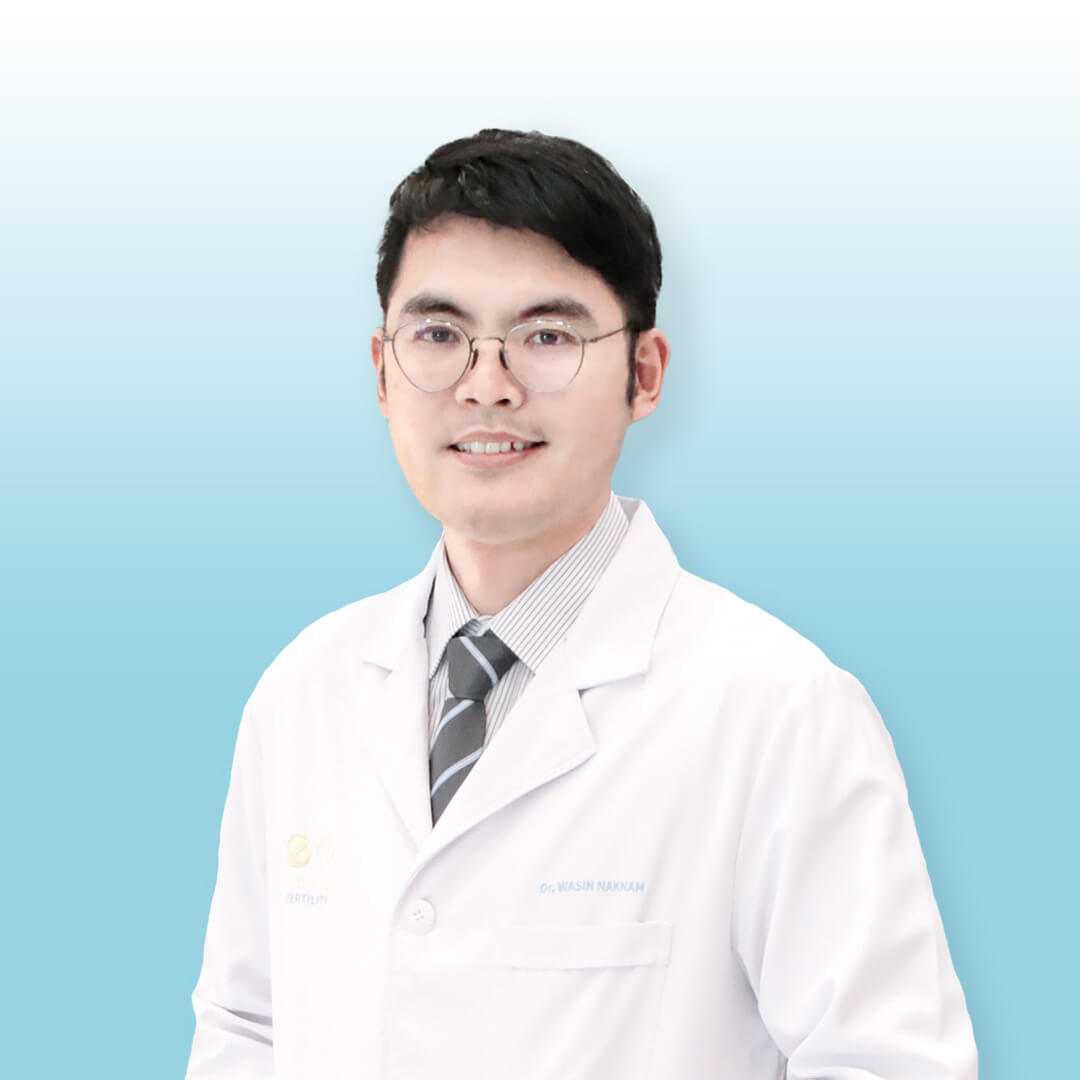
Wasin Naknam
Deep & Harmonicare (DHC) IVF Center: Premier Assisted Fertility Care in Thailand
- Infertility/IVF
Bangkok, Thailand
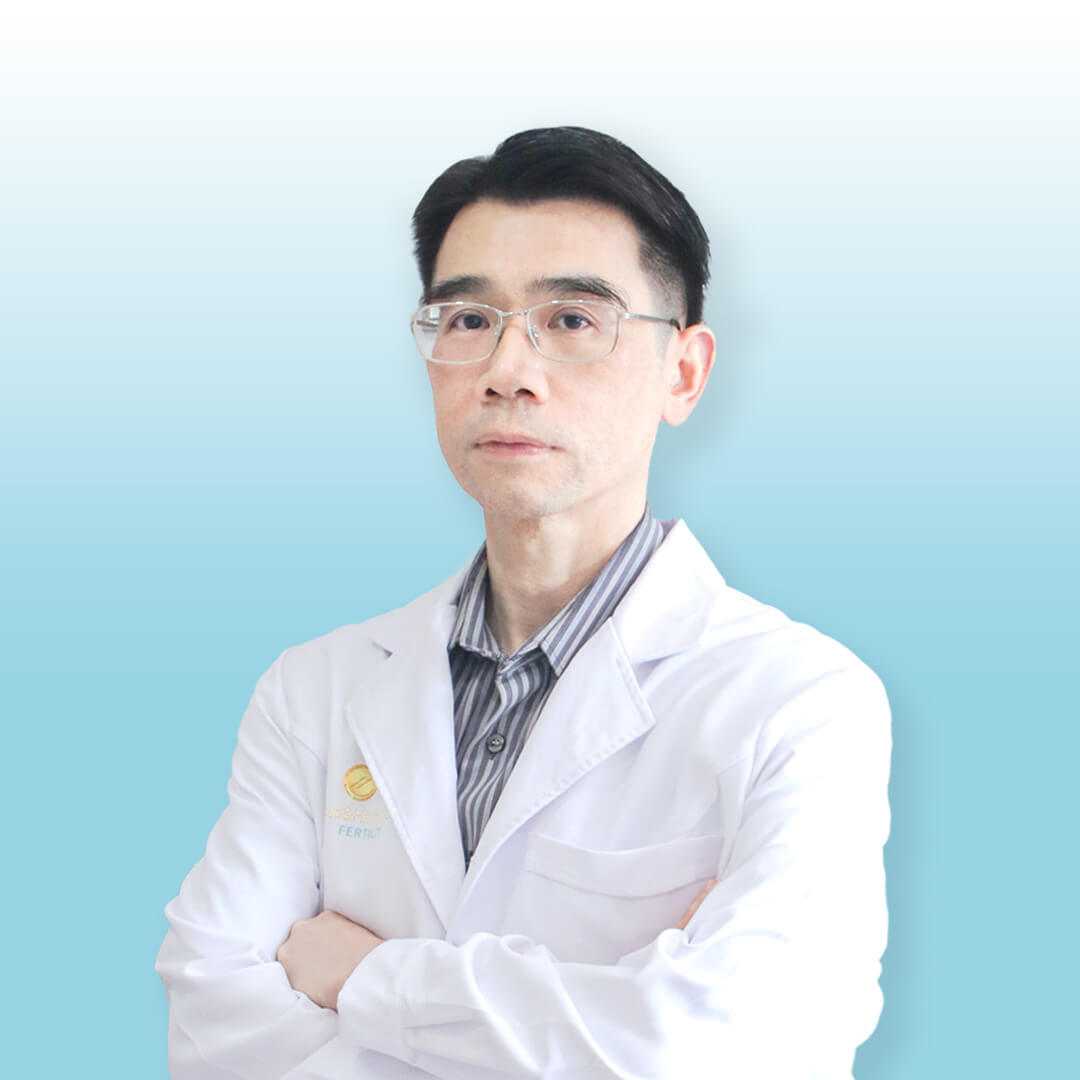
Chaisuk Jiwatanaporn
Deep & Harmonicare (DHC) IVF Center: Premier Assisted Fertility Care in Thailand
- Gynecologist
Bangkok, Thailand

Nutchada Kaewkoet
Deep & Harmonicare (DHC) IVF Center: Premier Assisted Fertility Care in Thailand
- Gynecologist
Bangkok, Thailand
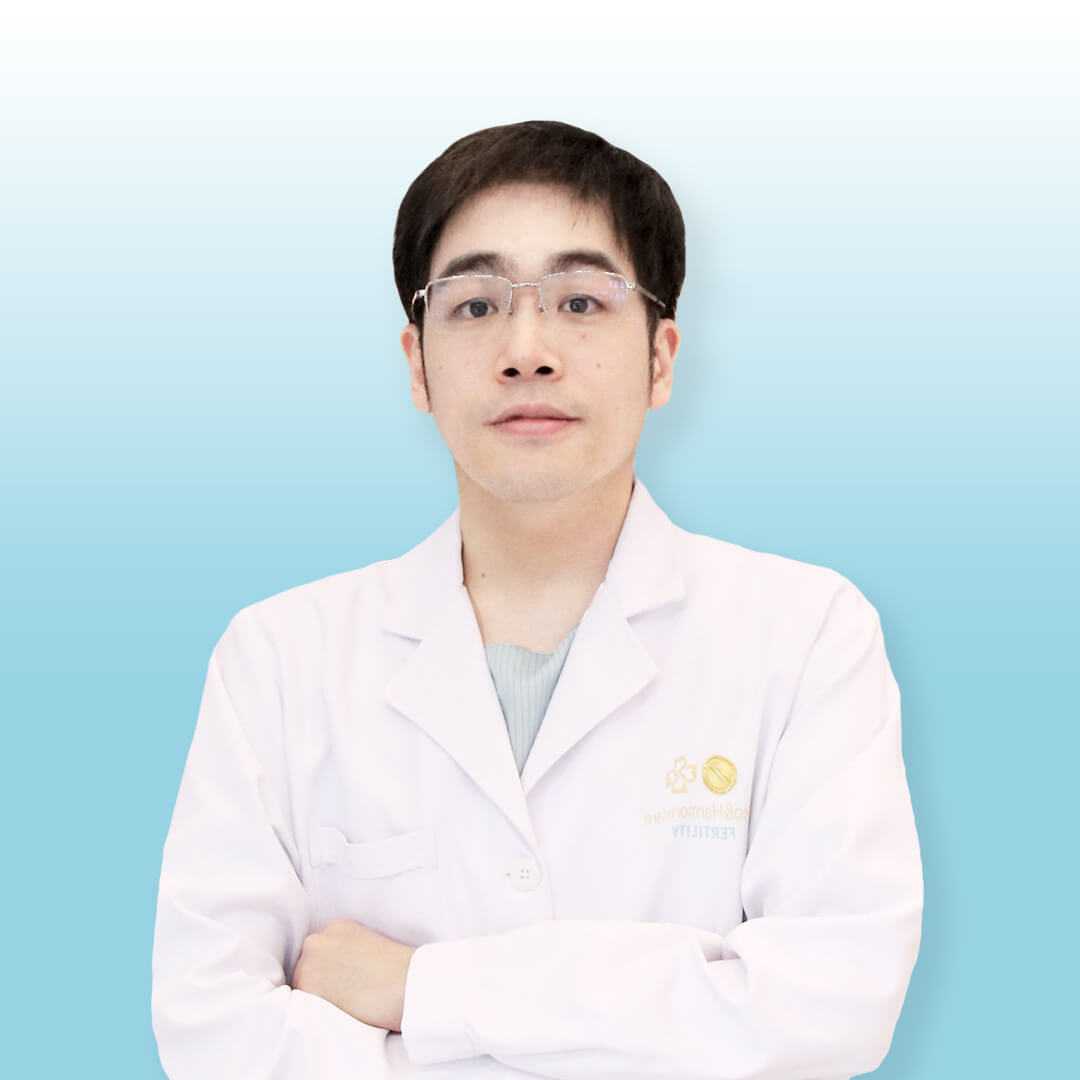
Pitch Chandeying
Deep & Harmonicare (DHC) IVF Center: Premier Assisted Fertility Care in Thailand
- Infertility/IVF
Bangkok, Thailand
先进技术
泰国是亚洲最早采用NGS技术进行基因筛查的国家之一。
这种技术领先优势能够实现高度精确的健康和性别识别,吸引那些希望获得最先进科学技术的患者。
可负担性
治疗费用远低于发达的西方国家。
患者可以以远低于在家支付的价格,获得包括基因检测和 ICSI 在内的优质服务。
旅游基础设施
泰国成熟的旅游业让旅行变得轻松便捷。从豪华酒店到便捷的交通和丰富多样的美食选择,“微笑之国”为医疗游客提供了一个舒适无压力的环境。
这种整体体验可以减轻焦虑,这对生育治疗是有益的。
出国接受生育治疗需要信任和专业的协调。PlacidWay 将为您指引泰国顶尖的生育中心,负责筛选、沟通和安排,确保您顺利实现为人父母的梦想。
诊所验证
我们只与在试管婴儿领域拥有成功率且符合 JCI 或国际实验室标准的成熟诊所合作。
远程咨询
我们提供与生育专家的视频通话服务,让您在出行前可以讨论您的病史和 PGT-A 选择方案。
透明定价
我们提供清晰、详细的试管婴儿套餐报价,列明包含的项目(基因检测、移植、冷冻),以避免隐性费用。
旅游物流
从签证咨询到机场接机,再到推荐诊所附近适合病人入住的酒店,我们帮助您管理整个行程。
法律指导
我们会帮助您明确在泰国进行体外受精和胚胎植入前遗传学检测 (PGT-A) 的具体法律要求(例如结婚证),以确保您符合资格。
患者权益倡导
我们的团队将全程为您提供支持,解答您的疑问,并确保您的体验符合您的预期。
迈出组建理想家庭的第一步。立即联系 PlacidWay,获取免费保密的评估。
获取您的免费个性化报价



.png)
.png)

.png)
.png)



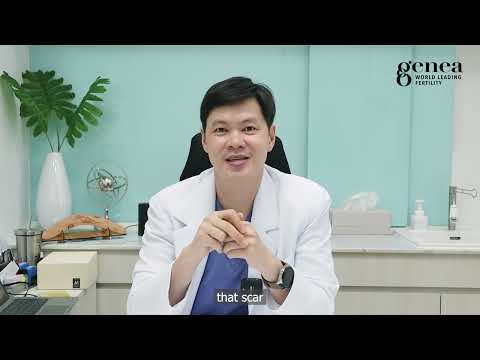



.png)








Share this listing