

Contents
Kıbrıs, kısırlıkla mücadele eden çiftler ve bireyler için bir umut ışığı sunarak, doğurganlık turizmi alanında dünyanın önde gelen destinasyonlarından biri olarak kendini sağlam bir şekilde kanıtlamıştır. "Aşk Adası" olarak bilinen Kıbrıs, gelişmiş üreme teknolojisi, liberal mevzuat ve rahatlatıcı tatil atmosferinin eşsiz bir kombinasyonunu sunarak, tüp bebek tedavileriyle sıklıkla ilişkilendirilen stresi önemli ölçüde azaltmaktadır.
Ada, özellikle Kuzey Kıbrıs, Avrupa veya İngiltere'nin başka yerlerinde kısıtlı veya aşırı pahalı olabilecek tedaviler sunmasıyla ünlüdür. Bunlar arasında PGD/PGS yoluyla cinsiyet seçimi (aile dengelemesi), alıcılar için daha yüksek yaş sınırları (genellikle 55 yaşına kadar) olan yumurta bağışı ve anonim bağış programları yer almaktadır. Buradaki klinikler, başarı oranlarını en üst düzeye çıkarmak için Embriyoskop ve NGS (Yeni Nesil Dizileme) gibi teknolojileri kullanan son teknoloji embriyoloji laboratuvarlarıyla donatılmıştır.
Tıbbi standartlar titizlikle korunmaktadır ve birçok doğurganlık uzmanı Avrupa İnsan Üreme ve Embriyoloji Derneği (ESHRE) veya Amerikan kurullarından sertifikalara sahiptir. Maliyet etkinliği de önemli bir avantajdır; hastalar, ABD veya Batı Avrupa'da bulunan maliyetin çok daha düşük bir kısmını ödeyerek kişiselleştirilmiş, VIP bakım almayı bekleyebilirler.
İster standart tüp bebek, ister yumurta bağışı, isterse karmaşık genetik tarama yöntemlerini tercih edin, Kıbrıs size ebeveynliğe giden destekleyici, gizli ve son derece başarılı bir yol sunarak, aile kurma yolculuğunuza sakin ve güneşli bir ortamda başlamanıza olanak tanır.
Biliyor musun?
Kıbrıs, kişi başına düşen tüp bebek kliniği sayısı bakımından dünyada en yüksek yoğunluklardan birine sahip. Bu yoğunluk, sağlıklı bir rekabeti teşvik ederek son derece yüksek bakım standartlarına, en yeni doğurganlık teknolojisine sürekli yatırıma ve özellikle yumurta bağışı döngülerinde küresel olarak bildirilen en yüksek gebelik başarı oranlarından bazılarına yol açmaktadır.
Özetle Önemli Bilgiler
Klinikler genellikle donör yumurta döngülerinde %70-80, standart IVF'de ise yaşa bağlı olarak %50-60 başarı oranları bildirmektedir.
Tedavilerin maliyeti genellikle İngiltere veya ABD'dekinden %50-70 daha düşüktür ve paketler genellikle konaklamayı da içermektedir.
Kuzey Kıbrıs'ta cinsiyet seçimi (aile dengesi) için implantasyon öncesi genetik tanı (PGD) yasal olarak yapılabilmektedir.
Kuzey Kıbrıs'taki klinikler, özel etik kurulu onayıyla 55 yaşına kadar olan kadınları tedavi etme yetkisine sahiptir.
Yumurta ve sperm bağışçılarının anonimliğini koruyan sıkı yasalar, bunu tercih eden aileler için gizliliği güvence altına almaktadır.
Tedaviye anında erişim ve geniş, çeşitli donör havuzu sayesinde aile kurmak için uzun süre beklemenize gerek kalmaz.
Doğurganlık İçin Bir Tatil
Çalışmalar, stresi azaltmanın tüp bebek tedavisinin sonuçlarını iyileştirebileceğini göstermektedir. Kıbrıs, bu durumu fırsata çevirerek "Doğurganlık Tatili" sunmaktadır. Yılda 300 günden fazla güneşli gün, güzel plajlar ve rahat bir Akdeniz yaşam tarzıyla hastalar, tedavilerini dinlendirici bir tatille birleştirerek tıbbi bir gerekliliği olumlu ve unutulmaz bir deneyime dönüştürebilirler.
Doğru paketi bulmak, tıbbi yolculuğunuzu önemli ölçüde kolaylaştırabilir. Aşağıdaki bölümde, kapsamlı IVF paketleri sunan en yüksek puanlı sağlayıcıların bir listesini derledik. Bu paketler genellikle tıbbi prosedürü (ICSI, izleme), havaalanı transferlerini ve genellikle 4 veya 5 yıldızlı otellerde konaklamayı içerir. Bazı paketler hatta donör ilaçlarını ve yerel ulaşımı bile içerir. Belirli ihtiyaçlarınıza ve bütçenize uygun bir paket bulmak için seçeneklere göz atın.
Not: Kıbrıs'taki çoğu klinik, birçok AB kliniğinin aksine, ICSI'yi (İntrasitoplazmik Sperm Enjeksiyonu) tüp bebek paketlerine standart olarak dahil etmektedir; AB'deki birçok klinikte ise bu ek bir ücrettir.

Price starting from $6,500
IVF with Gender Selection Package in Kyrenia, Cyprus by EuroIVF Fertility Clinic
EuroIVF Fertility Clinic in Kyrenia, Cyprus
- Fertility Treatment
Kyrenia, Cyprus

Price starting from $8,250
Egg Donation with PGD Package in Nicosia, Cyprus by SAKALLI IVF
Best Fertility Clinic - SAKALLI IVF
- Fertility Treatment
Nicosia, Cyprus

Price starting from $9,250
Embryo Donation with PGD Package in Nicosia, Cyprus by SAKALLI IVF
Best Fertility Clinic - SAKALLI IVF
- Fertility Treatment
Nicosia, Cyprus

Price starting from $6,900
Sperm Donation with PGD Package in Nicosia, Cyprus by SAKALLI IVF
Best Fertility Clinic - SAKALLI IVF
- Fertility Treatment
Nicosia, Cyprus

Price starting from $3,800
IVF Treatment Package in Nicosia, Cyprus by SAKALLI IVF Center
Best Fertility Clinic - SAKALLI IVF
- Fertility Treatment
Nicosia, Cyprus

Price starting from $6,000
In-Vitro Fertilization with PGD Package in Nicosia, Cyprus by SAKALLI IVF
Best Fertility Clinic - SAKALLI IVF
Nicosia, Cyprus
Finansal yükümlülüğü anlamak, karar verme sürecinizin çok önemli bir parçasıdır. Aşağıdaki tablo, Kıbrıs'taki popüler doğurganlık prosedürlerinin ortalama maliyetlerinin İngiltere ve ABD fiyatlarıyla karşılaştırıldığında şeffaf bir dökümünü sunmaktadır. Bu rakamlar tahmini olsa da, elde edilebilecek önemli tasarrufları vurgulamaktadır. Bu verileri, ilaç ihtiyaçlarına veya ek genetik testlere bağlı olarak nihai fiyatların değişebileceğini göz önünde bulundurarak, bütçenizi etkili bir şekilde planlamak için kullanın.
İpucu: Kıbrıs'ta standart bir tüp bebek tedavisi genellikle 2.500 ila 3.500 € arasında değişirken, yumurta bağışı tedavilerinin ortalama maliyeti 4.500 ila 5.500 € arasındadır.
Fertility Treatment Centers Cost Comparison in Cyprus
| Provider | Procedure | Price |
|---|---|---|
| Best Fertility Clinic - SAKALLI IVF | Egg Donation, Fertility Treatment | $5750 |
| Best Fertility Clinic - SAKALLI IVF | Preimplantation Genetic Diagnosis (PGD), Fertility Treatment | $6000 |
| Best Fertility Clinic - SAKALLI IVF | In Vitro Fertilization (IVF), Fertility Treatment | $3800 |
| Best Fertility Clinic - SAKALLI IVF | Embryo Donation, Fertility Treatment | $7000 |
| Best Fertility Clinic - SAKALLI IVF | Embryo Donation, Fertility Treatment | $7475 |
| Best Fertility Clinic - SAKALLI IVF | IVF with Gender Selection, Fertility Treatment | $6900 |
Fertility Treatment Cost Comparison in Cyprus
| Country | Procedure | Price |
|---|---|---|
| United States | In Vitro Fertilization (IVF), Fertility Treatment | $15000 |
Başarınız büyük ölçüde seçeceğiniz laboratuvar ve kliniğe bağlıdır. Kıbrıs'ta (özellikle Lefkoşa ve Girne gibi merkezlere odaklanarak) yardımcı üreme konusunda uzmanlaşmış önde gelen doğurganlık merkezlerinin bir listesini seçtik. Bu klinikler, ISO sertifikaları, gelişmiş embriyoloji ekipmanları (Embryoscope+ gibi) ve uluslararası hasta destek ekipleri açısından incelenmiştir. Başarı oranları ve donör havuzları hakkında daha fazla bilgi edinmek için aşağıdaki profilleri inceleyin.
Standart: Hassas verilerinizin kalite yönetimi ve bilgi güvenliğini sağlamak için ISO 9001 ve ISO 27001 sertifikalarına sahip klinikleri tercih edin.
Cyprus IVF Hospital
Famagusta, Cyprus

EuroIVF Fertility Clinic in Kyrenia, Cyprus
Kyrenia, Cyprus

Vera Hospital Kyrenia IVF Center
Kyrenia, Cyprus
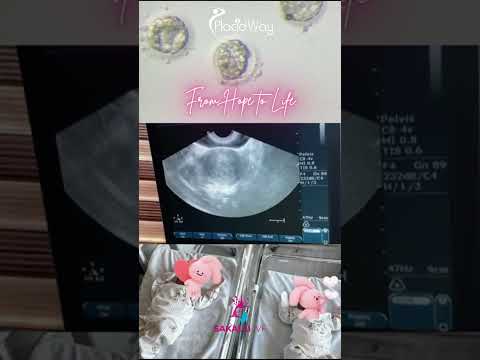
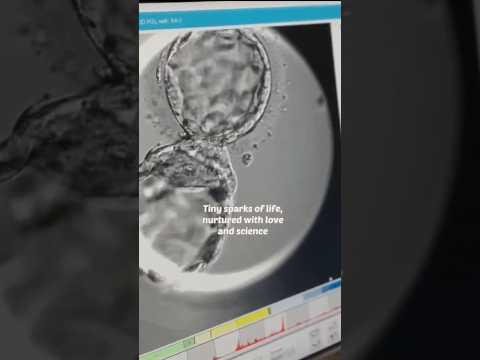
Geçmişteki hastaların doğrudan deneyimlerini dinlemek paha biçilmez bir güvence sağlayabilir. Aşağıda yer alan video referansları, ebeveynlik hayallerini gerçekleştirmek için Kıbrıs'a seyahat eden çiftlerin ve bekarların gerçek hikayelerini sergiliyor. Bu videoları izleyerek kişisel deneyimlerine, aldıkları bakım düzeyine ve başarılı sonuçların verdiği mutluluğa dair fikir edinebilirsiniz.
Önemli Nokta: Birçok referans, hasta koordinatörlerinin "kişisel ilgisini" ve sürekli iletişimini vurgulayarak, süreç boyunca kaygıyı azaltmaya yardımcı olduğunu belirtiyor.



Hasta yorumları, bakım kalitesine dürüst bir bakış açısı sunar. Bu bölümde, doğurganlık yolculuklarını Kıbrıs'taki uzmanlara emanet eden hastaların doğrulanmış yorumlarını ve puanlarını bulacaksınız. Kliniğin organizasyonu, sağlık personelinin empati düzeyi ve genel memnuniyetleri hakkındaki geri bildirimlerini okuyarak kendi sağlayıcı seçiminize rehberlik edebilirsiniz.
İnceleme İpucu: İhtiyaçlarınıza uygun deneyimleri bulmak için "Yumurta Bağışı" veya "Cinsiyet Seçimi" gibi belirli tedavilerden bahseden incelemelere bakın.

What is the cost of IVF in Cyprus?
Starting on a fertility journey is a path filled with hope, questions, and the profound desire to build a family. For many intended parents, this path leads to Cyprus, an island nation that has become a leading destination for high-quality and affordable fertility care. IVF in Cyprus offers a unique combination of advanced medical technology, experienced specialists, favorable laws, and a serene environment, making it a beacon of hope for people worldwide. Whether you're just beginning to explore your options or are ready to take the next step, this guide will answer your most pressing questions about IVF treatment in Cyprus. This comprehensive guide is designed to walk you through every aspect of the process, from understanding the costs and success rates to navigating the legal landscape and choosing the right clinic. We'll delve into the specifics of treatments like egg donation, PGT, and what to expect as an international patient. Our goal is to provide you with the clear, expert information you need to make empowered decisions on your path to parenthood. Why is IVF in Cyprus so popular? "IVF in Cyprus is popular due to its winning combination of high success rates, affordable treatment costs, advanced reproductive technologies, and favorable legal framework, particularly for egg donation and gender selection for family balancing." There are several compelling reasons why thousands of international patients flock to Cyprus for fertility treatment each year. Firstly, the cost of IVF in Cyprus is significantly lower than in many Western countries like the US, UK, and Canada, without compromising on the quality of care. This affordability makes treatment accessible to a wider range of people. Secondly, Cypriot IVF clinics are known for their high standards and impressive Cyprus IVF success rates. They are equipped with state-of-the-art laboratories and staffed by highly qualified, often internationally trained, fertility specialists. Furthermore, the IVF laws in Cyprus are more liberal than in many other European nations, offering options like anonymous egg and sperm donation and a higher age limit for treatment, which provides more opportunities for individuals and couples facing complex fertility challenges. What is the cost of IVF in Cyprus? "The standard cost of IVF in Cyprus for a single cycle typically ranges from €2,500 to €3,500. This price generally includes the IVF procedure itself, but not medications, preliminary tests, or travel expenses." While this price range is a general estimate, it's crucial to understand what is included in the quoted price. A standard IVF package in a Cypriot clinic usually covers the main procedures, such as ovarian stimulation monitoring, egg retrieval, fertilization in the lab, and embryo transfer. However, the total cost can increase based on individual needs. Factors that can add to the overall expense include: Fertility Medications: These are often the most significant additional cost and can range from €800 to €1,500. Pre-treatment Screenings: Blood tests and ultrasounds required before starting the cycle. Advanced Techniques: Procedures like Intracytoplasmic Sperm Injection (ICSI), Preimplantation Genetic Testing (PGT), or assisted hatching will incur extra fees. Embryo Freezing: If you have viable embryos remaining after your cycle, you may choose to cryopreserve them for future use, which has an associated fee. How much does IVF with egg donation cost in Cyprus? "The cost of an egg donation Cyprus cycle is higher than a standard IVF cycle, generally falling between €4,500 and €6,500. This comprehensive cost typically includes the donor's compensation, screening, and all related medical procedures." IVF with egg donation is a vital option for women who cannot use their own eggs for various reasons. The increased cost reflects the extensive process involved in selecting, screening, and compensating the egg donor, as well as the medical procedures for both the donor and the recipient. The package for egg donation in Cyprus is often quite inclusive, covering the donor's medication, medical fees, and compensation. For the recipient, it includes the fertilization of the donor eggs with sperm (from a partner or donor) and the subsequent embryo transfer. This makes Cyprus one of the most cost-effective countries for this specific, highly successful treatment. What are the IVF success rates in Cyprus? "Cyprus IVF success rates are among the best in Europe, often exceeding 60-70% per cycle, especially when using donor eggs. These rates are high due to the use of advanced technology, high-quality donor programs, and experienced specialists." Success rates can vary significantly based on the clinic and the specific patient circumstances. For patients using their own eggs, success is heavily dependent on the woman's age and ovarian reserve. For instance, women under 35 generally have a much higher chance of success compared to women over 40. When it comes to egg donation in Cyprus, the success rates are consistently high because the eggs are retrieved from young, healthy, and fertile donors. This largely removes the age-related barriers to success for the recipient. When choosing a clinic, always ask for their specific success rates broken down by age group and treatment type to get a realistic picture of your potential outcome. What factors influence IVF success rates? "The primary factors influencing IVF success rates include the woman's age, the quality of eggs and sperm, the cause of infertility, the expertise of the fertility clinic, and the health and lifestyle of the intended parents." Understanding these factors can help you set realistic expectations for your fertility journey. Age: This is the single most important determinant of success when using your own eggs. Egg quality and quantity decline significantly after the age of 35. Embryo Quality: The viability of the embryo is crucial. Advanced techniques like PGT can be used to select the healthiest embryos for transfer. Uterine Receptivity: The health of the uterine lining is essential for the embryo to implant successfully. Lifestyle Factors: Smoking, excessive alcohol consumption, obesity, and high stress levels can all negatively impact IVF outcomes. Clinic and Lab Quality: The experience of the embryologists and the quality of the laboratory environment play a huge role in fertilization and embryo development. How do I choose the best IVF clinic in Cyprus? "To choose the best IVF clinic in Cyprus, you should research their success rates, read patient reviews, verify the credentials of their medical team, and ensure they offer the specific technologies you need, such as PGT or ICSI." Making the right choice of clinic is fundamental to your success. Don't base your decision solely on price. Look for transparency in costs and treatment plans. A reputable clinic will be open about what their packages include and what additional costs you might expect. Schedule consultations with a few shortlisted clinics. This gives you a chance to speak directly with the medical team, ask questions, and gauge your comfort level. A good clinic will provide personalized care, communicate clearly, and support you emotionally throughout the process. Look for clinics that hold international certifications, like ISO, which demonstrate a commitment to quality and safety. What are the IVF laws in Cyprus? "The IVF laws in Cyprus are known for being patient-friendly and liberal. They permit treatment for single women and heterosexual couples, allow for anonymous egg and sperm donation, and have a relatively high upper age limit for female patients." The legal framework is a key reason Cyprus is a top IVF destination. The laws are designed to be inclusive and supportive of various family-building paths. Both North and South Cyprus have their own specific regulations, but both are generally permissive. It is important to note that while the laws are liberal, they are also well-regulated to ensure ethical practices. All donors undergo rigorous health screenings, and clinics must adhere to strict standards for laboratory procedures and patient care. This creates a safe and ethical environment for everyone involved in the IVF in Cyprus process. Is gender selection allowed for IVF in Cyprus? "Yes, gender selection in Cyprus is legally permitted for the purpose of family balancing. This is a significant draw for many international patients, as the practice is prohibited in most other European countries." Gender selection is achieved through Preimplantation Genetic Diagnosis (PGD) or Preimplantation Genetic Screening (PGS), now collectively known as PGT. During this process, embryos are genetically tested before being transferred to the uterus. This not only allows for the selection of a specific gender but also screens for chromosomal abnormalities, potentially increasing the chance of a healthy pregnancy. This option is particularly sought after by couples who wish to have a child of a specific gender to balance their family. It is one of the most distinct advantages of pursuing IVF treatment in Cyprus. What is the age limit for IVF in Cyprus? "The official upper age limit for a woman to undergo IVF treatment in Cyprus is 55. However, individual clinics may have their own policies and may recommend using donor eggs for patients over 45 to ensure higher success rates." While the legal age limit is generous, the decision to treat a patient is always based on a thorough medical evaluation. A clinic's primary responsibility is the health and well-being of both the mother and the potential child. For women in the upper age bracket, doctors will conduct comprehensive health screenings to ensure they are fit for pregnancy. Using donor eggs is a common and highly successful pathway for women over 45, as it overcomes the natural decline in egg quality associated with age. This flexible approach allows many women to pursue motherhood later in life. What is the IVF process in Cyprus for international patients? "The IVF process in Cyprus for international patients is streamlined to minimize travel time. It involves an initial remote consultation, local pre-treatment monitoring, a 7-21 day stay in Cyprus for the main procedures, and follow-up care back home." The process is designed for convenience: Initial Consultation: This is often done via video call. You'll discuss your medical history and treatment plan with the doctor. Pre-Treatment: You can typically perform initial tests and start ovarian stimulation injections in your home country, with guidance from the Cypriot clinic. Travel to Cyprus: You will need to travel to Cyprus for the final stages of monitoring, the egg retrieval procedure, and the embryo transfer. The required stay is usually between one to three weeks. Procedures in Cyprus: The clinic will perform the egg collection, fertilization, and transfer the selected embryo(s) to the uterus. Return Home: After the embryo transfer, you can travel home. The pregnancy test is usually taken about 10-12 days later. How long do I need to stay in Cyprus for my IVF treatment? "For an IVF cycle, patients typically need to stay in Cyprus for approximately 15 to 21 days. If you are using a fresh donor egg cycle, the stay can sometimes be coordinated to be shorter, around 7-10 days." The length of your stay depends on your specific treatment protocol. For a standard IVF cycle, you need to be in Cyprus for monitoring the final stages of follicular growth, the egg retrieval, and the embryo transfer, which usually occurs 3-5 days after retrieval. Clinics in Cyprus are very experienced in managing treatment for international patients and will provide a clear timeline to help you plan your travel. They can often help coordinate accommodation and local transport to make your stay as stress-free as possible. What is PGT, and is it available in Cyprus? "Yes, Preimplantation Genetic Testing (PGT) is widely available in Cyprus. PGT is an advanced laboratory technique used to test embryos for chromosomal abnormalities before they are transferred to the uterus, increasing the chance of a successful and healthy pregnancy." There are three main types of PGT: PGT-A (Aneuploidy): Screens for extra or missing chromosomes (e.g., Down syndrome). PGT-M (Monogenic/Single-Gene Defects): Screens for specific inherited genetic disorders like cystic fibrosis or sickle cell anemia. PGT-SR (Structural Rearrangements): Used when a parent has a known chromosomal rearrangement. Offering PGT in Cyprus is part of the commitment to using advanced technology to improve outcomes. It is a powerful tool for older patients or those who have experienced recurrent miscarriages or implantation failure. Can single women and same-sex couples do IVF in Cyprus? "Yes, IVF in Cyprus is available to single women. For same-sex female couples, one partner can undergo IVF using donor sperm. However, Cyprus law does not currently permit IVF for male same-sex couples or surrogacy arrangements." The inclusive legal environment makes Cyprus an excellent choice for single women who wish to become mothers using donor sperm. The process is straightforward, and women receive the same high level of care and support. For lesbian couples, the treatment is also very accessible. One partner can provide the eggs and carry the pregnancy, or one can provide the eggs while the other carries the pregnancy (a process known as Reciprocal IVF), using sperm from an anonymous donor. What's the difference between IVF in North Cyprus and South Cyprus? "While both North and South Cyprus offer high-quality IVF, there are slight differences in regulation. North Cyprus is particularly known for its liberal laws regarding egg donation and gender selection. The South is part of the EU and follows its directives, which can be slightly more restrictive." North Cyprus (the Turkish Republic of Northern Cyprus) has become a major hub for IVF treatment in Cyprus largely due to its very permissive laws. It's a popular choice for anonymous egg/sperm donation and family balancing (gender selection). South Cyprus (the Republic of Cyprus) is an EU member state and adheres to European tissue and cell directives. While still a great option, its regulations may be slightly less flexible on certain procedures compared to the North. Both regions have excellent clinics with high success rates, so the choice may depend on your specific treatment needs. Ready to Explore Your Options? Your journey to parenthood deserves expert guidance and compassionate care. If you're considering IVF in Cyprus, let PlacidWay help you connect with world-class clinics and specialists. Explore personalized, all-inclusive packages and take the first step toward building your family today.
Which are the Best IVF Clinics in Cyprus?
Finding the best IVF clinics in Cyprus involves researching facility accreditation, specialist qualifications, available technologies, and patient safety records. Top clinics adhere to EU medical standards and offer transparent communication. For many individuals and couples, building a family requires medical assistance, and traveling abroad for care has become a common pathway. Undergoing IVF in Cyprus is frequently considered by international patients due to the island's accessible healthcare infrastructure, favorable regulatory environment for donor treatments, and specialized medical teams. While we cannot promote or direct you to specific facilities, understanding how to evaluate an IVF clinic in Cyprus will help you make an informed, medically sound decision. This guide covers the essential criteria for choosing a provider, estimated costs, treatment options, and what to expect during your fertility journey abroad. Key Takeaways Select clinics based on verified accreditations, transparent success reporting, and robust laboratory standards. Treatment options include standard IVF, ICSI, donor programs, and preimplantation genetic testing (PGT). Regulatory environments vary across the island, with many clinics aligning with strict European Union directives. Patients must plan for continuity of care with a local obstetrician or fertility specialist upon returning home. Success rates are never guaranteed and depend heavily on individual age, health, and medical history. What criteria define the best IVF clinics in Cyprus? When evaluating an IVF clinic in Cyprus, you should prioritize international accreditations, transparent success reporting, experienced embryology teams, and clear, patient-focused communication. Rather than relying on marketing claims, patients should look for objective indicators of a clinic's medical standards. A high-quality facility will operate with strict quality control protocols, particularly in their embryology laboratories, where temperature, air quality, and handling procedures directly impact embryo viability. Accreditation and Licensing: Ensure the facility is licensed by the local Ministry of Health. Many top centers also hold ISO certifications (such as ISO 9001 for quality management) or follow guidelines set by the European Society of Human Reproduction and Embryology (ESHRE). Specialist Credentials: Review the medical background of the lead endocrinologists, gynecologists, and embryologists. Board certification and ongoing international training are strong indicators of expertise. Transparent Data: Reputable clinics provide realistic success rates broken down by age group and treatment type. They will avoid promising guaranteed pregnancies. Communication and Support: Navigating treatment abroad requires dedicated coordinators who can fluently communicate in your language, arrange medical document transfers, and answer clinical questions clearly. How much does IVF cost in Cyprus on average? The IVF cost in Cyprus typically ranges from €2,500 to €4,500 for a standard cycle, though complex treatments involving egg donation or genetic testing will increase this estimate. Pricing is one of the primary reasons patients explore options abroad, but understanding what is included in a quoted price is vital. The base cost usually covers consultations, ultrasound monitoring during stimulation, egg retrieval, fertilization in the lab, and the embryo transfer procedure. However, patients must budget for variables that are rarely included in the base package. Hormonal medications for ovarian stimulation can add €800 to €1,500 depending on the required dosage. Advanced techniques, such as Preimplantation Genetic Testing (PGT) or the use of donor gametes, also carry separate, significant fees. Furthermore, travel, accommodation, and the cost of freezing any remaining embryos should be factored into your overall budget. Important Consideration: Always request a detailed, itemized cost breakdown from the clinic before committing. This helps prevent unexpected expenses during your treatment cycle. What IVF treatments and technologies are available in Cyprus? Most specialized clinics offer standard IVF alongside advanced reproductive technologies such as ICSI, preimplantation genetic testing (PGT), egg and sperm donation, and fertility preservation. Modern fertility centers in this region are equipped to handle a wide variety of infertility diagnoses. After a thorough medical assessment, your specialist may recommend a specific protocol tailored to your reproductive health. Intracytoplasmic Sperm Injection (ICSI): Now standard in many clinics, this technique involves injecting a single healthy sperm directly into the egg to assist with male-factor infertility. Donor Programs: Cyprus is a frequent destination for patients requiring donor eggs, sperm, or embryos due to its supportive legal framework and anonymous donor pools. Genetic Testing (PGT): Preimplantation Genetic Testing allows embryologists to screen embryos for chromosomal abnormalities or specific genetic diseases before transfer, potentially reducing the risk of miscarriage in suitable candidates. Cryopreservation: Clinics utilize vitrification (fast-freezing) technology to safely store eggs, sperm, and remaining embryos for future use. Are fertility clinics in Cyprus strictly regulated? Medical tourism in Cyprus is subject to health ministry oversight, and facilities operating in the Republic of Cyprus align closely with European Union directives regarding tissue and cell safety. Regulation is a critical factor for patient safety and ethical medical practice. In the Republic of Cyprus, fertility treatments are governed by national laws that reflect the EU Tissues and Cells Directive. This ensures strict protocols regarding the screening of donors, the traceability of genetic material, and the operational standards of embryology laboratories. Regulations dictate aspects such as donor anonymity, the maximum number of embryos that can be transferred (usually to minimize the risk of high-order multiple pregnancies), and age restrictions for female patients. Because the island has distinct political jurisdictions, specific legal frameworks may vary depending on the exact location of the clinic. Patients should verify the governing regulations with their chosen provider during the initial consultation. Who is an ideal candidate for traveling to Cyprus for IVF? Suitable candidates are individuals or couples medically cleared for travel, who understand the demands of IVF, and whose health profiles do not present severe contraindications to fertility medications. Traveling for medical care requires physical resilience and logistical flexibility. Ideal candidates often include those who have struggled to conceive naturally, patients seeking donor gametes due to age or diminished ovarian reserve, and those who require specialized treatments not easily accessible or affordable in their home countries. Before planning a trip, patients must undergo preliminary testing (such as hormone panels, semen analysis, and pelvic ultrasounds) either locally or with the destination clinic. Conditions such as severe uncontrolled hypertension, certain cardiovascular diseases, or active infections may disqualify a patient from safely undergoing hormone stimulation or traveling. Always consult with a qualified reproductive endocrinologist to determine if international treatment is appropriate for your specific health history. How long do I need to stay in Cyprus for an IVF cycle? For a standard IVF cycle, patients typically need to stay in the destination country for about 10 to 14 days to complete clinical monitoring, the egg retrieval procedure, and the embryo transfer. The timeline for fertility treatment can vary based on the specific protocol used. Many patients coordinate with their local gynecologist to begin the ovarian stimulation phase at home. This allows them to take the necessary hormone injections and undergo initial ultrasound scans before flying out. Treatment Phase Typical Location Estimated Duration Ovarian Stimulation & Early Monitoring At Home (with local doctor) Days 1-7 of cycle Final Monitoring & Trigger Shot In Cyprus Days 8-11 of cycle Egg Retrieval & Fertilization In Cyprus Day 12-14 Embryo Transfer In Cyprus 3 to 5 days after retrieval Biology is unpredictable, meaning eggs may develop slower or faster than anticipated. Patients should book flexible return flights and accommodations to account for potential changes in the retrieval or transfer schedule. What factors can affect the success of my IVF treatment? Success rates vary significantly based on the female patient's age, the quality of the egg and sperm, the underlying cause of infertility, and the specific protocols used by the clinical team. It is vital to approach fertility treatments with realistic expectations. Maternal age is the single most significant predictor of success when using a patient's own eggs, as both the quantity and chromosomal quality of eggs naturally decline over time. For this reason, older patients may have higher success rates when utilizing younger donor eggs. Other factors include uterine abnormalities, lifestyle factors such as smoking or high BMI, and complex reproductive conditions like endometriosis or severe polycystic ovary syndrome (PCOS). Your medical provider will review your diagnostic tests to provide an individualized estimate of your chances, but no ethical clinic will present outcomes as guaranteed. What are the potential risks and complications of IVF? While generally safe for suitable patients, in vitro fertilization carries medical risks such as Ovarian Hyperstimulation Syndrome (OHSS), multiple pregnancies, ectopic pregnancy, and medication side effects. Understanding the clinical risks is an essential part of the informed consent process. Your specialist should discuss how these risks are mitigated based on your specific health profile. Ovarian Hyperstimulation Syndrome (OHSS): This is a condition where the ovaries swell and leak fluid into the body in response to fertility drugs. While severe cases are rare, mild OHSS can cause bloating, pain, and nausea. Multiple Pregnancies: Transferring more than one embryo increases the chance of twins or triplets. Multiples carry higher risks of premature labor, low birth weight, and maternal complications. Procedure Risks: The egg retrieval is a minor surgical procedure performed under sedation. Risks include mild cramping, bleeding, or, very rarely, damage to surrounding organs or infection. Ectopic Pregnancy: Even with IVF, there is a small risk that the embryo may implant outside the uterus, typically in the fallopian tube, which requires immediate medical intervention. How should I prepare for medical tourism in Cyprus? After completing treatment, you must have a local obstetrician or fertility specialist ready in your home country to manage early pregnancy monitoring and address any potential complications. Successful medical travel relies on meticulous planning for both the trip and the aftermath. Before you travel, ensure you have comprehensive medical history files ready to share with your chosen facility. You should also check the validity of your passport, secure necessary travel insurance, and review visa requirements. Post-treatment care is equally crucial. Approximately two weeks after your embryo transfer, you will need to take a beta hCG blood test to confirm pregnancy. If the result is positive, you require early ultrasound scans and continued hormonal support. Ensure you have established a relationship with a local doctor who is willing to take over your prenatal care or assist if you experience adverse symptoms like heavy bleeding or severe abdominal pain after returning home. Why Choose PlacidWay for Medical Tourism in Cyprus? Navigating international healthcare can be overwhelming, particularly when dealing with sensitive fertility issues. PlacidWay serves as a global medical tourism platform designed to help patients make informed healthcare decisions. Access to Information: PlacidWay provides detailed profiles of medical centers, allowing you to research their facilities and treatment options. Direct Connections: The platform facilitates direct communication between patients and international healthcare providers. Comparison Tools: Patients can compare estimated costs and available fertility packages across multiple destinations. Provider Profiles: You can review the credentials and backgrounds of medical teams before making inquiries. Educational Resources: PlacidWay offers articles, guides, and patient resources to help you understand the medical tourism process. Frequently Asked Questions (FAQs) Is gender selection legal during IVF in Cyprus? In the Republic of Cyprus, sex selection is legally restricted and generally only permitted to prevent serious sex-linked genetic diseases. Regulations in other jurisdictions on the island may vary, so patients must verify current local laws with their medical provider. Can single women undergo fertility treatment in Cyprus? Yes, single women are typically permitted to undergo fertility treatments, including IVF with donor sperm or IUI, in most fertility centers across Cyprus. Do clinics in Cyprus offer anonymous egg and sperm donation? Yes, anonymity for egg, sperm, and embryo donors is a standard practice in Cyprus. The identities of the donors are typically kept confidential from the intended parents and the resulting child. What is the maximum age limit for women undergoing IVF in Cyprus? The standard age limit for female patients is typically 50 years old. In some specific regions and under strict medical committee approval, exceptions may be made up to age 54, depending on the patient's cardiovascular and overall health. Are fertility medications included in the base cycle price? Fertility medications for ovarian stimulation are usually not included in the base IVF package price. Patients should budget separately for these medications, which can add significantly to the overall cost. How do I transport my medical records internationally? Most patients securely email their medical records, ultrasound scans, and blood test results to the clinic's digital portal before traveling. Ensure all documents are translated into English if necessary. Is it safe to fly after an embryo transfer? Flying after an embryo transfer is generally considered safe and is not shown to negatively impact implantation rates. However, your specialist will provide individualized advice based on your specific procedure. What language is spoken in most fertility centers? English is widely spoken by medical professionals, nursing staff, and patient coordinators in fertility clinics throughout Cyprus. Do I need a visa to travel to Cyprus for medical reasons? Visa requirements depend on your country of citizenship. Citizens of the EU, US, UK, and Canada generally do not need a visa for short medical stays, but you should verify entry requirements with official immigration authorities before booking travel. What happens to extra embryos after my cycle? If you have viable embryos remaining after your transfer, they can be cryopreserved (frozen) and stored at the clinic for a yearly fee. You can use these for future frozen embryo transfers (FET). Take the Next Step in Your Fertility Journey Compare treatment options, review facility details, and connect with healthcare providers to gather the information you need. Request Treatment Information References Guidelines and Legal - European Society of Human Reproduction and Embryology (ESHRE) Tissues and Cells Directive - European Commission Public Health In Vitro Fertilisation (IVF) Risks and Success Rates - Human Fertilisation and Embryology Authority (HFEA) Evaluating Infertility - American College of Obstetricians and Gynecologists (ACOG) Infertility Fact Sheet - World Health Organization (WHO) Practice Guidelines for Fertility Treatment - American Society for Reproductive Medicine (ASRM) Medical Disclaimer: The information provided in this article is for educational and informational purposes only and does not constitute medical advice, diagnosis, or treatment planning. In vitro fertilization and related fertility treatments carry medical risks, and success rates vary by individual. Always consult with a qualified reproductive endocrinologist or healthcare professional to determine if a specific medical treatment is appropriate for your personal health situation.
Aile kurma hayaliniz uzman ellerde. Kıbrıs'ta geniş deneyime ve uluslararası sertifikalara sahip en üst düzey doğurganlık uzmanları ve embriyologların bir listesini derledik. Bu profiller, başarı oranlarını, akademik geçmişlerini ve kişiselleştirilmiş bakıma olan bağlılıklarını vurgulamaktadır.
ESHRE Sertifikalı Uzmanlar
Avrupa Bakım Standartları
Kıbrıs'taki önde gelen uzmanların çoğu, Avrupa İnsan Üreme ve Embriyoloji Derneği'nden (ESHRE) sertifikaya sahiptir. Bu, yumurtalık uyarımı ve embriyo transferi için en son Avrupa protokollerine hakim olmalarını ve size en yüksek kıta standartlarına uygun bakım sağlamalarını garanti eder.
Kıdemli Embriyologlar
Laboratuvar Ustaları
Tüp bebek tedavisinin büyüsü laboratuvarda gerçekleşir. Kıbrıs'taki klinikler, ICSI, PGD/PGS için biyopsi ve kriyoprezervasyon (dondurma) konularında onlarca yıllık deneyime sahip kıdemli embriyologlara sahiptir. Bu uzmanların becerisi, çözülmüş embriyoların yüksek hayatta kalma oranları ve doğru genetik tanı için kritik öneme sahiptir.
Genetik Alanındaki Öncüler
PGD ve NGS alanında liderler
Kıbrıs, genetik testler konusunda bir merkezdir. Buradaki uzmanlar, kalıtsal hastalıkları önlemenin yanı sıra aile dengesini sağlamak için de Pre-implantasyon Genetik Tanı (PGD) uygulamasında öncüdürler. Tüm 24 kromozomu taramak için Yeni Nesil Dizileme (NGS) yöntemini kullanırlar ve bu da düşük riskini önemli ölçüde azaltır.
Düzenleyici Esneklik
Birçok hasta için en önemli etken, Kuzey Kıbrıs'taki elverişli yasal ortamdır. Aile dengesini sağlamak için cinsiyet seçimine, anonim yumurta bağışına ve 55 yaşına kadar tedaviye yasal olarak erişebilme imkanı, kendi ülkelerindeki daha katı yasalar nedeniyle kısıtlanan binlerce hastayı cezbetmektedir.
Bu esneklik, güvenliğin pahasına değil, etik olarak yönetilen seçenekler sunarak sağlanır.
Tavizsiz Uygun Fiyat
Kıbrıs, uygun fiyatlarla üst düzey bir tıbbi deneyim sunuyor. Daha düşük yaşam ve operasyon maliyetleri, kliniklerin ICSI ve Destekli Embriyo Çıkışı gibi gelişmiş tedavileri pahalı ek hizmetler yerine standart olarak sunmalarına olanak tanıyor.
Uygun fiyatlı konaklama ve uçuşlarla birleştiğinde, "doğurganlık tatilinin" toplam maliyeti genellikle İngiltere veya ABD'deki bir tedavi döngüsünün yarısı kadardır.
Geniş ve Çeşitli Bağışçı Havuzu
Avrupa, Asya ve Afrika'nın kesişme noktasında yer alması nedeniyle Kıbrıs, çeşitli bir nüfusu kendine çekmektedir. Klinikler, çeşitli etnik kökenlerden (Avrupalı, Orta Doğulu, Slav vb.) genç, sağlıklı yumurta ve sperm donörlerinin geniş veritabanlarını tutmaktadır.
Bu erişilebilirlik, donör döngüleri için neredeyse hiç bekleme süresi olmamasını sağlayarak hastaların tedaviye hemen başlamasına olanak tanır.
PlacidWay Kıbrıs'taki IVF tedavimde bana nasıl yardımcı olabilir?
Yurt dışında kısırlık tedavisi yolculuğuna çıkmak bunaltıcı olabilir, ancak PlacidWay güvenilir ortağınız olarak hizmetinizdedir. Sizi Kıbrıs'taki en saygın kliniklerle buluşturuyor, değerlendirme ve koordinasyon işlemlerini üstleniyoruz, böylece siz gelecekteki aileniz için hazırlıklara odaklanabilirsiniz.
Klinik Değerlendirmesi
Yüksek başarı oranlarına sahip ve sıkı etik ve güvenlik standartlarına uyan, akredite edilmiş kliniklerle ortaklık kurarak size gönül rahatlığı sağlıyoruz.
Ücretsiz Danışmanlıklar
Seyahate çıkmadan önce tıbbi geçmişinizi ve tedavi seçeneklerinizi görüşebilmeniz için, doğurganlık uzmanlarıyla uzaktan ilk görüşmeleri kolaylaştırıyoruz.
Özelleştirilmiş Paketler
Şeffaflık ve maliyet kontrolü sağlayarak, tedavi, ilaç, konaklama ve transferleri bir arada sunan her şey dahil paketler bulmanıza yardımcı oluyoruz.
Lojistik Destek
Ekibimiz, seçtiğiniz kliniğin yakınında uçuş önerilerinde bulunmak ve hasta dostu otellerde rezervasyon yaptırmak da dahil olmak üzere seyahat düzenlemelerinde yardımcı olur.
Donör Eşleştirme
Yumurta veya sperm bağışı arayan hastalar için, kliniklerin geniş bağışçı veritabanlarından en uygun eşleşmeyi bulmalarına yardımcı oluyoruz.
Hasta Savunuculuğu
Tüm süreç boyunca size destek oluyor, sorularınızın yanıtlanmasını ve ihtiyaçlarınızın karşılanmasını sağlamak için sizinle klinik arasında bir köprü görevi görüyoruz.
Hayalinizdeki aileye doğru ilk adımı atın. Ücretsiz ve gizli bir değerlendirme için bugün PlacidWay ile iletişime geçin ve Kıbrıs'ta tüp bebek yolculuğunuza başlayın.
Ücretsiz Kişiselleştirilmiş Teklifinizi Alın






















Share this listing