

Contenuto
Cipro si è affermata come una delle principali destinazioni mondiali per il turismo della fertilità, offrendo un faro di speranza per coppie e individui che lottano contro l'infertilità. Conosciuta come "l'Isola dell'Amore", offre una combinazione unica di tecnologie riproduttive avanzate, legislazione liberale e un'atmosfera di vacanza rilassante che riduce significativamente lo stress spesso associato ai trattamenti di fecondazione in vitro.
L'isola, in particolare Cipro del Nord, è rinomata per offrire trattamenti che potrebbero essere limitati o proibitivamente costosi in altre parti d'Europa o del Regno Unito. Tra questi, opzioni per la selezione del sesso (riequilibrio familiare) tramite PGD/PGS, donazione di ovociti con limiti di età più elevati per le riceventi (spesso fino a 55 anni) e programmi di donazione anonima. Le cliniche qui sono dotate di laboratori di embriologia all'avanguardia, che utilizzano tecnologie come l'Embryoscope e il NGS (Next Generation Sequencing) per massimizzare i tassi di successo.
Gli standard medici sono rigorosamente rispettati, con molti specialisti della fertilità in possesso di certificazioni rilasciate dalla Società Europea di Riproduzione Umana ed Embriologia (ESHRE) o da enti americani. Il rapporto costo-efficacia è un altro importante vantaggio: i pazienti possono aspettarsi di pagare una frazione dei costi praticati negli Stati Uniti o nell'Europa occidentale, ricevendo al contempo un'assistenza personalizzata e di alto livello.
Che tu stia cercando la fecondazione in vitro standard, la donazione di ovuli o uno screening genetico complesso, Cipro offre un percorso di supporto, discreto e di grande successo verso la genitorialità, consentendoti di iniziare il tuo viaggio familiare in un ambiente tranquillo e soleggiato.
Lo sapevate?
Cipro vanta una delle più alte concentrazioni di cliniche per la fecondazione in vitro pro capite al mondo. Questa densità stimola una sana competizione, che si traduce in standard di assistenza eccezionalmente elevati, investimenti continui nelle più recenti tecnologie per la fertilità e alcuni dei più alti tassi di successo di gravidanza registrati a livello globale, in particolare per i cicli di donazione di ovociti.
Informazioni chiave a colpo d'occhio
Le cliniche spesso segnalano percentuali di successo del 70-80% per i cicli di ovodonazione e del 50-60% per la fecondazione in vitro standard, a seconda dell'età.
I trattamenti costano in genere dal 50 al 70% in meno rispetto al Regno Unito o agli Stati Uniti e i pacchetti spesso includono anche l'alloggio.
La diagnosi genetica preimpianto (PGD) per la selezione del sesso (riequilibrio familiare) è legalmente disponibile a Cipro del Nord.
Le cliniche di Cipro del Nord sono autorizzate a curare donne fino a 55 anni (con l'approvazione di uno speciale comitato etico).
Leggi severe tutelano l'anonimato dei donatori di ovuli e sperma, garantendo la privacy alle famiglie che lo preferiscono.
L'accesso immediato alle cure e un ampio bacino di donatori diversificati significano che non dovrete aspettare a lungo per formare una famiglia.
Una vacanza per la fertilità
Studi suggeriscono che la riduzione dello stress può migliorare i risultati della fecondazione in vitro. Cipro sfrutta questa opportunità offrendo una "Vacanza per la Fertilità". Con oltre 300 giorni di sole all'anno, splendide spiagge e uno stile di vita mediterraneo rilassato, i pazienti possono abbinare il trattamento a una vacanza rigenerante, trasformando una necessità medica in un'esperienza positiva e memorabile.
Trovare il pacchetto giusto può semplificare notevolmente il tuo percorso medico. Nella sezione sottostante, abbiamo selezionato i migliori fornitori che offrono pacchetti completi per la fecondazione in vitro. Questi pacchetti in genere includono la procedura medica (ICSI, monitoraggio), i trasferimenti aeroportuali e spesso l'alloggio in hotel a 4 o 5 stelle. Alcuni pacchetti includono anche i farmaci per la donatrice e il trasporto locale. Esplora le opzioni per trovare un pacchetto che si adatti alle tue esigenze specifiche e al tuo budget.
Nota: la maggior parte delle cliniche a Cipro include l'ICSI (iniezione intracitoplasmatica di spermatozoi) come standard nei loro pacchetti di fecondazione in vitro, a differenza di molte cliniche dell'UE in cui è un costo aggiuntivo.

Price starting from $6,500
IVF with Gender Selection Package in Kyrenia, Cyprus by EuroIVF Fertility Clinic
EuroIVF Fertility Clinic in Kyrenia, Cyprus
- Fertility Treatment
Kyrenia, Cyprus

Price starting from $8,250
Egg Donation with PGD Package in Nicosia, Cyprus by SAKALLI IVF
Best Fertility Clinic - SAKALLI IVF
- Fertility Treatment
Nicosia, Cyprus

Price starting from $9,250
Embryo Donation with PGD Package in Nicosia, Cyprus by SAKALLI IVF
Best Fertility Clinic - SAKALLI IVF
- Fertility Treatment
Nicosia, Cyprus

Price starting from $6,900
Sperm Donation with PGD Package in Nicosia, Cyprus by SAKALLI IVF
Best Fertility Clinic - SAKALLI IVF
- Fertility Treatment
Nicosia, Cyprus

Price starting from $3,800
IVF Treatment Package in Nicosia, Cyprus by SAKALLI IVF Center
Best Fertility Clinic - SAKALLI IVF
- Fertility Treatment
Nicosia, Cyprus

Price starting from $6,000
In-Vitro Fertilization with PGD Package in Nicosia, Cyprus by SAKALLI IVF
Best Fertility Clinic - SAKALLI IVF
Nicosia, Cyprus
Comprendere l'impegno finanziario è fondamentale nel processo decisionale. La tabella seguente fornisce una ripartizione trasparente dei costi medi delle procedure di fertilità più diffuse a Cipro, confrontati con i prezzi del Regno Unito e degli Stati Uniti. Sebbene queste cifre siano stime, evidenziano i notevoli risparmi disponibili. Utilizzate questi dati per pianificare efficacemente il vostro budget, tenendo presente che i prezzi finali possono variare in base alle esigenze terapeutiche o a ulteriori test genetici.
Suggerimento: un ciclo di fecondazione in vitro standard a Cipro costa in genere tra i 2.500 e i 3.500 euro, mentre i cicli di donazione di ovociti hanno un costo medio compreso tra i 4.500 e i 5.500 euro.
Fertility Treatment Confronto dei costi dei centri in Cyprus
| Fornitore | Procedura | Prezzo |
|---|---|---|
| Best Fertility Clinic - SAKALLI IVF | Egg Donation, Fertility Treatment | $5750 |
| Best Fertility Clinic - SAKALLI IVF | Preimplantation Genetic Diagnosis (PGD), Fertility Treatment | $6000 |
| Best Fertility Clinic - SAKALLI IVF | In Vitro Fertilization (IVF), Fertility Treatment | $3800 |
| Best Fertility Clinic - SAKALLI IVF | Embryo Donation, Fertility Treatment | $7000 |
| Best Fertility Clinic - SAKALLI IVF | Embryo Donation, Fertility Treatment | $7475 |
| Best Fertility Clinic - SAKALLI IVF | IVF with Gender Selection, Fertility Treatment | $6900 |
Fertility Treatment Confronto dei costi in Cyprus
| Paese | Procedura | Prezzo |
|---|---|---|
| United States | In Vitro Fertilization (IVF), Fertility Treatment | $15000 |
Il tuo successo dipende in larga misura dal laboratorio e dalla clinica che scegli. Abbiamo selezionato un elenco dei migliori centri per la fertilità a Cipro (concentrandoci in particolare su centri come Nicosia e Kyrenia), noti per la loro specializzazione nella riproduzione assistita. Queste cliniche sono selezionate per le loro certificazioni ISO, le attrezzature embriologiche avanzate (come Embryoscope+) e i team di supporto ai pazienti internazionali. Esplora i profili qui sotto per saperne di più sui loro tassi di successo e sul bacino di donatori.
Standard: cerca cliniche certificate ISO 9001 e ISO 27001, che garantiscano la gestione della qualità e la sicurezza delle informazioni per i tuoi dati sensibili.
Cyprus IVF Hospital
Famagusta, Cyprus

EuroIVF Fertility Clinic in Kyrenia, Cyprus
Kyrenia, Cyprus

Vera Hospital Kyrenia IVF Center
Kyrenia, Cyprus
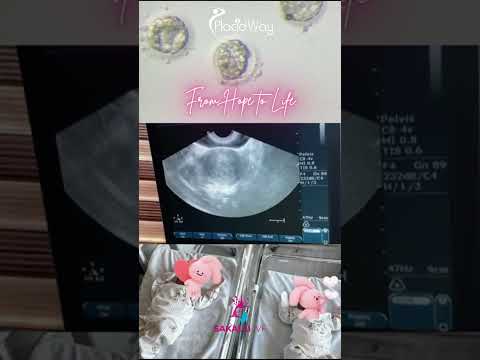
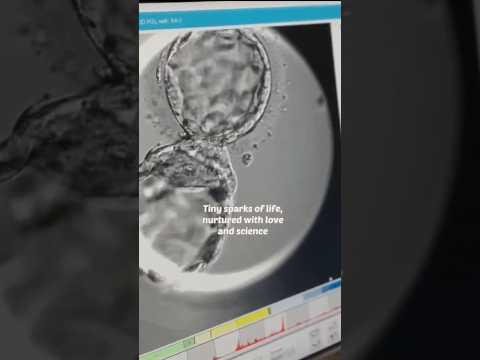
Ascoltare direttamente i pazienti che hanno già avuto un figlio può offrire una preziosa rassicurazione. Le testimonianze video qui sotto raccontano storie vere di coppie e single che hanno viaggiato a Cipro per realizzare il loro sogno di diventare genitori. Guarda questi video per scoprire le loro esperienze personali, il livello di assistenza ricevuto e la gioia dei loro risultati positivi.
Approfondimento: Molte testimonianze sottolineano il "tocco personale" e la comunicazione costante da parte dei coordinatori dei pazienti, che aiutano ad alleviare l'ansia durante il processo.



Le recensioni dei pazienti offrono una visione onesta della qualità dell'assistenza. In questa sezione troverete recensioni e valutazioni verificate di pazienti che hanno affidato il loro percorso di fertilità a specialisti a Cipro. Leggete i loro feedback sull'organizzazione della clinica, sull'empatia del personale medico e sulla loro soddisfazione generale per l'esperienza, per aiutarvi a scegliere il vostro fornitore.
Suggerimento per la recensione: cerca recensioni che menzionano trattamenti specifici come "Donazione di ovociti" o "Selezione del sesso" per trovare esperienze pertinenti alle tue esigenze.

What is the cost of IVF in Cyprus?
Starting on a fertility journey is a path filled with hope, questions, and the profound desire to build a family. For many intended parents, this path leads to Cyprus, an island nation that has become a leading destination for high-quality and affordable fertility care. IVF in Cyprus offers a unique combination of advanced medical technology, experienced specialists, favorable laws, and a serene environment, making it a beacon of hope for people worldwide. Whether you're just beginning to explore your options or are ready to take the next step, this guide will answer your most pressing questions about IVF treatment in Cyprus. This comprehensive guide is designed to walk you through every aspect of the process, from understanding the costs and success rates to navigating the legal landscape and choosing the right clinic. We'll delve into the specifics of treatments like egg donation, PGT, and what to expect as an international patient. Our goal is to provide you with the clear, expert information you need to make empowered decisions on your path to parenthood. Why is IVF in Cyprus so popular? "IVF in Cyprus is popular due to its winning combination of high success rates, affordable treatment costs, advanced reproductive technologies, and favorable legal framework, particularly for egg donation and gender selection for family balancing." There are several compelling reasons why thousands of international patients flock to Cyprus for fertility treatment each year. Firstly, the cost of IVF in Cyprus is significantly lower than in many Western countries like the US, UK, and Canada, without compromising on the quality of care. This affordability makes treatment accessible to a wider range of people. Secondly, Cypriot IVF clinics are known for their high standards and impressive Cyprus IVF success rates. They are equipped with state-of-the-art laboratories and staffed by highly qualified, often internationally trained, fertility specialists. Furthermore, the IVF laws in Cyprus are more liberal than in many other European nations, offering options like anonymous egg and sperm donation and a higher age limit for treatment, which provides more opportunities for individuals and couples facing complex fertility challenges. What is the cost of IVF in Cyprus? "The standard cost of IVF in Cyprus for a single cycle typically ranges from €2,500 to €3,500. This price generally includes the IVF procedure itself, but not medications, preliminary tests, or travel expenses." While this price range is a general estimate, it's crucial to understand what is included in the quoted price. A standard IVF package in a Cypriot clinic usually covers the main procedures, such as ovarian stimulation monitoring, egg retrieval, fertilization in the lab, and embryo transfer. However, the total cost can increase based on individual needs. Factors that can add to the overall expense include: Fertility Medications: These are often the most significant additional cost and can range from €800 to €1,500. Pre-treatment Screenings: Blood tests and ultrasounds required before starting the cycle. Advanced Techniques: Procedures like Intracytoplasmic Sperm Injection (ICSI), Preimplantation Genetic Testing (PGT), or assisted hatching will incur extra fees. Embryo Freezing: If you have viable embryos remaining after your cycle, you may choose to cryopreserve them for future use, which has an associated fee. How much does IVF with egg donation cost in Cyprus? "The cost of an egg donation Cyprus cycle is higher than a standard IVF cycle, generally falling between €4,500 and €6,500. This comprehensive cost typically includes the donor's compensation, screening, and all related medical procedures." IVF with egg donation is a vital option for women who cannot use their own eggs for various reasons. The increased cost reflects the extensive process involved in selecting, screening, and compensating the egg donor, as well as the medical procedures for both the donor and the recipient. The package for egg donation in Cyprus is often quite inclusive, covering the donor's medication, medical fees, and compensation. For the recipient, it includes the fertilization of the donor eggs with sperm (from a partner or donor) and the subsequent embryo transfer. This makes Cyprus one of the most cost-effective countries for this specific, highly successful treatment. What are the IVF success rates in Cyprus? "Cyprus IVF success rates are among the best in Europe, often exceeding 60-70% per cycle, especially when using donor eggs. These rates are high due to the use of advanced technology, high-quality donor programs, and experienced specialists." Success rates can vary significantly based on the clinic and the specific patient circumstances. For patients using their own eggs, success is heavily dependent on the woman's age and ovarian reserve. For instance, women under 35 generally have a much higher chance of success compared to women over 40. When it comes to egg donation in Cyprus, the success rates are consistently high because the eggs are retrieved from young, healthy, and fertile donors. This largely removes the age-related barriers to success for the recipient. When choosing a clinic, always ask for their specific success rates broken down by age group and treatment type to get a realistic picture of your potential outcome. What factors influence IVF success rates? "The primary factors influencing IVF success rates include the woman's age, the quality of eggs and sperm, the cause of infertility, the expertise of the fertility clinic, and the health and lifestyle of the intended parents." Understanding these factors can help you set realistic expectations for your fertility journey. Age: This is the single most important determinant of success when using your own eggs. Egg quality and quantity decline significantly after the age of 35. Embryo Quality: The viability of the embryo is crucial. Advanced techniques like PGT can be used to select the healthiest embryos for transfer. Uterine Receptivity: The health of the uterine lining is essential for the embryo to implant successfully. Lifestyle Factors: Smoking, excessive alcohol consumption, obesity, and high stress levels can all negatively impact IVF outcomes. Clinic and Lab Quality: The experience of the embryologists and the quality of the laboratory environment play a huge role in fertilization and embryo development. How do I choose the best IVF clinic in Cyprus? "To choose the best IVF clinic in Cyprus, you should research their success rates, read patient reviews, verify the credentials of their medical team, and ensure they offer the specific technologies you need, such as PGT or ICSI." Making the right choice of clinic is fundamental to your success. Don't base your decision solely on price. Look for transparency in costs and treatment plans. A reputable clinic will be open about what their packages include and what additional costs you might expect. Schedule consultations with a few shortlisted clinics. This gives you a chance to speak directly with the medical team, ask questions, and gauge your comfort level. A good clinic will provide personalized care, communicate clearly, and support you emotionally throughout the process. Look for clinics that hold international certifications, like ISO, which demonstrate a commitment to quality and safety. What are the IVF laws in Cyprus? "The IVF laws in Cyprus are known for being patient-friendly and liberal. They permit treatment for single women and heterosexual couples, allow for anonymous egg and sperm donation, and have a relatively high upper age limit for female patients." The legal framework is a key reason Cyprus is a top IVF destination. The laws are designed to be inclusive and supportive of various family-building paths. Both North and South Cyprus have their own specific regulations, but both are generally permissive. It is important to note that while the laws are liberal, they are also well-regulated to ensure ethical practices. All donors undergo rigorous health screenings, and clinics must adhere to strict standards for laboratory procedures and patient care. This creates a safe and ethical environment for everyone involved in the IVF in Cyprus process. Is gender selection allowed for IVF in Cyprus? "Yes, gender selection in Cyprus is legally permitted for the purpose of family balancing. This is a significant draw for many international patients, as the practice is prohibited in most other European countries." Gender selection is achieved through Preimplantation Genetic Diagnosis (PGD) or Preimplantation Genetic Screening (PGS), now collectively known as PGT. During this process, embryos are genetically tested before being transferred to the uterus. This not only allows for the selection of a specific gender but also screens for chromosomal abnormalities, potentially increasing the chance of a healthy pregnancy. This option is particularly sought after by couples who wish to have a child of a specific gender to balance their family. It is one of the most distinct advantages of pursuing IVF treatment in Cyprus. What is the age limit for IVF in Cyprus? "The official upper age limit for a woman to undergo IVF treatment in Cyprus is 55. However, individual clinics may have their own policies and may recommend using donor eggs for patients over 45 to ensure higher success rates." While the legal age limit is generous, the decision to treat a patient is always based on a thorough medical evaluation. A clinic's primary responsibility is the health and well-being of both the mother and the potential child. For women in the upper age bracket, doctors will conduct comprehensive health screenings to ensure they are fit for pregnancy. Using donor eggs is a common and highly successful pathway for women over 45, as it overcomes the natural decline in egg quality associated with age. This flexible approach allows many women to pursue motherhood later in life. What is the IVF process in Cyprus for international patients? "The IVF process in Cyprus for international patients is streamlined to minimize travel time. It involves an initial remote consultation, local pre-treatment monitoring, a 7-21 day stay in Cyprus for the main procedures, and follow-up care back home." The process is designed for convenience: Initial Consultation: This is often done via video call. You'll discuss your medical history and treatment plan with the doctor. Pre-Treatment: You can typically perform initial tests and start ovarian stimulation injections in your home country, with guidance from the Cypriot clinic. Travel to Cyprus: You will need to travel to Cyprus for the final stages of monitoring, the egg retrieval procedure, and the embryo transfer. The required stay is usually between one to three weeks. Procedures in Cyprus: The clinic will perform the egg collection, fertilization, and transfer the selected embryo(s) to the uterus. Return Home: After the embryo transfer, you can travel home. The pregnancy test is usually taken about 10-12 days later. How long do I need to stay in Cyprus for my IVF treatment? "For an IVF cycle, patients typically need to stay in Cyprus for approximately 15 to 21 days. If you are using a fresh donor egg cycle, the stay can sometimes be coordinated to be shorter, around 7-10 days." The length of your stay depends on your specific treatment protocol. For a standard IVF cycle, you need to be in Cyprus for monitoring the final stages of follicular growth, the egg retrieval, and the embryo transfer, which usually occurs 3-5 days after retrieval. Clinics in Cyprus are very experienced in managing treatment for international patients and will provide a clear timeline to help you plan your travel. They can often help coordinate accommodation and local transport to make your stay as stress-free as possible. What is PGT, and is it available in Cyprus? "Yes, Preimplantation Genetic Testing (PGT) is widely available in Cyprus. PGT is an advanced laboratory technique used to test embryos for chromosomal abnormalities before they are transferred to the uterus, increasing the chance of a successful and healthy pregnancy." There are three main types of PGT: PGT-A (Aneuploidy): Screens for extra or missing chromosomes (e.g., Down syndrome). PGT-M (Monogenic/Single-Gene Defects): Screens for specific inherited genetic disorders like cystic fibrosis or sickle cell anemia. PGT-SR (Structural Rearrangements): Used when a parent has a known chromosomal rearrangement. Offering PGT in Cyprus is part of the commitment to using advanced technology to improve outcomes. It is a powerful tool for older patients or those who have experienced recurrent miscarriages or implantation failure. Can single women and same-sex couples do IVF in Cyprus? "Yes, IVF in Cyprus is available to single women. For same-sex female couples, one partner can undergo IVF using donor sperm. However, Cyprus law does not currently permit IVF for male same-sex couples or surrogacy arrangements." The inclusive legal environment makes Cyprus an excellent choice for single women who wish to become mothers using donor sperm. The process is straightforward, and women receive the same high level of care and support. For lesbian couples, the treatment is also very accessible. One partner can provide the eggs and carry the pregnancy, or one can provide the eggs while the other carries the pregnancy (a process known as Reciprocal IVF), using sperm from an anonymous donor. What's the difference between IVF in North Cyprus and South Cyprus? "While both North and South Cyprus offer high-quality IVF, there are slight differences in regulation. North Cyprus is particularly known for its liberal laws regarding egg donation and gender selection. The South is part of the EU and follows its directives, which can be slightly more restrictive." North Cyprus (the Turkish Republic of Northern Cyprus) has become a major hub for IVF treatment in Cyprus largely due to its very permissive laws. It's a popular choice for anonymous egg/sperm donation and family balancing (gender selection). South Cyprus (the Republic of Cyprus) is an EU member state and adheres to European tissue and cell directives. While still a great option, its regulations may be slightly less flexible on certain procedures compared to the North. Both regions have excellent clinics with high success rates, so the choice may depend on your specific treatment needs. Ready to Explore Your Options? Your journey to parenthood deserves expert guidance and compassionate care. If you're considering IVF in Cyprus, let PlacidWay help you connect with world-class clinics and specialists. Explore personalized, all-inclusive packages and take the first step toward building your family today.
Which are the Best IVF Clinics in Cyprus?
Finding the best IVF clinics in Cyprus involves researching facility accreditation, specialist qualifications, available technologies, and patient safety records. Top clinics adhere to EU medical standards and offer transparent communication. For many individuals and couples, building a family requires medical assistance, and traveling abroad for care has become a common pathway. Undergoing IVF in Cyprus is frequently considered by international patients due to the island's accessible healthcare infrastructure, favorable regulatory environment for donor treatments, and specialized medical teams. While we cannot promote or direct you to specific facilities, understanding how to evaluate an IVF clinic in Cyprus will help you make an informed, medically sound decision. This guide covers the essential criteria for choosing a provider, estimated costs, treatment options, and what to expect during your fertility journey abroad. Key Takeaways Select clinics based on verified accreditations, transparent success reporting, and robust laboratory standards. Treatment options include standard IVF, ICSI, donor programs, and preimplantation genetic testing (PGT). Regulatory environments vary across the island, with many clinics aligning with strict European Union directives. Patients must plan for continuity of care with a local obstetrician or fertility specialist upon returning home. Success rates are never guaranteed and depend heavily on individual age, health, and medical history. What criteria define the best IVF clinics in Cyprus? When evaluating an IVF clinic in Cyprus, you should prioritize international accreditations, transparent success reporting, experienced embryology teams, and clear, patient-focused communication. Rather than relying on marketing claims, patients should look for objective indicators of a clinic's medical standards. A high-quality facility will operate with strict quality control protocols, particularly in their embryology laboratories, where temperature, air quality, and handling procedures directly impact embryo viability. Accreditation and Licensing: Ensure the facility is licensed by the local Ministry of Health. Many top centers also hold ISO certifications (such as ISO 9001 for quality management) or follow guidelines set by the European Society of Human Reproduction and Embryology (ESHRE). Specialist Credentials: Review the medical background of the lead endocrinologists, gynecologists, and embryologists. Board certification and ongoing international training are strong indicators of expertise. Transparent Data: Reputable clinics provide realistic success rates broken down by age group and treatment type. They will avoid promising guaranteed pregnancies. Communication and Support: Navigating treatment abroad requires dedicated coordinators who can fluently communicate in your language, arrange medical document transfers, and answer clinical questions clearly. How much does IVF cost in Cyprus on average? The IVF cost in Cyprus typically ranges from €2,500 to €4,500 for a standard cycle, though complex treatments involving egg donation or genetic testing will increase this estimate. Pricing is one of the primary reasons patients explore options abroad, but understanding what is included in a quoted price is vital. The base cost usually covers consultations, ultrasound monitoring during stimulation, egg retrieval, fertilization in the lab, and the embryo transfer procedure. However, patients must budget for variables that are rarely included in the base package. Hormonal medications for ovarian stimulation can add €800 to €1,500 depending on the required dosage. Advanced techniques, such as Preimplantation Genetic Testing (PGT) or the use of donor gametes, also carry separate, significant fees. Furthermore, travel, accommodation, and the cost of freezing any remaining embryos should be factored into your overall budget. Important Consideration: Always request a detailed, itemized cost breakdown from the clinic before committing. This helps prevent unexpected expenses during your treatment cycle. What IVF treatments and technologies are available in Cyprus? Most specialized clinics offer standard IVF alongside advanced reproductive technologies such as ICSI, preimplantation genetic testing (PGT), egg and sperm donation, and fertility preservation. Modern fertility centers in this region are equipped to handle a wide variety of infertility diagnoses. After a thorough medical assessment, your specialist may recommend a specific protocol tailored to your reproductive health. Intracytoplasmic Sperm Injection (ICSI): Now standard in many clinics, this technique involves injecting a single healthy sperm directly into the egg to assist with male-factor infertility. Donor Programs: Cyprus is a frequent destination for patients requiring donor eggs, sperm, or embryos due to its supportive legal framework and anonymous donor pools. Genetic Testing (PGT): Preimplantation Genetic Testing allows embryologists to screen embryos for chromosomal abnormalities or specific genetic diseases before transfer, potentially reducing the risk of miscarriage in suitable candidates. Cryopreservation: Clinics utilize vitrification (fast-freezing) technology to safely store eggs, sperm, and remaining embryos for future use. Are fertility clinics in Cyprus strictly regulated? Medical tourism in Cyprus is subject to health ministry oversight, and facilities operating in the Republic of Cyprus align closely with European Union directives regarding tissue and cell safety. Regulation is a critical factor for patient safety and ethical medical practice. In the Republic of Cyprus, fertility treatments are governed by national laws that reflect the EU Tissues and Cells Directive. This ensures strict protocols regarding the screening of donors, the traceability of genetic material, and the operational standards of embryology laboratories. Regulations dictate aspects such as donor anonymity, the maximum number of embryos that can be transferred (usually to minimize the risk of high-order multiple pregnancies), and age restrictions for female patients. Because the island has distinct political jurisdictions, specific legal frameworks may vary depending on the exact location of the clinic. Patients should verify the governing regulations with their chosen provider during the initial consultation. Who is an ideal candidate for traveling to Cyprus for IVF? Suitable candidates are individuals or couples medically cleared for travel, who understand the demands of IVF, and whose health profiles do not present severe contraindications to fertility medications. Traveling for medical care requires physical resilience and logistical flexibility. Ideal candidates often include those who have struggled to conceive naturally, patients seeking donor gametes due to age or diminished ovarian reserve, and those who require specialized treatments not easily accessible or affordable in their home countries. Before planning a trip, patients must undergo preliminary testing (such as hormone panels, semen analysis, and pelvic ultrasounds) either locally or with the destination clinic. Conditions such as severe uncontrolled hypertension, certain cardiovascular diseases, or active infections may disqualify a patient from safely undergoing hormone stimulation or traveling. Always consult with a qualified reproductive endocrinologist to determine if international treatment is appropriate for your specific health history. How long do I need to stay in Cyprus for an IVF cycle? For a standard IVF cycle, patients typically need to stay in the destination country for about 10 to 14 days to complete clinical monitoring, the egg retrieval procedure, and the embryo transfer. The timeline for fertility treatment can vary based on the specific protocol used. Many patients coordinate with their local gynecologist to begin the ovarian stimulation phase at home. This allows them to take the necessary hormone injections and undergo initial ultrasound scans before flying out. Treatment Phase Typical Location Estimated Duration Ovarian Stimulation & Early Monitoring At Home (with local doctor) Days 1-7 of cycle Final Monitoring & Trigger Shot In Cyprus Days 8-11 of cycle Egg Retrieval & Fertilization In Cyprus Day 12-14 Embryo Transfer In Cyprus 3 to 5 days after retrieval Biology is unpredictable, meaning eggs may develop slower or faster than anticipated. Patients should book flexible return flights and accommodations to account for potential changes in the retrieval or transfer schedule. What factors can affect the success of my IVF treatment? Success rates vary significantly based on the female patient's age, the quality of the egg and sperm, the underlying cause of infertility, and the specific protocols used by the clinical team. It is vital to approach fertility treatments with realistic expectations. Maternal age is the single most significant predictor of success when using a patient's own eggs, as both the quantity and chromosomal quality of eggs naturally decline over time. For this reason, older patients may have higher success rates when utilizing younger donor eggs. Other factors include uterine abnormalities, lifestyle factors such as smoking or high BMI, and complex reproductive conditions like endometriosis or severe polycystic ovary syndrome (PCOS). Your medical provider will review your diagnostic tests to provide an individualized estimate of your chances, but no ethical clinic will present outcomes as guaranteed. What are the potential risks and complications of IVF? While generally safe for suitable patients, in vitro fertilization carries medical risks such as Ovarian Hyperstimulation Syndrome (OHSS), multiple pregnancies, ectopic pregnancy, and medication side effects. Understanding the clinical risks is an essential part of the informed consent process. Your specialist should discuss how these risks are mitigated based on your specific health profile. Ovarian Hyperstimulation Syndrome (OHSS): This is a condition where the ovaries swell and leak fluid into the body in response to fertility drugs. While severe cases are rare, mild OHSS can cause bloating, pain, and nausea. Multiple Pregnancies: Transferring more than one embryo increases the chance of twins or triplets. Multiples carry higher risks of premature labor, low birth weight, and maternal complications. Procedure Risks: The egg retrieval is a minor surgical procedure performed under sedation. Risks include mild cramping, bleeding, or, very rarely, damage to surrounding organs or infection. Ectopic Pregnancy: Even with IVF, there is a small risk that the embryo may implant outside the uterus, typically in the fallopian tube, which requires immediate medical intervention. How should I prepare for medical tourism in Cyprus? After completing treatment, you must have a local obstetrician or fertility specialist ready in your home country to manage early pregnancy monitoring and address any potential complications. Successful medical travel relies on meticulous planning for both the trip and the aftermath. Before you travel, ensure you have comprehensive medical history files ready to share with your chosen facility. You should also check the validity of your passport, secure necessary travel insurance, and review visa requirements. Post-treatment care is equally crucial. Approximately two weeks after your embryo transfer, you will need to take a beta hCG blood test to confirm pregnancy. If the result is positive, you require early ultrasound scans and continued hormonal support. Ensure you have established a relationship with a local doctor who is willing to take over your prenatal care or assist if you experience adverse symptoms like heavy bleeding or severe abdominal pain after returning home. Why Choose PlacidWay for Medical Tourism in Cyprus? Navigating international healthcare can be overwhelming, particularly when dealing with sensitive fertility issues. PlacidWay serves as a global medical tourism platform designed to help patients make informed healthcare decisions. Access to Information: PlacidWay provides detailed profiles of medical centers, allowing you to research their facilities and treatment options. Direct Connections: The platform facilitates direct communication between patients and international healthcare providers. Comparison Tools: Patients can compare estimated costs and available fertility packages across multiple destinations. Provider Profiles: You can review the credentials and backgrounds of medical teams before making inquiries. Educational Resources: PlacidWay offers articles, guides, and patient resources to help you understand the medical tourism process. Frequently Asked Questions (FAQs) Is gender selection legal during IVF in Cyprus? In the Republic of Cyprus, sex selection is legally restricted and generally only permitted to prevent serious sex-linked genetic diseases. Regulations in other jurisdictions on the island may vary, so patients must verify current local laws with their medical provider. Can single women undergo fertility treatment in Cyprus? Yes, single women are typically permitted to undergo fertility treatments, including IVF with donor sperm or IUI, in most fertility centers across Cyprus. Do clinics in Cyprus offer anonymous egg and sperm donation? Yes, anonymity for egg, sperm, and embryo donors is a standard practice in Cyprus. The identities of the donors are typically kept confidential from the intended parents and the resulting child. What is the maximum age limit for women undergoing IVF in Cyprus? The standard age limit for female patients is typically 50 years old. In some specific regions and under strict medical committee approval, exceptions may be made up to age 54, depending on the patient's cardiovascular and overall health. Are fertility medications included in the base cycle price? Fertility medications for ovarian stimulation are usually not included in the base IVF package price. Patients should budget separately for these medications, which can add significantly to the overall cost. How do I transport my medical records internationally? Most patients securely email their medical records, ultrasound scans, and blood test results to the clinic's digital portal before traveling. Ensure all documents are translated into English if necessary. Is it safe to fly after an embryo transfer? Flying after an embryo transfer is generally considered safe and is not shown to negatively impact implantation rates. However, your specialist will provide individualized advice based on your specific procedure. What language is spoken in most fertility centers? English is widely spoken by medical professionals, nursing staff, and patient coordinators in fertility clinics throughout Cyprus. Do I need a visa to travel to Cyprus for medical reasons? Visa requirements depend on your country of citizenship. Citizens of the EU, US, UK, and Canada generally do not need a visa for short medical stays, but you should verify entry requirements with official immigration authorities before booking travel. What happens to extra embryos after my cycle? If you have viable embryos remaining after your transfer, they can be cryopreserved (frozen) and stored at the clinic for a yearly fee. You can use these for future frozen embryo transfers (FET). Take the Next Step in Your Fertility Journey Compare treatment options, review facility details, and connect with healthcare providers to gather the information you need. Request Treatment Information References Guidelines and Legal - European Society of Human Reproduction and Embryology (ESHRE) Tissues and Cells Directive - European Commission Public Health In Vitro Fertilisation (IVF) Risks and Success Rates - Human Fertilisation and Embryology Authority (HFEA) Evaluating Infertility - American College of Obstetricians and Gynecologists (ACOG) Infertility Fact Sheet - World Health Organization (WHO) Practice Guidelines for Fertility Treatment - American Society for Reproductive Medicine (ASRM) Medical Disclaimer: The information provided in this article is for educational and informational purposes only and does not constitute medical advice, diagnosis, or treatment planning. In vitro fertilization and related fertility treatments carry medical risks, and success rates vary by individual. Always consult with a qualified reproductive endocrinologist or healthcare professional to determine if a specific medical treatment is appropriate for your personal health situation.
Il tuo sogno di una famiglia è in mani esperte. Abbiamo stilato un elenco dei migliori specialisti della fertilità ed embriologi a Cipro, dotati di una vasta esperienza e certificazioni internazionali. Questi profili evidenziano i loro tassi di successo, la loro formazione accademica e la loro dedizione all'assistenza personalizzata.
Esperti certificati ESHRE
Standard europei di cura
Molti dei principali specialisti di Cipro sono certificati dalla Società Europea di Riproduzione Umana ed Embriologia (ESHRE). Questo garantisce che siano aggiornati sui più recenti protocolli europei per la stimolazione ovarica e il trasferimento embrionale, offrendovi un'assistenza che soddisfa i più elevati standard continentali.
Embriologi senior
Maestri del Laboratorio
La magia della fecondazione in vitro avviene in laboratorio. Le cliniche cipriote vantano embriologi esperti con decenni di esperienza in ICSI, biopsia per PGD/PGS e crioconservazione (congelamento). La loro competenza è fondamentale per gli elevati tassi di sopravvivenza degli embrioni scongelati e per una diagnosi genetica accurata.
Pionieri della genetica
Leader in PGD e NGS
Cipro è un centro nevralgico per i test genetici. Gli specialisti qui sono pionieri nell'applicazione della Diagnosi Genetica Preimpianto (PGD) non solo per prevenire le malattie ereditarie, ma anche per l'equilibrio familiare. Utilizzano il sequenziamento di nuova generazione (NGS) per lo screening di tutti i 24 cromosomi, riducendo significativamente il rischio di aborto spontaneo.
Flessibilità normativa
Il principale fattore trainante per molte pazienti è il favorevole contesto legale di Cipro del Nord. La possibilità di accedere legalmente alla selezione del sesso per l'equilibrio familiare, alla donazione anonima di ovociti e al trattamento fino all'età di 55 anni attrae migliaia di pazienti, che nei loro paesi d'origine sono soggette a restrizioni dovute a leggi più severe.
Questa flessibilità non va a discapito della sicurezza, ma offre piuttosto scelte gestite eticamente.
Convenienza senza compromessi
Cipro offre un'esperienza medica di alta qualità a prezzi accessibili. Il costo della vita e degli interventi chirurgici più basso consente alle cliniche di offrire trattamenti avanzati come ICSI e Assisted Hatching come servizi standard, anziché costosi extra.
Se a ciò si aggiungono alloggi e voli a prezzi accessibili, il costo totale di una "vacanza per la fertilità" è spesso la metà di quello di un ciclo nel Regno Unito o negli Stati Uniti.
Un bacino di donatori ampio e diversificato
Grazie alla sua posizione al crocevia tra Europa, Asia e Africa, Cipro attrae una popolazione eterogenea. Le cliniche dispongono di ampi database di donatrici di ovociti e spermatozoi giovani e sane, provenienti da diverse etnie (europee, mediorientali, slave, ecc.).
Questa disponibilità garantisce tempi di attesa praticamente nulli per i cicli di donazione, consentendo ai pazienti di iniziare immediatamente il trattamento.
In che modo PlacidWay può assistermi con il mio trattamento di fecondazione in vitro a Cipro?
Intraprendere un percorso di fertilità all'estero può essere impegnativo, ma PlacidWay è il tuo partner di fiducia. Ti mettiamo in contatto con le cliniche più rinomate di Cipro, occupandoci della verifica e del coordinamento, così puoi concentrarti sulla preparazione della tua futura famiglia.
Controllo clinico
Collaboriamo solo con cliniche accreditate che dimostrano alti tassi di successo e aderiscono a rigorosi standard etici e di sicurezza, per offrirti la massima tranquillità.
Consulenze gratuite
Facilitiamo le consulenze iniziali a distanza con specialisti della fertilità, consentendoti di discutere della tua storia clinica e delle opzioni di trattamento prima di impegnarti nel viaggio.
Pacchetti personalizzati
Ti aiutiamo a trovare pacchetti all-inclusive che includono trattamento, farmaci, alloggio e trasferimenti, garantendo trasparenza e controllo dei costi.
Supporto logistico
Il nostro team ti assiste nell'organizzazione del viaggio, consigliandoti i voli e prenotando hotel adatti ai pazienti vicino alla clinica da te scelta.
Abbinamento dei donatori
Per i pazienti che desiderano una donazione di ovuli o sperma, aiutiamo a coordinarci con le cliniche per trovare la migliore corrispondenza possibile tra i loro ampi database di donatori.
Difesa dei diritti dei pazienti
Ti supportiamo durante tutto il tuo percorso, fungendo da collegamento tra te e la clinica per garantire che le tue domande trovino risposta e che le tue esigenze siano soddisfatte.
Fai il primo passo verso la famiglia dei tuoi sogni. Contatta PlacidWay oggi stesso per una valutazione gratuita e riservata e inizia il tuo percorso di fecondazione in vitro a Cipro.
Ottieni il tuo preventivo personalizzato gratuito

























Share this listing