


.png)
Contents
TLR in Mexico: A Second Chance at Natural Pregnancy
Deciding to expand your family after having your tubes tied is a deeply personal and hopeful journey. For many couples, however, the high cost of restorative surgery in the United States or Canada becomes a barrier to that dream. Mexico has emerged as a world-leading destination for tubal ligation reversal, offering a "second chance" at natural conception through high-quality microsurgery that is both accessible and affordable.
Tubal reversal (tubotubal anastomosis) in Mexico is performed by highly specialized fertility surgeons who utilize advanced microsurgical techniques to reconnect the fallopian tubes. Unlike general gynecologists, these specialists often dedicate their entire practice to fertility restoration, resulting in high proficiency and impressive success rates. Whether you are visiting a state-of-the-art fertility center in Tijuana, Guadalajara, or Mexico City, the standard of care is rigorous, often adhering to international protocols.
The procedure in Mexico typically involves a mini-laparotomy, a less invasive approach that ensures a quicker recovery and minimal scarring. Patients often report that the personalized attention they receive—from the initial video consultation to post-operative nursing care—far exceeds their experiences at home.
Choosing Mexico for this procedure isn't just about saving money; it's about accessing experienced surgeons who understand the emotional weight of your journey. With success rates that rival or exceed those of IVF for eligible candidates, a tubal reversal in Mexico is a viable, natural path to growing your family.
Did You Know?
Tubal reversal can actually be more effective than IVF for women under 35. While IVF success rates per cycle average around 30-40%, a successful tubal reversal allows a woman the chance to conceive naturally every single month, with cumulative pregnancy rates often reaching 70-80% within the first year for optimal candidates.
Key Insights at a Glance
Save up to 60-70% compared to U.S. prices, with packages often ranging from $3,500 to $5,500 USD.
The microsurgery takes approximately 1.5 to 2.5 hours under general anesthesia.
Success depends heavily on your age, egg reserve, and the method used for the original ligation.
Typically an outpatient procedure or requires only a 1-night hospital stay for observation.
Surgeons use high-magnification microscopes to suture the tiny tubal lumens (layers) accurately.
The "Mini" Incision
Unlike the original C-section or some ligation surgeries, expert reversal surgeons in Mexico often use a "mini-laparotomy" incision. This incision is typically only 2 to 3 inches long and is placed very low on the bikini line (often over the old C-section scar if present), making it cosmetically discreet and significantly reducing post-operative pain.
Navigating medical costs abroad is easier with all-inclusive packages. Below, we have listed top-tier clinics in Mexico that offer bundled pricing for tubal reversal. These packages are designed to provide peace of mind by including the surgeon's fees, anesthesia, operating room costs, and often hotel accommodations and ground transportation. Review the options to find a comprehensive solution that fits your budget.
Note: Comprehensive packages allow you to focus on your recovery rather than logistical details.

Price starting from $6,325
Tubal Reversal Package by Dr. Alberto Felix Atondo in Tijuana, Mexico
Fertility Beyond Borders - Dr. Felix Atondo
- Fertility Treatment
Tijuana,Guadalajara,Cancun, Mexico

Price starting from $3,300
Tubal Ligation Package in Mexicali - Affordable Tubal Reversal in Mexico
Dr. Ricardo Garcia Audelo
- Fertility Treatment
Mexicali, Mexico

Price starting from $3,500
Tubal Ligation Reversal Package in Tijuana, Mexico by Dr. Javier Piri Sarmiento
Dr. Javier Piri Sarmiento - IVF Specialist in Tijuana Mexico
- Fertility Treatment
Tijuana, Mexico
Financial planning is a key step in your fertility journey. The table below outlines the average costs for tubal ligation reversal in Mexico compared to prices in the U.S. and Canada. While individual factors such as BMI or previous surgical history may influence the final quote, these figures demonstrate the significant savings available. Use this data to compare your options and prepare your budget.
Tip: Always ask if pre-operative lab work and post-operative medications are included in the quoted price.
Tubal Ligation Reversal Centers Cost Comparison in Mexico
| Provider | Procedure | Price |
|---|---|---|
| Dr. Ricardo Garcia Audelo | Tubal Ligation Reversal, Fertility Treatment | $3300 |
| Medica Fertil | Tubal Ligation Reversal, Fertility Treatment | $11000 |
| Dr. Javier Piri Sarmiento - IVF Specialist in Tijuana Mexico | Tubal Ligation Reversal, Fertility Treatment | $6000 |
Tubal Ligation Reversal Cost Comparison in Mexico
| Country | Procedure | Price |
|---|---|---|
| United States | Tubal Ligation Reversal, Fertility Treatment | $20000 |
| Canada | Tubal Ligation Reversal, Fertility Treatment | $18000 |
We have curated a selection of highly rated medical centers in Mexico that specialize in reproductive medicine and microsurgery. These facilities are chosen for their modern infrastructure, sterilization protocols, and dedication to fertility treatments. Explore the clinic profiles below to learn about their accreditations, technology, and the specific experience they have with tubal reversal procedures.
Standard of Care: Look for clinics that specialize specifically in fertility and gynecology for the best outcomes.
.png)
Dr. Ricardo Garcia Audelo
Mexicali, Mexico

Medica Fertil
Queretaro, Mexico

Fertility Beyond Borders - Dr. Felix Atondo
Tijuana,Guadalajara,Cancun, Mexico

Dr. Javier Piri Sarmiento - IVF Specialist in Tijuana Mexico
Tijuana, Mexico

IVF Clinic in Mexico ViaFERT Culiacan
Culiacan, Mexico

Baja Fertility Services - IVF Clinic Tijuana Mexico
Tijuana, Mexico
There is nothing more powerful than hearing from women who have walked this path before you. The video testimonials below feature real stories from patients who traveled to Mexico for tubal reversal. Watch them share their experiences regarding the surgery, the care they received, and their subsequent journeys toward pregnancy.
Real Stories: These videos can give you a realistic preview of the facility and the doctor's bedside manner.
Patient feedback is essential for building trust. In this section, you will find verified written reviews from women who have undergone tubal reversal in Mexico. Read about their satisfaction with the surgical results, the communication with the medical team, and their overall travel experience to help you make an informed decision.
Community Trust: Verified reviews help you distinguish between marketing claims and actual patient experiences.

Tubal Ligation in Tijuana: Understanding the Procedure and Your Options
Tubal ligation in Tijuana offers a safe, permanent birth control solution at affordable prices. The procedure typically costs between $1,500 and $3,000, saving you up to 60% compared to US prices while maintaining world-class medical care. Key Takeaways: Permanent Contraception across the Border Exceptional Cost Savings: Patients easily save 50-70% compared to typical healthcare costs in the United States or Canada. Unmatched Proximity: Facilities are conveniently located mere minutes across the San Diego border, allowing for easy ground travel. High-Quality Medical Care: Operations are performed in modern, internationally accredited facilities utilizing cutting-edge laparoscopic equipment. Rapid Recovery Times: Most minimally invasive techniques allow for safe, same-day discharge and minimal post-operative downtime. Clear Communication: Medical teams and coordinators are completely fluent in English to ensure you understand every aspect of your care. How much does a Tubal Ligation cost in Mexico compared to the United States? The cost of female sterilization in border cities ranges from $1,500 to $3,000. This presents a massive savings compared to the $5,000 to $9,000 typically charged in American hospital networks. Healthcare expenses in North America continue to rise at an alarming rate, leaving many uninsured or underinsured women seeking viable alternative options. Choosing to have your sterilization procedure just across the border allows you to access premium medical services at a fraction of the domestic price. These highly affordable rates are possible due to lower administrative overhead and a generally lower cost of living within the country, absolutely not due to a reduction in medical quality or safety standards. When you review an official estimate for this permanent birth control method abroad, it usually encompasses everything you need. This includes the primary surgeons fees, the anesthesiologist fees, operating room time, and all essential basic recovery medications. Many top-tier facilities proudly provide highly transparent, all-inclusive pricing models so patients never have to worry about facing unexpected bills months after their operation has concluded. Patients combining their necessary procedure with medical tourism in Mexico often find that their total expenditures remain vastly lower than domestic options. Even when factoring in the cost of hotel accommodation, travel expenses, and meals for a few days of recovery, the financial accessibility remains unparalleled. This empowers women everywhere to make autonomous reproductive choices without taking on debilitating long-term medical debt. Did You Know? Because of the streamlined private healthcare system across the border, patients can often schedule their sterilization surgery within weeks of their initial consultation, bypassing the long waiting lists commonly found in public healthcare systems. What surgical techniques are offered for Tubal Ligation in Tijuana? Surgeons primarily utilize highly advanced minimally invasive laparoscopic techniques. This involves tiny incisions, faster overall healing times, and minimal scarring compared to traditional open abdominal surgery. Laparoscopy is currently recognized as the absolute gold standard for permanent female contraception worldwide. During this specialized procedure, your surgical specialist inserts a tiny, high-definition camera through a minimal incision located just inside or near the navel. This allows them to view the internal pelvic organs clearly on a large monitor. They then make one or two additional tiny cuts to insert specialized microscopic instruments used to permanently alter the fallopian tubes. Depending on your specific internal anatomical needs and the operating specialists professional recommendation, the tubes may be handled in several different ways. They can be completely severed and tied off securely, cauterized using highly controlled electrical current, or clamped shut permanently using specialized medical-grade titanium clips or silicone bands. Every single one of these methods boasts an incredibly high success rate for preventing any future unwanted pregnancies. The wonderfully minimally invasive nature of laparoscopy means there is significantly less physical trauma inflicted on the abdominal muscles. Consequently, patients experience drastically less postoperative pain and a dramatically reduced risk of surgical infection. This modern approach allows women to return to their normal daily activities and work life much sooner than older, outdated open surgical methods would ever permit. How do I select a safe and reputable Tubal Ligation clinic in Mexico? Selecting a high-quality facility requires carefully verifying international accreditations and reviewing the board certifications of the medical staff. Ensuring the center caters to international travelers also guarantees a smooth process. Your personal health and physical safety should always remain the top priority when seeking any type of medical care abroad. You should start your research by looking strictly for facilities that hold valid certifications from recognized international health organizations. These governing bodies strictly enforce rigorous hygiene, equipment maintenance, and patient care standards. Accredited facilities undergo regular external audits to ensure they maintain care levels equal to those found in the US. It is equally vital to thoroughly research the specific medical credentials of your prospective surgical team. You should actively seek out a board-certified gynecologist or a highly trained general surgeon who focuses heavily on advanced laparoscopic procedures and performs them routinely every single week. Highly experienced specialists naturally have much lower complication rates and can easily handle any unexpected anatomical variations safely. Smooth communication plays a deeply crucial role in your overall comfort and procedural safety. Top-tier medical centers in border cities purposefully employ fully bilingual patient coordinators, nursing staff, and attending doctors. This specific staffing choice ensures that you fully understand your pre-operative preparation instructions, surgical risks, and detailed aftercare requirements without any stressful language barriers complicating your experience. What is the recovery timeline after a Tubal Ligation in Mexico? Most women recover remarkably quickly from laparoscopic sterilization, returning to light daily activities within a few days. Complete internal tissue healing generally takes about one to two full weeks. Because this modern procedure is typically performed safely on a rapid outpatient basis, you will simply rest comfortably in a dedicated recovery room for a few hours until the general anesthesia completely wears off. Once the observant medical team clears your vital signs, you can return immediately to your local recovery hotel. It is highly recommended to rest completely in bed for the first twenty-four to forty-eight hours, as you may feel groggy and experience mild abdominal cramping. It is also quite common to experience mild to moderate shoulder pain for a few days post-surgery. This specific sensation happens because the abdominal cavity is safely inflated with harmless carbon dioxide gas to give the surgeon a clear internal view. The remaining trapped gas can temporarily irritate the diaphragm muscle, causing referred pain in the upper shoulder area. Walking lightly around your room frequently helps your body absorb this gas much faster. You must strictly avoid heavy lifting, vigorous strenuous exercise, and any sexual intercourse for at least one to two weeks to allow your small incisions and delicate internal tissues to heal flawlessly. Diligently following all the written post-operative instructions provided by your caring medical team and attending any highly recommended follow-up appointments will absolutely ensure a smooth and completely complication-free recovery journey. Expert Insight Many international patients choose to spend their short recovery period in beautiful local boutique hotels that cater specifically to post-operative guests. These lodgings often offer room service, highly comfortable adjustable bedding, and a quiet atmosphere perfect for resting before traveling back home. Are there strict age requirements for a Tubal Ligation in Tijuana? Medical facilities require patients to be legal adults, typically eighteen years or older, to consent to sterilization. However, doctors evaluate every single patient individually to ensure complete informed consent. Unlike some rigid regional healthcare systems that unfairly impose arbitrary age limits, minimum child parity requirements, or highly outdated spousal consent rules, private care facilities in border cities firmly respect a womans fundamental bodily autonomy. As long as you are of recognized legal age and of completely sound mind to make an informed major medical decision, you have the full right to request and undergo the procedure. The initial pre-operative consultation is an incredibly critical step in this entire process. Your chosen specialist will thoroughly discuss your complete medical history, current family living situation, and long-term future life plans. They must ensure absolutely that you are choosing this permanent birth control method completely voluntarily, without any external coercion, and that you comprehend fully that it cannot easily or reliably be undone. If a dedicated specialist feels a prospective patient is rushing hastily into the decision due to temporary emotional stress or lacks a full understanding of the permanence, they reserve the strict ethical right to delay the surgery immediately. They may strongly suggest highly effective reversible long-acting contraceptives instead. This vital ethical safeguard ensures that permanent sterilization is truly the right medical choice for the patients lifelong reproductive health. Is female sterilization via Tubal Ligation in Mexico truly permanent? Yes, this specific female sterilization method is designed intentionally to be a permanent and irreversible form of birth control. Patients must approach this life decision with absolute and unwavering certainty. When your delicate fallopian tubes are surgically cut, securely tied, carefully cauterized, or physically blocked with medical clips, the natural biological pathway for the egg to meet the sperm is permanently severed. This intentional blockage makes it one of the absolute most effective contraceptive methods currently available to modern science, boasting a failure rate of far less than one single percent over a lifetime. Sometimes unexpected life circumstances change drastically, and women later wonder curiously about potential reversal surgeries. A surgical reversal involves incredibly complex microscopic surgery attempting to delicately reconnect the tiny healthy segments of the remaining fallopian tubes. However, any potential success depends extremely heavily on the original sterilization method used, the exact amount of remaining healthy tube tissue, and the patients current age. Because these attempted surgical reversals are highly invasive, exceedingly costly, and carry absolutely no medical guarantee of success, healthcare professionals strongly advise against getting sterilized if you harbor even the slightest lingering doubts. If you think there is any chance you might want to birth children later in life, exploring highly effective reversible options like a hormonal intrauterine device is a vastly safer and smarter preliminary step. How does medical tourism in Mexico guarantee high safety standards for gynecological surgery? Leading healthcare destinations maintain incredibly stringent national health regulations and seek major international accreditations to attract global patients safely. These competitive markets invest heavily in cutting-edge medical technology. The rapid global rise of cross-border healthcare has completely transformed many border cities into genuinely world-class medical hubs. To compete successfully on a global scale, elite private hospitals and boutique specialty centers invest millions of dollars into state-of-the-art operating theaters, advanced modern laparoscopic towers, and incredibly rigorous hygiene protocols. This high-end infrastructure frequently rivals and often entirely surpasses average public hospital capabilities in neighboring wealthy countries. Furthermore, an impressive number of the dedicated physicians practicing within these bustling hubs have completed significant portions of their advanced medical education, specialized residencies, or elite fellowships directly within the United States or Western Europe. They eagerly bring these international best practices back to their home operating rooms and actively participate in global medical societies to keep their skills incredibly sharp. Verified patient reviews and independent auditing organizations also play a massively huge role in maintaining these stellar safety records. Premium facilities rely almost entirely on outstandingly positive patient experiences to thrive within the highly competitive medical travel industry. Therefore, they are intrinsically highly motivated to provide exceptional, completely infection-free care and incredibly comprehensive follow-up support to fiercely protect their hard-earned reputation. What pre-operative evaluations are necessary before a Tubal Ligation in Tijuana? Before undergoing any surgery, patients must complete a highly comprehensive health evaluation including essential blood tests, a pelvic exam, and a deep review of their medical history. The vital surgical preparation process always begins with a highly detailed medical questionnaire. You will need to honestly and fully disclose all your current daily medications, any known biological allergies, all previous abdominal surgeries, and any ongoing chronic health conditions. This vital information fundamentally helps the attending anesthesiologist and the lead surgeon flawlessly tailor the entire procedure to your specific biological needs. Standard mandatory preoperative diagnostics typically include a thorough complete blood count, a detailed blood clotting profile, and occasionally a resting electrocardiogram if you are over a specific age bracket or possess a family history of heart issues. A standard medical pregnancy test is also completely mandatory right before the scheduled surgery to ensure absolutely that you are not currently unknowingly expecting a child. Your chosen physician will happily provide you with very strict pre-operative fasting guidelines, usually requiring you to completely stop eating and drinking all liquids at least eight full hours before your precise scheduled operation time. You will also receive very specific instructions regarding which of your normal daily medications you should temporarily pause, such as common blood thinners, to successfully prevent any excessive bleeding. Why choose PlacidWay for your Tubal Ligation in Mexico? PlacidWay seamlessly connects you with thoroughly vetted, top-tier medical providers offering incredibly safe and highly affordable permanent birth control solutions, ensuring a completely stress-free medical journey. Navigating unfamiliar international healthcare options alone can frequently feel incredibly overwhelming and highly stressful. PlacidWay perfectly simplifies this entire journey by providing you direct, secure access to a carefully curated and intensely scrutinized network of internationally accredited medical centers. We guarantee every single provider meets highly stringent quality and rigorous safety standards before they are ever presented as an option. Absolute financial transparency is firmly at the core of our entire service model. We actively facilitate direct, clear communication between you and the actual medical specialists, allowing you to easily receive crystal clear, all-inclusive pricing quotes right upfront. This wonderful transparency entirely eliminates the terrible fear of hidden hospital fees and allows you to budget your finances perfectly. Our dedicated patient support system is expertly designed to completely empower your personal medical decisions. When you brilliantly choose PlacidWay, you immediately benefit from: Rigorous Safety Verification: We perform extensive, ongoing background checks on all affiliated specialists and private facilities to verify impeccable safety records constantly. Unbiased Clinic Comparisons: We provide completely neutral, highly detailed information to help you comfortably compare different elite healthcare providers and make the right personal choice. Seamless Direct Communication: We offer excellent direct coordination with highly trained, fully bilingual hospital coordinators to prevent any confusing medical misunderstandings. Medical Record Management: We provide secure, fully confidential assistance in seamlessly gathering and safely transferring your complete medical records to your chosen international surgeon. Dedicated Patient Advocacy: We supply steadfast, ongoing patient advocacy to completely ensure your actual medical experience vastly exceeds your highest expectations from day one. Frequently Asked Questions About Female Sterilization Options Is a passport required to travel to Tijuana for female sterilization? Yes, all international patients traveling across the US-Mexico land border or arriving by air must present a valid passport to re-enter their home country. It is highly recommended to check your passport expiration date well in advance of scheduling your surgery to avoid any travel disruptions. Will my health insurance cover female sterilization performed in Mexico? Most domestic health insurance plans do not cover elective procedures performed outside of their specific network or country. Patients usually pay out-of-pocket for cross-border care, but the significantly lower out-of-pocket cost often makes it more affordable than paying domestic deductibles and co-pays. How long does the laparoscopic sterilization surgery actually take? The surgical procedure itself is remarkably fast, typically taking between thirty to forty-five minutes from the initial incision to the final closure. However, you should expect to spend a total of four to six hours at the medical facility to account for pre-operative preparation and immediate post-anesthesia recovery. Can I fly home the same day as my sterilization procedure? While laparoscopy is minimally invasive, flying on the exact same day is strongly discouraged due to the risks associated with general anesthesia and the potential for deep vein thrombosis. Medical professionals advise resting at a local hotel for at least one to two nights before embarking on a flight or a long drive home. Does female sterilization affect my hormone levels or menstrual cycle? No, the procedure only blocks the fallopian tubes to prevent sperm from reaching the egg. It does not remove your ovaries or alter your endocrine system. Your body will continue to produce hormones normally, and you will continue to experience regular menstrual cycles until you reach natural menopause. What happens to the unfertilized eggs after the fallopian tubes are blocked? Following the blockage of the fallopian tubes, your ovaries will continue to release an egg each month. Because the egg cannot travel to the uterus or meet a sperm, it simply disintegrates and is naturally and harmlessly reabsorbed by your body without causing any health issues. Are there any long-term health risks associated with female sterilization? It is considered one of the safest forms of permanent contraception with very few long-term risks. Ectopic pregnancy is a rare but serious risk if the procedure fails. However, the overall risk of ectopic pregnancy is actually lower than in women who use no contraception at all. Do I need a referral from my primary care doctor to get sterilized in Mexico? Private medical facilities catering to international patients generally do not require a referral from your home country physician. You can directly consult with the specialists abroad, though bringing a copy of your recent medical records and any recent gynecological exams is highly beneficial for your consultation. Is it safe to cross the border into Tijuana for medical purposes? Hundreds of thousands of patients cross the border annually for medical, dental, and surgical care safely. Medical facilities are typically located in secure, dedicated medical districts very close to the border crossings, ensuring easy navigation for international visitors. Can I take my prescribed pain medication back across the border? Yes, you can legally bring back a personal supply of non-narcotic prescription medications provided they are in their original pharmacy packaging with the prescription label bearing your name. You must declare these medications to the border agents during your crossing. Take Control of Your Reproductive Health Today Do not let high medical costs stop you from accessing the permanent birth control you desire. PlacidWay connects you with top-rated, internationally accredited specialists across the border. Request a free quote today and receive completely personalized pricing from board-certified gynecological surgeons. Get Your Free Quote * Secure, confidential responses typically provided within 24 hours.
How much does Tubal Ligation Reversal cost in Tijuana Mexico?
Going on the journey to expand your family after a tubal ligation can be both an exciting and daunting prospect. One of the most common questions we hear is about the cost of tubal ligation reversal, and for many, Tijuana, Mexico, has become a beacon of hope. The tubal ligation reversal cost in Tijuana, Mexico, offers a significant financial advantage compared to the United States, without compromising on the quality of care. This procedure, which can restore your ability to conceive naturally, is a highly sought-after fertility treatment for those looking for a more affordable path to parenthood. As you explore your options, it's natural to have a multitude of questions about the procedure, success rates, and what to expect. This guide is designed to provide you with comprehensive, clear, and trustworthy answers to all your pressing questions about getting a tubal reversal in Tijuana. We'll delve into the costs, what those prices include, and how to navigate your medical journey to Mexico with confidence. How much does a tubal ligation reversal in Tijuana typically cost? "The average cost of a tubal ligation reversal in Tijuana, Mexico, typically ranges from $3,000 to $7,000 USD. This price can fluctuate based on the clinic, the surgeon's experience, and the specifics of your individual case." This cost is considerably lower than what you would expect to pay in the United States, where the same procedure can easily cost between $10,000 and $25,000. The significant price difference is a primary reason why so many individuals and couples choose Tijuana for this life-changing surgery. The lower cost of living, operational expenses for clinics, and competitive pricing in the medical tourism market all contribute to these more accessible prices. It's important to remember that the final price can vary. Factors such as the complexity of your original tubal ligation, your overall health, and the specific surgical technique required can all influence the final quote you receive. Always aim to get a detailed cost breakdown from your chosen clinic to avoid any surprises. What factors influence the cost of tubal reversal in Tijuana? "Several key factors influence the tubal ligation reversal cost in Tijuana, including the surgeon's reputation and expertise, the type of tubal ligation you previously had, the hospital or clinic fees, and whether the package is all-inclusive." Understanding these factors can help you better interpret the quotes you receive and make an informed decision. Here's a more detailed look at what can affect the price: Surgeon's Experience and Credentials: Highly experienced surgeons who specialize in microsurgical techniques may charge more for their expertise. However, their higher success rates often make the investment worthwhile. Type of Original Tubal Ligation: Some tubal ligation methods, like clips or rings, are generally easier and less expensive to reverse than methods that involved cutting or burning large portions of the fallopian tubes. Clinic and Hospital Facilities: The quality of the medical facility, its accreditation, and the technology it uses will be reflected in the cost. More modern, state-of-the-art hospitals may have higher fees. Inclusions in the Price Package: Some clinics offer all-inclusive packages that cover everything from the surgery itself to accommodation and transportation. Others may provide a quote for the surgical procedure alone, with additional costs for anesthesia, pre-operative tests, and post-operative care. What is usually included in a tubal reversal package in Tijuana? "A typical tubal reversal package in Tijuana often includes the surgeon's fees, anesthesia costs, hospital or facility fees, and pre-operative consultations. Some comprehensive packages may also cover accommodation and local transportation." When you receive a quote for your tubal reversal in Tijuana, it's crucial to understand exactly what is and isn't included. A standard package will generally cover the core components of the surgical procedure. This means the fees for the surgeon performing the operation and the anesthesiologist are typically part of the initial price. Many reputable clinics in Tijuana offer packages designed for international patients. These might include a stay in a nearby hotel for a set number of nights and transportation between the airport, hotel, and clinic. This can simplify the logistics of your trip and provide peace of mind. However, it's always wise to confirm if things like post-operative medications, follow-up appointments, or any potential complication-related treatments are covered. What are the success rates for tubal ligation reversal in Tijuana? "The success rates for tubal ligation reversal in Tijuana, Mexico, are comparable to those in the United States, with pregnancy rates typically ranging from 75% to 80%. Success is highly dependent on individual factors like age and the type of initial tubal ligation." The primary goal of a tubal reversal is to achieve a successful pregnancy. The good news is that clinics in Tijuana boast success rates that are on par with top facilities worldwide. The skill of the surgeon is a major factor here, as the procedure requires delicate microsurgery to reconnect the fallopian tubes. Several personal factors will also play a significant role in your chances of success. Your age is one of the most critical; women under 35 generally have higher success rates. The amount of healthy fallopian tube remaining after the initial ligation is also crucial. The less damage that was done, the higher the likelihood of a successful reversal and subsequent pregnancy. Is it safe to get a tubal ligation reversal in Tijuana? "Yes, getting a tubal ligation reversal in Tijuana is generally very safe, provided you choose a reputable and accredited medical facility with experienced surgeons. Many clinics in Tijuana adhere to the same high standards of care as facilities in the United States." Medical tourism in Mexico, particularly in cities like Tijuana, has grown exponentially due to the high quality of care available at a fraction of the cost. Many of the top surgeons in Tijuana are board-certified and have received training in the US or Europe. The best hospitals and clinics are often accredited by international organizations, which means they meet rigorous safety and quality standards. To ensure your safety, it's essential to do your research. Look for patient reviews, ask for the surgeon's credentials, and confirm the clinic's accreditation. A reputable clinic will be transparent about its safety protocols and will be happy to answer all of your questions. What are the risks and potential complications of tubal reversal surgery? "Like any major surgery, tubal reversal surgery carries some risks, including infection, bleeding, adverse reactions to anesthesia, and an increased risk of ectopic pregnancy. However, these complications are relatively rare when the procedure is performed by a skilled surgeon." It's important to be aware of the potential risks associated with any surgical procedure. The most significant risk specific to tubal reversal is an ectopic pregnancy, which is a pregnancy that occurs outside the uterus, usually in the fallopian tube. The risk is slightly higher after a reversal because the reconnected tubes may have some scarring. Your surgeon will discuss this risk with you and advise you on the early signs to watch for. Other general surgical risks include infection at the incision site and bleeding. Choosing a high-quality medical facility significantly minimizes these risks. Your surgical team will provide you with detailed pre-operative and post-operative instructions to help ensure a smooth and safe recovery. How do I choose a reputable surgeon and clinic in Tijuana? "To choose a reputable clinic for your tubal reversal in Tijuana, look for facilities with international accreditation, surgeons who are board-certified with extensive experience in microsurgery, and positive, verifiable patient testimonials." Your choice of surgeon and clinic is the most critical decision you'll make in this process. Start by creating a shortlist of potential clinics and then delve into researching each one. Look for evidence of their commitment to quality, such as certifications from organizations like the Joint Commission International (JCI). Don't hesitate to schedule virtual consultations with potential surgeons. This is an excellent opportunity to ask specific questions about their experience, success rates, and the techniques they use. A good surgeon will be open, informative, and will make you feel comfortable and confident in your decision. What qualifications should I look for in a surgeon? "When selecting a surgeon for your tubal ligation reversal in Tijuana, you should look for a board-certified gynecologist or reproductive surgeon with specialized training and significant experience in microsurgical techniques." The success of your tubal reversal heavily relies on the skill of your surgeon. The procedure involves reconnecting the delicate fallopian tubes, which requires a high degree of precision. Therefore, you want a surgeon who performs these types of surgeries regularly. Ask about their specific training in microsurgery and how many tubal reversals they perform each year. You can also inquire about their professional affiliations and if they are members of reputable medical organizations. A surgeon's willingness to share this information is a good indicator of their professionalism and expertise. What should I expect during the initial consultation? "During your initial consultation for a tubal reversal in Tijuana, you can expect a thorough review of your medical history, a discussion about the details of your previous tubal ligation, and an outline of the proposed surgical plan. This is also your opportunity to have all your questions answered." The initial consultation, which can often be done remotely via video call, is a crucial first step. You will be asked to provide details about your overall health and your previous tubal ligation procedure. If you have the operative report from your initial surgery, it can be very helpful for the surgeon to review. The surgeon will explain the reversal procedure in detail, including the surgical technique they will use and what you can expect in terms of recovery. They will also discuss the potential risks and the realistic success rates for your specific situation. This is the perfect time to ask about the tubal ligation reversal cost in Tijuana and get a detailed quote. What is the recovery process like after surgery in Tijuana? "Recovery after a tubal reversal in Tijuana typically involves a short hospital stay of one to two days, followed by a period of rest and limited activity for about two to four weeks. Most patients can return to light daily activities within a week." The immediate recovery period will take place at the hospital, where you will be monitored to ensure there are no complications. You can expect some discomfort and pain at the incision site, which will be managed with medication. Once you are discharged, you will continue your recovery at your hotel. It's generally recommended to stay in Tijuana for at least a few days after your surgery so you can have a post-operative check-up before you travel home. Once you are home, you will need to avoid strenuous activities and heavy lifting for several weeks. Your surgeon will provide you with a detailed timeline for when you can safely resume all of your normal activities, including sexual intercourse. How does the cost in Tijuana compare to the US? "The cost of a tubal ligation reversal in Tijuana, Mexico, is significantly lower than in the United States, with patients often saving 50-70% on the procedure. While a reversal in the US can cost upwards of $25,000, the same high-quality procedure in Tijuana can be as low as $3,000 to $7,000." This substantial cost difference is what makes Tijuana such an attractive option for medical tourism. The savings can be life-changing for many couples and individuals who might not otherwise be able to afford the procedure. The lower overhead costs for clinics in Mexico allow them to pass these savings on to their patients. It's important to note that the lower price does not equate to lower quality. The top clinics in Tijuana offer a standard of care that is equivalent to, and sometimes even exceeds, that found in the US. By doing your research, you can find a world-class facility and surgeon at a price you can afford. Are there financing options available for tubal reversal in Tijuana? "Yes, many clinics in Tijuana partner with medical financing companies to offer payment plans to international patients. These companies can help you cover the cost of your tubal ligation reversal with manageable monthly payments." While the cost of a tubal reversal in Tijuana is more affordable, it can still be a significant expense. To make it more accessible, many clinics work with third-party medical credit companies that specialize in providing loans for medical procedures. These companies often offer competitive interest rates and flexible repayment terms. When you are researching clinics, be sure to ask about their financing options. They can often provide you with information on the companies they work with and guide you through the application process. This can make your dream of expanding your family a financial reality. Ready to explore your options for a tubal ligation reversal in Tijuana? Explore PlacidWay for solutions related to medical tourism and to find reputable healthcare services and clinics in Mexico. Take the first step on your journey to parenthood today!
How much does tubal ligation reversal cost in Mexico?
For many women who've had a tubal ligation and later wish to restore their fertility, tubal ligation reversal offers a path to natural conception. However, the cost of this complex microsurgical procedure can be a significant barrier in countries like the United States or Canada. This is where Mexico emerges as a highly attractive option, providing a more affordable solution without compromising on quality or expertise. This comprehensive blog post will delve into the costs associated with tubal ligation reversal in Mexico, exploring the factors that influence pricing, typical inclusions, and comparing it to costs in other countries. We'll also address important questions about the procedure's success rates, safety, and what to consider when planning your medical journey to Mexico. How much does tubal ligation reversal typically cost in Mexico? "The cost of tubal ligation reversal in Mexico generally ranges from $2,400 to $8,500 USD, representing a significant saving of 50% to 70% or more compared to prices in the United States or Canada." The exact price for a tubal ligation reversal in Mexico can vary. For instance, some clinics in border towns like Tijuana might offer the procedure starting around $2,400 USD. More comprehensive packages from specialized fertility institutes in cities like Guadalajara, which often include detailed pre-operative work, longer hospital stays, and extensive post-operative care, might be closer to $8,500 USD. Even at the higher end of this range, the cost remains substantially lower than the $15,000 to $30,000+ that the same procedure can cost in the US. This affordability is a key reason why Mexico has become a popular destination for women seeking this life-changing surgery. What is typically included in the cost of tubal ligation reversal in Mexico? "The cost of tubal ligation reversal in Mexico typically includes the surgeon's fee, anesthesia, and the use of the operating facility or hospital, but specific inclusions can vary significantly by clinic." When you receive a quote for tubal ligation reversal in Mexico, it's essential to clarify precisely what services are covered. While core elements like the microsurgical procedure itself, the surgeon's expertise, and the cost of anesthesia are almost always included, other aspects may or may not be: Pre-operative evaluations: This might include blood tests, hormone panels, or detailed imaging (like hysterosalpingogram or HSG to assess the uterus and remaining fallopian tube segments). Initial consultation: Whether an in-person or virtual consultation with the surgeon is included. Hospital stay: The duration of the hospital stay covered (e.g., typically 24-72 hours, but longer stays might incur extra charges). Medications: Both during and after the surgery. Post-operative care: Follow-up appointments in Mexico. Translator services: For non-Spanish speaking patients. Travel and accommodation: These are almost always separate and need to be budgeted for independently. Always ask for an itemized breakdown of costs from your chosen clinic to avoid any unexpected expenses. What factors influence the total cost of tubal ligation reversal in Mexico? "The total cost of tubal ligation reversal in Mexico is influenced by the clinic's location and reputation, the surgeon's experience, the type of tubal ligation performed previously, the complexity of the reversal, and inclusions in the package." Several elements can impact the final price you pay for a tubal ligation reversal: Clinic Location: Prices can differ between major cities and more specialized medical tourism hubs. Border towns may offer highly competitive rates due to lower overhead. Surgeon's Expertise: Highly experienced microsurgeons specializing in tubal reversal may charge more due to their proven track record and advanced skill. Type of Original Ligation: The method used to tie your tubes (e.g., clips, rings, cauterization, cutting, fimbriectomy) directly affects the complexity of the reversal. Procedures involving less damage (clips/rings) are generally easier and might be less expensive to reverse than those with extensive damage or removal of a segment of the tube. Surgical Complexity: The presence of scar tissue, adhesions, or the need for more intricate reconstruction can increase surgical time and, thus, cost. Inclusions in the Package: As mentioned, what the quoted price covers (e.g., pre-op tests, hospital stay duration, post-op visits, medications) will significantly affect the total. Technology Used: Clinics employing advanced microsurgical techniques or robotic assistance might have higher costs. How does the cost of tubal ligation reversal in Mexico compare to the US or Canada? "The cost of tubal ligation reversal in Mexico is drastically lower than in the US or Canada, often ranging from $2,400 - $8,500 USD in Mexico versus $15,000 - $30,000+ USD in the US or Canada for the same procedure." This significant price disparity is the primary motivator for medical tourism for tubal ligation reversal. While the exact figures vary by state/province and specific facility, the average cost in North America makes the procedure inaccessible for many without extensive insurance coverage (which is often not available for this elective procedure). For example, a complete package in a US fertility clinic might be around $20,000 to $30,000, whereas a comprehensive package in Mexico, including excellent care and facility, could still be less than $10,000. These savings often offset the travel and accommodation costs, making it a financially viable option for many couples. What is the success rate of tubal ligation reversal in Mexico? "The success rate of tubal ligation reversal in Mexico from reputable clinics is comparable to international standards, typically ranging from 40% to 80% for women under 40, depending on various factors like age, type of original ligation, and remaining fallopian tube length." The success of a tubal ligation reversal (measured by achieving a live birth) is influenced by several key factors: Woman's Age: This is one of the most critical factors. Success rates are highest for women under 35-37 and decline significantly after 40 due to natural age-related fertility decline. Under 30: Highest rates (often 70-80% or more) 30-35: Good rates (around 60-70%) 36-39: Moderate rates (around 40-50%) 40+: Lower rates (20-25% or less) Type of Original Ligation: Procedures involving clips or rings (which cause less damage to the fallopian tube) tend to have higher success rates than those involving extensive burning (cauterization) or removal of large segments of the tube. Length of Remaining Fallopian Tube: A minimum of 4-6 cm of healthy, undamaged fallopian tube after the reversal is generally desired for optimal success. Surgeon's Skill: The intricate nature of microsurgery means that an experienced and skilled surgeon is crucial for successful reconnection. Overall Fertility Factors: The presence of other fertility issues in either partner (e.g., male factor infertility, ovulatory dysfunction) can affect the overall chance of pregnancy. Reputable clinics in Mexico will conduct thorough pre-operative evaluations to assess your specific chances of success. Is tubal ligation reversal surgery safe in Mexico? "Yes, tubal ligation reversal surgery in Mexico is generally safe when performed at reputable, accredited clinics with experienced surgeons who adhere to international medical and sterilization standards." Like any surgical procedure, tubal ligation reversal carries inherent risks (such as bleeding, infection, or complications from anesthesia), regardless of where it's performed. However, many clinics in Mexico that cater to international patients prioritize patient safety and maintain high standards: Accreditation and Licensing: Look for clinics that are licensed by the Mexican Ministry of Health and ideally have international accreditations (though less common for individual clinics, some may have affiliations). Experienced Surgeons: Choose a board-certified surgeon with a proven track record specifically in microsurgical tubal reversals. Modern Facilities: Ensure the clinic or hospital uses modern operating rooms and equipment. Sterilization Protocols: Confirm that the clinic follows strict hygiene and sterilization procedures, comparable to those in the US or Canada. Post-operative Care: A good clinic will provide clear instructions for post-operative care and be available for any concerns. Thorough research, reading patient testimonials, and direct communication with the clinic are crucial steps to ensure a safe and successful experience. What is the typical procedure for tubal ligation reversal in Mexico? "The tubal ligation reversal procedure in Mexico typically involves a mini-laparotomy under general or regional anesthesia, where a small incision is made to surgically reconnect the severed fallopian tube segments using microsurgical techniques." The procedure, also known as tubal reanastomosis, generally follows these steps: Pre-operative Evaluation: This involves a thorough review of your medical history, including your original tubal ligation report (if available), and sometimes a semen analysis for your partner, and blood tests or imaging for you. Anesthesia: You will be given general anesthesia (you'll be asleep) or regional anesthesia (you'll be numb from the waist down). Incision: The surgeon makes a small incision, usually 2-3 inches long, typically in the bikini line area (a mini-laparotomy). In some cases, previous C-section scars can be used. Laparoscopic or robotic-assisted approaches are less common for reversal but may be offered by some specialized centers. Identification of Tubes: The surgeon carefully locates the two ends of the previously cut or blocked fallopian tube. Microsurgical Reconnection: Using a high-powered operating microscope and very fine instruments, the surgeon meticulously removes any damaged or scarred tissue from the ends of the tubes and then reconnects the healthy segments using tiny sutures. Patency Test: A blue dye is often injected through the uterus to ensure that the newly connected tubes are open and clear. Closure: The incision is closed with dissolvable sutures. The surgery typically takes 2-3 hours, and most patients have a hospital stay of 1-3 days. What are the benefits of choosing Mexico for tubal ligation reversal? "The primary benefits of choosing Mexico for tubal ligation reversal are significant cost savings, access to highly skilled microsurgeons, modern facilities, and the opportunity for natural conception without repeated IVF cycles." Beyond the compelling cost advantage, choosing Mexico for your tubal ligation reversal offers several other benefits: Affordability: This is the most obvious benefit, making the procedure accessible to many who couldn't afford it otherwise. High-Quality Care: Many Mexican clinics offer state-of-the-art medical technology and adhere to international standards of care. Experienced Surgeons: Mexico has a growing number of highly trained and experienced surgeons specializing in fertility procedures, including microsurgical tubal reversals. Shorter Wait Times: Unlike some public healthcare systems, you can often schedule your procedure much sooner in Mexico. Opportunity for Natural Pregnancy: Tubal reversal allows for multiple attempts at natural conception, unlike IVF which is per cycle. This can be less stressful and more aligned with a desire for natural family building. Relief from Regret: For many women, reversing a tubal ligation can alleviate feelings of regret or loss, restoring a sense of well-being and womanhood. Privacy and Comfort: Medical tourism often provides a level of privacy and personalized care that some patients prefer. What are the risks associated with tubal ligation reversal? "The risks associated with tubal ligation reversal include those common to any surgery (infection, bleeding, anesthesia complications) and specific risks such as ectopic pregnancy, failure to conceive, or repeat tubal blockage." While generally safe in skilled hands, it's crucial to be aware of the potential risks: Ectopic Pregnancy: This is the most significant specific risk. If the fallopian tubes don't heal perfectly or are still partially blocked, a fertilized egg might implant outside the uterus (usually in the fallopian tube). This is a medical emergency. Clinics will advise monitoring for early pregnancy signs and getting an ultrasound to confirm uterine implantation. Failure to Conceive: The surgery does not guarantee pregnancy. Factors like age, the extent of previous tubal damage, and other fertility issues can impact success. Infection: Risk of infection at the incision site or internally. Bleeding: Excessive bleeding during or after surgery. Anesthesia Complications: Adverse reactions to general or regional anesthesia. Damage to Other Organs: Though rare, there's a slight risk of damage to surrounding organs during surgery. Scarring/Adhesions: New scar tissue can form after surgery, potentially blocking the tubes again. Need for Further Surgery: In rare cases, further surgical intervention might be needed for complications. Your surgeon in Mexico should discuss all potential risks and benefits with you during the consultation. Is tubal ligation reversal covered by insurance in Mexico or my home country? "In most cases, tubal ligation reversal is not covered by standard health insurance in Mexico, the US, or Canada, as it's typically considered an elective procedure to restore fertility rather than a medically necessary treatment." Since tubal ligation reversal is generally classified as an elective fertility procedure, most insurance plans do not provide coverage. This applies to both private insurance and government-funded programs like Medicaid in the US. However, there are a few exceptions or considerations: "Medically Necessary" Cases: In rare instances, if a woman experiences severe, chronic pain or other debilitating symptoms directly linked to her original tubal ligation (Post-Tubal Ligation Syndrome), an argument for "medical necessity" might be made. This would require extensive documentation from a doctor. Flexible Spending Accounts (FSAs) / Health Savings Accounts (HSAs): Funds from FSAs or HSAs can often be used to pay for tubal ligation reversal, as these accounts are specifically designed for healthcare expenses. Financing Options: Some clinics or medical tourism facilitators may offer financing plans. It is absolutely vital to contact your insurance provider directly and review your policy thoroughly before planning your procedure. Do not assume coverage without explicit confirmation. How to prepare for tubal ligation reversal surgery in Mexico? "To prepare for tubal ligation reversal surgery in Mexico, you should carefully select a reputable clinic, gather your past medical records (especially your original tubal ligation report), arrange travel and accommodation, and follow all pre-operative instructions from your surgeon." Proper preparation is essential for a safe and successful experience: Clinic and Surgeon Research: This is the most crucial step. Choose a clinic with strong reviews, accreditations, and a surgeon specializing in microsurgical tubal reversals. Medical Records: Obtain a copy of your original tubal ligation operative report and any relevant pathology reports. This information is critical for the surgeon to assess the feasibility and complexity of the reversal. Virtual Consultation: Schedule a virtual consultation with your chosen Mexican surgeon to discuss your case, get a preliminary treatment plan, and clarify all costs. Pre-operative Tests: You may need to undergo blood tests, hormone level checks, or imaging (HSG) in your home country before traveling, or these might be performed upon arrival in Mexico. Travel Arrangements: Book flights and accommodation well in advance. Consider clinics that offer airport transfers or assistance with logistics. Passport and Visa: Ensure your passport is valid for at least six months beyond your stay. Check for any visa requirements for Mexico based on your nationality. Financial Planning: Secure funds for the procedure, travel, accommodation, and any unforeseen expenses. Inform your bank about your travel. Medications: Discuss all current medications, supplements, and allergies with your surgeon. You may need to stop certain medications (like blood thinners) before surgery. Pre-Surgery Instructions: Follow all instructions regarding fasting, showering, and avoiding certain activities before surgery. Support System: Plan for a travel companion, if possible, for support during recovery. Ready to take the next step toward restoring your fertility? Visit PlacidWay to explore world-class medical tourism options and connect with trusted providers offering affordable and high-quality tubal ligation reversal in Mexico.
What is the process of Tubal Reversal Surgery in Tijuana?
Tubal reversal surgery, also known as tubal reanastomosis, is a procedure to restore a woman's fertility after a previous tubal ligation (having her "tubes tied"). In Tijuana, Mexico, this surgery is a popular option for many international patients due to its affordability and the availability of experienced surgeons. The process of tubal reversal surgery in Tijuana typically involves several key stages, from initial consultation and preparation to the surgical procedure and post-operative recovery. What is the primary goal of tubal reversal surgery? "The primary goal of tubal reversal surgery in Tijuana is to reconnect the previously cut, tied, or blocked sections of the fallopian tubes, allowing sperm to reach the egg and a fertilized egg to travel to the uterus for pregnancy." This delicate microsurgical procedure aims to restore the natural pathway for conception. During a tubal ligation, the fallopian tubes are intentionally blocked to prevent pregnancy. Tubal reversal seeks to undo this by meticulously rejoining the healthy segments of the tubes, thereby re-establishing their function in the reproductive process. What factors determine if a woman is a good candidate for tubal reversal in Tijuana? "Good candidates for tubal reversal in Tijuana are generally women who are under 40, have enough remaining healthy fallopian tube length, and whose partners have good sperm quality. The type of previous tubal ligation also significantly influences success." Several factors are assessed to determine candidacy. The woman's age is crucial, as fertility naturally declines with age. The amount and health of the remaining fallopian tube after the initial ligation are paramount; procedures using clips or rings are often easier to reverse than those involving extensive burning or removal of tube sections. The woman's overall health and the partner's sperm quality are also vital for a successful outcome. Pre-operative tests like an anti-Müllerian hormone (AMH) test for ovarian reserve and a semen analysis for the partner are often requested. What are the typical pre-operative steps for tubal reversal in Tijuana? "Pre-operative steps for tubal reversal in Tijuana usually include a comprehensive medical history review, physical examination, assessment of the previous tubal ligation report, and specific diagnostic tests like a hysterosalpingogram (HSG) and ovarian reserve testing." Before traveling to Tijuana, patients are typically asked to provide their medical records, especially the operative report from their original tubal ligation. This helps the surgeon understand the specific method used and the extent of tubal damage. Diagnostic tests, such as an HSG, might be performed to visualize the remaining tubal segments and assess their condition. Blood tests, including ovarian reserve markers, and a partner's sperm analysis are also standard. Many clinics offer virtual consultations to discuss the case and answer questions before travel. How is tubal reversal surgery performed in Tijuana? "Tubal reversal surgery in Tijuana is primarily performed using microsurgical techniques, typically through a mini-laparotomy incision in the lower abdomen, under general anesthesia, to meticulously reconnect the fallopian tube segments." The surgery usually lasts 2-3 hours and is performed under general anesthesia, meaning the patient is asleep. A small incision, often along the bikini line (mini-laparotomy), is made in the lower abdomen. Through this incision, the surgeon uses a high-powered microscope and fine, specialized instruments to locate the previously ligated fallopian tubes. The blocked or damaged ends are carefully trimmed, and the healthy segments are then reconnected using tiny sutures. A dye test is often performed at the end to confirm that the tubes are now open and patent. In some cases, laparoscopic or robotic-assisted techniques may be used, though mini-laparotomy is common for its precision in microsurgery. What are the different surgical approaches for tubal reversal in Tijuana? "The main surgical approaches for tubal reversal in Tijuana are mini-laparotomy (open surgery with a small incision) and, less commonly, laparoscopic or robot-assisted surgery." Mini-laparotomy: This is the most common approach for tubal reversal, especially for complex cases. It involves a small, horizontal incision (typically 2-3 inches) just above the pubic hairline. This allows the surgeon direct visual access and the use of a microscope for the delicate microsurgical reconnection. It is generally preferred for its precision and high success rates in tubal reanastomosis. Laparoscopic Surgery: This minimally invasive approach uses several small incisions through which a camera (laparoscope) and specialized instruments are inserted. While offering faster recovery for some procedures, it can be more challenging for the intricate microsurgical reconnection required for tubal reversal. Robot-Assisted Laparoscopy (e.g., Da Vinci Robot): This is a sophisticated laparoscopic technique where the surgeon controls robotic arms from a console. It offers enhanced 3D visualization and greater dexterity. While available in some advanced clinics, it may be more expensive and typically prolongs the surgery time compared to mini-laparotomy. What kind of anesthesia is used for tubal reversal surgery in Tijuana? "Tubal reversal surgery in Tijuana is typically performed under general anesthesia, ensuring the patient is completely asleep and pain-free during the entire procedure." General anesthesia is preferred for this type of delicate and lengthy microsurgery. It ensures patient comfort and immobility, which is critical for the precision required in reconnecting the fallopian tubes. Some clinics may offer regional blockage with IV sedation as an alternative, but general anesthesia is standard. How long is the hospital stay and recovery time after tubal reversal in Tijuana? "Most patients undergoing tubal reversal surgery in Tijuana have a short hospital stay, often overnight or even same-day discharge, with an initial recovery period of about 1-2 weeks and full recovery expected within 4-6 weeks." After the surgery, patients are monitored in a recovery room for a few hours. Many clinics in Tijuana allow for same-day discharge, especially with the mini-laparotomy technique, though an overnight stay is common. Mild to moderate discomfort is expected in the first week, managed with pain medication. Patients are advised to avoid heavy lifting and strenuous activities for several weeks. Most women can resume light activities within two weeks and return to normal exercise, work, and sexual activity after 4-6 weeks, depending on their individual healing process. Most women are cleared to fly home within 5-7 days after the surgery. What are the potential risks and complications of tubal reversal surgery? "Like any surgical procedure, tubal reversal surgery carries potential risks, including infection, bleeding, damage to surrounding organs, complications from anesthesia, and a higher risk of ectopic pregnancy after the reversal." While generally safe, it's important to be aware of the potential complications. Infection at the surgical site or within the pelvis, and excessive bleeding are possible, though rare. Damage to the bowel or urinary tract is also a very rare but serious risk. Allergic reactions or other complications related to anesthesia can occur. A significant risk specific to tubal reversal is an increased chance of ectopic pregnancy (where the fertilized egg implants outside the uterus, usually in the fallopian tube), even after successful reversal. What is the success rate of tubal reversal surgery in Tijuana? "The success rate of tubal reversal surgery in Tijuana, defined as subsequent intrauterine pregnancy, varies but can be as high as 60-80%, depending on factors like the woman's age, the type of original ligation, and the length of remaining healthy fallopian tubes." Success rates are highly individual. Younger women with healthy tubes that were clipped or ringed tend to have higher success rates. The skill and experience of the microsurgeon also play a critical role. While tubal reversal offers a good chance of natural conception, it does not guarantee pregnancy. Patients should discuss their specific prognosis with their surgeon. How soon after tubal reversal can a woman try to conceive? "Women are typically advised to wait at least 4-6 weeks after tubal reversal surgery before resuming sexual activity and attempting to conceive, allowing sufficient time for the fallopian tubes to heal properly." This waiting period is crucial to ensure that the surgical sites have healed adequately and the reconnected tubes are stable. Rushing into conception can potentially compromise the success of the reversal and increase risks. Your surgeon will provide specific guidance based on your individual recovery. What is the cost of tubal reversal surgery in Tijuana? "The cost of tubal reversal surgery in Tijuana is significantly lower than in many Western countries, typically ranging from $3,000 to $8,000, and often includes surgeon's fees, anesthesia, hospital stay, and basic pre/post-operative care." Tijuana is a popular medical tourism destination partly due to its competitive pricing for medical procedures. While specific costs vary by clinic and the complexity of the case, the overall price is considerably less than in the United States or Canada, making it an accessible option for many patients. It's important to inquire about all-inclusive packages and what is covered to avoid unexpected costs. Ready to explore options for tubal reversal surgery and reclaim your fertility journey? Visit PlacidWay for comprehensive information, trusted clinics, and experienced surgeons specializing in reproductive health. ?
What is the Age Limit for Tubal Ligation in Tijuana?
In Tijuana, Mexico, the general age requirement for tubal ligation is 18 years old, as long as the patient is a legal adult and provides informed consent. Welcome to our detailed guide on tubal ligation in Tijuana, a topic that brings many questions to mind, especially concerning age limits and other requirements. If you're considering this permanent birth control method, you're likely looking for clear, reliable information to help you make an informed decision. Tubal ligation, often referred to as "getting your tubes tied," is a surgical procedure that blocks a woman's fallopian tubes, preventing eggs from reaching the uterus and sperm from fertilizing them. It's a highly effective and permanent form of contraception, chosen by many women who have completed their families or have medical reasons to avoid future pregnancies. While the procedure is straightforward, understanding the legal and medical guidelines, particularly regarding age, is crucial. In Tijuana, and generally across Mexico, the primary requirement is that the individual be a legal adult. This means being 18 years of age or older. Unlike some regions that might have additional consent forms or waiting periods, Mexico's regulations tend to be more direct, focusing on the patient's capacity for informed consent. This guide aims to address all your pressing questions, offering precise answers followed by comprehensive explanations, ensuring you have all the facts to confidently navigate your options for tubal ligation in Tijuana. What is the age limit for tubal ligation in Tijuana? In Tijuana, Mexico, the general age requirement for tubal ligation is 18 years old, as long as the patient is a legal adult and provides informed consent. The primary age limit for tubal ligation in Tijuana aligns with the legal age of adulthood in Mexico, which is 18 years old. This means that if you are 18 or older, you are legally able to consent to the procedure. While medical professionals may discuss the permanence of the procedure, especially with younger individuals, there isn't a higher legal age restriction beyond being a legal adult. It's important to note that while the legal age is 18, individual clinics and doctors might have their own internal guidelines or counseling processes, particularly for younger patients, to ensure they fully understand the irreversible nature of the procedure. This is to ensure that the decision is well-considered and truly aligns with the patient's long-term family planning goals. However, these are typically medical recommendations rather than strict legal requirements imposed by the government. Are there any other consent requirements for tubal ligation in Tijuana? The main consent requirement for tubal ligation in Tijuana is the patient's informed consent, meaning they fully understand the procedure, its permanence, and potential risks. Beyond the age requirement, informed consent is paramount for any medical procedure, including tubal ligation in Tijuana. This means that you must be given a clear and comprehensive explanation of what the surgery entails, its permanent nature, potential risks, benefits, and alternative birth control methods. You should have the opportunity to ask questions and have them answered to your satisfaction. Clinics in Tijuana, especially those catering to international patients, are generally accustomed to providing detailed information and ensuring that patients feel comfortable and well-informed before proceeding. They often have processes in place to explain everything in a language you understand, and some may even require a cooling-off period, though this is not always a legal mandate. The emphasis is on ensuring your decision is voluntary and based on a complete understanding of the procedure's implications. Is tubal ligation a permanent birth control method? Yes, tubal ligation is considered a permanent birth control method, designed to prevent future pregnancies by blocking the fallopian tubes. Tubal ligation is indeed a permanent birth control method. The procedure involves severing, tying, sealing, or banding the fallopian tubes, which are the pathways for eggs to travel from the ovaries to the uterus. Once these tubes are blocked, sperm cannot reach the egg, and the egg cannot reach the uterus, effectively preventing fertilization and pregnancy. While there are procedures for tubal ligation reversal, their success rates vary and are not guaranteed. Therefore, it is crucial that individuals considering tubal ligation are certain about their decision to not have more children in the future. Medical professionals in Tijuana will typically emphasize this permanence during consultations to ensure patients are fully committed to this irreversible step in family planning. How is tubal ligation performed in Tijuana? Tubal ligation in Tijuana is typically performed using minimally invasive laparoscopic techniques, involving small incisions and a quick recovery. Tubal ligation in Tijuana is commonly performed using laparoscopic techniques, which are minimally invasive. This method involves making one or two small incisions, usually near the navel, through which a laparoscope (a thin tube with a camera) and surgical instruments are inserted. The surgeon then blocks the fallopian tubes using various methods, such as: Cauterization: Burning or sealing the tubes with an electric current. Clamping/Banding: Applying clips or rings to pinch the tubes shut. Cutting and Tying: Severing a portion of the tube and tying off the ends. The procedure is usually performed under general anesthesia and typically takes about 30 minutes. Patients often go home the same day or require a short overnight stay. The minimally invasive nature of laparoscopy generally leads to less pain, smaller scars, and a quicker recovery compared to traditional open surgery. What is the recovery time for tubal ligation? The typical recovery time for a tubal ligation is a few days to a week, with full recovery expected within 2-4 weeks, depending on the individual and surgical method. Following a tubal ligation, most individuals experience mild to moderate discomfort for a few days. The recovery time can vary but generally involves: First 24-48 hours: Rest is crucial. You might experience some pain, bloating, or gas discomfort due to the anesthesia and air used during laparoscopy. Pain medication will be prescribed to manage this. First week: Light activities can usually be resumed, but strenuous exercise, heavy lifting, and sexual intercourse should be avoided. You may still feel some tenderness around the incision sites. 2-4 weeks: Most women can return to their normal routine, including work and exercise, after about two to four weeks, once they feel comfortable and cleared by their doctor. It's important to follow your surgeon's post-operative instructions carefully to ensure a smooth recovery and minimize the risk of complications. Always report any unusual symptoms like fever, severe pain, or excessive bleeding to your medical team. Are tubal ligations safe in Tijuana clinics? Yes, tubal ligations are generally safe in reputable Tijuana clinics, especially those that are internationally accredited and adhere to high medical standards. Many Tijuana clinics have become popular destinations for medical tourism due to their competitive pricing and experienced medical professionals. When considering tubal ligation in Tijuana, it is crucial to choose a reputable clinic that prioritizes patient safety and adheres to international medical standards. Look for clinics with: Accreditation: Check for international accreditations or affiliations with recognized medical organizations. Qualified Surgeons: Ensure the surgeons are board-certified and have extensive experience in performing tubal ligations. Modern Facilities: Verify that the clinic has up-to-date equipment and sterile operating environments. Transparent Communication: A good clinic will provide clear information about the procedure, costs, and aftercare, and facilitate communication in your preferred language. By conducting thorough research and choosing a well-regarded medical facility, you can ensure that your tubal ligation is performed safely and effectively in Tijuana. What are the potential risks of tubal ligation? Potential risks of tubal ligation are generally low but can include infection, bleeding, damage to organs, anesthesia complications, or, rarely, implant failure leading to ectopic pregnancy. While tubal ligation is considered a very safe procedure, like any surgery, it carries some potential risks. These are generally rare but it's important to be aware of them: Infection: As with any surgical incision, there's a small risk of infection at the incision sites or internally. Bleeding: Minor bleeding is normal, but excessive bleeding or internal hemorrhage can occur. Damage to surrounding organs: Though uncommon, there's a slight risk of injury to nearby organs like the bowel, bladder, or blood vessels during the procedure. Anesthesia complications: Reactions to anesthesia can range from mild (nausea, dizziness) to severe (allergic reactions, respiratory issues), though serious complications are rare. Ectopic pregnancy: While highly effective, tubal ligation is not 100% foolproof. In very rare cases (about 5 in 1,000 women over one year), pregnancy can still occur. If it does, there's a higher chance it will be an ectopic pregnancy (where the fertilized egg implants outside the uterus, typically in the fallopian tube), which is a medical emergency. Post-ligation syndrome: Some women report changes in their menstrual cycle after tubal ligation, though scientific evidence for "post-ligation syndrome" is limited and debated. Your surgeon will discuss these potential risks with you during the consultation and take precautions to minimize them. Does tubal ligation affect menstruation or hormones? No, tubal ligation generally does not affect menstruation, hormone levels, or menopausal timing, as it only blocks the fallopian tubes and does not involve the ovaries or uterus. A common misconception is that tubal ligation will affect a woman's menstrual cycle or hormonal balance. However, this is not the case. Tubal ligation is a procedure that specifically targets the fallopian tubes to prevent the sperm and egg from meeting. It does not involve the ovaries, which are responsible for producing hormones (estrogen and progesterone), or the uterus, where menstruation occurs. Therefore, after a tubal ligation, you should continue to have your regular menstrual periods, experience ovulation, and your hormone levels will remain unchanged. This also means that the procedure does not induce menopause; you will go through menopause naturally at the time your body is predisposed to do so. Any changes in your cycle after the procedure are likely unrelated to the tubal ligation itself and should be discussed with your doctor. What is the cost of tubal ligation in Tijuana? The cost of tubal ligation in Tijuana can range from approximately $2,000 to $4,000, significantly lower than in the United States, and often includes surgeon's fees, anesthesia, and facility costs. One of the main reasons many individuals consider tubal ligation in Tijuana is the significantly lower cost compared to procedures in countries like the United States or Canada. The cost of tubal ligation in Tijuana can vary based on several factors, including: Clinic reputation and facilities: Higher-end clinics with state-of-the-art equipment and extensive amenities might charge more. Surgeon's fees: The experience and reputation of the surgeon can influence the price. Type of anesthesia: The cost of anesthesia and the anesthesiologist's fees are typically included. Included services: Some packages might be all-inclusive, covering pre-operative tests, post-operative care, and even accommodation, while others may list these separately. On average, you can expect the cost to be substantially less than what you would pay elsewhere, making Tijuana an attractive option for those seeking affordable and high-quality medical care. What should I consider before getting a tubal ligation? Before getting a tubal ligation, consider its permanence, your future family plans, alternative birth control options, and choose a reputable clinic in Tijuana with experienced surgeons. Deciding on a tubal ligation is a significant life choice that requires careful consideration. Before undergoing the procedure, it's essential to think through several factors: Permanence: Understand that this is a permanent form of birth control. If there's any chance you might want more children in the future, even many years from now, this procedure might not be right for you. Family Planning Goals: Reflect on your current family size and whether you feel your family is complete. Discuss this with your partner if applicable. Alternative Contraception: Explore other long-acting reversible contraception (LARC) methods like IUDs or implants, which offer highly effective birth control but are not permanent. Medical History: Discuss your full medical history with your doctor to ensure you are a suitable candidate for the surgery and to identify any potential risks. Emotional Readiness: Ensure you are emotionally prepared for the finality of the decision. Clinic and Surgeon Choice: If opting for tubal ligation in Tijuana, thoroughly research and select a clinic and surgeon with excellent credentials, patient reviews, and transparent practices. A thorough consultation with a healthcare provider is essential to address all your concerns and ensure you are making the best decision for your personal circumstances. Can I reverse a tubal ligation? Yes, tubal ligation can sometimes be reversed through a surgical procedure called tubal reanastomosis, but success rates vary and are not guaranteed, making it an unpredictable option for future pregnancy. While tubal ligation is intended to be a permanent procedure, it can sometimes be reversed through a complex surgical procedure known as tubal reanastomosis or tubal ligation reversal. This surgery involves reconnecting the severed or blocked segments of the fallopian tubes. However, several factors influence the success rate of a reversal, including: Type of original ligation: Some methods of tubal ligation are more easily reversible than others. For example, clips or rings often leave more healthy tube remaining than cauterization. Amount of healthy tube remaining: The longer and healthier the remaining fallopian tube segments, the better the chances of successful reconnection. Woman's age and fertility: A woman's age and overall fertility (ovarian reserve, sperm quality of partner) significantly impact the chances of pregnancy after reversal. Surgeon's expertise: Tubal reversal is a microsurgical procedure that requires highly specialized skills. It's important to understand that even with a successful reversal, there's no guarantee of pregnancy. The success rates for live births after reversal vary widely (20-80%) and are often lower than those for in-vitro fertilization (IVF). For these reasons, tubal ligation should always be considered a permanent birth control solution. What is the difference between tubal ligation and vasectomy? Tubal ligation is female sterilization that blocks fallopian tubes, while vasectomy is male sterilization that blocks sperm from leaving the testes. Both are permanent birth control methods. Tubal ligation and vasectomy are both permanent forms of birth control, but they differ significantly in terms of who undergoes the procedure and how they work: Feature Tubal Ligation (Female Sterilization) Vasectomy (Male Sterilization) Who undergoes it Women Men Procedure Surgically blocks, cuts, or seals the fallopian tubes to prevent eggs from reaching the uterus and sperm from reaching eggs. Surgically severs and seals the vas deferens, the tubes that carry sperm from the testes to the urethra, preventing sperm from being ejaculated. Anesthesia Typically general anesthesia (patient is asleep). Usually local anesthesia (patient is awake but area is numb). Invasiveness Minimally invasive (laparoscopic) or open surgery. Minimally invasive, often performed in a doctor's office. Recovery A few days to a week for initial recovery, 2-4 weeks for full recovery. 1-3 days for initial recovery, usually back to normal activities within a week. Effectiveness Highly effective (over 99%). Highly effective (over 99%), but requires follow-up sperm count tests to confirm sterility. Reversibility Possible but complex, variable success rates. Possible but complex, variable success rates; easier to reverse than tubal ligation. Both are highly effective, but vasectomy is generally considered a simpler, safer, and less expensive procedure than tubal ligation. Will I feel different after a tubal ligation? No, you should not feel physically different after a tubal ligation, as it does not affect hormones, sex drive, or the menstrual cycle, only preventing pregnancy. Many women wonder if they will experience any physical or emotional changes after a tubal ligation beyond the inability to become pregnant. The good news is that typically, you will not feel physically different after the procedure. Here's why: Hormonal Balance: As mentioned, tubal ligation does not interfere with your ovaries, so your hormone production remains the same. This means your sex drive, mood, and menopausal timing will not be directly affected by the surgery. Menstrual Cycle: Your periods will continue as they did before the procedure, as the uterus and ovaries are unaffected. Sexual Function: Tubal ligation does not impact sexual desire or pleasure. You can resume sexual activity once you feel comfortable and healed, typically after about a week. Any changes you observe in your body or mood after the procedure are generally not a direct result of the tubal ligation itself and might be due to other factors or a placebo effect. If you have concerns, always consult with your healthcare provider. What is the consultation process for tubal ligation in Tijuana? The consultation process for tubal ligation in Tijuana typically involves a medical history review, physical exam, discussion of the procedure and its permanence, and a chance to ask questions. The consultation process for tubal ligation in Tijuana is a critical step to ensure you are well-informed and a suitable candidate for the procedure. Here's what you can generally expect: Medical History Review: The doctor will take a detailed medical history, including past surgeries, current medications, allergies, and any existing health conditions. Physical Examination: A physical exam, possibly including a pelvic exam, will be conducted to assess your overall health. Discussion of the Procedure: The surgeon will explain the specific technique they plan to use for your tubal ligation, outlining the steps involved, the type of anesthesia, and what to expect during and after surgery. Permanence and Alternatives: A thorough discussion about the permanent nature of the procedure is crucial. The doctor will likely explore your family planning goals and ensure you have considered all other birth control options. Risks and Benefits: The potential risks and benefits of tubal ligation will be explained in detail. Opportunity for Questions: This is your chance to ask any and all questions you have about the procedure, recovery, costs, and anything else that concerns you. Many clinics catering to international patients will have staff fluent in English or provide translation services. Some clinics may also offer a pre-operative psychological evaluation to ensure the patient is making a well-considered decision, although this is not always standard practice. How effective is tubal ligation? Tubal ligation is highly effective, with a success rate of over 99% in preventing pregnancy, making it one of the most reliable forms of birth control. Tubal ligation is considered one of the most effective forms of birth control available. Its effectiveness rate in preventing pregnancy is very high, typically reported as over 99%. This means that less than 1 in 100 women will become pregnant within the first year after the procedure. Over a lifetime, the failure rate is still very low, with studies showing approximately 5 out of 1,000 women becoming pregnant after one year, and 18 out of 1,000 over ten years. While no birth control method is 100% foolproof, tubal ligation offers a superior level of protection against unwanted pregnancies compared to other contraceptive methods. The rare instances of failure are often due to a recanalization of the fallopian tubes (where the tubes grow back together) or, as mentioned earlier, an ectopic pregnancy. Can I get a tubal ligation if I have certain health conditions? Whether you can get a tubal ligation with certain health conditions depends on the specific condition; a thorough medical evaluation by the surgeon is necessary to determine suitability. Your ability to undergo a tubal ligation if you have existing health conditions will be determined by a thorough medical evaluation conducted by the surgeon in Tijuana. While many health conditions do not automatically disqualify you, some might require additional precautions or make the procedure riskier. Conditions that need careful consideration include: Obesity: Can increase surgical complexity and recovery time. Diabetes: May affect healing and increase infection risk. Heart or Lung Conditions: Could increase anesthesia risks. Previous Abdominal Surgeries: May lead to adhesions, making the procedure more challenging. Bleeding Disorders: Can increase the risk of hemorrhage. During your consultation, it is crucial to be completely honest and transparent about your medical history. The medical team will assess these factors to determine if tubal ligation is safe for you and if any modifications to the procedure or post-operative care are needed. In some cases, if the risks are deemed too high, the surgeon may advise against the procedure or suggest alternative birth control methods. What is the average duration of stay required for tubal ligation in Tijuana? The average duration of stay required for tubal ligation in Tijuana is typically 1-3 days, allowing for the consultation, procedure, and initial recovery before returning home. For individuals traveling to Tijuana for a tubal ligation, the average duration of stay is relatively short, often ranging from 1 to 3 days. This timeframe generally allows for the necessary steps: Day 1 (or prior): Arrival in Tijuana and initial consultation with the surgeon, including pre-operative tests if not done remotely. Day 2: The tubal ligation procedure itself. Most patients are discharged on the same day or after an overnight stay for observation. Day 3: Follow-up appointment or final check-up before traveling back home. Some patients might choose to stay an extra day for further rest before their journey. While the procedure itself is quick, allowing a day or two for travel, consultation, the surgery, and initial recovery is recommended to ensure a comfortable and stress-free experience. Always confirm the recommended stay duration with your chosen clinic. Are follow-up appointments necessary after tubal ligation? Yes, follow-up appointments are generally recommended after tubal ligation to monitor recovery, check incision sites, and address any post-operative concerns. Follow-up appointments are generally recommended after a tubal ligation to ensure a smooth recovery and address any potential concerns. While the immediate post-operative period is often managed by the clinic in Tijuana, your home healthcare provider will typically advise you on subsequent follow-ups. These appointments may include: Incision check: To ensure the incisions are healing properly and there are no signs of infection. Discussion of symptoms: To address any pain, discomfort, or other symptoms you might be experiencing. General well-being: To confirm you are recovering well and returning to your normal activities. The exact timing and necessity of these follow-ups will be discussed by your surgeon in Tijuana and can also be coordinated with your local doctor. While the procedure itself is simple, proper post-operative care is key to a complete and comfortable recovery. If you're considering medical tourism for tubal ligation or other healthcare services, PlacidWay can help you find trusted clinics and experienced medical professionals globally. Explore your options and connect with top-tier healthcare providers through PlacidWay.
Why is Medical Tourism for Tubal Ligation in Mexico Popular among U.S. Women?
Deciding on a permanent birth control method like tubal ligation is a significant life choice. For many women in the United States, another major consideration is the cost and accessibility of the procedure. This has led to a growing trend of looking south of the border, to Mexico, for medical care. But why is medical tourism for tubal ligation in Mexico becoming such a popular option? The answer lies in a compelling combination of affordability, quality, and convenience. For many, the idea of traveling to another country for a surgical procedure can seem daunting. However, Mexico has established itself as a leading destination for medical tourism, offering state-of-the-art facilities, highly qualified surgeons, and a level of care that rivals, and often exceeds, what is available in the U.S., but at a fraction of the price. This comprehensive guide will explore all the facets of getting a tubal ligation in Mexico, from the cost advantages to the quality of care and the overall patient experience. What is Tubal Ligation? "Tubal ligation is a surgical procedure for permanent birth control in which a woman's fallopian tubes are blocked, tied, or cut to prevent eggs from reaching the uterus for fertilization." Often referred to as "getting your tubes tied," tubal ligation is a common and effective method of permanent contraception. The fallopian tubes are the pathways through which eggs travel from the ovaries to the uterus. By blocking these tubes, sperm are unable to reach and fertilize an egg, thus preventing pregnancy. It's a decision often made by women who are certain they do not want to have children in the future. There are several different techniques for performing a tubal ligation, including: Laparoscopy: This is a minimally invasive technique where a surgeon makes small incisions in the abdomen and uses a laparoscope (a thin tube with a camera) to guide the procedure. Mini-laparotomy: This involves a slightly larger incision and is often performed after childbirth. It's important to note that while tubal ligation is considered permanent, reversal procedures are sometimes possible, though they can be complex and are not always successful. How Much Does Tubal Ligation Cost in Mexico Compared to the U.S.? "The cost of a tubal ligation in Mexico can be as low as $1,800 to $3,500, whereas in the United States, the same procedure can cost upwards of $6,000 to $10,000 or more." The most significant driver for the popularity of medical tourism for tubal ligation in Mexico is the dramatic cost difference. In the United States, the price of a tubal ligation can vary widely depending on the state, the type of facility, and insurance coverage. For those without comprehensive insurance, the out-of-pocket expense can be a major financial burden. In contrast, Mexico offers the same procedure at a fraction of the cost. This price typically includes the surgeon's fees, anesthesia, and the use of the medical facility. Even when factoring in the cost of travel and accommodation, many U.S. women find that they can save thousands of dollars by choosing to have their procedure in Mexico. Country Average Cost Range United States $6,000 - $10,000+ Mexico $1,800 - $3,500 Is it Safe to Get a Tubal Ligation in Mexico? "Yes, getting a tubal ligation in Mexico is safe, provided you choose a reputable and accredited hospital or clinic. Many Mexican medical facilities adhere to the same high standards of care and safety as U.S. hospitals." The safety of medical procedures abroad is a valid concern. However, Mexico has a robust and modern healthcare system, with many hospitals and clinics that are internationally accredited by organizations like the Joint Commission International (JCI). This accreditation signifies that a facility meets rigorous global standards for patient safety and quality of care. Many surgeons in Mexico have received training in the United States or Europe and are highly experienced in performing gynecological procedures. To ensure your safety, it is crucial to: Research thoroughly: Look for accredited hospitals and clinics with positive patient reviews. Verify credentials: Check the qualifications and experience of your surgeon. Communicate clearly: Ensure there is no language barrier and that you can communicate effectively with the medical staff. What are the Best Hospitals for Tubal Ligation in Mexico? "Some of the best hospitals for tubal ligation in Mexico are located in major cities and medical tourism hubs like Tijuana, Cancun, and Mexicali. These facilities are often equipped with modern technology and staffed by experienced surgeons." Mexico has numerous high-quality hospitals and clinics that cater to international patients. Some of the most reputable facilities are part of large hospital groups known for their excellence in medical care. When choosing a hospital, consider factors such as: Accreditation: Look for JCI or other international accreditations. Specialization: Choose a hospital with a strong gynecology department. Patient Reviews: Read testimonials from other international patients. Location: Consider the ease of travel and the amenities available in the city. Some well-regarded hospitals for gynecological procedures in Mexico include Hospital Angeles, Galenia Hospital, and various specialized fertility and women's health clinics. What is the Process of Getting a Tubal Ligation in Mexico? "The process typically involves an initial consultation (often done remotely), scheduling the procedure, traveling to Mexico, undergoing the surgery, and a short recovery period before returning to the U.S." The process of arranging a tubal ligation in Mexico is streamlined and designed to be as convenient as possible for international patients. Here's a general overview of the steps involved: Initial Consultation: You will have a consultation with the surgeon, which can often be done via video call. You will discuss your medical history and the procedure in detail. Scheduling: Once you decide to proceed, you will schedule a date for your surgery. Travel and Accommodation: You will need to arrange your travel to Mexico and book accommodation for your stay. Many clinics offer assistance with this. Pre-operative Appointment: You will have an in-person appointment with your surgeon before the procedure to finalize the details. The Procedure: The tubal ligation surgery is typically performed on an outpatient basis and takes about 30 minutes. Recovery: You will have a short recovery period at the clinic before being discharged. Most women can travel back to the U.S. within a few days. What are the Advantages of Choosing Mexico for Tubal Ligation? "The primary advantages are significant cost savings, high-quality medical care from experienced surgeons, shorter wait times for procedures, and the opportunity to recover in a pleasant environment." The benefits of opting for medical tourism for tubal ligation in Mexico extend beyond just the financial savings. Here are some of the key advantages: Affordability: As discussed, the cost is significantly lower than in the U.S. Quality Care: Access to accredited hospitals and experienced surgeons. Reduced Wait Times: Get your procedure scheduled and performed much faster than in the U.S. healthcare system. Convenience: Proximity to the U.S. makes travel relatively easy. All-Inclusive Packages: Many clinics offer packages that cover all aspects of your medical trip. Recovery in a Vacation Destination: The opportunity to recover in a beautiful and relaxing setting. What Should I Look for in a Medical Tourism Package for Tubal Ligation? "A good medical tourism package should be comprehensive and transparent, clearly outlining all included services such as surgeon's fees, hospital costs, anesthesia, and any pre-operative tests. It should also specify what is not included." When considering a medical tourism package for tubal ligation in Mexico, it's essential to understand exactly what you're paying for. A reputable provider will offer a package that includes: The surgical procedure itself Anesthesia and anesthesiologist fees Hospital or clinic fees Pre-operative consultations and tests Post-operative care and follow-up Be sure to clarify what is not included, such as: Airfare Accommodation Meals The cost of any unforeseen complications Ready to explore your options for affordable and high-quality medical care? Explore PlacidWay to find solutions for your healthcare needs and connect with top-rated medical providers in Mexico and around the world.
The success of your tubal reversal depends largely on the skill of the microsurgeon. We have identified top specialists in Mexico who focus on fertility restoration. These surgeons are selected based on their experience with complex microsurgery, board certifications, and patient success stories. Reviewing their profiles will help you find a compassionate expert dedicated to helping you conceive.
Microsurgery Experts
Specialized in Tubotubal Anastomosis
These surgeons possess specific training in microsurgical techniques (using microscopes/loupes) which is essential for aligning the tiny layers of the fallopian tube, ensuring the highest probability of patency (open tubes) post-surgery.
Board-Certified Gynecologists
Verified Medical Credentials
Our listed doctors hold certifications from the Mexican Council of Gynecology and Obstetrics. Many are also members of international fertility societies, ensuring they stay updated on global best practices for reproductive health.
Compassionate Care
Focused on Your Fertility Journey
Beyond technical skill, these specialists are known for their empathy. They understand the strong desire to conceive and provide honest assessments, personalized fertility advice, and dedicated follow-up care.

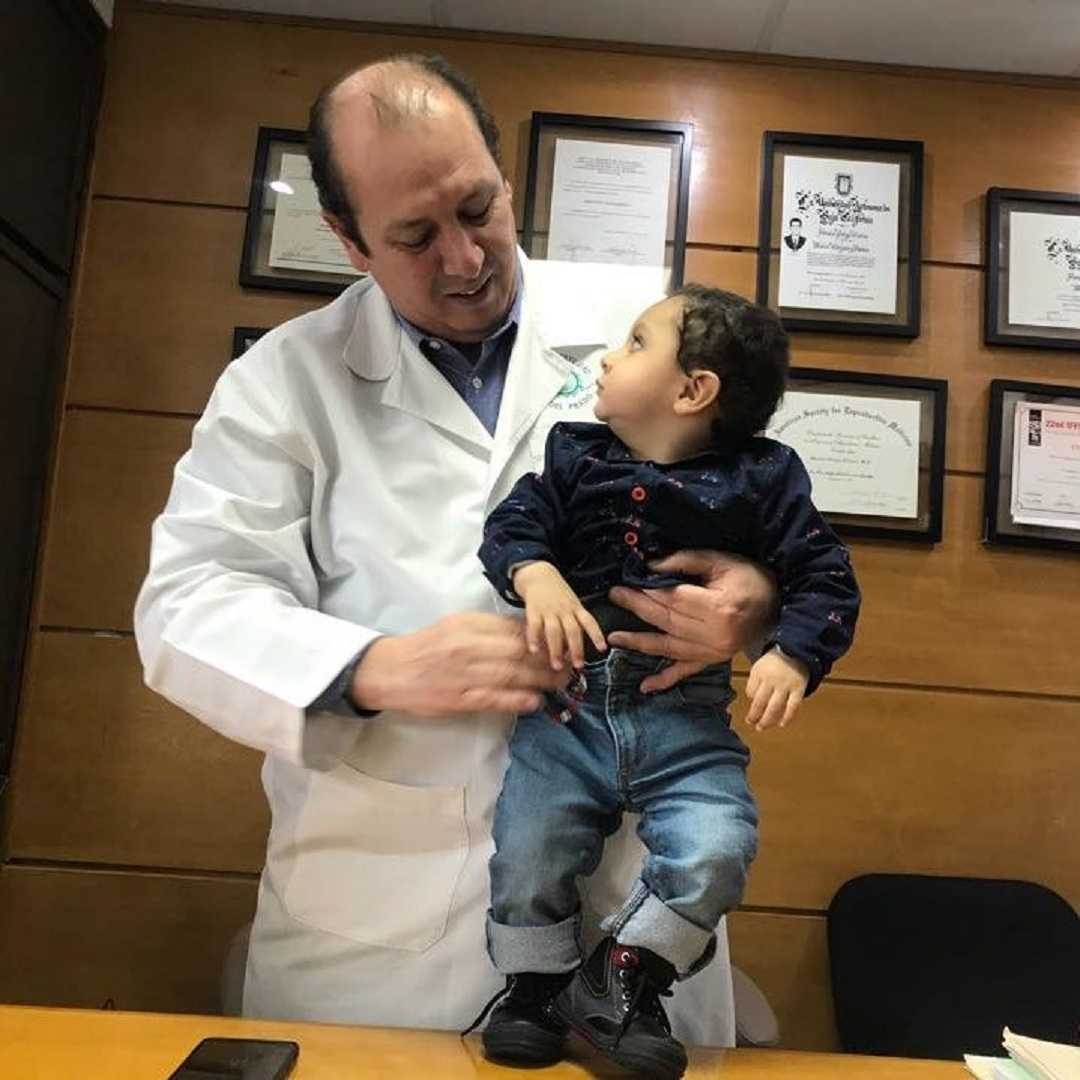



Dr. Francisco Javier Piri Sarmiento
Dr. Javier Piri Sarmiento - IVF Specialist in Tijuana Mexico
- IVF Specialist
Tijuana, Mexico
Accessible High-Quality Fertility Care
Mexico has become a hub for reproductive medicine, attracting thousands of patients annually. The primary draw is the combination of high success rates and affordability.
Patients can access premium fertility centers in cities like Tijuana, Guadalajara, and Mexico City that are equipped with the latest microsurgical technology. The cost difference allows couples to afford the surgery without going into debt, reducing financial stress during their conception journey.
Experienced Microsurgeons
Because Mexico is a top destination for this procedure, surgeons here perform a high volume of tubal reversals—often hundreds per year. This high frequency hones their skills, leading to better surgical outcomes compared to doctors who only perform the procedure occasionally.
Their extensive experience with various types of ligations (burnt, tied, clipped) means they are better equipped to handle complex cases and successfully reconnect the tubes.
Logistical Convenience & Comfort
For North American patients, Mexico offers unmatched proximity. Short flights or even a drive across the border make the trip manageable.
Furthermore, the medical culture in Mexico emphasizes warm, patient-centric care. From bilingual staff who assist with travel logistics to comfortable recovery accommodations, the entire experience is designed to be low-stress, allowing you to relax and focus on healing before returning home.
Planning a surgery abroad can feel daunting, but you don't have to do it alone. PlacidWay acts as your guide and advocate, connecting you with trusted fertility specialists and ensuring a smooth, transparent process from your first inquiry to your recovery.
Provider Verification
We rigorously screen clinics and surgeons, verifying their board certifications, safety records, and experience with tubal reversals so you can choose with confidence.
Free Record Evaluation
We help you submit your operative reports to top specialists for a free preliminary evaluation, ensuring you are a good candidate before you travel.
Transparent Quotes
Receive detailed, no-obligation cost estimates from multiple clinics. We ensure you understand exactly what is included in your package to avoid financial surprises.
Direct Surgeon Access
We facilitate direct communication, including video calls, between you and your potential surgeon, allowing you to ask questions and build rapport.
Data-Driven Decisions
Access real patient reviews, before-and-after success stories, and comprehensive clinic profiles to make an informed choice for your family.
Dedicated Support
Our support team is available to guide you through the process, answer your concerns, and help you navigate the medical tourism experience safely.
Begin your journey toward growing your family today. Contact PlacidWay to receive your free personalized quote and take the first step toward tubal ligation reversal in Mexico.
Get Your Free Personalized Quote.png)





.png)
.png)
.png)
.png)





.png)
.png)








Share this listing