

内容
泰国长期以来一直是全球医疗旅游的领军者,其生育治疗的声誉在亚洲首屈一指。对于寻求性别选择试管婴儿的夫妇,泰国提供先进的解决方案——胚胎植入前遗传学检测(PGT-A)。尽管泰国法律主要针对出于医疗原因(例如高龄产妇或有遗传病史)的筛查,但这项全面的染色体检测能够以99.9%的准确率告知父母胚胎的性别,并确保移植的胚胎均为遗传健康的胚胎。
曼谷拥有众多获得JCI认证的医院和专业的生育中心,其水平足以媲美西方顶尖机构。这些诊所采用尖端技术,例如新一代测序(NGS)和胚胎镜(延时成像),以最大限度地提高妊娠率。高科技实验室、经验丰富的美国/欧洲培训专家以及泰国热情好客的服务,共同营造了有利于您生育之旅的环境。
此外,在泰国进行试管婴儿和基因筛查的费用远低于美国、澳大利亚或欧洲。患者可以享受包含从药物到豪华住宿等一切服务的优质护理套餐,同时还能在世界上最美丽的旅游胜地之一享受轻松的假期。
无论您是想平衡家庭关系还是筛查遗传疾病,泰国都能提供安全、规范且非常成功的生育途径。
你可知道?
泰国是亚洲少数几个拥有大量获得国际联合委员会(JCI)认证医院的国家之一。这一权威认证确保了泰国的生育诊所遵循与美国顶级医院相同的严格安全和质量标准,让国际患者对实验室条件和患者护理都倍感安心。
关键信息概览
诊所使用下一代测序 (NGS) 对所有 24 条染色体进行筛查,以确定性别并预防遗传疾病。
在曼谷,通过基因筛查进行体外受精的成功率与全球顶级中心相当,通常超过 65-70%。
治疗费用通常比美国或澳大利亚低 40-60%,套餐起价约为 8,500 美元。
胞浆内单精子注射(ICSI)通常包含在体外受精(IVF)套餐中,以最大限度地提高受精率。
生育专家通常在美国、英国或澳大利亚获得专业资格认证,以确保达到西方的执业标准。
许多诊所将针灸和按摩等保健疗法融入治疗中,以减轻压力并改善治疗效果。
轻松的“生育假期”
泰国的“生育假期”理念让夫妇可以在享受轻松假期的同时接受治疗。研究表明,降低压力水平可以对生育结果产生积极影响。泰国拥有世界一流的水疗中心、美丽的海滩和热情好客的服务,为取卵前的促排卵阶段提供了完美的放松环境。
选择合适的套餐可以大大简化您的就医流程。在下方,我们精心整理了曼谷和普吉岛一些顶级生育诊所的名单,这些诊所提供全面的试管婴儿套餐。这些套餐通常包含试管婴儿/卵胞浆内单精子注射(IVF/ICSI)周期、胚胎植入前遗传学检测(PGT-A,即二代测序NGS)染色体健康和性别筛查、药物以及机场接送服务。部分套餐还提供住宿合作。浏览这些选项,找到符合您特定需求和预算的套餐。
注意:大多数套餐包含对特定数量的胚胎进行筛查(例如,最多 5 或 8 个);额外的胚胎可能需要支付少量费用。

Price starting from $11,000
IVF with Gender Selection in Thailand by Gift Fertility Bangkok
Best IVF & Fertility Treatments at Gift Fertility Bangkok
- Fertility Treatment
Bangkok, Thailand
了解经济投入是您决策过程中至关重要的一环。下表清晰列出了在泰国进行 PGT-A 辅助生殖技术 (IVF) 的平均费用,并与美国和澳大利亚的价格进行了比较。虽然这些数字是估算值,但它们突显了可节省的巨额费用。即使加上差旅费,总费用通常也不到在西方国家所需费用的一半。
提示:在泰国进行包含 PGT-A(性别选择)的 IVF 周期通常费用为8,500 至 11,000 美元。
IVF with Gender Selection 中心成本比较 Thailand
| 提供者 | 程序 | 价格 |
|---|---|---|
| Best IVF & Fertility Treatments at Gift Fertility Bangkok | IVF with Gender Selection, Fertility Treatment | $11000 |
IVF with Gender Selection 成本比较 Thailand
| 国家 | 程序 | 价格 |
|---|---|---|
| United States | IVF with Gender Selection, Fertility Treatment | $20000 |
| Canada | IVF with Gender Selection, Fertility Treatment | $22000 |
您的成功很大程度上取决于您选择的实验室和诊所。我们精选了泰国顶尖的生育中心,这些中心以其在辅助生殖和遗传学领域的专长而闻名。这些诊所均经过严格筛选,拥有JCI认证、配备现代化胚胎学实验室(包括EmbryoScope+和NGS技术)以及经验丰富的国际患者团队。请浏览以下简介,了解更多关于他们的技术和成功率的信息。
标准:寻找提供“保证”疗程或对失败疗程有明确退款政策的诊所。
Best IVF & Fertility Treatments at Gift Fertility Bangkok
Bangkok, Thailand
Genesis Fertility Center in Bangkok Thailand
Bangkok, Thailand
直接聆听以往患者的讲述能带来莫大的安慰。以下视频见证了前往泰国实现家庭圆满的夫妇们的真实故事。观看这些视频,深入了解他们的个人经历、他们所接受的优质护理,以及成功平衡家庭生活的喜悦。
洞察:患者经常称赞医生们给予的个性化关注以及英语沟通的便捷性。
患者评价能真实反映医疗服务的质量。在本版块,您可以找到来自泰国专科医生的真实评价和评分,他们都曾委托泰国的专科医生进行生育治疗。阅读他们对诊所的组织架构、沟通清晰度以及整体就医体验的反馈,有助于您选择合适的医疗机构。
点评提示:请重点关注那些讨论国际患者协调员在安排后勤方面提供的支持的点评。

Is Gender Selection Legal in Thailand?
Gender selection for non-medical reasons, such as family balancing, is strictly illegal in Thailand under the Assisted Reproductive Technology Act. It is only permitted for medical purposes to prevent severe sex-linked genetic diseases. When planning fertility treatments abroad, understanding local laws is the most vital step in your journey. Many couples looking into gender selection in Thailand are often unaware of the strict legislative changes that occurred over the last decade. While the country was once known for having a highly permissive regulatory environment regarding reproductive technology, lawmakers and medical councils have since established rigid guidelines to align with international ethical standards. Today, Thailand offers advanced in vitro fertilization (IVF) and genetic testing facilities, but these services operate under clear legal boundaries. Whether you are traveling for standard fertility care or looking into specific genetic screening, knowing exactly what is and isn't permitted protects you from legal complications and helps you make informed healthcare decisions. Key Takeaways Non-medical gender selection (family balancing) is banned in Thailand. Preimplantation Genetic Testing (PGT) is legally restricted to screening for severe genetic conditions. The 2015 ART Act regulates all fertility treatments and strictly prohibits commercial sex selection. Only couples with a documented risk of sex-linked genetic diseases qualify for medical gender selection. International patients are bound by the same medical laws as Thai citizens when seeking treatment. Why did Thailand ban non-medical gender selection? Thailand banned social gender selection to prevent demographic imbalances, stop the commercialization of human reproduction, and align with global ethical medical standards. Before 2015, the landscape for assisted reproductive technology in Southeast Asia was largely unregulated. This regulatory gap led to a surge of international patients traveling specifically to choose the sex of their babies. Recognizing the ethical concerns of creating artificial gender imbalances in society, the Thai government intervened. The turning point was the introduction of the Protection of Children Born from Assisted Reproductive Technologies Act (often simply called the ART Act) in 2015. This legislation overhauled the entire fertility industry in the country. It explicitly outlawed commercial surrogacy and banned gender selection for social reasons, commonly referred to as family balancing. The Medical Council of Thailand supports these regulations, asserting that medical technology should be used to treat infertility and prevent disease, not to fulfill personal preferences regarding a child's sex. Consequently, clinics must adhere to stringent reporting and operational standards to maintain their licenses. Can I use PGT-A or PGD for family balancing in Thailand? No, using genetic testing technologies like PGT-A or PGD specifically to choose the sex of your baby for social reasons is strictly prohibited by Thai law. Preimplantation Genetic Testing for Aneuploidies (PGT-A) and Preimplantation Genetic Diagnosis (PGD) are highly advanced technologies used during IVF. They involve removing a few cells from a developing embryo to screen its DNA before it is transferred to the uterus. In many fertility clinics across Thailand, PGT-A is routinely and legally performed to screen for chromosomal abnormalities, such as Down syndrome. This helps increase the chances of a healthy pregnancy and reduces the risk of miscarriage. However, doctors are legally forbidden from disclosing the sex of the embryos to the parents or selecting which embryo to transfer based on its gender. If your primary motivation for pursuing IVF and genetic testing is family balancing, you will find that compliant medical facilities in Thailand will decline to provide this specific service. Testing is strictly limited to medical health verification. What medical conditions qualify for legal gender selection in Thailand? Gender selection is legally permitted only when a couple carries genes for severe, sex-linked genetic disorders that could be fatal or debilitating to a child of a specific sex. The only exception to the gender selection ban in Thailand is a documented, verifiable medical necessity. Certain genetic diseases are inherited differently depending on the sex of the child. These are known as X-linked or Y-linked disorders. To qualify for medical gender selection, patients must undergo thorough genetic counseling and present medical evidence showing a high risk of transmitting a serious disease. Examples of conditions that may justify medical sex selection include: Hemophilia: A severe bleeding disorder typically affecting males. Duchenne Muscular Dystrophy: A degenerative muscle disease primarily passed to male offspring. Fragile X Syndrome: A genetic condition causing intellectual disability, where severity often links to the child's sex. How does the Assisted Reproductive Technology Act affect international patients? International patients traveling for fertility care are subject to the exact same legal restrictions and requirements as Thai citizens under the ART Act. Many people assume that foreign citizens paying out of pocket might have access to services that locals do not. In the context of reproductive medicine, this is entirely false. The laws governing medical tourism in Thailand ensure that all medical practices happening within the country's borders comply with national legislation. Under the ART Act, fertility treatments are legally restricted to married heterosexual couples. Single women, same-sex couples, and unmarried couples are currently excluded from accessing IVF and related technologies in Thailand, regardless of their nationality. Furthermore, the ban on social sex selection and commercial surrogacy applies uniformly to everyone. Patients traveling from abroad must provide official documentation, including a valid marriage certificate translated and legalized according to local requirements, before any clinic can initiate treatment. Are there legal alternatives for family balancing near Thailand? Because Thailand bans social gender selection, patients seeking family balancing must look to destinations where the legal framework explicitly permits the practice for non-medical reasons. Since you cannot legally pursue family balancing in Thailand, couples often explore other regions. The legality of gender selection varies drastically across the globe, heavily influenced by regional ethics, religious beliefs, and medical policies. While many countries in Europe and Asia maintain strict bans similar to Thailand, certain jurisdictions in North America and parts of the Middle East have more permissive regulations regarding family balancing. In these locations, private clinics may offer IVF combined with PGT specifically for choosing a child's sex. If you choose to seek treatment in another country, it is critical to consult with local legal and medical professionals. You must ensure the clinic operates safely, transparently, and in full compliance with that nation’s specific reproductive laws. What happens if a gender selection clinic in Thailand offers non-medical services? Any clinic offering illegal gender selection faces severe penalties, including hefty fines, closure, and the revocation of the attending physicians' medical licenses. The Thai Ministry of Public Health and the Medical Council of Thailand actively monitor and regulate fertility centers. If a facility markets itself as a gender selection clinic in Thailand for social reasons, it is operating entirely outside the law. Participating in illegal medical procedures poses massive risks to the patient. Unregulated clinics often bypass standard safety protocols, operate in secrecy, and lack emergency support if complications arise during egg retrieval or embryo transfer. Furthermore, if the authorities raid or close a clinic while you are undergoing treatment, your cycle will be abruptly terminated. You could lose your financial investment, face legal questioning, and experience significant emotional and physical distress. Always ensure your chosen provider adheres strictly to national laws. How much does legally permitted IVF with genetic testing cost? For patients who legally qualify for medical gender selection or standard chromosomal screening, the estimated cost of an IVF cycle with genetic testing ranges from $7,000 to $12,000 USD. If you meet the stringent medical criteria to screen embryos for sex-linked diseases, you will still need to plan for the financial aspects of care. The gender selection cost in Thailand for medical cases relies entirely on the complexity of the IVF cycle and the depth of the genetic testing required. A typical pricing structure includes several components: Stimulation Medications: Often making up a significant portion of the cost, depending on the dosage your body requires. Laboratory Fees: Covers egg retrieval, sperm preparation, and ICSI (Intracytoplasmic Sperm Injection) if needed. Genetic Biopsy and Analysis: PGT-M (testing for specific monogenic diseases) often costs more than standard aneuploidy screening. Embryo Transfer: The medical procedure of placing the healthy embryo into the uterus. Important Consideration: These costs are estimates and do not include travel, accommodation, or unforeseen medical complications. Prices vary significantly between hospitals and specialized private clinics. How do clinics verify the medical need for gender selection? Clinics require a comprehensive review of your medical history, family genetics, and formal evaluations from certified genetic counselors to authorize medical sex selection. Because the law provides a very narrow exception for gender selection, fertility specialists must rigorously document their justification for performing the procedure. You cannot simply state that you have a family history of a disease; you must prove it through verified medical channels. The process usually begins with genetic counseling. A specialist will map out your family tree and order blood tests or karyotyping for both partners. If a specific sex-linked genetic mutation is identified, the medical team will create a customized probe to look for that exact mutation during the embryo testing phase. All this documentation is kept on file by the clinic. In the event of an audit by the Ministry of Public Health, the clinic must be able to present clear, undeniable evidence that the sex selection was performed strictly to save the future child from a severe genetic illness. Is medical tourism in Thailand still viable for other fertility treatments? Yes, Thailand remains a highly respected destination for standard fertility treatments like IVF, egg freezing, and ICSI, provided patients meet the legal marriage requirements. Despite the ban on social sex selection and surrogacy, medical tourism in Thailand continues to thrive in the fertility sector. The country is home to numerous internationally accredited hospitals and modern clinics staffed by reproductive endocrinologists who have trained globally. Patients travel to Bangkok and other major cities to access high-quality care at a lower cost compared to North America or Europe. Standard treatments, including ovarian stimulation, egg freezing for fertility preservation, and IVF for overcoming basic infertility, are completely legal and widely available. The stringent laws now in place have actually improved the overall safety and quality of the medical landscape. By eliminating unregulated practices, patients can feel confident that licensed clinics operate under strict clinical oversight and prioritize patient health over commercial interests. What should patients consider before traveling for fertility care? Patients must verify their legal eligibility, compile comprehensive medical records, arrange for proper translation of documents, and consult with specialists before booking travel. Embarking on a medical journey abroad requires meticulous preparation. Before purchasing flights or committing to a clinic, you must ensure that you meet the legal criteria for treatment in your chosen destination. For Thailand, this means confirming you are part of a legally married heterosexual couple with a valid marriage certificate. Gather all previous medical records, fertility test results, and notes from previous IVF cycles if applicable. Having these documents translated into English (or Thai) will streamline your initial consultations and help doctors formulate an accurate treatment plan. Finally, remember that fertility treatments are not guaranteed to succeed on the first try. You should physically prepare for the possibility of needing an extended stay or returning for a subsequent cycle. Discuss the protocol for managing potential complications—such as Ovarian Hyperstimulation Syndrome (OHSS)—with both your home physician and your overseas specialist. Why Choose PlacidWay for Medical Tourism in Thailand? Navigating international healthcare regulations can be complex. PlacidWay offers a structured approach to helping patients find appropriate and legally compliant medical care abroad. Clinic Profiles PlacidWay provides access to detailed clinic profiles, doctor qualifications, and facility accreditations to aid in your research. Global Comparison The platform allows you to compare legal, regulated fertility treatments across multiple international destinations. Pricing Transparency Patients can review estimated pricing structures and treatment costs before committing to a specific medical facility. Direct Connection The portal connects individuals directly with healthcare providers for personalized medical consultations. Educational Resources PlacidWay offers educational materials to help patients understand local medical laws and treatment guidelines before traveling. Frequently Asked Questions Can I choose the gender of my baby through IVF in Thailand? No, you cannot choose the gender of your baby for social reasons or family balancing. Thai law restricts gender selection exclusively to cases where it is medically necessary to prevent severe sex-linked genetic diseases. Is sperm spinning or Microsort legal for gender selection in Thailand? Any technology used specifically to select the sex of a baby for non-medical reasons, including sperm sorting techniques, falls under the national ban on social gender selection. What is the penalty for illegal gender selection in Thailand? Medical professionals caught offering illegal gender selection face severe consequences, including hefty fines, imprisonment, and the revocation of their medical licenses. The clinic itself may also be permanently closed. Can a single woman or same-sex couple undergo IVF in Thailand? Under the current Assisted Reproductive Technology Act, fertility treatments using ART are legally restricted to legally married heterosexual couples. Do Thai hospitals report international patients who request family balancing? Doctors and clinics will simply refuse to provide the service and inform you of the legal restrictions. You are expected to respect local laws during your medical consultation. Is PGT-A allowed to check for chromosomal abnormalities in Thailand? Yes, Preimplantation Genetic Testing for Aneuploidies (PGT-A) is completely legal and frequently used to screen embryos for chromosomal abnormalities like Down syndrome, but the clinic cannot legally disclose or select the embryo based on sex. How long does a legal IVF and PGD cycle take in Thailand? A standard IVF cycle combined with genetic testing typically takes between three to six weeks. International patients often need to plan for an extended stay or multiple shorter trips. Can I bring my own embryos to Thailand for gender selection? Importing or exporting embryos, sperm, or eggs for commercial purposes or to bypass national laws regarding gender selection is strictly prohibited under Thai regulations. Does insurance cover medically necessary gender selection? Standard travel or health insurance rarely covers fertility treatments. Some specialized global health policies might offer partial coverage for genetic screening if there is a documented history of severe genetic disease, but this requires thorough verification. What documentation do I need for legal genetic screening in Thailand? Patients must provide a valid marriage certificate, comprehensive medical records, documented family history of a sex-linked genetic condition, and reports from prior genetic counseling. Compare Treatment Options Connect with verified medical providers globally to discuss legally compliant fertility treatments and gather the information you need. Request Treatment Information References Guidelines on Assisted Reproductive Technology - The Medical Council of Thailand Legislation and regulations of assisted reproductive technology in Asia - National Center for Biotechnology Information (NCBI) Infertility and Assisted Reproduction - World Health Organization (WHO) Ethics Committee Documents on Sex Selection - American Society for Reproductive Medicine (ASRM) Protection of Children Born from Assisted Reproductive Technologies Act - Ministry of Public Health Thailand Guidelines for Preimplantation Genetic Testing - International Society for Stem Cell Research Medical Disclaimer: The information provided in this article is for educational and informational purposes only and does not constitute medical or legal advice. Fertility laws change, and medical outcomes vary significantly depending on individual health conditions and genetic factors. We do not endorse any illegal activities or methods to bypass national regulations. Always consult with a qualified healthcare professional and legal counsel to assess your specific eligibility, understand treatment risks, and verify compliance with local legislation before pursuing medical care abroad.
IVF Gender Selection in Thailand: A Complete Guide to Family Balancing
IVF gender selection in Thailand allows couples to choose the sex of their baby through advanced reproductive technologies. This process, also called family balancing, is done using Preimplantation Genetic Diagnosis (PGD) or Preimplantation Genetic Screening (PGS), which identifies the embryo’s gender before implantation. Many couples from around the world travel to Thailand for IVF with gender selection because of the country’s high success rates, affordable costs, and world-class fertility clinics. However, it’s essential to understand the legal regulations, procedures, costs, and best clinics before making a decision. Who Is Eligible for IVF with Family Balancing in Thailand? Thailand has specific regulations for gender selection through IVF. Eligibility criteria may vary by clinic, but common factors include: Medical necessity – Gender selection may be permitted to prevent genetic disorders linked to a specific gender. Family balancing – Couples with at least one child of a specific gender may qualify to select an embryo of the opposite sex. Psychological assessment – Some clinics require counseling or psychological evaluations to ensure parents understand the implications of family balancing. It’s essential to choose a licensed fertility clinic in Thailand that follows the country’s strict ethical and medical guidelines. Step-by-Step IVF Gender Selection Process in Thailand The IVF with gender selection process follows these steps: Initial Consultation & Assessment – A fertility specialist evaluates the couple’s reproductive health and eligibility. Ovarian Stimulation – Fertility medications stimulate egg production. Egg Retrieval – Mature eggs are collected from the ovaries. Sperm Collection – The male partner provides a sperm sample, which is processed to select healthy sperm. Fertilization – The eggs are fertilized in a lab using IVF or ICSI (Intracytoplasmic Sperm Injection). Genetic Testing & Gender Selection – PGD/PGS testing determines the gender of embryos, allowing parents to select their preferred sex. Embryo Transfer – The selected embryo is transferred into the uterus. Pregnancy Test – A blood test confirms pregnancy after 10-14 days. This process ensures over 99% accuracy in selecting the desired gender, making it one of the most reliable methods for family balancing. How Much Does IVF Gender Selection Cost in Thailand? The cost of IVF with gender selection in Thailand depends on the clinic, procedures, and additional services required. Below is a general cost breakdown: Treatment/Service Estimated Cost (USD) Basic IVF Treatment $8,000 - $12,000 PGD/PGS for Gender Selection $3,000 - $5,000 Total Cost (IVF + Gender Selection) $11,000 - $17,000 Additional Fertility Medications $1,500 - $3,500 Embryo Freezing & Storage $500 - $1,000 per year Some clinics in Thailand offer IVF packages that include accommodations, transportation, and additional fertility services. Comparison: IVF Costs in Thailand vs. Other Countries Country IVF with Gender Selection Cost Thailand $11,000 - $17,000 United States $20,000 - $30,000 United Kingdom $15,000 - $25,000 Australia $18,000 - $28,000 Thailand remains one of the most affordable destinations for high-quality, legally permitted gender selection IVF treatments. 5 Essential Tips Before Family Balancing in Thailand Research IVF Clinics – Choose a licensed and accredited clinic with experience in gender selection. Maintain a Healthy Lifestyle – A balanced diet, exercise, and stress management improve fertility outcomes. Plan Financially – Understand the total costs, including medications, embryo freezing, and follow-up treatments. Seek Emotional Support – IVF can be an emotional process; consider counseling or support groups. Communicate with Your Partner – Keep open discussions about expectations, concerns, and decisions. Benefits of Family Balancing in Thailand Accurate Gender Selection – PGD/PGS testing ensures 99% accuracy in choosing the desired gender. Genetic Disorder Prevention – Screen embryos for over 100 genetic diseases before implantation. Higher IVF Success Rates – Selecting the healthiest embryos increases pregnancy success rates. Affordable Treatment Costs – IVF in Thailand is 50-70% cheaper than in the U.S. or Australia. Top-Quality Medical Facilities – Thailand has world-class fertility centers with experienced specialists. Top IVF Clinics in Thailand for Gender Selection If you’re considering IVF with gender selection in Thailand, these clinics are known for high success rates and excellent patient care: Clinic Name Location Specialty First Fertility PGS Center Bangkok Advanced PGD/PGS & Family Balancing Beyond IVF Bangkok High IVF Success Rates & Personalized Care These clinics offer state-of-the-art reproductive technology, experienced specialists, and full-service fertility treatments. Best IVF Doctors in Thailand for Gender Selection Doctor Name Clinic Expertise Dr. Watcharaporn Weerakul First Fertility PGS Center IVF & PGD Expert Dr. Phunsak Suchonwanit Beyond IVF Gender Selection & Fertility Specialist IVF Success Rates in Thailand Success rates depend on factors such as age, embryo quality, and reproductive health. On average: 50-65% success rate for women under 35 30-50% success rate for women aged 35-40 15-30% success rate for women over 40 Using donor eggs or embryos increases the chances of a successful pregnancy. Did You Know? Thailand is a leading destination for medical tourism, including fertility treatments. Many IVF clinics offer full packages, including hotel stays and airport transfers. PGD testing not only helps with gender selection but also reduces the risk of genetic disorders. FAQs About IVF Gender Selection in Thailand 1. Is IVF gender selection legal in Thailand? Yes, Thailand allows IVF gender selection for medical reasons and family balancing. 2. How much does IVF with gender selection cost in Thailand? The cost ranges from $11,000 to $17,000 USD, depending on the clinic and procedures. 3. How accurate is gender selection through IVF in Thailand? IVF with PGD/PGS has a 99% accuracy rate, ensuring the selected embryo is of the desired gender. 4. How long does the IVF process take in Thailand? The entire process takes 4 to 6 weeks, with international patients staying for 2 to 3 weeks for procedures. 5. Are IVF clinics in Thailand internationally accredited? Yes, many fertility clinics in Thailand have international accreditation and use the latest reproductive technologies. Start Your IVF Gender Selection Journey in Thailand Today! Thailand offers world-class fertility treatments, high success rates, and cost-effective options for IVF with gender selection. If you’re ready to explore your options, contact a top fertility clinic in Thailand today and take the next step toward completing your family!
What Is the IVF Gender Selection Cost in Thailand Pattaya & Is It Worth It?
The estimated IVF gender selection cost in Thailand (Pattaya) ranges from $8,000 to $12,000. Thai law strictly prohibits gender selection for family balancing; it is only legally permitted to prevent severe sex-linked genetic disorders. Navigating the world of fertility treatments can be overwhelming, especially when considering options abroad. For patients carrying genetic mutations, combining in vitro fertilization (IVF) with preimplantation genetic testing (PGT) offers a pathway to a healthy pregnancy. Many international patients look toward Southeast Asia for these services, drawn by advanced medical infrastructure and comprehensive care. Understanding the actual IVF gender selection cost in Thailand—and the strict legal framework surrounding it—is the first crucial step for anyone considering this journey. This guide explores the medical procedures, estimated expenses, legal restrictions, and overall value of pursuing fertility care in the coastal city of Pattaya. Key Takeaways Legal Restriction: Sex selection in Thailand is strictly limited to medical necessities (preventing sex-linked genetic diseases) and is illegal for non-medical family balancing. Estimated Costs: A full IVF cycle with genetic testing in Pattaya typically ranges between $8,000 and $12,000, depending on individual medication needs. The Procedure: Gender is identified during Preimplantation Genetic Testing (PGT), which primarily screens embryos for chromosomal abnormalities and inherited diseases. Medical Tourism Hub: Pattaya offers internationally accredited facilities, combining advanced reproductive technology with a calm, low-stress environment for recovery. Time Commitment: International patients should plan for a stay of approximately three to four weeks for a complete treatment cycle. What are the current legal regulations for gender selection in Thailand? Thailand's 2015 Assisted Reproductive Technology law strictly bans gender selection for non-medical reasons. You can only undergo this procedure to prevent severe sex-linked genetic diseases. It is vital for international patients to understand that the legal landscape for fertility treatments in Thailand changed significantly in 2015. The Protection of Children Born from Assisted Reproductive Technologies Act was implemented to heavily regulate the fertility industry. Under this law, commercial surrogacy and sex selection for family balancing were strictly outlawed. Today, any reputable IVF gender selection clinic in Thailand operates under the mandate that embryo screening can only be performed for medical purposes. If a couple carries a known sex-linked genetic mutation—such as Duchenne muscular dystrophy or fragile X syndrome—doctors are legally permitted to use preimplantation genetic testing to identify the sex of the embryo. This ensures that only embryos not at risk of developing the debilitating disease are transferred to the uterus. Patients traveling for medical tourism in Thailand must be prepared to provide extensive medical documentation proving their genetic carrier status before a clinic will approve testing that reveals embryo gender. Attempting to bypass these laws is illegal and unethical, and legitimate medical professionals will not accommodate requests based solely on parental preference. How much does the complete IVF with PGD process cost in Pattaya? Patients typically pay between $8,000 and $12,000 for a standard IVF cycle paired with preimplantation genetic testing in Pattaya. When evaluating the financial aspect of fertility treatments abroad, clarity is essential. The cost in Pattaya is often more competitive than in Western countries, but it still represents a significant investment. The baseline price generally covers the core medical procedures required to create, test, and transfer an embryo. To provide a clearer picture, here is a breakdown of what is typically included in that estimated range: Treatment Phase What It Typically Includes Pre-treatment Initial consultations, baseline blood tests, and pelvic ultrasounds. Ovarian Stimulation Hormone medications to stimulate egg production and monitoring scans. Retrieval & Fertilization Surgical egg retrieval, anesthesia, sperm preparation, and ICSI (Intracytoplasmic Sperm Injection). Genetic Testing Embryo biopsy and PGT analysis (usually capped at a specific number of embryos, e.g., 4 to 8). Embryo Transfer Preparation of the uterine lining and the transfer of a medically cleared embryo. Please note: The figures above are estimates. Prices vary by facility, changes in medication protocols, and currency exchange rates. What factors influence your overall IVF gender selection cost in Thailand? Your final expenses will depend on medication requirements, the number of embryos tested, and the specific genetic screening technology utilized. While the base price provides a helpful guideline, individual medical needs dictate the final bill. The most significant variable in any IVF cycle is the cost of stimulation medications. A younger patient with a high ovarian reserve may require lower doses of hormones, whereas a patient with diminished reserve might need higher doses over a longer period, significantly increasing the pharmacy bill. Another major factor is the genetic testing itself. Clinics typically include the biopsy and screening of a set number of embryos in their standard packages. If you are fortunate enough to yield a high number of viable embryos, testing the additional ones will incur extra laboratory fees per embryo. Lastly, patients must factor in the possibility of needing a frozen embryo transfer (FET) rather than a fresh transfer. Often, the time required to receive comprehensive genetic test results means embryos must be frozen. The medications to prepare the uterus for an FET, alongside cryopreservation storage fees, will add to the overall financial commitment. Important Consideration: Travel Expenses Do not forget to budget for your time in Thailand. Flights, a 3–4 week hotel stay, food, and local transportation in Pattaya are separate from your medical bills and should be factored into your financial planning. How does the PGD/PGT process work for genetic screening? PGT involves extracting a few cells from a developing embryo to screen its DNA for genetic abnormalities and chromosomal makeup before transfer. Preimplantation Genetic Testing (PGT) is a sophisticated laboratory procedure performed in conjunction with IVF. After eggs are retrieved and fertilized, usually via Intracytoplasmic Sperm Injection (ICSI), the resulting embryos are cultured in an incubator for five to six days until they reach the blastocyst stage. Once an embryo reaches this stage, an embryologist carefully performs a biopsy. They remove a minute number of cells from the trophectoderm—the part of the embryo that will eventually form the placenta, leaving the inner cell mass (which forms the fetus) untouched. These extracted cells are then sent to a genetics laboratory for DNA analysis. The testing can look for overall chromosomal normalcy (PGT-A) or specific single-gene disorders (PGT-M). Because the sex chromosomes (X and Y) are evaluated during this process to rule out sex-linked diseases, the gender of the embryo is naturally revealed to the medical team. Only embryos that are free from the targeted genetic disorders are cleared for transfer to the patient's uterus. Is traveling to an IVF gender selection clinic in Thailand worth it? For couples at risk of passing on severe genetic disorders, the medical benefits, advanced technology, and comprehensive care often make the investment worthwhile. Deciding if international fertility treatment is "worth it" is highly subjective and depends heavily on a family's medical needs and financial situation. For those who are carriers of debilitating sex-linked diseases, the ability to ensure their child will not suffer from these conditions is often viewed as invaluable. The emotional relief of knowing an embryo is medically cleared before pregnancy begins can drastically reduce the anxiety associated with high-risk pregnancies. From a practical standpoint, Thailand remains a highly regarded destination for medical care. The country has heavily invested in healthcare infrastructure, and many fertility specialists practicing in Pattaya have received training internationally. The laboratories are equipped with modern technology required for delicate procedures like embryo biopsy and vitrification (fast-freezing). Furthermore, the cost of treatment, even when factoring in travel expenses, is often lower than in North America or parts of Europe. When combined with the high standard of clinical care and the supportive, hospitality-focused culture of Thailand, many international patients find the overall experience provides excellent value. Who is an ideal candidate for medically indicated sex selection? Suitable candidates typically include individuals carrying genetic mutations for sex-linked conditions such as hemophilia or Duchenne muscular dystrophy. Because Thailand restricts gender selection to medical necessity, candidates must meet specific clinical criteria. Ideal candidates are typically couples who have undergone genetic counseling and have been identified as carriers of X-linked recessive disorders. In these conditions, female offspring may become carriers without showing symptoms, while male offspring have a significantly higher risk of inheriting and suffering from the disease. Conditions that commonly warrant this type of screening include: Hemophilia A and B Duchenne and Becker muscular dystrophy Fragile X syndrome Certain types of severe combined immunodeficiency (SCID) In addition to genetic carrier status, candidates must be medically suitable for IVF. This requires a thorough evaluation of the female partner's ovarian reserve, uterine health, and overall physical ability to carry a pregnancy, as well as an assessment of the male partner's sperm quality. What are the potential risks and limitations of IVF and PGT? Like any medical procedure, IVF carries risks such as ovarian hyperstimulation syndrome (OHSS), multiple pregnancies, and potential damage to the biopsied embryo. It is crucial to approach fertility treatments with a realistic understanding of the medical risks. The ovarian stimulation phase requires daily hormone injections, which can lead to side effects ranging from mild bloating and mood swings to Ovarian Hyperstimulation Syndrome (OHSS). While severe OHSS is rare, it requires immediate medical management to prevent complications such as fluid buildup in the abdomen or blood clots. The surgical egg retrieval carries standard risks associated with anesthesia, as well as a small risk of bleeding or pelvic infection. Regarding the genetic testing, while embryologists are highly skilled, the biopsy procedure inherently carries a small risk of damaging the embryo, which could arrest its development. A significant limitation patients must prepare for is the possibility of cycle cancellation. Sometimes, ovaries do not respond to medication, or fertilization fails. Furthermore, PGT may reveal that all resulting embryos carry the genetic abnormality, leaving no healthy embryos available for transfer. Comprehensive discussions with a reproductive endocrinologist are essential to set realistic expectations. How long should you plan to stay in Pattaya for IVF treatment? Most international patients need to plan for a stay of three to four weeks to accommodate the entire stimulation, retrieval, and transfer process. Timing is a critical factor for patients pursuing medical tourism in Thailand. IVF is a time-sensitive procedure tied directly to the female patient's menstrual cycle. Typically, treatment begins on the second or third day of menstruation. The ovarian stimulation phase involves daily injections and frequent clinic visits for blood tests and ultrasounds over 10 to 12 days. Following stimulation, the egg retrieval is scheduled. If a patient is undergoing genetic testing, the embryos must grow in the laboratory for five to six days before biopsy. Because the genetic analysis itself takes several days to a week, clinics often freeze the biopsied embryos. Patients have two options regarding their travel timeline. They can stay in Pattaya for an extended period (about a month) waiting for results and preparing the uterus for a frozen transfer, or they can fly home after the egg retrieval and return to Thailand a few months later for a shorter trip solely for the embryo transfer. What should you look for in a fertility clinic in Pattaya? Prospective patients should seek out clinics with international accreditation, in-house genetic laboratories, and transparent success rate reporting. Selecting the right healthcare provider is the most important decision in your fertility journey. When researching facilities in Pattaya, look for clinics that hold accreditations from recognized domestic and international health organizations. These credentials indicate adherence to strict safety and quality control standards. Because you are seeking genetic screening, inquire whether the clinic has an in-house genetics laboratory or if they send biopsies to an external facility. In-house labs can sometimes reduce the waiting time for results and minimize the handling of delicate embryonic material. Furthermore, prioritize transparency. A reputable clinic will provide clear, itemized cost estimates without hidden fees and will be honest about their success rates relative to your specific age and medical background. They should also clearly communicate their adherence to Thailand's legal restrictions regarding sex selection, ensuring you are receiving lawful, ethical care. Why Choose PlacidWay for Medical Tourism in Thailand? Planning medical treatment abroad involves managing numerous details, from understanding complex procedures to finding reputable healthcare providers. PlacidWay exists to support patients through this research and planning phase by offering comprehensive, educational resources. Extensive Network: PlacidWay connects patients with a wide network of internationally accredited hospitals and specialized fertility centers globally, including in Thailand. Educational Resources: They provide detailed, factual information about various medical procedures, helping patients understand their options before making decisions. Transparent Provider Profiles: Patients can review clinic credentials, physician qualifications, and facility capabilities in one centralized location. Facilitated Communication: The platform helps bridge the initial communication gap between international patients and overseas medical teams. Customized Information: PlacidWay allows patients to request specific information and treatment estimates based on their unique medical requirements. Frequently Asked Questions Can I undergo IVF gender selection in Pattaya solely for family balancing? No. Under Thailand's 2015 Assisted Reproductive Technology law, sex selection for non-medical reasons, such as family balancing, is strictly prohibited. It is only permitted to prevent the transmission of severe sex-linked genetic disorders. Does the estimated IVF cost in Thailand include travel and accommodation? No, the estimated medical costs typically only cover the clinical procedures, laboratory fees, and standard fertility medications. Flights, accommodation, and daily living expenses in Pattaya must be budgeted separately. Are IVF success rates guaranteed if I use preimplantation genetic testing? No medical procedure can offer a 100% guarantee. While genetic testing can help identify embryos without specific chromosomal abnormalities, success rates depend heavily on maternal age, egg quality, uterine health, and other individual medical factors. What is the difference between PGT-A and PGT-M? PGT-A screens embryos for overall chromosomal abnormalities (aneuploidy), while PGT-M looks for specific single-gene mutations (monogenic disorders) that a patient is known to carry, such as hemophilia. Can extra embryos be frozen for future use in Pattaya clinics? Yes, most modern fertility clinics in Thailand offer cryopreservation (freezing) for viable embryos that are not used in the initial transfer cycle. This allows you to attempt another pregnancy in the future without repeating the egg retrieval process. How many trips to Thailand will I need for a complete IVF cycle? Many patients complete the process in a single trip lasting three to four weeks. However, some prefer a two-trip approach: one shorter trip for ovarian stimulation and egg retrieval, and a second trip a month or two later for the frozen embryo transfer. Is it safe to fly home immediately after an embryo transfer? Generally, flying after an embryo transfer does not negatively impact implantation rates. However, most reproductive endocrinologists advise resting for 24 to 48 hours before undertaking a long-haul flight. Always consult your treating physician. What happens if no healthy embryos are identified during genetic testing? If the genetic screening reveals that all embryos carry the targeted genetic disorder or chromosomal abnormalities, an embryo transfer will not be performed. You and your doctor will then discuss alternative options, which may include another IVF cycle or using donor gametes. Do healthcare teams in Pattaya fertility clinics speak English? Yes, clinics that frequently treat international patients usually have fluent English-speaking doctors and dedicated patient coordinators. Many facilities also provide translation services for other languages. Are there age limits for undergoing IVF treatments in Thailand? While there is no strict national legal age limit, individual clinics usually set their own policies based on medical safety and efficacy. Many clinics will not perform IVF using a woman's own eggs past the age of 45 to 50 due to significantly reduced success rates and increased health risks. Compare Treatment Options Gather the information you need to make an informed decision about your fertility care abroad. Request Treatment Information References Use of preimplantation genetic testing for monogenic defects (PGT-M) – American Society for Reproductive Medicine (ASRM) Infertility Fact Sheet – World Health Organization (WHO) Preimplantation Genetic Testing: Current Status and Future Prospects – National Center for Biotechnology Information (NCBI) Preimplantation Genetic Testing – American College of Obstetricians and Gynecologists (ACOG) Guidelines on Assisted Reproductive Technology – The Medical Council of Thailand Assisted Reproductive Technology (ART) – Centers for Disease Control and Prevention (CDC) In vitro fertilisation (IVF) – Human Fertilisation and Embryology Authority (HFEA) Medical Disclaimer: The information provided in this article is for educational and informational purposes only and does not constitute medical advice. Fertility treatments, including IVF and PGT, carry medical risks and may not be suitable for everyone. Legal regulations regarding sex selection vary by country and are subject to change. Always consult with a qualified reproductive endocrinologist or healthcare professional for a personalized assessment of your medical history, eligibility, and treatment options.
How Much Does Gender Selection Cost in Thailand?
Choosing the gender of your baby is a deeply personal decision for many couples, often driven by a desire for family balancing or to avoid specific genetic disorders. Thailand has emerged as a prominent destination for gender selection through In Vitro Fertilization (IVF) combined with Preimplantation Genetic Diagnosis (PGD) or Preimplantation Genetic Screening (PGS). This advanced medical procedure offers a unique opportunity for prospective parents. This blog post will delve into the various aspects of gender selection cost in Thailand, providing a comprehensive overview of prices, procedures, and important considerations to help you make informed decisions on your path to parenthood. How much does a complete gender selection IVF cycle in Thailand cost? "A complete gender selection IVF cycle in Thailand typically costs between $12,000 to $15,000 USD, though some packages can range from $10,000 to $17,000, depending on the clinic and services included." A comprehensive gender selection IVF cycle in Thailand includes several stages, from initial consultation and ovarian stimulation to egg retrieval, fertilization, genetic testing, and embryo transfer. The price variations depend on factors such as the clinic's reputation, the specific technologies used, the number of embryos tested, and whether additional services like medication, embryo freezing, or extended genetic screening are part of the package. Many clinics offer all-inclusive packages designed to provide transparency and cover most of the necessary medical steps, making Thailand an attractive option for international patients seeking affordable gender selection without compromising on quality. What is included in the typical gender selection IVF package in Thailand? "A typical gender selection IVF package in Thailand usually includes initial consultation, ovarian stimulation medication, egg retrieval, laboratory procedures (IVF/ICSI), PGT-A/PGD testing for gender selection, embryo transfer, and initial pregnancy monitoring." These packages are designed to streamline the process for international patients. Beyond the core medical procedures, some clinics may also include services such as airport transfers, translation services, and assistance with accommodation arrangements. It's crucial to clarify with the chosen clinic what exactly is covered in their quoted price to avoid any unexpected costs. Understanding these inclusions helps in budgeting and planning your gender selection journey in Thailand effectively. Why is gender selection more affordable in Thailand compared to Western countries? "Gender selection in Thailand is often 40-60% more affordable than in countries like the US or Europe due to lower operational costs, competitive healthcare markets, and a strong focus on medical tourism." The cost difference can be attributed to several factors. Thailand has a lower cost of living and, consequently, lower labor costs for medical staff and facility maintenance. The competitive nature of the medical tourism industry in Thailand encourages clinics to offer more attractive pricing while maintaining high standards of care and technology. This combination of affordability and quality makes Thailand a leading destination for fertility treatments, including gender selection. Is gender selection legal in Thailand for non-medical reasons? "Yes, gender selection for non-medical reasons (also known as family balancing) is generally legal in Thailand, though it is primarily offered in conjunction with IVF and PGD/PGS procedures." Thailand's legal framework allows for gender selection for family balancing, unlike some Western countries where it may be restricted to medical reasons only (e.g., preventing sex-linked genetic disorders). This legality, combined with advanced medical facilities, makes Thailand a preferred choice for couples worldwide who wish to choose the sex of their baby. However, it's important to note that Thai law typically requires patients to be married couples to undergo IVF with gender selection. What are the eligibility criteria for gender selection IVF in Thailand? "Ideal candidates for gender selection IVF in Thailand typically include female partners under 43 years of age with good ovarian reserve, normal uterine cavity, and no major medical conditions, along with a valid marriage certificate as required by Thai law." These criteria ensure a higher chance of success for the procedure. Fertility clinics in Thailand conduct thorough assessments, including medical history reviews, hormonal profile testing, and semen analysis, to determine a couple's suitability for IVF with gender selection. Lifestyle modifications and stopping certain medications may also be advised prior to starting the treatment. How long does the gender selection IVF process take in Thailand? "The gender selection IVF process in Thailand typically takes 2-3 weeks for the active treatment phase, with preparation beginning 2-3 months prior, and a full pregnancy test result after about 34-35 days from the start of ovarian stimulation." The typical schedule involves: initial consultation and tests (Day 1-2), ovarian stimulation and monitoring (Day 2-12), egg retrieval (Day 13-14), embryo development and genetic testing (Day 14-19), embryo transfer (Day 19-20), and a pregnancy test two weeks after transfer. International patients usually plan a stay of at least 2-3 weeks in Thailand for the core procedures. What is Preimplantation Genetic Diagnosis (PGD) and how does it relate to gender selection? "Preimplantation Genetic Diagnosis (PGD) is a genetic testing technique used during IVF to screen embryos for specific genetic disorders and to determine their gender before implantation, ensuring only healthy embryos of the desired sex are transferred." PGD is crucial for gender selection because it allows embryologists to identify the sex chromosomes (XX for female, XY for male) of each embryo. This is done by taking a small biopsy from the embryo at the blastocyst stage (usually Day 5 or 6 of development) and analyzing its genetic material. Only the embryos with the desired gender, and that are free from tested genetic abnormalities, are then selected for transfer to the uterus. This technology is a cornerstone of effective gender selection IVF programs in Thailand. What are the success rates for gender selection IVF in Thailand? "Success rates for gender selection IVF in Thailand are generally high, often comparable to leading clinics worldwide, with reported success rates of 50-65% for women under 35, and varying based on the woman's age and embryo quality." While individual results can vary, many clinics in Thailand utilize advanced laboratory techniques and highly skilled specialists, contributing to favorable outcomes. Factors influencing success include the woman's age, ovarian reserve, sperm quality, and the number and quality of embryos available for transfer after PGD/PGS testing. Reputable clinics will provide transparent success rates based on their patient demographics. Are there any hidden costs in gender selection packages in Thailand? "While many gender selection packages in Thailand aim to be all-inclusive, potential hidden costs can include additional fertility medications beyond the package limit, extended embryo freezing and storage fees, or costs for multiple IVF cycles if the first one is unsuccessful." It's vital for patients to scrutinize the detailed breakdown of costs provided by clinics. Ask specific questions about what is and isn't included, such as the number of embryos covered for genetic testing, the duration of embryo storage, and any follow-up appointments or unexpected complications. Transparent communication with the clinic ensures a clear understanding of the total cost of gender selection in Thailand. What post-procedure care is involved after gender selection IVF in Thailand? "After gender selection IVF in Thailand, post-procedure care typically involves a pregnancy test approximately two weeks after embryo transfer, continued hormonal support, and follow-up consultations with the fertility specialist." Patients are usually advised to rest and avoid strenuous activities immediately after the embryo transfer. Clinics provide clear instructions regarding medication continuation (e.g., progesterone) to support early pregnancy. For international patients, clinics often offer remote follow-up options or coordinate care with their local healthcare providers to ensure continuous support. What happens if the first gender selection IVF cycle is unsuccessful? "If the first gender selection IVF cycle in Thailand is unsuccessful, clinics typically discuss options for a second cycle, which may involve additional costs for medication and procedures, or suggest alternative fertility treatments." Many clinics offer discounted rates for subsequent cycles or have packages that include multiple attempts. The fertility specialist will review the previous cycle's details to identify potential reasons for failure and adjust the treatment plan accordingly. It is important for couples to consider the possibility of needing more than one cycle when planning their gender selection journey and budgeting. What preparations are needed before traveling to Thailand for gender selection? "Before traveling to Thailand for gender selection, couples should undergo comprehensive fertility assessments, medical history review, hormonal profile testing, and semen analysis in their home country, and secure a valid marriage certificate." These preliminary tests help the Thai clinic create a personalized treatment plan and avoid unnecessary delays upon arrival. Additionally, patients should arrange for passports, visas (if required), travel insurance, and plan for accommodation and local transportation for their stay of several weeks. Preparing these aspects in advance ensures a smoother and less stressful gender selection experience in Thailand. Which clinics are reputable for gender selection in Thailand? "Reputable clinics for gender selection in Thailand include Genea Clinic, Safe Fertility Clinic, Bumrungrad International Hospital, Praram 9 Hospital, Takara IVF Bangkok, and First Fertility PGS Center, all known for their advanced technology and experienced specialists." These clinics are often internationally accredited (e.g., JCI, RTAC) and boast high success rates. When choosing a clinic for gender selection in Thailand, it is recommended to research their specific expertise in PGD/PGS, read patient testimonials, and inquire about their certifications and the qualifications of their medical team. How does PGT-A compare to PGD for gender selection? "PGT-A (Preimplantation Genetic Testing for Aneuploidies) screens embryos for chromosomal abnormalities, including sex chromosomes, while PGD (Preimplantation Genetic Diagnosis) specifically tests for single-gene disorders, though both can determine gender." In the context of gender selection, PGT-A is commonly used as it identifies aneuploidies (abnormal number of chromosomes) which includes screening for XX or XY chromosomes. This dual benefit allows for the selection of embryos that are both chromosomally normal and of the desired gender, potentially increasing the chances of a healthy pregnancy and birth. PGD, while also capable of gender identification, is more focused on preventing the transmission of known genetic diseases within a family. What are the ethical considerations surrounding gender selection? "Ethical considerations around gender selection primarily revolve around the concept of "designer babies," potential gender imbalance in society, and the moral implications of choosing traits for non-medical reasons." While gender selection is legal in Thailand, these ethical debates exist globally. Many argue that family balancing can bring psychological and social benefits to families, while others express concerns about the slippery slope towards eugenics. These considerations are personal and vary greatly among individuals and cultures. Can single parents undergo gender selection in Thailand? "Generally, IVF with gender selection in Thailand is available for married couples, and single parents may face legal obstacles in accessing these services." Thai law often requires a valid marriage certificate for couples undergoing assisted reproductive technologies. It's essential for single individuals considering gender selection in Thailand to verify current regulations and clinic policies as they can vary. Explore PlacidWay for solutions related to medical tourism, healthcare services, or other relevant offerings.
Why is Thailand Considered a Leader in Medical Tourism Gender Affirming Care?
Thailand is a leader in gender affirming care due to its long history and expertise in transgender healthcare, highly skilled surgeons, and modern medical facilities. The combination of high-quality care, cultural acceptance, and significantly lower costs compared to Western countries makes it a top destination for medical tourists seeking gender affirming procedures. For many individuals around the world, the journey to align their physical appearance with their gender identity is a deeply personal and life-changing process. While gender affirming care is becoming more accessible globally, one country stands out as a pioneering destination: Thailand. Often referred to as the "Land of Smiles," Thailand has cultivated a strong reputation as a leader in medical tourism, particularly for gender affirming care. This reputation is built on a foundation of decades of experience, exceptional surgical expertise, and a welcoming cultural environment that makes patients feel comfortable and respected. If you're considering gender affirming surgery or other related treatments, it's natural to have questions about where to go and what to expect. Thailand's established infrastructure for medical tourism, combined with its specialized knowledge in this field, provides compelling answers. This blog post will explore the key reasons why Thailand has become a global hub for gender affirming care, addressing the most common questions people have about the quality, safety, and overall experience of seeking treatment there. From the highly skilled surgeons to the state-of-the-art clinics and the significantly lower costs, we'll cover everything you need to know to understand why so many people choose Thailand for this important step in their lives. What makes Thailand a global leader in gender affirming care? "Thailand is a global leader in gender affirming care due to its long-standing expertise, highly skilled surgeons, advanced medical facilities, and a supportive cultural environment for transgender individuals." Thailand's reputation as a top destination for gender affirming care is well-earned. The country has been performing these surgeries for nearly 50 years, giving its medical professionals a depth of experience that is hard to find elsewhere. This long history has allowed surgeons to perfect their techniques and specialize in the complex procedures required for gender affirmation. Beyond the experience of the surgeons, the medical infrastructure in Thailand is world-class. Many hospitals and clinics are modern, equipped with the latest technology, and hold international accreditations like JCI (Joint Commission International). This ensures that the standards of care, safety, and patient protocols are on par with, or even exceed, those in Western countries. Another significant factor is the cultural context. Thailand has a generally more open and accepting attitude towards transgender people compared to many other nations. This cultural understanding translates into compassionate and respectful care from medical staff, which is crucial for patients undergoing such a deeply personal and emotional journey. Patients often report feeling welcome and not judged, which greatly enhances their overall experience and recovery. What is the cost of gender affirming surgery in Thailand compared to the US? "The cost of gender affirming surgery in Thailand is significantly lower than in the US, with savings often ranging from 50% to 80% after factoring in travel and accommodation expenses." The affordability of gender affirming care is one of the primary reasons people choose Thailand. While procedures in the US can cost tens of thousands of dollars, or even more, a similar surgery in Thailand is a fraction of the price. For instance, a vaginoplasty (male-to-female surgery) in Thailand can range from $8,000 to $20,000, whereas in the US, the same procedure can easily exceed $40,000 to $60,000, and in some cases, much more. Here is a general cost comparison for common procedures: Procedure Average Cost in Thailand (USD) Average Cost in the US (USD) Vaginoplasty (MTF) $8,000 - $20,000 $40,000 - $60,000+ Phalloplasty (FTM) $12,000 - $22,000 $50,000 - $150,000+ Breast Augmentation (MTF) $2,000 - $5,000 $6,000 - $10,000+ Top Surgery (FTM) $4,600 - $8,000 $7,000 - $12,000+ Facial Feminization Surgery (FFS) $5,000 - $15,000 $20,000 - $50,000+ These savings are substantial, and they often include the surgeon's fee, hospital stay, anesthesia, and sometimes even a few nights in a recovery hotel. The lower cost of living and operational expenses in Thailand, combined with a competitive market for medical tourism, allows clinics to offer these procedures at a much more accessible price point without compromising on quality or safety. Are Thai surgeons for gender affirming care highly skilled and experienced? "Yes, Thai surgeons specializing in gender affirming care are widely regarded as some of the most skilled and experienced in the world, often with decades of practice and a high volume of procedures." The expertise of Thai surgeons is a major draw for international patients. With gender affirming procedures being performed in Thailand since the 1970s, a generation of surgeons has gained unparalleled experience. Many of these doctors have performed thousands of surgeries, allowing them to refine their techniques and achieve excellent results. Many of Thailand's top surgeons are also internationally recognized and participate in global conferences and training. They are knowledgeable about the latest surgical advancements and often follow international standards of care, such as those set by the World Professional Association for Transgender Health (WPATH). This ensures patients receive a high level of care that is both innovative and safe. The sheer volume of patients they treat means they have extensive practice, which is critical for complex and delicate procedures. What types of gender affirming procedures are available in Thailand? "Thailand offers a comprehensive range of gender affirming procedures, including male-to-female (MTF) and female-to-male (FTM) surgeries, as well as facial feminization and masculinization surgeries." Thailand's medical facilities provide a full spectrum of gender affirming care to meet the diverse needs of transgender and gender-diverse individuals. The services are not limited to a single type of procedure but include both surgical and non-surgical options. Common procedures include: Male-to-Female (MTF) Surgeries: Vaginoplasty (creation of a neo-vagina) Orchiectomy (removal of testicles) Breast augmentation Facial feminization surgery (FFS), which includes rhinoplasty, jaw and chin contouring, and forehead reconstruction Tracheal shave (Adam's apple reduction) Female-to-Male (FTM) Surgeries: Top surgery (mastectomy and chest masculinization) Hysterectomy and oophorectomy (removal of the uterus and ovaries) Phalloplasty or metoidioplasty (creation of a penis) Other Procedures: Voice feminization or masculinization surgery Body contouring and liposuction These procedures are often offered as part of comprehensive packages that can include pre-operative consultations, the surgery itself, hospital stay, and post-operative care, making the process streamlined for international patients. How is the quality of care and safety in Thai hospitals for gender affirming care? "The quality of care and safety in Thai hospitals is very high, with many facilities holding international accreditations and following global medical standards." Despite the lower costs, the quality of care in Thailand is not sacrificed. Medical facilities that cater to international patients, especially for specialized procedures like gender affirming care, are often state-of-the-art. Many of these private hospitals have received accreditation from organizations such as the Joint Commission International (JCI), a US-based non-profit that certifies healthcare organizations globally. This accreditation signifies a commitment to meeting strict standards for patient safety and quality of care. In addition to modern infrastructure, the medical staff, from surgeons to nurses and support staff, are well-trained. Many speak English, which helps in clear communication and reduces anxiety for international patients. Clinics also provide detailed pre-operative and post-operative instructions to ensure a smooth recovery and successful outcome. The emphasis is on providing a holistic experience that prioritizes patient comfort and safety at every step. What is the recovery process like for gender affirming surgery in Thailand? "The recovery process in Thailand is designed to be comprehensive and comfortable, with packages often including hospital stays and subsequent accommodation for rest and recuperation." The recovery process after gender affirming surgery is a crucial part of the journey. Recognizing this, many Thai clinics have established comprehensive post-operative care plans. A typical process includes a stay in the hospital for a few days immediately following the surgery, where patients receive round-the-clock medical attention, pain management, and nursing support. After being discharged from the hospital, patients are often advised to stay in a nearby recovery house or hotel for a week or two. This period allows them to rest and heal in a peaceful environment while still being close to the clinic for follow-up appointments. Patients receive guidance on wound care, medication, and physical activity during this time. The famous Thai hospitality often extends to these recovery facilities, where staff are supportive and understanding. Is Thailand a safe and welcoming country for transgender medical tourists? "Thailand is generally considered a safe and welcoming destination for transgender medical tourists due to its cultural acceptance and established medical tourism industry." For many transgender individuals, the cultural environment of a destination is just as important as the quality of its medical care. Thailand's society has a history of recognizing and accepting gender diversity, which can make patients feel much more at ease. The concept of "Kathoey," or transgender women, has been a visible part of Thai society for decades, leading to a level of public familiarity and acceptance that is not always present in other countries. The medical community in Thailand is also experienced in catering to the specific needs of transgender patients, providing care that is both medically sound and emotionally supportive. Patients are treated with respect, and the clinics are often private and discreet, ensuring a comfortable experience. While no country is entirely free of prejudice, Thailand's overall reputation for tolerance and compassion makes it a preferred choice for those seeking gender affirming care. What is the role of international accreditation in Thai hospitals for gender affirming care? "International accreditations, such as JCI, play a crucial role by ensuring that Thai hospitals meet rigorous global standards for patient safety and quality of care." When considering surgery abroad, international accreditation is a key indicator of quality. For gender affirming care, many leading Thai hospitals have pursued and obtained accreditations from reputable organizations like the Joint Commission International (JCI). This accreditation is a seal of approval that shows a facility has voluntarily undergone a strict evaluation process and meets high standards in areas such as: Infection control Patient safety protocols Surgical and anesthesia care Staff qualifications and training Facility management and safety Choosing a JCI-accredited hospital gives medical tourists peace of mind, knowing that the facility adheres to globally recognized best practices. This is particularly important for complex procedures like gender affirming surgeries, where safety and precision are paramount. How do I choose a reputable clinic and surgeon for gender affirming care in Thailand? "Choosing a reputable clinic involves researching a surgeon's experience, checking for international accreditations, and reading patient testimonials and reviews to ensure a good fit." Selecting the right clinic and surgeon is the most important step in the process. With so many options, it's essential to do thorough research. Here are some key factors to consider: Surgeon's Experience: Look for surgeons with extensive experience specifically in the procedure you need. Find out how many of these surgeries they have performed and ask to see before-and-after photos. Clinic Accreditation: As mentioned, check for international accreditations like JCI. This indicates a commitment to high standards. Patient Testimonials: Read reviews and watch video testimonials from former patients. This can provide valuable insight into the patient experience, from consultation to recovery. Communication: Ensure the clinic and surgeon's team are responsive and provide clear, detailed information in English. Good communication is vital for a smooth process. All-inclusive Packages: A reputable clinic will often offer comprehensive packages that cover all costs, leaving no room for unexpected fees. What should I expect during the pre-operative consultation for gender affirming care in Thailand? "The pre-operative consultation typically involves a thorough medical and psychological evaluation, a discussion of surgical goals, and a detailed explanation of the procedure and recovery process." Before any surgery, a detailed consultation is necessary to ensure the patient is a good candidate and that all expectations are aligned. For gender affirming care in Thailand, this process is usually very comprehensive. The initial consultation can often be done remotely via video call or email, where you will discuss your medical history, goals for the surgery, and any concerns you may have. When you arrive in Thailand, you will have an in-person meeting with the surgeon and their team. This may include a physical examination, blood tests, and a psychological evaluation to ensure you are mentally and emotionally prepared for the procedure. The surgeon will explain the procedure, potential risks, and the expected outcomes in detail, giving you a chance to ask any questions. How does Thailand's medical tourism industry support gender affirming care? "Thailand's established medical tourism industry provides a robust support system for gender affirming care, including streamlined travel, accommodation, and concierge services." Thailand's medical tourism industry is not just about the hospitals; it's a complete ecosystem designed to make the patient journey seamless. For those seeking gender affirming care, this means having access to a range of services that go beyond the surgical table. This support system includes: Medical Tourism Facilitators: Companies that help patients with everything from finding the right clinic and surgeon to booking flights and accommodation. Airport Transfers: Many packages include airport pickup and drop-off to ensure a stress-free arrival and departure. Hotel & Recovery Home Options: Clinics often have partnerships with hotels or offer their own recovery homes, providing a comfortable and safe place to recuperate. Translators and Patient Coordinators: Dedicated staff who speak English and other languages assist patients throughout their stay, ensuring clear communication with the medical team. This comprehensive support system allows patients to focus on their health and recovery without worrying about logistics, making the entire experience smoother and more pleasant. What are the post-operative follow-ups like for patients traveling abroad? "Post-operative follow-ups for international patients typically involve a series of in-person checks during their stay, followed by remote communication with the medical team after they return home." Once a patient has completed their recovery period in Thailand and is cleared to travel, the care does not stop. The post-operative follow-up is an important part of the process. During their stay, patients will have scheduled in-person check-ups with the surgeon to monitor their healing progress. After returning home, clinics often provide a plan for remote follow-up. This can include: Virtual Consultations: Patients can schedule video calls with their surgeon to discuss their healing and ask questions. Email and Photo Updates: Patients can send photos of their progress via email for the medical team to review. Coordination with Local Doctors: The Thai clinic can provide detailed medical reports and instructions that patients can share with their local healthcare providers for ongoing care, such as hormone therapy management. This ensures that patients have continuous support and guidance even after they leave the country. What is the role of technology and innovation in Thailand's gender affirming care? "Thai clinics utilize advanced technology and innovative surgical techniques to enhance the safety and effectiveness of gender affirming procedures." Thailand's leading hospitals and clinics are committed to using modern technology to improve surgical outcomes and patient experience. This includes using: 3D Imaging and Planning: For procedures like facial feminization surgery, 3D imaging helps surgeons create a precise and personalized surgical plan. Minimally Invasive Techniques: Where possible, surgeons use minimally invasive methods to reduce scarring and recovery time. Advanced Anesthesia and Monitoring: Modern anesthesia and monitoring systems ensure patient safety throughout the procedure. This commitment to innovation, combined with the surgeons' extensive experience, helps cement Thailand's position at the forefront of gender affirming care. Do I need a letter of psychological readiness for surgery in Thailand? "Most clinics in Thailand require a letter of psychological readiness from a qualified mental health professional, as per international standards like those from WPATH." To ensure the well-being of the patient and to adhere to ethical standards, almost all reputable clinics in Thailand will require a letter of psychological readiness. This is a standard requirement aligned with the World Professional Association for Transgender Health (WPATH) Standards of Care. The letter should be from a licensed psychologist or psychiatrist who has evaluated you and confirmed your readiness for surgery. This step is in place to protect the patient and ensure that they have a stable and supportive foundation for their journey. Can I combine my gender affirming surgery with a vacation in Thailand? "Yes, many patients combine their gender affirming surgery with a vacation, but it is recommended to focus on recovery first and plan any sightseeing for the later part of their trip." One of the unique benefits of seeking gender affirming care in Thailand is the opportunity to recover in a beautiful and relaxing environment. Many patients choose to extend their stay beyond the immediate recovery period to enjoy the country's famous beaches, cultural sites, and cuisine. However, it's crucial to prioritize your health and recovery. The initial days and weeks after surgery require rest and care. While it's tempting to explore immediately, it is wise to schedule any tourism activities for the later stages of your trip when you are feeling stronger and have been cleared by your surgeon. This approach allows you to get the most out of your medical journey and your visit to Thailand. To explore solutions related to medical tourism, healthcare services, or other relevant offerings, we invite you to explore PlacidWay.
您家庭的未来掌握在专家手中。我们精心整理了一份泰国顶尖生殖内分泌学家和胚胎学家的名单,他们在试管婴儿和基因筛查方面拥有丰富的经验。这些专家的简介重点介绍了他们的国际培训背景、成功率以及对个性化护理的执着追求。
美国和欧洲培训的医生
国际董事会认证
曼谷许多顶尖专家都曾在美国、英国或澳大利亚完成专科培训。他们通常是美国生殖医学学会 (ASRM) 和欧洲人类生殖与胚胎学会 (ESHRE) 的会员,从而确保他们遵循全球最佳实践。
资深胚胎学家
NGS和活检专家
PGT-A的成功取决于活检的精准度。泰国诊所拥有经验丰富的资深胚胎学家,他们在显微操作技术方面拥有数十年的经验,确保胚胎活检安全进行,且不影响胚胎活力。
学术领导者
大学医院教授
一些专家在泰国主要大学担任教职。他们积极参与学术研究,始终处于生育创新领域的前沿,使患者能够获得最新的治疗方案和技术。
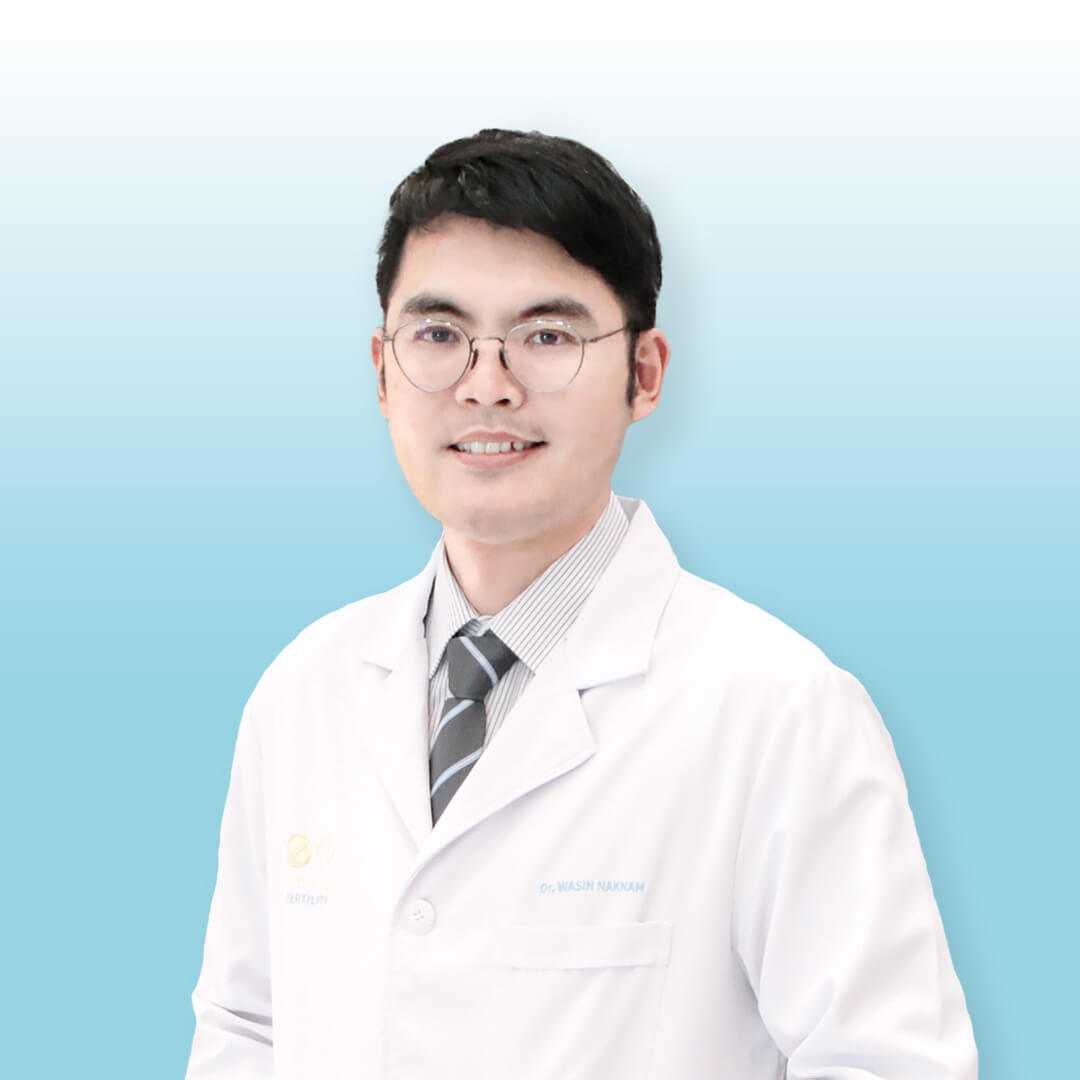
Wasin Naknam
Deep & Harmonicare (DHC) IVF Center: Premier Assisted Fertility Care in Thailand
- Infertility/IVF
Bangkok, Thailand

Chaisuk Jiwatanaporn
Deep & Harmonicare (DHC) IVF Center: Premier Assisted Fertility Care in Thailand
- Gynecologist
Bangkok, Thailand

Nutchada Kaewkoet
Deep & Harmonicare (DHC) IVF Center: Premier Assisted Fertility Care in Thailand
- Gynecologist
Bangkok, Thailand

Pitch Chandeying
Deep & Harmonicare (DHC) IVF Center: Premier Assisted Fertility Care in Thailand
- Infertility/IVF
Bangkok, Thailand
先进技术
泰国是亚洲最早采用NGS技术进行基因筛查的国家之一。
这种技术领先优势能够实现高度精确的健康和性别识别,吸引那些希望获得最先进科学技术的患者。
可负担性
治疗费用远低于发达的西方国家。
患者可以以远低于在家支付的价格,获得包括基因检测和 ICSI 在内的优质服务。
旅游基础设施
泰国成熟的旅游业让旅行变得轻松便捷。从豪华酒店到便捷的交通和丰富多样的美食选择,“微笑之国”为医疗游客提供舒适无压力的旅行环境。
这种整体体验可以减轻焦虑,这对生育治疗是有益的。
出国接受生育治疗需要信任和专业的协调。PlacidWay 将为您指引泰国顶尖的生育中心,负责筛选、沟通和安排,确保您顺利实现为人父母的梦想。
诊所验证
我们只与在试管婴儿领域拥有成功率且符合 JCI 或国际实验室标准的成熟诊所合作。
远程咨询
我们提供与生育专家的视频通话服务,让您在出行前可以讨论您的病史和 PGT-A 选择方案。
透明定价
我们提供清晰、详细的试管婴儿套餐报价,列明包含的项目(基因检测、移植、冷冻),以避免隐性费用。
旅游物流
从签证咨询到机场接机,再到推荐诊所附近适合病人入住的酒店,我们帮助您管理整个行程。
法律指导
我们会帮助您明确在泰国进行体外受精和胚胎植入前遗传学检测 (PGT-A) 的具体法律要求(例如结婚证),以确保您符合资格。
患者权益倡导
我们的团队将全程为您提供支持,解答您的疑问,并确保您的体验符合您的预期。
迈出组建理想家庭的第一步。立即联系 PlacidWay,获取免费保密的评估。
获取您的免费个性化报价























Share this listing