

Contents
Current 2026 comparison prices for common plastic surgery procedures in the Dominican Republic range from about $2,500 to $9,500 USD, depending on the procedure, surgeon, facility, anesthesia, implants, number of treatment areas and postoperative care. Before paying a deposit, verify the surgeon independently and confirm that the facility is authorized to provide the surgical services you need. A lower quote may get the Dominican Republic onto your shortlist. It should not end the comparison. Patients traveling from the United States, Canada, the Caribbean and farther abroad still need to compare the surgeon, operating facility, procedure plan, anesthesia, recovery arrangements and total cost—not simply the figure in the first message. Current planning ranges include roughly $3,000–$4,500 for breast augmentation, $2,500–$4,500 for multi-area liposuction, $4,000–$6,000 for BBL, $3,500–$5,500 for tummy tuck, $3,000–$5,000 for rhinoplasty and $6,500–$9,500 for mommy makeover. For safety checks, confirm facility habilitación through the Dominican health authorities and independently search the surgeon through SODOCIPRE.
“All-inclusive” sounds wonderfully simple until you discover what the word does not include. Packages can differ in anesthesia, hospital use, implants, laboratory tests, garments, recovery accommodation, transfers and postoperative appointments.
Ask for an itemized written quote that identifies the exact operation, surgeon, operating facility, anesthesiologist, expected stay, medications and follow-up. Also ask who pays if additional testing, an extra recovery night or complication treatment becomes necessary. Compare the packages below by their medical inclusions and exclusions rather than hotel extras or the lowest starting price.

Price starting from $4,700
Breast Augmentation Packages in Dominican Republic by Dra. Silvia Aviles
Dra. Silvia Aviles
- Cosmetic/Plastic Surgery
Santo Domingo, Dominican Republic
.png)
Price starting from $5,500
Tummy Tuck in Dominican Republic by Dra. Silvia
Dra. Silvia Aviles
- Cosmetic/Plastic Surgery
Santo Domingo, Dominican Republic

Price starting from $3,800
Brazilian Butt Lift Package in Santo Domingo, Dominican Republic by Dra. Silvia Aviles
Dra. Silvia Aviles
- Cosmetic/Plastic Surgery
Santo Domingo, Dominican Republic
.png)
Price starting from $2,500
Rhinoplasty Package in Santo Domingo, Dominican Republic by Dr. Miguel Mota Renosto
Dr. Miguel Mota Renosto
- Cosmetic/Plastic Surgery
Santo Domingo, Dominican Republic
Price starting from $1,200
Eyelid Surgery Package in Santo Domingo, Dominican Republic by Dr. Miguel Mota Renosto
Dr. Miguel Mota Renosto
- Cosmetic/Plastic Surgery
Santo Domingo, Dominican Republic
Price starting from $2,500
Thigh Lift Package in Santo Domingo, Dominican Republic by Dr. Miguel Mota Renosto
Dr. Miguel Mota Renosto
- Cosmetic/Plastic Surgery
Santo Domingo, Dominican Republic
For commonly requested major procedures, current comparison ranges are approximately $2,500 to $9,500 USD. Individual starting prices shown by providers may fall outside these planning ranges, so they should not be treated as a guaranteed final bill.
| Procedure | Dominican Republic Planning Range |
|---|---|
| Breast Augmentation | $3,000–$4,500 USD |
| Liposuction – Multiple Areas | $2,500–$4,500 USD |
| Brazilian Butt Lift – BBL | $4,000–$6,000 USD |
| Tummy Tuck | $3,500–$5,500 USD |
| Rhinoplasty | $3,000–$5,000 USD |
| Mommy Makeover | $6,500–$9,500 USD |
The final quote can change with surgical complexity, implants, anesthesia time, additional procedures and recovery needs. Compare the prices below only after checking exactly what each quote covers.
Cosmetic/Plastic Surgery Centers Cost Comparison in Dominican Republic
| Provider | Procedure | Price |
|---|---|---|
| Dra. Silvia Aviles | Tummy Tuck Surgery, Cosmetic/Plastic Surgery | $5500 |
| Dra. Silvia Aviles | Arm Lift, Cosmetic/Plastic Surgery | $3800 |
| Dra. Silvia Aviles | Breast Augmentation, Cosmetic/Plastic Surgery | $4700 |
| Dr. Miguel Mota Renosto | Liposculpture, Cosmetic/Plastic Surgery | $2000 |
| Dra. Cirugia - Plastic Surgery Dominican Republic | Abdominoplasty, Cosmetic/Plastic Surgery | $500 |
| Dra. Cirugia - Plastic Surgery Dominican Republic | Eyelid Surgery, Cosmetic/Plastic Surgery | $3500 |
Cosmetic/Plastic Surgery Cost Comparison in Dominican Republic
| Country | Procedure | Price |
|---|---|---|
| Dominican Republic | Breast Augmentation, Cosmetic/Plastic Surgery | $3500 |
| Dominican Republic | Liposuction, Cosmetic/Plastic Surgery | $3000 |
| United States | Breast Implants, Cosmetic/Plastic Surgery | $8000 |
| United States | Liposuction, Cosmetic/Plastic Surgery | $7000 |
| United States | Mommy Makeover, Cosmetic/Plastic Surgery | $20000 |
| United States | Tummy Tuck Surgery, Cosmetic/Plastic Surgery | $11000 |
A polished waiting room is not a licensing document. Before choosing a clinic, confirm the legal name of the facility where your operation will actually take place and ask for its current health-service habilitación.
The Dominican Ministry of Public Health maintains a formal habilitación process for health establishments and services. Ask what surgical services the facility is authorized to provide, who administers anesthesia, how postoperative monitoring works and where a patient is transferred if higher-level care becomes necessary. Use those questions when comparing the clinic options below.

Dr Carlos Gonzalez
Santo Domingo, Dominican Republic
SERCEB
Santo Domingo, Dominican Republic

Dr. Miguel Mota Renosto
Santo Domingo, Dominican Republic
Dr. Luis Bonetti
Santo Domingo, Dominican Republic
Dra. Cirugia - Plastic Surgery Dominican Republic
Santiago de los Caballeros, Dominican Republic
CosmeSurgery Plastic Surgery in Dominican Republic
La Romana, Dominican Republic
Before-and-after footage can show a result. It cannot tell you whether the operating room is authorized or whether the same result is realistic for your anatomy.
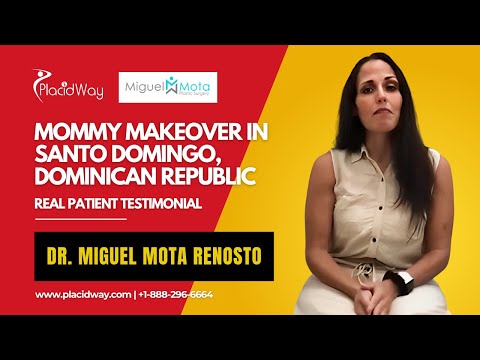
Videos are more useful when they explain consultation steps, surgical technique, scars, anesthesia, limitations, recovery and warning signs. Confirm that the physician speaking is the surgeon being considered and remember that lighting, editing, posture and recovery stage can change how results appear. Use the videos below to develop better consultation questions rather than to predict your own outcome.





A star rating is quick to scan. The details behind it are usually more useful. Look for reviews that clearly identify the procedure and discuss consultation, communication, postoperative appointments, recovery and how questions or complications were handled. Compare patterns across several accounts instead of relying on one unusually positive or negative story. Reviews describe another patient's experience; they do not establish a surgeon's licence, facility authorization or your likelihood of achieving the same result. Read the reviews below as one part of a broader comparison.

How much does plastic surgery cost in the Dominican Republic?
Current 2026 planning ranges for commonly requested procedures run from about $2,500 for some liposuction plans to around $9,500 for some mommy makeover plans. Your actual quote depends on the procedure, operating time, implants when needed, facility, anesthesia and aftercare.
Is plastic surgery in the Dominican Republic safe?
No destination can make plastic surgery universally safe. Risks depend on your health, the procedure, surgeon, anesthesia, facility and postoperative care. CDC has documented infections and other complications among medical tourists, including people who underwent cosmetic surgery in the Dominican Republic. Independent credential and facility checks are therefore important.
How can I verify a plastic surgeon in the Dominican Republic?
Ask for the surgeon's full legal name and search the current SODOCIPRE member directory. Then ask the surgeon directly about specialty training, experience with your procedure, facility privileges, complications, revision policies and postoperative availability.
How do I verify a plastic surgery clinic in the Dominican Republic?
Confirm the legal name of the facility where surgery will occur and request evidence of current habilitación. The Dominican Ministry of Public Health maintains the country's process for authorizing health establishments and services. Ask whether the authorization covers the type of surgical care being offered.
How much is a tummy tuck in the Dominican Republic?
A current planning range is approximately $3,500–$5,500 USD. Muscle repair, added liposuction, previous abdominal surgery, operating time and postoperative monitoring can change the final quote.
How much does breast augmentation cost in the Dominican Republic?
Current planning prices are around $3,000–$4,500 USD. Ask whether implants, anesthesia, operating-room charges, testing, surgical garments and follow-up are included. Implant type and whether a breast lift is also needed can affect cost.
How much does a BBL cost in the Dominican Republic?
A current general planning range is approximately $4,000–$6,000 USD. For gluteal fat grafting, ask specifically about the injection technique and real-time ultrasound. Plastic-surgery societies have supported ultrasound use to help confirm that fat is delivered in the intended anatomical plane.
How much does a mommy makeover cost in the Dominican Republic?
Current planning estimates are approximately $6,500–$9,500 USD. “Mommy makeover” is a package term rather than one operation, so the price depends on which breast, abdominal and body-contouring procedures are medically appropriate for you.
What is normally included in a Dominican Republic plastic surgery package?
Package contents vary. A quote may include the surgeon, anesthesia, operating facility, routine tests, garments and follow-up, while flights, accommodation, extra medications, recovery-house care, complication treatment and changed travel plans may be separate. Ask for every included and excluded item in writing before comparing prices.
How long should I stay in the Dominican Republic after plastic surgery?
There is no single safe stay for every procedure. Major abdominal and body-contouring surgery usually requires more local follow-up than a smaller procedure. Your return date should allow scheduled postoperative examinations and should remain flexible if healing is slower than expected.
When can I fly home after plastic surgery in the Dominican Republic?
CDC guidance says medical tourists should not fly for 10 days after chest or abdominal surgery and cites approximately 7–10 days after facial, eyelid or nasal cosmetic procedures. Your treating surgeon should provide individual clearance because your operation, mobility and medical history can require a longer wait.
Do I need a recovery house after plastic surgery in the Dominican Republic?
Not every patient does. If a recovery house is being considered, ask who provides care, what qualifications the staff hold, when clinical staff are physically present and what happens during an emergency. A recovery house should not be described or treated as a substitute for an appropriately equipped medical facility.
What should I check before paying a plastic surgery deposit?
Confirm the surgeon, exact procedure, operating facility, anesthesia plan, total quote, exclusions, refund policy and postoperative schedule. Ask what happens if your in-person examination or medical testing shows that surgery should be postponed or changed. Keep written copies of the treatment plan and payment terms.
Is a lower plastic surgery price evidence that the care is lower quality?
Price alone cannot establish quality in either direction. CDC notes that lower costs are one reason people seek medical care abroad, while also advising patients to examine the facility, healthcare professional, accreditation or certification, follow-up and potential complication costs. Compare credentials and care arrangements independently from price.
What is the Cost of Breast Augmentation in Dominican Republic?
Dreaming of enhancing your curves with a breast augmentation? You're not alone! This popular cosmetic procedure helps thousands of women achieve their desired physique and boost their confidence. If you're considering this surgery, the Dominican Republic has likely come up as a potential destination, primarily due to the often more affordable prices. But what exactly goes into the cost of breast augmentation in the Dominican Republic, and what else should you consider? This guide will break down everything you need to know, from the average price ranges to factors influencing the cost, safety considerations, and choosing the right surgeon. We aim to provide clear, concise answers to your most pressing questions, followed by detailed explanations to help you make an informed decision. What is the average cost of breast augmentation in the Dominican Republic? “The average cost of breast augmentation in the Dominican Republic typically ranges from $3,000 to $6,500 USD.” This price is often significantly lower than what you might expect to pay in countries like the United States or Canada, where costs can range from $7,000 to $12,000 or even higher. The lower boob job Dominican Republic price is a major draw for medical tourists. However, it's crucial to understand that this is an estimated range. The final cost can vary based on several factors, which we'll explore below. Remember that the cheapest option isn't always the best, especially when it comes to your health and surgical outcomes. What factors influence the cost of breast augmentation in the Dominican Republic? “Several factors influence the cost of breast augmentation in the Dominican Republic, including the surgeon's experience and reputation, the type of breast implants chosen, the complexity of the procedure, clinic or hospital fees, anesthesia costs, and whether any additional procedures are combined.” Let's delve deeper into these influencing factors: Surgeon's Fees: Highly experienced and reputable plastic surgeons in the Dominican Republic with a proven track record of successful augmentations may charge higher fees. Their expertise, skill, and the quality of results they deliver often justify this higher cost. Type of Breast Implants: There are different types of breast implants available, primarily saline and silicone. Silicone implants generally cost more than saline implants. Additionally, specialized implants like "gummy bear" (highly cohesive silicone) implants or anatomically shaped implants can also increase the price. The brand of the implant can also be a cost factor. Complexity of the Procedure: If your augmentation is more complex – for instance, if it involves a breast lift (mastopexy) in addition to implants, or if you have unique anatomical considerations – the surgical time and complexity increase, which can raise the cost. Clinic or Hospital Fees: The facility where the surgery is performed plays a role in the overall cost. Well-equipped, accredited hospitals or high-end private clinics may have higher facility fees compared to smaller, less-equipped centers. These fees cover the use of the operating room, nursing staff, and other essential services. Anesthesia Costs: Anesthesia is a critical part of the surgery. The fees for the anesthesiologist and the type of anesthesia used (typically general anesthesia for this procedure) will be included in the total cost. Pre-operative Tests and Post-operative Care: Costs for necessary medical tests before surgery, post-operative garments, medications, and follow-up appointments can also contribute to the final price. Some clinics may offer all-inclusive breast augmentation packages Dominican Republic that cover these, while others might bill them separately. Geographic Location within the DR: While the Dominican Republic is generally more affordable, costs might vary slightly between different cities or regions within the country. Clinics in prime tourist areas or major cities might have slightly higher overheads. Is it cheaper to get breast implants in the Dominican Republic? “Yes, generally, it is significantly cheaper to get breast implants in the Dominican Republic compared to countries like the United States, Canada, and many Western European nations. Patients can often save 40-70% on the procedure.” This cost-effectiveness is a primary driver for medical tourism to the Dominican Republic for plastic surgery. The lower cost of living, operational expenses for clinics, and potentially lower professional fees contribute to these more accessible prices. However, while the allure of a lower price is strong, it's vital to balance cost considerations with the quality of care, safety standards, and surgeon expertise. Don't let price be your sole determining factor. What is typically included in the breast augmentation price in the Dominican Republic? “What’s included in the breast augmentation price in the Dominican Republic can vary, but often it covers the surgeon’s fee, anesthesia fee, implant costs, operating room facility charges, and sometimes initial pre-operative consultations and basic post-operative check-ups.” It's absolutely crucial to get a detailed, itemized quote from your chosen clinic or surgeon. Ask specifically what is and isn't covered. Some common inclusions are: Surgeon's professional fee Cost of the breast implants Anesthesiologist's fee Operating room and facility fees Routine pre-operative tests (sometimes) Standard post-operative medications (e.g., initial painkillers, antibiotics) Post-surgery bra or compression garment (sometimes) Follow-up visits with the surgeon while you are still in the Dominican Republic Be sure to inquire about potential additional costs such as: accommodation, flights, extended stays if complications arise, specialized post-operative care or garments not included, and the cost of managing any potential complications once you return home. Some clinics offer all-inclusive packages that bundle surgery, accommodation, and sometimes even local transportation, which can simplify budgeting. Are there different types of breast implants available in the Dominican Republic, and how do they affect cost? “Yes, clinics in the Dominican Republic typically offer both saline and silicone breast implants, including various shapes and sizes. Silicone implants, particularly newer generation cohesive gel ('gummy bear') implants, generally cost more than saline implants, which will influence the overall breast augmentation Dominican Republic cost.” Saline Implants: These have a silicone outer shell and are filled with sterile salt water (saline) after they are placed in the breast. They often require a smaller incision. If a saline implant ruptures, the saline is harmlessly absorbed by the body. They are typically less expensive. Silicone Implants: These are pre-filled with silicone gel. Many women feel that silicone implants look and feel more like natural breast tissue. If a silicone implant ruptures, the gel may remain within the shell or leak into the implant pocket. Modern silicone implants are highly cohesive, meaning the gel is thicker and less likely to migrate significantly. Silicone implants are generally more expensive than saline. "Gummy Bear" or Form-Stable Implants: These are a type of silicone implant made with a highly cohesive silicone gel that holds its shape even if the shell is broken. They are often teardrop-shaped to mimic the natural slope of the breast and tend to be among the pricier options. During your consultation, your surgeon will discuss the pros and cons of each type based on your anatomy, desired outcome, and budget, helping you choose the best option for your procedure. How safe is breast augmentation in the Dominican Republic? “Breast augmentation in the Dominican Republic can be safe if patients conduct thorough research, choose a board-certified and experienced plastic surgeon, and select an accredited facility that adheres to international safety standards. However, as with any surgery, there are inherent risks, and standards can vary between clinics.” While many skilled surgeons and reputable clinics practice in the Dominican Republic, it's essential to be aware of potential risks associated with medical tourism in any country. Concerns can include: Varying Standards of Care: Not all clinics adhere to the same rigorous safety and hygiene protocols as those in highly regulated countries. Surgeon Qualifications: Ensure your surgeon is genuinely board-certified in plastic surgery (SODOCIPRE is the Dominican Society of Plastic, Reconstructive and Aesthetic Surgery) and has extensive experience in this type of surgery. Infection Risks: Post-operative infections are a risk with any surgery. Atypical infections have been reported in some medical tourism cases globally, so choosing a clinic with strict sterilization protocols is vital. Counterfeit or Substandard Implants: While rare with reputable surgeons, ensure the implants used are FDA-approved (or equivalent in their country of origin) and from well-known manufacturers. Follow-up Care: Managing complications can be more challenging once you've returned to your home country, far from your original surgeon. Language Barriers: Clear communication is essential. Ensure you and your surgical team can communicate effectively. To mitigate these risks of breast augmentation Dominican Republic, thoroughly vet your surgeon and clinic, look for international accreditations (like JCI or AAAASF, though less common), read patient reviews extensively, and have a plan for follow-up care. How do I choose a qualified plastic surgeon for breast augmentation in the Dominican Republic? “To choose a qualified plastic surgeon for breast augmentation in the Dominican Republic, look for board certification (ideally from SODOCIPRE), verify their credentials and experience specifically with breast augmentation, review before-and-after photos of their actual patients, read patient testimonials, and ensure they operate in an accredited facility.” Here’s a checklist for selecting your surgeon: Board Certification: This is a critical indicator of a surgeon's training and expertise. The primary local board is the Sociedad Dominicana de Cirugía Plástica, Reconstructiva y Estética (SODOCIPRE). Some surgeons may also hold international board certifications. Experience: Ask how many procedures the surgeon has performed and how long they have been specializing in this area. Before-and-After Photos: Request to see a portfolio of their work, specifically for patients with similar body types and desired outcomes as yours. Patient Reviews and Testimonials: Look for reviews on independent platforms, forums, and the surgeon's website. Consultation: Have a thorough consultation (even if virtual initially). The surgeon should listen to your goals, explain the procedure and risks clearly, answer all your questions, and not pressure you. Facility Accreditation: Inquire about the accreditation of the surgical facility where the procedure will be performed. Communication: Ensure you feel comfortable with the surgeon and their team and that there are no significant language barriers. What does the consultation process for breast augmentation involve? “The consultation process for breast augmentation in the Dominican Republic typically involves discussing your aesthetic goals, a physical examination of your breasts, measurement taking, discussion of implant types, sizes, and placement options, an explanation of the surgical technique, a review of potential risks and complications, and a breakdown of the cost.” During your consultation, expect the following: Discussion of Goals: You'll talk about why you want the surgery, your desired breast size and shape, and your expectations. Medical History Review: The surgeon will ask about your medical history, allergies, previous surgeries, and any medications you take. Breast Examination: The surgeon will examine your breasts, take measurements, assess skin quality, and existing breast tissue. Implant Options: You'll discuss saline vs. silicone, implant shape (round or anatomical), size, and profile (how much the implant projects). Sizers might be used to help you visualize the outcome. Incision Placement: The surgeon will explain the different incision options (inframammary, periareolar, transaxillary) and which is best for you. Surgical Plan: The surgeon will detail the surgical plan, including implant placement (subglandular or submuscular). Risks and Recovery: A thorough explanation of potential risks, complications, and the recovery process will be provided. Cost and Logistics: You'll receive a detailed quote and discuss scheduling and any logistical arrangements if you're traveling. Questions: This is your opportunity to ask any and all questions you have. What are the potential risks and complications of breast augmentation? “Potential risks and complications of breast augmentation, whether in the Dominican Republic or elsewhere, include infection, capsular contracture (scar tissue hardening around the implant), implant rupture or deflation, changes in nipple or breast sensation, asymmetry, bleeding, adverse reaction to anesthesia, and the need for revision surgery.” While this surgery is generally safe when performed by a qualified surgeon, it's important to be aware of the potential downsides: Capsular Contracture: The most common complication, where the scar tissue capsule that naturally forms around the implant tightens and can cause pain or distortion. Implant Rupture/Deflation: Saline implants will deflate quickly if they rupture; silicone implant ruptures can be "silent" and may require imaging to detect. Infection: Can occur post-surgery and may require antibiotics or, in severe cases, implant removal. Hematoma/Seroma: Collections of blood or fluid around the implant. Changes in Sensation: Nipple or breast sensation can temporarily or, rarely, permanently change. Asymmetry: Breasts may not appear perfectly symmetrical after surgery. Pain: Chronic pain is rare but possible. Scarring: Incisions will result in scars, though they typically fade over time. Anesthesia Risks: As with any surgery involving anesthesia. Need for Revision Surgery: Implants are not lifetime devices, and revision surgery may be needed in the future due to complications, implant aging, or aesthetic changes. Discuss these risks thoroughly with your surgeon to understand them fully. What is the recovery time for breast augmentation? “The initial recovery period for breast augmentation is typically 1 to 2 weeks, with most patients returning to light activities and office-based work within this timeframe. Strenuous activities, heavy lifting, and vigorous exercise should be avoided for at least 4 to 6 weeks, or as advised by your surgeon. Full recovery and final results can take several months.” Here’s a general timeline for recovery: First Few Days: Expect soreness, swelling, and bruising. Pain medication will be prescribed. You'll need assistance at home. Week 1-2: Swelling and discomfort will gradually decrease. You may be able to return to light daily activities and work if it's not physically demanding. You’ll likely wear a surgical bra. Week 2-4: Continued improvement. You might be cleared for light exercise (e.g., walking). Swelling continues to subside. Week 4-6: Most significant swelling should have resolved. You can typically resume most normal activities, including more strenuous exercise, upon your surgeon's approval. Months 3-6 (and beyond): Implants will settle into their final position, and scars will continue to mature and fade. The final aesthetic outcome becomes more apparent. It's crucial to follow your surgeon’s post-operative instructions carefully to ensure a smooth recovery and optimal results. Will I need follow-up appointments after breast augmentation in the Dominican Republic? “Yes, you will need follow-up appointments after your breast augmentation in the Dominican Republic. Typically, these will occur within a few days of surgery, again before you travel home, and then you will need to arrange follow-up with a local doctor or plastic surgeon in your home country once you return.” The initial follow-up appointments with your surgeon in the Dominican Republic are crucial for monitoring your early healing, removing any drains or stitches (if applicable), and addressing any immediate concerns. Before you travel, ensure you have clear instructions on when to seek medical attention and what to expect during your ongoing recovery. Once you return home, it's wise to have a local general practitioner or, ideally, a plastic surgeon who is willing to see you for follow-up care. This is important for long-term monitoring and in case any delayed complications arise. Discuss this plan before your surgery. Can I combine breast augmentation with other procedures in the Dominican Republic? “Yes, it is common to combine breast augmentation with other plastic surgery procedures in the Dominican Republic, such as a breast lift (mastopexy), liposuction, or a tummy tuck (abdominoplasty). This is often referred to as a ‘mommy makeover’ when multiple procedures are performed. Combining procedures can affect the overall cost and recovery time.” Combining surgeries can be more cost-effective than having them separately, as you only pay for anesthesia and facility fees once. However, it also means a longer surgery, potentially a more demanding recovery period, and an increased overall risk profile. Your surgeon will assess your health and suitability for combined procedures. If you're considering this, discuss it thoroughly during your consultation to understand the implications for both the cost of plastic surgery and your recovery journey. How long should I plan to stay in the Dominican Republic for breast augmentation? “You should plan to stay in the Dominican Republic for at least 7 to 14 days after your surgery. This allows for initial recovery and at least one or two post-operative check-ups with your surgeon before you are cleared to fly home.” The exact recommended duration will depend on your surgeon's protocol, the complexity of your surgery, and your individual healing progress. It's crucial not to rush your return. Flying too soon after surgery can increase the risk of complications like blood clots. Discuss the recommended stay with your surgeon and factor this into your travel plans and overall budget. Some recovery houses also offer extended stay packages. Are there financing options for breast augmentation in the Dominican Republic? “Some clinics in the Dominican Republic may offer direct financing plans, or they may work with third-party medical financing companies that cater to international patients. It's also common for patients to secure personal loans or use credit cards to cover the cost.” When discussing the cost with your chosen clinic, inquire about any payment plans or financing partners they recommend. If you're considering medical tourism financing companies, carefully review their terms, interest rates, and repayment conditions. Always ensure you fully understand the financial obligations before committing to any loan or payment plan. What should I look for in patient reviews for breast augmentation in the Dominican Republic? “When reading patient reviews for breast augmentation in the Dominican Republic, look for consistent positive or negative feedback regarding the surgeon's skill and communication, the clinic's cleanliness and professionalism, the quality of the results, the attentiveness of post-operative care, and how complications (if any) were handled. Pay attention to reviews that detail the entire experience, not just the price.” Look for reviews on multiple platforms, including independent medical tourism forums, social media groups (with caution, as some can be biased), and reputable review sites. Be wary of overly generic positive reviews or a complete lack of negative feedback, as this can sometimes be curated. Detailed reviews that discuss the surgeon's approach, the clinic environment, the recovery process, and long-term satisfaction with the implants Dominican Republic offer the most insight. Also, consider if reviewers mention the specific surgeon you are researching. Ready to explore your options for breast augmentation and other healthcare services further? PlacidWay is here to connect you with reputable medical providers and help you navigate your medical tourism journey with confidence. Explore PlacidWay today for personalized solutions and to find the right fit for your aesthetic goals.
What is the Cost of Breast Reduction in Santo Domingo, Dominican Republic?
Breast reduction in Santo Domingo, Dominican Republic, typically costs about $3,500–$5,500. The final price may change with surgical complexity, anesthesia, facility fees, testing, garments, and postoperative care. What are the key takeaways about breast reduction in Santo Domingo, Dominican Republic? Published estimates for breast reduction in Dominican Republic providers in Santo Domingo commonly fall around $3,500–$5,500, while a current Santo Domingo pricing page shows an average near $4,000. The final breast reduction cost in Dominican Republic cases can change with surgical complexity, anesthesia, operating-facility charges, testing, medications, garments, pathology, and postoperative needs. Breast reduction is major surgery. Risks include bleeding, infection, poor wound healing, asymmetry, sensory changes, scarring, blood clots, and possible revision surgery. Patients considering a breast reduction clinic in Dominican Republic should independently verify the surgeon's authorization and specialty training and confirm that the facility is habilitated for the services being provided. For medical tourism in Dominican Republic, the budget and timeline should include recovery, possible complications, local follow-up, and a medically appropriate delay before flying home. How much does breast reduction in Santo Domingo, Dominican Republic cost? A reasonable planning estimate is about $3,500–$5,500, but an individualized written quote is more useful than a destination average. Published information for breast reduction cost in Santo Domingo currently places the procedure in this range. A separate page for breast reduction pricing in Santo Domingo shows an average around $4,000. These figures are useful for early budgeting, but they should not be treated as guaranteed prices or evidence that all providers charge the same amount. A patient with marked asymmetry, a larger reduction, previous breast surgery, or a more complex technique may receive a different quote. Pricing can also change after an in-person examination if the surgical plan differs from the remote estimate. Compare the same categories in every quote: surgeon, anesthesia, operating room, testing, pathology, medication, garments, follow-up, extra facility nights, and complication care. This is more useful than comparing headline surgery prices. Budget Item Planning Guidance What to Confirm? Breast reduction surgery About $3,500–$5,500 as a published Santo Domingo estimate Whether the quote is a starting price or an individualized total Anesthesia and facility May be bundled or separately billed Anesthesiologist, operating room, monitoring, and overnight care Testing and imaging Varies by age, history, and surgical requirements Laboratory work, medical clearance, and breast imaging if indicated Recovery expenses Usually separate unless specifically stated Garments, medication, accommodation, meals, transport, and extra nights What is included in the breast reduction price in Santo Domingo, Dominican Republic? Some quotes bundle the main surgical services, but inclusions are not standardized across Santo Domingo. A quote may include the surgeon's professional fee, anesthesia, operating-room charges, immediate recovery-room monitoring, and one or more postoperative visits. Other items may be listed separately. ASPS notes that common breast-reduction cost components can include anesthesia, hospital or surgical-facility costs, medical tests, postoperative garments, prescriptions, and the surgeon's fee. For an international patient, it is especially important to distinguish the medical package from the complete trip budget. Flights, accommodation before surgery, food, local transport, a companion's expenses, extended lodging if the patient is not cleared to fly, and medical care after returning home may sit outside the quoted surgical price. Before paying a deposit, request an itemized document that answers these questions: Are the surgeon, anesthesiologist, and operating room included? Are preoperative laboratory tests or breast imaging included? Is removed tissue sent for pathology, and is that fee included? Are prescriptions, dressings, and a postoperative support bra included? How many postoperative visits are included before departure? What costs apply if an additional hospital night, imaging study, procedure, or emergency evaluation is needed? What refund or cancellation terms apply if surgery is postponed for a medical reason? What factors change the cost of breast reduction in Santo Domingo, Dominican Republic? The quote can change because reduction mammaplasty is individualized to breast anatomy, health status, and the surgical plan. The amount of tissue that may need to be removed is only one factor. Breast width, droop, nipple position, asymmetry, skin quality, previous scars, the desired size change, and whether the surgeon expects a more complex technique can affect operating time. A longer or more technically involved operation can change surgeon, anesthesia, and facility charges. Medical factors can also change the workup. Conditions such as anemia, diabetes, cardiovascular disease, prior blood clots, obesity, or nicotine exposure may require additional assessment or postponement. Cost should not override a medical recommendation to delay or modify surgery. The scope of aftercare can also alter the total. A quote that includes several postoperative examinations, pathology, garments, or an overnight facility stay is not directly comparable with a quote that covers only the operation. Patients comparing broader plastic surgery costs in the Dominican Republic should therefore compare the same service categories. Did You Know? A lower surgical quote can become more expensive if testing, medications, extra recovery days, local follow-up, or treatment of a complication is excluded. Comparing itemized totals is more informative than comparing only the starting procedure price. How does breast reduction cost in Santo Domingo compare with the United States? The published Santo Domingo range is lower than the current U.S. average surgeon's fee reported by ASPS, but the figures are not a like-for-like total-cost comparison. ASPS currently reports an average breast-reduction surgeon's fee of $7,800 for aesthetic patients. ASPS also states that this figure does not include anesthesia, operating-room facilities, or other related expenses. By comparison, the published $3,500–$5,500 Santo Domingo range is often presented as a procedure or package estimate, so the two numbers can contain different components. For that reason, percentage-savings claims can be misleading unless the comparison uses the same services. A U.S. quote may include or exclude different items from a Dominican quote, and insurance may sometimes cover medically necessary breast reduction in a patient's home country. Patients should compare their actual out-of-pocket responsibility rather than assuming that a published destination price equals the final savings. A complete comparison should include the medical quote, insurance costs at home, airfare, accommodation, local transport, time away from work, follow-up, and a contingency budget. Also consider continuity of care if a complication develops after leaving Santo Domingo. What happens during breast reduction surgery in Santo Domingo, Dominican Republic? Breast reduction, or reduction mammaplasty, removes skin and breast tissue and reshapes the remaining breast to create a smaller breast size. MedlinePlus and ASPS describe breast reduction as surgery in which breast tissue and skin are removed and the breast is reshaped; the nipple and areola may be moved to a higher position. The exact incision pattern depends on the amount of reduction, breast shape, nipple position, skin quality, and the surgeon's plan. General anesthesia is commonly used. People may consider breast reduction because large breasts contribute to neck, shoulder or back discomfort, bra-strap grooves, skin irritation, posture problems, difficulty exercising, or other functional concerns. Some patients pursue surgery primarily for size or proportion. Suitability is individual, and the surgeon should discuss realistic goals, expected scars, breast shape, asymmetry, sensation, breastfeeding implications, and the possibility that results may change with pregnancy, aging, or substantial weight change. The preoperative consultation should include a medical history, medication and supplement review, nicotine use, prior operations, breast history, family history where relevant, and examination. Depending on age and history, the patient may be asked to have laboratory testing or breast imaging before surgery. Do not stop prescription medication, start anticoagulation, or change a chronic-disease treatment without instructions from the clinicians managing your care. What preoperative checks are important for breast reduction in Santo Domingo, Dominican Republic? A preoperative evaluation should determine whether elective breast reduction is appropriate and identify factors that could raise anesthesia, bleeding, infection, wound-healing, or blood-clot risk. The exact testing plan should be individualized. Common elements can include a physical examination, laboratory testing, pregnancy testing when relevant, review of prescription and nonprescription medicines, and breast imaging based on personal history, family history, age, symptoms, or usual screening needs. A clinician may request additional cardiac, respiratory, endocrine, or hematologic assessment when the medical history indicates it. Nicotine exposure matters because smoking and vaping can impair blood flow and wound healing. Patients should give an accurate history of cigarettes, vaping, nicotine replacement, cannabis, alcohol, supplements, hormonal medication, prior blood clots, and previous anesthesia problems. This information is relevant to surgical planning and should not be withheld because of concern that surgery could be delayed. International patients should also speak with their usual healthcare professional before travel. CDC recommends a pre-travel medical discussion for people considering medical tourism and advises planning how complications will be managed both abroad and after returning home. Bring a current medication list and relevant medical records, and ask the overseas surgical team what documentation they need before arrival. How should I verify a breast reduction surgeon and facility in Santo Domingo, Dominican Republic? Verify the clinician's legal authorization and specialty training separately from the facility's authorization to provide the planned surgical services. In the Dominican Republic, an exequátur is part of the professional authorization process, and MESCyT publishes information about exequátur requirements and consultation services. Patients can ask the surgeon for the information needed to verify professional authorization and should also request documentation of formal training in plastic, reconstructive, and aesthetic surgery. Professional-society membership may be an additional research point, but membership alone should not be treated as proof of government licensure or a guarantee of outcomes. The facility should be checked separately. The Dominican Ministry of Public Health has a habilitation process for establishments and health services and publishes inspection guidance for services including plastic surgery, operating rooms, anesthesia, and recovery areas. Ask whether the exact location where the operation will occur is currently authorized for the planned procedure and level of care. Before booking, ask factual questions such as: Who will perform the operation and who will provide anesthesia? Where will the operation take place, and what services is that facility authorized to provide? What emergency equipment and trained staff are available during and after surgery? What is the transfer plan if hospital-level care is required? Who is available after hours for urgent postoperative concerns? How will follow-up be coordinated once the patient returns home? What are the risks of breast reduction in Santo Domingo, Dominican Republic? Breast reduction has recognized surgical risks wherever it is performed, and international travel adds continuity-of-care and travel-related considerations. ASPS lists risks including anesthesia complications, bleeding or hematoma, blood clots, breast asymmetry or contour irregularity, changes in nipple or breast sensation, fluid accumulation, infection, poor incision healing, unfavorable scarring, tissue loss, and possible revision surgery. Breastfeeding can also be affected. An individual patient's risk depends on health history, the surgical plan, perioperative care, and other factors. CDC notes that medical tourists can experience infection-related and noninfectious complications and has documented nontuberculous mycobacterial surgical-site infections after cosmetic surgery in the Dominican Republic. CDC's Dominican Republic guidance also reports cosmetic-surgery-associated deaths among U.S. citizens during 2009–2022, particularly in cases involving multiple body-contouring procedures and embolic complications. Those data do not provide a breast-reduction-specific complication rate, but they are relevant when evaluating elective cosmetic surgery and combined procedures. Ask what warning signs require urgent assessment. Increasing redness, spreading warmth, pus-like drainage, fever, rapidly increasing swelling, uncontrolled pain, shortness of breath, chest pain, fainting, or new leg swelling can require prompt medical attention. Patients should not delay evaluation because they are abroad or because a scheduled postoperative appointment is still several days away. Important Consideration: Safety cannot be inferred from price, photographs, social-media popularity, or a package description. The surgeon, anesthesiology plan, facility authorization, emergency pathway, and postoperative follow-up should each be checked on their own. How long is recovery after breast reduction in Santo Domingo, Dominican Republic? Early recovery is measured in weeks, while swelling, scar maturation, and the final breast shape can continue changing for several months. After surgery, patients generally have dressings and may be instructed to wear a supportive bra. Swelling, bruising, tightness, fatigue, and discomfort are expected early in recovery. Activity restrictions differ by surgeon and case. ASPS notes that full recovery can take several months, even though many daily activities resume earlier. For a medical traveler, the key question is not simply when normal activity resumes but when it is medically appropriate to leave the area and fly. CDC advises that air travel and surgery each increase blood-clot risk and states that medical tourists should not fly for 10 days after chest or abdominal surgery. The operating surgeon may recommend a longer delay depending on healing, complications, other procedures, or individual risk factors. Allow enough time in Santo Domingo for early postoperative checks and slower-than-expected healing. Patients researching medical tourism in Santo Domingo should treat recovery days as part of the medical plan rather than as a vacation period. CDC advises avoiding strenuous activity, alcohol, sunbathing, swimming, and other typical vacation activities when they could interfere with postoperative healing. Before leaving, obtain written instructions for wound care, garments, activity, medications, warning signs, and emergency contacts. Arrange local follow-up at home when possible. Before You Book: Ask the surgical team how many days they expect you to remain locally, what clinical milestones must be met before flying, who will evaluate you if a wound problem develops, and what documentation your home clinician will receive. Why choose PlacidWay when researching breast reduction in Santo Domingo, Dominican Republic? PlacidWay can be used as one research channel for viewing treatment information, published pricing, and inquiry options, while medical decisions and credential checks remain the patient's responsibility. No directory, marketplace, referral source, accreditation, or professional membership can guarantee a safe outcome. Patients should independently confirm the credentials, facility authorization, surgical plan, costs, and follow-up arrangements before deciding on treatment. FAQs How long does breast reduction surgery take in Santo Domingo? Breast reduction often takes several hours. Operating time varies with tissue removal, incision pattern, asymmetry, and whether another procedure is performed. Your surgeon should provide an individualized estimate after reviewing the planned technique. Will breast reduction in the Dominican Republic leave permanent scars? Yes. Breast reduction requires incisions, so permanent scars are expected. Their location and final appearance depend on the technique, skin characteristics, wound healing, nicotine exposure, infection, incision tension, and scar care. Can breast reduction in Santo Domingo affect breastfeeding? It can. Reduction surgery may remove glandular tissue or alter milk ducts and nerves, which can reduce future breastfeeding ability. Discuss pregnancy and breastfeeding plans before surgery because techniques and outcomes vary. Can nipple or breast sensation change after breast reduction? Yes. Temporary or permanent changes in nipple or breast sensation are recognized risks. Sensation may decrease, increase, or feel different during healing. Ask how the proposed technique may affect sensation in your case. Is a breast lift included with breast reduction in Santo Domingo? Breast reduction usually reshapes and elevates remaining tissue, but the exact plan varies. Ask whether the quote includes lifting, areola repositioning, treatment of asymmetry, and any additional mastopexy technique recommended. How much breast tissue is removed during reduction surgery? There is no standard amount. Removal depends on breast size, symptoms, body proportions, tissue composition, desired outcome, nipple blood supply, and surgical judgment. The final amount may differ from an early estimate. Will I need a support bra after breast reduction in the Dominican Republic? Many patients are advised to wear a surgical or supportive bra during early recovery. The garment type and duration depend on the surgeon's protocol, swelling, comfort, and how the incisions are healing. Can breast reduction be combined with liposuction or a tummy tuck in Santo Domingo? Some patients may be candidates for combined procedures, but longer operations can increase complication risk. Careful preoperative assessment is important when more than one major cosmetic procedure is being considered. Will health insurance cover breast reduction performed in the Dominican Republic? Coverage depends on the insurer, policy, medical indication, and rules for overseas care. Obtain written confirmation about surgery, complications, emergency treatment, and follow-up rather than assuming international elective treatment is covered. What medical records should I bring home after breast reduction in Santo Domingo? Request the operative report, discharge summary, medication list, relevant laboratory or pathology results, and written follow-up instructions. These records can help a local clinician manage postoperative care after you return home. Pricing disclaimer: Prices are estimates and can change by surgeon, facility, case complexity, anesthesia requirements, testing, medical history, exchange rates, and included services. Obtain an individualized written quote before making a financial commitment. Medical disclaimer: This content is educational and does not replace an evaluation by a qualified healthcare professional. Eligibility for breast reduction, surgical technique, medical testing, travel timing, and postoperative care must be determined for the individual patient. Get Treatment Information for Breast Reduction in Santo Domingo Request information to compare estimated pricing, stated inclusions, and questions to discuss directly with providers before deciding whether international treatment fits your medical and personal circumstances. Request Information References Breast Reduction Costs – American Society of Plastic Surgeons Breast Reduction Risks and Safety – American Society of Plastic Surgeons Breast Reduction Recovery – American Society of Plastic Surgeons Breast Reduction – MedlinePlus, U.S. National Library of Medicine Medical Tourism – CDC Yellow Book Dominican Republic – CDC Yellow Book Solicitud de Exequátur – Ministerio de Educación Superior, Ciencia y Tecnología, República Dominicana Habilitación de Establecimientos y Servicios de Salud – Ministerio de Salud Pública, República Dominicana
How much is lipo 360 in Dominican Republic?
If you are researching body contouring options abroad, you have likely considered undergoing Lipo 360 in Dominican Republic. This destination has grown rapidly in popularity among international patients seeking experienced surgeons in a tropical setting. Understanding the Lipo 360 cost in Dominican Republic involves looking beyond the base surgical fees to include travel, accommodation, and aftercare. Choosing the right Lipo 360 clinic in Dominican Republic requires careful evaluation of medical credentials. Exploring medical tourism in Dominican Republic can be rewarding, provided you prioritize safety, thorough research, and proper medical guidance. The estimated cost for Lipo 360 in the Dominican Republic generally ranges from $3,500 to $5,500. This often includes surgeon fees, anesthesia, and facility costs, making it a potentially affordable option compared to North American or European prices. Key Takeaways Cost estimates typically fall between $3,500 and $5,500, but vary based on individual treatment plans and clinic expertise. Lipo 360 targets the entire midsection, including the upper and lower abdomen, flanks, and mid-to-lower back. Proper vetting of credentials, such as verifying a surgeon’s board certification, is crucial for patient safety. You should plan to remain in the country for 10 to 14 days post-surgery to manage the risks associated with air travel. Budgeting should account for flights, recovery house stays, medications, and specialized compression garments. What exactly does Lipo 360 include? Lipo 360 refers to circumferential liposuction targeting the entire midsection, covering the abdomen, obliques, flanks, and the mid-to-lower back. Unlike traditional liposuction that might only focus on an isolated area like the lower stomach, Lipo 360 takes a comprehensive approach. The "360" refers to the full 360-degree circumference of the torso. Surgeons use this method to create a more cohesive and naturally contoured silhouette, addressing stubborn fat deposits from every angle. The procedure generally involves making small incisions through which a cannula is inserted to loosen and suction out excess fat. Techniques can vary; some surgeons use tumescent liposuction, while others may utilize ultrasound-assisted or laser-assisted technologies to help break down the fat cells and potentially encourage skin retraction. It is crucial to understand that this procedure is designed for body contouring, not weight loss. The ideal outcome relies on reshaping the body's natural curves rather than removing massive amounts of weight. Why is the Dominican Republic popular for this procedure? The destination attracts international patients due to a combination of lower healthcare operational costs, highly experienced local surgeons, and a robust infrastructure supporting recovery. Participating in medical tourism in Dominican Republic allows many patients to access specialized body contouring procedures at a lower price point than they would find in the United States, Canada, or Europe. The lower cost of living and reduced administrative overhead in the country translate to savings for the patient, without necessarily compromising the quality of surgical skill. Additionally, the country has developed a specialized ecosystem for medical travelers. This includes modern private hospitals, dedicated recovery facilities, and bilingual medical staff accustomed to international protocols. The proximity to North America, often requiring just a short flight, adds a layer of logistical convenience. Many surgeons in the region perform a high volume of body contouring surgeries annually, refining their techniques over time. However, popularity does not guarantee a uniform standard of care, making individual research absolutely essential. What factors influence the total price of Lipo 360? The final cost depends on the surgeon’s experience, the specific clinic's fees, anesthesia costs, mandatory pre-operative testing, and post-operative necessities like garments. When evaluating the Lipo 360 cost in Dominican Republic, the advertised baseline price rarely covers the entire medical journey. The surgeon's fee is usually the largest component, varying significantly based on their reputation, board certification, and demand. Other direct medical costs include the anesthesiologist's fee, operating room facility charges, and essential pre-operative cardiovascular and blood tests to ensure you are fit for surgery. Some clinics package these together, while others itemize them. Expense Category Estimated Range (USD) Surgical & Facility Fees $2,500 - $4,000 Anesthesia & Pre-op Tests $500 - $1,000 Compression Garments & Meds $200 - $400 Recovery House (per night) $100 - $250 You must also factor in travel expenses, such as round-trip airfare, ground transportation, and accommodations for at least two weeks of recovery. Important Consideration Prices found online are estimates. Your actual quote will depend on an individualized medical assessment. Never select a medical provider solely based on the lowest price, as deeply discounted surgeries can sometimes indicate compromises in facility standards or aftercare protocols. Am I a suitable candidate for Lipo 360? Ideal candidates are non-smokers in good overall health who are close to their ideal weight, possess good skin elasticity, and have realistic expectations about the results. Body Mass Index (BMI): Most surgeons enforce strict BMI limits (typically under 30 or 32) to mitigate the risks associated with anesthesia and deep vein thrombosis. Skin Elasticity: Lipo 360 removes fat but does not tighten skin. Patients with significant skin laxity may require an abdominoplasty (tummy tuck) instead. Medical History: Pre-existing conditions like diabetes, heart disease, or bleeding disorders may disqualify you from elective surgery. Lifestyle Habits: Nicotine constricts blood vessels, severely impairing the body's ability to heal and increasing the risk of tissue necrosis. Smoking cessation well before surgery is mandatory. Realistic Goals: Understanding that final results take months to appear as swelling subsides is vital for emotional well-being during recovery. Only a qualified physician can determine your eligibility after a comprehensive medical evaluation. How do I verify the safety and credentials of a clinic? Vetting a clinic requires checking the surgeon's board certification, verifying facility accreditation, and assessing the quality of their emergency protocols. When searching for a Lipo 360 clinic in Dominican Republic, your primary focus must be safety. In the Dominican Republic, reputable plastic surgeons are members of the Dominican Society of Plastic, Reconstructive and Aesthetic Surgery (SODOCIPRE). Verifying membership in this organization is a critical first step. Additionally, investigate the facility where the surgery will take place. Is it a fully equipped hospital or a standalone surgical center? Proper facilities should have intensive care units (ICU) or robust transfer agreements with nearby major hospitals in case of an intraoperative emergency. Accreditation from international bodies or the local Ministry of Public Health is a positive indicator. During your consultation, ask direct questions about their safety protocols, infection rates, and who administers the anesthesia. Anesthesia should only be administered by a certified anesthesiologist. What does the recovery process look like? Recovery involves wearing compression garments around the clock, managing surgical drains, attending lymphatic massages, and taking prescribed medications to manage pain and prevent infection. The initial days following Lipo 360 can be quite uncomfortable. You will experience significant swelling, bruising, and soreness across your entire midsection. Surgeons routinely prescribe pain relievers and antibiotics to help manage these early stages. Most patients find moving around difficult, requiring assistance for basic daily tasks. You will be required to wear a specialized compression garment, known as a faja, for several weeks or months. This garment helps reduce fluid buildup, supports the new contours, and aids in skin retraction. Your surgeon will provide a strict schedule for when and how to wear it. Many postoperative care plans also include a series of lymphatic drainage massages. These gentle massages are intended to move accumulated fluids away from the surgical sites, potentially reducing swelling and preventing hard lumps from forming under the skin. Full recovery, where residual swelling completely resolves, can take anywhere from three to six months. Are there risks or complications associated with Lipo 360? Yes, like all major surgeries, Lipo 360 carries inherent risks including infection, bleeding, fluid accumulation, fat embolism, and deep vein thrombosis. While often performed successfully, body contouring is invasive. General surgical risks include adverse reactions to anesthesia, excessive bleeding, and the development of infections at the incision sites. There is also the possibility of seromas (pockets of fluid) or hematomas (collections of blood) forming beneath the skin, which may need to be drained by a medical professional. More severe, albeit less common, complications include fat embolism syndrome, where loosened fat enters the bloodstream and travels to the lungs or brain, and deep vein thrombosis (DVT), which involves blood clots forming in the deep veins of the legs. DVT is particularly concerning for medical tourists due to the immobility associated with long flights. From an aesthetic standpoint, risks include contour irregularities, asymmetry, skin discoloration, and changes in skin sensation. Discussing these risks extensively with your surgeon before committing to the procedure is an essential part of informed consent. How long should I stay in the Dominican Republic post-surgery? Medical professionals generally recommend staying in the destination for 10 to 14 days following the procedure to ensure safe initial healing and clearance for air travel. Leaving the country too soon after major surgery is highly dangerous. The trauma of the surgery combined with the cabin pressure and immobility of a commercial flight dramatically increases the risk of life-threatening blood clots. Your surgeon will monitor your healing over several follow-up appointments before officially clearing you to fly. During this period, you will need to plan for proper accommodations. Many medical tourists opt for specialized recovery houses that cater specifically to post-operative patients. These facilities often provide nursing assistance, tailored meals, and transportation to your doctor's appointments. Staying the recommended duration also ensures that if early complications—such as a postoperative infection or a stubborn seroma—arise, your operating surgeon is physically present to address them immediately. What are the travel and logistical considerations? Organizing medical travel requires ensuring your passport is valid, arranging a travel companion, coordinating airport transfers, and packing appropriately for surgical recovery. Travel Documents: Ensure your passport is valid for at least six months beyond your planned travel dates. Check specific entry requirements for the Dominican Republic based on your nationality. Travel Companion: Having a trusted friend or family member accompany you is highly beneficial. You will be vulnerable and heavily reliant on others during the first few days. Appropriate Packing: Bring loose-fitting, front-buttoning clothing that is easy to put on over bulky compression garments. Pack slip-on shoes to avoid bending over. Financial Preparedness: Notify your bank of your travel plans to prevent card blocks. Have a contingency fund for unexpected medical expenses, extra nights in a hotel, or flight changes. Medical Records: Bring printed copies of your medical history, recent lab results, and any pre-operative clearance forms required by your international surgeon. Why Choose PlacidWay for Medical Tourism in the Dominican Republic? Navigating international healthcare options can be complex. PlacidWay offers an educational platform designed to help patients research their options globally. Extensive Directories: PlacidWay provides access to a large directory of international medical facilities and provider profiles to aid in your preliminary research. Informative Resources: The platform offers articles, cost estimates, and guides to help patients better understand the logistics of medical travel. Direct Connections: Patients can use the platform to communicate directly with international clinics, facilitating easier information gathering and initial consultations. Global Reach: PlacidWay lists providers not just in the Caribbean, but across Latin America, Europe, and Asia, allowing for broad comparison. Transparency Features: The site strives to present available clinic credentials, accreditations, and specialties clearly to assist patients in their vetting process. Frequently Asked Questions Are there BMI restrictions for getting Lipo 360 in the Dominican Republic? Yes. Most surgeons require patients to have a Body Mass Index (BMI) below 30 or 32 to minimize surgical and anesthesia risks. Patients with higher BMIs may face an increased risk of complications and might be advised to achieve a target weight before undergoing the procedure. Can I combine Lipo 360 with a Brazilian Butt Lift (BBL) during my trip? It is quite common for patients to combine these two procedures. During Lipo 360, the harvested fat can be purified and transferred to the buttocks. However, combining surgeries extends operating time, which can increase potential risks and require a more intensive recovery. Do Dominican clinics provide lymphatic drainage massages? Many clinics and dedicated recovery houses in the Dominican Republic offer post-operative lymphatic drainage massages. These massages are frequently recommended by surgeons to help reduce swelling and fluid retention during the initial weeks of recovery. Are recovery houses common in Santo Domingo and Punta Cana? Recovery houses are very common, particularly in cities like Santo Domingo. They cater specifically to medical tourists, providing meals, assistance with compression garments, transportation to follow-up appointments, and a supportive environment for the initial healing phase. How soon can I fly back home after my procedure? Surgeons typically advise waiting at least 10 to 14 days before flying. Air travel shortly after major surgery significantly increases the risk of deep vein thrombosis (DVT) and pulmonary embolism. You must get medical clearance from your surgeon before boarding a flight. Does the initial quote usually include anesthesia and compression garments? Quote structures vary by clinic. Some provide all-inclusive pricing that covers the surgeon's fee, anesthesia, facility use, and your first compression garment (faja). Others may bill anesthesia, lab work, and garments separately. Always request an itemized breakdown. What kind of anesthesia is typically used? Lipo 360 is generally performed under general anesthesia, though some surgeons may use epidural anesthesia combined with IV sedation depending on the patient's medical profile and the extent of the fat removal. Can I finance my procedure in the Dominican Republic? While international clinics rarely offer direct in-house financing to foreign patients, many medical tourists use third-party medical financing companies, personal loans, or specialized healthcare credit cards obtained in their home country to fund their trip. Will my primary care doctor at home manage my aftercare? It is crucial to establish a relationship with a local healthcare provider before you travel. While some primary care doctors are willing to monitor basic healing, you may need to consult a local board-certified plastic surgeon to properly assess your surgical recovery and manage specific aesthetic concerns. What happens if I experience complications after returning home? If you experience severe complications like excessive swelling, fever, or signs of infection after returning home, you should seek immediate emergency medical care. You will be responsible for the costs of treating complications locally, which is why securing medical tourism complications insurance beforehand is highly recommended. Ready to Explore Your Treatment Options? Gather more information and compare facilities safely. Request educational materials and treatment information through PlacidWay. Request Treatment Information References Liposuction Safety Guidelines – American Society of Plastic Surgeons (ASPS) Medical Tourism Guidelines – Centers for Disease Control and Prevention (CDC) International Patient Safety Protocols – International Society of Aesthetic Plastic Surgery (ISAPS) Liposuction Overview and Risks – Mayo Clinic Global Patient Safety Guidelines – World Health Organization (WHO) Medical Devices and Liposuction Information – U.S. Food and Drug Administration (FDA) Medical Disclaimer: The information provided in this article is for educational and informational purposes only and does not constitute medical advice. Treatment outcomes, risks, eligibility, and recovery times vary significantly from patient to patient. Always consult with a qualified, board-certified healthcare professional before making any medical decisions or traveling internationally for surgery. Prices and availability are estimates and are subject to change without notice.
How Much Does Mommy Makeover Cost in Dominican Republic?
The average mommy makeover cost in Dominican Republic ranges from $6,000 to $9,500. This estimate usually includes a tummy tuck, breast surgery, and liposuction, making it significantly more affordable than the $15,000+ typical in the US or Canada. If you are exploring options for combining cosmetic surgeries after pregnancy, you might be considering a mommy makeover in Dominican Republic. For many patients, the physical changes that follow pregnancy, childbirth, and breastfeeding are difficult to address with diet and exercise alone. A mommy makeover is not a single procedure; rather, it is a customized combination of surgeries designed to restore the abdominal area and breasts. Traveling abroad for cosmetic surgery requires careful planning. Understanding the financial investment, safety considerations, recovery timelines, and logistical details is essential for anyone thinking about becoming a medical tourist. This guide explores the estimated costs, common procedures, and important health factors you need to know before making a decision. Key Takeaways The average mommy makeover cost in Dominican Republic is estimated between $6,000 and $9,500. The procedure typically combines abdominoplasty (tummy tuck), breast enhancement, and liposuction. Patients must usually stay in the country for 10 to 14 days for initial recovery before flying. Safety depends heavily on selecting a qualified, board-certified surgeon and an accredited clinic. You must arrange for local medical follow-up in your home country before you travel. What procedures are typically included in a mommy makeover? A standard mommy makeover usually includes a tummy tuck, breast augmentation or lift, and liposuction. The exact combination is tailored to address each patient's specific physical changes following pregnancy. Because no two bodies react to pregnancy in the same way, the surgical plan is highly individualized. The foundation of the surgery usually involves an abdominoplasty (tummy tuck). This step removes excess sagging skin from the lower abdomen and tightens weakened or separated abdominal muscles (diastasis recti), which is a common issue after carrying a child. Breast procedures are the second major component. Depending on whether you have lost volume or experienced sagging after breastfeeding, your surgeon may recommend a breast augmentation using implants, a breast lift (mastopexy) to raise the breast tissue, or a combination of both. Some women may instead opt for a breast reduction if their breasts remained enlarged and are causing physical discomfort. Finally, liposuction is often used to remove localized fat deposits around the flanks, back, or thighs, helping to contour the body and refine the overall surgical results. How much can you save on a mommy makeover in the Dominican Republic? Patients often save between 40% and 60% compared to North American prices, with estimates ranging from $6,000 to $9,500 in the Dominican Republic versus $15,000 to $25,000 or more in the US and Canada. The lower cost does not necessarily mean lower quality care; rather, it reflects the different economic conditions, lower cost of living, reduced overhead for medical facilities, and lower malpractice insurance premiums in the region. However, patients must remember to factor in travel, accommodation, and food costs when calculating their total budget. Location Estimated Cost Range (USD) United States $15,000 - $25,000+ Canada $16,000 - $26,000+ Dominican Republic $6,000 - $9,500 *Prices are estimates and can vary based on the clinic, specific procedures, implant types, and individual patient needs. Why is the Dominican Republic a popular destination for this surgery? The Dominican Republic attracts patients due to its competitive pricing, proximity to North America, and specialized plastic surgeons operating within a well-established medical tourism infrastructure. Over the past decade, medical tourism in Dominican Republic has grown significantly. The country is easily accessible via direct flights from major US and Canadian cities. Cities like Santo Domingo and Punta Cana have developed a robust network of clinics and recovery houses that cater specifically to international patients. Furthermore, many surgeons in the Dominican Republic perform a high volume of body contouring procedures. While high volume can indicate experience, patients must still do their due diligence to ensure their chosen provider has a strong track record of safety and aesthetic success. How should you choose a mommy makeover clinic in the Dominican Republic? You should verify the surgeon’s credentials, look for membership in recognized medical societies like SODOCIPRE, and ensure the clinic is fully accredited and equipped for medical emergencies. Choosing the right mommy makeover clinic in Dominican Republic is the most important decision you will make. Researching a doctor from another country requires patience and attention to detail. You should look for surgeons who are members of the Dominican Society of Plastic, Reconstructive and Aesthetic Surgery (SODOCIPRE) or the International Society of Aesthetic Plastic Surgery (ISAPS). Ask for credentials: Ensure the surgeon has specific training in body contouring and reconstructive surgery. Review facility standards: The surgery should take place in a fully equipped hospital or an accredited surgical center with an intensive care unit (ICU) available just in case. Request consultations: Have a video call with the surgeon before traveling to discuss your goals, medical history, and expected outcomes. Check reviews and portfolios: Look at before-and-after photos of patients with similar body types, but remember that individual results will vary. Are mommy makeovers in the Dominican Republic safe? Safety depends on the patient's health, the surgeon's qualifications, and the facility's standards. While many patients have successful outcomes, traveling for major combination surgery carries inherent risks. A mommy makeover is an extensive, invasive combination of procedures. Combining multiple surgeries increases the time you spend under general anesthesia, which in turn increases the risk of complications. There is no such thing as a risk-free surgery, regardless of where it is performed. Important Consideration: You must provide your surgeon with a completely honest medical history. Hiding information about smoking habits, medications, previous surgeries, or medical conditions can lead to severe, life-threatening complications. Safety abroad also means being mindful of the recovery environment. Infections and poor wound healing are risks that can be mitigated by staying in a clean environment and closely following the surgeon's post-operative instructions. How long do you need to stay in the country for recovery? Most surgeons require international patients to remain in the Dominican Republic for at least 10 to 14 days after surgery to monitor healing and clear them for air travel. The initial recovery period is crucial. During the first week, you will likely experience swelling, bruising, and discomfort. You will need drains to manage fluid buildup, and you will wear compression garments to support your healing tissues. You will not be physically capable of carrying luggage or navigating a busy airport. Flying too soon after major surgery significantly increases the risk of deep vein thrombosis (DVT) and pulmonary embolism—serious conditions where blood clots form in the legs and can travel to the lungs. You must attend follow-up appointments with your surgeon in the days following the procedure, and you should only board a plane once you have been medically cleared. Am I a good candidate for a mommy makeover? Ideal candidates are in good overall health, at a stable body weight, non-smokers, and completely finished having children, as future pregnancies can alter the results. A mommy makeover is not a weight-loss procedure. Surgeons typically require patients to be at or near their ideal body weight and have maintained that weight for several months. A high Body Mass Index (BMI) increases the risks associated with anesthesia and impairs wound healing. Many clinics have strict BMI limits (often under 30) for patient safety. Additionally, you should wait until you are fully recovered from childbirth. Most plastic surgeons advise waiting at least six months to a year after giving birth and finishing breastfeeding before undergoing cosmetic surgery. This allows your body to stabilize and ensures your hormone levels return to normal. What are the potential risks and complications of this combination surgery? Risks include infection, bleeding, poor wound healing, seromas (fluid buildup), anesthesia complications, and deep vein thrombosis. Scarring is permanent, and there is a risk of asymmetry. Because a mommy makeover combines multiple procedures, the body undergoes significant trauma. Complications can and do happen. Poor wound healing is particularly common along the tummy tuck incision line, especially in patients who smoke or have uncontrolled diabetes. Seromas (pockets of fluid) may require draining by a medical professional. Aesthetic complications, such as asymmetrical breasts or dissatisfaction with the body contour, may require revision surgery later. It is vital to discuss all potential risks with your chosen provider and understand what protocols they have in place should a complication occur while you are still in the Dominican Republic. How should you prepare for medical tourism in the Dominican Republic? Preparation involves organizing your medical records, securing local follow-up care at home, planning travel logistics with a companion, and understanding passport and visa requirements. Successful medical tourism requires more preparation than a standard vacation. You should never travel alone for major surgery; having a supportive companion to assist you during your stay and on the flight back is highly recommended. Pre-operative testing: You will need blood work, an EKG, and possibly medical clearance from your primary care doctor before traveling. Local aftercare: Arrange for a local physician to monitor your healing, remove any remaining sutures, and address minor complications once you return home. Travel documents: Ensure your passport is valid for at least six months beyond your travel dates. Check if you require a tourist visa to enter the Dominican Republic based on your nationality. Packing: Bring loose, comfortable clothing that opens in the front, slip-on shoes, and any approved medications. Why Choose PlacidWay for Medical Tourism? Navigating international healthcare options can feel overwhelming. PlacidWay helps patients gather information and compare global treatment options. Consider these facts about using PlacidWay: Global Network: PlacidWay provides access to detailed profiles of clinics and providers in the Dominican Republic and around the world. Educational Resources: The platform offers articles, guides, and cost estimates to help you understand your chosen procedure. Direct Communication: You can use the platform to request information and quotes directly from medical facilities. Provider Transparency: Clinic profiles often display the facility's accreditations, surgeon credentials, and available languages. Customized Inquiries: Patients can submit their specific medical needs and receive customized responses from suitable clinics. Frequently Asked Questions (FAQs) Does health insurance cover a mommy makeover? Because a mommy makeover is considered an elective cosmetic procedure, it is typically not covered by standard health insurance. Patients should expect to pay out of pocket. Can I get a mommy makeover if I plan to have more children? Surgeons generally advise waiting until you are completely finished having children before undergoing this procedure. Future pregnancies can stretch the abdominal muscles and skin, potentially reversing the surgical results. How long does the actual surgery take? The surgery usually takes between four to six hours, depending on the number and complexity of the procedures being performed simultaneously. What is a recovery house, and do I need one? A recovery house is a residential facility equipped to help patients recover after surgery, offering nursing support, meals, and assistance with daily tasks. While not mandatory, many medical tourists find them helpful for the first week of recovery. When can I fly home after the procedure? Patients are typically advised to wait at least 10 to 14 days before flying. Your surgeon must clear you for travel, as flying too soon increases the risk of blood clots. What type of anesthesia is used? A mommy makeover is a major operation that typically requires general anesthesia, meaning you will be completely asleep during the procedure. Will I have visible scars after the surgery? Yes, procedures like a tummy tuck and breast lift result in permanent scars. However, skilled surgeons place incisions in discreet areas, such as along the bikini line, so they can be hidden by most underwear and swimwear. Can I combine a Brazilian Butt Lift (BBL) with a mommy makeover? Some surgeons offer this combination, but it significantly increases the complexity, risk, and recovery difficulty, as you will not be able to lie on your back or stomach. Many surgeons recommend separating these procedures. How soon can I lift my children after surgery? You will likely be restricted from lifting anything over five to ten pounds for at least four to six weeks. You will need childcare assistance during your early recovery phase. What happens if I need follow-up care back home? Before traveling, you should establish a relationship with a local healthcare provider who can assist with suture removal, monitor your healing, and treat any potential complications that may arise after you return home. Compare Treatment Options Today Explore reputable clinics, compare costs, and gather the information you need to make an informed decision about your healthcare journey. Request Treatment Information References Mommy Makeover Overview – American Society of Plastic Surgeons (ASPS) Mommy Makeover Patient Information – International Society of Aesthetic Plastic Surgery (ISAPS) Medical Tourism Safety Guide – Centers for Disease Control and Prevention (CDC) Tummy Tuck (Abdominoplasty) Risks and Recovery – Mayo Clinic Patient Safety in Plastic Surgery – American Society of Plastic Surgeons Dominican Society of Plastic, Reconstructive and Aesthetic Surgery (SODOCIPRE) Medical Disclaimer: The information provided in this article is for educational and informational purposes only and does not constitute medical advice. Treatment outcomes, safety, and recovery times vary significantly by individual. Always consult with a qualified, board-certified healthcare professional for an individual assessment before deciding to undergo any surgical procedure. Traveling for medical care (medical tourism) carries unique risks, including exposure to different medical standards and potential complications related to flying after surgery.
The Dominican Republic is geographically accessible from North America and the Caribbean, which is one reason patients may consider it when comparing surgery abroad. Patients also arrive from Europe and other regions through direct or connecting international routes. The important part is matching your airport and accommodation to your surgeon and postoperative appointments—not to the best beach deal. Santo Domingo has a large concentration of medical services and is served by Las Américas International Airport (SDQ). Santiago is served by Cibao International Airport (STI), which official Dominican tourism information places about 15 minutes from Santiago. Punta Cana International Airport (PUJ) serves the country's eastern tourism region. Cosmetic surgery abroad is still surgery, even when the hotel has a pool. CDC guidance advises medical tourists to avoid strenuous activity, swimming, sunbathing and other normal vacation activities during early postoperative recovery because they can interfere with healing. Surgery and prolonged air travel can both increase blood-clot risk. CDC guidance states that medical tourists should not fly for 10 days after chest or abdominal surgery. It also cites a recommendation of approximately 7–10 days after cosmetic procedures involving the face, eyelids or nose. These are general guidelines, not personal medical clearance. The Dominican Republic requires passengers to complete its electronic E-Ticket for entry and departure. Passport and visa requirements depend on nationality and travel status, so confirm current immigration requirements before purchasing non-refundable flights.
Area
Main Airport
Planning Point
Santo Domingo
Las Américas International Airport – SDQ
Practical when your surgeon, hospital and follow-up care are based in the capital.
Santiago
Cibao International Airport – STI
Useful when surgery and recovery are based in Santiago or nearby areas.
Punta Cana / Eastern Region
Punta Cana International Airport – PUJ
Choose it when your medical care is actually based in the eastern region.
Plan Recovery Before You Book the Return Flight
Flying After Surgery
Entry and E-Ticket Requirements
A useful comparison should leave you with more than a price. Review the proposed procedure, surgeon credentials, operating facility, anesthesia plan, package inclusions, recovery arrangements and follow-up together. Request written information from more than one option and take the time to verify important details independently before deciding whether surgery abroad is appropriate for you. Medical disclaimer: This content is intended for general patient education and comparison purposes. It does not replace medical advice, diagnosis, an individual surgical consultation or travel clearance. Plastic surgery can involve infection, bleeding, anesthesia complications, blood clots, wound-healing problems, scarring, asymmetry, need for revision and other procedure-specific complications. Individual eligibility and risk should be assessed by appropriately qualified healthcare professionals.References

.png)

.png)
.jpg)



.jpg)
.png)
.jpg)
.png)









Share this listing