
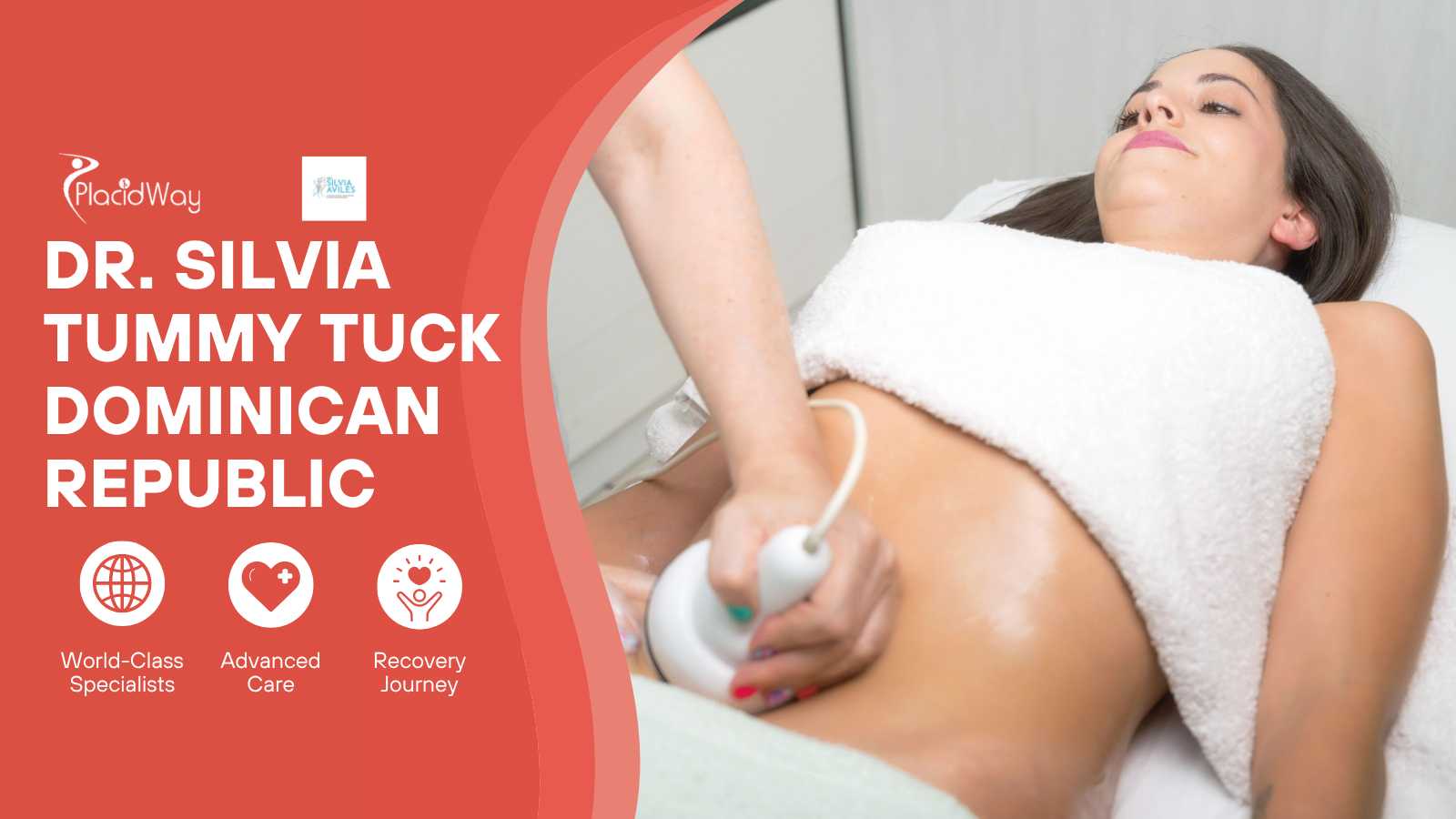
A flat, contoured abdomen isn't always the reward for endless crunches and strict diets, but a customized abdominoplasty can help you finally reclaim your pre-pregnancy or pre-weight-loss silhouette. This $5,500 tummy tuck package by board-certified specialist Dra. Silvia Aviles in the Dominican Republic offers international patients a world-class surgical solution, combining expert abdominal contouring with dedicated post-operative care over a recommended 10 to 14-day stay. Designed specifically for healthy individuals dealing with stubborn excess skin and weakened abdominal muscles, this comprehensive medical travel package prioritizes your safety and aesthetic goals. Please note that final eligibility for surgery and exact package pricing are entirely dependent upon a thorough, personalized medical assessment by the surgical team.
Key Package Insights
- Estimated Starting Cost: The base package begins at $5,500, offering substantial financial savings compared to average North American and European healthcare costs.
- Surgical Expertise: All procedures are spearheaded by Dra. Silvia Aviles, a highly credentialed plastic surgeon renowned for her meticulous approach to body contouring in the Dominican Republic.
- Patient Qualifications: This treatment is ideally suited for healthy non-smokers who are at a stable weight but struggle with loose abdominal skin or diastasis recti (separated abdominal muscles).
- What to Expect: The intervention involves a 2 to 4-hour surgery performed under general anesthesia, targeting excess tissue removal and structural muscle tightening.
- Essential Travel Planning: International patients must commit to a minimum 10 to 14-day stay in the Dominican Republic to ensure safe post-operative monitoring and official medical clearance before flying.
Dominican Republic Tummy Tuck Cost and Global Price Comparison
Medical tourism allows patients to access high-quality surgical care at a fraction of the cost found in their home countries. The Dominican Republic has emerged as a leading destination for plastic surgery due to its combination of skilled, internationally trained surgeons and lower operational overhead. Below is a comparison of average tummy tuck costs globally to help you understand the potential value of this package.
| Country / Region | Estimated Average Cost (USD) |
|---|---|
| Dominican Republic (Dra. Silvia Aviles Package) | $5,500 (Starting) |
| United States | $8,500 - $12,000+ |
| United Kingdom | $7,500 - $10,500+ |
| Canada | $9,000 - $11,000+ |
To provide complete transparency, we have broken down the standard components that formulate the baseline package price. Please be aware that this is an estimated baseline cost; your final quotation may fluctuate slightly depending on your unique anatomical needs, the complexity of the surgery, and your final medical clearance.
| Procedure Item | Estimated Cost | Description |
|---|---|---|
| Surgeon's Fee | $2,700 | Compensation for Dra. Silvia Aviles’s expertise and surgical execution. |
| Operating Facility Fees | $1,300 | Covers the use of the fully equipped, accredited surgical theater and medical supplies. |
| Anesthesia Services | $800 | Fees for the board-certified anesthesiologist and specialized medications. |
| Pre-Op Consult & Labs | $400 | In-person assessments, basic blood panels, and clinical evaluations prior to surgery. |
| Post-Op Recovery Garment | $300 | One standard medical-grade compression faja to minimize swelling and support contours. |
| Total Starting Price | $5,500 | Estimated total pending individualized medical assessment. |
What is Included in Your Abdominoplasty Package?
To ensure a smooth and predictable medical journey, this surgical package has been structured to cover the primary clinical necessities required for your tummy tuck in the Dominican Republic.
- Comprehensive pre-operative physical consultation with Dra. Silvia Aviles.
- All primary surgical fees for the abdominoplasty procedure.
- Operating room costs, including specialized equipment and standard sterile supplies.
- Professional fees for the board-certified anesthesiologist and general anesthesia administration.
- One Phase-1 medical-grade compression garment (faja) fitted immediately after surgery.
- Standard post-operative follow-up appointments at the clinic before you fly home.
- Basic pre-operative laboratory tests conducted locally (CBC, basic metabolic panel).
What Services Are Not Included in the Price?
Because travel logistics and personal recovery needs vary wildly from patient to patient, certain external costs are omitted from the core medical package. You must budget independently for the following items.
- International roundtrip airfare to and from the Dominican Republic.
- Lodging accommodations (such as recovery houses, hotels, or rental properties).
- Daily meals, nutritional supplements, and personal groceries.
- Post-operative lymphatic drainage massages (highly recommended but billed separately by specialized therapists).
- Additional or Phase-2 compression garments needed as your swelling decreases.
- Prescription medications for your recovery period (pain management, antibiotics) filled at local pharmacies.
- Medical complication insurance (strongly advised for all medical tourists).
Who is an Ideal Candidate for a Tummy Tuck in the Dominican Republic?
Abdominoplasty is a highly transformative procedure, but it is not a weight-loss tool. The ideal candidate is someone who has reached a stable weight baseline but requires surgical intervention for anatomical issues that diet and exercise simply cannot fix. You may be a strong candidate if you meet the following criteria:
- You are in excellent general health with no unmanaged chronic conditions like severe diabetes or uncontrolled high blood pressure.
- You have a Body Mass Index (BMI) typically under 30 (or within the specific safety threshold set by the surgical team).
- You struggle with a protruding abdomen caused by diastasis recti (muscle separation, often resulting from pregnancy).
- You have significant amounts of loose, inelastic skin on your abdomen due to massive weight loss or aging.
- You are a non-smoker, or are willing to completely cease nicotine use several weeks before and after surgery to prevent tissue necrosis and poor wound healing.
- You have completed your family building, as future pregnancies can reverse the surgical muscle tightening and skin excision results.
Essential Medical Documents for Your Surgical Assessment
Patient safety is the absolute priority when undergoing surgery abroad. Before you book your flight, Dra. Silvia Aviles and her team will conduct a rigorous remote preliminary assessment. To facilitate this, you will need to gather and submit specific health records.
- A comprehensive, up-to-date medical history detailing all past surgeries, hospitalizations, and major illnesses.
- A current list of all prescription medications, over-the-counter supplements, and herbal remedies you take.
- Recent blood work (usually Complete Blood Count and coagulation panels) taken within a few weeks of your consultation.
- An Electrocardiogram (EKG) and cardiovascular clearance, specifically required if you are over the age of 40 or have a history of heart conditions.
- Clear, unedited photographs of your abdomen (front, and both sides) taken in good lighting for the surgeon’s visual evaluation.
Step-by-Step Guide to the Abdominoplasty Procedure
Understanding what happens in the operating room can significantly reduce pre-surgery anxiety. A standard full tummy tuck is a major intervention that meticulously reconstructs the abdominal wall and dermal layers.
- Anesthesia Administration: To ensure complete comfort and safety, you will be placed under general anesthesia by a board-certified anesthesiologist who will monitor your vitals continuously.
- Incision Placement: Dra. Silvia will make a horizontal incision just above the pubic mound, extending toward the hip bones. The length of this incision depends on the amount of excess skin being removed. A secondary incision is typically made around the navel to free it from surrounding tissue.
- Muscle Repair (Plication): The abdominal skin is lifted, revealing the underlying rectus abdominis muscles. If these muscles have stretched or separated, the surgeon will stitch them tightly together, creating a firmer, flatter internal abdominal wall and narrowing the waistline.
- Skin Excision: The lifted skin is pulled taut downward over the newly repaired muscle structure. Any excess, overlapping skin is carefully measured and surgically excised.
- Umbilicus Repositioning: A new opening is meticulously created for the belly button. The native navel is brought through this opening and sutured securely into its new, natural-looking position.
- Closure and Dressings: The primary incisions are closed using layered sutures, skin adhesives, or surgical tapes. Small surgical drains may be temporarily placed under the skin to prevent fluid buildup, and you will be fitted into your compression garment.
Your Medical Travel Itinerary and Surgery Timeline
Proper logistical planning is essential when traveling to the Dominican Republic for plastic surgery. Below is an outline of a typical medical tourism itinerary for this package.
- Pre-Travel: Virtual consultations are completed, medical records are approved, travel dates are locked in, and a deposit is placed to secure the operating room.
- Day 1 (Arrival): Fly into the Dominican Republic. You will attend an in-person consultation with Dra. Silvia Aviles to finalize the surgical plan, sign consent forms, and complete any final in-country lab work.
- Day 2 (Surgery Day): Arrive at the clinic fasting. The procedure is performed. You will likely spend this first night in the clinic or hospital under the direct care of overnight nursing staff.
- Day 3 (Discharge): After a morning evaluation by the surgical team, you are discharged to your chosen recovery house or hotel. Rest is paramount.
- Days 4 to 10 (Active Recovery): You will focus on healing, taking prescribed medications, and attending scheduled follow-up visits at the clinic. During this window, any surgical drains are usually removed, and you may begin cleared lymphatic drainage massages.
- Days 11 to 14 (Clearance & Departure): Dra. Silvia performs a final post-operative examination. Once she provides official medical clearance confirming it is safe for you to experience cabin pressure and prolonged sitting, you may fly home.
Recommended Recovery Time in the Dominican Republic
Flying too soon after major abdominal surgery poses severe health risks, most notably deep vein thrombosis (DVT) or blood clots. Therefore, your timeline is strictly dictated by medical safety standards.
- A minimum stay of 10 to 14 days in the country is universally recommended.
- You must be able to walk comfortably and independently before boarding an aircraft.
- Final travel clearance is solely at the discretion of the treating physician based on your individual recovery progress.
Post-Op Abdominoplasty Recovery Stages
Healing from a tummy tuck is a marathon, not a sprint. Your body needs dedicated time and energy to repair the surgical trauma. Following post-op guidelines meticulously is the best way to ensure optimal results and avoid complications.
- Stage 1 (Days 1-7): This is the most intense period. You will experience tightness, moderate pain, and significant swelling. You will need to walk slightly bent over at the waist to avoid putting tension on the incision. Managing drains and taking pain medication on schedule is critical.
- Stage 2 (Weeks 2-4): Pain transitions to a dull ache or numbness. Drains are typically removed during this time. You will begin to stand straighter and can usually transition back to non-strenuous desk work. You must wear your compression faja 24/7.
- Stage 3 (Weeks 5-8): Swelling notably decreases, revealing more of your new contour. You can gradually reintroduce light cardiovascular exercise, but heavy lifting or core exercises remain strictly prohibited.
- Stage 4 (Months 3-6+): The majority of residual swelling subsides. Your incision line, initially red and raised, will begin the long process of fading and flattening. You can typically return to all normal physical activities with medical clearance.
Understanding the Potential Risks of Tummy Tuck Surgery
While abdominoplasty is common, it remains a major surgery carrying inherent medical risks. It is imperative that you are fully aware of these possibilities. Please note this list is not exhaustive; your surgeon will discuss individualized risk factors during your consultation. You should not proceed with surgery if you are unwilling to accept these risks.
- Fluid Accumulation (Seroma): The buildup of fluid under the skin is a common complication, often managed by surgical drains or minor in-office needle aspiration.
- Infection or Poor Wound Healing: Incisional infections or areas where the skin heals poorly (sometimes leading to tissue necrosis) can occur, particularly in patients who smoke or have poor circulation.
- Bleeding and Hematoma: Excessive bleeding under the skin may require secondary surgical intervention to evacuate the trapped blood.
- Changes in Skin Sensation: Numbness, tingling, or altered sensation over the abdominal area is highly common due to severed nerves; while it typically improves, some numbness may be permanent.
- Deep Vein Thrombosis (DVT) and Pulmonary Embolism: Blood clots forming in the legs and traveling to the lungs are rare but life-threatening risks associated with major surgery, prolonged immobility, and air travel.
- Unfavorable Scarring: While surgeons attempt to place incisions low, scars are permanent and may heal thick, red, or asymmetrical in some individuals.
Realistic Outcomes and Long-Term Abdominoplasty Results
Managing your expectations is crucial for your psychological recovery and overall satisfaction. A tummy tuck can dramatically enhance your body contour, but it does not produce absolute physical perfection.
- The procedure typically yields a significantly flatter, firmer abdominal profile that is more proportionate to your body weight and type.
- Patients often experience relief from physical discomfort associated with hanging skin or severely separated abdominal muscles.
- Results vary widely among individuals based on skin elasticity, age, and adherence to post-operative instructions.
- You must accept that the surgical scar across the lower abdomen is permanent; however, it is generally designed to sit below the bikini line or standard underwear.
- The structural results of the surgery are intended to be long-lasting, provided you maintain a stable weight. Significant weight fluctuations or future pregnancies can compromise the outcome.
Meet Dra. Silvia Aviles: Your Board-Certified Plastic Surgeon
The success and safety of your surgical journey rely entirely on the skill of your provider. Dra. Silvia Aviles is a distinguished plastic and reconstructive surgeon operating in the Dominican Republic. Known for her precise surgical techniques and empathetic approach to patient care, she has built a robust reputation among both local and international patients seeking high-quality body contouring.
Dra. Silvia combines rigorous medical training with an advanced aesthetic eye, focusing deeply on creating harmonious, natural-looking results that complement a patient's existing anatomy. She prioritizes patient education, ensuring that individuals traveling from abroad fully understand both the transformative potential and the realistic limitations of cosmetic surgery. By fostering a transparent environment, she ensures that every patient feels confident and secure prior to entering the operating room.
Frequently Asked Questions
How long does the tummy tuck surgery typically take?
An abdominoplasty generally takes between 2 to 4 hours in the operating room. The exact duration varies depending on the amount of skin being removed and whether extensive muscle repair is required.
Will I have highly visible scars after my procedure?
Yes, scarring is inevitable. There will be a horizontal scar across the lower abdomen and potentially a circular scar around the belly button. However, the surgeon strategically places the lower incision so it can usually be hidden by most underwear or bikini bottoms. Over several months to a year, scars typically fade from red to a flatter, lighter color.
Can I combine liposuction with this tummy tuck package?
Often, yes. Many patients combine a tummy tuck with liposuction of the flanks (love handles) for a more comprehensive contour. This is known as a lipoabdominoplasty. However, adding procedures will increase the overall cost and surgical time, and must be medically cleared by Dra. Silvia.
When is it safe to fly back home after my surgery?
Medical protocols dictate that international patients remain in the Dominican Republic for a minimum of 10 to 14 days post-surgery. You must receive explicit medical clearance from the doctor before boarding a flight to minimize the serious risk of deep vein thrombosis.
Are surgical drains always required for a tummy tuck?
In standard full tummy tucks, drains are very common and highly necessary. They prevent fluid (seroma) and blood from accumulating under the skin. They are typically removed at the clinic within the first 5 to 10 days of your recovery in the Dominican Republic.
How should I prepare my body for surgery abroad?
Maintain a healthy, protein-rich diet, stay hydrated, and entirely stop smoking and all nicotine products at least 4 to 6 weeks prior to surgery. You must also stop taking blood-thinning medications, aspirin, and certain herbal supplements as directed by the surgical team.
Is it medically safe to get a tummy tuck if I plan to have more children?
While it is generally physically safe to become pregnant after a tummy tuck, it is strongly advised against. Future pregnancies will re-stretch the skin and newly tightened abdominal muscles, essentially undoing the surgical results you invested in.
What is a compression faja, and how long do I have to wear it?
A faja is a medical-grade compression garment that provides essential support to your healing tissues, controls swelling, and helps the skin adhere to the new muscle contours. Most patients are instructed to wear it 24/7 (except while bathing) for the first 4 to 6 weeks.
How long will the numbness in my lower abdomen last?
Numbness between the belly button and the incision line is universally expected because sensory nerves are cut during the skin removal process. Sensation usually returns gradually over several months, though some areas of permanent numbness are possible.
What happens if I experience a complication after returning to my home country?
If you experience a medical emergency back home, you must visit a local emergency room or your primary care physician immediately. It is highly recommended that you establish a relationship with a local doctor who is aware of your medical travel plans before you leave, and invest in medical tourism complication insurance prior to your trip.
Take the First Step Toward Your Goals
If you are considering a tummy tuck and want to explore if Dra. Silvia Aviles’s package is the right clinical fit for you, we invite you to start a conversation. Reach out today to receive a personalized, obligation-free preliminary evaluation.
Medical Disclaimer: The content provided on this page is for general informational and educational purposes only. It is not intended to substitute for professional medical advice, comprehensive diagnosis, or professional surgical treatment.
References
- American Society of Plastic Surgeons (ASPS) - Tummy Tuck Procedure Overview
- Mayo Clinic - Tummy Tuck (Abdominoplasty): Risks, Preparation, and Results
- Cleveland Clinic - Abdominoplasty (Tummy Tuck) Details and Recovery
- MedlinePlus (National Library of Medicine) - Abdominoplasty Medical Encyclopedia
- NCBI StatPearls - Abdominoplasty Clinical Outcomes and Complication Management




























Share this listing