

内容
泰国正迅速成为先进医疗的首选目的地,尤其是在泰国的骨关节炎干细胞治疗领域。随着越来越多的人寻求创新的慢性关节疼痛解决方案,泰国的医疗行业也在不断扩张以满足这一需求。泰国致力于提高医疗服务的可及性和质量,在提供先进的再生疗法方面取得了显著进展。骨关节炎干细胞疗法等尖端疗法的出现,为许多饱受关节疾病折磨的患者带来了新的希望。
让我们一起探索干细胞疗法的益处、泰国的医疗水平,以及与其他国际医疗目的地的比较。我们还将深入探讨患者体验和更广泛的医疗基础设施。加入我们,深入了解泰国骨科干细胞疗法,分享关于潜在费用、领先诊所和真实患者评价的宝贵见解!
关键信息一览
骨关节炎等慢性疾病会严重影响生活质量,导致持续疼痛并限制活动能力。干细胞疗法是一种开创性的再生医学方法,利用人体的自然愈合能力来修复和恢复受损组织。泰国已成为先进医疗服务的重要目的地,为寻求先进疗法(例如通过干细胞治疗关节疼痛的疗法)的患者提供了充满希望的治疗途径。
再生医学利用人体的自然修复机制,彻底改变了我们治疗众多疾病的方式。在众多再生技术中,干细胞疗法以其高度个性化且疗效显著的优势脱颖而出,可用于治疗多种疾病。本指南将全面探讨泰国骨关节炎的干细胞疗法,涵盖其原理、益处、相关费用以及患者在治疗过程中的预期。
什么是骨关节炎的干细胞疗法?
骨关节炎是一种退行性关节疾病,其特征是支撑骨骼末端的软骨会随着时间的推移而磨损,导致疼痛、僵硬和功能丧失。泰国的骨关节炎干细胞疗法利用特异细胞帮助再生受损软骨,并减轻关节炎症。
干细胞是再生医学的一种形式。与止痛药或关节置换手术等通常侧重于控制症状的传统疗法不同,干细胞疗法旨在通过刺激人体的自然修复过程来解决问题的根本原因。该程序通常从采集干细胞开始,这些干细胞通常来自患者自身的脂肪组织或骨髓。
这些收集到的细胞随后会在专门的实验室中进行处理和浓缩。浓缩后的干细胞通常会通过注射的方式注入患处关节。输注后,我们会对患者进行监测,追踪其反应。目标是让这些干细胞促进组织修复、消炎和再生,从而改善关节功能,减轻泰国干细胞治疗关节疼痛的症状。
为什么要考虑在泰国进行骨关节炎干细胞治疗?
泰国正在迅速成为再生医学领域的领导者,提供有竞争力的治疗价格、现代化的医疗设施,并积极参与干细胞疗法的临床研究。
泰国在医学研发方面投入了大量资金,尤其是在先进疗法方面。对于考虑干细胞治疗的患者来说,泰国拥有诸多优势:
泰国骨关节炎干细胞治疗候选资格
泰国的骨关节炎干细胞治疗通常适用于患有轻度至中度骨关节炎(尤其是膝盖、臀部或肩部)且对物理疗法或药物等常规治疗反应不佳的患者。
并非所有患者都适合接受干细胞治疗。选择过程非常严格,需要全面评估患者的病史、当前健康状况以及具体的关节状况。一般而言,在泰国接受骨科干细胞治疗的理想人选包括:
与泰国专业医疗团队进行详细咨询对于确定个人资格和最合适的治疗方案至关重要。
骨关节炎干细胞治疗过程
骨关节炎的干细胞治疗方案通常包括细胞收集(来自脂肪或骨髓)、在实验室中处理,然后将细胞直接重新注入受影响的关节,通常随后进行康复计划。
干细胞治疗是一个多阶段的过程,需要精心规划和协调。以下是泰国骨关节炎干细胞治疗方案的概述:
在泰国接受骨关节炎干细胞治疗的费用方面,与其他医疗旅游目的地相比,患者可以享受更具竞争力的价格。虽然具体费用可能因干细胞治疗类型、所需治疗范围以及诊所的位置和声誉等因素而异,但与在西方国家接受类似治疗相比,患者通常可以节省一大笔费用。这种经济实惠的价格,加上高标准的医疗服务以及泰国作为旅游胜地的魅力,使其成为寻求有效治疗骨关节炎且无需花费巨资的患者的理想选择。

Price starting from $3,500
Affordable Stem Cell Bangkok Thailand Therapy for Osteoarthritis Relief by Vega Clinic
Vega Stem Cell Clinic in Bangkok Thailand
- Stem Cell Therapy
Bangkok, Thailand
对于寻求在世界一流医疗环境中获得创新治疗方案的患者来说,在泰国选择干细胞治疗骨关节炎,将提供全面的解决方案。这些套餐通常涵盖治疗过程的各个环节,从初诊到后续护理,确保患者获得无缝衔接、轻松无忧的体验。先进的设施和经验丰富的医疗专业人员将确保您在整个治疗过程中都得到专业的照护。此外,许多套餐还提供额外的便利,例如住宿选择、交通服务,甚至文化游览,让您在解决骨关节炎问题的同时,充分利用在泰国的时间。
Stem Cell Therapy for Osteoarthritis 中心成本比较 Thailand
| 提供者 | 程序 | 价格 |
|---|---|---|
| Vega Stem Cell Clinic in Bangkok Thailand | Stem Cell Treatment for Diabetes, Stem Cell Therapy | $11560 |
Stem Cell Therapy for Osteoarthritis 成本比较 Thailand
| 国家 | 程序 | 价格 |
|---|---|---|
| United States | Stem Cell Therapy for Osteoarthritis, Stem Cell Therapy | $35000 |
泰国拥有多家顶级医疗中心,专门从事骨关节炎干细胞治疗,每家中心都融合了专业知识、先进技术和以患者为中心的护理。从繁华都市的知名医院,到风景如画的静谧疗养胜地,总有一家医疗中心能满足您的各种偏好和预算。这些中心拥有先进的设施,并聘请了委员会认证的再生医学领域领军医师,确保患者获得最高标准的护理。此外,许多中心还提供全面的支持服务,以确保从初诊到治疗后随访的全程顺利顺利地完成治疗。

Vega Stem Cell Clinic in Bangkok Thailand
Bangkok, Thailand
对于考虑在泰国接受骨关节炎干细胞治疗的患者,观看一段信息丰富的视频可以深入了解治疗过程、诊所以及整个治疗过程中的预期。这些视频通常由真实患者分享他们的治疗经历,并采访专家医生,探讨再生医学的最新进展。通过观看这些视频,潜在患者可以更好地了解在泰国接受骨关节炎干细胞治疗的益处、风险和疗效。此外,亲眼见证治疗结果可以帮助他们缓解可能存在的担忧或顾虑,从而做出更明智的治疗选择。


真实的患者评价为在泰国接受骨关节炎干细胞治疗的体验提供了宝贵的见解,提供了治疗过程、疗效和总体满意度的第一手资料。这些评价通常强调医疗团队的专业精神和专业知识,以及在整个治疗过程中提供的支持和关怀。阅读这些评价可以帮助潜在患者更好地了解预期结果,并就自己的治疗方案做出明智的决定。无论是令人心动的成功故事,还是发自内心的感激之情,这些评价都证明了泰国骨关节炎干细胞治疗对患者生活的巨大改变。

在泰国,干细胞治疗骨关节炎安全吗?
是的,当由合格的医疗专业人员在认可的机构进行时,泰国的骨关节炎干细胞疗法被认为是安全有效的。
在泰国,骨关节炎干细胞治疗的费用是多少?
泰国骨关节炎干细胞治疗的费用取决于治疗类型和所需治疗程度等因素,但与西方国家相比,患者通常可以享受有竞争力的价格。
泰国的骨关节炎干细胞治疗套餐包括什么?
泰国的干细胞治疗套餐通常包括初步咨询、治疗程序、后续护理以及住宿和交通安排等额外服务。
骨关节炎干细胞治疗需要多长时间才能看到效果?
骨关节炎干细胞治疗的疗效时间因患者而异,但许多人报告称,治疗后几周到几个月内病情有所改善。
在泰国接受骨关节炎干细胞治疗有风险吗?
与任何医疗程序一样,骨关节炎的干细胞治疗也存在潜在的风险和并发症,但这些风险和并发症通常很少见,并且可以通过选择信誉良好的诊所和经验丰富的医疗团队来尽量减少。
我该如何选择泰国合适的骨关节炎干细胞治疗医疗中心?
在泰国选择干细胞治疗医疗中心时,重要的是研究该中心的声誉、资质和成功率,并咨询合格的医疗专业人员,以确保治疗计划适合您的特定需求和关注。
What is the Cost of Stem Cell Therapy for Osteoarthritis in Thailand?
Stem Cell Therapy for Osteoarthritis in Thailand: A New Hope for Your Joints Are your joints hurting? Do you feel sore or stiff when you move? You might be dealing with something called osteoarthritis, a condition that affects millions of people all over the world. It happens when the cushioning in your joints starts to wear away, causing pain and making it hard to move around. If this sounds like you, don’t worry—you’re not alone, and there’s something that can help. Stem cell therapy for osteoarthritis in Thailand is a new treatment that can bring hope to people suffering from joint pain. This treatment uses special cells from your body to help heal your joints and reduce pain. It can even improve how your joints move, so you can get back to doing the things you love. People are finding great results with this therapy in Thailand, making it a promising option for many. What is Osteoarthritis? Osteoarthritis is a type of arthritis that many people around the world have. It happens when the soft, cushiony stuff in your joints, called cartilage, starts to wear away. Cartilage usually helps your bones slide smoothly against each other, but when it’s gone, the bones can rub together, causing pain and making it hard to move. When osteoarthritis sets in, it can make your joints feel stiff, swollen, and sore. It can happen in different parts of the body, like the knees, hips, or hands. As the cartilage keeps wearing down over time, it gets harder to do everyday activities, but there are ways to help manage the pain and improve how you feel. Cost of Stem Cell Therapy for Osteoarthritis in Thailand The cost of stem cell therapy for osteoarthritis in Thailand varies depending on a number of factors, including the clinic you choose, the type of stem cells used, and the number of injections required. However, the cost of treatment in Thailand is typically much lower than in Western countries. Procedure Estimated Cost (USD) Stem Cell Therapy for Osteoarthritis (single joint) $5,000 - $10,000 Stem Cell Therapy for Osteoarthritis (multiple joints) $10,000 - $20,000 What is Stem Cell Therapy? Stem cell therapy is a new way to help your body heal itself. It uses special cells from your own body called stem cells. These cells are amazing because they can change into different types of cells, like skin cells or muscle cells, depending on what your body needs. For people with osteoarthritis, stem cells can be used to fix the damaged parts of their joints. In stem cell therapy, doctors inject these stem cells into the joint that’s causing pain. The stem cells then get to work, helping to repair the cartilage that has worn down. They can also help reduce swelling and inflammation, making the joint feel better and move more easily. This treatment is a way to help your body heal naturally and feel more comfortable. Why Choose Thailand for Stem Cell Therapy? Thailand is a popular destination for medical tourism. It offers high-quality medical care at a fraction of the cost of treatment in Western countries. Thailand also has a beautiful climate and friendly people, making it a great place to recover from your treatment. Vega Stem Cell Clinic Beike Biotech Siam Clinic Phuket Surecell Medical Clinic Stay Well Clinic & Physio Benefits of Stem Cell Therapy for Osteoarthritis Stem cell therapy can provide a number of benefits for people with osteoarthritis, including: Reduced pain Improved joint function Increased mobility Reduced inflammation Delayed or avoided joint replacement surgery Stem Cell Therapy Procedure in Thailand The stem cell therapy procedure for osteoarthritis in Thailand typically involves the following steps: Consultation: You will first have a consultation with a qualified doctor to discuss your condition and treatment options. Stem Cell Collection: Stem cells will be collected from your body, usually from your bone marrow or fat tissue. Stem Cell Processing: The collected stem cells will be processed in a laboratory to increase their number and potency. Stem Cell Injection: The processed stem cells will be injected into your affected joint. Recovery: You will need to rest for a few days after the procedure. You may also need to undergo physical therapy to help you regain joint function. FAQs about Stem Cell Therapy for Osteoarthritis in Thailand 1. Is stem cell therapy safe? Stem cell therapy is generally safe when performed by a qualified doctor. However, as with any medical procedure, there are some risks involved. These risks include infection, bleeding, and allergic reactions. 2. Is stem cell therapy effective? Stem cell therapy is a relatively new treatment, so more research is needed to determine its long-term effectiveness. However, many people who have undergone stem cell therapy for osteoarthritis have reported significant improvements in their pain and joint function. 3. How long does it take to recover from stem cell therapy? Most people are able to return to their normal activities within a few days of the procedure. However, it may take several weeks or months for the full benefits of the treatment to be seen. 4. Is stem cell therapy covered by insurance? Stem cell therapy is not typically covered by insurance. However, some clinics offer financing options to help make treatment more affordable. 5. How do I choose a stem cell therapy clinic in Thailand? It is important to choose a reputable clinic with experienced doctors. You should also make sure that the clinic is accredited by a recognized organization. Ready to Get Started? Connect with PlacidWay Today! If you’re thinking about trying regenerative medicine for osteoarthritis in Thailand, PlacidWay can make the process easier for you! We can help you find a doctor and clinic that’s perfect for your needs. Our team will make sure you’re connected with qualified experts who can help you feel better. We can also help you with your travel plans, like booking flights and arranging where to stay. We’ll take care of all the details so you can focus on getting the treatment you need. Reach out to us today to learn more about your options and how we can help you every step of the way!
Can Osteoarthritis be Cured with Stem Cell Therapy in Thailand
Currently, there is no absolute cure for osteoarthritis. While stem cell therapy in Thailand cannot cure the condition, it is used by many patients to help manage joint pain, reduce inflammation, and potentially improve mobility. Living with osteoarthritis can be an exhausting journey. As the protective cartilage that cushions the ends of your bones wears down over time, the resulting friction leads to chronic pain, swelling, and stiffness. Many individuals looking for alternatives to joint replacement surgery are turning their attention to regenerative medicine, specifically stem cell therapy in Thailand. Thailand has established itself as a major hub for international healthcare, offering advanced medical technologies combined with renowned hospitality. However, when exploring treatments abroad, it is vital to separate medical reality from promotional claims. Regenerative medicine offers exciting possibilities for symptom management, but it is essential to understand what these treatments can and cannot achieve for degenerative joint diseases. Key Takeaways Stem cell therapy is an investigational approach for symptom management, not a definitive cure for osteoarthritis. The treatment primarily aims to modulate joint inflammation and may help preserve existing cartilage in suitable patients. Thailand offers a regulated environment for regenerative medicine, attracting thousands of international patients annually. Outcomes vary widely depending on the patient's age, weight, and the severity of joint degeneration. It is crucial to be evaluated by a board-certified orthopedic specialist to determine if you are an appropriate candidate. How Does Stem Cell Therapy for Osteoarthritis Work? Stem cell therapy works by injecting concentrated mesenchymal stem cells (MSCs) into the arthritic joint to release anti-inflammatory proteins and growth factors, aiming to alter the degenerative environment. Osteoarthritis is characterized by a toxic, inflammatory environment inside the joint that breaks down cartilage faster than the body can repair it. The rationale behind introducing stem cells into this environment is not simply to "build new cartilage," but rather to act as cellular managers. Mesenchymal stem cells (MSCs) have potent immunomodulatory properties. When injected into a knee, hip, or shoulder, they communicate with the surrounding tissues. These cells secrete specialized proteins called cytokines and growth factors. This process, known as the paracrine effect, is believed to help quiet the chronic inflammation that drives osteoarthritis pain. By changing the chemical makeup of the joint fluid, the therapy aims to slow down the progression of cartilage degradation and encourage the body's natural healing mechanisms. While some preclinical studies have shown potential for modest tissue regeneration, clinical outcomes in human patients predominantly focus on pain reduction and functional improvement. It is important to view this mechanism as a biological intervention to manage the disease process, rather than a mechanical fix like a joint replacement. What Types of Stem Cells are Used for Joint Treatments in Thailand? Orthopedic specialists in Thailand typically utilize autologous stem cells, which are harvested directly from the patient’s own bone marrow or adipose (fat) tissue, ensuring a high safety profile. When you seek treatment at a stem cell therapy clinic in Thailand, the medical team will usually recommend using your own body's cells. This is known as autologous therapy. Because the cells belong to you, the risk of immune rejection or disease transmission is virtually eliminated. There are two primary sources for these cells: Bone Marrow Aspirate Concentrate (BMAC): A doctor extracts bone marrow, usually from the back of the pelvis (iliac crest), using a specialized needle. The marrow is spun in a centrifuge to isolate the stem cells and growth factors before being injected into the joint. Adipose-Derived Stem Cells: Fat tissue is harvested, typically from the abdomen or thighs, via a mini-liposuction procedure. Fat contains a dense population of mesenchymal stem cells, which are then separated and processed for injection. Some facilities may also discuss allogeneic (donor) cells, such as those derived from umbilical cord tissue. However, patients should approach donor cells with caution and ensure the clinic strictly adheres to the regulations set by the Thai Food and Drug Administration regarding biological products. Am I a Good Candidate for Stem Cell Treatment? Ideal candidates are generally younger to middle-aged adults suffering from mild to moderate osteoarthritis who have not found adequate relief from conservative treatments like physical therapy or medications. Stem cell therapy is not a one-size-fits-all solution, and careful patient selection is a hallmark of a responsible medical provider. A thorough evaluation, including physical examinations and recent MRI or X-ray imaging, is required to determine candidacy. Patients who often see the most benefit are those in the earlier stages of joint degeneration (Kellgren-Lawrence grades 2 or 3). At these stages, there is still a viable matrix of cartilage remaining for the stem cells to interact with. Conversely, individuals with severe, end-stage (grade 4) "bone-on-bone" osteoarthritis are rarely good candidates. When the joint space is completely gone and severe bone spurs have formed, biological injections cannot reverse the mechanical damage, and surgical options are usually necessary. Other factors that can influence candidacy include body mass index (BMI), active infections, blood disorders, and a history of certain cancers. A responsible specialist will review your full medical history before recommending treatment. What is the Typical Success Rate for Managing OA Symptoms? While individual outcomes vary, many suitable patients report a significant reduction in pain and improved joint function lasting anywhere from 6 to 24 months, though some may experience little to no benefit. Because stem cell therapy for osteoarthritis is still considered investigational by many major global health bodies, long-term, standardized success rates can be difficult to pinpoint. However, numerous clinical studies and patient registries indicate that a substantial percentage of properly selected patients experience meaningful relief. Success in this context is usually defined by validated scoring systems measuring pain reduction (like the VAS score) and functional improvement (like the WOMAC score). Patients often find that they can return to low-impact activities—such as walking, swimming, or cycling—with much greater ease. The need for daily non-steroidal anti-inflammatory drugs (NSAIDs) frequently decreases as well. It is crucial to maintain realistic expectations. The therapy does not provide a permanent fix. Because the underlying mechanics of your joint and your genetic predispositions remain unchanged, the osteoarthritis will eventually continue to progress over time, though perhaps at a slower rate. How Much Does stem cell therapy cost in Thailand? The estimated stem cell therapy cost in Thailand generally ranges from $4,000 to $10,000 USD, depending on the number of joints treated, the cell source, and the clinic's location and reputation. One of the primary reasons patients explore options abroad is the potential for cost savings without compromising on medical technology. In Western countries like the United States or the United Kingdom, complex regenerative treatments can easily exceed $15,000, and they are rarely covered by insurance. In contrast, Thailand offers more accessible pricing. Several variables influence the final estimate you will receive from a facility: Cell Source and Processing: Bone marrow extraction may be priced differently than adipose tissue harvesting due to the different processing equipment required. Number of Injections: Treating a single knee will be less expensive than treating both knees, hips, or shoulders simultaneously. Facility Type: Premium international hospitals in central Bangkok may charge more than specialized standalone clinics in other regions. Adjunct Therapies: If the specialist recommends combining stem cells with Platelet-Rich Plasma (PRP) or hyaluronic acid, costs will increase. When comparing prices, always ensure you understand what is included in the quote, such as pre-procedure imaging, blood tests, specialist consultation fees, and post-procedure follow-ups. What Are the Risks and Side Effects of Joint Injections? While using autologous stem cells is generally considered safe, potential risks include temporary pain and swelling at the injection site, infection, nerve damage, and the possibility that the treatment may not work. No medical procedure is entirely without risk. Because autologous stem cell therapy uses your own biological material, the risk of allergic reaction or systemic immune rejection is incredibly low. The primary risks are associated with the mechanical aspects of the extraction and injection procedures. Common, mild side effects include bruising, soreness, and stiffness at the site where the cells were harvested (the hip or abdomen) and within the treated joint itself. This discomfort typically peaks within the first 48 hours and gradually subsides over the following week. More severe, though rare, complications can include joint infections (septic arthritis), damage to surrounding blood vessels or nerves, or bleeding. Furthermore, a significant "risk" patients must consider is financial—investing in a procedure that ultimately does not provide the desired level of pain relief. Discussing your specific risk profile with a qualified physician is a mandatory step before proceeding. Important Consideration: Always ensure the clinic you choose utilizes image guidance (such as ultrasound or fluoroscopy) during the injection. Blind injections significantly reduce the accuracy of cell placement and increase the risk of complications. How Long Does the Treatment and Recovery Take? The procedure itself is typically completed in a few hours on an outpatient basis. Initial recovery involves a few days of rest, while full structural and functional improvements may take several weeks to months to become apparent. For patients engaging in medical tourism in Thailand, understanding the timeline is vital for travel planning. The entire process—from cell extraction to processing and the final joint injection—is usually completed within a single day. You will likely walk out of the clinic, though you may require crutches or a brace temporarily to minimize weight-bearing on the treated joint. In the first 2 to 3 days, rest and ice are typically recommended to manage post-procedure inflammation. Physicians strongly advise against using NSAIDs (like ibuprofen) during this period, as they can interfere with the stem cells' desired inflammatory response pathways. Patients are usually advised to avoid strenuous activities, heavy lifting, or high-impact sports for at least 4 to 6 weeks. A gentle, guided physical therapy program is often introduced after the first week to maintain joint mobility and strengthen the supporting muscles. Do not expect overnight miracles; the biological processes initiated by the stem cells take time, and patients typically start noticing gradual improvements between 4 and 12 weeks post-injection. How is medical tourism in Thailand Regulated for Regenerative Medicine? Regenerative medicine in Thailand is overseen by the Thai Ministry of Public Health and the Medical Council of Thailand, which set guidelines to ensure treatments meet safety and ethical standards. Thailand takes its reputation as a global medical destination seriously. To protect patients and maintain high standards of care, the country has implemented regulatory frameworks governing the use of cell therapies. The Thai Food and Drug Administration (FDA) monitors the processing and use of biological products, while the Medical Council of Thailand oversees physician licensing and ethical practices. However, the global landscape of regenerative medicine is complex, and regulations can vary significantly. While autologous therapies (using your own cells) are widely practiced under established medical guidelines, treatments involving manipulated or donor cells face stricter scrutiny. As an international patient, you bear a responsibility to perform due diligence. Do not rely solely on marketing materials. Verify that the medical facility is appropriately licensed by the Thai Ministry of Public Health and look for international accreditations, such as those from the Joint Commission International (JCI), which indicate a hospital meets rigorous global safety and quality standards. Can I Combine Stem Cell Therapy with Other Osteoarthritis Treatments? Yes, stem cell therapy is often most effective when integrated into a comprehensive osteoarthritis management plan that includes Platelet-Rich Plasma (PRP), targeted physical therapy, and lifestyle modifications. Regenerative injections should not be viewed in isolation. They are part of a broader strategy to manage joint health. Specialists frequently combine stem cells with Platelet-Rich Plasma (PRP). PRP is derived from your own blood and is rich in growth factors. When injected alongside stem cells, PRP acts as a biological catalyst, potentially enhancing the survival and activity of the stem cells within the joint space. Beyond injections, the mechanical forces on your joint play a massive role in osteoarthritis progression. Physical therapy is almost always recommended to correct gait abnormalities, improve joint stability, and strengthen the muscles supporting the affected joint (such as the quadriceps for knee osteoarthritis). Additionally, weight management is critical. For every pound of body weight lost, there is a significant reduction in the compressive load placed on the knees and hips during daily activities. Combining regenerative therapies with healthy lifestyle changes offers the best chance for sustained symptomatic relief. How Should I Choose a stem cell therapy clinic in Thailand? Selecting a reputable clinic involves verifying facility accreditations, ensuring the treating physician is a board-certified orthopedic specialist, and demanding transparency regarding treatment protocols and potential outcomes. When searching for a provider, prioritize medical expertise over luxurious amenities. While Thailand is famous for excellent hospitality, your primary concern should be safety and clinical competence. Start by researching the specific physician who will perform the procedure. They should be a board-certified orthopedic surgeon, rheumatologist, or sports medicine specialist with documented training in regenerative therapies. A reputable clinic will be transparent about their methods. Ask detailed questions during your initial consultation: What method is used to extract and process the cells? Do they use image guidance (ultrasound) for the injection? Can they provide data or peer-reviewed literature supporting their specific protocol? What is their protocol if a complication arises? Avoid any facility that promises a 100% cure, guarantees outcomes, or pressures you into making immediate financial commitments. Ethical medical providers will explain the limitations of the therapy as clearly as the potential benefits. Why Choose PlacidWay for Medical Tourism in Thailand? Navigating international healthcare can be complex. PlacidWay acts as an informational resource to help patients research their options globally. Here are a few factual ways PlacidWay can assist your journey: Global Network Access: PlacidWay provides directories of healthcare facilities and clinics across Thailand and worldwide. Provider Profiles: Patients can view the accreditations, specialties, and facility details of various international medical centers. Cost Comparisons: The platform allows you to compare estimated pricing structures for regenerative treatments across different regions. Educational Resources: PlacidWay publishes informative guides and articles to help patients understand complex medical tourism concepts. Direct Connections: The service facilitates initial communication, allowing you to ask questions directly to international medical teams before making any commitments. Frequently Asked Questions (FAQs) Will my home health insurance cover stem cell therapy in Thailand? Most standard health insurance policies consider stem cell therapy for osteoarthritis to be investigational and typically do not cover the cost of the procedure, especially when performed abroad. Patients should expect to pay out-of-pocket and should contact their provider for specific policy details. Do I need a special visa to travel to Thailand for this joint treatment? Depending on your nationality and the length of your intended stay, you may be able to enter Thailand on a standard tourist visa or a visa exemption. For longer treatments, Thailand offers specific medical visas (such as the Non-Immigrant O-Medical visa). Always check current regulations with the Thai embassy in your home country. Can both knees be treated during the same visit to Thailand? Yes, bilateral treatments (treating both knees at the same time) are frequently performed if deemed medically appropriate by your orthopedic specialist. This can save on travel time and overall procedure costs, though it may make the initial few days of recovery slightly more challenging. How soon after a stem cell joint injection can I fly back home? Most physicians recommend waiting at least 3 to 7 days after the injection before taking a long-haul flight. This allows the medical team to monitor for any immediate adverse reactions or infections and gives the initial joint swelling time to subside. Is the stem cell extraction and injection process painful? The procedure is typically performed under local anesthesia, sometimes with mild sedation. While you should not feel sharp pain during the extraction (from bone marrow or fat) or the joint injection, patients often report a feeling of pressure, followed by soreness and stiffness for a few days post-procedure. How many stem cell injections are typically required for osteoarthritis? Many protocols involve a single, concentrated injection of stem cells into the affected joint. In some cases, a physician might recommend a follow-up injection or combine the treatment with Platelet-Rich Plasma (PRP) sessions. Treatment plans are highly individualized. What happens if I experience a complication after returning home? Before traveling, you should establish a relationship with a local healthcare provider or orthopedic specialist who knows you are undergoing this procedure. If you develop a fever, severe swelling, or intense pain back home, you must seek immediate medical attention locally. Does stem cell therapy completely regrow lost cartilage in the knee? No. While stem cell therapy aims to promote a healthier joint environment and may encourage modest tissue repair, there is currently no reliable evidence that it can completely regenerate or replace a heavily degraded cartilage pad back to its youthful state. Can severe, bone-on-bone osteoarthritis be treated with stem cells? Patients with severe, end-stage (bone-on-bone) osteoarthritis are generally not considered ideal candidates for stem cell therapy. In these advanced cases, the structural damage is usually too extensive, and joint replacement surgery is often the more appropriate and effective recommendation. Are umbilical cord stem cells legally used for joint treatments in Thailand? The regulatory landscape for allogeneic (donor) cells, such as umbilical cord-derived mesenchymal stem cells, is strict in Thailand. While some facilities may offer them, autologous treatments (using your own bone marrow or fat) are generally more established and standard. Patients must ensure any clinic they choose complies fully with the Thai Food and Drug Administration and Medical Council guidelines. Compare Treatment Options for Osteoarthritis Explore reputable clinics, review estimated costs, and gather the information you need to make an informed decision about your joint health. Request Treatment Information References Stem Cell Therapy for Arthritis – Arthritis Foundation FDA Warns About Stem Cell Therapies – U.S. Food and Drug Administration Osteoarthritis Diagnosis and Treatment – Mayo Clinic Efficacy of Mesenchymal Stem Cells in the Treatment of Knee Osteoarthritis – National Center for Biotechnology Information (NCBI) Patient Handbook on Stem Cell Therapies – International Society for Stem Cell Research (ISSCR) Guidelines for the Non-Surgical Management of Knee Osteoarthritis – Osteoarthritis Research Society International (OARSI) Orthobiologics and Stem Cells – American Academy of Orthopaedic Surgeons (AAOS) Medical Disclaimer: The information provided in this article is for educational and informational purposes only and does not constitute medical advice, diagnosis, or treatment planning. Stem cell therapy for osteoarthritis is widely considered an investigational treatment, and outcomes vary significantly between individuals. Always consult with a qualified, board-certified healthcare professional to determine if a specific medical procedure is safe and appropriate for your individual medical condition.
What is the Success Rate of Stem Cell Therapy for Osteoarthritis in Thailand?
Success rates for stem cell therapy for osteoarthritis in Thailand generally range from 60% to 80% for symptom improvement. However, these figures represent reduced pain and better mobility, not a guaranteed cure, and individual results vary widely. Living with chronic joint pain can severely impact your quality of life, leading many patients to seek alternative regenerative treatments abroad. When exploring stem cell therapy for osteoarthritis in Thailand, understanding realistic outcomes is crucial. Thailand has developed a robust healthcare infrastructure, attracting international patients with its advanced medical facilities and specialized orthopedic care. However, regenerative medicine is complex, and navigating the nuances of success rates, patient candidacy, and safety is essential before making any medical travel decisions. This comprehensive guide explores how success is measured, what variables influence patient outcomes, and what you need to know about pursuing this treatment option safely and effectively. Key Takeaways Stem cell therapy aims to manage osteoarthritis symptoms and reduce inflammation, but it is not a permanent cure. Patient outcomes vary significantly based on age, weight, and the severity of joint degeneration. Thailand features internationally accredited hospitals that follow strict regenerative medicine guidelines. While often more affordable than in Western countries, treatment remains a substantial out-of-pocket medical expense. Thorough consultation with a qualified orthopedic specialist is required to determine if you are a suitable candidate. How exactly is success measured for osteoarthritis stem cell treatments? Success is typically measured by a noticeable reduction in joint pain, improved mobility, and enhanced daily function rather than the complete regeneration of lost cartilage. In the medical community, success is rarely defined as completely reversing arthritis or growing a brand-new knee joint. Instead, specialists rely on standardized clinical scoring systems, such as the WOMAC (Western Ontario and McMaster Universities Osteoarthritis Index) score, to objectively evaluate improvements. During follow-up assessments, doctors look for a decrease in pain intensity during weight-bearing activities, a reduction in joint stiffness upon waking, and the patient's ability to walk longer distances without discomfort. When facilities report a 60% to 80% improvement rate, they are generally referring to patients who have experienced a clinically significant reduction in these symptoms, allowing them to delay invasive surgeries like total joint replacements. What factors affect the success rate of this therapy in Thailand? Individual outcomes depend heavily on the severity of the osteoarthritis, the patient's overall health, body weight, and the precise laboratory protocols utilized by the medical facility. Not all patients respond to stem cell injections in the same way. The stage of joint degeneration plays the most significant role in determining potential success. Patients with mild to moderate osteoarthritis (Kellgren-Lawrence grades II or III) tend to experience much better outcomes than those with end-stage, bone-on-bone arthritis (grade IV). In severe cases, the structural damage is often too extensive for cellular therapies to provide meaningful relief. Additionally, patient lifestyle factors heavily influence the longevity of the results. Excess body weight places continuous mechanical stress on load-bearing joints like hips and knees, which can rapidly diminish the benefits of the treatment. The quality of cell processing, the precise image-guided delivery of the injection, and the patient's adherence to post-procedure physical therapy also critically impact the final outcome. How long does it take to see results after the procedure? Most patients begin to notice initial improvements in joint pain and stiffness within four to twelve weeks following their specialized stem cell injection. Unlike corticosteroid injections, which often provide immediate but short-lived anti-inflammatory relief, cellular therapies require time to modulate the joint environment. The injected cells work over several weeks to release growth factors, reduce chronic inflammation, and promote a healthier microenvironment within the synovial fluid. During the first few weeks, it is normal to experience temporary swelling or mild discomfort at the injection site. As biological healing progresses, patients typically report gradual improvements in their mobility. Peak benefits and maximum symptom relief are often observed between three and six months post-treatment, provided the patient follows appropriate rehabilitation protocols. Important Consideration Patients are advised not to resume high-impact sports or heavy lifting immediately. Rushing the recovery process can agitate the joint and compromise the cellular healing environment. How long do the benefits of stem cell therapy typically last? The duration of relief can range from a few months to several years, with many suitable candidates reporting sustained symptom improvement for one to three years. It is vital to understand that regenerative injections do not halt the natural aging process or permanently cure degenerative joint disease. Over time, the osteoarthritis may continue to progress. However, successful treatment can provide a significant window of pain relief, allowing patients to engage in physical therapy, lose weight, and strengthen the muscles supporting the joint. When the initial benefits begin to wear off, some patients may be eligible for a booster injection or secondary treatment. The longevity of the results varies drastically depending on how well the patient manages their joint health after returning home. Continuing low-impact exercises, like swimming or cycling, is often recommended to maintain joint mobility and extend the duration of symptom relief. What type of stem cells are most commonly used in Thailand for joint issues? Facilities usually utilize Mesenchymal Stem Cells (MSCs) sourced either from the patient's own body fat and bone marrow or from carefully screened donor umbilical cord tissue. Mesenchymal Stem Cells (MSCs) are preferred in orthopedic applications due to their strong anti-inflammatory and immunomodulatory properties. Medical providers typically choose between two main cellular sources: Autologous Cells: These are harvested from the patient's own adipose (fat) tissue or bone marrow. Because they belong to the patient, there is no risk of tissue rejection. However, the vitality of these cells can be influenced by the patient's age and underlying health conditions. Allogeneic Cells: These are derived from ethically donated, healthy human umbilical cords. They are considered highly potent and pristine, as they have not been subjected to aging or environmental damage. Strict laboratory screening is mandatory to ensure patient safety. Your specialist will determine the most appropriate cell source based on your medical history, age, and the specific joint being treated. Am I a good candidate for this treatment? Ideal candidates are typically individuals with mild to moderate osteoarthritis who have not found adequate relief from conservative treatments like physical therapy or oral medications. Determining candidacy requires a comprehensive evaluation by an orthopedic specialist. Not everyone is suited for regenerative medicine. Doctors will carefully review recent X-rays or MRI scans to assess the cartilage thickness, bone structure, and the presence of any bone spurs (osteophytes). Generally Good Candidates Generally Poor Candidates Mild to moderate joint space narrowing Severe, bone-on-bone osteoarthritis Chronic joint pain unresponsive to NSAIDs Active systemic infections or blood disorders Generally healthy individuals Patients with a history of certain cancers If your joint degeneration is too advanced, a specialist may advise against stem cell injections and recommend exploring surgical alternatives, such as partial or total joint replacement. What are the potential risks and complications? While generally considered safe when performed by qualified professionals, potential risks include injection site pain, swelling, joint stiffness, and a small risk of joint infection. As with any intra-articular injection, the procedure carries inherent risks. The most common side effects are temporary and localized to the injection site, usually resolving within a few days. However, introducing a needle into a joint capsule always carries a slight risk of introducing bacteria, which could lead to septic arthritis—a serious complication requiring immediate medical intervention. To mitigate these risks, it is imperative to select a highly accredited stem cell therapy for osteoarthritis clinic in Thailand. Reputable facilities utilize sterile, ultrasound-guided injection techniques to ensure precise placement and maintain stringent infection control protocols. Another significant "risk" is the financial one: the possibility that the treatment may not yield the desired pain relief, as outcomes cannot be guaranteed. What is the average stem cell therapy for osteoarthritis cost in Thailand? The estimated stem cell therapy for osteoarthritis cost in Thailand typically ranges from $5,000 to $12,000, depending on the cell source, clinical protocol, and facility. Pricing varies considerably based on the specific requirements of the patient. Factors influencing the total cost include the type of cells used (autologous extractions often require operating room time and specialized processing, whereas allogeneic cells are cultivated in advance), the number of joints being treated, and the inclusion of supportive therapies like Platelet-Rich Plasma (PRP) or hyaluronic acid. While this estimated price range is often lower than the equivalent out-of-pocket costs in the United States or Western Europe, it remains a significant investment. Patients should request a detailed, itemized treatment plan prior to traveling, ensuring there is a clear understanding of what is included—such as pre-treatment diagnostic imaging, laboratory blood work, the primary injection procedure, and follow-up consultations. How does medical tourism in Thailand support orthopedic patients? Participating in medical tourism in Thailand allows patients access to international-standard hospitals, experienced multi-disciplinary specialists, and dedicated international patient care teams. Thailand has positioned itself as a global hub for health travel, particularly in the fields of orthopedics and regenerative medicine. Many of the leading hospitals in Bangkok, Phuket, and Chiang Mai hold accreditations from international bodies like the Joint Commission International (JCI). This accreditation signifies adherence to rigorous standards for patient safety and quality of care. For international patients, these facilities often provide dedicated coordinators who assist with language translation, medical record transfers, and appointment scheduling. The ability to recover in a supportive, hospitable environment often appeals to patients seeking an alternative to the crowded healthcare systems in their home countries. Nonetheless, it remains vital for patients to conduct thorough independent research and consult their primary physicians before traveling abroad for care. Why Choose PlacidWay for Medical Tourism Research? Navigating international healthcare options can be overwhelming. PlacidWay acts as an informational platform to help patients explore healthcare possibilities globally. Extensive Global Network: Access a broad directory of medical centers and specialized clinics across multiple international destinations. Educational Resources: Review informational guides, procedural overviews, and healthcare trends to make more informed decisions. Treatment Comparisons: Compare the scope of services, facility accreditations, and estimated cost structures side-by-side. Direct Provider Connections: Utilize the platform to directly request information, ask questions, and initiate consultations with chosen clinics. Patient-Focused Focus: Dedicated to empowering patients with the necessary data to discuss treatment options safely with their local primary care physicians. Frequently Asked Questions Is stem cell therapy approved for osteoarthritis in Thailand? Yes, regenerative medicine practices are regulated by the Thai Food and Drug Administration and the Thai Medical Council. Approved facilities must adhere to strict guidelines regarding cell processing, laboratory standards, and patient safety protocols. Can stem cell therapy completely rebuild lost cartilage? Current evidence suggests that while stem cells can significantly reduce joint inflammation and improve the microenvironment of the joint, they do not typically regrow a brand-new, thick layer of cartilage in severe bone-on-bone osteoarthritis. Do I need to stay in Thailand for a long time after the injection? Most patients are advised to remain in the country for 5 to 7 days following their procedure. This allows the medical team to monitor the injection site, manage any initial swelling, and ensure no immediate complications arise before you fly. Are umbilical cord stem cells safe to use in Thailand? When processed in accredited, highly regulated laboratories, allogeneic (donor) umbilical cord cells are generally considered safe. Reputable facilities thoroughly screen donors for infectious diseases and genetic conditions prior to cell extraction. Does insurance cover this treatment in Thailand? In most cases, stem cell therapy for joint pain is considered an elective or investigational procedure by major health insurance providers. Patients typically pay out-of-pocket for these treatments. How many injections are needed for knee osteoarthritis? Many protocols involve a single, targeted injection into the affected joint space. However, depending on the severity of the condition and the specific clinic's approach, a physician may recommend a follow-up booster injection several months later. Can I fly immediately after receiving joint injections? Flying immediately is usually discouraged due to the risk of deep vein thrombosis (DVT) and the potential for cabin pressure to exacerbate joint swelling. Doctors typically recommend resting locally for a few days before long-haul travel. What should I avoid after the procedure? Patients are generally instructed to avoid strenuous exercise, heavy lifting, and high-impact activities for several weeks. Additionally, doctors often recommend pausing anti-inflammatory medications (NSAIDs), as they may interfere with the cellular healing process. Do Thai clinics offer physical therapy alongside stem cell treatments? Yes, many comprehensive medical centers in Thailand integrate customized physical therapy and rehabilitation programs alongside regenerative injections, as gentle movement and muscle strengthening can enhance overall joint function and treatment outcomes. What happens if I experience complications after returning home? Before leaving Thailand, you should receive detailed medical records and post-care instructions. If unexpected pain, severe swelling, or signs of infection occur at home, you must seek immediate evaluation from a local orthopedic specialist or primary care physician. Explore Your Orthopedic Options Gather information, compare international medical facilities, and learn more about regenerative treatments tailored to your needs. Request Treatment Information References Osteoarthritis Research Society International (OARSI) – Patient Treatments Stem cells: What they are and what they do – Mayo Clinic Mesenchymal Stem Cell Therapy for Osteoarthritis: Current Perspectives – National Center for Biotechnology Information (NCBI) Patient Resources and Unproven Therapies – International Society for Cell & Gene Therapy (ISCT) Medical Tourism Travel Guidelines – Centers for Disease Control and Prevention (CDC) Healthcare Regulations and Patient Safety – Thai Ministry of Public Health Medical Disclaimer: The information provided in this article is for educational and informational purposes only and does not constitute medical advice, diagnosis, or treatment planning. Stem cell therapy is a complex medical procedure with outcomes that vary significantly by individual. Success rates are estimates and not guarantees. Always consult with a licensed and qualified healthcare professional regarding your specific medical condition, eligibility, and the potential risks versus benefits before pursuing any treatment locally or abroad.
How Effective is Stem Cell Therapy for Osteoarthritis Thailand?
Stem cell therapy for osteoarthritis in Thailand may help reduce joint pain, lower inflammation, and improve mobility for suitable patients. While it cannot cure the condition or completely regrow worn cartilage, many experience notable symptom relief. Living with joint degradation can significantly impact your daily routines, making simple movements feel difficult and painful. As conventional treatments like painkillers and corticosteroid injections often yield diminishing returns over time, many patients begin exploring alternative biological approaches. In recent years, looking into stem cell therapy for osteoarthritis in Thailand has become a common avenue for individuals hoping to delay invasive joint replacement surgeries. This article examines the clinical realities of using cellular treatments for joint deterioration. We will look at how the procedure works, the types of materials used, who actually benefits, and the important medical realities you should consider before pursuing care abroad. Key Takeaways The treatment primarily aims to manage symptoms by reducing inflammation, not by curing the underlying disease. Ideal candidates usually suffer from mild to moderate osteoarthritis, rather than severe bone-on-bone joint damage. Results are highly individualized; improvements typically take weeks to manifest and may last from several months to a few years. Seeking care involves careful medical screening to ensure you do not have contraindications like active infections or certain cancers. Patients must budget appropriately, as the procedure requires travel, accommodation, and proper local follow-up care upon returning home. How do stem cells target osteoarthritis? Stem cells may help manage osteoarthritis by releasing anti-inflammatory proteins that reduce joint swelling and alter the local immune response. While they do not reliably regrow lost cartilage, they can improve the overall joint environment. Osteoarthritis is characterized by the gradual breakdown of cartilage, the slippery tissue that cushions the ends of bones. When this tissue wears away, the resulting friction causes inflammation, pain, and stiffness. Cellular therapies typically utilize Mesenchymal Stem Cells (MSCs). Rather than acting like building blocks that physically transform into new cartilage tissue, these cells function more like microscopic managers within the joint fluid. Once injected into the damaged area, MSCs secrete a complex mixture of cytokines, growth factors, and specialized proteins. This process is known as a paracrine effect. These secretions help calm the aggressive immune response that drives chronic joint inflammation. By modulating this harsh environment, the therapy aims to slow the progression of joint degradation and allow the surrounding tissue a chance to rest and potentially repair micro-damage. It is vital to maintain realistic expectations. The scientific consensus suggests that while this biological response can significantly lower pain receptors and improve range of motion in suitable patients, it does not reverse the structural damage visible on an X-ray. What types of stem cells are utilized in Thai facilities? Facilities often use autologous stem cells extracted from the patient's own body fat or bone marrow, or allogeneic mesenchymal stem cells derived from donated umbilical cord tissue. The choice depends on the patient's health profile and the doctor's assessment. When evaluating treatment options, you will find that different clinics employ different biological sources. The origin of the cells plays a major role in the preparation process and the overall treatment experience. Cell Type Source Characteristics Autologous Adipose Patient's own abdominal fat Requires a mini-liposuction procedure. Generally yields a high volume of cells. Autologous Bone Marrow Patient's pelvic bone Requires a bone marrow aspiration. Rich in specific growth factors, but cell count decreases with patient age. Allogeneic Umbilical Cord Donated tissue from healthy births No extraction needed from the patient. Cultured in a lab; contains highly active, young MSCs. Using your own cells (autologous) eliminates the risk of disease transmission or biological rejection. However, the viability and number of your own cells naturally decline as you age. Umbilical cord tissue (allogeneic) is increasingly utilized because the cells are young, robust, and readily available without subjecting the patient to an extraction procedure, though they require stringent laboratory screening protocols to ensure safety. Who makes an ideal candidate for this joint procedure? The most suitable candidates are typically individuals with mild to moderate osteoarthritis who have not found relief through conservative methods like physical therapy or oral medications. Patients with severe, bone-on-bone joint damage may not experience significant benefits. Proper patient selection is crucial for achieving a positive outcome. A responsible medical provider will review your medical history, current symptoms, and recent imaging (such as MRI or X-ray) to determine if your joint structure can realistically benefit from a biological intervention. Favorable Candidates: Individuals with early-stage joint space narrowing, persistent pain despite lifestyle modifications, and sufficient remaining cartilage to respond to an improved inflammatory environment. Poor Candidates: Those with stage 4 osteoarthritis where the joint space is completely gone (bone rubbing directly on bone), or severe structural deformities that mechanically require a surgical joint replacement. Contraindications: Patients with active systemic infections, blood clotting disorders, active malignancies, or severe autoimmune diseases are typically excluded due to safety concerns. What is the realistic success rate and effectiveness? Effectiveness varies significantly from person to person, but many patients report a reduction in pain and increased mobility lasting for several months to a few years. It is important to view this therapy as a tool for symptom management rather than a definitive cure. When evaluating medical treatments, it is essential to look at the evidence objectively. Current clinical studies show mixed but generally promising results regarding symptom relief. Some patients experience a dramatic reduction in pain that allows them to return to activities like golfing, hiking, or walking without discomfort. For others, the improvements may be mild or short-lived. Expert Insight: Outcomes depend heavily on the patient's age, baseline health, body mass index, and adherence to post-procedure physical rehabilitation. Joint health relies on supporting musculature just as much as the internal tissue. Because this field of medicine is still evolving, large-scale, long-term standardization is lacking. This means that effectiveness can also be influenced by the specific protocols used by the clinic, the viability of the cells administered, and the precision of the injection—which should always be guided by ultrasound or fluoroscopy to ensure accurate placement into the joint capsule. Are there potential risks or complications? Like any medical procedure, joint injections carry risks such as localized pain, joint swelling, infection, or failure to improve symptoms. Using your own stem cells minimizes rejection risks, though strict sterile protocols remain essential. Patient safety should always be the primary concern. While intra-articular (joint) injections are routinely performed in orthopedics, introducing any substance into the joint space is not without risk. The most commonly reported side effects are temporary and localized. You might experience increased stiffness, mild swelling, or discomfort at the injection site for a few days following the procedure. More severe complications are rare but possible. These include septic arthritis (a severe joint infection), bleeding, or an adverse immune reaction—particularly if allogeneic (donor) cells are used without proper screening. Additionally, if you undergo an autologous procedure (fat or bone marrow extraction), you face standard surgical risks at the harvest site, such as bruising, infection, or poor wound healing. You must discuss your full medical history with a qualified physician to accurately assess your individual risk profile. How long does it take to notice improvements? Most patients do not feel immediate relief; it typically takes three to four weeks for initial inflammation to subside and for pain reduction to begin. Maximum functional improvement is often noticed between three and six months post-injection. Unlike a cortisone injection, which acts rapidly to suppress inflammation, cellular therapy relies on a biological cascade that takes time to unfold. The first week after the injection is often categorized by a slight increase in discomfort as the body reacts to the sudden introduction of fluid and cellular material into the joint space. By the end of the first month, the paracrine signaling starts modulating the joint environment, often resulting in a gradual decrease in daily pain. Patients frequently report that they notice the most significant improvements in their mobility and stamina around the three-month mark. Committing to gentle, structured physical therapy during this window can help optimize these gradual results. How does the medical tourism experience work for this procedure? The process generally involves an initial online consultation, traveling to the destination, undergoing the extraction and injection procedures over a few days, and a brief local observation period before returning home. Careful planning is required for international travel. Participating in medical tourism in Thailand requires diligent preparation. The journey usually begins weeks in advance with a virtual consultation. You will be asked to securely send your medical records and recent imaging studies so the overseas medical team can evaluate your suitability. Once approved, you will travel to the destination. Upon arrival, a physical examination and comprehensive blood tests are standard protocol to confirm you are healthy enough for the procedure. If you are having your own cells extracted, this will be done first, followed by laboratory processing, and then the injection. Patients are generally advised to stay in the country for at least three to five days post-treatment. This allows the medical team to monitor your initial recovery, manage any acute swelling, and ensure it is medically safe for you to board a long-haul flight. Is this biological treatment regulated properly locally? The Thai Food and Drug Administration and the local Medical Council maintain strict guidelines governing the use, processing, and application of biological therapies. Patients must verify that they are choosing a fully licensed and accredited facility. Navigating international healthcare regulations can be complex. In Southeast Asia, major medical hubs have established regulatory frameworks to oversee advanced biological treatments. Clinics and hospitals must adhere to specific safety protocols regarding the harvesting, culturing, and administration of human cells. However, enforcement can vary across different sectors. As a patient, it is your responsibility to thoroughly research any stem cell therapy clinic in Thailand before committing. You should look for facilities that hold international accreditations, such as from the Joint Commission International (JCI), and employ board-certified orthopedic specialists or rheumatologists. Never hesitate to ask a provider for documentation proving their laboratory follows Good Manufacturing Practice (GMP) standards. How do costs compare for this procedure globally? The overall financial investment in Southeast Asia is often considerably lower than in North America or Europe, though prices fluctuate based on the specific type and source of cells used. Patients should budget for both the medical fees and travel expenses. Cost is frequently a major driving factor for patients seeking care abroad. The estimated stem cell therapy cost in Thailand can range widely depending on the complexity of the treatment protocol. A simple injection of autologous adipose tissue into a single knee will sit at a different price point compared to a multi-joint treatment using expanded umbilical cord cells requiring extensive laboratory preparation. Important Consideration: Always request a comprehensive quote that details medical fees, doctor consultations, laboratory processing, facility charges, and post-procedure medications. Remember to factor in flights, accommodation, and local transport when calculating your total expected budget. Because this treatment is largely considered elective and investigational for osteoarthritis by many health authorities, it is rarely covered by standard health insurance policies. Therefore, patients must be prepared to finance the entire endeavor out-of-pocket. What should you expect during the recovery period? Recovery from a joint injection is usually brief, requiring a few days of rest and restricted weight-bearing activities to allow the joint to settle. A structured rehabilitation program is often recommended to maximize joint function once the initial soreness fades. Immediately following the injection, you will be instructed to rest the joint. If the knee or hip was treated, you may need crutches or a cane for a short period to prevent excessive stress on the capsule. Anti-inflammatory medications (NSAIDs) like ibuprofen are typically prohibited during the early recovery phase, as they can interfere with the biological inflammatory response necessary for the therapy to work. Pain is usually managed with simple analgesics or cold compresses as directed by your physician. Once you return home, continuity of care is vital. You should arrange to have a local primary care doctor or orthopedist monitor your progress. If you experience sudden heat, severe swelling, or a spike in fever in the treated joint, you must seek immediate medical attention locally, as this could indicate an infection. After the initial rest period, engaging in low-impact physical therapy is highly encouraged to strengthen the muscles supporting the joint and improve long-term outcomes. Why Choose PlacidWay for Medical Tourism in Thailand? Navigating international healthcare options requires reliable information. PlacidWay assists patients by providing access to comprehensive medical provider data. Extensive Directory: Access a global database of medical facilities, allowing you to view and compare different healthcare centers in Southeast Asia. Detailed Provider Profiles: Review facility information, including local and international accreditations, medical specialties, and the languages spoken by staff. Educational Resources: Utilize articles, guides, and patient resources designed to help you understand the realities of seeking medical care internationally. Direct Communication: Use the platform to send inquiries directly to clinics to request specific details about treatments, protocols, and estimated costs. Free Information Access: Patients can research, browse, and connect with healthcare providers through the platform at no cost. Frequently Asked Questions Can stem cells reverse stage 4 osteoarthritis? No, stem cell therapy cannot reverse or cure stage 4 (severe) osteoarthritis. In advanced cases with bone-on-bone contact, the treatment may offer temporary pain relief but cannot regrow missing cartilage or replace the need for joint replacement surgery. Does a stem cell joint injection hurt? Patients typically experience mild discomfort rather than severe pain. Local anesthesia is used to numb the skin and the injection site, though you may feel pressure as the fluid enters the joint space. How many injections are typically required? Many protocols involve a single, targeted injection into the affected joint. However, depending on the severity of the condition and the specific clinical approach, some doctors may recommend a series of injections spread over a few weeks. Will I need physical therapy in Thailand? While light movement is encouraged shortly after the procedure, formal physical therapy usually begins after you return home. Your treating physician will typically provide a rehabilitation protocol for you to follow locally. Can I fly home the same day as my injection? It is generally advised to wait at least 24 to 48 hours before taking a long international flight. This allows the medical team to monitor for any immediate adverse reactions, such as acute swelling or infection. How long do the effects of the treatment last? The duration of symptom relief varies widely among individuals. Some patients experience reduced pain and improved function for six months, while others may notice benefits lasting up to a few years. It is not considered a permanent fix. Are donor stem cells safe to use? Allogeneic (donor) cells, such as those from umbilical cord tissue, undergo rigorous screening for infectious diseases and genetic abnormalities in regulated laboratories. However, any foreign biological material carries a small risk of immune response. What joints can be treated besides the knee? While the knee is the most commonly treated joint for osteoarthritis, the therapy is frequently applied to hips, shoulders, ankles, and sometimes the smaller joints of the hands and wrists. Can underlying health conditions prevent me from getting treated? Yes. Patients with active infections, certain blood disorders, active cancers, or severe autoimmune diseases are often not eligible for this therapy. A comprehensive medical evaluation is required beforehand. Do Thai medical facilities have English-speaking staff? Most prominent hospitals and specialized clinics catering to international patients in major cities employ doctors and nursing staff who speak fluent English, and many offer dedicated translation services. Explore Your Treatment Options Gather detailed information, compare medical facilities, and connect with healthcare providers to see if this approach is suitable for your specific needs. Request Treatment Information References Mesenchymal Stem Cell Therapy for Osteoarthritis: Current Perspectives – National Institutes of Health (NIH) Stem Cell Therapy for Arthritis – Arthritis Foundation FDA Warns About Stem Cell Therapies – U.S. Food and Drug Administration Patient Resources for Cellular Therapies – International Society for Cell & Gene Therapy (ISCT) Osteoarthritis Treatment Guidelines – Osteoarthritis Research Society International (OARSI) Medical Tourism Safety Guidelines – Centers for Disease Control and Prevention (CDC) Medical Disclaimer: The information provided in this article is for educational and informational purposes only and does not constitute medical advice, diagnosis, or treatment recommendations. Cellular therapies for osteoarthritis are largely considered investigational, and individual results, risks, and suitability vary. Never disregard professional medical advice or delay seeking it because of something you have read here. Always consult with a qualified, board-certified healthcare professional regarding your specific condition and medical history before undergoing any treatment or traveling abroad for medical care.
How much does stem cell therapy for arthritis cost in Thailand?
The estimated stem cell therapy for arthritis cost in Thailand typically ranges from $5,000 to $12,000 per session. Prices vary depending on the joint treated, cell source, clinic location, and individualized patient treatment plans. Dealing with chronic joint pain can deeply impact your daily life, making simple tasks feel like major hurdles. If conventional methods have not provided the relief you need, you might be researching alternative options abroad. Knowing the stem cell therapy for arthritis cost in Thailand can help you decide if pursuing this route aligns with your healthcare budget and personal preferences. Many patients consider combining healthcare with international travel, drawn by the prospect of accessing different medical approaches. Finding a stem cell therapy clinic in Thailand often requires navigating varying price structures, treatment protocols, and travel logistics. This guide explores the financial aspects, medical considerations, and practical steps involved in exploring joint therapy overseas. Key Takeaways Costs generally range from $5,000 to $12,000 depending on the complexity of the protocol. Prices often exclude international flights, long-term accommodations, and post-care physical therapy back home. Outcomes vary by individual; improvements in mobility or pain reduction are never guaranteed. Patients should consult with a domestic orthopedic specialist before seeking elective joint treatments abroad. Thoroughly vetting the facility and planning for local follow-up care is essential for patient safety. What factors influence the cost of stem cell treatment for arthritis in Thailand? The total price can fluctuate based on the source of the cells used, the number of joints being treated, and the specific diagnostic tests required before the procedure. When you start requesting quotes from overseas facilities, you will likely notice a significant variation in estimates. One major factor is the cell source. Treatments using autologous cells—those harvested from your own fat tissue or bone marrow—often carry different costs compared to allogeneic cells, which are typically sourced from donated umbilical cord tissue. Harvesting your own cells involves an additional minor surgical step, like mini-liposuction or a bone marrow aspiration, which can influence the final bill. The complexity of your specific joint issue also plays a role. Treating a single, easily accessible joint like a knee might cost less than addressing multiple joints or deeper structures like the hip or spine. Advanced imaging techniques, such as fluoroscopy or ultrasound guidance used during the injection to ensure precise placement, can add to the baseline fee. Finally, the location and amenities of the facility affect pricing. A facility catering heavily to international visitors in a central metropolitan area may charge premium rates for concierge services, private recovery suites, and multilingual staff. Understanding these variables helps you accurately compare quotes and set realistic financial expectations. How does the price in Thailand compare to North America or Europe? Patients traveling to Southeast Asia often find that treatment expenses are notably lower than equivalent procedures in North America or Europe, sometimes differing by thousands of dollars. Many individuals turn to international options because similar regenerative protocols in their home countries can be financially prohibitive. The lower cost of living, favorable currency exchange rates, and differing regulatory environments allow overseas facilities to operate with reduced overhead. These savings are frequently passed on to the patient in the form of lower treatment fees. While the initial quote may look attractive, you need to calculate the true total cost. Traveling across the globe involves expensive airfare, multi-week hotel stays, local transportation, and travel insurance. Once these travel-related expenses are added to the medical bill, the financial gap narrows. Expense Category Estimated Range (USD) Medical Procedure $5,000 - $12,000 Round-trip Airfare $800 - $2,500 Accommodation (7-14 days) $500 - $2,000 Pre-trip medical tests at home $200 - $800 Always weigh the potential savings against the physical toll of long-haul travel, especially when dealing with mobility issues. A realistic budget must account for every step of the journey, not just the time spent inside the clinic. Are there hidden fees I should know about before traveling? While many international clinics offer comprehensive packages, you should always ask if consultations, imaging tests, aftercare medications, and physical therapy are included in the initial quote. Transparency is a critical component of safe medical travel. Some facilities advertise a low baseline price to attract attention but add separate charges for essential parts of the protocol. When requesting a quote, ask for a fully itemized breakdown. You need to clarify whether the quote covers pre-procedure MRI scans or X-rays. Even if you bring imaging from home, doctors often require fresh scans using their own equipment to plan the injection accurately. Additionally, ask about the costs associated with anesthesia or local numbing agents used during cell harvesting. Post-procedure expenses can also catch patients off guard. You might be prescribed pain management medications, anti-inflammatory drugs, or assistive devices like a knee brace. Some facilities also recommend a few sessions of gentle physical therapy before you fly home. Ensure all these potential extras are clearly outlined in your initial financial discussions. What types of stem cells are typically used for arthritis? Physicians most frequently utilize mesenchymal stem cells (MSCs) derived from a patient’s own bone marrow or adipose tissue, though some facilities may offer umbilical cord-derived options. Understanding the biology behind the procedure helps set realistic expectations. Stem cell therapy for arthritis in Thailand often focuses on Mesenchymal Stem Cells (MSCs). In theory, these cells may help modulate local inflammation and create an environment more conducive to tissue repair, though they do not simply regrow completely new cartilage in a severely degenerated joint. Autologous treatments, which use your own cells, are very common. A doctor will typically extract a small amount of adipose (fat) tissue from your abdomen or draw bone marrow from your pelvis. The sample is then processed in a laboratory to concentrate the cells before being reintroduced into your arthritic joint. Alternatively, some providers suggest allogeneic cells, which come from screened, donated biological materials like umbilical cord tissue. This method bypasses the need for a harvesting procedure on your body. However, introducing foreign biological material carries different risk profiles, and regulations regarding allogeneic products vary significantly across different healthcare systems. Am I a good candidate for this type of arthritis treatment? Suitable candidates generally have mild to moderate osteoarthritis and have not found adequate relief from standard conservative treatments like physical therapy or oral medications. Not everyone with joint pain is an ideal candidate for regenerative injections. Before booking flights, you should have a frank conversation with your local orthopedic specialist. Patients with severe, end-stage osteoarthritis—often described as "bone-on-bone"—may not respond favorably to injections, as there is little to no existing cartilage structure left to support. Additionally, your overall health profile matters. Individuals with active infections, blood clotting disorders, uncontrolled diabetes, or certain autoimmune conditions might face higher risks of complications and could be advised against the procedure. A responsible provider will carefully evaluate your medical history to confirm suitability. It is crucial to remember that this treatment is not a definitive cure. The primary goal for suitable candidates is often symptom management—reducing daily pain and improving joint function. Managing your expectations and understanding that results vary widely from person to person is a vital part of the preparation process. What happens during a typical stem cell procedure in Thailand? The process usually involves a consultation and imaging, followed by a minimally invasive cell harvesting process, processing in a lab, and a targeted injection into the affected joint. The journey usually begins with an in-depth consultation upon your arrival. The medical team reviews your scans, conducts a physical examination of the joint, and finalized the treatment protocol. Depending on the facility, this might take a full day. If you are receiving an autologous treatment, the next step involves harvesting. Under local anesthesia, the doctor extracts fat tissue or bone marrow. You may feel pressure or mild discomfort, but pain is typically managed well. The biological material is then sent to a sterile laboratory setting where it is centrifuged and processed to isolate the necessary cells. The final step is the injection. Using ultrasound or fluoroscopic guidance, the physician carefully injects the concentrated cell mixture directly into the joint capsule. The injection itself takes only a few minutes. Because the entire protocol is usually performed on an outpatient basis, you will likely return to your hotel room to rest the same day. How long is the recovery period after the injections? Initial soreness at the injection site is common for a few days, and most patients are advised to restrict strenuous physical activities for at least a few weeks to allow proper healing. Immediately following the procedure, it is normal to experience some localized swelling, stiffness, and minor pain at both the harvesting site and the injected joint. The medical team will provide guidelines on how to manage these symptoms, often suggesting rest and specific pain relievers. You will be instructed to avoid anti-inflammatory medications (like ibuprofen) for a certain period, as inflammation is actually a necessary part of the early healing cascade triggered by the injection. During the first few weeks, low-impact movements are encouraged to keep the joint mobile, but heavy lifting, running, or high-impact sports must be avoided. Long-term recovery and potential symptom improvement happen gradually. Some individuals notice changes within a few weeks, while for others, it may take several months to evaluate whether the therapy has been effective. Committing to a prescribed physical therapy regimen once you return home is often vital to supporting joint mechanics during this period. What are the potential risks and complications? As with any injection, risks include temporary pain, swelling, localized infection, or a lack of noticeable clinical improvement in joint function or pain levels. Any medical intervention carries inherent risks, and it is crucial to approach medical tourism in Thailand with a clear understanding of potential adverse events. Joint injections can sometimes cause temporary flare-ups, increasing pain and stiffness for a short duration. Bleeding or nerve damage at the injection or harvest site are rare but possible complications. Infection is a serious concern with any procedure that breaks the skin or enters a joint capsule. If bacteria enter the joint, it can lead to septic arthritis, a severe condition requiring immediate medical intervention and antibiotics. This highlights the importance of choosing a facility that maintains strict sterilization and hygiene protocols. Furthermore, one of the most significant risks is financial and emotional: the treatment might not work. Because individual biology and joint damage vary drastically, a procedure that provides relief for one person may offer no benefit to another. Discuss these possibilities with a neutral healthcare provider before making your decision. How do I plan a safe medical trip for joint therapy? Planning a safe trip involves thoroughly researching the medical providers, allowing ample time for consultation and recovery before flying, and arranging appropriate follow-up care back home. Safety should always be the priority when traveling abroad for care. Start by thoroughly researching any facility you are considering. Look for internationally recognized accreditations and verify the credentials of the specific physicians performing the procedure. It is wise to ask how often they perform these specific joint injections. Logistical planning requires buffering your travel dates. Arrive a few days before your appointment to acclimatize and recover from jet lag. Do not schedule a flight immediately after the procedure. Give yourself at least several days in a comfortable hotel to manage early soreness and attend any post-procedure check-ups. Continuity of care is perhaps the most vital step. You cannot rely on an overseas doctor for long-term monitoring. Before you leave your home country, arrange for a local orthopedic specialist or physical therapist to manage your recovery, monitor your joint health, and step in if any complications arise after you return. Why Choose PlacidWay for Medical Tourism Research? Navigating international healthcare options can be overwhelming. PlacidWay serves as a global medical tourism platform to help patients gather information and explore their options. Global Network: PlacidWay connects patients with healthcare providers, clinics, and facilities across numerous countries. Informational Resources: The platform offers access to detailed profiles on international medical centers and the procedures they offer. Comparative Tools: Users can browse and compare different destinations and treatment approaches in one centralized location. Treatment Insights: PlacidWay provides educational content regarding various elective and specialized treatments available abroad. Facilitated Connections: The platform allows patients to request information directly from international facilities to support informed decision-making. Frequently Asked Questions Is stem cell therapy for arthritis approved by medical regulators in Thailand? Medical regulators in the country do oversee regenerative medicine practices. However, guidelines frequently update, and therapies are often considered investigational. Patients should verify that their chosen facility follows local medical council regulations. How many injections will I need for my knees? The number of injections depends on the severity of your joint degeneration and the specific protocol recommended by the attending specialist. Many patients receive a single targeted injection per joint, while others might need a multi-step protocol over several days. Can I get treatment for rheumatoid arthritis or just osteoarthritis? Facilities often focus primarily on osteoarthritis, which is a mechanical wear-and-tear condition. Rheumatoid arthritis is an autoimmune disorder requiring systemic treatment, and while some facilities offer protocols for autoimmune conditions, eligibility requires strict evaluation by a rheumatologist. Does health insurance cover the cost of this procedure abroad? Standard domestic health insurance plans rarely cover regenerative joint therapies performed overseas, as these treatments are often classified as elective or experimental. You should expect to pay out-of-pocket. How long do the effects of the treatment usually last? If a patient experiences symptom relief, the duration can vary widely. Some individuals report reduced pain for several months to a few years, while others may not experience significant long-term changes. Results are highly individualized. Are there age restrictions for receiving this treatment? While there is no strict upper age limit, a patient's overall health and the quality of their autologous cells can decline with advanced age. A thorough medical evaluation determines if an older adult is physically fit for the harvesting and injection process. Can I fly home immediately after receiving the injection? Physicians usually advise against flying for at least a few days after the procedure. Sitting in a pressurized cabin for long hours can increase swelling, stiffness, and the risk of blood clots. A short recovery period before travel is typically recommended. What should I do if I experience a complication after returning home? You must establish a relationship with a local healthcare provider before you travel. If you experience unusual swelling, intense pain, or fever after returning home, seek immediate medical attention from your local doctor or emergency department. How long do I need to stay in the country for the entire process? Most international patients plan to stay for one to two weeks. This timeframe allows for initial consultations, necessary imaging, the procedure itself, and an initial follow-up appointment to monitor for early side effects before traveling. Do I need to bring my medical records from my local doctor? Yes. Bring all relevant medical history, including recent X-rays or MRI scans, blood test results, and a current list of medications. Providing comprehensive records helps the overseas medical team accurately assess your joint health. Explore Your Joint Therapy Options Gather information, compare international facilities, and take the next step in understanding your medical options abroad. Request Treatment Information Medical Disclaimer: The information provided in this article is for educational and informational purposes only and does not constitute medical advice, diagnosis, or treatment recommendations. Joint treatments and outcomes vary widely among individuals. Always consult with a qualified, board-certified healthcare professional before making any decisions regarding your health, elective procedures, or medical travel. References Osteoarthritis Information – American College of Rheumatology Cellular Therapy Guidelines – International Society for Cellular Therapy (ISCT) Medical Tourism Safety Guidelines – Centers for Disease Control and Prevention (CDC) Osteoarthritis Treatment Guidelines – Osteoarthritis Research Society International (OARSI) Osteoarthritis Fact Sheet – World Health Organization (WHO) Regenerative Medicine for Arthritis – Arthritis Foundation Stem Cell Information Basics – National Institutes of Health (NIH)
在泰国考虑骨关节炎干细胞疗法时,选择一位获得委员会认证的再生医学专科医生至关重要,他们拥有必要的专业知识和经验,能够安全地获得最佳疗效。这些医生经过严格培训,并遵守严格的道德和专业标准,确保患者获得最高质量的护理。许多获得委员会认证的医生在骨关节炎干细胞疗法方面拥有良好的业绩记录,并紧跟再生医学技术的最新进展。选择一位拥有相应资质和专业知识的医生,患者可以安心地知道,在整个治疗过程中,他们都将得到专业的治疗。

在泰国接受骨关节炎干细胞治疗,将尖端医疗服务与焕活身心的旅行体验完美结合。泰国以其国际化的医疗专业团队、实惠的价格、配备现代化基础设施的世界一流医院以及循证再生医学而闻名。这些独特的优势确保了患者安全舒适的康复,使其成为寻求关节疼痛干细胞治疗和骨科干细胞治疗的首选目的地。
泰国干细胞治疗医疗资质认证
当您考虑出国就医时,尤其是在泰国进行骨关节炎干细胞治疗等先进疗法时,务必核实医疗专业人员的资质和医疗机构的标准。这种尽职调查对于安全成功的医疗旅游之旅至关重要。
从业人员的专业知识
了解干细胞专家的资质至关重要。需要注意的关键方面包括:
为了验证这些资质,可以考虑要求他们提供关于专业背景、认证以及与国际医疗组织关系的详细信息。与信誉良好的医疗旅游服务商合作也有助于这一研究过程。
设施标准和认证
选择一家遵守最高安全和质量规程的诊所或医院至关重要。请注意以下几点:
评估机构质量的方式包括虚拟参观、查看患者评价,以及询问有关其安全措施和质量控制的具体问题。深入的研究是确保在泰国获得积极有效的干细胞治疗体验的关键。
骨关节炎干细胞治疗的潜在考虑因素及管理
虽然干细胞疗法通常被认为是安全的,但潜在的考虑因素主要与所用干细胞的类型、给药方法以及患者的个人健康状况有关。这些方面均由专业的医疗监督管理,尤其是在泰国骨关节炎再生医学领域。
干细胞治疗的安全性取决于多种因素,包括干细胞来源(自体、异体)、处理方案以及患者的潜在病情。泰国的医疗机构将患者安全和全面护理放在首位:
常见注意事项:
管理策略:
泰国干细胞治疗的成功率和预期结果
泰国的干细胞疗法已显示出良好的疗效,其成功率因治疗情况、所用干细胞的类型以及患者个体因素而异。患者通常报告生活质量显著改善,骨关节炎相关症状也有所减轻。
泰国领先的骨关节炎干细胞疗法疗效显著,这得益于其对科学方案和以患者为中心的护理的承诺。虽然具体的成功率取决于具体病情,但泰国关节疼痛干细胞治疗的总体趋势表明,其疗效显著:
准备在泰国接受骨关节炎干细胞治疗
在泰国进行骨关节炎干细胞治疗的准备工作包括全面的医疗文件、无缝的旅行物流以及熟悉当地医疗保健提供者的以患者为中心的方法。
一旦患者在泰国获得骨关节炎再生医学治疗的批准,为了获得顺利舒适的治疗体验,几个准备步骤至关重要:
泰国干细胞治疗的后续护理
泰国的干细胞治疗后护理经过精心设计,以确保最佳恢复、监测治疗效果并支持长期健康,通常与该国的康复环境无缝结合。
泰国关节疼痛干细胞治疗后的恢复期对于最大化治疗效果至关重要。泰国的医疗保健提供者注重全面的术后护理和随访:
需要了解的事实:
泰国已巩固其作为再生医学领先目的地的地位,将世界一流的医疗服务与引人入胜的旅游体验完美融合。该国提供尖端的骨关节炎干细胞疗法,由国际认可的医生在配备先进技术的现代化、规范的医疗机构中进行。患者将受益于科学验证的治疗方案、个性化的护理计划以及便捷的英语环境,从而简化医疗旅行。泰国安全而充满活力,凭借其极具竞争力的费用、极短的等待时间和无缝的康复方案,吸引着全球寻求高质量关节疼痛干细胞治疗的患者,以及难忘的旅行体验。
我们拥有全面的服务和经验丰富的团队,从初诊到治疗后随访,全程为您提供指导。通过 PlacidWay 在泰国进行骨关节炎干细胞疗法,改变您的生活,重获行动能力。准备好探索泰国骨关节炎再生医学了吗?立即联系 PlacidWay,了解更多治疗方案,并找到最适合您的医疗中心和医生。点击下方的“联系我们”按钮,立即开始。














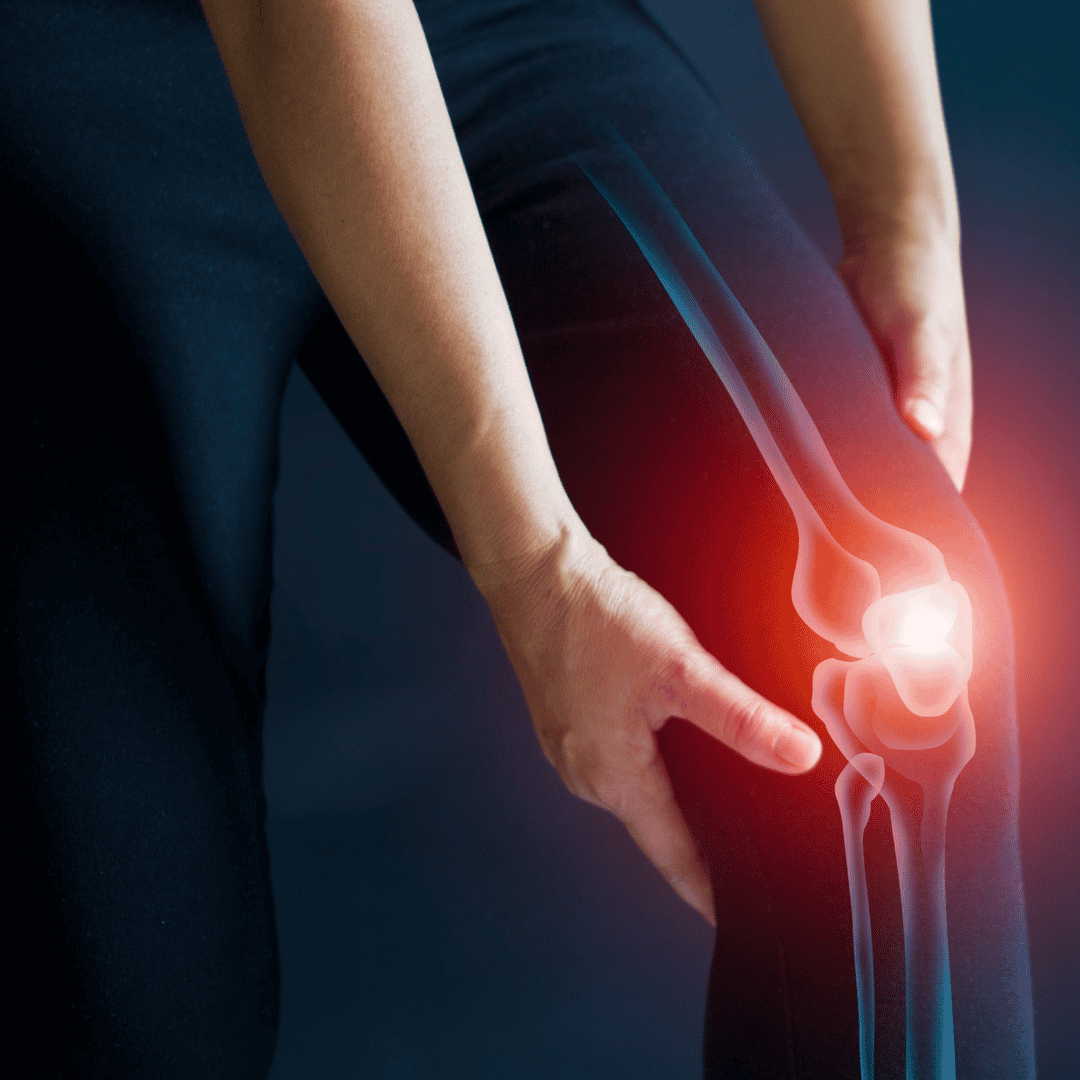
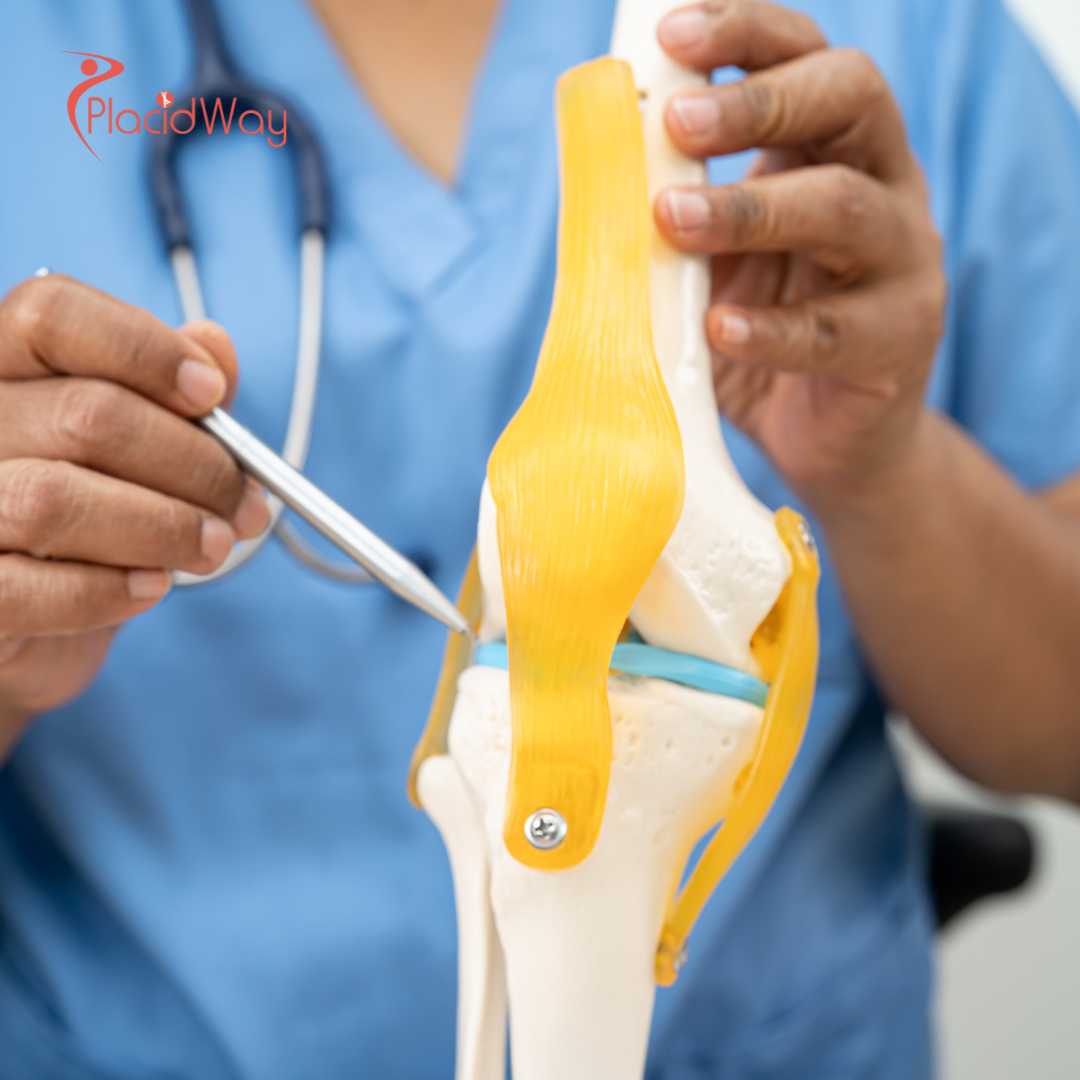










Share this listing