
.png)
Contents
Kinikilala ang Japan sa buong mundo bilang isang pioneer sa larangan ng regenerative medicine, lalo na para sa mga kondisyong neurolohikal tulad ng Parkinson's Disease. Dito natuklasan ang rebolusyonaryong Induced Pluripotent Stem Cells (iPS cells), na naghanda ng daan para sa isang bagong panahon ng paggamot. Para sa mga pasyenteng nakikipaglaban sa progresibong mga sintomas ng Parkinson's, nag-aalok ang Japan ng kakaibang pagkakataon na ma-access ang mga legal na sanctioned, highly regulated stem cell therapies na kadalasang hindi magagamit o limitado sa mga klinikal na pagsubok sa ibang lugar.
Ang mga stem cell clinic sa Japan ay nagpapatakbo sa ilalim ng mahigpit na pangangasiwa ng Ministry of Health, Labour and Welfare (MHLW) sa pamamagitan ng "Batas sa Kaligtasan ng Regenerative Medicine." Tinitiyak nito na ang mga therapy na pangunahing gumagamit ng Mesenchymal Stem Cells (MSCs)—na nagmula sa adipose tissue o umbilical cord—ay pinoproseso sa mga makabagong Cell Processing Centers (CPCs) upang matiyak ang sterility at potency.
Ang layunin ng mga therapy na ito ay gamitin ang mga paracrine effect ng mga stem cell upang mabawasan ang neuroinflammation, protektahan ang mga umiiral na neuron na gumagawa ng dopamine, at potensyal na pasiglahin ang pagkukumpuni ng mga nasirang neural pathway. Ang mga pasyente ay naaakit sa Japan hindi lamang para sa advanced na agham na ito kundi para sa masusing at magalang na pangangalaga na tumutukoy sa sistemang medikal ng Hapon.
Bagama't hindi garantisadong lunas, ang stem cell therapy sa Japan ay kumakatawan sa isang siyentipikong batayan, kaligtasan-unang pamamaraan sa pamamahala ng Parkinson's Disease at paglalayon para sa isang pinabuting kalidad ng buhay.
Alam Mo Ba?
Isinagawa ng Japan ang unang klinikal na pagsubok sa mundo gamit ang mga iPS cell upang gamutin ang Parkinson's Disease sa Kyoto University. Ang mahalagang pag-aaral na ito ay kinasasangkutan ng paglipat ng malulusog na dopamine-producing precursor cells sa utak. Bagama't ang mga komersyal na klinika ay kadalasang gumagamit ng mga MSC para sa kaligtasan at availability, binibigyang-diin ng makabagong pananaliksik na ito ang walang kapantay na kadalubhasaan ng Japan sa neuro-regeneration.
Mga Pangunahing Pananaw sa Isang Sulyap
Tinitiyak ng 2014 Safety Act na ang lahat ng regenerative therapies ay sinusuri at nililisensyahan ng gobyerno.
Nakatuon ang mga therapy sa paghinto ng pagkabulok ng mga dopamine neuron sa pamamagitan ng mga mekanismong anti-inflammatory.
Kabilang sa mga pamamaraan ang IV infusion at makabagong intranasal delivery upang malampasan ang blood-brain barrier.
Ang mahigpit na screening ng donor at mga pamantayan sa pagproseso ng cell ay nakakabawas sa mga panganib ng impeksyon o pagtanggi.
Ang mga selula ay kinultura sa mga espesyal na CPC (Cell Processing Centers) na nakakatugon sa mga pamantayan ng parmasyutiko.
Ang paggamot ay kadalasang sinasamahan ng gabay sa rehabilitasyon at suporta sa nutrisyon para sa mas mahusay na mga resulta.
Ang Mabilisang Pagsubaybay sa "Kondisyonal na Pag-apruba"
Gumagamit ang Japan ng kakaibang sistemang "Conditional Approval" para sa mga regenerative medical product. Kung ang isang therapy ay nagpapakita ng posibleng benepisyo at kaligtasan sa mga unang pagsubok, maaari itong aprubahan para sa klinikal na paggamit nang hanggang 7 taon habang kinokolekta ang karagdagang datos. Ang patakarang ito na may makabagong pananaw ay nagbibigay-daan sa mga pasyente na makakuha ng access sa mga makabagong paggamot ilang taon bago pa man ito maging available sa US o Europe.
Ang paghahanap ng pangangalagang medikal sa ibang bansa ay maaaring maging kumplikado, kaya naman ang mga nangungunang klinika sa Japan ay nag-aalok ng mga komprehensibong pakete ng therapy. Sa seksyon sa ibaba, pumili kami ng isang listahan ng mga provider na nag-aalok ng mga naka-bundle na serbisyo. Karaniwang kasama sa mga paketeng ito ang cell harvesting at processing, mga konsultasyong medikal, pagbibigay ng therapy, at suporta sa logistik tulad ng mga paglilipat sa paliparan at mga serbisyo ng interpretasyon. Suriin ang mga opsyong ito upang makahanap ng isang maayos na solusyon para sa iyong paglalakbay sa medisina.
Paalala: Suriin kung kasama sa pakete ang mga follow-up telemedicine consultations, na mahalaga para masubaybayan ang progreso pagkauwi mo.

Price starting from $10,000
Stem Cell Therapy for Parkinson’s Disease Package in Tokyo, Japan by HELENE Clinic
Helene Clinic - Stem Cell Therapy in Tokyo, Japan
- Stem Cell Therapy
Tokyo, Japan
Ang halaga ng stem cell therapy sa Japan ay sumasalamin sa mataas na pamantayan ng teknolohiya, kaligtasan, at kadalubhasaan ng espesyalista na kasangkot. Bagama't sa pangkalahatan ay hindi sakop ng insurance, tinitiyak ng pamumuhunan ang access sa sertipikadong regenerative medicine. Nakabalangkas sa talahanayan sa ibaba ang tinatayang saklaw ng gastos, na nag-iiba batay sa pinagmulan ng cell (adipose vs. umbilical cord), ang bilang ng cell (dosis), at ang bilang ng mga sesyon ng pangangasiwa na kinakailangan para sa iyong partikular na kondisyon.
Tip: Ang mas mataas na bilang ng selula o mga protocol na may maraming dosis ay natural na magpapataas ng puhunan ngunit maaaring mag-alok ng mas matibay na mga resulta.
Stem Cell Treatment for Parkinsons Disease Centers Cost Comparison in Japan
| Provider | Procedure | Price |
|---|---|---|
| Helene Clinic - Stem Cell Therapy in Tokyo, Japan | Stem Cell Treatment for Parkinsons Disease, Stem Cell Therapy | $10000 |
Stem Cell Treatment for Parkinsons Disease Cost Comparison in Japan
| Country | Procedure | Price |
|---|---|---|
| United States | Stem Cell Treatment for Parkinsons Disease, Stem Cell Therapy | $25000 |
Ang pagpili ng tamang pasilidad ay napakahalaga para sa kaligtasan. Natukoy namin ang mga nangungunang medical center sa Japan na may hawak na mga balidong lisensya mula sa Ministry of Health, Labour and Welfare upang magsagawa ng mga regenerative therapies. Ang mga klinikang ito ay sinusuri para sa kanilang pagsunod sa Act on the Safety of Regenerative Medicine, ang kanilang paggamit ng mga sertipikadong laboratoryo, at ang kanilang karanasan sa paggamot ng mga neurodegenerative disorder. Suriin ang kanilang mga profile upang mapatunayan ang kanilang mga kredensyal at kadalubhasaan.
Kaligtasan Una: Pumili lamang ng mga klinika na maaaring magbigay ng kanilang opisyal na "Provision Plan Number" na inisyu ng MHLW.
Cell Grand Clinic - Japan’s Best Stem Cell Clinic
Osaka, Japan

Helene Clinic - Stem Cell Therapy in Tokyo, Japan
Tokyo, Japan
Ang mga personal na kwento ay nagbibigay ng napakahalagang pananaw. Ang mga video testimonial na itinatampok sa ibaba ay nagpapakita ng mga karanasan ng mga internasyonal na pasyente na naglakbay sa Japan para sa paggamot ng Parkinson's. Panoorin ang mga video na ito upang marinig nang direkta ang tungkol sa kanilang mga pagbuti sa paggana ng motor, panginginig, at antas ng enerhiya, pati na rin ang kanilang mga impresyon sa pangangalagang ibinibigay ng mga medikal na pangkat ng Hapon.
Kaalaman: Maraming pasyente ang nakakapansin ng mga pagbuti sa mga sintomas na "hindi nauugnay sa motor" tulad ng pagtulog at mood, na pantay na mahalaga para sa kalidad ng buhay.


Mahalaga ang tapat na feedback para sa paggawa ng desisyon. Sa seksyong ito, makikita mo ang mga beripikadong review mula sa mga pasyente at kanilang mga pamilya na sumailalim sa therapy sa Japan. Basahin ang tungkol sa kanilang kasiyahan sa komunikasyon, kalinisan ng pasilidad, at ang pangkalahatang suporta na natanggap nila sa kanilang pananatili. Ang mga review na ito ay nakakatulong na bumuo ng isang makatotohanang larawan ng kung ano ang aasahan mula sa iyong paglalakbay sa medisina.
Tip sa Pagsusuri: Bigyang-pansin ang mga review na binabanggit ang kadalian ng komunikasyon sa pamamagitan ng mga interpreter, dahil tinitiyak nito ang isang karanasang walang stress.

Can Stem Cells Slow Parkinson’s Progression in Japan?
Recent clinical trials in Japan using induced pluripotent stem (iPS) cells have shown significant promise. This therapy has demonstrated it can be done safely and may slow Parkinson's progression by replacing lost dopamine-producing neurons, with some patients showing improved motor function. Hello! If you or a loved one are navigating the challenges of Parkinson's disease, you've likely heard whispers and hopeful reports about stem cell therapy, particularly from Japan. It's a topic filled with complex science but also immense hope. For decades, Parkinson's treatment has focused on managing symptoms, primarily replacing the brain's lost dopamine with medications. While these drugs are essential, they don't stop the underlying disease from progressing. This is where the groundbreaking work in Japan comes in, offering a completely different approach. Instead of just managing the deficit, scientists are working to *replace* the very cells that Parkinson's destroys. Japan has become a global leader in this field, largely due to the discovery of induced pluripotent stem cells (iPS cells), which earned a Nobel Prize. These are not embryonic stem cells; they are adult cells (like skin or blood) reprogrammed to become any cell in the body, including the specific dopamine-producing neurons that are lost in Parkinson's. Recent clinical trials from prestigious institutions like Kyoto University are moving this from theory to reality. They are not just asking if it's possible, but if it's safe and effective at slowing, or perhaps one day even reversing, the relentless progression of this disease. We're going to dive into exactly what this treatment is, what the latest 2025 findings show, how much it might cost, and what it could mean for patients around the world. This isn't about miracle cures, but about real, tangible scientific progress. We'll break down the common questions, separate the hype from the reality, and give you the clear, expert answers you're searching for. Let's explore the current landscape of stem cell therapy for Parkinson's in Japan together. What is stem cell therapy for Parkinson's disease? Stem cell therapy for Parkinson's is a regenerative treatment that aims to replace the dopamine-producing brain cells (neurons) destroyed by the disease. The goal is to restore the brain's ability to produce its own dopamine, thereby reducing symptoms and potentially slowing disease progression. Traditional Parkinson's treatments, like Levodopa, essentially provide the brain with the dopamine it's no longer making. This stem cell therapy is different; it's a form of regenerative medicine. The core idea is to transplant new, healthy cells—grown from stem cells—directly into the specific brain regions (like the putamen) where the original neurons have died off. Once transplanted, these new cells are intended to mature into functional dopamine-producing neurons. If successful, they integrate into the brain's existing circuitry, start producing dopamine, and restore the communication pathways that control movement. This is a fundamental repair strategy, which is why it holds the potential to not just mask symptoms but to create a lasting, biological change and slow progression. How does Parkinson's disease affect the brain? Parkinson's disease primarily affects a small area of the brain called the substantia nigra. In this area, nerve cells that create a vital chemical called dopamine begin to die off. This loss of dopamine disrupts signals to brain regions that control movement, leading to the classic motor symptoms of Parkinson's. Think of dopamine as a crucial messenger that allows for smooth, coordinated muscle movement. When you decide to walk, type, or smile, dopamine relays that signal efficiently. In a person with Parkinson's disease, the cells producing this messenger are progressively lost. As dopamine levels drop, the signals become weak and erratic. This disruption is what causes the hallmark symptoms: Tremor: Shaking, often beginning in a hand or finger. Bradykinesia: Slowness of movement, making simple tasks difficult. Rigidity: Stiffness in the limbs or trunk. Postural Instability: Problems with balance and coordination. Because the disease is progressive, this cell loss continues over time, and symptoms worsen. The goal of stem cell therapy is to directly replenish this specific population of lost cells. Can stem cell therapy really slow the progression of Parkinson's? Yes, evidence from recent clinical trials in Japan suggests it is possible. By transplanting new, healthy dopamine-producing cells, the therapy aims to restore the brain's depleted dopamine system. This could functionally halt or slow the progression of symptoms, as the new cells are not affected by the disease in the same way. This is the central question and the most exciting part of the research. The Kyoto University trial, with results published in 2025, provides the strongest evidence to date. Researchers observed that among the patients evaluated, several showed measurable improvements in their motor function scores even when they were off their standard medications. This is a key indicator that the treatment is having a genuine effect. Furthermore, brain scans (specifically PET scans) confirmed that the transplanted iPS cells were surviving, integrating, and—most importantly—producing dopamine two years after the procedure. This suggests the treatment can create a new, lasting source of dopamine. While no one is using the word "cure," this is the first therapeutic approach that has demonstrated a potential to create a long-term biological repair, fundamentally changing the disease's trajectory for a patient. What are iPS cells, and why are they used in Japan? Induced Pluripotent Stem Cells (iPS cells) are adult cells (like skin or blood) that are genetically reprogrammed back into an embryonic-like, "pluripotent" state. This means they can be coaxed into becoming any cell type, including the dopamine neurons needed for Parkinson's treatment. Japan is the birthplace of iPS cell technology, discovered by Dr. Shinya Yamanaka at Kyoto University. This discovery is a source of national pride and a focus of intensive government and academic research. Using iPS cells cleverly sidesteps the ethical and logistical hurdles of using embryonic stem cells. There are two main advantages: No Ethical-Sourcing Issues: Since they come from adult donors (or even the patient themselves, known as "autologous"), they avoid the controversy associated with embryos. Reduced Rejection Risk: The Kyoto trial used iPS cells from healthy donors whose immune profiles (HLA-matched) are compatible with a large portion of the Japanese population. This makes them "off-the-shelf" cells that are less likely to be rejected by the patient's immune system, reducing the need for heavy immunosuppressant drugs. Is stem cell therapy for Parkinson's approved in Japan? As of late 2025, there is no *fully* approved and commercially marketed stem cell therapy for Parkinson's in Japan. However, the system is unique. Some treatments are available under Japan's "Act on the Safety of Regenerative Medicine (ASRM)," which allows clinics to offer experimental therapies with regulatory oversight. This is a critical distinction. The groundbreaking iPS cell treatment from the Kyoto University trial is not yet available to the public. Sumitomo Pharma, the company that manufactured the cells, has filed for regulatory approval in Japan based on the trial's promising results. It is currently under a priority review, meaning a decision could come relatively soon. Separately, some private clinics in Japan offer other types of stem cell treatments (often using stem cells from fat or bone marrow) for Parkinson's. These treatments are offered under the ASRM framework, which means the government has accepted their treatment plan as meeting safety standards, but it does *not* mean the treatment has been proven effective. These are still considered experimental and are typically very expensive. What is the status of clinical trials for Parkinson's stem cell therapy in Japan? Clinical trials are active and producing very promising results. The most significant is the physician-led Phase I/II trial at Kyoto University Hospital, which transplanted iPS cell-derived dopamine neurons into seven patients. The results, published in April 2025, confirmed the treatment's safety and showed potential efficacy. This trial is the one generating global headlines. Its primary goal was to check for safety, and it passed with flying colors: no serious adverse events, no tumors, and no uncontrolled movements (dyskinesias) were reported over the two-year follow-up period. This safety profile is a massive achievement. The trial also looked at efficacy. As mentioned, four of the six evaluated patients showed improved motor function, and PET scans confirmed the cells were alive and working. Based on this success, the pharmaceutical company Sumitomo Pharma is also running trials in the U.S. and is seeking approval in Japan. This marks a major step from academic research toward a widely available, approved medical treatment. Is it safe to get stem cell therapy for Parkinson's in Japan? Safety depends heavily on the treatment type. The iPS cell clinical trials at Kyoto University have demonstrated a strong safety profile over two years. However, treatments at private, for-profit clinics operating under the ASRM are still experimental, and their long-term safety and efficacy are not as rigorously proven. The main concerns with any stem cell therapy, especially in the brain, are: Tumor Formation: The risk that transplanted stem cells could grow uncontrollably. The iPS cells used in the Kyoto trial are carefully differentiated into neurons *before* transplantation to minimize this risk, and no tumors were seen. Uncontrolled Movements (Dyskinesias): This was a major side effect in older trials using fetal tissue. The new iPS cell-derived neurons appear to be much safer, with no graft-induced dyskinesias reported. Rejection: The patient's immune system could attack the new cells. This is managed by using HLA-matched donor cells and a temporary course of immunosuppressant drugs. While Japan's top research institutions are world-class, patients must be cautious about "stem cell tourism" and clearly understand the difference between a rigorous clinical trial and an experimental treatment offered at a private clinic. How is the stem cell procedure for Parkinson's performed in Japan? In the advanced iPS cell clinical trials, the procedure is a form of neurosurgery. Using precise imaging, surgeons transplant millions (e.g., 5 to 10 million) of lab-grown dopamine-producing neurons directly into the putamen, a deep brain structure severely affected by Parkinson's. This is not a simple injection. It is a highly specialized surgical procedure. The cells are delivered using a very fine needle, guided by MRI, to ensure they are placed in the exact locations where they are needed most. The patient is under anesthesia, and the procedure is performed by a team of neurosurgeons and neurologists. Some private clinics, however, may offer different, less-proven methods, such as intravenous (IV) infusions or injections into the spinal fluid. These methods are not believed to be effective for Parkinson's disease because the stem cells are unlikely to cross the blood-brain barrier and turn into the specific neurons needed in the correct location. What is the cost of stem cell therapy for Parkinson's in Japan? The cost of stem cell therapy for Parkinson's in Japan varies dramatically. Treatments in formal clinical trials (like the Kyoto University study) are typically funded by the research body or government and are not a direct cost to the patient. However, experimental treatments at private clinics are very expensive, often ranging from $25,000 to $100,000 USD or more. These private clinic costs are paid out-of-pocket and are not covered by insurance, as the treatments are not yet approved as a standard of care. The price can depend on the type of stem cells used (e.g., adipose-derived), the number of cells, the number of infusions, and the clinic's reputation. It's vital to get a clear, itemized quote before considering such a treatment. Here is a general cost comparison for context, though prices for experimental treatments are not standardized: Treatment Type Location Estimated Cost (USD) Notes iPS Cell Clinical Trial Japan (e.g., Kyoto University) $0 (for patient) Funded by research. Not open to the public; strict eligibility. Adipose/Mesenchymal Stem Cell (MSC) Therapy Private Clinic (Japan) $25,000 - $80,000+ Experimental (ASRM regulated). Efficacy for Parkinson's is not well-proven. MSC Therapy Clinics in Other Countries (e.g., Panama, Mexico) $15,000 - $50,000 Regulatory standards vary widely. High risk of unproven treatments. Standard Parkinson's Medication (Annual) USA / Europe $2,500 - $10,000+ Ongoing cost for symptom management. Does not slow progression. Who is an eligible candidate for this treatment? Eligibility is extremely specific. For the iPS cell clinical trials in Japan, participants were highly selected. Criteria included being between 50-69 years old, having Parkinson's for at least five years, and still being responsive to standard dopamine medication. These strict criteria are used to ensure the trial can accurately measure safety and efficacy. Patients with very advanced Parkinson's or those who no longer respond to Levodopa were generally excluded. Some trials were also limited to residents of Japan. For private clinics offering experimental treatments, the eligibility criteria are often much looser. This may seem appealing, but it also reflects the less rigorous, non-standardized nature of the therapy being offered. Reputable providers will still require a thorough medical evaluation to rule out contraindications. What is the recovery process like? The recovery process involves two phases. First is the short-term recovery from the neurosurgery, which involves a hospital stay. Second is the long-term monitoring, which includes a temporary course of immunosuppressant drugs (for about 6-12 months) to prevent rejection of the new cells. This is not an "in-and-out" procedure. After the brain surgery, patients are monitored closely in the hospital for several days. Once discharged, they begin the immunosuppression regimen. This is a critical period, as these drugs lower the body's overall immune defense, increasing the risk of infection. Patients must be careful and have regular follow-up appointments. It's also important to manage expectations. The benefits are not instant. The transplanted cells need months, or even a year or more, to fully mature, integrate, and start producing a significant amount of dopamine. The Kyoto trial followed patients for two years to properly assess the long-term effects. What is the success rate of stem cell therapy for Parkinson's in Japan? It is too early to state a "success rate" in percentages. However, the results from the Kyoto iPS cell trial are a strong indicator of success. In that small study, four out of six evaluated patients showed measurable improvements in motor function, and PET scans confirmed cell survival and dopamine production in the brain. This is a remarkable outcome for a Phase I/II trial, which is primarily focused on safety. "Success" here is defined as: Safety: The treatment did not cause harm. (Achieved) Cell Survival: The transplanted cells lived. (Achieved, confirmed by scans) Efficacy: The cells produced dopamine and reduced symptoms. (Achieved in a majority of the small group) This is a "proof-of-concept" success. It shows the therapy *can* work. Larger Phase III trials will be needed to determine *how well* it works across a larger, more diverse population and to establish a true statistical success rate. What is the difference between iPS cell therapy and adult stem cell (e.g., adipose) therapy? iPS cell therapy for Parkinson's involves creating *new* dopamine-producing neurons in a lab and surgically transplanting them to replace what was lost. Adult stem cell (MSC) therapy, often using cells from fat (adipose) tissue, does not create new neurons. Instead, these cells are typically infused intravenously to reduce inflammation and provide supportive "growth factors," which may protect existing neurons. This is the most important difference for a patient to understand. The iPS cell approach is a *replacement* strategy. It's like planting new trees in a forest that burned down. The adult stem cell (Mesenchymal Stem Cell or MSC) approach is a *support* strategy. It's like adding fertilizer and water to the remaining trees to help them survive longer. While reducing inflammation (the support strategy) may be beneficial, only the iPS cell replacement strategy directly addresses the core problem of Parkinson's disease: the massive loss of dopamine-producing cells. This is why the scientific community is so focused on the iPS cell trials in Japan. How do I find a reputable clinic for stem cell therapy in Japan? Finding a reputable clinic means looking for transparency, a connection to formal research, and adherence to Japan's ASRM regulations. Be wary of clinics that make "cure" promises, lack published data, or downplay risks. The safest route is often through major university hospitals and research institutions. Here's what to look for: Affiliation: Is the clinic part of a major university hospital (like Kyoto University Hospital) or research institute? Transparency: Do they clearly state what *type* of stem cells are used (i.e., iPS cells vs. adipose)? Do they explain the exact procedure? Data: Can they provide data, ideally published in peer-reviewed journals, for their specific treatment? ASRM Approval: Do they clearly show their treatment plan is approved by Japan's Ministry of Health, Labour and Welfare under the ASRM? Realistic Claims: Reputable doctors will be very cautious with their language. They will say "experimental," "shows promise," or "may slow progression." They will not say "cure" or "reverse." Be extremely skeptical of any clinic that relies heavily on patient testimonials instead of scientific data or that pressures you into making a quick decision. This is a major medical procedure, not a simple commodity. What is Japan's ASRM (Act on the Safety of Regenerative Medicine)? The ASRM is a unique Japanese law passed in 2014 that creates a framework for offering regenerative medicine treatments (like stem cell therapy) outside of the traditional, lengthy clinical trial process. It allows certified clinics to offer experimental therapies to paying patients, as long as the treatment plan is submitted to and approved by a government committee. This law is why Japan has so many clinics offering these advanced treatments. However, ASRM approval is *not* the same as full marketing approval from the PMDA (Japan's FDA). The ASRM committee primarily judges the *safety* of the proposed treatment and the clinic's ability to perform it, not its *effectiveness*. This "fast-track" system is designed to accelerate innovation, but it places a greater burden on the patient to understand that they are paying for an experimental treatment, not a proven one. How long does the treatment take? The iPS cell transplant is a single neurosurgical procedure that takes several hours. However, the total commitment is much longer, including a hospital stay of several days, and a follow-up period of immunosuppression and monitoring that lasts at least one to two years. This is not a quick trip. Patients traveling for this treatment would need to plan for an extended stay in Japan for the initial procedure and recovery. They would also need to coordinate long-term follow-up care with their neurologists back home, in communication with the Japanese medical team. Will I have to stop my Parkinson's medication? No, you will not stop your existing Parkinson's medication. In the Kyoto trial, patients continued their standard Levodopa regimen. The goal of the stem cell therapy is to supplement and restore the brain's own dopamine production, which may eventually allow for a *reduction* in medication, but this is a long-term goal. In fact, the trial measured success by testing patients' motor function *off* their medication, demonstrating the new cells were providing a benefit independent of their normal drugs. Any adjustments to your medication would be made very slowly and carefully by your neurology team long after the procedure. What are the next steps for this research? The next steps are regulatory approval and larger, double-blind Phase III clinical trials. Sumitomo Pharma has already applied for manufacturing and marketing authorization in Japan. If approved, this would be the world's first "off-the-shelf" iPS cell therapy for Parkinson's disease. A successful Phase III trial would be the final step to confirm the treatment's efficacy and safety in a larger, more diverse group of patients. This would move the therapy from an experimental procedure to a new standard of care, paving the way for it to become available to patients worldwide. Ready to Explore Your Healthcare Options? Navigating advanced medical treatments like stem cell therapy can be complex. PlacidWay is here to help you find and compare high-quality, safe, and reputable healthcare solutions around the world. Explore our network of accredited clinics and find the expert care you deserve. Explore PlacidWay Today
What Improvements can Parkinson’s Disease Stem Cell Therapy Bring in Japan?
In Japan, Parkinson disease stem cell therapy may offer potential improvements in motor functions like reduced tremors and stiffness. While not a cure, it aims to restore dopamine levels or protect neurons, potentially enhancing overall quality of life. Living with a progressive neurological condition requires continuous symptom management and care adaptation. As traditional medications like levodopa often lose efficacy over time or cause unwanted side effects, many patients explore alternative medical avenues. Seeking Parkinson's disease stem cell therapy in Japan has become a notable consideration for international patients due to the country's progressive regenerative medicine laws and intensive clinical research. Japan has established itself as a global leader in cellular research, particularly following a Nobel Prize-winning discovery involving induced pluripotent stem cells (iPSCs). While stem cell therapy for Parkinson disease remains largely investigational and results vary significantly by individual, specialized clinics and research hospitals in Japan are actively providing or studying these therapies. Understanding the potential benefits, limitations, and requirements is crucial for anyone considering this path. Key Takeaways Stem cell therapies in Japan focus on replacing lost dopamine-producing neurons or protecting existing brain cells. Potential improvements may include better motor control, reduced muscle rigidity, and fewer tremors. The therapy is not a guaranteed cure, and outcomes vary greatly depending on the patient's disease stage and overall health. Japan regulates these procedures strictly under the Act on the Safety of Regenerative Medicine. Patients traveling for treatment must plan carefully for medical visas, language support, and localized aftercare. How does stem cell therapy address Parkinson disease symptoms? Stem cell therapy aims to address symptoms either by replacing damaged dopamine-producing neurons or by secreting neuroprotective factors that help preserve the remaining healthy brain cells. Parkinson disease is characterized by the progressive loss of dopaminergic neurons in the substantia nigra region of the brain. Because dopamine acts as a critical chemical messenger for movement and coordination, its depletion leads to the classic motor symptoms of the disease. Regenerative medicine approaches this problem from two primary angles, depending on the type of cells used. The first approach involves using cells, such as Mesenchymal Stem Cells (MSCs), to modulate the immune system and reduce inflammation in the brain. These cells secrete growth factors that may support the survival of existing neurons, a process known as neuroprotection. The second, more complex approach involves grafting specialized cells—like induced pluripotent stem cells (iPSCs)—directly into the brain with the goal of them maturing into new, functional dopamine-producing neurons. What specific motor function improvements might patients see? In suitable candidates, successful therapy may lead to a reduction in resting tremors, decreased muscle stiffness, and an improvement in overall movement fluidity. Motor symptoms are the most visible and often the most debilitating aspects of Parkinson disease. Patients undergoing stem cell treatment hope to regain a level of physical independence. When the therapy yields positive results, patients often report improvements in bradykinesia, which is the slowness of movement that makes simple daily tasks challenging. Additionally, some patients may experience shorter or less severe "off" periods. An "off" period occurs when traditional Parkinson medications wear off before the next dose is due, leading to a temporary return of severe symptoms. By potentially stabilizing dopamine levels or providing neuroprotection, cellular therapies may help smooth out these fluctuations, providing more consistent motor control throughout the day. Can this therapy improve non-motor Parkinson symptoms? While regenerative treatments primarily target motor functions, some patients may experience secondary improvements in non-motor symptoms such as sleep quality, mood, and energy levels. Non-motor symptoms of Parkinson disease can include sleep disturbances, depression, anxiety, fatigue, and cognitive changes. The direct impact of stem cells on these specific symptoms is less clearly defined in current research compared to motor improvements. The pathology of non-motor symptoms often involves neurotransmitters other than dopamine, such as serotonin and acetylcholine, which are not the primary targets of dopamine-cell replacement strategies. However, many patients note a general enhancement in their quality of life post-treatment. If motor symptoms become less severe and the patient regains some physical mobility, secondary benefits often follow. Being able to move more freely can naturally alleviate feelings of depression, reduce severe fatigue, and promote better sleep architecture, indirectly addressing the non-motor burden of the disease. Is it possible to reduce Parkinson medications after treatment? Some patients may be able to gradually reduce their daily dosage of levodopa and other dopaminergic medications, though complete cessation is rarely achieved. Long-term use of levodopa frequently leads to complications, most notably levodopa-induced dyskinesia—involuntary, erratic movements that can be as disruptive as the Parkinson symptoms themselves. A major clinical goal of stem cell therapy is to reduce the patient's reliance on these high-dose pharmacological interventions. If the transplanted cells successfully integrate and begin modulating dopamine levels, the patient's neurologist may carefully taper their medication. This reduction must be managed exclusively by a qualified healthcare professional, as abruptly stopping Parkinson medication can lead to severe, life-threatening complications. Patients must maintain realistic expectations: the therapy aims to optimize medical management, not to eliminate the need for medication entirely. Important Consideration: Individual Variance It is vital to understand that neurological conditions affect everyone differently. The degree of improvement, the timeline for symptom relief, and the ability to reduce medication dosage will vary uniquely from patient to patient based on disease progression, age, and biological response to treatment. What is the estimated Parkinson's disease stem cell therapy cost in Japan? The estimated cost typically ranges between $15,000 and $35,000 USD, though highly specialized or multiple-session protocols can increase these figures significantly. Predicting exact medical expenses can be difficult because the total financial commitment involves more than just the cellular injection. Factors influencing the Parkinson's disease stem cell therapy cost in Japan include the type of cells used (e.g., autologous MSCs vs. allogeneic cells), the method of administration, and the duration of the required clinical monitoring. Patients must also budget for comprehensive pre-treatment diagnostics, which often include advanced neurological imaging and blood panels. Because international insurance policies rarely cover investigational therapies, patients typically pay out-of-pocket. Furthermore, the cost of medical tourism—such as flights, extended accommodations in cities like Tokyo or Kyoto, and specialized translator services—must be factored into the overall budget. Potential Expense Category Estimated Range (USD) Details Pre-Treatment Diagnostics $1,500 - $3,500 MRIs, neurological assessments, blood tests Stem Cell Procedure $15,000 - $35,000+ Varies by cell type and administration method Post-Procedure Monitoring $2,000 - $5,000 Clinic visits, follow-up imaging, therapies Note: The prices listed above are general estimates for educational purposes. Actual costs vary by clinic, patient requirements, and currency exchange rates. How do Japanese regulatory frameworks protect patients? Japan strictly regulates stem cell treatments through the Act on the Safety of Regenerative Medicine (ASRM), ensuring that clinics meet stringent scientific, ethical, and safety standards before offering therapies. One of the primary reasons patients consider international treatment in this region is the structured legal environment. The Pharmaceuticals and Medical Devices Agency (PMDA) oversees clinical trials and the conditional approval of regenerative medicines. This regulatory pathway allows innovative therapies to reach patients faster, provided that initial safety and probable efficacy are scientifically demonstrated. Under the ASRM, any medical institution wishing to provide cell therapies must submit their treatment protocols to a certified special committee for rigorous review. Only after receiving approval from the Ministry of Health, Labour and Welfare (MHLW) can the facility legally administer the treatment. This framework helps weed out unverified clinics and adds a layer of safety for patients seeking regenerative care. How do I evaluate a Parkinson's disease stem cell therapy clinic in Japan? Patients should verify that the clinic holds official MHLW certification, employs board-certified neurologists, and operates transparently regarding both potential benefits and associated risks. Choosing a reliable Parkinson's disease stem cell therapy clinic in Japan requires careful diligence. A reputable clinic will never guarantee a cure or pressure a patient into immediate treatment. Instead, they will insist on a thorough preliminary evaluation to determine if the patient is a suitable candidate. Prospective patients should ask for documentation of the clinic's compliance with Japanese regenerative medicine laws. It is also beneficial to inquire about the specific type of cells being used, where they are cultured, and the facility's protocol for managing potential adverse reactions. Reputable providers will gladly share data regarding their safety records and typical patient outcomes, while emphasizing that individual results may vary. What is the timeline for seeing potential improvements? Symptom improvements are rarely immediate; it typically takes several months for transplanted cells to integrate, reduce inflammation, or begin modulating dopamine pathways in the brain. Patients expecting an overnight transformation may be disappointed. Cellular therapies operate on a biological timeline. In treatments utilizing neuroprotective mechanisms (like MSCs), subtle improvements in energy or mobility might be noticed within a few weeks to months as systemic inflammation decreases. In more complex trials involving cell replacement strategies, it can take six months to a year or longer for the grafted cells to survive, form neural connections, and begin producing meaningful levels of dopamine. During this prolonged recovery phase, continuous neurological monitoring and strict adherence to physical therapy and existing medication schedules are mandatory to accurately gauge the treatment's effectiveness. What are the potential risks of stem cell treatments for Parkinson disease? Risks may include surgical complications, localized infections, immune rejection, and the potential development of graft-induced dyskinesias. No medical procedure is entirely devoid of risk, and regenerative medicine is no exception. Depending on how the cells are delivered—whether via intravenous infusion, lumbar puncture, or direct stereotactic brain surgery—the immediate physical risks vary. Direct brain delivery carries risks typical of neurosurgery, including bleeding, infection, and tissue damage. Additionally, if donor (allogeneic) cells are used, there is a risk of immune system rejection, necessitating the use of immunosuppressive drugs, which in turn lower the body's ability to fight off general infections. A specific concern in Parkinson trials historically has been graft-induced dyskinesia, where the newly transplanted cells produce too much dopamine or release it erratically, leading to involuntary movements. A thorough consultation must cover these contraindications and potential complications extensively. How should I plan for medical tourism in Japan for this treatment? Planning requires organizing comprehensive medical records, securing appropriate medical visas, arranging long-term accommodations, and ensuring a local aftercare plan is in place for your return home. Engaging in medical tourism in Japan demands meticulous preparation. Because treatment often requires a preliminary evaluation phase, the procedure itself, and a subsequent monitoring period, patients should prepare for a stay lasting several weeks. Japan offers a specific Visa for Medical Stay, which allows international patients and their accompanying family members to remain in the country for extended periods based on the hospital's treatment plan. Language barriers can present significant challenges in medical settings. Patients should confirm that their chosen clinic provides dedicated medical interpretation services. Most importantly, continuity of care cannot be overlooked. Patients must coordinate with their local neurologist before traveling, ensuring that the doctor at home is willing and prepared to monitor their progress and manage any potential long-term complications once they return. Why Choose PlacidWay for Medical Tourism? Navigating international healthcare options can be overwhelming, particularly when dealing with complex neurological conditions. PlacidWay acts as a comprehensive resource for patients seeking medical care abroad. Consider these factual aspects of utilizing PlacidWay's informational platform: Global Network Access: PlacidWay provides information on a wide array of internationally accredited clinics and medical centers across multiple continents. Detailed Clinic Profiles: Patients can review facility credentials, doctor qualifications, and available treatment technologies in one centralized location. Direct Communication Facilitation: The platform allows users to request information and initial consultations directly from healthcare providers. Educational Resources: PlacidWay offers extensive articles, cost estimates, and guides to help patients understand various procedures and destinations. Multilingual Information: Resources are often available in multiple languages to assist international patients in comprehending complex medical terminology. Frequently Asked Questions Is stem cell therapy a cure for Parkinson disease? No, stem cell therapy is not currently a cure for Parkinson disease. It is an advanced treatment aimed at managing symptoms, potentially slowing disease progression, and improving quality of life by restoring dopamine function or protecting existing neurons. What types of stem cells are used for Parkinson treatments in Japan? Clinics and research hospitals in Japan primarily utilize Mesenchymal Stem Cells (MSCs) for their anti-inflammatory properties, and Induced Pluripotent Stem Cells (iPSCs), which are currently being studied in clinical trials to replace lost dopaminergic neurons. Do I need to stay in Japan for the entire recovery period? While you do not need to stay in Japan indefinitely, most clinics require patients to remain in the country for several weeks post-treatment for initial monitoring, follow-up tests, and to ensure no immediate complications arise before flying home. Will my home health insurance cover stem cell therapy in Japan? Most international health insurance providers consider stem cell therapy for Parkinson disease to be experimental or investigational, meaning it is rarely covered. Patients usually pay out-of-pocket for these treatments. Can advanced-stage Parkinson patients receive this therapy? Eligibility depends on a thorough medical evaluation by the treating physician. While some advanced-stage patients may receive therapy to manage severe symptoms, those with significant comorbidities or severe cognitive decline may not be suitable candidates. What happens if I develop complications after returning home? Before leaving Japan, you should have a clear aftercare plan. If complications arise at home, you must seek immediate care from your local neurologist or emergency department, sharing the medical reports and treatment details provided by your Japanese clinic. How long do the effects of stem cell therapy typically last? The duration of symptom relief varies widely among patients. Some may experience improvements lasting several months to a few years, while others may see more subtle, shorter-term benefits depending on disease progression and the type of cells used. Does age affect eligibility for stem cell treatments in Japan? Age alone is not always a strict disqualifier, but biological age, overall health, and the presence of other medical conditions heavily influence eligibility. Older patients may face higher surgical or systemic risks, which physicians will carefully assess. Are English-speaking medical staff available in Japanese clinics? Many facilities catering to international patients employ English-speaking staff or provide dedicated medical translators. However, it is highly recommended to confirm language support availability before committing to a specific clinic. What medical records do Japanese clinics require before consultation? Clinics typically require recent neurology reports, MRI or PET brain scans, a detailed history of your Parkinson medication timeline, current prescriptions, and comprehensive blood work to evaluate your preliminary suitability. Compare Treatment Options Worldwide Gather the information you need to make educated decisions about your neurological healthcare journey. Explore options, request details, and connect with medical facilities. Request Treatment Information References Stem Cell Therapy for Parkinson's Disease: A Review – National Institutes of Health (NIH) Stem Cells and Parkinson's Disease – The Michael J. Fox Foundation for Parkinson's Research Clinical Trial of iPS Cell-Based Therapy for Parkinson's Disease – Center for iPS Cell Research and Application (CiRA), Kyoto University Regulatory Framework for Regenerative Medical Products – Pharmaceuticals and Medical Devices Agency (PMDA) Japan Japan's Approval System for Regenerative Medicine – Nature Review Stem Cells and Parkinson's Research – Parkinson's Foundation Medical Disclaimer: The information provided in this article is for educational and informational purposes only and does not constitute medical advice. Stem cell therapies for Parkinson disease are largely investigational and outcomes are not guaranteed. Always consult with a board-certified neurologist or qualified healthcare professional regarding diagnosis, medical treatments, and whether a specific procedure is appropriate for your individual medical history.
What Are The Success Rates of Stem Cell Therapy for Parkinson’s Disease in Japan?
Recent clinical trials in Japan, particularly using iPS cells, have shown promising results with stable dopamine production and no tumor formation over two years. While success varies by patient and cell type, trials indicate improved motor function and halted disease progression in many participants. If you or a loved one is navigating the challenges of Parkinson’s disease, you have likely heard about the groundbreaking advancements happening in Japan. For years, the world has looked to Japan as a beacon of hope in the field of regenerative medicine, and for good reason. The country is not just researching; it is actively pushing the boundaries of what is possible with stem cell therapy. So, what exactly are the success rates of stem cell therapy for Parkinson’s disease in Japan? To put it simply, recent data from major clinical trials—specifically those led by Kyoto University—suggest that the treatment is both safe and effective for many patients. We are seeing cases where transplanted cells successfully integrate into the brain and begin producing dopamine, which is the missing key in Parkinson’s pathology. While "cure" is a strong word, "stabilization" and "improvement" are becoming real possibilities. In this guide, we are going to walk you through everything you need to know. We will look beyond the headlines to understand the real-world outcomes, the costs involved, and the different types of cells being used. Japan’s strict regulatory environment means that safety is prioritized, giving international patients a level of confidence that is hard to find elsewhere. Whether you are considering iPS cells or mesenchymal stem cells (MSCs), understanding the landscape in Japan is your first step toward making an informed decision about your health journey. What are the success rates of stem cell therapy for Parkinson’s in Japan? “Clinical trials, such as the Kyoto University study, reported that transplanted iPS cells survived and functioned in the brain for over two years without adverse effects. Approximately 66% of evaluated patients showed improvements in motor symptoms and reduced need for medication.” When we discuss success rates of stem cell therapy for Parkinson’s, it is crucial to distinguish between complete remission and significant symptom management. In the landmark clinical trials conducted in Japan, success is defined by the survival of the grafted cells and the improvement of motor functions. The results have been highly encouraging, with PET scans confirming that transplanted cells continue to produce dopamine long after the procedure. For patients undergoing treatment with mesenchymal stem cells (MSCs) at private clinics, anecdotal success rates are also high regarding quality of life. Many patients report reduced tremors, better balance, and increased energy levels. However, these treatments focus more on managing inflammation and protecting existing neurons rather than replacing lost ones. It is important to manage expectations. While the data is positive, individual results depend heavily on the stage of the disease and the patient's overall health. The "success" here is often measured by a halt in progression or a reduction in the severity of symptoms, allowing patients to regain some independence. How does stem cell therapy work for Parkinson’s disease? “Stem cell therapy works by replacing damaged dopamine-producing neurons or by creating a neuroprotective environment. In Japan, induced pluripotent stem cells (iPSCs) are programmed to become dopaminergic neurons, which are then transplanted into the patient's brain to restore motor control.” The mechanism behind stem cell therapy for Parkinson’s is fascinating. In Parkinson's disease, neurons in the substantia nigra part of the brain die and stop producing dopamine. This chemical is essential for controlling movement. Stem cell therapy aims to replenish these lost cells. In the case of iPS cells (induced pluripotent stem cells), scientists take improved skin or blood cells, reprogram them into a stem cell state, and then guide them to become dopamine-producing neurons. Once these new cells are transplanted into the brain, they integrate with the existing neural network. The goal is for them to release dopamine naturally, smoothing out the "on" and "off" periods that many patients experience with medication like Levodopa. This biological restoration is why Japan's research is considered a potential game-changer. Alternatively, therapies using MSCs work through a "paracrine effect." These cells release growth factors and anti-inflammatory cytokines that help repair damaged tissues and reduce neuroinflammation. While they may not become new brain neurons, they create a healthier environment for the brain to function, often slowing the disease's advance. What types of stem cells are used for Parkinson’s in Japan? “Japan primarily focuses on two types of stem cells for Parkinson's: induced Pluripotent Stem Cells (iPSCs) for replacing lost neurons in clinical trials, and Adipose-derived Mesenchymal Stem Cells (MSCs) for neuroprotection and inflammation management in private clinics.” Japan is unique because it is the birthplace of iPS cell technology, discovered by Nobel Laureate Shinya Yamanaka. These cells are the gold standard for Parkinson's research because they avoid the ethical issues of embryonic stem cells while offering the potential to match the patient's own genetic makeup (or that of a compatible donor) to reduce rejection risks. On the other hand, many private regenerative medicine clinics in Japan offer Adipose-derived MSCs. These are harvested from the patient's own fat tissue via a mini-liposuction. They are popular because they are abundant, easy to harvest, and safe. They are typically administered intravenously or intrathecally (into the spinal canal) to target systemic inflammation and support brain health. Understanding the difference is key: iPS cells aim to replace the machinery of the brain, while MSCs aim to oil the machinery and prevent further rust. Both have their place in the treatment landscape depending on whether you are enrolling in a trial or seeking private care. What were the results of the Kyoto University Parkinson’s trial? “The Kyoto University trial results confirmed that iPS cell-derived dopaminergic progenitors were safe, with no tumor formation observed over two years. Motor function improved in the majority of participants, validating the potential of this therapy as a viable treatment option.” The Kyoto University trial is perhaps the most watched study in the world for Parkinson's. Led by Professor Jun Takahashi, the team transplanted millions of iPS cell-derived neurons into the brains of seven patients. The primary goal was to ensure safety—specifically, that the cells would not grow into tumors, which is a common risk with potent stem cells. The results were a resounding success for safety. No adverse masses or tumors were found. Beyond safety, the efficacy data was thrilling. Imaging showed the cells survived and integrated. Patients reported improvements in their standard Parkinson's scores, meaning less stiffness and better movement control. This trial paved the way for larger Phase II and Phase III trials. It proved that the concept of "replacing the brain" is not science fiction but a medically achievable reality. For patients, this offers a glimpse into a future where Parkinson's might be treated with a single surgical intervention rather than a lifetime of pills. Is stem cell therapy for Parkinson’s safe in Japan? “Yes, stem cell therapy is considered highly safe in Japan due to the Act on the Safety of Regenerative Medicine (ASRM). This law requires all clinics to be licensed and all treatment plans to be vetted by a certified committee to ensure patient safety.” Safety is the top priority in Japan's medical system. The Act on the Safety of Regenerative Medicine (ASRM) is one of the strictest frameworks in the world. It classifies treatments into risk categories and mandates that any facility offering stem cell therapy must have government approval. This prevents the "wild west" scenario seen in some other countries. Clinics must demonstrate that they have a sterile processing environment (often a Cell Processing Center or CPC) and qualified staff. They are subject to regular inspections. For patients, this means the risk of contamination or improper handling of cells is minimized significantly. However, as with any medical procedure, there are risks. These can include minor side effects like bleeding at the injection site or temporary fever. In brain surgeries (for iPS transplants), the risks include those standard to neurosurgery, such as infection or bleeding in the brain, though these are rare in experienced hands. What is the cost of stem cell therapy for Parkinson’s in Japan? “The cost of stem cell therapy for Parkinson’s in Japan typically ranges from $10,000 to $25,000 per treatment session. Comprehensive packages including rehabilitation and multiple doses can go up to $50,000 depending on the clinic and protocol.” The cost of stem cell therapy in Japan varies widely based on the type of cells used, the method of administration (IV vs. intrathecal), and the number of cells deployed. While clinical trials are often funded by research grants, private treatments are out-of-pocket expenses. Japan offers a balance of high-tech quality and cost that is often more affordable than the US but higher than less regulated markets. Below is a detailed breakdown of estimated costs for different types of stem cell procedures available in Japan for Parkinson's patients. Treatment Type Method Estimated Cost (USD) Autologous MSC Therapy (Basic) Intravenous (IV) Infusion $10,000 - $15,000 Autologous MSC Therapy (Advanced) IV + Intrathecal (Spinal) $18,000 - $25,000 Exosome Therapy IV / Nasal / Direct $8,000 - $12,000 Comprehensive Neuro Package Multiple Doses + Rehab + 7-Day Stay $30,000 - $50,000 Clinical Trial Participation Surgical Implant (iPS) Often Free (Strict Eligibility) It is important to remember that these prices typically cover the medical procedure, cell processing, and doctor fees. Travel, accommodation, and personal expenses are usually extra. Always ask for a full quote that includes follow-up consultations. Can foreigners get stem cell treatment for Parkinson’s in Japan? “Yes, international patients can legally receive stem cell therapy in Japan. Many clinics have dedicated international departments to assist with medical visas, translation, and logistics, ensuring a smooth process for foreigners.” Japan is increasingly opening its doors to medical tourism. The government has created a specific "Medical Visa" category for international patients who wish to undergo treatment in Japan. This allows patients and their accompanying family members to stay in the country for the duration of the treatment and recovery. However, not every clinic is equipped to handle foreign patients. Language barriers can be significant. It is essential to work with a facilitator or choose a clinic that specifically markets to international clients and employs English-speaking staff. They can help navigate the complex paperwork required for the Medical Visa. The process usually begins with a remote consultation where you submit your medical records, MRI scans, and history. The Japanese doctors review this to determine if you are a good candidate before you ever book a flight. This pre-screening saves time and money for everyone involved. How long does the stem cell procedure take? “The stem cell procedure itself is relatively quick; cell harvesting (liposuction) takes 1-2 hours, and the infusion takes another 1-2 hours. However, the cells often need 3-4 weeks to be cultured, requiring two trips or an extended stay.” The timeline for stem cell therapy depends on whether the clinic uses "fresh" cells or cultured cells. In Japan, the standard for high efficacy is using cultured cells to achieve high numbers (often 100 million+). This dictates a two-step process. First, you visit the clinic for the harvesting procedure, which is a minor liposuction to collect fat tissue. This is done under local anesthesia and you can usually leave the clinic the same day. The lab then takes 3 to 5 weeks to cultivate these cells, multiplying them into the millions. You then return for the second step: the infusion. This can be done via IV drip or spinal injection. Some clinics offer "banked" cells (allogeneic) which eliminates the wait time, allowing the entire treatment to be completed in just 3 to 5 days. Be sure to clarify which protocol your chosen clinic follows. What is the recovery time after stem cell therapy? “Physical recovery from the procedure is fast, typically taking 1 to 3 days for the injection sites to heal. However, the biological benefits and symptom improvements may take 3 to 6 months to fully manifest as the cells integrate and repair tissue.” One of the benefits of mesenchymal stem cell therapy is the minimal downtime. Most patients are up and walking immediately after the procedure. You might experience some soreness at the liposuction site or a mild headache if you had a spinal injection, but these usually resolve within 48 hours. However, the "recovery" of your neurological function is a longer game. Stem cells work biologically, not mechanically. It takes time for them to reduce inflammation and stimulate repair. Patients are often advised to avoid strenuous activity for a week but to engage in light physical therapy to encourage blood flow to the brain. Doctors in Japan will typically schedule follow-up calls at the 1-month, 3-month, and 6-month marks to monitor your progress. Real improvements in tremors or gait are generally observed starting from the second or third month post-treatment. Are there any side effects of stem cell therapy for Parkinson’s? “Common side effects are mild and temporary, including fever, headache, or injection site pain. Serious risks like infection or cell rejection are extremely rare in Japan due to strict sterility protocols and the use of autologous (patient's own) cells.” While stem cell therapy in Japan is very safe, it is not without potential side effects. The most common reaction is a "stem cell flu," a low-grade fever and fatigue that lasts for 24 hours after the infusion. This is actually a sign that your immune system is responding to the cells, which can be a positive indicator of activity. For procedures involving spinal injections (intrathecal), there is a risk of a "spinal headache" caused by a shift in fluid pressure, though this is temporary. The risk of rejection is virtually non-existent when using your own cells (autologous). When using donor cells (allogeneic), clinics match the cells carefully to minimize this risk. The fear of tumor formation (teratomas) is largely associated with embryonic stem cells, which are not commonly used in clinical practice for Parkinson's anymore. The iPS cells used in trials are rigorously screened to ensure they have differentiated into neurons and are no longer in a pluripotent state that could cause tumors. How do I choose a reliable stem cell clinic in Japan? “Look for clinics that have a valid license number from the Ministry of Health, Labour and Welfare (MHLW). A reliable clinic will be transparent about their cell processing methods (CPC) and will have English-speaking support for international patients.” Choosing the right clinic is the most critical step. In Japan, every approved clinic is issued a unique notification number by the MHLW. You should ask to see this license. If a clinic cannot produce it, run the other way. Legitimate clinics are proud of their compliance. Additionally, ask about their Cell Processing Center (CPC). Are the cells processed in-house or sent to an external lab? In-house processing often allows for better quality control and higher cell viability. Experience matters too—ask how many Parkinson's patients they have treated specifically, not just stem cell patients in general. Finally, trust your gut during the consultation. Reliable doctors will not promise a "cure." They will discuss realistic outcomes, potential risks, and the science behind their specific protocol. Avoid anyone who guarantees 100% success. Who is eligible for stem cell therapy for Parkinson’s? “Eligibility generally requires a confirmed diagnosis of Parkinson’s disease, generally good health to withstand the procedure, and no history of active cancer in the past 5 years. Patients must also be able to travel and stop blood thinners temporarily.” Not everyone is a candidate for stem cell therapy. Japanese clinics have strict exclusion criteria to ensure safety. The primary requirement is a confirmed diagnosis by a neurologist. Patients with "Parkinsonism" caused by medication or other trauma may not respond as well as those with idiopathic Parkinson's Disease. Cancer is a major disqualifier. Because stem cells promote growth, there is a theoretical risk they could stimulate cancer cells. Therefore, most clinics require you to be cancer-free for at least 5 years. Severe heart, kidney, or lung disease may also be contraindications. Age is less of a factor than biological frailty. Patients in their 70s or 80s can undergo treatment if they are physically robust. The ability to lie flat for the procedure and travel to Japan are practical requirements that must also be met. Does insurance cover stem cell therapy in Japan? “No, stem cell therapy for Parkinson’s is currently considered an advanced/experimental medical treatment and is not covered by Japanese National Health Insurance or international insurance plans. It is a self-pay procedure.” Unfortunately, stem cell therapy for Parkinson’s falls under the category of "jiy? shinry?" or free-for-service medical practice in Japan. This means it is not covered by the public health insurance system, even for Japanese citizens. For international patients, this means you must pay the full cost out of pocket. Some international health insurance plans with "medical tourism" riders might cover a portion of the hospitalization or diagnostic tests, but they rarely cover the cell therapy itself. It is best to assume you will be responsible for the total cost. Many clinics accept credit cards or wire transfers to facilitate payment. Investing in your health is a significant decision. While the cost is high, many patients view it as an investment in extending their quality of life and independence, potentially reducing future caregiving costs. What is the difference between MSCs and iPS cells for Parkinson’s? “iPS cells are reprogrammed to become specific brain neurons to replace lost ones (regenerative), while MSCs are used to reduce inflammation and protect existing neurons (neuroprotective). iPS are mostly in trials; MSCs are commercially available.” This is the most common confusion for patients. iPS cells (induced Pluripotent Stem Cells) are the "holy grail" being researched at universities. They are designed to physically replace the dead dopamine neurons. They are site-specific and surgically implanted. This is the closest path to a "cure," but it is still largely in the clinical trial phase. MSCs (Mesenchymal Stem Cells), usually from fat or umbilical cord, are what you will find at most private clinics today. They do not turn into brain cells. Instead, they act like a "medicinal signaling system." They float through the body (or brain fluid) and signal the body to repair itself, reduce swelling, and stop cells from dying. They are excellent for management and slowing progression, but they are generally not a permanent replacement for lost neurons. Understanding this distinction helps align your expectations. If you want access to iPS cells, you generally need to qualify for a specific government-led trial. If you want immediate treatment to help manage symptoms, MSCs are the accessible option. Can stem cell therapy cure Parkinson’s disease completely? “Currently, there is no complete cure for Parkinson’s disease. Stem cell therapy aims to slow progression, alleviate symptoms, and regenerate damaged tissue, but it is not yet guaranteed to fully reverse the disease permanently.” We must be honest: there is no cure for Parkinson’s disease yet. Even the most advanced stem cell therapies in Japan are treatments, not magic erasers. They offer hope for a significant rollback of symptoms and a halt to the disease's march, which can feel like a cure to someone suffering from severe decline. However, the underlying mechanisms that caused the Parkinson's (genetic factors, environmental triggers) may still be present. The transplanted cells could potentially degrade over decades, or the disease could affect other parts of the brain. The goal of current therapy is to turn Parkinson's from a progressive, debilitating condition into a manageable, chronic one. Research is moving fast. The therapies available in Japan today are vastly superior to what was available five years ago. By choosing treatment now, you are accessing the cutting edge of what science can currently offer to protect your brain and quality of life. Ready to Explore Stem Cell Options in Japan? Navigating the world of medical tourism can be overwhelming. If you are looking for certified clinics, detailed cost estimates, and support with medical visas for Japan, PlacidWay can help guide you to reputable providers. Explore Options with PlacidWay
Can stem cell therapy in Tokyo effectively restore motor control and reverse Parkinson's disease symptoms?
Stem cell therapy in Tokyo shows promising results for Parkinson disease by replacing damaged dopamine-producing neurons. While not a total cure, patients often experience significant improvements in motor control, stiffness, and reduced tremors. Key Takeaways: Parkinson Disease Treatments in Japan Advanced Legislation: Japan leads globally with fast-tracked regenerative medicine approvals. Symptom Management: Patients report up to a 40 percent reduction in tremors and muscle rigidity. Cell Culturing Excellence: State-of-the-art facilities ensure maximum cellular viability and zero contamination. Cost Transparency: International packages bundle diagnostics, culturing, and specialist care seamlessly. Minimally Invasive: Most protocols utilize safe intravenous or localized delivery methods requiring no major surgery. How Do Stem Cells Repair Neurological Damage In Parkinson Disease? Stem cells target neurological damage by differentiating into new dopamine-producing neurons and releasing neurotrophic factors. This directly addresses the core deficiency that causes motor control loss in neurodegenerative conditions. Parkinson disease is fundamentally caused by the progressive death of neurons in the substantia nigra, a region of the brain responsible for producing dopamine. Dopamine is the vital chemical messenger that coordinates smooth, balanced muscle movement. Stem cell therapy in Japan approaches this issue not just by masking symptoms, but by attempting to address the cellular deficit directly. Once introduced into the body, these potent cells migrate toward areas of severe inflammation and tissue damage. The primary mechanism of action involves neuroprotection and immunomodulation. Stem cells secrete highly active proteins called neurotrophic factors. These specific proteins act like fertilizer for the brain, protecting the surviving dopamine neurons from further degeneration and stimulating the brain natural repair mechanisms. By suppressing localized neuro-inflammation, the cellular environment becomes significantly healthier, allowing existing neural networks to function more efficiently. Furthermore, advanced stem cell protocols aim for neurogenesis. Under the right conditions, multipotent stem cells can differentiate into neural progenitor cells, effectively replacing the dead neurons. This multi-pronged attack on brain degeneration explains why many patients experience a revitalization in their motor control, finding themselves able to walk with a steadier gait and suffering from far fewer debilitating tremors. What Is The Average Stem Cell Therapy Cost In Japan Compared To Other Countries? The stem cell therapy cost in Japan generally ranges from $15,000 to $35,000 depending on the cellular protocol. This represents a significant value considering the strict regulatory standards and advanced technology utilized. When evaluating international options, understanding the financial investment is critical. The stem cell therapy cost in Japan is influenced by the type of cells used, the complexity of the laboratory cultivation, and the specialized neurological assessments required. While $15,000 to $35,000 is a substantial investment, it often covers a comprehensive medical package. This usually includes pre-treatment MRI scans, extensive blood panels, the actual cellular harvesting and culturing in government-approved labs, and the final infusion overseen by leading neurologists. In comparison to the United States or Western Europe, where similar experimental treatments can easily exceed $50,000 and are heavily restricted by FDA red tape, Japan offers a highly competitive environment. Medical tourism in Japan thrives because patients are not just paying for a procedure; they are paying for access to decades of pioneering regenerative research in a completely legal, highly regulated framework. The cost also reflects the unparalleled safety protocols that Japanese medical facilities enforce. It is important to note that cheaper options exist in unregulated markets, but these come with severe safety risks, including cell contamination or tumor formation. By choosing Japan, patients are investing in peace of mind. The transparent pricing models offered by dedicated facilitators ensure that international patients face no hidden fees, making financial planning straightforward and stress-free. Feature Japan United States / EU Unregulated Markets Regulatory Standard High (ASRM Government Law) High (Heavily Restricted) Low / Non-existent Treatment Access Fast-tracked legally Limited to clinical trials Immediate but risky Average Cost $15,000 - $35,000 $50,000+ (if available) $5,000 - $10,000 Cell Quality Control Strict GMP Clean Rooms Strict GMP Clean Rooms Unverified How Strictly Regulated Is A Stem Cell Clinic In Japan? Every stem cell clinic in Japan operates under the highly stringent Act on the Safety of Regenerative Medicine. This ensures all facilities meet rigorous government safety, ethical, and clinical efficacy standards. Japan is widely recognized as the safest destination globally for regenerative therapies. In 2014, the Japanese government enacted revolutionary legislation to fast-track safe regenerative medicines while aggressively eliminating fraudulent clinics. Under this law, any facility offering cellular therapy must submit extensive safety data, ethical committee reviews, and detailed treatment protocols to the Ministry of Health, Labour and Welfare before they can treat a single patient. This means that finding a certified stem cell clinic in Japan guarantees a baseline of medical excellence. The cells are processed in highly controlled environments known as Cell Processing Centers. These laboratories maintain atmospheric pressure controls to prevent airborne contaminants and utilize automated culturing machines that eliminate human error. The strict auditing process ensures that cell viability counts are exact and that biological contamination risks are practically reduced to zero. For international patients dealing with a complex condition like Parkinson disease, this regulatory oversight is paramount. You are not receiving rogue treatments in a backroom; you are being treated in sophisticated medical environments by board-certified physicians. This commitment to institutional safety is what transforms a hopeful scientific theory into a reliable, life-enhancing medical reality. Did You Know? The foundation for modern regenerative medicine was solidified in Japan. In 2012, Dr. Shinya Yamanaka from Kyoto University won the Nobel Prize for discovering how to reprogram mature cells into induced Pluripotent Stem Cells (iPSCs), revolutionizing how neurological diseases could be treated globally. Why Is Medical Tourism In Japan Accelerating For Regenerative Treatments? Medical tourism in Japan is booming because the country offers fast-tracked approvals for regenerative therapies. Patients gain access to cutting-edge treatments years before they become available in Western nations. The acceleration of medical tourism in Japan is largely driven by a legal framework that prioritizes patient access to revolutionary therapies. While Western regulatory bodies require a decade of phased clinical trials before commercialization, Japan system allows treatments to be offered conditionally once basic safety and early efficacy are proven. This conditional approval model attracts thousands of patients who do not have the luxury of waiting ten years for a cure. Furthermore, the cultural dedication to hospitality—known as Omotenashi—extends into the healthcare sector. International patients arriving in Tokyo are treated with profound respect and meticulous care. Facilities are equipped with advanced medical translation services, ensuring that complex neurological terminology is perfectly understood. The integration of holistic wellness practices alongside state-of-the-art cellular biology provides a healing environment that reduces patient anxiety. Tokyo, specifically, has become a global hub for these medical advancements. The city combines world-class infrastructure with unparalleled cleanliness and safety, making it an ideal destination for individuals with mobility challenges. Traveling for healthcare can be overwhelming, but Japan seamless public systems and specialized medical concierge services ensure that the focus remains entirely on patient recovery and comfort. Can Stem Cell Therapy In Japan Completely Cure Parkinson Disease? While stem cell therapy in Japan offers profound symptom relief, it is not currently classified as a definitive cure. The goal is disease modification, slowing progression, and restoring significant motor function. Setting realistic expectations is a crucial part of the medical journey. Currently, there is no absolute cure for Parkinson disease anywhere in the world. However, regenerative therapies represent the most powerful tool available for disease modification. Rather than simply replacing lost dopamine chemically with medications that lose efficacy over time, cellular treatments aim to halt the degenerative cascade and repair the underlying brain tissue. Patients seeking a highly regulated environment often look into top-tier facilities such as HELENE - Stem Cell Clinic in Tokyo, Japan. When exploring options for comprehensive stem cell therapy for Parkinson disease in Tokyo, it is vital to understand the customization of cellular dosage. Specialists at these premier institutions evaluate the exact stage of the patient condition to formulate a therapy that maximizes functional recovery, meaning fewer periods of freezing, better posture, and restored facial expressions. The success rates vary from patient to patient. Those in the early to moderate stages of the disease typically see the most dramatic improvements. Many report that their reliance on traditional dopamine agonist medications is significantly reduced, minimizing debilitating side effects like dyskinesia (involuntary movements). The true value of this therapy lies in returning a degree of independence and drastically improving the quality of life. What Types Of Stem Cells Are Utilized For Parkinson Disease Treatments? Neurological treatments primarily utilize Mesenchymal Stem Cells or induced Pluripotent Stem Cells. These specific cellular lines are highly effective at neuroprotection, crossing biological barriers, and tissue regeneration. The success of the therapy heavily depends on the biological material used. In Japanese clinics, Mesenchymal Stem Cells (MSCs) are the most common and proven choice for neurological disorders. These can be harvested from the patient own body—usually from abdominal fat or bone marrow—which eliminates the risk of tissue rejection. Once isolated, millions of these MSCs are cultured and multiplied over several weeks before being reintroduced into the patient. Alternatively, Wharton jelly-derived MSCs sourced from ethically donated umbilical cords are frequently utilized. These neonatal cells are highly prized because they are biologically young, incredibly robust, and possess robust anti-inflammatory properties. They are immune-privileged, meaning they do not trigger a negative immune response even when given to a foreign host. This makes them exceptionally efficient at seeking out and repairing brain inflammation associated with Parkinson. At the absolute bleeding edge of Japanese medical science are induced Pluripotent Stem Cells (iPSCs). Through complex genetic reprogramming, adult cells are reverted to an embryonic-like state, giving them the ability to transform into any cell type in the body, including highly specific dopaminergic neurons. While still carefully monitored in specialized clinical settings, iPSCs represent the ultimate future of completely replacing lost brain tissue. Did You Know? Stem cells communicate with the brain using microscopic bubbles called exosomes. Even if a stem cell does not permanently graft into the brain tissue, it releases millions of these exosomes packed with regenerative proteins that cross the blood-brain barrier, commanding the brain own native cells to heal the damage. How Is The Stem Cell Procedure Administered To Neurological Patients? The delivery method typically involves intravenous infusions or localized intrathecal injections into the spinal canal. This ensures the maximum number of regenerative cells successfully reach the damaged neurological areas. The methodology of delivering stem cells to the brain must circumvent the blood-brain barrier, a highly selective security membrane that protects the brain from circulating toxins. The most common and least invasive method is an Intravenous (IV) infusion. Because stem cells naturally home in on inflammation signals, introducing a massive dosage into the bloodstream allows a percentage of these cells to successfully navigate toward the neurological distress signals emitting from the brain. For a more targeted approach, especially in advanced neurodegenerative cases, Japanese neurologists may utilize an intrathecal injection. Similar to a lumbar puncture, this minimally invasive procedure involves injecting the cultured cells directly into the cerebrospinal fluid in the lower spine. The fluid acts as a direct highway, carrying the highly concentrated regenerative cells straight up into the brain cavity, bypassing the blood-brain barrier entirely for maximum cellular delivery. Both methods are performed on an outpatient basis within highly sterile clinical environments. Patients are kept awake and comfortable, with vital signs continuously monitored. The actual infusion process takes only a few hours. Following a brief observation period, patients are generally cleared to return to their hotel, avoiding the risks and costs associated with prolonged hospital admissions and invasive open-brain surgeries. What Is The Typical Timeline For Seeing Improvements After The Procedure? Patients often report initial improvements in energy and reduced stiffness within 4 to 6 weeks post-treatment. Maximum neurological benefits and motor control restoration usually manifest gradually between 3 to 6 months. Regenerative medicine is fundamentally different from pharmaceutical intervention; it requires patience as the body undergoes biological repair at a cellular level. In the immediate days following the infusion, patients might feel slightly fatigued as their immune system interacts with the new biological material. Within the first month, the primary benefit observed is usually a reduction in systemic inflammation, leading to improved sleep patterns, increased energy levels, and a noticeable decrease in morning muscle stiffness. The true neurological remodeling phase occurs between months two and six. As the stem cells release neurotrophic factors and stimulate new neuronal connections, patients report more profound changes. Tremors may lessen in severity, fine motor skills like writing or buttoning shirts become easier, and episodes of freezing gait decrease. Family members often notice that the patient voice becomes stronger and their facial expressions are less rigid. To sustain these improvements, neurologists heavily emphasize the importance of post-treatment rehabilitation. The brain is highly plastic during this 6-month window. Engaging in targeted physical therapy, speech therapy, and cognitive exercises essentially trains the newly formed neural pathways. Patients who actively participate in rehabilitation alongside their cellular therapy historically experience the most dramatic and long-lasting restoration of motor control. Why Choose PlacidWay For Your Regenerative Medicine Journey? PlacidWay connects you with globally accredited regenerative medicine centers while ensuring full transparency and patient advocacy. We make accessing complex international medical care straightforward, secure, and highly personalized. Undertaking a medical procedure abroad, especially for a complex neurological condition, requires an experienced advocate. PlacidWay removes the guesswork from international healthcare, providing a secure bridge between you and Japan elite medical facilities. Here is why thousands of patients trust us with their regenerative therapy journey: Strict Clinic Vetting: We partner exclusively with facilities that hold valid certifications from the Japanese Ministry of Health, ensuring they adhere to the highest global standards for cell culturing and patient safety. Transparent Cost Structuring: We provide detailed, all-inclusive medical quotes upfront. You will know exactly what diagnostics, lab fees, and specialist consultations are covered, completely eliminating hidden financial surprises. Medical Record Coordination: Our dedicated team facilitates the secure transfer of your MRI scans and neurology reports directly to Japanese specialists, allowing for a comprehensive remote evaluation before you even leave home. Dedicated Patient Advocacy: From your initial inquiry through post-treatment follow-ups, a dedicated medical coordinator is assigned to ensure your clinical needs are met and your questions are answered promptly. Multilingual Consultation Support: We bridge the communication gap by ensuring you have access to certified medical translators during virtual consultations, guaranteeing you fully understand your cellular protocol. Frequently Asked Questions Is stem cell therapy for Parkinson disease painful? The procedure is minimally invasive and generally well-tolerated. Intravenous infusions feel similar to a standard IV drip, while intrathecal injections are performed under local anesthesia to minimize discomfort. Most patients report only mild soreness at the injection site that resolves quickly. How many stem cell sessions are required for neurodegenerative conditions? The number of sessions depends on the severity of the condition and the specific clinic protocol. Many patients undergo a highly concentrated single session, while others may require a protocol split into two or three infusions over a few weeks to maximize cellular retention and efficacy. Are there age restrictions for receiving stem cell therapy in Tokyo? While there is no strict upper age limit, candidacy is based on overall health rather than chronological age. Specialists will conduct thorough cardiovascular and immunological assessments to ensure elderly patients can safely undergo the regenerative procedures without elevated risks. Can I continue taking Levodopa during stem cell treatment? Yes, patients are strictly advised not to stop their current Parkinson medications abruptly. Stem cell therapy is used as a complementary treatment. Over time, as motor function potentially improves, your primary neurologist may gradually adjust your Levodopa dosage. Do Japanese stem cell clinics use my own cells or donor cells? Clinics utilize both autologous (your own) and allogeneic (donor) cells. Autologous cells are typically harvested from adipose tissue or bone marrow, minimizing rejection risks. Donor cells, often derived from Wharton jelly in umbilical cords, are ethically sourced and highly potent. Are there any side effects associated with stem cell infusions? Side effects are usually mild and temporary. Patients may experience low-grade fatigue, a slight fever, or mild headache for 24 to 48 hours post-infusion. This is a normal immune response indicating that the body is processing the newly introduced regenerative cells. How do Japanese clinics ensure the stem cells are free from contamination? Japan enforces the Act on the Safety of Regenerative Medicine. All cellular culturing occurs in state-of-the-art Clean Processing Facilities (CPFs) that adhere to strict Good Manufacturing Practice (GMP) standards, ensuring cells are rigorously tested for bacteria, viruses, and genetic stability. Can international patients access physical therapy alongside stem cell treatments in Tokyo? Absolutely. Many comprehensive packages include neuro-rehabilitation programs. Combining stem cell therapy with targeted physical therapy accelerates neuroplasticity, helping the brain adapt to the new neuronal connections and maximizing the restoration of motor control and balance. How long do I need to stay in Tokyo for the entire stem cell protocol? For autologous treatments requiring cellular cultivation, patients may need a short initial trip for harvesting, followed by a 7 to 10-day stay weeks later for the infusion. For allogeneic treatments, a single stay of 5 to 8 days is usually sufficient for testing, treatment, and observation. Will my domestic health insurance cover stem cell treatments done in Japan? Currently, international health insurance plans rarely cover overseas regenerative treatments as they are often classified as elective or experimental in Western nations. Patients should expect to cover the costs out-of-pocket, which is why transparent package pricing is crucial. Take Control Of Your Neurological Health Today Do not let Parkinson disease dictate your future. PlacidWay connects you with Japan elite, government-regulated stem cell facilities for safe and effective symptom management. Request a free, confidential medical consultation and discover customized regenerative packages designed to help restore your quality of life. Get Your Free Medical Quote * Medical team responses typically within 24 hours. Full privacy guaranteed.
Ang kadalubhasaan ng iyong medical team ang pinakamahalagang salik sa iyong paggamot. Pinagsama-sama namin ang isang listahan ng mga nangungunang espesyalista sa regenerative medicine sa Japan. Ang mga manggagamot na ito ay sertipikado ng Japanese Society for Regenerative Medicine at nagsasagawa ng mga klinika sa mga pasilidad na may lisensya mula sa MHLW. Itinatampok ng kanilang mga profile ang kanilang akademikong katayuan, background sa pananaliksik, at klinikal na karanasan sa paggamot ng mga kondisyong neurological.
Mga Lisensyadong Eksperto sa Regenerasyon
Mga Doktor na Sertipikado ng MHLW
Ang aming network ay binubuo ng mga doktor na nakapasa sa mahigpit na pagsusuri ng gobyerno upang mangasiwa ng mga cell therapy. Kadalasan silang mga tagapag-ambag sa pandaigdigang kalipunan ng pananaliksik sa mga stem cell at pinapanatili ang pinakamataas na pamantayan sa etika at kaligtasan.
Neuro-Regenerative na Pokus
Pangangalaga sa Parkinson at Neurolohiya
Kadalasang pinagsasama ng mga nangungunang espesyalista ang kanilang mga karanasan sa neurology at regenerative medicine. Ang dalawahang kadalubhasaan na ito ay nagbibigay-daan sa kanila na iangkop ang mga dosis ng cell at mga pamamaraan ng paghahatid partikular sa mga pangangailangan ng mga pasyenteng may Parkinson's, na naglalayong makamit ang pinakamataas na neuroprotection.
Pangangalaga na Nakasentro sa Pasyente
Omotenashi (Pagtanggap sa mga Hapones)
Kilala ang mga espesyalistang Hapones sa kanilang magalang at maasikaso na pamamaraan. Gumugugol sila ng oras sa pag-unawa sa mga pang-araw-araw na hamon ng pasyente na may Parkinson's, tinitiyak na ang plano ng paggamot ay sumusuporta sa parehong pisikal na pagbuti at emosyonal na kagalingan.

Yuichi Wakabayashi
Cell Grand Clinic – Japan’s Best Stem Cell Clinic
- Longevity Specialist
Osaka, Japan

Pamumunong Siyentipiko
Ang Japan ang lugar ng kapanganakan ng mga iPS cell at isang pandaigdigang nangunguna sa pananaliksik sa stem cell. Ang pamana ng agham na ito ay isinasalin sa klinikal na kasanayan, ibig sabihin, ang mga pasyente ay tumatanggap ng mga paggamot batay sa pinakabagong ebidensya at pinakamataas na teknikal na pamantayan.
Tinitiyak ng pangako ng bansa sa inobasyon na ang mga protocol ng therapy ay patuloy na pinagbubuti para sa mas mahusay na bisa at kaligtasan.
Regulasyon na Tiwala
Ang "Batas sa Kaligtasan ng Regenerative Medicine" ay nagbibigay ng antas ng pangangasiwa na hindi matatagpuan saanman. Makakaasa ang mga pasyente na ang mga klinika ay legal na tumatakbo, ang mga selula ay pinoproseso sa mga sertipikadong laboratoryo, at ang kaligtasan ang pangunahing prayoridad.
Tinatanggal nito ang mga panganib na nauugnay sa mga klinika ng stem cell na "wild west" sa mga bansang hindi gaanong kinokontrol.
Advanced na Imprastrakturang Medikal
Kilala ang sistema ng pangangalagang pangkalusugan ng Japan dahil sa makabagong teknolohiya at kalinisan nito. Ang mga Cell Processing Center (CPC) ay kadalasang matatagpuan sa loob o malapit sa mga klinika, na tinitiyak na ang mga selula ay sariwa at mabubuhay sa oras ng pagbibigay.
Kasama ng kultura ng maingat na pangangalaga, ang kapaligirang ito ay nagbibigay ng pinakamainam na kapaligiran para sa mga kumplikadong medikal na paggamot.
Ang pag-access sa advanced regenerative medicine ay nangangailangan ng gabay at tiwala ng eksperto. Ikinokonekta ka ng PlacidWay sa mga lisensyado at na-verify na stem cell clinic ng Japan, na tinitiyak ang isang ligtas, transparent, at suportadong medikal na paglalakbay para sa iyong kapayapaan ng isip.
Pag-verify ng Lisensya
Kinukumpirma namin na ang bawat kasosyong klinika ay may hawak na balidong lisensya mula sa Japanese Ministry of Health upang legal na magsagawa ng mga regenerative therapies.
Pagtatasa Bago ang Paglalakbay
Pinapadali namin ang paunang pagsusuri ng iyong mga medikal na rekord ng mga espesyalistang Hapones upang matukoy ang pagiging karapat-dapat bago ka mangakong maglakbay.
Malinaw na Pagbabahagi ng Gastos
Kumuha ng detalyadong mga quote na sumasaklaw sa pagproseso ng cell, pangangasiwa, at mga pananatili sa ospital, tinitiyak na naiintindihan mo ang buong pamumuhunan.
Mga Serbisyo ng Tagapagsalin
Ikinokonekta ka namin sa mga klinika na nagbibigay ng propesyonal na interpretasyong medikal, na tinitiyak ang malinaw na komunikasyon sa bawat hakbang.
Suporta sa Logistik
Tutulong ang aming pangkat sa mga kaayusan sa paglalakbay, kabilang ang impormasyon sa visa at paghahanap ng mga accessible na matutuluyan malapit sa klinika.
Pagtataguyod ng Pasyente
Nasa tabi mo kami sa buong proseso, itinataguyod ang iyong mga pangangailangan at tinitiyak na ang iyong karanasan ay nakakatugon sa pinakamataas na pamantayan.
Tuklasin ang potensyal ng regenerative medicine nang may kumpiyansa. Makipag-ugnayan sa PlacidWay ngayon upang makatanggap ng libreng konsultasyon at personalized na quote para sa Stem Cell Therapy sa Japan.
Kunin ang Iyong Libreng Personalized na Sipi.png)



.png)
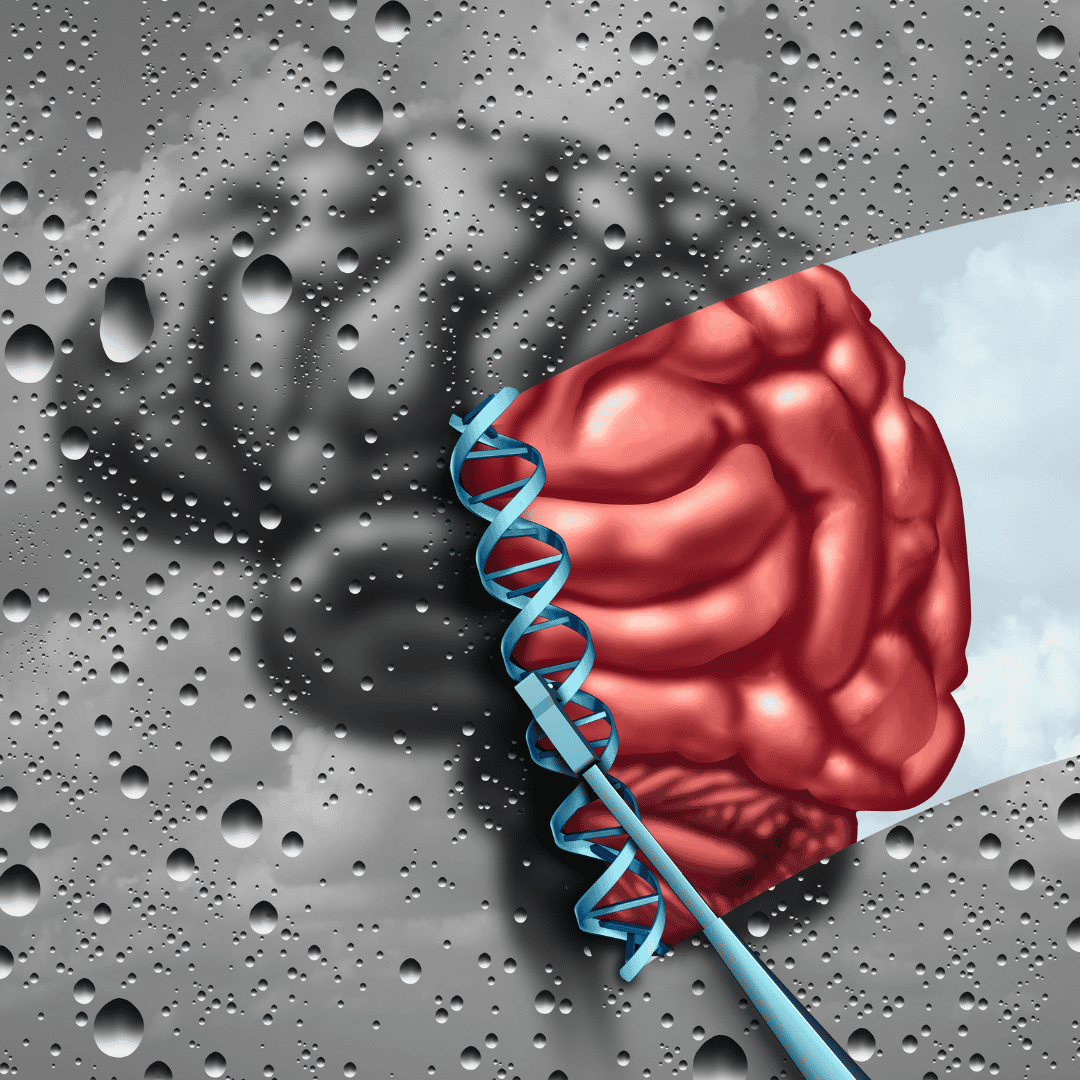
.png)
.png)
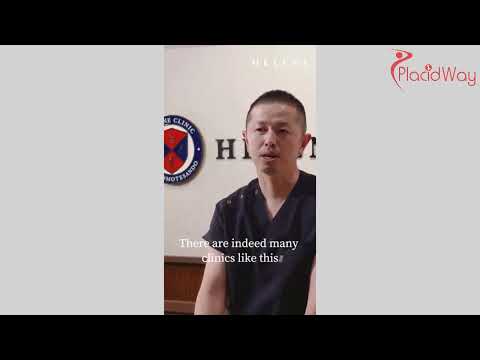

.jpg)

.png)








Share this listing