Recent clinical trials in Japan using induced pluripotent stem (iPS) cells have shown significant promise. This therapy has demonstrated it can be done safely and may slow Parkinson's progression by replacing lost dopamine-producing neurons, with some patients showing improved motor function.
Hello! If you or a loved one are navigating the challenges of Parkinson's disease, you've likely heard whispers and hopeful reports about stem cell therapy, particularly from Japan. It's a topic filled with complex science but also immense hope. For decades, Parkinson's treatment has focused on managing symptoms, primarily replacing the brain's lost dopamine with medications. While these drugs are essential, they don't stop the underlying disease from progressing. This is where the groundbreaking work in Japan comes in, offering a completely different approach. Instead of just managing the deficit, scientists are working to *replace* the very cells that Parkinson's destroys.
Japan has become a global leader in this field, largely due to the discovery of induced pluripotent stem cells (iPS cells), which earned a Nobel Prize. These are not embryonic stem cells; they are adult cells (like skin or blood) reprogrammed to become any cell in the body, including the specific dopamine-producing neurons that are lost in Parkinson's. Recent clinical trials from prestigious institutions like Kyoto University are moving this from theory to reality. They are not just asking if it's possible, but if it's safe and effective at slowing, or perhaps one day even reversing, the relentless progression of this disease. We're going to dive into exactly what this treatment is, what the latest 2025 findings show, how much it might cost, and what it could mean for patients around the world.
This isn't about miracle cures, but about real, tangible scientific progress. We'll break down the common questions, separate the hype from the reality, and give you the clear, expert answers you're searching for. Let's explore the current landscape of stem cell therapy for Parkinson's in Japan together.
What is stem cell therapy for Parkinson's disease?
Stem cell therapy for Parkinson's is a regenerative treatment that aims to replace the dopamine-producing brain cells (neurons) destroyed by the disease. The goal is to restore the brain's ability to produce its own dopamine, thereby reducing symptoms and potentially slowing disease progression.
Traditional Parkinson's treatments, like Levodopa, essentially provide the brain with the dopamine it's no longer making. This stem cell therapy is different; it's a form of regenerative medicine. The core idea is to transplant new, healthy cells—grown from stem cells—directly into the specific brain regions (like the putamen) where the original neurons have died off.
Once transplanted, these new cells are intended to mature into functional dopamine-producing neurons. If successful, they integrate into the brain's existing circuitry, start producing dopamine, and restore the communication pathways that control movement. This is a fundamental repair strategy, which is why it holds the potential to not just mask symptoms but to create a lasting, biological change and slow progression.
How does Parkinson's disease affect the brain?
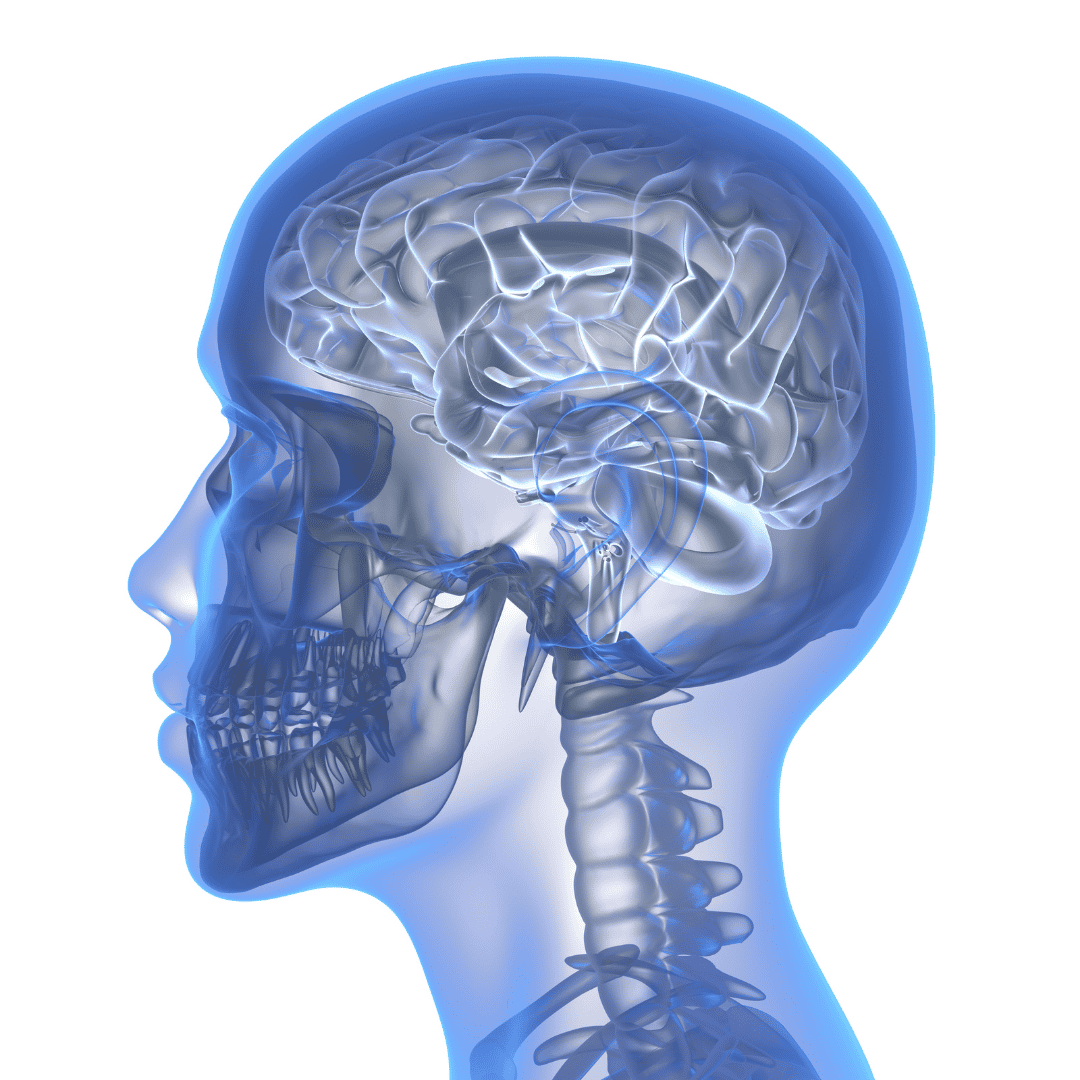
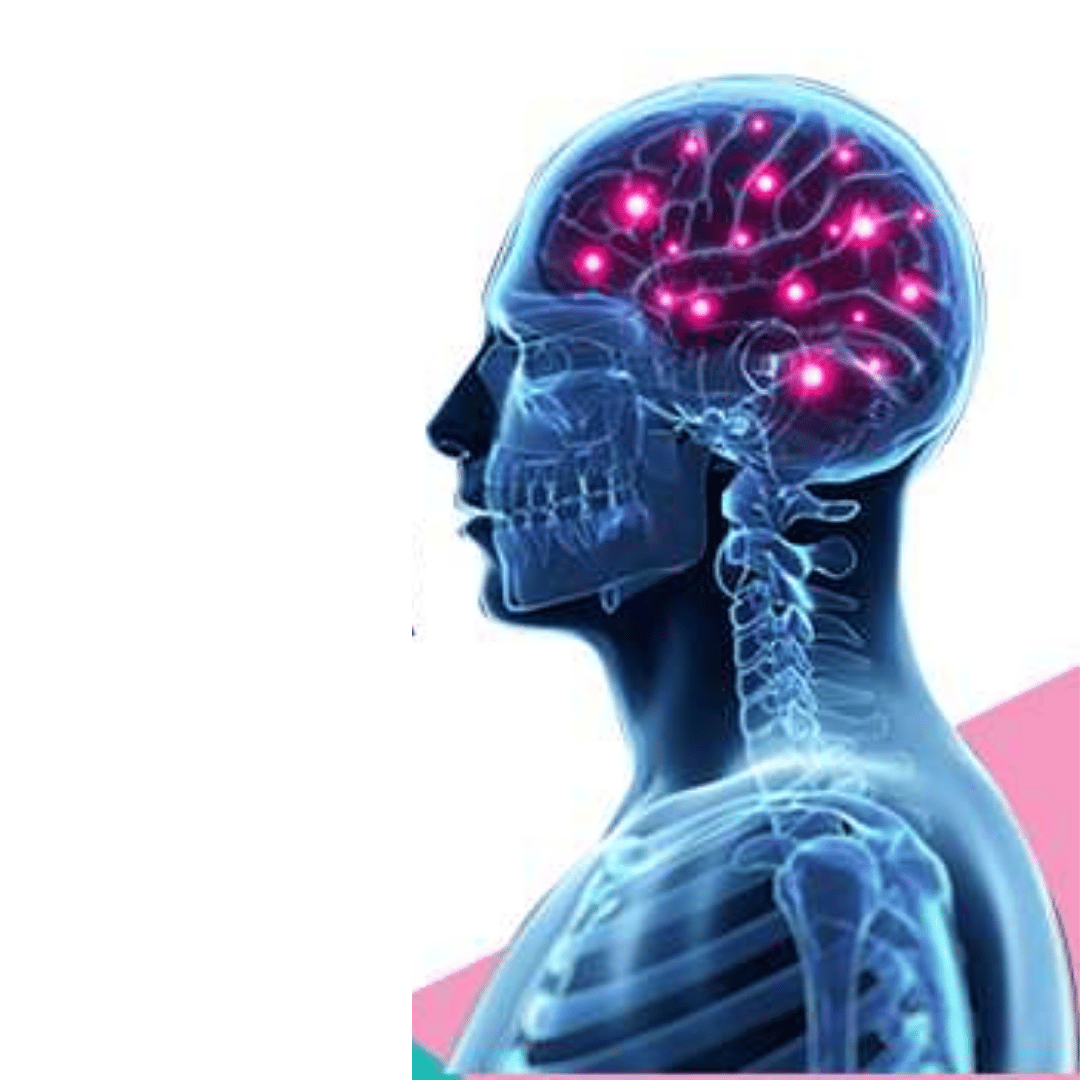
Parkinson's disease primarily affects a small area of the brain called the substantia nigra. In this area, nerve cells that create a vital chemical called dopamine begin to die off. This loss of dopamine disrupts signals to brain regions that control movement, leading to the classic motor symptoms of Parkinson's.
Think of dopamine as a crucial messenger that allows for smooth, coordinated muscle movement. When you decide to walk, type, or smile, dopamine relays that signal efficiently. In a person with Parkinson's disease, the cells producing this messenger are progressively lost. As dopamine levels drop, the signals become weak and erratic.
This disruption is what causes the hallmark symptoms:
Tremor: Shaking, often beginning in a hand or finger.
Bradykinesia: Slowness of movement, making simple tasks difficult.
Rigidity: Stiffness in the limbs or trunk.
Postural Instability: Problems with balance and coordination.
Because the disease is progressive, this cell loss continues over time, and symptoms worsen. The goal of stem cell therapy is to directly replenish this specific population of lost cells.
Can stem cell therapy really slow the progression of Parkinson's?
Yes, evidence from recent clinical trials in Japan suggests it is possible. By transplanting new, healthy dopamine-producing cells, the therapy aims to restore the brain's depleted dopamine system. This could functionally halt or slow the progression of symptoms, as the new cells are not affected by the disease in the same way.
This is the central question and the most exciting part of the research. The Kyoto University trial, with results published in 2025, provides the strongest evidence to date. Researchers observed that among the patients evaluated, several showed measurable improvements in their motor function scores even when they were off their standard medications. This is a key indicator that the treatment is having a genuine effect.
Furthermore, brain scans (specifically PET scans) confirmed that the transplanted iPS cells were surviving, integrating, and—most importantly—producing dopamine two years after the procedure. This suggests the treatment can create a new, lasting source of dopamine. While no one is using the word "cure," this is the first therapeutic approach that has demonstrated a potential to create a long-term biological repair, fundamentally changing the disease's trajectory for a patient.
What are iPS cells, and why are they used in Japan?
Induced Pluripotent Stem Cells (iPS cells) are adult cells (like skin or blood) that are genetically reprogrammed back into an embryonic-like, "pluripotent" state. This means they can be coaxed into becoming any cell type, including the dopamine neurons needed for Parkinson's treatment.
Japan is the birthplace of iPS cell technology, discovered by Dr. Shinya Yamanaka at Kyoto University. This discovery is a source of national pride and a focus of intensive government and academic research. Using iPS cells cleverly sidesteps the ethical and logistical hurdles of using embryonic stem cells.
There are two main advantages:
No Ethical-Sourcing Issues: Since they come from adult donors (or even the patient themselves, known as "autologous"), they avoid the controversy associated with embryos.
Reduced Rejection Risk: The Kyoto trial used iPS cells from healthy donors whose immune profiles (HLA-matched) are compatible with a large portion of the Japanese population. This makes them "off-the-shelf" cells that are less likely to be rejected by the patient's immune system, reducing the need for heavy immunosuppressant drugs.
Is stem cell therapy for Parkinson's approved in Japan?
As of late 2025, there is no *fully* approved and commercially marketed stem cell therapy for Parkinson's in Japan. However, the system is unique. Some treatments are available under Japan's "Act on the Safety of Regenerative Medicine (ASRM)," which allows clinics to offer experimental therapies with regulatory oversight.
This is a critical distinction. The groundbreaking iPS cell treatment from the Kyoto University trial is not yet available to the public. Sumitomo Pharma, the company that manufactured the cells, has filed for regulatory approval in Japan based on the trial's promising results. It is currently under a priority review, meaning a decision could come relatively soon.
Separately, some private clinics in Japan offer other types of stem cell treatments (often using stem cells from fat or bone marrow) for Parkinson's. These treatments are offered under the ASRM framework, which means the government has accepted their treatment plan as meeting safety standards, but it does *not* mean the treatment has been proven effective. These are still considered experimental and are typically very expensive.
What is the status of clinical trials for Parkinson's stem cell therapy in Japan?
Clinical trials are active and producing very promising results. The most significant is the physician-led Phase I/II trial at Kyoto University Hospital, which transplanted iPS cell-derived dopamine neurons into seven patients. The results, published in April 2025, confirmed the treatment's safety and showed potential efficacy.
This trial is the one generating global headlines. Its primary goal was to check for safety, and it passed with flying colors: no serious adverse events, no tumors, and no uncontrolled movements (dyskinesias) were reported over the two-year follow-up period. This safety profile is a massive achievement.
The trial also looked at efficacy. As mentioned, four of the six evaluated patients showed improved motor function, and PET scans confirmed the cells were alive and working. Based on this success, the pharmaceutical company Sumitomo Pharma is also running trials in the U.S. and is seeking approval in Japan. This marks a major step from academic research toward a widely available, approved medical treatment.
Is it safe to get stem cell therapy for Parkinson's in Japan?
Safety depends heavily on the treatment type. The iPS cell clinical trials at Kyoto University have demonstrated a strong safety profile over two years. However, treatments at private, for-profit clinics operating under the ASRM are still experimental, and their long-term safety and efficacy are not as rigorously proven.
The main concerns with any stem cell therapy, especially in the brain, are:
Tumor Formation: The risk that transplanted stem cells could grow uncontrollably. The iPS cells used in the Kyoto trial are carefully differentiated into neurons *before* transplantation to minimize this risk, and no tumors were seen.
Uncontrolled Movements (Dyskinesias): This was a major side effect in older trials using fetal tissue. The new iPS cell-derived neurons appear to be much safer, with no graft-induced dyskinesias reported.
Rejection: The patient's immune system could attack the new cells. This is managed by using HLA-matched donor cells and a temporary course of immunosuppressant drugs.
While Japan's top research institutions are world-class, patients must be cautious about "stem cell tourism" and clearly understand the difference between a rigorous clinical trial and an experimental treatment offered at a private clinic.
How is the stem cell procedure for Parkinson's performed in Japan?
In the advanced iPS cell clinical trials, the procedure is a form of neurosurgery. Using precise imaging, surgeons transplant millions (e.g., 5 to 10 million) of lab-grown dopamine-producing neurons directly into the putamen, a deep brain structure severely affected by Parkinson's.
This is not a simple injection. It is a highly specialized surgical procedure. The cells are delivered using a very fine needle, guided by MRI, to ensure they are placed in the exact locations where they are needed most. The patient is under anesthesia, and the procedure is performed by a team of neurosurgeons and neurologists.
Some private clinics, however, may offer different, less-proven methods, such as intravenous (IV) infusions or injections into the spinal fluid. These methods are not believed to be effective for Parkinson's disease because the stem cells are unlikely to cross the blood-brain barrier and turn into the specific neurons needed in the correct location.
What is the cost of stem cell therapy for Parkinson's in Japan?
The cost of stem cell therapy for Parkinson's in Japan varies dramatically. Treatments in formal clinical trials (like the Kyoto University study) are typically funded by the research body or government and are not a direct cost to the patient. However, experimental treatments at private clinics are very expensive, often ranging from $25,000 to $100,000 USD or more.
These private clinic costs are paid out-of-pocket and are not covered by insurance, as the treatments are not yet approved as a standard of care. The price can depend on the type of stem cells used (e.g., adipose-derived), the number of cells, the number of infusions, and the clinic's reputation. It's vital to get a clear, itemized quote before considering such a treatment.
Here is a general cost comparison for context, though prices for experimental treatments are not standardized:
Treatment Type
Location
Estimated Cost (USD)
Notes
iPS Cell Clinical Trial
Japan (e.g., Kyoto University)
$0 (for patient)
Funded by research. Not open to the public; strict eligibility.
Adipose/Mesenchymal Stem Cell (MSC) Therapy
Private Clinic (Japan)
$25,000 - $80,000+
Experimental (ASRM regulated). Efficacy for Parkinson's is not well-proven.
MSC Therapy
Clinics in Other Countries (e.g., Panama, Mexico)
$15,000 - $50,000
Regulatory standards vary widely. High risk of unproven treatments.
Standard Parkinson's Medication (Annual)
USA / Europe
$2,500 - $10,000+
Ongoing cost for symptom management. Does not slow progression.
Who is an eligible candidate for this treatment?
Eligibility is extremely specific. For the iPS cell clinical trials in Japan, participants were highly selected. Criteria included being between 50-69 years old, having Parkinson's for at least five years, and still being responsive to standard dopamine medication.
These strict criteria are used to ensure the trial can accurately measure safety and efficacy. Patients with very advanced Parkinson's or those who no longer respond to Levodopa were generally excluded. Some trials were also limited to residents of Japan.
For private clinics offering experimental treatments, the eligibility criteria are often much looser. This may seem appealing, but it also reflects the less rigorous, non-standardized nature of the therapy being offered. Reputable providers will still require a thorough medical evaluation to rule out contraindications.
What is the recovery process like?
The recovery process involves two phases. First is the short-term recovery from the neurosurgery, which involves a hospital stay. Second is the long-term monitoring, which includes a temporary course of immunosuppressant drugs (for about 6-12 months) to prevent rejection of the new cells.
This is not an "in-and-out" procedure. After the brain surgery, patients are monitored closely in the hospital for several days. Once discharged, they begin the immunosuppression regimen. This is a critical period, as these drugs lower the body's overall immune defense, increasing the risk of infection. Patients must be careful and have regular follow-up appointments.
It's also important to manage expectations. The benefits are not instant. The transplanted cells need months, or even a year or more, to fully mature, integrate, and start producing a significant amount of dopamine. The Kyoto trial followed patients for two years to properly assess the long-term effects.
What is the success rate of stem cell therapy for Parkinson's in Japan?
It is too early to state a "success rate" in percentages. However, the results from the Kyoto iPS cell trial are a strong indicator of success. In that small study, four out of six evaluated patients showed measurable improvements in motor function, and PET scans confirmed cell survival and dopamine production in the brain.
This is a remarkable outcome for a Phase I/II trial, which is primarily focused on safety. "Success" here is defined as:
Safety: The treatment did not cause harm. (Achieved)
Cell Survival: The transplanted cells lived. (Achieved, confirmed by scans)
Efficacy: The cells produced dopamine and reduced symptoms. (Achieved in a majority of the small group)
This is a "proof-of-concept" success. It shows the therapy *can* work. Larger Phase III trials will be needed to determine *how well* it works across a larger, more diverse population and to establish a true statistical success rate.
What is the difference between iPS cell therapy and adult stem cell (e.g., adipose) therapy?
iPS cell therapy for Parkinson's involves creating *new* dopamine-producing neurons in a lab and surgically transplanting them to replace what was lost. Adult stem cell (MSC) therapy, often using cells from fat (adipose) tissue, does not create new neurons. Instead, these cells are typically infused intravenously to reduce inflammation and provide supportive "growth factors," which may protect existing neurons.
This is the most important difference for a patient to understand. The iPS cell approach is a *replacement* strategy. It's like planting new trees in a forest that burned down. The adult stem cell (Mesenchymal Stem Cell or MSC) approach is a *support* strategy. It's like adding fertilizer and water to the remaining trees to help them survive longer.
While reducing inflammation (the support strategy) may be beneficial, only the iPS cell replacement strategy directly addresses the core problem of Parkinson's disease: the massive loss of dopamine-producing cells. This is why the scientific community is so focused on the iPS cell trials in Japan.
How do I find a reputable clinic for stem cell therapy in Japan?
Finding a reputable clinic means looking for transparency, a connection to formal research, and adherence to Japan's ASRM regulations. Be wary of clinics that make "cure" promises, lack published data, or downplay risks. The safest route is often through major university hospitals and research institutions.
Here's what to look for:
Affiliation: Is the clinic part of a major university hospital (like Kyoto University Hospital) or research institute?
Transparency: Do they clearly state what *type* of stem cells are used (i.e., iPS cells vs. adipose)? Do they explain the exact procedure?
Data: Can they provide data, ideally published in peer-reviewed journals, for their specific treatment?
ASRM Approval: Do they clearly show their treatment plan is approved by Japan's Ministry of Health, Labour and Welfare under the ASRM?
Realistic Claims: Reputable doctors will be very cautious with their language. They will say "experimental," "shows promise," or "may slow progression." They will not say "cure" or "reverse."
Be extremely skeptical of any clinic that relies heavily on patient testimonials instead of scientific data or that pressures you into making a quick decision. This is a major medical procedure, not a simple commodity.
What is Japan's ASRM (Act on the Safety of Regenerative Medicine)?
The ASRM is a unique Japanese law passed in 2014 that creates a framework for offering regenerative medicine treatments (like stem cell therapy) outside of the traditional, lengthy clinical trial process. It allows certified clinics to offer experimental therapies to paying patients, as long as the treatment plan is submitted to and approved by a government committee.
This law is why Japan has so many clinics offering these advanced treatments. However, ASRM approval is *not* the same as full marketing approval from the PMDA (Japan's FDA). The ASRM committee primarily judges the *safety* of the proposed treatment and the clinic's ability to perform it, not its *effectiveness*.
This "fast-track" system is designed to accelerate innovation, but it places a greater burden on the patient to understand that they are paying for an experimental treatment, not a proven one.
How long does the treatment take?
The iPS cell transplant is a single neurosurgical procedure that takes several hours. However, the total commitment is much longer, including a hospital stay of several days, and a follow-up period of immunosuppression and monitoring that lasts at least one to two years.
This is not a quick trip. Patients traveling for this treatment would need to plan for an extended stay in Japan for the initial procedure and recovery. They would also need to coordinate long-term follow-up care with their neurologists back home, in communication with the Japanese medical team.
Will I have to stop my Parkinson's medication?
No, you will not stop your existing Parkinson's medication. In the Kyoto trial, patients continued their standard Levodopa regimen. The goal of the stem cell therapy is to supplement and restore the brain's own dopamine production, which may eventually allow for a *reduction* in medication, but this is a long-term goal.
In fact, the trial measured success by testing patients' motor function *off* their medication, demonstrating the new cells were providing a benefit independent of their normal drugs. Any adjustments to your medication would be made very slowly and carefully by your neurology team long after the procedure.
What are the next steps for this research?
The next steps are regulatory approval and larger, double-blind Phase III clinical trials. Sumitomo Pharma has already applied for manufacturing and marketing authorization in Japan. If approved, this would be the world's first "off-the-shelf" iPS cell therapy for Parkinson's disease.
A successful Phase III trial would be the final step to confirm the treatment's efficacy and safety in a larger, more diverse group of patients. This would move the therapy from an experimental procedure to a new standard of care, paving the way for it to become available to patients worldwide.
Ready to Explore Your Healthcare Options?
Navigating advanced medical treatments like stem cell therapy can be complex. PlacidWay is here to help you find and compare high-quality, safe, and reputable healthcare solutions around the world.
Explore our network of accredited clinics and find the expert care you deserve.
Explore PlacidWay Today



.png)




.png)


.png)
.png)
.png)





Share this listing