
Nội dung
Nhật Bản đứng đầu thế giới về y học tái tạo, mang lại hy vọng cho những người sống sót sau đột quỵ khi các phương pháp phục hồi chức năng truyền thống đã đạt đến giới hạn. Không giống như nhiều quốc gia khác, nơi liệu pháp tế bào gốc hoạt động trong một vùng pháp lý không rõ ràng, Nhật Bản đã thiết lập khung pháp lý toàn diện nhất thế giới - Đạo luật về An toàn Y học Tái tạo. Điều này đảm bảo rằng bệnh nhân quốc tế tìm kiếm điều trị cho các di chứng đột quỵ thiếu máu cục bộ hoặc xuất huyết não được nhận các liệu pháp được Bộ Y tế, Lao động và Phúc lợi giám sát chặt chẽ về an toàn và hiệu quả.
Tại Nhật Bản, điều trị bằng tế bào gốc thường tập trung vào việc sử dụng tế bào gốc trung mô (MSC), thường được lấy từ mô mỡ hoặc tủy xương của chính bệnh nhân, và ngày càng nhiều các liệu pháp tiên tiến liên quan đến tế bào gốc thần kinh. Các phương pháp điều trị này nhằm mục đích sửa chữa các đường dẫn thần kinh bị tổn thương, giảm viêm và kích thích sự hình thành tế bào thần kinh mới (sự phát triển của các tế bào não mới), mang lại tiềm năng khôi phục các chức năng vận động và khả năng nói đã mất.
Các phòng khám ở Tokyo, Osaka và Kyoto kết hợp liệu pháp tế bào tiên tiến này với phục hồi chức năng vật lý chuyên sâu, có sự hỗ trợ của robot. Phương pháp "lai" này tối đa hóa khả năng thích ứng của não bộ. Bệnh nhân được điều trị trong các cơ sở hiện đại, công nghệ cao, phản ánh cam kết của người Nhật về sự chính xác và omotenashi (lòng hiếu khách chân thành), đảm bảo trải nghiệm y tế vừa trang trọng vừa tiên tiến.
Đối với những ai muốn vượt qua giới hạn của các phương pháp phục hồi thông thường, Nhật Bản mang đến một môi trường độc đáo, nơi khoa học đoạt giải Nobel kết hợp với ứng dụng lâm sàng nghiêm ngặt.
Bạn có biết?
Nhật Bản là nơi khai sinh ra tế bào gốc đa năng cảm ứng (tế bào iPS), một phát hiện đã mang về cho Tiến sĩ Shinya Yamanaka giải Nobel năm 2012. Di sản khoa học này thúc đẩy cam kết quốc gia trong việc đẩy nhanh tiến độ các liệu pháp tái tạo, cho phép các phòng khám cung cấp các phương pháp điều trị sớm hơn nhiều năm so với thời điểm chúng có mặt tại Mỹ hoặc châu Âu.
Những điểm chính cần lưu ý
Các liệu pháp này được quản lý theo "Đạo luật về An toàn Y học Tái tạo", đảm bảo các phòng khám đều có giấy phép của chính phủ.
Nhiều trung tâm kết hợp việc truyền tế bào gốc với robot phục hồi chức năng tiên tiến của Nhật Bản (như Cyberdyne HAL).
Việc sàng lọc nghiêm ngặt các mẫu nuôi cấy tế bào giúp loại bỏ nguy cơ ô nhiễm, một mối lo ngại thường gặp ở các thị trường ít được quản lý chặt chẽ hơn.
Hầu hết các phương pháp điều trị đều sử dụng tế bào của chính bệnh nhân (tự thân), loại bỏ nguy cơ phản ứng đào thải miễn dịch.
Mặc dù đắt hơn so với khu vực Đông Nam Á, mức giá này phản ánh tiêu chuẩn an toàn cao hơn và quy trình sản xuất tế bào độc quyền.
Các tế bào được truyền qua đường tĩnh mạch (IV), tủy sống (intrathecal) hoặc thậm chí là đường mũi tùy thuộc vào từng trường hợp.
Hệ thống "Sakigake"
Nhật Bản áp dụng chiến lược "Sakigake" (tiên phong) độc đáo trong lĩnh vực y học tái tạo. Danh hiệu này cho phép các liệu pháp đột phá nhận được sự chấp thuận có điều kiện để sử dụng lâm sàng nhanh hơn nhiều so với quy trình của FDA, với điều kiện là tính an toàn được chứng minh. Điều này có nghĩa là bệnh nhân đột quỵ ở Nhật Bản có thể tiếp cận các liệu pháp mà ở phương Tây còn nhiều năm nữa mới được phê duyệt.
Du lịch y tế tại Nhật Bản rất chuyên biệt. Các phòng khám hàng đầu cung cấp liệu pháp tế bào gốc thường kết hợp các dịch vụ của họ thành các gói toàn diện được thiết kế dành cho bệnh nhân quốc tế. Các gói này thường bao gồm thu hoạch tế bào, xử lý (nuôi cấy), truyền tế bào và vài ngày phục hồi chức năng chuyên biệt. Các gói cao cấp hơn cũng có thể bao gồm dịch vụ phiên dịch, hỗ trợ xin visa cho các đợt điều trị y tế và chỗ ở tại các khách sạn không có rào cản.
Lưu ý: Hãy tìm các gói dịch vụ có bao gồm "ngân hàng tế bào", cho phép bạn lưu trữ các tế bào dư thừa để sử dụng cho các liệu trình điều trị tăng cường trong tương lai.

Price starting from $10,000
Stem Cell Therapy for Stroke Rehabilitation Package in Tokyo, Japan by HELENE Clinic
Helene Clinic - Stem Cell Therapy in Tokyo, Japan
- Stem Cell Therapy
Tokyo, Japan
Chi phí điều trị tại Nhật Bản phản ánh các tiêu chuẩn quy định cao và công nghệ xử lý tế bào tiên tiến. Trung bình, một liệu trình điều trị tế bào gốc phục hồi chức năng sau đột quỵ dao động từ 15.000 đến 35.000 USD. Mức giá này phụ thuộc vào số lượng tế bào được tiêm (ví dụ: 50 triệu so với 200 triệu tế bào), nguồn gốc tế bào và việc có bao gồm các dịch vụ phục hồi chức năng hay không. Mặc dù cao hơn so với các quốc gia khác ở châu Á, mức giá này đảm bảo bạn được điều trị tại các cơ sở được chính phủ cấp phép với chất lượng tế bào đã được kiểm chứng.
Mẹo: Luôn hỏi xem báo giá đã bao gồm phí "nuôi cấy" hay chưa, đó là quy trình tốn kém để nhân rộng tế bào gốc của bạn trong phòng thí nghiệm.
Stem Cell Therapy for Stroke So sánh chi phí trung tâm tại Japan
| Nhà cung cấp | Thủ tục | Giá |
|---|---|---|
| Helene Clinic - Stem Cell Therapy in Tokyo, Japan | Stem Cell Therapy for Stroke, Stem Cell Therapy | $10000 |
Stem Cell Therapy for Stroke So sánh chi phí trong Japan
| Quốc gia | Thủ tục | Giá |
|---|---|---|
| United States | Stem Cell Therapy for Stroke, Stem Cell Therapy | $36000 |
Chúng tôi đã chọn lọc một danh sách các phòng khám y học tái tạo uy tín nhất Nhật Bản. Các cơ sở này được Bộ Y tế cấp phép rõ ràng để thực hiện liệu pháp tế bào gốc. Chủ yếu nằm ở Tokyo, Osaka và Kyoto, các trung tâm này có các trung tâm xử lý tế bào (CPC) ngay tại chỗ với tiêu chuẩn vô trùng cao. Hãy xem các hồ sơ bên dưới để kiểm tra giấy phép cụ thể và kinh nghiệm của họ trong điều trị các bệnh lý thần kinh.
Tiêu chuẩn: Các phòng khám đã được xác minh phải hiển thị số giấy phép cụ thể được cấp theo Đạo luật An toàn Y học Tái tạo.
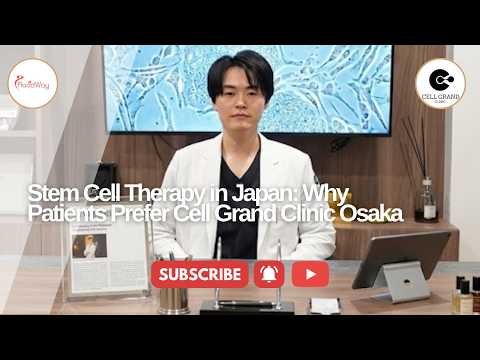
Cell Grand Clinic - Japan’s Best Stem Cell Clinic
Osaka, Japan

Helene Clinic - Stem Cell Therapy in Tokyo, Japan
Tokyo, Japan
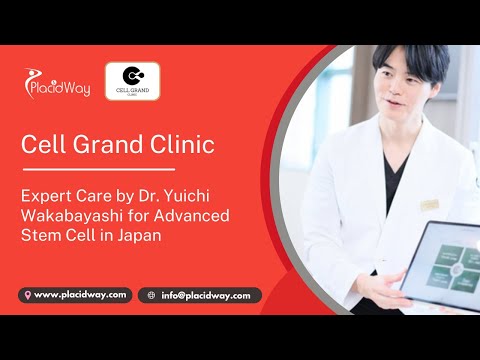
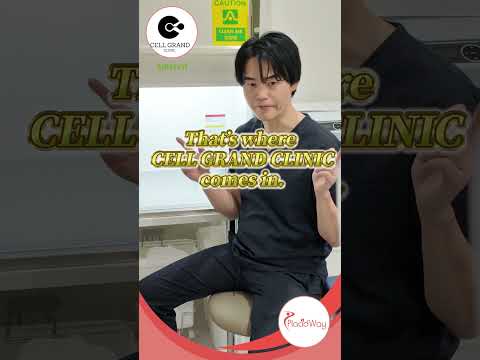
Hãy chứng kiến hành trình phục hồi của những bệnh nhân đã đến Nhật Bản để điều trị bằng liệu pháp tế bào gốc. Các video dưới đây cho thấy sự cải thiện về khả năng vận động, khả năng nói và chất lượng cuộc sống của những người sống sót sau đột quỵ. Mặc dù kết quả có thể khác nhau, những lời chứng thực này cung cấp một cái nhìn chân thực về trải nghiệm của bệnh nhân, môi trường cơ sở vật chất và sự chăm sóc tận tâm của đội ngũ y tế Nhật Bản.
Gợi ý: Hãy tìm những lời chứng thực đề cập đến "những lợi ích thiết thực" như cải thiện sức nắm hoặc khả năng đi lại.


Hãy đọc những đánh giá đã được xác thực từ các bệnh nhân quốc tế đã trải qua liệu pháp tái tạo tại Nhật Bản. Những đánh giá này nêu bật tính chuyên nghiệp của đội ngũ nhân viên, sự sạch sẽ của cơ sở vật chất và hiệu quả của phương pháp điều trị. Xếp hạng cao về an toàn và tính minh bạch trong quy trình là điều thường thấy, phản ánh nền văn hóa y tế nghiêm ngặt của Nhật Bản.
Mẹo khi đọc đánh giá: Hãy chú ý đến những đánh giá đề cập đến sự rõ ràng trong giao tiếp và chất lượng dịch vụ dịch thuật.

Can Stem Cells Help Recover from Paralysis in Japan?
Yes, recent breakthroughs in Japan show that stem cell therapy, particularly using iPS-derived cells, has helped some patients with spinal cord injuries regain motor function, offering new hope for paralysis recovery. Hello, and welcome! If you or a loved one are facing the challenges of paralysis, you've likely heard whispers of groundbreaking medical advancements. One of the brightest beacons of hope is coming from Japan, a country at the forefront of stem cell therapy. The big question on everyone's mind is, "Does it actually work?" The short answer is that it's showing incredible promise. We're not talking about a far-off science fiction concept anymore; we're talking about real clinical studies where patients with severe spinal cord injuries have regained movement. It's a journey, not a magic wand, but the progress is undeniable and exciting. Japan has uniquely positioned itself as a global leader in this field, thanks to supportive government regulations and world-class research institutions. This has created an environment where cutting-edge treatments can be developed and, in some cases, offered to patients sooner than in other parts of the world. This doesn't mean it's a free-for-all; the process is still carefully regulated, but the focus is on accelerating hope and healing. In this post, we're going to dive deep into what's really happening with stem cell therapy for paralysis in Japan. We'll cut through the hype and look at the facts. What types of treatments are available? What do the studies *actually* say about success rates? Who is a good candidate? And, of course, what is the cost of stem cell therapy? We'll answer the questions you've been searching for, so you can get a clearer picture of what's possible. What is stem cell therapy for paralysis? Stem cell therapy for paralysis is a regenerative treatment that uses special cells (stem cells) to help repair damaged nerve tissue in the spinal cord, reduce inflammation, and potentially restore lost motor or sensory function. At its core, stem cell therapy for paralysis is a form of regenerative medicine. When a spinal cord injury (SCI) occurs, the vital connection between the brain and the rest of the body is damaged or severed. This blocks signals, leading to paralysis. Traditional treatments focus on stabilization and rehabilitation, but they can't repair the damaged spinal cord itself. This is where stem cells come in. Stem cells are like the body's master builders. They have the amazing ability to develop into different types of cells and can also self-renew. When used to treat paralysis, the idea is that these cells can be introduced to the injury site to: Replace damaged nerve cells: Some stem cells can be coaxed into becoming new neurons or the support cells (glia) that help neurons function. Reduce inflammation: Inflammation at the injury site can cause further damage. Many stem cells, particularly Mesenchymal Stem Cells (MSCs), are powerfully anti-inflammatory. Release protective factors: Stem cells secrete special proteins (growth factors) that can protect the surviving nerve cells from dying and encourage them to grow. Modulate the immune system: They can help calm the body's immune response, which sometimes attacks its own tissue after an injury. The goal isn't just to patch a hole. It's to create a more supportive environment for healing, to rebuild broken circuits, and to give the body a chance to repair itself in ways it couldn't on its own. Can stem cells really help paralysis recovery? Yes, clinical studies, particularly in Japan, have shown that stem cells can help some patients with paralysis recovery. In a recent trial, patients with spinal cord injuries regained the ability to stand or use their arms. This is the most important question, and the answer is a cautious but optimistic "yes." For a long time, spinal cord injuries were considered permanent. However, recent breakthroughs are challenging that grim prognosis. The most compelling evidence comes from a clinical trial at Keio University in Tokyo. In this landmark study, researchers treated patients with "subacute" spinal cord injuries (meaning their injury was recent, typically within a few weeks). They injected millions of special stem cells, called iPS-derived neural stem cells, directly into the injury site. The results, published in 2022, were remarkable: out of four patients, two showed significant improvement. One patient, who was fully paralyzed, regained the ability to stand and even practice walking. Another regained the ability to move their arms and feed themselves. This is considered a massive leap forward. It's important to be realistic. This was a small, early-phase study focused primarily on safety. The success rate was "50%" in this tiny group, and the other two patients did not see the same level of improvement. It also works best on recent injuries. However, it provides concrete, human proof that paralysis recovery is no longer an impossible dream. It shows that, with the right cells in the right environment, regeneration is possible. Why is Japan known for stem cell therapy for paralysis? Japan is known for stem cell therapy because of its advanced research, particularly in iPS cells (a Nobel Prize-winning Japanese discovery), and its unique regulatory system that allows for the fast-tracking of promising regenerative treatments. Japan's reputation as a stem cell hub isn't an accident. It's built on two key pillars: scientific innovation and supportive regulation. First, the innovation: the technology behind induced Pluripotent Stem Cells (iPS cells) was developed at Kyoto University, earning a Nobel Prize in 2012. This discovery allows scientists to take adult skin or blood cells and "reprogram" them into an embryonic-like state, from which they can become any cell type—including nerve cells. This bypasses the ethical debates around embryonic stem cells and is a cornerstone of Japanese research. Second, the regulation. In 2014, Japan passed new laws—the "Act on the Safety of Regenerative Medicine (ASRM)" and the "PMD Act"—to create a special, fast-track pathway for regenerative medicine. This system allows for "conditional approval" of treatments that show promising early data. This means that, unlike in the US or Europe where it can take 10-15 years, a promising therapy can be made available to patients in Japan much more quickly, provided they are monitored and data is collected. This has turned Japan into a "living laboratory" for regenerative medicine, attracting patients and researchers from all over the world. What is the legal status of stem cell therapy in Japan? Stem cell therapy is legal in Japan, operating under a specific regulatory framework. The "Act on the Safety of Regenerative Medicine" allows clinics to offer approved treatments, but many are still considered experimental and are not the same as fully approved drugs. This is a crucial point to understand. "Legal" doesn't mean "universally approved and covered by insurance." Japan's system is tiered. On one hand, you have fully approved medical products, like Stemirac, which has conditional approval for treating subacute spinal cord injuries. On the other hand, you have many private clinics that operate under the ASRM law. Under the ASRM, a clinic can submit a detailed treatment plan (e.g., "Use the patient's own fat-derived stem cells to treat osteoarthritis") to a government-certified committee. If the committee approves the plan based on its safety and rationale, the clinic is legally allowed to offer that treatment, even if it's still considered experimental. This is why you'll see a wide variety of stem cell therapies offered in Japan that may not be available elsewhere. It's a system designed to balance patient access with safety, but it places a lot of responsibility on the patient to research the specific clinic and treatment plan. It's also important to note that treatments using iPS cells (like the Keio University trial) are still largely in the clinical trial phase and not available commercially in private clinics. What's typically offered in clinics are treatments using Mesenchymal Stem Cells (MSCs) derived from a patient's own fat or bone marrow. What types of stem cells are used in Japan for paralysis? The two main types are induced Pluripotent Stem Cells (iPS cells), used in cutting-edge clinical trials, and Mesenchymal Stem Cells (MSCs), which are more commonly used in clinics and for the approved product "Stemirac." Understanding the "ingredients" is key. Not all stem cells are the same. In Japan, the treatments for paralysis generally involve two different types: Induced Pluripotent Stem Cells (iPS cells): This is the "high-tech" option. As mentioned, these are adult cells reprogrammed to be pluripotent (meaning they can become *any* cell). In the Keio trial, they were turned into neural precursor cells—the building blocks of the nervous system. The hope is that they will directly integrate into the spinal cord and become new, functional neurons. This is a highly complex, targeted approach primarily seen in major university hospitals and clinical trials. Mesenchymal Stem Cells (MSCs): This is the more common type used in clinics, including for the conditionally approved product Stemirac. MSCs are "adult" stem cells, typically harvested from the patient's own (autologous) bone marrow or fat tissue. Their main power isn't necessarily becoming new neurons. Instead, they act as the "paramedics" of the body. When infused, they home in on the injury, powerfully reduce inflammation, release a flood of protective growth factors, and help modulate the immune system. They create a healthy, supportive environment that allows the body's own repair mechanisms to work better. So, you can think of iPS cells as trying to rebuild the road, while MSCs are like the crew that cleans up the crash site, puts out the fires, and directs traffic so repair trucks can get through. What is the difference between iPS cells and MSCs for paralysis? iPS cells are used to create new nerve cells to directly replace damaged ones (a "regenerative" approach). MSCs are used to manage the injury site by reducing inflammation and releasing growth factors (a "reparative" and "supportive" approach). Let's dig a little deeper into this. The approach you might receive in Japan depends heavily on this difference. The iPS cell approach is one of direct replacement. The theory is that the paralysis is due to lost nerve cells, so the solution is to add new ones. This is a highly complex process, with risks like the cells not integrating correctly or, in early fears, forming tumors (a risk that has been greatly reduced with new techniques). This is the cutting edge and is mostly found in research trials for very specific patients, like those with recent injuries. The MSC approach is more about support and modulation. It's less about rebuilding the spinal cord from scratch and more about saving what's left. Most of the long-term damage from a spinal cord injury comes from the secondary cascade—swelling, inflammation, and cell death that spreads from the initial impact. MSCs are brilliant at stopping this secondary damage. By calming inflammation and protecting existing neurons, they can preserve function that would otherwise be lost. This is why Stemirac (which uses MSCs) is approved for *subacute* injuries—to stop that secondary damage wave in its tracks. What is the "Stemirac" treatment in Japan? Stemirac is a conditionally approved stem cell product in Japan for treating subacute spinal cord injuries. It uses the patient's own (autologous) bone marrow-derived mesenchymal stem cells (MSCs) delivered through an intravenous (IV) infusion. Stemirac is a big deal because it was one of the first stem cell products to receive any kind of government approval for spinal cord injury. It was developed by a company called Nipro and received conditional, time-limited approval in 2018. This approval was based on a small study of 13 patients. The process is specific: It is intended for patients with subacute SCI (generally within 14-40 days of injury). Doctors harvest bone marrow from the patient's hip. The MSCs are isolated from the marrow and grown in a lab for several weeks to get a very large dose (hundreds of millions of cells). This large dose is then infused back into the patient through a simple IV drip. The cells are thought to travel through the bloodstream, detect the "danger signals" from the spinal cord injury, and accumulate there to do their work. The approval was controversial because the trial was small and not double-blinded (the "gold standard"). However, supporters argue that for patients with no other options, this accelerated access is a humane and necessary step. What is the cost of stem cell therapy for paralysis in Japan? The cost of stem cell therapy for paralysis in Japan can vary dramatically, from $15,000 to over $50,000 USD. This depends on the type of cells, the number of treatments, the clinic, and the patient's specific condition. This is the question on everyone's mind, and unfortunately, the answer is complex. The cost of stem cell therapy is not a single, fixed price. It depends on many factors. Treatments in major university hospitals as part of a trial (like the Keio iPS cell study) may be covered by research funds, but these are extremely difficult to get into. For private clinics offering MSC treatments, you are paying out-of-pocket. The price range is wide, but here’s a general breakdown of what you might see. Please note these are *estimates* to give you an idea, not exact quotes. Treatment Type Estimated Cost Range (USD) What It Typically Includes Single IV Infusion (MSCs) $15,000 - $25,000 Consultation, cell harvesting (if autologous), lab processing, and a single high-dose IV infusion of MSCs. Multi-Session Program (MSCs) $25,000 - $60,000+ A comprehensive package that may include 3-5 infusions over several weeks, plus associated therapies like physiotherapy. Direct Injection (Clinical Trial) Varies (Often covered by trial) This is for treatments like the iPS cell trial. It's not a commercial product. Costs are for the surgery, hospital stay, and monitoring, which may be covered by the research grant or national health insurance if it's an approved trial. Stemirac (Approved Product) Covered by Japanese Insurance* *If you are a resident of Japan and meet the extremely specific criteria (e.g., subacute SCI), the product itself is conditionally covered. Foreigners would likely not have access to this coverage. These costs typically do *not* include travel, accommodation, or long-term follow-up care. It's a significant financial undertaking, which is why it's so important to have a clear consultation with a clinic beforehand. Does Japanese national insurance cover stem cell therapy for paralysis? Only in very specific cases. The approved product "Stemirac" has conditional insurance coverage for Japanese residents with subacute spinal cord injuries. Most other stem cell treatments in private clinics are not covered and must be paid out-of-pocket. This is a common point of confusion. The headlines about Stemirac being "covered by insurance" are true, but they apply to a very narrow slice of the population: Japanese citizens or residents who are part of the national health insurance system and who suffer a spinal cord injury, and are treated within the "subacute" window. For international patients, or for patients with chronic (old) injuries, this coverage does not apply. Almost all treatments offered to medical tourists in private clinics are self-pay. You should operate under the assumption that you will be responsible for 100% of the cost. How successful is stem cell therapy for paralysis in Japan? Success rates are still being studied and are not guaranteed. The famous Keio University iPS cell trial showed significant improvement in 2 out of 4 patients (a 50% rate in a tiny group). Other studies show more modest, but still meaningful, improvements in sensation or motor function. This is where we must be both hopeful and realistic. "Success" can mean different things. For one person, it might mean regaining the ability to breathe without a ventilator. For another, it might mean regaining bladder control. For another, it's walking. The Keio University trial is the most dramatic example, with a 50% success rate in its first four patients. But it's a tiny, tiny sample size. The 13-patient study for Stemirac also showed that 12 of the 13 patients improved by at least one grade on the ASIA impairment scale (a standard for measuring SCI). However, critics pointed out that some spontaneous recovery is expected in subacute injuries, and there was no placebo group to compare against. Most clinics will not—and should not—promise a "cure." What they are offering is a *chance* at improvement. The success depends heavily on: The type of injury: A complete severing of the spinal cord is much harder to treat than a contusion or partial injury. The age of the injury: Subacute (recent) injuries generally respond much better than chronic (old) injuries, as there is less scar tissue. The patient's health: Overall health and commitment to rehabilitation play a huge role. The treatment protocol: The type of cells, the dose, and the delivery method all matter. What does the stem cell therapy procedure for paralysis involve? The procedure varies. It can be a non-invasive IV infusion (like for Stemirac), where cells travel to the injury, or a more complex surgical procedure involving direct injection of cells into the spinal cord (like the iPS cell trials). Your experience in Japan would be very different depending on the treatment you receive. For an IV Infusion (Common in clinics with MSCs): Consultation & Harvest: You'll have an initial consultation, blood tests, and scans. If using your own (autologous) cells, there will be a procedure to harvest them, often a "mini-liposuction" to get fat tissue or a bone marrow draw. Cell Processing: The harvested tissue is sent to a lab, where the MSCs are isolated and cultured. This can take 2-4 weeks. Infusion: You'll return to the clinic for the infusion. This is often as simple as sitting in a chair with an IV in your arm for 30-60 minutes. You are monitored for a short time after and then are free to leave. Repeat: This process might be repeated several times over a number of weeks. For a Direct Injection (Common in clinical trials with iPS cells): Screening: This is an extensive process to see if you are a perfect match for the trial's criteria (e.g., must be 3 weeks post-injury, ASIA-A grade, etc.). Surgery: This is a major neurosurgical procedure. The surgical team will carefully expose the injured part of your spinal cord. Injection: Using micro-needles and advanced imaging, the surgeons inject millions of prepared neural stem cells directly into and around the injury site. Recovery & Rehab: You will have a significant hospital stay for recovery, followed by months or even years of intensive, monitored physiotherapy. You will also need to take immune-suppressing drugs to prevent your body from rejecting the new cells. Who is a good candidate for this treatment in Japan? The best candidates are often those with "subacute" spinal cord injuries (a few weeks to a few months old). However, clinics may also treat "chronic" injuries (older than 6 months), though expectations for recovery may be more modest. This is one of the most important factors. The "timing" of the injury is critical. Most of the dramatic success stories, and the approved treatments like Stemirac, are for subacute spinal cord injuries. This is the "sweet spot" after the initial swelling has gone down but before dense, impenetrable scar tissue has formed. In this window, the stem cells have the best chance of stopping secondary damage and promoting repair. What about chronic injuries (e.g., someone who has been in a wheelchair for 5 years)? This is a much tougher challenge. The scar tissue at the injury site is a major physical barrier, and the neural pathways have been dormant for a long time. Many clinics in Japan *will* treat chronic patients, usually with high-dose IV infusions of MSCs. The goal here is less about "rebuilding" the spine and more about "optimizing" it—reducing chronic inflammation, improving nerve signaling, and potentially waking up dormant pathways. Improvements are often more subtle: a recovery of some sensation, reduced pain, or slight improvements in motor control, rather than walking again. It's about improving quality of life. What is a "subacute" spinal cord injury and why does it matter? A "subacute" spinal cord injury is one that is no longer in the initial, acute phase (first few days) but is not yet chronic. This period, typically from 2 weeks to 6 months post-injury, is considered the prime window for stem cell intervention. Think of a spinal cord injury like a major car crash on a highway. Acute Phase (First 0-14 days): This is the crash itself. There's chaos, fire, and explosions (swelling, inflammation, cell death). It's too dangerous and chaotic to start repairs. The focus is on stabilization. Subacute Phase (2 weeks - 6 months): The fires are out, but the wreckage is still smoldering. This is the critical window. If you can get a cleanup crew (MSCs) in *now*, you can clear the debris, stop smoldering fires (inflammation), and prevent the whole highway from being permanently blocked. This is when Stemirac is used. Chronic Phase (6+ months): The wreckage has been left for so long that a giant, permanent concrete barrier (scar tissue) has been built across the highway. Now, just cleaning up isn't enough. You have to somehow break through that barrier, which is much, much harder. This is why all the most promising research and approved treatments target that subacute window. It's the moment of greatest opportunity for intervention. What are the risks or side effects of this therapy? The risks are generally considered low for MSC infusions, with the most common side effects being temporary headache, fever, or fatigue. The risks for surgical injection (iPS cell trials) are higher, as they include the risks of major spinal surgery and immune-suppressing drugs. No medical procedure is zero-risk, but the safety profile for MSC therapy is one of its biggest advantages. Because the cells are often your own (autologous), there is no risk of rejection. The Keio University iPS cell trial, which used donor cells, reported no serious adverse effects. The Mayo Clinic's similar trial in the U.S. also concluded the procedure was safe, with minor side effects like headaches. For MSC IV infusions, the risks are minimal and may include: Headache or fever, which usually resolves within 24 hours. Fatigue after the infusion. Risk of infection at the IV site (same as any IV). For iPS cell surgical injections, the risks are more significant because it's a major operation: Standard risks of anesthesia. Risk of infection at the surgical site. Risk of bleeding or spinal fluid leak. Risks from the immune-suppressing drugs (like high blood pressure or increased risk of infection), which are required for donor cells. An early fear with iPS cells was the risk of them forming tumors (teratomas). However, researchers have gotten much better at purifying the cells, and this risk is now considered very low and is watched for intensely in all trials. How long is the recovery period after treatment? For an IV infusion, there is virtually no recovery period. For surgical injections, hospital recovery is several weeks. However, the "recovery" in terms of neural function takes many months, or even years, and requires intensive, ongoing rehabilitation. This is a critical point: the stem cells are not a "fix." They are the *start* of a new recovery process. You don't get the infusion and walk the next day. The stem cells create the *potential* for repair, but the brain still needs to relearn how to use those new or repaired pathways. Think of the stem cells as planting a seed. You still have to water it, give it sunlight, and protect it. That "watering" is rehabilitation. Every successful stem cell study has been paired with intensive physiotherapy. The patient in the Keio trial who can now stand has been in active training to relearn how to walk. You must be prepared for a long-term, dedicated rehabilitation program to take advantage of any openings the stem cells create. What is the process for a foreigner to get stem cell therapy in Japan? Foreigners can get stem cell therapy in Japan by contacting private clinics or medical tourism facilitators. The process involves submitting medical records for review, an online consultation, and then traveling to Japan for the treatment, which is paid for out-of-pocket. Japan's system is open to international patients, but it requires careful planning. Research: This is the most important step. You need to find reputable clinics. Look for clinics that are transparent about their treatment, have clear pricing, and are registered with the Ministry of Health, Labour and Welfare (MHLW). Consultation: You will typically start with an online consultation. You (or a medical facilitator) will send all your medical records, MRIs, and a history of your injury. The clinic's doctors will review your case and determine if you are a candidate. Treatment Plan & Cost: If you are accepted, the clinic will propose a detailed treatment plan (e.g., "Three infusions of 200 million adipose-derived MSCs") and a clear cost estimate. Travel & Logistics: You will need to arrange a medical visa (if required), flights, and accessible accommodation. Many clinics or their partner agencies (like PlacidWay) can help with these logistics. Treatment: You will travel to Japan for the treatment, which could take anywhere from a few days for a single infusion to several weeks for a multi-session protocol. Follow-up: The clinic will provide follow-up instructions, and you will typically be monitored remotely after you return home. What should I look for in a Japanese stem cell clinic? Look for a clinic that is officially registered with the Japanese Ministry of Health, Labour and Welfare (MHLW). They should be transparent about their treatment plan, the source and number of cells, the risks, and the cost, and they should not make unrealistic promises of a "cure." This is your most important task as a patient. Because this field is so new, and there is so much hope, it can be a target for bad actors. Here's a checklist of what to look for: Government Registration: This is non-negotiable. Ask for proof that the clinic and its treatment plan are registered with the MHLW under the ASRM. Transparency: Do they clearly explain the *type* of cells (MSCs? iPS?), the *source* (your own fat? a donor?), and the *dose* (how many million cells)? If they are vague, this is a red flag. Realistic Claims: Be very wary of any clinic that "guarantees" results or promises a "cure for paralysis." Reputable doctors are hopeful but cautious. They will talk about "potential for improvement" and "quality of life." Specialization: Do they have experience with neurological conditions and spinal cord injuries, or do they just treat wrinkles and sore knees? Look for specialists. Clear Pricing: You should receive a detailed, itemized quote with no hidden fees. Good Communication: Do they have English-speaking staff? Do they answer your questions patiently and completely? You must be able-to communicate clearly about your health. Finding the right path to recovery can feel overwhelming, but you don't have to do it alone. The world of regenerative medicine is complex, but it's filled with new possibilities. If you're ready to explore your options for stem cell therapy in Japan or other leading destinations, PlacidWay is here to help. We connect patients with a global network of accredited clinics and hospitals. Let us help you get a free, no-obligation consultation and find the solution that's right for you.
How Does Stem Cell Therapy in Japan Support Stroke Recovery?
Stem cell therapy in Japan aims to support stroke recovery by introducing cells that may help repair damaged brain tissue, reduce inflammation, and promote the growth of new blood vessels, potentially improving motor function in suitable patients. Recovering from a stroke is often a long and challenging journey, heavily reliant on physical therapy and time. However, advancements in regenerative medicine have opened new avenues for potential support. Exploring stem cell therapy in Japan has become increasingly common for international patients seeking specialized care. Japan has developed a unique regulatory environment designed to safely advance regenerative treatments, making it a prominent destination for those looking into alternative recovery options. While this approach is not a guaranteed cure, research suggests that regenerative protocols may offer supportive benefits for neuroplasticity. Understanding the biological mechanisms, eligibility requirements, and the realities of traveling for care can help you make an informed decision alongside your primary healthcare provider. Key Takeaways The therapy aims to reduce neuroinflammation and support the brain's natural ability to reorganize and form new neural connections. Japan operates under specific regenerative medicine laws to ensure safety and clinical oversight. Treatment costs generally range from $15,000 to $35,000, depending on the specific protocol and facility. Outcomes vary widely among individuals, and the procedure must be paired with consistent physical rehabilitation. Thorough medical evaluation is required to determine if a patient is a suitable candidate. How do stem cells aim to repair brain tissue after a stroke? Stem cells introduced into the body may migrate to damaged brain areas, where they release specific growth factors that help reduce inflammation and stimulate the body's natural repair mechanisms. When a stroke occurs, the interruption of blood flow causes immediate damage to brain cells, leading to a cascade of inflammation and tissue death. The primary goal of regenerative medicine is not necessarily to replace these dead cells one-by-one, but rather to create an environment conducive to healing. This is often referred to as the "paracrine effect." Once administered, the cells secrete cytokines and neurotrophic factors. These microscopic proteins may encourage angiogenesis, which is the formation of new blood vessels. Improved blood flow is critical for delivering oxygen and nutrients to the surviving, albeit struggling, brain tissue surrounding the stroke site (the penumbra). Furthermore, these therapies may support neuroplasticity. By reducing localized swelling and modulating the immune system's response, the brain may be better equipped to rewire itself, potentially allowing healthy areas to take over functions previously managed by the damaged regions. What specific types of stem cells are utilized for this treatment? The most commonly utilized cells for stroke recovery are mesenchymal stem cells (MSCs), which are often derived from the patient's own bone marrow, adipose (fat) tissue, or donated umbilical cord tissue. Mesenchymal stem cells are frequently chosen by researchers and clinicians due to their strong immunomodulatory properties and safety profile. Because they do not pose the same ethical concerns or tumor risks associated with embryonic cells, MSCs are the standard in many adult regenerative protocols. There are two primary ways these cells are sourced: Autologous Cells: Harvested directly from the patient. This eliminates the risk of immune rejection since the body recognizes its own tissue. The cells are usually collected via a mini-liposuction procedure (adipose) or a bone marrow aspiration. Allogeneic Cells: Sourced from a healthy, thoroughly screened donor, frequently using Wharton's jelly from umbilical cords. This method allows for immediate treatment without the need for a prior harvesting procedure on the patient. How is a patient's eligibility determined for this procedure? Suitability is typically determined through a comprehensive neurological evaluation, which assesses the type of stroke, time elapsed since the event, overall cardiovascular health, and specific medical history. Not every stroke survivor is a candidate for regenerative treatments. A reputable medical team will request recent MRI or CT scans, detailed medical records, and blood work before considering approval. They need to understand the extent and location of the brain lesion. Doctors also evaluate the patient's current physical condition. Those with active infections, a history of certain cancers, or severe uncontrolled systemic diseases are often excluded due to safety concerns. The timing of the stroke is also considered; while some protocols focus on the subacute phase (weeks after the stroke), others evaluate patients in the chronic phase (months or years later) to see if intervention might still be beneficial. What is the estimated stem cell therapy cost in Japan for stroke patients? While prices vary significantly based on the protocol and facility, the estimated stem cell therapy cost in Japan generally ranges from $15,000 to $35,000 or more per treatment cycle. The financial investment for regenerative medicine is substantial, largely because the procedures involve highly specialized laboratory work and stringent safety protocols. Because these treatments are usually classified as elective or experimental for foreign patients, international health insurance rarely provides coverage. Cost Factor Description Cell Sourcing & Culturing Expanding autologous cells in a lab over several weeks increases overhead compared to ready-to-use donor cells. Method of Administration Intravenous (IV) drips are generally less complex and costly than specialized lumbar punctures. Facility Fees Costs reflect the use of certified clean rooms, medical staff, and necessary pre-treatment diagnostics. Note: The figures provided are estimates. Patients should request a detailed, personalized quote directly from the medical provider. Are there specific medical regulations governing a stem cell therapy clinic in Japan? Japan maintains a strict regulatory framework under the Act on the Safety of Regenerative Medicine (ASRM), which requires any stem cell therapy clinic in Japan to obtain government approval and adhere to rigorous safety protocols. Patient safety is a primary concern, which is why Japan introduced specific legislation in 2014 to govern regenerative medicine. Under the ASRM, medical institutions cannot legally offer these treatments without submitting their protocols to certified review boards and receiving authorization from the Ministry of Health, Labour and Welfare (MHLW). Facilities are categorized based on the risk level of the procedures they perform. For example, treatments involving heavily manipulated cells fall under higher risk categories and require more stringent oversight. This structured approach helps ensure that the laboratories culturing the cells maintain high standards of sterility and viability. Important Consideration: Even with strict regulations, these therapies often remain classified as investigational. Government approval of a clinic's safety protocol does not equate to a guarantee of medical efficacy. What can patients expect during the treatment and recovery timeline? Treatment usually involves an initial evaluation, harvesting cells (if using the patient's own tissue), laboratory processing, and finally administering the cells back into the body, typically via an IV drip. The timeline varies significantly depending on the cell source. If a patient undergoes autologous treatment, the initial visit involves the extraction of fat or bone marrow. The patient then waits—sometimes for two to three weeks—while the laboratory isolates and multiplies the cells to achieve a therapeutic dose. The infusion day itself is usually an outpatient procedure. The cells are administered slowly into the bloodstream. Following the infusion, the medical team will monitor the patient for a few hours to ensure there are no immediate adverse reactions before discharging them. Recovery from the procedure itself is typically quick, though the long-term neurological recovery process is gradual and requires patience. What are the potential risks and limitations of stem cell treatment for stroke? While generally considered safe when properly administered in regulated settings, risks can include localized infection, transient fever, fatigue, and the reality that the treatment may not produce the desired neurological improvements. Any medical intervention carries inherent risks. Common, mild side effects reported shortly after cell infusion include a low-grade fever, headache, or mild fatigue, which typically resolve within a few days. If cells are harvested from the patient's body, there are also standard surgical risks at the extraction site, such as bruising, swelling, or a small risk of infection. A major limitation that patients must understand is the variability of outcomes. Some individuals report noticeable improvements in mobility, speech, or energy levels, while others may experience little to no functional change. Medical professionals cannot predict exactly how a damaged brain will respond to regenerative support. How does medical tourism in Japan cater to international neurology patients? Medical tourism in Japan attracts international patients due to the country's modern healthcare infrastructure, specialized legal framework for cell therapies, and the ability to combine treatment with structured physical rehabilitation. Navigating healthcare in a foreign country can be daunting, especially when dealing with complex neurological conditions. Many Japanese facilities that cater to international patients provide medical interpreters and coordinators to assist with translating medical records and facilitating doctor-patient communication. Major cities like Tokyo and Osaka are highly accessible, featuring excellent public transportation systems and accommodations suited for individuals with mobility challenges. Patients often use their time between cell extraction and infusion to engage in local physical therapy programs, maximizing their time abroad. What kind of aftercare and rehabilitation are necessary following treatment? Regenerative medicine is not a standalone cure; rigorous physical, occupational, and speech therapy are essential components to help stimulate neuroplasticity and maximize the potential benefits of the cells. Administering stem cells without subsequent rehabilitation is often compared to providing a construction crew with materials but no blueprints. The brain requires repetitive, targeted functional training to know how to rewire itself efficiently. Physical therapy helps translate any cellular repair into actual, usable motor function. Upon returning home, patients are advised to maintain a strict rehabilitation schedule. It is also crucial to establish a follow-up plan with a local neurologist. Should any unexpected symptoms arise, having a local doctor who is informed about the recent treatment abroad ensures safe and timely medical care. Why Choose PlacidWay for Medical Tourism Guidance? Planning international healthcare requires access to reliable, organized information. PlacidWay serves as a global medical tourism platform designed to help patients research their options carefully. Global Network: PlacidWay provides access to a directory of medical centers and clinics across numerous international destinations, including Japan. Informational Resources: The platform offers detailed articles, provider profiles, and facility information to help patients understand different healthcare systems. Direct Connections: Patients can use the platform to send inquiries directly to international medical teams to ask specific clinical questions. Comparative Tools: The system allows users to view estimated pricing and treatment outlines from various providers to compare their options. Multilingual Support: PlacidWay offers customer service teams that can assist in bridging initial communication gaps between patients and foreign clinics. Frequently Asked Questions Can stem cells completely reverse stroke damage? Stem cell treatments cannot completely reverse stroke damage or cure the condition. The therapy aims to support natural healing, reduce inflammation, and potentially improve motor function, but results vary significantly among individual patients. Is the treatment effective for both ischemic and hemorrhagic strokes? Most clinical focus and regulatory approvals primarily target ischemic strokes (caused by blocked blood vessels). While research is ongoing for hemorrhagic strokes, eligibility depends heavily on a thorough neurological assessment. How soon after a stroke should someone seek this therapy? Many protocols target the subacute phase (weeks to a few months after the stroke) when the brain is actively attempting to heal. However, some clinics also evaluate patients in the chronic phase to determine if they might still benefit. Are the results of the treatment permanent? Any functional improvements gained may be long-lasting, especially when paired with continuous physical rehabilitation. However, overall health, age, and ongoing cardiovascular care play a major role in maintaining these improvements. Will I need multiple treatment sessions? The number of sessions depends on the specific clinic's protocol and the patient's individual response to the initial infusion. Some patients receive a single targeted dose, while others may be recommended a multi-session approach. How long does a typical medical trip to Japan take for this procedure? If using autologous cells (from your own body), you may need to stay for two to three weeks to allow time for cell harvesting, laboratory expansion, and the final infusion. Treatments using allogeneic (donor) cells may require a shorter stay. What are the common contraindications for stem cell treatments? Patients with active cancers, severe systemic infections, poorly controlled bleeding disorders, or those who are pregnant are typically not considered suitable candidates for regenerative medicine procedures. Does insurance cover regenerative treatments in Japan for foreign patients? Most international health insurance plans do not cover experimental or regenerative therapies abroad. International patients should expect to pay for the procedure and associated travel costs out of pocket. Can older adults safely undergo this procedure? Age alone is not necessarily a strict barrier, but older adults must undergo rigorous health screenings. The medical team will evaluate heart health, kidney function, and other vital metrics before approving treatment. What kind of follow-up care is required once I return home? Returning home requires continued physical and occupational therapy, along with routine monitoring by a local neurologist. Patients are advised to keep their Japanese medical team updated on their progress and any potential complications. Explore Your Medical Options in Japan Gather all the information you need to make an informed healthcare decision. Compare treatment options, request provider details, and learn more about regenerative care. Request Treatment Information Medical Disclaimer: The information provided in this article is for educational purposes only and does not constitute medical advice, diagnosis, or treatment planning. Stem cell therapy for stroke recovery is considered investigational in many jurisdictions, and results are not guaranteed. Always consult with a qualified, board-certified physician or neurologist regarding your specific medical history, eligibility, and the potential risks before seeking medical treatment abroad. References Stroke Information Page – National Institute of Neurological Disorders and Stroke (NINDS) Stroke Treatments – American Stroke Association Stem Cell Therapy in Ischemic Stroke: Role of IV and Intra-arterial Therapy – National Center for Biotechnology Information (NCBI) Act on the Safety of Regenerative Medicine – Ministry of Health, Labour and Welfare, Japan Patient Resources on Stem Cell Treatments – International Society for Stem Cell Research (ISSCR) The Top 10 Causes of Death – World Health Organization (WHO) Clinical Trials for Stroke and Stem Cells – U.S. National Library of Medicine
How does stem cell therapy in Osaka help stroke survivors regain mobility and cognitive function?
Stem cell therapy in Japan helps stroke survivors by utilizing cultured mesenchymal stem cells to repair damaged neural tissues, reduce brain inflammation, and promote new blood vessel growth, significantly improving mobility and cognitive functions. Key Takeaways: Stroke Recovery & Cellular Healing Neural Regeneration: Infused cells secrete growth factors that rebuild damaged brain connections. Advanced Regulations: Treatments fall under strict government oversight ensuring maximum safety and high cell viability. Cost Efficiency: Programs typically range between $15,000 and $30,000 including cultivation and medical care. Targeted Improvements: Patients frequently see gains in speech clarity, fine motor skills, and independent walking. Global Destination: Osaka stands out as a world-class hub for neurological regenerative medicine. How does stem cell therapy in Japan target brain damage after a stroke? Stem cell therapy in Japan targets brain damage by delivering regenerative cells that secrete neurotrophic factors. This process heals injured neurons and restores neural pathways essential for movement. When a stroke occurs, restricted blood flow causes immediate cell death in specific regions of the brain, leading to sudden losses in motor function and cognition. Regenerative protocols intervene by introducing millions of highly concentrated mesenchymal stem cells into the body. These intelligent cells naturally migrate toward areas of acute inflammation and tissue damage through a biological process known as homing. Once they reach the affected brain tissue, they begin their restorative work. Instead of merely replacing dead brain cells, these biological agents act as powerful healing catalysts. They release specialized proteins and exosomes that stimulate angiogenesis, which is the creation of new blood vessels. This fresh vascular network restores oxygen and vital nutrients to the dormant brain regions surrounding the main injury site, effectively waking up tissues that were impaired but not entirely destroyed during the stroke event. Patients seeking top-tier care often look toward advanced stem cell therapy for stroke recovery at Cell Grand Clinic in Osaka, Japan to access these cellular benefits. Furthermore, these therapies forcefully combat neuroinflammation, which can persist for months or years after the initial attack and inhibit recovery. By modulating the immune system and creating a highly supportive microenvironment, the brain becomes far more receptive to neuroplasticity. This means the central nervous system can successfully rewire itself, allowing healthy areas of the brain to take over the functions of the damaged regions, directly leading to improved walking, grasping, and speaking abilities. Did You Know? Mesenchymal stem cells possess a unique immunoprivileged status. This means they can be administered without triggering a severe immune response, making the treatment exceptionally safe and removing the need for harsh immunosuppressant drugs during recovery. What makes Osaka a top destination for medical tourism in Japan? Osaka is a premier destination for medical tourism in Japan due to its high concentration of advanced regenerative research centers. Patients gain direct access to cutting-edge neurological treatments and highly skilled medical professionals. Osaka has historically been known as the commercial and scientific heart of the Kansai region, and today it stands as a global leader in bioscience and healthcare innovation. The city heavily invests in designated medical industry clusters, creating environments where universities, biotech companies, and clinical hospitals collaborate seamlessly. This synergy ensures that the latest laboratory breakthroughs in cellular medicine are swiftly and safely translated into active patient care protocols. For international visitors, navigating a foreign healthcare system can be daunting, but Osaka is uniquely equipped to handle international patient influxes. Top facilities maintain dedicated international departments featuring multilingual patient coordinators and culturally sensitive nursing staff. The city infrastructure itself is highly accessible, featuring an international airport, extensive wheelchair-friendly public transportation, and a wide array of recovery-focused accommodations tailored for individuals with physical limitations. Beyond the medical expertise, the calm and healing environment of the city contributes significantly to patient recovery. While offering all the amenities of a hyper-modern metropolis, Osaka is surrounded by tranquil nature and traditional therapeutic elements like therapeutic hot springs just outside the urban center. This blend of ultra-modern neurological science and traditional hospitality creates an optimal low-stress environment essential for stroke survivors undergoing intensive cellular rehabilitation. What is the average stem cell therapy cost in Japan for stroke recovery? The stem cell therapy cost in Japan for stroke recovery typically ranges from $15,000 to $30,000. This investment covers cell extraction, multi-week laboratory cultivation, and comprehensive neurological evaluations. When evaluating international treatment options, transparency regarding financial commitment is crucial for patients and their families. The overall price for regenerative stroke care depends heavily on the specific number of cells required, the method of administration, and the duration of the laboratory culturing process. Unlike generic medical treatments, cellular therapies require highly specialized biotechnology laboratories to expand a small fat or bone marrow sample into hundreds of millions of viable therapeutic cells. To provide clear context, a standard package usually bundles several necessary components. This includes pre-treatment MRI and blood screenings, the minor surgical procedure to harvest the original tissue, the fees for the cell processing center, and the final infusion day under strict medical supervision. Some comprehensive packages also fold in immediate physical therapy sessions and post-infusion medical consultations to track the initial neuro-response. Treatment Component Estimated Cost Range (USD) Initial Consultation & Neurological Screening $500 - $1,500 Cell Harvesting & Processing $10,000 - $18,000 Cell Infusion & Medical Monitoring $4,000 - $9,000 Total Average Package $15,000 - $30,000 How to choose the right stem cell clinic in Japan for neurological care? Selecting the best stem cell clinic in Japan requires verifying official Ministry of Health accreditation and reviewing their specific protocols regarding ischemic or hemorrhagic stroke rehabilitation. Government Certification Check: Verify that the facility holds a formal provision from the Ministry of Health, Labour and Welfare to practice regenerative medicine specifically for neurological indications. Neurology Specialization: Ensure the medical team consists of board-certified neurologists who understand the complex mechanics of stroke recovery, rather than general anti-aging practitioners. Laboratory Transparency: Reputable centers will happily disclose their cell culturing practices, providing data on final cell counts, viability percentages, and contamination testing protocols. Detailed Assessment Procedures: Quality facilities mandate rigorous pre-treatment imaging and cognitive testing to ensure the patient is a viable candidate before accepting any payment. Long-term Follow-up: The top destinations commit to remote monitoring and periodic health assessments extending months after the patient returns to their home country. How soon can patients expect results from a stem cell clinic in Japan? Patients visiting a stem cell clinic in Japan often notice initial improvements in energy and sleep within weeks. Significant cognitive and motor function gains typically manifest between three to six months. The timeline for stroke recovery using regenerative medicine is not instantaneous; it relies on biological healing processes that unfold in distinct phases. During the first two to four weeks post-infusion, patients commonly report subtle systemic changes. These early indicators often include better sleep architecture, reduced muscle spasticity, and a general increase in daytime stamina. This immediate phase occurs because the cells rapidly modulate the immune system and lower systemic inflammation. The intermediate phase emerges between month two and month four. During this critical window, the neurotrophic factors secreted by the cells actively stimulate new blood vessel formation and repair damaged myelin sheaths around nerves. Families often notice marked improvements in speech fluidity, better balance during physical therapy, and the ability to perform fine motor tasks that were previously impossible, such as holding a fork or buttoning a shirt. The long-term phase extends up to twelve months and beyond. Because the brain undergoes continuous neuroplasticity, the new neural pathways solidified during earlier phases become permanent functional gains. Patients who combine their cellular treatments with aggressive daily physical and cognitive therapy tend to achieve the most profound and lasting results, demonstrating how cellular medicine lays the groundwork for sustained physical rehabilitation. Did You Know? The brain continues to remodel itself long after the initial stem cell infusion. The cells create a hospitable environment known as the bystander effect, encouraging the brains own native neural stem cells to multiply and join the repair process months down the line. What types of stem cells are utilized for stroke recovery in Japan? Japanese clinics primarily utilize autologous Mesenchymal Stem Cells derived from the patients own bone marrow or adipose tissue. These cells possess strong immunomodulatory and tissue-regenerative capabilities. The global standard for treating neurological conditions safely involves Mesenchymal Stem Cells. In Japan, adipose-derived cells are highly favored due to their abundance and ease of extraction. A minor liposuction procedure performed under local anesthesia yields millions of robust cells. Adipose tissue is a rich biological reservoir, and the derived cells are exceptionally skilled at surviving the expansion process while maintaining their potent therapeutic qualities. Bone marrow-derived cells are the other primary option utilized in specialized stroke protocols. Harvested from the hip bone, these cells have decades of clinical data backing their efficacy in vascular and neurological repair. While the extraction process is slightly more involved than adipose harvesting, neurologists sometimes prefer bone marrow derivatives for specific types of severe ischemic damage due to their powerful angiogenic properties. Regardless of the source, the critical differentiator in Japan is the rigorous cell expansion phase. Japanese cell processing centers take a small sample and nurture it in highly controlled incubators for several weeks. This multiplication process ensures the patient receives a massive therapeutic dose often exceeding one hundred million viable cells, which is vital for overcoming the blood-brain barrier and reaching the site of the stroke injury in effective numbers. Are there strict age limits for stroke patients seeking stem cell therapy in Japan? There is no strict upper age limit for stem cell therapy in Japan, provided the patient is in stable overall health. Comprehensive medical screenings determine individual eligibility rather than chronological age alone. Stroke disproportionately affects the elderly population, making rigid age cutoffs counterproductive to patient care. Japanese medical professionals focus on biological age and physiological stability rather than numbers on a birth certificate. Many successful patients are in their seventies or eighties. The primary requirement is that the patient can safely undergo the minor harvesting procedure and does not have active severe infections or untreated malignancies. To ensure safety, older patients undergo extensive cardiovascular and respiratory screenings before approval. If a patient has severe comorbidities, the medical board will weigh the potential neurological benefits against the physical toll of traveling and the mild stress of the extraction procedure. This personalized risk assessment guarantees that only those who stand to genuinely benefit are accepted into the treatment programs. Furthermore, customized dosing plays a significant role in treating elderly patients. Cell culturing times may be slightly adjusted based on the initial vitality of the harvested cells, ensuring the final therapeutic product is robust enough to combat age-related cellular decline alongside the stroke-induced neurological deficits. How do Japanese clinics integrate physical therapy with stem cell treatments? Leading facilities for medical tourism in Japan mandate rigorous physical therapy alongside stem cell infusions. This combined approach maximizes neuroplasticity and translates cellular healing into functional mobility. Customized Neuro-Rehabilitation: Specialized therapists design specific movement exercises targeting the exact paralyzed or weakened limbs to force the brain to forge new neural connections. Cognitive and Speech Therapy: Patients suffering from aphasia engage in targeted vocal and memory exercises while the brain is in a highly receptive, plastic state following the infusion. Advanced Gait Training: Facilities often utilize state-of-the-art robotic exoskeletons and harness systems to safely rebuild walking endurance and correct poor posture habits formed post-stroke. Occupational Functionality: Rehabilitation emphasizes regaining independence by practicing crucial daily activities like eating, dressing, and bathing in simulated home environments. Dietary and Lifestyle Counseling: Nutritionists provide guidance on anti-inflammatory diets designed to support cellular survival and optimize cardiovascular health to prevent future stroke events. Why Choose PlacidWay for stem cell therapy in Japan? PlacidWay ensures a secure and transparent journey to find the ideal stem cell clinic in Japan. We connect you with vetted, government-approved facilities specializing in advanced stroke recovery protocols. Rigorous Facility Vetting: We conduct thorough certification checks on all partner clinics, ensuring complete compliance with Japanese regenerative medical laws and high laboratory standards. Specialist Medical Access: Our network provides direct communication channels to board-certified neurologists, allowing you to have comprehensive virtual consultations before making any commitments. Transparent Financial Planning: We deliver clear, itemized cost breakdowns that guarantee no hidden medical fees for diagnostics, cell culturing, or specialized physician consultations. Medical Documentation Assistance: Our teams assist in gathering, formatting, and securely transmitting your local MRI scans and medical history directly to the receiving clinic in Japan for accurate evaluation. Dedicated Patient Coordination: You receive continuous support focused entirely on managing your clinical timeline, aligning extraction and infusion dates seamlessly with laboratory cultivation schedules. Frequently Asked Questions Is stem cell therapy for stroke approved by the Japanese government? Yes, regenerative medicine for neurological conditions is highly regulated and approved by the Ministry of Health, Labour and Welfare in Japan. Clinics must pass rigorous safety and ethical committee evaluations to offer these advanced biological treatments to domestic and international patients. Can stem cell therapy cure a stroke completely? While regenerative medicine cannot erase all historical brain damage entirely, it significantly enhances neuroplasticity and cellular repair. Many patients experience remarkable improvements in speech, motor skills, and independence, transitioning from severe impairment to highly functional daily living. What is the difference between ischemic and hemorrhagic stroke treatment in Japan? Both types benefit from regenerative protocols, but the focus differs. For ischemic strokes, the goal is to stimulate angiogenesis to restore blood flow to deprived areas. For hemorrhagic strokes, the focus shifts toward reducing neuroinflammation and absorbing residual toxicity in the surrounding brain tissue. How are stem cells administered to stroke patients in Japanese clinics? The most common and least invasive method is intravenous infusion, where cells circulate systemically and home in on the inflamed brain tissue. Some highly specialized facilities may also offer intrathecal injections, delivering cells directly into the spinal fluid for closer proximity to the central nervous system. Does medical insurance cover stem cell therapy in Japan for international patients? International health insurance typically classifies regenerative treatments as experimental or elective, meaning they are rarely covered. Patients traveling from abroad should expect to pay out of pocket for the procedure, though some diagnostic tests might be reimbursable depending on the provider. What are the potential side effects of stem cell treatment for stroke? Because most Japanese clinics use the patients own autologous cells, rejection risks are virtually eliminated. Minor side effects can include temporary fatigue, low-grade fever, or mild headache immediately following the infusion, all of which typically resolve within twenty-four to forty-eight hours. How long do I need to stay in Osaka for stroke stem cell treatment? A standard medical itinerary requires two separate trips or one extended stay. The initial visit involves cell extraction and takes about three to five days. The cells then culture for three to four weeks. The second visit for the infusion and initial monitoring requires another five to seven days. Can I undergo stem cell therapy years after my initial stroke? Yes, chronic stroke survivors can still benefit. While treating a patient within the first six months yields the most dramatic neuroprotective results, late-stage therapy still helps reduce chronic neuroinflammation and stimulates dormant neural pathways to improve long-term mobility and cognition. How do Japanese stem cell cultivation methods differ from other countries? Japan enforces the Act on the Safety of Regenerative Medicine, mandating that cell culturing occurs in specialized cell processing centers under strict clean-room conditions. This ensures massive cell expansion yields high viability rates above ninety-five percent without genetic mutation. What neurological tests are required before stem cell therapy in Japan? Prior to treatment approval, patients undergo comprehensive diagnostics including advanced MRI scans, blood panels, and thorough neurological evaluations measuring motor scales and cognitive deficits. These establish a baseline to accurately measure the clinical efficacy of the subsequent cell infusion. Start Your Path to Neurological Recovery Today Do not let distance prevent you from accessing the worlds best regenerative medicine. PlacidWay connects you with verified, government-accredited specialists in Japan. Receive a free, personalized assessment from leading neurologists and discover customized treatment plans to help reclaim your independence. Get Your Free Medical Review * Responses typically within 24 hours. Full patient privacy and medical confidentiality guaranteed.
Hiệu quả của liệu pháp phụ thuộc rất nhiều vào chuyên môn của bác sĩ và đội ngũ xử lý tế bào. Chúng tôi đã hợp tác với các chuyên gia hàng đầu về y học tái tạo tại Nhật Bản. Những bác sĩ này không chỉ là các nhà lâm sàng được cấp phép mà còn thường là các nhà nghiên cứu có nhiều công trình được công bố, đóng góp vào sự phát triển toàn cầu của khoa học tế bào gốc.
Bác sĩ chuyên khoa điều trị tái tạo được cấp phép
Chuyên gia được Chính phủ chứng nhận
Mỗi chuyên gia trong mạng lưới của chúng tôi đều sở hữu giấy phép hành nghề y học tái tạo do Bộ Y tế cấp. Chứng chỉ này đảm bảo họ đã trải qua quá trình đào tạo nghiêm ngặt về xử lý tế bào, các quy trình an toàn và các tiêu chuẩn đạo đức.
Các chuyên gia thần kinh
Chuyên về chấn thương sọ não
Những bác sĩ này thường là các bác sĩ phẫu thuật thần kinh hoặc bác sĩ thần kinh được đào tạo bài bản, sau đó chuyển sang lĩnh vực liệu pháp tái tạo. Họ hiểu được sự phức tạp của bệnh lý đột quỵ và có thể điều chỉnh đường truyền tế bào (tiêm tĩnh mạch hay tiêm tủy sống) để nhắm mục tiêu vào các vùng não bị tổn thương một cách hiệu quả nhất.
Các bác sĩ lâm sàng dựa trên nghiên cứu
Phương pháp tiếp cận dựa trên bằng chứng
Nhiều chuyên gia đối tác của chúng tôi dẫn dắt các nhóm nghiên cứu tại trường đại học. Họ áp dụng trực tiếp những phát hiện mới nhất từ phòng thí nghiệm vào việc chăm sóc bệnh nhân, đảm bảo bạn được hưởng lợi từ những hiểu biết khoa học cập nhật nhất về hiệu quả và độ an toàn của tế bào gốc.

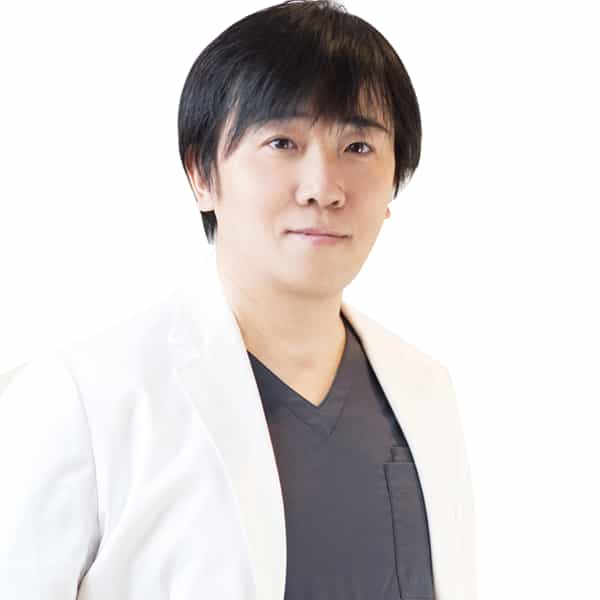
Yuichi Wakabayashi
Cell Grand Clinic – Japan’s Best Stem Cell Clinic
- Longevity Specialist
Osaka, Japan
An toàn theo quy định không gì sánh kịp
Điều thu hút chính là sự an tâm. Luật về An toàn Y học Tái tạo của Nhật Bản tạo ra môi trường an toàn nhất thế giới để tiếp nhận các liệu pháp tế bào.
Bệnh nhân biết rằng các phòng khám này không hoạt động chui mà được chính phủ kiểm tra và phê duyệt, tuân thủ các tiêu chuẩn nghiêm ngặt về nuôi cấy và điều trị tế bào.
Công nghệ y tế tiên tiến
Nhật Bản là một xã hội công nghệ cao, và điều này cũng đúng với lĩnh vực y tế. Các phòng khám sử dụng máy đếm tế bào tự động hiện đại, thiết bị kiểm tra vô trùng và máy chụp cộng hưởng từ/chụp cắt lớp vi tính (MRI/CT) tiên tiến để đánh giá trước và sau điều trị.
Ưu thế công nghệ này đảm bảo độ chính xác ở mọi bước, từ chẩn đoán ban đầu đến truyền tế bào cuối cùng.
Văn hóa hiếu khách (Omotenashi)
Hệ thống y tế Nhật Bản nổi tiếng với "Omotenashi" - tinh thần hiếu khách hết lòng. Nhân viên y tế đối xử với bệnh nhân bằng sự tôn trọng, phẩm giá và sự chăm sóc tận tình.
Đối với những người sống sót sau đột quỵ, những người có thể cảm thấy dễ bị tổn thương, phương pháp nhẹ nhàng và chu đáo này mang lại sự an ủi về mặt tinh thần, điều quan trọng không kém gì việc điều trị thể chất.
Việc tiếp cận dịch vụ chăm sóc y tế tiên tiến tại Nhật Bản có thể gặp nhiều khó khăn do rào cản ngôn ngữ và các yêu cầu nhập cảnh nghiêm ngặt. PlacidWay đóng vai trò là cầu nối giúp bạn kết nối liền mạch với các phòng khám y học tái tạo hàng đầu Nhật Bản.
Xác minh phòng khám
Chúng tôi xác nhận rằng mọi phòng khám mà chúng tôi giới thiệu đều có giấy phép hợp lệ từ Bộ Y tế Nhật Bản cho liệu pháp tế bào cụ thể mà bạn cần.
Hỗ trợ xin visa y tế
Chúng tôi hợp tác với các đơn vị bảo lãnh đã đăng ký để hỗ trợ bạn xin thị thực y tế Nhật Bản, loại thị thực thường được yêu cầu đối với các đợt điều trị dài hạn.
Hỗ trợ ngôn ngữ
Chúng tôi đảm bảo bạn được kết nối với các phòng khám cung cấp phiên dịch viên y tế chuyên nghiệp, để bạn có thể giao tiếp rõ ràng với bác sĩ của mình.
Hậu cần du lịch
Chúng tôi hỗ trợ sắp xếp phương tiện đi lại và chỗ ở thuận tiện gần phòng khám, đảm bảo kỳ nghỉ của bạn thoải mái bất kể vấn đề về khả năng di chuyển.
Minh bạch chi phí
Chúng tôi cung cấp báo giá chi tiết, phân tích rõ chi phí xử lý tế bào, quản lý và phục hồi chức năng (nếu có), tránh các khoản phí phát sinh bất ngờ.
Tư vấn từ xa
Chúng tôi tạo điều kiện cho các cuộc tư vấn video ban đầu, nơi các chuyên gia Nhật Bản có thể xem xét kết quả chụp MRI và tiền sử bệnh án của bạn trước khi bạn đặt chuyến đi.
Khám phá tiềm năng của y học tái tạo trong môi trường an toàn nhất thế giới. Liên hệ với PlacidWay ngay hôm nay để bắt đầu hành trình phục hồi của bạn tại Nhật Bản.
Nhận báo giá cá nhân miễn phí của bạn



.png)
.png)
.png)
.png)

.png)
.png)








Share this listing