


Contents
Stem Cell Japan para sa Sakit sa Puso sa Japan: Pag-asa para sa mga Pasyente
Ang Japan ang hindi maikakailang nangunguna sa mundo sa regenerative medicine para sa cardiovascular disease. Bagama't maraming bansa ang nasa maagang yugto pa lamang ng pananaliksik, matagumpay na naisalin ng Japan ang mga siyentipikong tagumpay sa mga aprubadong klinikal na paggamot. Para sa mga pasyenteng dumaranas ng Ischemic Cardiomyopathy, malubhang Heart Failure, o Angina na hindi tumutugon sa karaniwang gamot o bypass surgery, nag-aalok ang Japan ng isang rebolusyonaryong lifeline.
Ang pundasyon ng inobasyon ng mga Hapones ay ang teknolohiyang "Cell Sheet" (tulad ng HeartSheet). Hindi tulad ng mga simpleng iniksyon kung saan maaaring matanggal ang mga selula, ang mga siyentipikong Hapones ay nakabuo ng isang paraan upang palaguin ang mga skeletal myoblast cell tungo sa isang mala-tissue na sheet na inilalagay sa pamamagitan ng operasyon sa nasirang kalamnan ng puso. Ang pamamaraang ito ay nagtataguyod ng angiogenesis (pagbuo ng bagong daluyan ng dugo) at nagpapanumbalik ng paggana ng puso sa paraang inaakalang imposible noon.
Ang kaligtasan ay ginagarantiyahan ng Act on the Safety of Regenerative Medicine (ASRM) , isang mahigpit na legal na balangkas na nagsisiguro na tanging ang mga sertipikadong institusyon na may pinakamataas na pamantayan sa pagproseso ang maaaring magbigay ng mga therapy na ito.
Naghahanap ka man ng aprubadong pamamaraan ng HeartSheet o nakikilahok sa mga makabagong pagsubok sa iPS cell, ang pagpili sa Japan ay nangangahulugan ng pag-access sa kinabukasan ng cardiology ngayon, na ibinibigay nang may maingat na pangangalaga at katumpakan na katangian ng sistemang medikal ng Hapon.
Alam Mo Ba?
Ang Japan ang unang bansa sa mundo na nagbigay ng kondisyonal na pag-apruba para sa isang regenerative medical product para sa paggamot sa heart failure sa ilalim ng pinabilis na "Sakigake" designation nito. Nagbibigay-daan ito sa mga internasyonal na pasyente na magkaroon ng access sa HeartSheet—isang therapy na gawa sa sarili nilang mga selula ng kalamnan ng hita—na napatunayang lubos na nagpapabuti sa kapasidad ng ehersisyo at nakakabawas sa mga sintomas ng heart failure.
Mga Pangunahing Pananaw sa Isang Sulyap
Gumagamit ang Japan ng kakaibang inhinyerong "Cell Sheet", na may mas mataas na antas ng pagpapanatili ng selula kaysa sa mga direktang iniksyon.
Ang mga paggamot ay pinangangasiwaan ng Ministry of Health, Labour and Welfare (MHLW), na tinitiyak ang pinakamataas na kaligtasan.
Lubos na epektibo para sa Ischemic Cardiomyopathy at Dilated Cardiomyopathy kung saan hindi na opsyon ang bypass.
Karamihan sa mga therapy ay gumagamit ng sarili mong mga selula (skeletal myoblasts o MSCs), na nag-aalis ng panganib ng pagtanggi ng immune system.
Ang Japan ang tahanan ng pagkakatuklas ng iPS cell (Nobel Prize 2012), na nagtutulak ng patuloy na inobasyon sa pagkukumpuni ng puso.
Ang paggamot ay kinabibilangan ng pananatili sa ospital nang ilang linggo na may mahigpit na pagtatasa bago ang operasyon at pagsubaybay pagkatapos ng operasyon.
Ang Epekto ng "Paracrine"
Bagama't ang mga itinanim na selula ay hindi nagiging bagong kalamnan ng puso mismo, naglalabas sila ng malalakas na growth factor (mga cytokine). Ang "epektong paracrine" na ito ay gumaganap bilang isang biological distress signal, na kumukuha ng sariling mekanismo ng pagkukumpuni ng katawan upang mag-hibernate ng tisyu ng puso, nagpapasigla sa paglaki ng mga bagong daluyan ng dugo, at bumabaligtad sa fibrosis—na mahalagang "ginigising" ang mga bahagi ng puso na natutulog.
Ang paghahanap ng tamang pakete ay maaaring lubos na magpasimple sa iyong paglalakbay sa medisina. Sa seksyon sa ibaba, aming pinili ang isang listahan ng mga nangungunang ospital sa unibersidad at mga espesyalisadong klinika sa Osaka at Tokyo na nag-aalok ng komprehensibong mga pakete ng pagbabagong-buhay ng puso. Karaniwang kasama sa mga bundle na ito ang cell harvest (biopsy), pagproseso ng cell sa isang pasilidad ng GMP, ang pamamaraan ng pagtatanim (operasyon o catheter), at pinahabang pananatili sa ospital para sa pagsubaybay. Mag-browse ng mga opsyon upang makahanap ng protocol na tumutugma sa iyong partikular na kondisyon sa puso.
Paalala: Dahil ito ay isang lubos na espesyalisadong pangangalaga, ang mga pakete ay kadalasang ibinabagay sa mga pangangailangan pagkatapos ng pagsusuri ng iyong mga angiogram at echocardiogram.

Price starting from $10,000
Stem Cell Therapy for Heart Disease Package in Tokyo, Japan by HELENE Clinic
HELENE - Stem Cell Clinic
- Stem Cell Therapy
Tokyo, Japan
Nangungunang Klinika ng Stem Cell Therapy para sa Sakit sa Puso sa Japan
Ang pag-unawa sa pinansyal na pangako ay isang mahalagang bahagi ng iyong proseso ng paggawa ng desisyon. Ang talahanayan sa ibaba ay nagbibigay ng malinaw na pagsusuri ng mga karaniwang gastos para sa mga pamamaraan ng cardiac regenerative sa Japan. Ang mga advanced na therapy na ito ay isang pamumuhunan sa pagpapahaba ng buhay at kalidad ng buhay. Ang mga gastos ay mas mataas kaysa sa mga pangkalahatang paggamot sa kalusugan dahil sa pagiging kumplikado ng mga open-heart application o mga catheter-based delivery system at ang mahigpit na pagproseso ng cell na kinakailangan.
Tip: Ang mga gastos sa paggamot ay maaaring mag-iba nang malaki, mula $30,000 para sa mga pagbubuhos ng catheter hanggang sa mahigit $90,000 para sa surgical cell sheet implantation.
Stem Cell Therapy for Heart Disease Centers Cost Comparison in Japan
| Provider | Procedure | Price |
|---|---|---|
| HELENE - Stem Cell Clinic | Stem Cell Therapy for Heart Disease, Stem Cell Therapy | $10000 |
Stem Cell Therapy for Heart Disease Cost Comparison in Japan
| Country | Procedure | Price |
|---|---|---|
| United States | Stem Cell Therapy for Heart Disease, Stem Cell Therapy | $50000 |
Ang iyong kaligtasan at mga resulta ay lubos na nakasalalay sa pasilidad na iyong pipiliin. Pumili kami ng isang listahan ng mga nangungunang cardiovascular center sa Japan na kilala sa kanilang pangunguna sa regenerative medicine. Ang mga ospital na ito ay sinusuri para sa kanilang mga lisensya sa Class I/II regenerative medicine mula sa MHLW, sa kanilang mga advanced Cell Processing Centers (CPCs), at sa kanilang karanasan sa mga internasyonal na pasyenteng may sakit sa puso. Galugarin ang mga profile sa ibaba upang matuto nang higit pa tungkol sa kanilang mga partikular na protocol at mga rate ng tagumpay.
Beripikasyon: Tiyaking ang pasilidad ay may partikular na lisensya para sa "Cardiac Regenerative Therapy" na inisyu ng gobyerno ng Japan.
Cell Grand Clinic - Best Stem Cell Clinic in Japan
Osaka, Japan
HELENE - Stem Cell Clinic
Tokyo, Japan
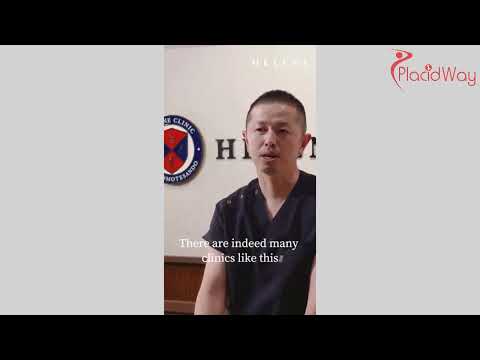
Ang direktang pakikinig mula sa mga dating pasyente ay maaaring magbigay ng napakahalagang katiyakan. Ang mga video testimonial na itinatampok sa ibaba ay nagpapakita ng mga totoong kwento mula sa mga indibidwal na naglakbay sa Japan na may malubhang pagpalya ng puso at nakahanap ng panibagong enerhiya at kakayahan. Panoorin ang mga video na ito upang marinig ang tungkol sa kanilang mga pagbuti sa paghinga, distansya sa paglalakad, at pang-araw-araw na gawain, pati na rin ang kanilang karanasan sa mga medikal na pangkat ng Hapon.
Kabatiran: Madalas na inilalarawan ng mga pasyente ang pangangalaga sa Japan bilang "maingat" at "lubos na magalang," na nagpapagaan ng pagkabalisa dulot ng kumplikadong paggamot.


Mga Madalas Itanong tungkol sa Stem Cell Therapy para sa Sakit sa Puso sa Japan
Ang mga review ng pasyente ay nagbibigay ng tapat na pagtingin sa kalidad ng pangangalaga. Sa seksyong ito, makikita mo ang mga beripikadong review at rating mula sa mga internasyonal na pasyente na ipinagkatiwala ang kanilang kalusugan ng puso sa mga espesyalistang Hapones. Basahin ang kanilang feedback tungkol sa bisa ng paggamot, ang kalinawan ng komunikasyon, at ang suportang ibinigay sa kanilang matagal na pamamalagi sa Japan.
Tip sa Pagsusuri: Maghanap ng mga review na binabanggit ang mga pangmatagalang resulta (6 na buwan hanggang 1 taon pagkatapos ng operasyon), dahil ang pagbabagong-buhay ng puso ay nangangailangan ng oras upang lumitaw.

Can Heart Disease Stem Cell Japan Therapy Help Improve Cardiac Function?
Yes, stem cell therapy in Japan—specifically using iPSCs and "HeartSheet" technology—can significantly improve cardiac function by regenerating heart muscle tissue, increasing ejection fraction, and enhancing overall quality of life for heart failure patients. For patients suffering from chronic heart failure or ischemic cardiomyopathy, the prognosis can often feel limited: medication management, a pacemaker, or the daunting wait for a heart transplant. However, a quiet revolution is happening in Japan. As the birthplace of Induced Pluripotent Stem Cell (iPSC) technology (a discovery that won the Nobel Prize), Japan is arguably the most advanced nation in the world for regenerative heart therapies. Unlike other countries that rely solely on general stem cells to reduce inflammation, Japanese researchers and clinics are actively working on ways to rebuild the heart muscle itself. If you are exploring international options for heart treatment, Japan offers unique, government-approved therapies that are unavailable elsewhere. In this guide, we’ll explore how these advanced therapies work, the "HeartSheet" innovation, and what you can expect in terms of results and costs. How effective is stem cell therapy for heart disease in Japan? "Clinical trials in Japan have shown that therapies like the HeartSheet can improve the heart's ejection fraction by 4-8% and significantly reduce the size of scar tissue, leading to better exercise tolerance." Effectiveness in heart therapy is measured by the "Ejection Fraction" (how much blood the heart pumps) and the patient's physical stamina. Japanese studies, particularly those from Osaka University and Keio University, have demonstrated that transplanting stem cell-derived cardiomyocytes (heart muscle cells) can electrically integrate with the patient's heart. This means the new cells don't just sit there; they beat in sync with the heart. Patients who underwent these procedures often reported a meaningful improvement in Quality of Life (QoL)—they could walk further without breathlessness, experienced less fatigue, and had fewer hospital readmissions for heart failure. What is the "HeartSheet" and iPSC technology? "The HeartSheet is a Japanese innovation where autologous skeletal myoblasts are grown into a tissue sheet and surgically placed onto the heart surface to stimulate repair, while iPSCs allow doctors to grow new heart muscle cells from a patient's skin or blood." Japan stands out because of its specific technologies: HeartSheet (Terumo): This was the world’s first regenerative medicine product for heart failure to receive approval. It involves taking muscle cells from a patient's thigh, growing them into a sheet, and placing them on the heart during surgery. It works by secreting massive amounts of growth factors that heal the damaged heart wall. iPSC Cardiomyocytes: This is the next frontier. Scientists take ordinary cells (like skin cells), reprogram them into stem cells (iPSCs), and then turn them into heart muscle cells. These can be injected into the heart to replace dead tissue after a heart attack. What types of heart conditions can be treated? "The primary conditions treated include Ischemic Cardiomyopathy (damage from heart attacks), Dilated Cardiomyopathy (enlarged heart), and severe Chronic Heart Failure where standard medications are no longer effective." These therapies are generally reserved for patients with significant heart damage who are not immediate candidates for a transplant but need more than just medication. Ischemic Heart Disease: The therapy aims to revascularize (grow new blood vessels) the dead zones of the heart. Dilated Cardiomyopathy: By strengthening the heart wall, the therapy helps prevent the heart from stretching further and failing. Note: It is less effective for valvular heart disease (valve problems), which typically requires mechanical repair. What is the cost of heart stem cell therapy in Japan? "The cost of heart stem cell therapy in India varies widely based on the method: simple IV infusions of MSCs start around $15,000, while complex catheter-based or surgical sheet procedures can range from $30,000 to $45,000 USD." Japan is a high-tech medical destination, and the pricing reflects the advanced nature of the care. Standard MSC Therapy (IV): $15,000 - $20,000. Used for general inflammation reduction and mild heart failure. Catheter-Based Delivery: $25,000 - $35,000. Cells are injected directly into the coronary arteries for better uptake. Surgical/Sheet Protocols: $35,000 - $45,000+. This involves a hospital stay and a more invasive procedure but offers the highest potential for structural repair. Packages typically include the cell processing (which takes weeks), medical fees, and post-op monitoring. Why is Japan a global leader in this field? "Japan leads the world due to its unique 'Conditional Approval' system (PMD Act), which allows regenerative therapies to reach patients faster if safety is proven, bypassing the decade-long trials required in the US." In the US (FDA), a therapy must prove it is 100% effective before it is approved, which takes 10-15 years. In Japan, the PMD Act allows therapies to be approved for use if they show safety and "probable efficacy." This pragmatic approach means patients have access to cutting-edge treatments 5-10 years ahead of the rest of the world. Additionally, the government heavily funds iPSC research, ensuring clinics have access to the highest quality cells. Is the treatment safe and regulated? "Yes, Japan has arguably the strictest safety regulations for regenerative medicine; clinics must hold a specific license from the Ministry of Health, Labour and Welfare (MHLW) to operate." You are not visiting a "wild west" clinic in Japan. Facilities must submit their cell processing protocols to the government for review. They are classified into Class I (high risk, like iPSCs), Class II (medium risk, like MSCs), and Class III. Most heart therapies fall under Class I or II, requiring university-level oversight. This ensures that the cells you receive are free from contamination and are genetically stable. How do I choose the right clinic? "Look for clinics that have a 'Notification Number' issued by the MHLW, often affiliated with major research universities like Osaka or Keio, and ensure they offer English language support." When researching, verify the clinic's license. Top clinics will be transparent about their Cell Processing Center (CPC). Since language can be a barrier, many international patients work with medical tourism facilitators who have established relationships with these top-tier Japanese hospitals. Ask specifically if they offer "catheter-based" or "IV" administration, as this significantly changes the potential outcome for heart disease. Ready to Strengthen Your Heart? Japan offers the most advanced, government-regulated stem cell options for heart failure in the world. Find out if you are a candidate. Get a free consultation and treatment plan from MHLW-licensed clinics with PlacidWay Medical Tourism. Get a Free Quote & Treatment Plan Today
How successful is stem cell therapy in Japan as a non-surgical treatment for heart disease?
Stem cell therapy for heart disease in Japan is highly successful as a non-surgical option. It regenerates damaged cardiac tissue, improves blood flow, and reduces heart failure symptoms. Success rates often exceed 70 percent for improved cardiac function, offering a vital alternative to invasive surgeries. Key Takeaways: Cardiac Regenerative Care Non-Surgical Approach: The treatments are minimally invasive, completely eliminating the need for open-heart surgery and long hospital stays. Tissue Repair: Administered cells actively work to repair ischemic tissues and promote the growth of new blood vessels. Government Regulation: Japan enforces strict safety protocols ensuring that all biological treatments meet the highest global medical standards. Cost Effectiveness: Compared to ongoing Western cardiac interventions, the inclusive packages offer substantial financial value. Rapid Recovery: Most procedures are outpatient, allowing patients to return to their normal lives much faster than traditional surgical methods. How exactly does stem cell therapy for heart disease work in Japan? The cells are typically administered intravenously or locally to target damaged cardiac regions. Once in the body, these cells stimulate natural healing processes and trigger vital blood vessel regeneration. When a patient suffers from cardiovascular issues, the heart muscle often sustains permanent damage due to a lack of oxygen. Traditional medicine focuses on managing the symptoms of this damage, but regenerative treatments aim to address the root cause. The introduced biological materials travel to the ischemic areas of the heart where they release specific growth factors and cytokines. These powerful proteins signal the body to begin its natural repair mechanisms. One of the primary mechanisms of action is angiogenesis, which is the formation of new blood vessels from existing ones. By creating new pathways for blood to flow, the starved heart tissues receive the oxygen and nutrients necessary to recover. This process significantly improves the overall pumping efficiency of the heart and drastically reduces the severe fatigue and shortness of breath associated with cardiac decline. Furthermore, these specialized cells possess profound anti-inflammatory properties. Chronic inflammation is a massive driver of cardiovascular deterioration. By calming the immune system and reducing localized inflammation, the treatment prevents further scarring of the heart tissue. This holistic healing environment allows the heart muscle to strengthen over time, providing a sustainable, long-term improvement in the quality of life for the patient. Did You Know? The cells act essentially as chemical factories. Rather than turning into heart muscle cells themselves, they secrete microscopic vesicles that instruct your existing cardiac cells to wake up and start repairing the damaged tissue. What makes a stem cell therapy for heart disease clinic in Japan highly rated? Top facilities maintain strict government accreditation and utilize advanced proprietary cell cultivation techniques. They provide extensive pre-treatment evaluations to ensure maximum safety and efficacy. Finding a top-tier facility is paramount for optimal results. When patients seek treatment at a recognized stem cell therapy for heart disease clinic in Japan, such as the esteemed Cell Grand Clinic in Osaka, Japan, they benefit from world-class protocols. These highly rated centers share several defining characteristics that separate them from average hospitals. They operate under rigorous safety guidelines enforced by the Japanese Ministry of Health, Labor, and Welfare. They house state of the art ISO-certified cleanroom laboratories for cellular processing and multiplication. Their medical teams consist of board-certified cardiovascular specialists and pioneer researchers in regenerative biology. They utilize proprietary cultivation methods that yield exceptionally high cell viability and multiplication rates. They offer comprehensive long-term patient monitoring programs to track cardiac improvements over several years. They focus entirely on innovative non-surgical methods that prioritize patient comfort and rapid recovery. What is the average stem cell therapy for heart disease cost in Japan compared to other countries? The stem cell therapy for heart disease cost in Japan generally ranges from $15,000 to $30,000 depending on the specific protocol. This presents a much more affordable option compared to unregulated or experimental markets globally. When evaluating international healthcare options, pricing transparency is absolutely essential. The overall financial commitment required in Japanese medical facilities is surprisingly competitive, especially considering the unparalleled technological advancement of the country. Unlike in Western nations where these procedures can incur astronomical out of pocket expenses due to lack of insurance coverage, Japanese clinics offer comprehensive packages. These inclusive pricing structures usually cover the initial medical consultations, advanced diagnostic imaging, the laboratory processing of the biological materials, and the clinical administration itself. Because the regulatory framework in the country allows for streamlined clinical translation, the overhead costs associated with endless bureaucratic red tape are significantly reduced. This efficiency is directly passed on to the patient as cost savings. It is important to note that while cheaper options exist in developing nations, they often lack the crucial government oversight required to guarantee safety. Paying for a highly regulated environment ensures that the cellular products are free from contamination and possess the necessary potency to effect real biological change. Below is an approximate comparison table to illustrate the financial landscape. Country Average Cost Range (USD) Regulatory Oversight Level Japan $15,000 - $30,000 Very High (Specific Regenerative Laws) United States $25,000 - $50,000+ High (Strict FDA clinical trial phases) Mexico $8,000 - $15,000 Moderate Germany $18,000 - $35,000 High Who is the ideal candidate for non-surgical cardiac stem cell treatment in Japan? Patients suffering from ischemic heart failure or those recovering from a myocardial infarction are prime candidates. Individuals seeking robust alternatives to bypass surgery also benefit greatly from this intervention. Not every patient with cardiovascular issues will automatically qualify for these advanced protocols. Comprehensive medical screening is required to establish whether the regenerative approach will yield significant biological benefits. Ideal candidates typically share specific medical histories and physiological profiles. Individuals diagnosed with chronic ischemic cardiomyopathy who experience severe daily fatigue. Patients who have previously suffered a heart attack and wish to prevent further tissue degradation. Those suffering from refractory angina who have exhausted conventional medication options. Individuals who are considered high risk for traditional open heart surgery due to age or underlying conditions. Patients exhibiting a reduced left ventricular ejection fraction who wish to improve their cardiac output. Proactive patients who are committed to making necessary lifestyle and dietary changes post treatment. How has medical tourism in Japan evolved for regenerative heart treatments? The landscape of medical tourism in Japan has expanded massively due to progressive regenerative laws. International patients now flock to the country for legally regulated and scientifically backed cellular therapies. A decade ago, traveling to Asia for highly specialized cardiovascular care was uncommon for Western patients. However, the paradigm shifted dramatically with the implementation of the Act on the Safety of Regenerative Medicine. This groundbreaking legislation created a fast track approval process for cellular therapies that proved to be safe in early clinical trials. It allowed clinics to offer these treatments legally, provided they met incredibly stringent laboratory and clinical standards. This legislative environment transformed the nation into a global hub for biological innovation. Patients from North America, Europe, and the Middle East quickly realized that they no longer had to wait decades for their home countries to approve these life saving protocols. They could travel safely to a technologically advanced nation, receive treatment in immaculate medical facilities, and enjoy the peace of mind that comes with strict government oversight. Today, the infrastructure supporting international patients is exceptionally robust. Specialized concierge services coordinate every aspect of the medical journey, from securing medical visas and translating complex medical records, to providing bilingual nursing staff during the clinical stay. This seamless integration of hospitality and advanced medical science has cemented the country reputation as the premier destination for cardiac tissue regeneration. What specific types of stem cells are utilized for cardiac repair in Japan? Clinics primarily use Mesenchymal Stem Cells derived from bone marrow, adipose tissue, or umbilical cord blood. Induced Pluripotent Stem Cells are also actively pioneering the next wave of advanced cardiac regeneration. The success of the treatment heavily relies on the specific type of biological material utilized. Mesenchymal Stem Cells are the most widely applied variant in clinical settings today. These adult cells are incredibly versatile and can be harvested directly from the patient own body fat or bone marrow. Because they are autologous, there is absolutely zero risk of immune rejection, making the procedure exceptionally safe and straightforward. In cases where the patient own cells lack sufficient vitality due to age or chronic illness, allogeneic cells derived from ethically sourced human umbilical cord tissue are employed. Umbilical cord cells are extremely young and robust, possessing immense multiplication capabilities. They are naturally immune privileged, meaning the patient body will not recognize them as foreign entities, eliminating the need for harsh immunosuppressant drugs. Looking toward the cutting edge of science, Japanese researchers are global leaders in Induced Pluripotent Stem Cell technology. These are adult cells that have been genetically reprogrammed back to an embryonic like state. While still largely in advanced clinical trial phases for heart disease, they represent the ultimate future of cardiac care, as they have the theoretical potential to generate unlimited quantities of pure, beating heart muscle cells to patch massive areas of scar tissue. How long does it take to see results from regenerative heart treatments in Japan? Most patients begin to notice improvements in energy and reduced breathlessness within three to six weeks. Significant cardiac remodeling and pumping efficiency improvements continue to develop over six to twelve months. Managing patient expectations regarding the timeline of healing is a critical part of the consultation process. Unlike a surgical bypass that mechanically forces blood flow immediately, cellular regeneration is a profound biological process that requires time. During the first few weeks post treatment, the cells are busy reducing chronic inflammation and signaling the body to begin angiogenesis. Patients often report an early boost in general energy and less chest tightness during this initial phase. As the body enters the medium phase of healing, spanning from two to six months, new microscopic blood vessels begin to mature and carry oxygen rich blood to the previously starved heart muscle. This is when patients typically notice substantial improvements in their physical stamina. Activities that previously caused severe exhaustion, such as climbing stairs or walking long distances, become noticeably easier and more comfortable to perform. The long term phase of healing is where clinical metrics truly shine. Follow up echocardiograms conducted at the six month and twelve month marks often reveal quantifiable improvements in the left ventricular ejection fraction. The heart muscle appears less stiff and more elastic, proving that structural remodeling has occurred. It is a gradual, natural progression toward a healthier cardiovascular system. Expert Insight Healing is not linear. Some days will feel better than others during the first few months. The key is consistent monitoring and adhering strictly to the prescribed dietary and cardiovascular rehabilitation programs to maximize the cellular engraftment. Are there any risks associated with cardiac stem cell procedures in Japan? The procedure is minimally invasive and carries remarkably low risks compared to open heart surgery. Minor side effects may include temporary fatigue or mild fever immediately following the biological injection. Safety is the foundational pillar of the Japanese medical system. Because the treatment avoids massive incisions, general anesthesia, and the use of a cardiopulmonary bypass machine, the severe risks associated with traditional cardiac surgery are entirely eliminated. There is virtually no risk of deep surgical site infections, severe blood loss, or prolonged intensive care unit stays. The procedure is gentle on the body. When autologous protocols are used, the safety profile increases even further. Because the medical team is simply relocating and multiplying the patient own biological material, the risk of allergic reaction or tissue rejection is non existent. The most commonly reported side effects are exceptionally mild, such as slight bruising at the intravenous line insertion site, a mild headache, or a low grade fever that dissipates within twenty four hours. Furthermore, the strict regulatory oversight ensures that the laboratories multiplying the cells operate under impeccable sterile conditions. Before any cells are administered back into the patient, they undergo rigorous testing for bacterial contamination, viral pathogens, and genetic stability. This obsessive attention to detail guarantees that the biological product entering the patient bloodstream is pure, potent, and unequivocally safe. Why Choose PlacidWay for regenerative heart treatments in Japan? PlacidWay connects you exclusively with globally recognized and fully accredited regenerative medicine centers. Our platform ensures you receive highly transparent pricing and direct access to top cardiac specialists. Navigating international healthcare systems can be incredibly overwhelming, especially when seeking advanced biological treatments. PlacidWay acts as your ultimate patient advocate, streamlining the entire discovery and booking process. Here is why countless patients trust our platform for their cardiovascular recovery journey: Direct Access to Specialists: We bypass the traditional medical red tape, allowing you to have direct virtual consultations with board-certified regenerative cardiovascular experts before you commit to any procedure. Transparent Pricing Structures: We believe in absolute financial clarity. The quotes provided through our network include detailed breakdowns of medical costs, ensuring there are zero hidden medical fees upon your arrival at the facility. Comprehensive Record Reviews: Our system facilitates the secure transfer of your intricate cardiac imaging and medical history directly to the Japanese specialists for accurate preliminary evaluations. Verified Patient Success Metrics: We partner only with clinics that maintain impeccable safety records and transparent success rates, giving you total confidence in your medical provider choice. Dedicated Medical Coordination: You are assigned a personal care coordinator who assists with managing your medical scheduling and ensuring seamless communication between you and the clinical staff. Frequently Asked Questions Is stem cell treatment for heart failure legal in Japan? Yes, regenerative treatments are fully legal and strictly regulated by the Japanese government under the Act on the Safety of Regenerative Medicine. This ensures all facilities adhere to the highest global safety and ethical standards. Can regenerative medicine reverse heart damage completely? While it significantly improves cardiac function and quality of life, it may not completely reverse severe scar tissue. The primary goal is to halt disease progression, improve blood flow, and repair viable but damaged cardiac tissues. How is the cellular therapy administered to heart patients? The cells are typically administered via a simple intravenous drip that circulates systemically, or through localized catheter-based delivery directly into the coronary arteries for more targeted tissue regeneration. Do I need to stay in the hospital after the stem cell injection? Most protocols are performed on an outpatient basis. Patients usually rest at the facility for a few hours for observation before being cleared to return to their accommodation, making recovery extremely manageable. Will my insurance cover regenerative cardiac treatments in Japanese clinics? Generally, international health insurance providers do not cover these treatments as they are often classified as elective or experimental in Western countries. Patients should be prepared to cover the costs out of pocket. Can international patients easily communicate with Japanese medical staff? Top medical tourism facilities in Japan employ dedicated bilingual staff and professional medical translators. This ensures that international patients fully understand their treatment protocols and can communicate their needs clearly. How long do the benefits of cardiac cell therapy last? The restorative benefits can last for several years. The longevity of the results heavily depends on the individual patient adhering to a healthy lifestyle, managing underlying conditions, and attending regular follow up evaluations. Are donor cells safe to use for my heart condition? Yes, when allogeneic donor cells are utilized, they undergo rigorous laboratory screening for infectious diseases and genetic abnormalities. They are also processed to minimize any risk of immune rejection. Can I combine standard cardiac medications with cellular therapy? Yes, patients are strongly advised to continue their prescribed standard cardiac medications. The regenerative treatments are designed to complement conventional therapies rather than immediately replace them. What is the age limit for receiving regenerative cardiac care in Japanese centers? There is no strict upper age limit for these procedures. Candidacy is determined by a comprehensive evaluation of the patient overall health, organ function, and specific cardiac condition rather than chronological age alone. Begin Your Cardiac Recovery Journey in Japan Today Do not let heart disease dictate your future. PlacidWay seamlessly connects you with fully accredited and pioneering regenerative medical centers in Japan. Obtain a free, comprehensive quote, connect directly with leading cardiovascular specialists, and explore exclusive treatment packages tailored to your unique medical needs. Get Your Free Quote Now Strictly confidential. Our medical coordination team typically responds within twenty four hours.
How do stem cells in Osaka treat atherosclerosis and prevent heart disease complications?
Stem cell therapy in Japan treats atherosclerosis by utilizing mesenchymal stem cells to repair damaged blood vessels, reduce arterial inflammation, and promote new blood vessel growth. This naturally prevents severe heart disease complications. Key Takeaways: Atherosclerosis Regenerative Care in Osaka Vascular Repair: Stem cells actively rebuild the endothelial lining of damaged arteries. Plaque Stabilization: Anti-inflammatory properties prevent vulnerable plaques from rupturing. Regulatory Safety: Japanese clinics operate under strict Ministry of Health regulations. Neoangiogenesis: Therapy stimulates the growth of new collateral blood vessels around blockages. Outpatient Convenience: The procedure utilizes minimally invasive autologous cell extraction. Atherosclerosis is a chronic, progressive condition characterized by the buildup of cholesterol, fats, and cellular debris within the arterial walls. Over time, these plaques harden and narrow the arteries, drastically restricting blood flow and setting the stage for severe cardiovascular events like myocardial infarctions and ischemic strokes. Traditional medicine typically relies on lifelong pharmaceutical management or invasive surgical interventions like stents and bypasses. However, regenerative medicine has introduced a groundbreaking paradigm shift. By harnessing the bodies own healing mechanisms, doctors are now addressing the root cause of vascular deterioration. Patients from across the globe are turning to stem cell therapy in Japan to not only halt the progression of arterial disease but to actively reverse endothelial dysfunction, offering a profound sense of hope for those facing severe heart disease complications. How do stem cells physically repair plaque-damaged arteries in atherosclerosis? Stem cells repair arteries by migrating to damaged areas and differentiating into endothelial cells. They rebuild the inner lining of blood vessels, restoring smooth blood flow and natural vascular elasticity. The physical repair of arteries begins at the microscopic level through a process called endothelial regeneration. The endothelium is the delicate inner lining of blood vessels. In patients with atherosclerosis, this lining becomes highly dysfunctional due to oxidative stress and lipid accumulation. When mesenchymal stem cells are introduced into the bloodstream, they exhibit a unique homing mechanism. They act like biological paramedics, detecting chemical distress signals emitted by the damaged vascular tissue and migrating directly to the sites of plaque buildup and arterial injury. Once they arrive at the damaged site, these cells perform dual functions. First, they can differentiate into endothelial progenitor cells, directly integrating into the vessel wall to replace dead or dying tissue. This structural rebuilding smooths out the inner surface of the artery, which improves hemodynamics and reduces the friction that leads to further plaque accumulation. The restored elasticity allows the arteries to dilate properly in response to the bodies oxygen demands. Furthermore, stem cells trigger neoangiogenesis, which is the formation of entirely new micro-blood vessels. If a major artery is heavily occluded by calcified plaque, the stem cells encourage the growth of collateral vessels that bypass the blockage. This natural biological bypass restores vital oxygen and nutrient delivery to ischemic heart muscle, drastically lowering the probability of tissue death during cardiac stress. Expert Insight Regenerative specialists note that the primary danger of atherosclerosis is not just the narrowing of the artery, but the instability of the plaque. Stem cell intervention helps form a thick, fibrous cap over existing plaques, transforming them from vulnerable, rupture-prone lesions into stable, safe structures. What makes Osaka a top destination for cardiovascular stem cell treatments? Osaka offers progressive regenerative medicine laws, state-of-the-art laboratory facilities, and highly specialized physicians focusing on preventative cardiovascular care and superior cell cultivation standards. Osaka has rapidly emerged as a global powerhouse in the field of regenerative medicine. The Japanese government implemented the Act on the Safety of Regenerative Medicine, which created a legal and ethical framework allowing rapid but highly regulated clinical application of cellular therapies. This forward-thinking legislation means that scientific breakthroughs move from the research phase to clinical availability much faster in Osaka than in North America or Europe, without compromising patient safety. The city is home to advanced cell processing centers that utilize cutting-edge technology to isolate, expand, and purify cells to the highest medical standards. Patients searching for an advanced stem cell clinic for atherosclerosis in Osaka frequently choose the renowned Cell Grand Clinic in Osaka, Japan. Facilities of this caliber maintain Class 10,000 cleanrooms and employ meticulous quality control protocols to ensure every infusion is robust, viable, and free from contamination. Beyond the technological supremacy, Osaka provides an environment of holistic medical excellence. The medical teams consist of interdisciplinary specialists, including cardiologists, vascular surgeons, and regenerative biologists who collaborate to create customized treatment plans. This comprehensive approach ensures that the underlying metabolic causes of atherosclerosis are addressed alongside the physical regeneration of the cardiovascular system. What is the average stem cell therapy cost in Japan for heart conditions? The stem cell therapy cost in Japan for atherosclerosis ranges from $15,000 to $25,000 depending on the cell expansion process, laboratory fees, and the specific number of intravenous administrations required. Understanding the financial investment is crucial for international patients. The stem cell therapy cost in Japan reflects the premium quality of care, the highly specialized laboratory culturing processes, and the strict regulatory oversight that ensures absolute safety. While it is a significant investment, it is often more cost-effective than enduring years of conventional treatments, repeated hospitalizations, or invasive cardiovascular surgeries in Western nations. The total price generally encompasses several critical phases of the treatment protocol. It includes the initial comprehensive medical evaluation, the localized fat harvesting procedure, the multi-week cell expansion process in an accredited laboratory, and the final intravenous administration. Some advanced protocols may also include hyperbaric oxygen therapy or specialized nutritional IVs designed to enhance cellular engraftment. When compared globally, Japan offers an exceptional balance of price and medical security. While some countries may advertise lower prices, they often lack the rigorous governmental oversight and advanced culturing technologies found in Osaka. Patients paying for treatments here are investing in certified purity and high cell viability counts, which directly correlate to better cardiovascular outcomes. Country / Region Estimated Cost Range (USD) Regulatory Standard Japan (Osaka) $15,000 - $25,000 Extremely High (Government Regulated) United States $25,000 - $40,000+ High (Strict FDA limits on cell expansion) Western Europe $20,000 - $35,000 High (EMA Regulated) Latin America $8,000 - $15,000 Variable (Requires careful clinic vetting) How does stem cell administration reduce overall cardiovascular inflammation? Mesenchymal stem cells secrete powerful anti-inflammatory cytokines that lower systemic inflammation, stabilizing dangerous arterial plaques and significantly reducing the risk of heart attacks. Atherosclerosis is fundamentally an inflammatory disease. It is not just about passive cholesterol buildup; it involves a continuous immune response where white blood cells attack the arterial walls. Stem cells possess profound immunomodulatory properties that effectively shut down this destructive inflammatory cycle. Through what is known as the paracrine effect, they release a complex symphony of healing proteins into the bloodstream. Cytokine Regulation: The cells release anti-inflammatory cytokines while simultaneously suppressing the production of pro-inflammatory markers that aggravate blood vessels. Macrophage Polarization: They instruct immune cells called macrophages to switch from a destructive state to a tissue-repairing state, clearing out cellular debris from plaques. Endothelial Soothing: The secreted exosomes protect the delicate endothelial cells from oxidative stress caused by high blood pressure or smoking. T-Cell Modulation: They calm overactive immune responses that mistakenly target healthy vascular tissue. Fibrosis Reduction: The treatment prevents the stiffening of heart muscle and blood vessels, maintaining crucial cardiovascular flexibility. Did You Know? The anti-inflammatory effects of mesenchymal stem cells can be measured through blood tests. Patients often see a dramatic decrease in their C-Reactive Protein (CRP) levels, a primary biomarker for cardiovascular inflammation, within just a few weeks of treatment. What types of stem cells are utilized for heart disease prevention in Japanese clinics? Japanese clinics primarily use autologous adipose-derived mesenchymal stem cells due to their high yield, absolute patient safety, and potent ability to regenerate vascular tissue and reduce inflammation. In the realm of cardiovascular regeneration, cell source matters immensely. The vast majority of top-tier facilities in Japan utilize Adipose-Derived Mesenchymal Stem Cells (AD-MSCs). These cells are harvested from the patients own fat tissue, usually from the abdominal area, via a very gentle, localized mini-liposuction procedure. Because they are autologous (derived from the patient), there is zero risk of immune rejection or the transmission of communicable diseases. Adipose tissue is heavily favored over bone marrow extraction for several reasons. First, the concentration of stem cells in fat tissue is hundreds of times higher than in bone marrow, providing a massive baseline number of cells for the laboratory to work with. Second, the harvesting procedure is practically painless and takes only a fraction of the time, making it exceptionally safe for patients who already have compromised heart function. Once harvested, Japanese laboratories excel at the cultivation phase. Over a period of three to four weeks, the cells are isolated, fed with specialized nutrients, and multiplied into the tens or hundreds of millions. This massive expansion is critical; introducing a high volume of highly viable, youthful cells into the vascular system ensures they have enough restorative power to tackle widespread atherosclerosis and instigate meaningful cardiac repair. How do I choose the right stem cell therapy clinic in Japan for vascular health? Selecting a stem cell therapy clinic in Japan requires verifying Ministry of Health and Welfare certification, assessing the cell processing laboratory quality, and reviewing the cardiovascular expertise of the medical team. The safety and efficacy of your treatment depend entirely on the facility you select. When researching a stem cell therapy clinic in Japan, the absolute first step is to verify their legal standing. The clinic must hold a specific provision number issued by the Japanese Ministry of Health, Labour and Welfare, which confirms they are legally authorized to provide regenerative therapies under the strict national guidelines. Next, evaluate the cell processing capabilities. The highest standard clinics either have proprietary in-house laboratories or partner with elite cell processing centers. Inquire about their cleanroom standards and the specific cell viability guarantees they offer post-expansion. You want to ensure that the cells administered are alive, active, and capable of differentiating into vascular tissue. Finally, scrutinize the medical teams credentials. Atherosclerosis is a complex disease requiring specialized knowledge. The ideal clinic will have physicians with backgrounds in cardiology, internal medicine, or vascular surgery, not just general aesthetics. They should provide a comprehensive pre-treatment cardiovascular evaluation to tailor the stem cell dosage and delivery method precisely to your arterial condition. What are the long-term benefits of cardiovascular stem cell therapy in Japan? Patients undergoing cardiovascular stem cell therapy in Japan experience sustained improvements in blood pressure, increased exercise tolerance, and significantly reduced long-term risks of heart attacks and strokes. The fundamental advantage of stem cell therapy in Japan over traditional medicine is its focus on long-term disease modification rather than temporary symptom management. By physically repairing the endothelial lining and resolving chronic arterial inflammation, the treatment creates a lasting structural change within the cardiovascular system. Patients frequently report a noticeable reduction in angina (chest pain) and an enhanced ability to perform physical activities without shortness of breath. Another major long-term benefit is the stabilization of existing atherosclerotic plaques. Unstable plaques are the primary culprits behind sudden cardiac events; if a plaque ruptures, it causes an immediate blood clot. Stem cells promote the calcification and thickening of the fibrous caps over these plaques, essentially sealing them off and drastically reducing the statistical probability of a fatal heart attack or ischemic stroke. Furthermore, patients observe broad systemic improvements. Because the regenerative cells circulate throughout the entire body, they improve microcirculation in the brain, kidneys, and extremities. This holistic rejuvenation often leads to better cognitive function, improved renal health, and a profound increase in overall vitality and daily quality of life. How does medical tourism in Japan enhance the patient experience for regenerative care? Medical tourism in Japan provides international patients with seamlessly coordinated care, access to innovative cellular therapies unavailable in their home countries, and comprehensive health screenings in a highly safe environment. Participating in medical tourism in Japan is characterized by the concept of Omotenashi, which translates to deep, anticipatory hospitality. The medical system is geared toward providing international patients with a stress-free, luxurious healthcare experience. From the moment a patient lands, premium clinics ensure that every logistical detail is handled, allowing the individual to focus entirely on their cardiovascular recovery. The Japanese government facilitates this process through specialized medical visas, allowing patients and their families extended stays for multi-phase treatments. Clinics employ dedicated international departments equipped with fluent medical interpreters. This ensures that complex cardiovascular concepts, stem cell cultivation processes, and post-treatment lifestyle guidelines are communicated flawlessly, fostering deep trust between the patient and physician. Moreover, the medical tourism infrastructure in cities like Osaka allows patients to combine world-class healthcare with a restorative environment. The downtime required between cell harvesting and cell administration offers a unique opportunity to experience Japans serene culture, highly nutritious cuisine, and tranquil environments. This low-stress, restorative atmosphere actively supports the bodies healing processes during the regenerative journey. Why Choose PlacidWay for Cardiovascular Regenerative Medicine in Osaka? PlacidWay connects patients with fully accredited regenerative clinics in Osaka, ensuring transparent pricing, verified medical credentials, and comprehensive treatment planning without the stress of navigating a foreign medical system. Navigating international healthcare options for complex conditions like heart disease requires a trusted partner. PlacidWay serves as your dedicated medical advocate, streamlining the path to cardiovascular health. Here is why patients rely on our platform: Rigorous Facility Vetting: We partner exclusively with Japanese clinics that possess verifiable certifications from the Ministry of Health, Labour and Welfare, ensuring your stem cell therapy meets the highest global safety standards. Transparent Cost Structuring: We secure highly detailed, pre-negotiated package prices. You receive clear breakdowns of laboratory fees, doctor consultations, and treatment costs, protecting you from hidden medical expenses. Expert Medical Record Transfer: Our team facilitates the secure transmission of your cardiac imaging, angiograms, and blood panels directly to top specialists in Osaka for accurate, personalized pre-evaluations. Personalized Treatment Coordination: We align you with physicians who specifically specialize in atherosclerosis and endothelial repair, ensuring your therapeutic protocol matches your precise cardiovascular needs. Unwavering Patient Advocacy: From initial inquiry to post-treatment follow-up, our dedicated support staff remains available to address clinical concerns, ensuring you feel confident and supported throughout your medical journey. Frequently Asked Questions Is stem cell therapy for atherosclerosis approved by Japanese health authorities? Yes, regenerative medicine in Japan is heavily regulated and approved under the Act on the Safety of Regenerative Medicine. Clinics must undergo rigorous inspections and receive certification from the Ministry of Health, Labour and Welfare to legally cultivate and administer stem cells for cardiovascular conditions. How long does it take to see results after receiving stem cells for heart disease? While initial reductions in systemic inflammation can occur within the first few weeks, structural improvements in blood vessels and significant reductions in atherosclerosis symptoms typically manifest between three to six months post-treatment as the cells actively repair damaged tissue. Are there any age limits for undergoing vascular stem cell therapy in Osaka? There is no strict upper age limit for autologous stem cell treatments. Because the procedure uses the patients own cells, it is generally safe for older adults. However, a comprehensive medical evaluation is required to ensure the patient is healthy enough for the initial fat harvesting procedure. Can stem cell therapy completely cure atherosclerosis? Stem cell therapy is not considered a complete cure but rather a powerful disease-modifying treatment. It significantly reverses vascular damage, stabilizes dangerous arterial plaques, and restores blood flow, but patients must still maintain a healthy lifestyle to prevent future plaque buildup. What is the recovery time after a stem cell injection for arterial health? The recovery time is minimal. The initial mini-liposuction for fat harvesting requires a few days of mild rest, but the actual intravenous administration of stem cells is an outpatient procedure. Most international patients can resume normal non-strenuous activities within 24 to 48 hours. Do Japanese clinics use embryonic stem cells for cardiovascular treatments? No, reputable clinics in Japan strictly use adult autologous mesenchymal stem cells, typically derived from the patients own adipose tissue or bone marrow. This eliminates the ethical concerns and tumor risks associated with embryonic stem cells while guaranteeing perfect biological compatibility. How many stem cell sessions are required to treat severely blocked arteries? The number of required sessions depends on the severity of the arterial disease. Many patients achieve significant benefits from a single, high-dose intravenous infusion of millions of expanded cells. However, patients with advanced heart disease may be prescribed a multi-session protocol spaced over several months. Is it safe for cardiac patients to undergo fat extraction for stem cell harvesting? Yes, it is highly safe. The fat extraction is a minimally invasive procedure performed under local anesthesia, extracting only a small amount of tissue (usually 10 to 20 cc). This avoids the cardiovascular stress associated with general anesthesia, making it suitable for heart disease patients. Can international patients easily communicate with doctors in Osaka clinics? Top-tier medical facilities in Osaka cater specifically to international patients by providing dedicated medical interpreters and bilingual staff. This ensures all consultations, medical instructions, and post-operative guidelines are clearly understood without any language barriers. What dietary or lifestyle changes are required after receiving stem cells in Japan? To maximize the regenerative effects, physicians strongly advise adopting an anti-inflammatory diet, quitting smoking, managing stress, and engaging in light, regular cardiovascular exercise. These lifestyle modifications create an optimal environment for the stem cells to heal the arterial walls. Reclaim Your Cardiovascular Health in Japan Take control of your heart health with advanced regenerative medicine. PlacidWay connects you with government-accredited clinics in Osaka for safe, effective stem cell therapy. Get a free consultation, review transparent costs, and receive a customized treatment plan from top cardiovascular specialists. Get Your Free Quote Today * Secure, confidential, and no-obligation process. Responses typically within 24 hours.
Mga Review ng Kliyente Pagkatapos ng Stem Cell Therapy para sa Sakit sa Puso sa Japan
Ang iyong paggamot ay pinangungunahan ng mga nangungunang cardiovascular surgeon at mananaliksik na sumusulat ng kinabukasan ng medisina. Pinagsama-sama namin ang isang listahan ng mga nangungunang espesyalista sa Japan na may malawak na karanasan sa regenerative cardiology. Itinatampok ng mga profile na ito ang kanilang akademikong katayuan, mga kontribusyon sa pananaliksik, at klinikal na kadalubhasaan.
Mga Propesor sa Unibersidad
Mga Pinuno mula sa mga Unibersidad ng Osaka at Tokyo
Ang larangang ito ay pinamumunuan ng mga higanteng akademiko tulad ni Propesor Yoshiki Sawa (Osaka University), na siyang nagpasimula ng teknolohiya ng cell sheet. Ang paggamot ay kadalasang pinangangasiwaan ng kanyang mga direktang estudyante o kasamahan sa mga pangunahing ospital sa unibersidad, na tinitiyak na natatanggap mo ang orihinal at mataas na kalidad na bersyon ng therapy.
Mga Siruhano ng Kardiovascular
Mga Eksperto sa Pagtatanim ng Puso
Hindi tulad ng mga simpleng iniksyon, ang mga therapy tulad ng HeartSheet ay nangangailangan ng open-heart surgery. Ang mga espesyalistang kasangkot ay mga board-certified cardiovascular surgeon na may mga dekada ng karanasan sa bypass at transplant surgery, na tinitiyak na ang maselang paglalagay ng mga cell sheet ay isinasagawa nang may pinakamataas na kaligtasan.
Mga Doktor ng Regenerative Medicine
Sertipikado ng JSRM
Ang mga espesyalista sa larangang ito ay may mga sertipikasyon mula sa Japanese Society for Regenerative Medicine (JSRM). Ginagarantiyahan ng kwalipikasyong ito na sila ay napapanahon sa mga kumplikadong etika, mga protocol sa kaligtasan, at mga mekanismong biyolohikal ng stem cell therapy, na nagbibigay ng isang patong ng katiyakan na hindi matatagpuan sa mga merkado na walang regulasyon.
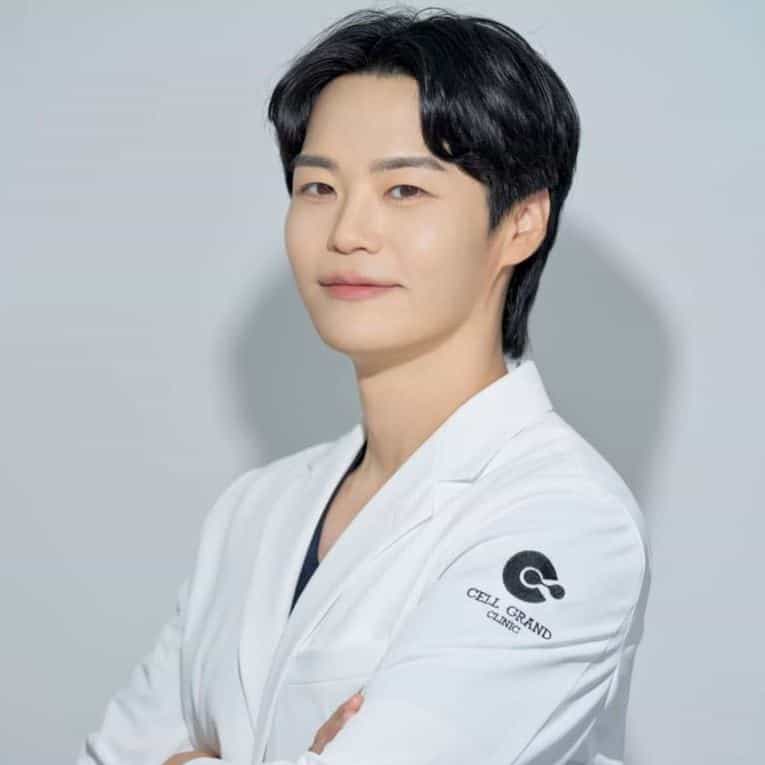
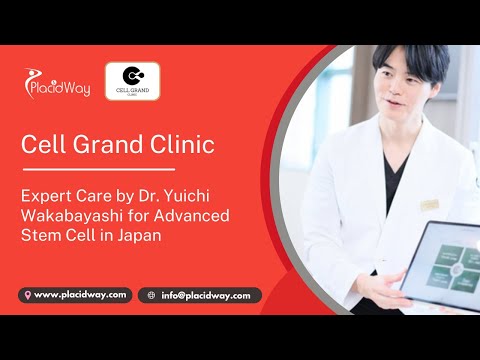
Yuichi Wakabayashi
Cell Grand Clinic – Japan’s Best Stem Cell Clinic
- Longevity Specialist
Osaka, Japan
Inobasyon at Pag-apruba
Natatangi ang Japan sa pagkakaroon ng gobyerno na proaktibong sumusuporta sa regenerative medicine. Ang conditional approval system ay nagbibigay-daan sa mga makabagong therapy tulad ng HeartSheet na maabot ang mga pasyente ilang taon bago pa man ito maging available sa US o Europe.
Ang akses na ito sa aprubado at makabagong agham ang pangunahing pang-akit para sa mga pasyenteng walang ibang pagpipilian.
Walang Kapantay na Rekord ng Kaligtasan
Ang sistemang medikal ng Hapon ay kasingkahulugan ng katumpakan at kalinisan. Ang mahigpit na pangangasiwa ng MHLW ay nangangahulugan na ang mga "cowboy clinic" ay halos wala nang umiiral.
Alam ng mga pasyente na ang mga selulang natatanggap nila ay pinoproseso sa mga isterilisado at high-tech na pasilidad at pinangangasiwaan ng mga karampatang propesyonal, kaya nababawasan ang panganib ng impeksyon o maling gawain.
Komprehensibong Pangangalaga sa Pasyente
Ang konsepto ng Hapones na "Omotenashi" (buong pusong pagtanggap sa mga pasyente) ay sumasaklaw sa pangangalagang medikal. Ang mga pasyente ay tumatanggap ng lubos na maasikaso na pangangalaga, malinis na mga pasilidad, at isang nakabalangkas na plano sa paggaling.
Tinitiyak ng holistic approach na hindi lamang ang puso, kundi pati na rin ang buong pasyente, ang maaalagaan sa panahon ng kanilang pananatili.
Paano Makakatulong ang PlacidWay sa Paggamot sa Aking Heart Stem Cell sa Japan?
Ang pag-access sa mas mataas na antas ng pangangalagang medikal sa Japan ay nangangailangan ng pagharap sa mga kumplikadong regulasyon at mga hadlang sa wika. Ang PlacidWay ay nagsisilbing iyong mapagkakatiwalaang kasosyo, na nag-uugnay sa iyo sa mga awtorisadong klinika at namamahala sa logistik para sa isang maayos na karanasan.
Pag-verify ng Lisensya
Nakikipagsosyo lamang kami sa mga klinika na may hawak na mga balidong lisensya mula sa Ministry of Health para sa regenerative medicine, upang matiyak na legal at ligtas ang inyong paggamot.
Tulong sa Visa
Ikinokonekta ka namin sa mga rehistradong medical guarantor sa Japan na awtorisadong mag-isyu ng "Certificate of Eligibility" na kinakailangan para sa isang Medical Visa.
Pagsasalin Medikal
Pinapadali namin ang pagsasalin ng iyong mga angiogram at mga medikal na ulat sa wikang Hapon para sa unang pagsusuri at inaayos namin ang mga interpreter para sa iyong pananatili.
Malayuang Konsultasyon
Tumutulong kami sa pag-set up ng mga telemedicine appointment kasama ang mga espesyalistang Hapones para mapag-usapan ninyo ang inyong eligibility at ang plano ng paggamot bago bumiyahe.
Pamamahala ng Logistik
Mula sa mga paglilipat sa paliparan hanggang sa paghahanap ng pangmatagalang matutuluyan para sa iyo at sa iyong pamilya, tutulong kami sa mga praktikal na detalye ng iyong isang buwang pamamalagi.
Transparent na Paggastos
Nagbibigay kami ng malinaw na mga pagtatantya para sa buong pakete ng paggamot, kabilang ang mga nakatagong gastos tulad ng mga bayarin sa pagsasalin at suporta sa visa, para makapagbadyet ka nang wasto.
Gawin ang unang hakbang tungo sa paggaling ng puso. Makipag-ugnayan sa PlacidWay ngayon para sa isang libreng ebalwasyon at tuklasin ang mga makabagong opsyon para sa cardiac stem cell therapy sa Japan.
Kunin ang Iyong Libreng Personalized na Sipi
.png)

.png)










Share this listing