


内容
泰国戒瘾治疗,助您持久康复
泰国已成为全球寻求高质量、人性化戒瘾及心理健康治疗的首选之地。泰国以其宁静的自然风光和世界一流的待客之道而闻名,为那些渴望摆脱成瘾循环的人们提供了一处静谧的疗愈之所。从清迈郁郁葱葱的山脉到热带岛屿的静谧海岸,环境在泰国康复中心提供的整体疗愈过程中发挥着至关重要的作用。
遍布全国的康复中心,尤其是泰国的高端戒毒康复中心,均配备现代化的治疗设施,并由国际医疗专业人员组成团队。这些中心融合了西方循证临床实践,例如认知行为疗法(CBT)和辩证行为疗法(DBT),以及东方整体疗法,例如正念、瑜伽和冥想。这种双管齐下的方法确保泰国康复中心能够全面关注康复过程中的生理、情感和精神层面。
隐私和保密是泰国治疗模式的基石。许多患者远赴海外,来到泰国戒瘾康复中心接受治疗,因为这里提供的匿名性和专注的护理在他们本国难以寻觅。凭借高比例的医护人员与患者,每位患者都能获得个性化的关注,从而更深入地了解自身成瘾的根源。
在泰国选择戒瘾治疗意味着踏上一段改变人生的旅程,您将得到专业临床医生、支持性社区以及泰国文化闻名遐迩的友善精神的陪伴。
你可知道?
泰国是亚洲最早发展专门的“康复旅游”基础设施的国家之一。泰国许多戒瘾康复中心都设在以前的精品度假村内,营造出一种“度假式”的氛围,大大减轻了传统医疗环境常常带来的耻辱感和压力。
关键信息概览
泰国的高级戒毒康复中心价格通常只有欧洲或澳大利亚类似高端机构价格的一小部分。
泰国所有康复中心都强调通过有机营养、健身和精神修行来促进身心健康。
泰国的康复中心通常会聘请受过西方培训、在成瘾治疗领域拥有数十年经验的心理学家和精神病学家。
泰国的戒瘾治疗方案是根据个人情况量身定制的,确保解决特定的诱因和创伤。
泰国提供了一个安全、无毒的环境,远离患者家庭生活的负面影响。
完善的后续护理计划是泰国戒瘾治疗的重要组成部分,可以帮助患者在回家后保持清醒状态。
“微笑之国”方法
在泰国,“Jai Yen”(冷静的心)的概念融入了康复过程。这种强调耐心和冷静的文化有助于泰国康复中心的患者应对戒断和治疗过程中强烈的情绪波动,从而更平和地过渡到长期戒瘾的生活。
选择合适的治疗方案可以大大简化您的治疗过程。在下方,我们精心挑选了一些在泰国提供全面戒瘾治疗方案的顶级机构。这些方案通常包括豪华住宿、个性化戒断方案、个人和团体治疗、瑜伽或冥想等健康活动以及营养膳食计划。浏览这些方案,找到符合您特定需求和预算的泰国戒瘾康复治疗方案。
注意:泰国许多戒毒康复计划还包括机场接送和治疗后后续护理支持,这对于在泰国康复中心取得长期成功至关重要。
了解经济投入是您决策过程中至关重要的一环。下表清晰列出了泰国热门戒瘾治疗项目的平均费用,并与西方国家的价格进行了对比。虽然这些数字是估算值,但它们突显了在泰国一流康复中心可节省的巨额费用。您可以利用这些数据有效地规划在泰国戒毒治疗的预算,但请注意,豪华设施或更长的疗程可能会影响最终价格。
提示:在泰国康复中心参加为期 28 天的全包式康复计划可能需要花费约 7,000 美元,而美国类似的高端临床护理通常超过 30,000 美元。
Addiction Treatment 中心成本比较 Thailand
| 提供者 | 程序 | 价格 |
|---|---|---|
| The Beekeeper House - Addiction Treatment in Thailand | Drug Addiction Treatment, Addiction Treatment | $15000 |
Addiction Treatment 成本比较 Thailand
| 国家 | 程序 | 价格 |
|---|---|---|
| United States | Drug Addiction Treatment, Addiction Treatment | $16000 |
| Canada | Drug Addiction Treatment, Addiction Treatment | $20000 |
| United Kingdom | Drug Addiction Treatment, Addiction Treatment | $12000 |
您的安全和治疗效果很大程度上取决于您选择的医疗机构。我们精选了该地区一些顶尖的医疗中心,这些中心在泰国的成瘾治疗领域享有盛誉。这些诊所均经过严格筛选,确保其符合卫生标准、拥有现代化的基础设施,并获得泰国成瘾康复领域的国际认证。请浏览以下简介,了解各康复中心的具体治疗方法和环境。
安全第一:寻找一家提供全天候医疗监督和专门戒毒方案的泰国戒毒康复中心,以确保您在泰国的康复之旅安全开始。

The Beekeeper House - Addiction Treatment in Thailand
Chiang Mai, Thailand
想象一下泰国戒瘾治疗中心宁静的环境和卓越的临床水平,将有助于您做出明智的康复选择。以下视频将带您深入了解泰国顶级康复中心的内部生活,包括静谧的园区环境和所采用的整体疗法讲解。观看这些关于泰国戒瘾康复的故事,将使您更好地了解泰国康复中心所提供的支持性社区和专业护理。
洞察:许多患者强调了泰国戒毒康复中心的热带环境带来的治疗益处,指出周围环境的自然美景如何加速了他们的身心康复。
了解泰国戒瘾治疗的真实患者故事。来自 Google 和 Trustpilot 的评论能帮助您更好地了解治疗过程。请浏览以下内容,获取真实反馈!

Is Thailand a Good Place for Medical Tourism?
Yes, Thailand is an excellent place for medical tourism. It is globally recognized for its high-quality, affordable healthcare, internationally accredited hospitals, highly skilled doctors, and exceptional patient-centered service, especially in cosmetic, dental, and wellness treatments. When considering traveling abroad for healthcare, Thailand consistently ranks among the top destinations in the world. For years, it has cultivated a reputation not just as a beautiful tourist hotspot but as a premier hub for medical excellence. But the question many prospective patients ask is: Is Thailand a good place for medical tourism? The answer, overwhelmingly, is yes. Thailand has masterfully blended first-class medical care with its legendary hospitality, creating an environment where patients feel both expertly treated and genuinely cared for. With millions of medical tourists flocking to its shores annually, the country has proven its ability to deliver complex surgical procedures and wellness treatments at a fraction of the cost found in Western nations, without compromising on quality. The strength of Thailand's medical tourism sector lies in its robust infrastructure, featuring numerous internationally accredited hospitals, particularly in Bangkok and Phuket. These facilities are equipped with the latest medical technology and staffed by highly qualified, often Western-trained, doctors and surgeons. From intricate cardiac surgeries and orthopedic replacements to world-renowned cosmetic and dental procedures, the breadth of services is vast. This guide will delve into what makes Thailand a top choice for your healthcare journey in 2025, covering everything from cost-effectiveness and safety standards to the patient experience and the most sought-after treatments. Why Is Thailand a Global Leader in Medical Tourism? "Thailand's leadership in medical tourism stems from its unique combination of world-class, internationally accredited hospitals, highly skilled surgeons, significantly lower costs compared to Western countries, and a deep-rooted culture of hospitality." Thailand's ascent to the top of the medical tourism industry isn't accidental. It's the result of strategic investment in healthcare and a natural aptitude for service. The country has successfully created a holistic healthcare ecosystem that appeals to international patients for several key reasons: International Standards of Care: Thailand boasts a large number of hospitals accredited by the Joint Commission International (JCI), the gold standard for healthcare quality worldwide. This ensures that patient safety, clinical excellence, and operational efficiency are on par with top hospitals in the US and Europe. Advanced Technology: Thai hospitals continuously invest in cutting-edge medical technology, from robotic surgery systems like the Da Vinci robot to advanced imaging and diagnostic tools, ensuring patients receive the most modern treatments available. Renowned Hospitality: The concept of "Thainess," which emphasizes warmth, compassion, and impeccable service, is deeply embedded in the patient experience. Hospitals feel more like five-star hotels, with private rooms, personalized concierge services, and multilingual staff dedicated to making patients feel comfortable. Holistic Wellness Focus: Beyond just treating illnesses, Thailand excels in wellness and preventative care. Many medical packages integrate traditional Thai wellness practices, spa treatments, and healthy cuisine to promote a faster and more pleasant recovery. How Cost-Effective is Medical Treatment in Thailand? "Medical treatments costs in Thailand are exceptionally affordable, with patients often saving 50-75% compared to prices in the United States, Australia, or the UK. This affordability extends across a wide range of procedures, from major surgeries to dental work." The dramatic cost savings are a primary driver for choosing medical tourism in Thailand. This affordability is due to the country's lower cost of living, favorable currency exchange rates, and government support for the sector, not a compromise on quality. Patients can receive treatment from a world-class surgeon in a state-of-the-art facility for a price that might not even cover the deductible in their home country. Here is a comparison of average costs for some popular procedures: Procedure Average Cost in the US Average Cost in Thailand Heart Valve Replacement $150,000 - $200,000 $22,000 - $30,000 Knee Replacement $35,000 - $60,000 $10,000 - $15,000 Breast Augmentation $8,000 - $15,000 $5,000 - $7,000 Dental Implant (per tooth) $3,000 - $5,000 $1,600 - $2,400 These significant savings allow patients to afford necessary treatments or elective procedures that might otherwise be out of reach, often with enough left over to enjoy a relaxing recovery vacation. Are Hospitals in Thailand Safe and Well-Regulated? "Yes, hospitals in Thailand, particularly the private international hospitals, are very safe and well-regulated. Many hold JCI accreditation, and all must meet the standards of Thailand's own Healthcare Accreditation Institute (HA)." Patient safety is a top priority in Thailand's leading hospitals. The country was the first in Asia to achieve JCI accreditation, and today, it has over 60 JCI-accredited facilities. This is a testament to their commitment to meeting the highest international benchmarks for safety and quality of care. In addition to the JCI, Thailand has its own national accreditation system, the Healthcare Accreditation Institute (HA), whose standards are also internationally recognized. This dual layer of oversight ensures that hospitals maintain rigorous protocols for everything from infection control and medication management to surgical procedures and staff qualifications. Patients can feel confident that they are entering a healthcare system that prioritizes their well-being. What are the Most Popular Medical Treatments for Tourists in Thailand? "The most popular treatments for medical tourists in Thailand include cosmetic and plastic surgery, dental work, orthopedics (joint replacements), cardiology, fertility treatments (IVF), and comprehensive health check-ups and wellness retreats." Thailand has developed centers of excellence in a wide variety of medical fields. Some of the most sought-after procedures include: Cosmetic Surgery: Clinics providing plastic surgery in Thailand for breast augmentation, rhinoplasty, facelifts, and gender confirmation surgery are performed by highly skilled surgeons with an artistic eye for natural-looking results. Dental Care: From routine cleanings and whitening to complex procedures like dental implants, full-mouth restorations, and ceramic crowns, Thai dental clinics offer top-tier care at affordable prices. Orthopedics: Hip and knee replacements are common procedures, with hospitals using advanced, minimally invasive techniques to ensure faster recovery times. Cardiology: Advanced cardiac care, including bypass surgery and angioplasty, is available at a fraction of the cost in Western countries. Wellness and Health Screenings: Many visitors come for comprehensive, executive health check-ups that are both thorough and inexpensive. Wellness retreats that combine medical oversight with spa treatments are also incredibly popular. How Qualified Are Thai Doctors and Medical Staff? "Doctors and medical staff in Thailand's top international hospitals are highly qualified. Many are board-certified, have trained or practiced in the US, UK, or Europe, and are fluent in English, ensuring clear communication and expert care." The expertise of its medical professionals is a cornerstone of Thailand's success. A significant number of doctors and surgeons at leading hospitals like Bumrungrad International Hospital and Bangkok Hospital have international experience and certifications from American or European boards. This global perspective, combined with the high volume of cases they handle, gives them a remarkable level of skill and expertise. Furthermore, international hospitals place a strong emphasis on continuous education and training to keep their staff updated on the latest medical advancements. The presence of fluent English-speaking doctors, nurses, and administrative staff eliminates communication barriers, allowing patients to feel comfortable and confident throughout their treatment journey. What is the Patient Experience Like? "The patient experience in Thailand is often described as exceptional, combining clinical excellence with five-star hospitality. Services typically include private rooms, personal translators, streamlined administrative processes, and a focus on comfort and privacy." This is where Thailand truly shines. The country's top hospitals have perfected the art of patient-centered care. From the moment you arrive, the process is designed to be seamless and stress-free. International patient departments act as a personal concierge, handling everything from airport transfers and accommodation to appointment scheduling and visa assistance. Hospitals are designed to be healing environments, often featuring spacious private rooms, international dining options, and tranquil gardens. The cultural emphasis on respect and kindness means that patients are treated with a level of compassion and attentiveness that often exceeds expectations, making the entire experience feel less like a hospital stay and more like a recovery retreat. Are There Any Downsides or Risks to Consider? "The primary risks are related to choosing a non-accredited facility and managing follow-up care after returning home. General travel safety precautions should also be observed, though tourist areas and major cities are generally very safe." While Thailand's healthcare system is excellent, no destination is without risks. The key is to mitigate them through careful planning: Choosing the Right Facility: The high standards mentioned apply to top international hospitals. Lower-tier clinics may not meet the same quality benchmarks. It is crucial to stick to JCI or HA-accredited facilities. Follow-Up Care: Plan your post-operative care in advance. Discuss with your Thai doctor how they will communicate with your home doctor. Many hospitals offer telemedicine follow-ups. Travel Safety: While Thailand is generally safe for tourists, it's wise to be aware of your surroundings, avoid petty crime, and have comprehensive travel insurance that includes medical evacuation. Do I Need a Special Visa for Medical Treatment in Thailand? "Yes, Thailand offers a specific Medical Treatment Visa (Non-Immigrant Visa 'O-MT') that allows patients to stay for up to 90 days for the purpose of receiving healthcare. This simplifies the process for patients requiring longer treatment and recovery periods." To support its thriving medical tourism industry, the Thai government introduced a dedicated medical visa. This visa requires a confirmation letter from a licensed healthcare institution in Thailand and proof of adequate finances. It allows for a 90-day stay, which is a significant advantage over a standard 60-day tourist visa, providing ample time for procedures and recovery. The hospital's international patient department will typically assist you with the necessary documentation for the visa application. With its unbeatable combination of quality, affordability, and hospitality, Thailand is more than just a good place for medical tourism—it's a global standard-setter. To start planning your journey and find the right accredited facility for your needs, explore your options at PlacidWay.
What are the Top Countries for Medical Tourism for Addiction Treatment?
The top countries for medical tourism for addiction treatment include Thailand, Mexico, Spain, Costa Rica, and Switzerland. These destinations offer a blend of high-quality, specialized care, significant cost savings, and serene environments conducive to healing and recovery. Seeking help for addiction is a courageous and life-changing decision. As the world becomes more interconnected, the path to recovery is no longer limited by geography. Medical tourism for addiction treatment has emerged as a powerful option for individuals seeking effective, affordable, and confidential care outside of their home country. This approach allows people to remove themselves from triggering environments and immerse themselves in a setting dedicated to healing. Countries around the globe have recognized this need and have developed world-class rehabilitation centers that not only provide exceptional clinical care but also offer unique therapeutic experiences in beautiful, tranquil settings. The idea of traveling for medical care might seem daunting, especially when dealing with the complexities of addiction. However, the benefits are often compelling. Significant cost savings, access to innovative and holistic treatment modalities, and the opportunity for complete privacy are just a few of the reasons why thousands are looking abroad for their recovery journey. From the tropical beaches of Thailand to the luxurious clinics of Switzerland, there is a destination and a program to suit every need and budget. This guide will explore the top countries for addiction treatment, delving into what makes each unique, the types of therapies they offer, and the practicalities of seeking treatment far from home. Whether you're drawn to adventure-based therapy in Costa Rica or the pioneering treatments in Mexico, a world of healing opportunities awaits. Why Consider Traveling Abroad for Addiction Treatment? "Traveling abroad for addiction treatment offers several key advantages, including significantly lower costs for high-quality care, access to a wider range of specialized and holistic therapies, complete confidentiality, and the therapeutic benefit of recovering in a new, stress-free environment away from daily triggers." The decision to seek addiction treatment in another country is a significant one, and it's driven by a variety of powerful motivators. One of the most common is the financial aspect. In countries like the United States, the cost of a 30-day inpatient program can be prohibitive for many. In contrast, reputable centers in countries like Thailand or Mexico can offer comparable or even superior programs for a fraction of the price, without compromising on quality. This affordability makes essential treatment accessible to a much broader range of people. Another major draw is the promise of privacy and a complete break from one's current environment. Removing oneself from the people, places, and stressors associated with substance use can be a critical factor in early recovery. It allows for a singular focus on healing. Furthermore, many international rehab centers are located in beautiful, serene settings that are inherently therapeutic. The opportunity to recover surrounded by nature, whether it's a beach, a mountain, or a lush jungle, can have a profound impact on one's mental and emotional well-being. These destinations often incorporate their natural surroundings into their treatment programs, offering unique therapies that may not be available at home. Is Addiction Treatment in Other Countries Safe and Regulated? "Yes, addiction treatment in reputable international centers is safe and well-regulated. Leading facilities adhere to strict standards of care, often seeking accreditation from international bodies like the JCI and national health ministries to ensure patient safety, clinical excellence, and ethical practices." A primary concern for anyone considering medical tourism for addiction is the safety and quality of care. It's a valid question, and the answer lies in doing thorough research. The best international treatment centers pride themselves on their high standards and will be transparent about their licenses and accreditations. In Thailand, for example, premier facilities are licensed by the Thai Ministry of Public Health, a rigorous process that ensures quality. In Costa Rica, top centers are licensed by the Ministry of Health and may have staff accredited by internationally recognized bodies. When vetting a potential treatment center, look for the following indicators of quality and safety: Government Licensing: Ensure the facility is licensed by the host country's ministry of health or equivalent regulatory body. International Accreditations: Accreditations from organizations like the Joint Commission International (JCI) or CARF International signify a commitment to the highest global standards. Qualified Staff: Look for centers with a multidisciplinary team of licensed and experienced professionals, including doctors, psychiatrists, psychologists, and counselors. Many clinicians in top centers have been trained in the US or Europe. Positive Patient Reviews: Testimonials and independent reviews can provide valuable insights into the patient experience and the quality of care. Which are the Best Countries for Addiction Treatment? "The best countries for addiction treatment medical tourism are Thailand for its affordable luxury and holistic care, Mexico for its proximity to the US and innovative therapies like Ibogaine, Spain for its European-standard clinical excellence, Costa Rica for its focus on adventure and nature-based therapy, and Switzerland for its exclusive, high-end luxury and privacy." Each of these countries has carved out a niche in the world of addiction treatment, offering unique advantages to international clients. The "best" country for you will depend on your specific needs, budget, and treatment preferences. Country Key Strengths Average 30-Day Program Cost (USD) Thailand Affordable luxury, holistic wellness, high standard of care $5,000 - $15,000 Mexico Proximity to the US, innovative treatments (e.g., Ibogaine), cost-effective $4,000 - $10,000 Spain Clinical excellence, evidence-based therapies, European standards $10,000 - $25,000 Costa Rica Adventure therapy, nature-based healing, holistic approaches $8,000 - $20,000 Switzerland Ultimate luxury, privacy and confidentiality, top-tier medical care $50,000 - $100,000+ Why is Thailand a Top Destination for Rehab? "Thailand is a top destination for rehab due to its unique combination of 'affordable luxury.' It offers world-class, resort-style facilities, comprehensive holistic therapies like mindfulness and yoga, and evidence-based clinical treatment at a fraction of the cost of Western countries." Thailand has long been a leader in medical tourism, and its addiction treatment sector is a prime example of why. The country has perfected the art of blending high-quality clinical care with exceptional hospitality. Rehab centers in Thailand are often located in stunning tropical settings, such as the island of Phuket or the mountains of Chiang Mai, providing a peaceful and inspiring environment for recovery. These facilities feel more like luxury resorts than clinical institutions, with private villas, swimming pools, and gourmet chefs. The treatment approach in Thailand is typically holistic, addressing the mind, body, and spirit. Programs commonly integrate evidence-based practices like Cognitive Behavioral Therapy (CBT) with wellness activities such as mindfulness meditation, yoga, physical fitness, and nutrition counseling. This comprehensive approach, combined with the serene environment and the warm, compassionate nature of Thai culture, creates a powerful healing experience. Furthermore, the high success rates and robust aftercare programs of top Thai rehabs make them a compelling choice for long-term recovery. What Makes Mexico a Popular Choice for Addiction Treatment? "Mexico's popularity for addiction treatment stems from its geographical proximity to the United States, making travel easy and affordable, and its role as a hub for innovative and alternative therapies, most notably Ibogaine treatment for opioid addiction, which is not widely available elsewhere." For Americans seeking addiction treatment abroad, Mexico is often the most convenient and accessible option. With numerous treatment centers located in beautiful coastal towns like Rosarito, Cancun, and Tijuana, getting there is relatively simple. This proximity also makes it easier for family members to visit and participate in family therapy programs. Beyond convenience, Mexico has gained a reputation for offering a wide range of treatment options, from traditional 12-step programs to cutting-edge alternative therapies. Mexico is particularly well-known for being a center for Ibogaine treatment, a psychoactive substance derived from a West African shrub that has shown promise in interrupting addiction, particularly to opioids, by significantly reducing withdrawal symptoms and cravings. This treatment is offered in medically supervised settings and attracts individuals from all over the world. Many Mexican rehabs also offer a holistic approach, incorporating cultural and spiritual practices into their programs. The combination of accessibility, affordability, and access to unique treatments makes Mexico a leading choice for medical tourists. Why Choose Spain for High-End Addiction Rehab? "Spain is a premier choice for high-end addiction rehab because it offers the highest European standards of clinical care and evidence-based therapies in a luxurious and private setting. Its centers are known for their multidisciplinary teams, personalized treatment plans, and beautiful locations along the Mediterranean coast." For those seeking the highest standards of clinical excellence in a beautiful European setting, Spain is an exceptional choice. Rehab facilities, particularly in coastal regions like Marbella and the Balearic Islands, cater to an international clientele seeking discreet and effective treatment. These centers are staffed by highly qualified, multilingual professionals and operate under the stringent regulations of the European Union, ensuring a high level of care. The treatment philosophy in Spain is typically grounded in evidence-based practices, such as Cognitive Behavioral Therapy (CBT), Dialectical Behavior Therapy (DBT), and comprehensive psychiatric care. Many centers also offer specialized programs for co-occurring disorders, process addictions, and executive burnout. The experience is often complemented by luxurious accommodations, gourmet cuisine, and wellness amenities. While the cost is higher than in Asia or Latin America, it is often significantly less than comparable luxury facilities in the US or the UK, offering excellent value for a premium recovery experience. What is Unique About Rehab in Costa Rica? "The unique appeal of rehab in Costa Rica lies in its deep integration of nature and adventure into the therapeutic process. Its 'Pura Vida' philosophy promotes healing through connection with the environment, offering unique therapies like surf therapy, jungle treks, and yoga in stunning natural settings." Costa Rica has leveraged its breathtaking natural beauty and reputation for wellness to become a leading destination for holistic and adventure-based addiction treatment. The country's ethos of "Pura Vida" (the pure life) is woven into the fabric of its recovery programs. Centers are often nestled in lush rainforests or along pristine coastlines, providing a tranquil and inspiring backdrop for healing. The focus is on a holistic recovery that heals the whole person. What truly sets Costa Rica apart is its emphasis on experiential and adventure therapy. Programs often include activities like: Surf Therapy: Using the challenges and rewards of learning to surf as a metaphor for recovery. Hiking and Eco-Therapy: Guided treks through national parks to foster a connection with nature. Yoga and Meditation Retreats: Immersive wellness practices in serene, natural environments. Equine Therapy: Working with horses to develop trust, communication, and emotional regulation. This approach is combined with traditional evidence-based therapies, creating a dynamic and transformative recovery experience for those who thrive in active, natural settings. Who Should Consider Luxury Rehab in Switzerland? "Luxury rehab in Switzerland is designed for individuals who demand the absolute highest level of medical care, unparalleled privacy, and bespoke, one-on-one treatment. It is best suited for high-net-worth individuals, executives, and public figures who require complete discretion and a hyper-personalized recovery program." At the pinnacle of the global addiction treatment landscape is Switzerland. Known for its world-class medical system, unwavering commitment to privacy, and stunning Alpine scenery, Swiss rehab centers offer an unmatched level of luxury and individualized care. These facilities are often referred to as the most exclusive and expensive in the world, catering to a discerning clientele that includes royalty, celebrities, and top executives. The Swiss model of treatment is hyper-personalized. A client will typically have a dedicated team of doctors, psychiatrists, therapists, and holistic practitioners focused solely on their care. Treatment plans are meticulously crafted to address every aspect of an individual's well-being, from advanced biochemical restoration to intensive psychotherapy. The environment is one of absolute discretion and comfort, often in a private chalet or a lavish lakeside villa. For those for whom cost is not a barrier and privacy is paramount, Switzerland offers the gold standard in addiction treatment. Are you ready to find a path to recovery that transcends borders? Explore world-class addiction treatment centers and begin your healing journey. Contact PlacidWay to discover personalized and affordable medical tourism solutions tailored to your needs.
找到正确的戒瘾之路取决于您的临床团队的专业水平。我们整理了一份泰国顶尖医疗主任和精神科专家的名单,他们在成瘾治疗领域拥有丰富的经验。这些简介重点介绍了他们在药物滥用方面的专长、国际教育背景以及在泰国专业康复中心提供关怀备至的护理的承诺。
成瘾精神科专家
双重诊断专家
我们特邀的医生包括持有执照的心理专科医生,他们专攻泰国的成瘾康复。他们是治疗药物滥用常伴随的潜在心理健康问题的专家。在泰国任何一家顶尖戒毒康复中心,他们的医疗监督在戒断阶段和整个长期治疗过程中都至关重要。
整体护理协调员
东西方医学的融合
泰国许多顶尖的康复专家都注重以人为本的整体康复方法。他们接受过专门培训,能够将传统临床疗法与整体健康实践相结合。这种全面的专业知识确保泰国康复中心的患者能够获得均衡的治疗方案,兼顾身体、情感和精神健康。
国际医疗总监
热带环境下的西方标准
在泰国,戒瘾治疗中心的负责人通常都曾在澳大利亚、英国或美国接受过培训。这种国际化的经历确保他们熟悉泰国最新的全球戒毒康复标准,从而能够提供高质量的戒瘾康复服务,满足寻求世界一流护理的国际患者的期望。
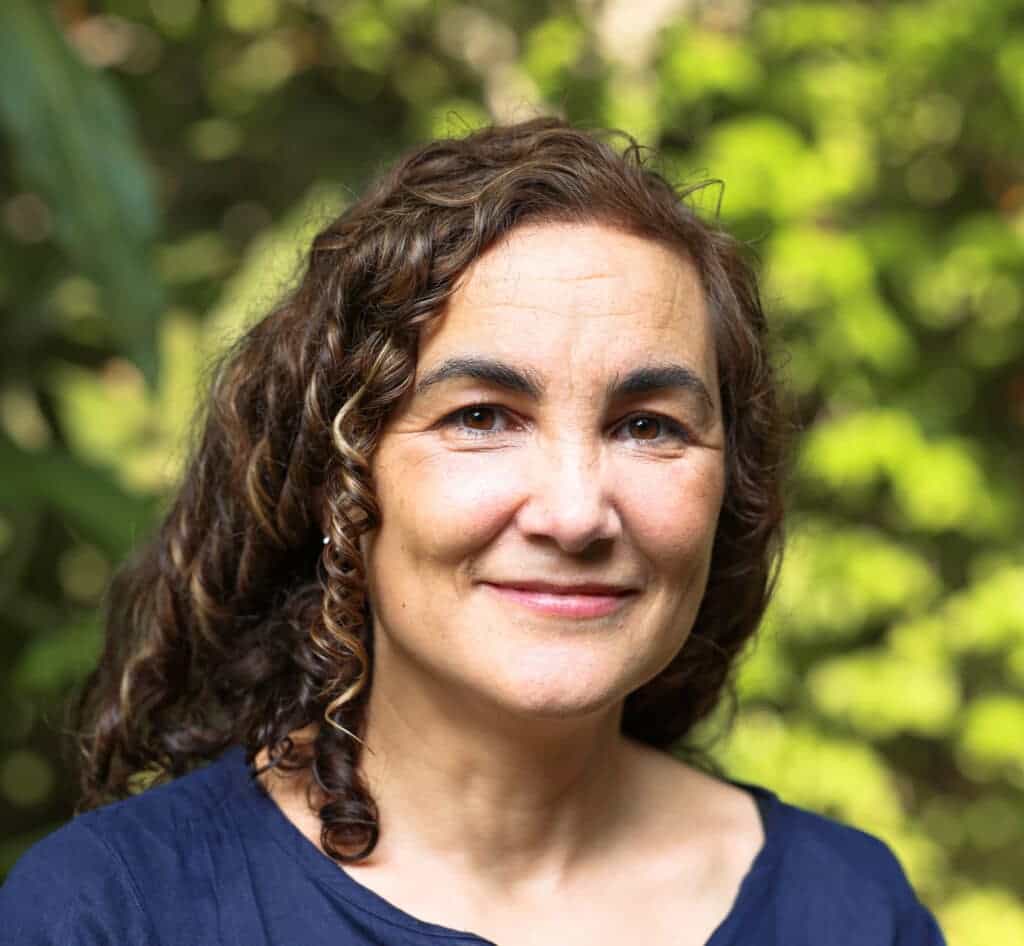
Dr. Carin Killips
The Beekeeper House - Addiction Treatment in Thailand
- Addiction Psychiatrist
Chiang Mai, Thailand
热带疗愈环境
清迈和苏梅岛宁静祥和的景色为泰国的戒瘾治疗提供了平和的环境。这些地方远离家庭的种种诱因,使患者能够全身心地投入到康复之旅中。
该地区的自然美景增强了治疗过程,使泰国戒瘾康复中心成为一种身心兼顾的整体体验。
世界一流的临床标准
选择泰国的戒毒康复中心意味着您将获得通常拥有国际认证的机构提供的服务。我们合作的每家泰国康复中心都配备了经验丰富的西方培训临床团队以及富有爱心的当地工作人员。
高水平的医疗监管和泰国人的热情好客相结合,确保了泰国康复中心在临床卓越性和患者护理方面保持全球领先地位。
超值奢华护理
泰国的戒瘾治疗中心提供豪华精品住宿,费用仅为欧洲或澳大利亚同类私人机构的一小部分。患者可享受私人房间、精致营养餐和一对一咨询服务。
泰国康复中心的收费较为合理,因此可以延长疗程,这对于实现长期成功和可持续的戒瘾康复至关重要。
踏上康复之路是意义非凡的一步。PlacidWay 为您对接泰国最权威的戒瘾治疗机构,确保您拥有一个安全、支持性和疗愈性的环境,开启新生活。
设施审查
我们只与获得认证的泰国康复中心合作,这些中心保持国际护理标准并聘用合格的医疗专业人员。
治疗评估
在您出发前往泰国接受戒毒治疗之前,我们会安排临床专家对您的病史进行初步审查,以便为您制定个性化的治疗方案。
价格透明度
我们为您的泰国康复治疗提供清晰、全包的报价,涵盖戒毒、治疗和住宿,因此不会有任何意外费用。
到达物流
我们会协助您安排行程,确保从机场到您选择的泰国戒瘾康复中心提供私密的私人接送服务。
虚拟招生
我们可以安排您与临床主任进行视频通话,让您在决定入住之前讨论您的需求并了解治疗方法。
后续护理计划
我们确保您的戒瘾计划包含全面的复发预防策略和后续支持,以帮助您在回家后长期保持清醒状态。
今天就开始您通往持久自由的旅程。联系 PlacidWay 进行保密咨询,了解泰国戒瘾治疗如何改变您的人生。
获取您的免费个性化报价



.png)














Share this listing