

Contents
Key Takeaways
- Achieve savings of 70-85% on premium dental crowns in Turkey compared to Western prices.
- Top Turkish clinics use high-grade materials like Zirconia and E-Max®, the same used in the world's most expensive dental offices.
- The entire process is incredibly efficient, with a full set of crowns often completed in just 5 to 7 days thanks to in-house CAD/CAM technology.
- Dental crowns are a versatile solution for restoring teeth after a root canal, covering large fillings, fixing broken teeth, or as part of a smile makeover.
- The key to a successful outcome is choosing a clinic with a specialist Prosthodontist and a state-of-the-art on-site laboratory.
Looking for a long-term restoration for tooth decay, broken teeth, or teeth sensitivity? Dental crowns in Turkey are a practical solution to your dental problems.
In this guide, you will find the prices, best dental clinics, and dentists in Turkey. Also, we will recommend you top places to visit during your stay in Turkey. And what’s the most important thing, you’ll get all this at the fraction of the cost you would pay in your home country.
What is a Dental Crown and Why is it a Perfect Solution?
A crown is one of the most common and effective treatments in restorative dentistry. Unlike a veneer, which only covers the front surface, a crown encases the entire tooth down to the gum line. This makes it the ideal solution for a variety of dental problems, including:
- A tooth that is severely broken or fractured.
- A tooth weakened by a very large filling or extensive decay.
- A tooth that has undergone a root canal, which can become brittle.
- A tooth that is severely worn down from grinding (bruxism).
- As the final restoration on top of a dental implant.
By getting a crown, you not only save a damaged tooth from potential extraction but also regain full chewing function and a seamless, natural-looking smile.
The Unbeatable Affordability of Crowns in Turkey
When talking about the costs of dental crowns in Turkey, choosing a package can be a practical option. It is affordable and costs range between $110 and $350 . The packages are intended to provide all-inclusive services for international patients.
You will find different package costs that depend upon the clinic, services, and your overall health. Take a look at some of the most popular packages in our offer.

Price starting from $3,908
Best Hollywood Smile & E-Max Crowns Packages in Izmir, Turkey
WestDent Clinic Turkey
- Dentistry
Izmir, Turkey

Price starting from $2,160
Dental Crowns in Istanbul – Affordable Package by Novusklinik Turkey
Novusklinik Istanbul Turkey
- Dentistry
Istanbul, Turkey
Dental crowns in Turkey cost approximately $200. For example in the UK, a dental crown costs $850. This is a lot of saving compared to other countries.
There is no doubt why more and more patients are coming to Turkey for dental work. The table below presents the cost comparison between Turkey, Germany, the UK, Canada, and the USA. Let's take a look.
Dental Crowns Centers Cost Comparison in Turkey
| Provider | Procedure | Price |
|---|---|---|
| Tower Dental Clinic | Dental Crowns, Dentistry | $190 |
| WestDent Clinic Turkey | Dental Crowns, Dentistry | $160 |
| Novusklinik Istanbul Turkey | Dental Crowns, Dentistry | $197 |
Dental Crowns Cost Comparison in Turkey
| Country | Procedure | Price |
|---|---|---|
| Canada | Dental Crowns, Dentistry | $1000 |
| United Kingdom | Dental Crowns, Dentistry | $850 |
| United States | Dental Crowns, Dentistry | $1750 |
Dental clinics in Turkey are well-equipped with modern technology and they use high-quality materials for the best dental care. You won't feel the difference between dental clinics in Turkey and in western countries. Because the Turkish Ministry of Health invests in world-class clinics.
Dentists and the whole medical team work hard to achieve positive results for patients. You will feel safe and comfortable here.
And here is the list of the best dental clinics in Turkey and their profiles:

Tower Dental Clinic
Istanbul, Turkey
WestDent Clinic Turkey
Izmir, Turkey
.png)
Novusklinik Istanbul Turkey
Istanbul, Turkey
In these videos, you'll find the topics related to the clinics, dentists, and costs in Turkey explained in more detail. Plus, there's a patient testimonial you can watch that will help you decide on a trip.
What is the experience of former patients? They came to Turkey for dental crowns, and are satisfied with the care and results they have got. These patients are willing to share their stories with you, so go ahead and read them below!

What are Dental Crowns and how do they work?
Dental crowns are custom-made caps placed over damaged or decayed teeth to restore their shape, size, strength, and appearance. In Dentistry in Turkey, these crowns are often made from durable materials such as porcelain, ceramic, or metal, ensuring a natural look and long-lasting results. The procedure typically involves two visits: the first to prepare the tooth and take impressions, and the second to place the crown. The skilled dentists in Turkey use advanced technology to ensure a precise fit and aesthetic appeal, making dental crowns a popular choice for both locals and international patients.
Why choose Dentistry in Turkey for Dental Crowns?
Turkey has become a leading destination for Dental Crowns due to its combination of high-quality dental care and affordability. Many clinics in Turkey are equipped with modern technology and staffed by experienced dentists who offer a wide range of dental services. Patients benefit from significant savings, often up to 70%, compared to dental treatments in Western countries. Additionally, the friendly environment and the opportunity to explore Turkey's rich culture make it an attractive option for those seeking dental care abroad.
What is the recovery process after getting Dental Crowns in Turkey?
Recovery after receiving Dental Crowns is generally straightforward. Patients may experience mild discomfort or sensitivity for a few days, which can be managed with over-the-counter pain relief. It's important to follow the dentist's aftercare instructions, which may include avoiding hard foods and maintaining good oral hygiene. Most patients can resume normal activities within a day or two. However, it’s advisable to plan for follow-up appointments to ensure everything is healing properly, especially when traveling for Dentistry in Turkey.
How do I select a dental clinic in Turkey for my crowns?
When selecting a clinic for Dental Crowns in Turkey, consider the following factors:
- Qualifications: Check the credentials and experience of the dental professionals.
- Reviews: Look for patient testimonials and reviews to gauge satisfaction.
- Facilities: Ensure the clinic is modern and follows international hygiene standards.
- Consultation: Opt for clinics that provide initial consultations to discuss your needs.
By doing thorough research, you can find a reputable clinic that aligns with your expectations.
What should I prepare before traveling to Turkey for Dental Crowns?
Before traveling to Turkey for Dental Crowns, it's essential to prepare adequately:
- Medical Records: Gather all relevant dental records and x-rays.
- Travel Documents: Ensure your passport is valid and check visa requirements.
- Travel Insurance: Consider obtaining insurance that covers medical procedures abroad.
- Transportation: Arrange for airport transfers and local transport to your clinic.
Planning these details can help ensure a smooth and stress-free experience.
Logistical Planning for Your Dental Treatment in Turkey
Pre-Travel Essentials
Before you travel to Turkey, there are several important preparations to make:
- Passport Validity: Ensure your passport is valid for at least six months beyond your travel date.
- Visa Requirements: Check the specific visa requirements for your nationality, as they can vary.
- Medical Documents: Gather any necessary medical records, including previous dental work, to share with your dentist.
Travel Arrangements
When booking your travel, consider the following tips:
- Flights: Book your flights with some flexibility, choosing between direct and connecting flights based on comfort and availability.
- Local Transportation: Arrange for airport pickups and transportation to and from your clinic to ensure convenience.
Accommodation Options
Your choice of accommodation can impact your recovery:
- Hotels vs. Recovery Houses: Consider staying at hotels or specialized recovery houses that cater to medical tourists.
- Proximity to Clinic: Choose a location close to the clinic for easy access to follow-up appointments.
- Recovery Needs: Ensure your accommodation is comfortable and has the necessary amenities for your recovery.
Duration of Stay
Planning your stay is crucial for successful recovery. Depending on the procedure and your dentist’s advice, you may need to stay in Turkey for 1 to 4 weeks. This duration allows for proper healing and follow-up appointments. Flying too soon after dental work can pose risks, so take the time to ensure you’re ready for travel.
Communication
Staying connected during your trip is important:
- Local SIM Card: Consider purchasing a local SIM card for your phone upon arrival.
- International Roaming: Check your mobile plan for international roaming options.
- Apps: Use communication apps like WhatsApp to stay in touch with family and your dental clinic.
Finances
Ensure you have access to funds while abroad:
- Inform Your Bank: Notify your bank of your travel to avoid any issues accessing your accounts.
- Accessing Funds: Plan how you will access money while in Turkey, whether through ATMs or currency exchange.
Are There Any Unexpected Costs for Dental Treatment in Turkey for Europeans?
Are There Any Hidden Costs for Dental Treatment in Turkey For Europeans? Turkey has become a global hotspot for high-quality, affordable dental care, attracting thousands of international patients each year. The significant price difference compared to countries like the US, UK, and Australia is a major draw. However, the prospect of traveling abroad for dental work can come with concerns about transparency and unexpected expenses. The question on many people's minds is: are there any hidden costs for dental treatment in Turkey? The straightforward answer is that while reputable clinics strive for transparency, potential extra charges can exist if patients are not fully aware of what their treatment package includes. Understanding these potential costs is key to a smooth and stress-free dental tourism experience. This guide is designed to shed light on all the potential hidden costs you might encounter. We will break down what is typically included in the initial quote and what might be considered an 'extra'. From the initial consultation and diagnostic tests to the materials used and aftercare, being well-informed will empower you to ask the right questions and choose a clinic that offers true value and transparency. The goal is to ensure that the attractive price you are quoted is the price you actually pay, with no unwelcome surprises along the way. By the end of this article, you will have a clear understanding of how to navigate the financial aspects of getting your dental work done in Turkey, ensuring your journey to a new smile is as seamless as it is affordable. What is typically included in the advertised price for dental treatment in Turkey for Europeans? "Typically, the advertised price for dental treatment in Turkey for europeans, especially in 'all-inclusive' packages, covers the core dental procedure, the dentist's fees, and often accommodation and airport transfers." When you see a price for dental implants, veneers, or a full smile makeover in Turkey, it usually encompasses the main components of your treatment. For instance, a dental implant package will generally include the implant itself, the abutment, and the crown. Similarly, a veneer package will cover the cost of the veneers per tooth. Many clinics, especially those catering to international patients, bundle their services into packages to simplify the process. These packages often include a set number of nights in a partner hotel and VIP transfers between the airport, hotel, and the clinic. However, it's crucial to remember that the level of inclusivity can vary significantly from one clinic to another. A lower advertised price might not be as comprehensive as a slightly higher one. Always request a detailed breakdown of what is included in the quoted price. This should be a clear and itemized list that leaves no room for ambiguity. A reputable clinic will be more than happy to provide this information, as it builds trust and demonstrates their commitment to transparency. Are initial consultations and X-rays considered extra costs? "In most cases, initial consultations and standard X-rays (like panoramic X-rays) are included in the treatment package at reputable dental clinics in Turkey. However, more advanced scans may incur an additional fee." Most dental clinics in Turkey offer free initial consultations to attract international patients. These consultations can often be done remotely, where you send pictures of your teeth and any existing X-rays for a preliminary assessment. Once you arrive in Turkey, a more thorough in-person consultation will be conducted, which typically includes a panoramic X-ray to assess your overall dental health. For straightforward cases, these initial diagnostic services are usually part of the package. Where you might encounter an extra charge is if you require more detailed imaging, such as a 3D Cone Beam Computed Tomography (CBCT) scan. This type of scan provides a much more detailed view of your jawbone and is often necessary for complex implant placements. While some premium 'all-inclusive' packages may cover the cost of a CBCT scan, many clinics will charge for it separately. It is essential to clarify this with the clinic beforehand, especially if you suspect you might need a more complex procedure. What about the cost of anesthesia? Is it always included? "Local anesthesia is almost always included in the quoted price for dental procedures in Turkey. However, if you opt for or require sedation or general anesthesia, this will likely be an additional cost." For the vast majority of dental treatments, including fillings, crowns, and even standard implant placements, local anesthesia is sufficient to ensure a painless experience. The cost of local anesthesia is minimal and is factored into the overall price of the procedure. You should not expect to see a separate charge for this on your bill. However, for patients who have dental anxiety or are undergoing extensive procedures like a full mouth reconstruction, sedation or even general anesthesia might be an option. These services are provided by a qualified anesthesiologist and require more resources and monitoring, hence they come at an extra cost. If you think you might prefer sedation, you should inquire about the availability and the associated fees when you are getting your initial quote. This will prevent any surprises on the day of your treatment. Are there different prices for different materials for Europeans? "Yes, the type and brand of materials used for your dental treatment can significantly impact the final cost. The initial quote you receive may be for standard materials, with premium options available at an extra charge." This is one of the most common areas where "hidden" costs can appear. For example, when getting dental crowns or veneers, the price will vary depending on whether you choose porcelain-fused-to-metal (PFM), zirconia, or E-max. Zirconia and E-max are considered premium materials due to their superior aesthetics and durability, and they will be more expensive than PFM. Similarly, for dental implants, the brand of the implant plays a crucial role in the cost. A well-known, high-quality implant brand from Switzerland or Germany will cost more than a lesser-known brand. When you receive a quote, it's vital to ask which specific materials and brands are included. If the quote seems significantly lower than others, it might be because it's for standard, lower-cost materials. A transparent clinic will present you with all the options and explain the pros, cons, and price differences of each. This allows you to make an informed decision based on your budget and preferences. What if I need additional procedures like a bone graft or sinus lift? "Additional procedures such as bone grafts, sinus lifts, or tooth extractions are typically not included in the standard price for dental implants and will be charged separately." For a dental implant to be successful, there needs to be sufficient bone density in the jaw to support it. If you have been missing a tooth for a while, you may have experienced bone loss. In such cases, a bone graft is necessary to build up the bone. Similarly, if you are getting implants in the upper jaw, a sinus lift might be required to create enough space for the implant. These are surgical procedures that require additional time, materials, and expertise, and therefore, they are not part of the standard implant price. A good dental clinic will identify the need for these additional procedures during your initial assessment (ideally through a CBCT scan) and include them in your detailed treatment plan and quote from the beginning. However, if the need for a bone graft or sinus lift is only discovered after you have arrived in Turkey, it will be an unexpected but necessary additional cost. To avoid this, it's best to provide the clinic with as much information as possible, including recent X-rays, before you travel. Are temporary crowns or veneers included in the price? "In most comprehensive dental treatment packages in Turkey, the cost of temporary crowns or veneers is included. However, it's always wise to confirm this with your chosen clinic." When you are getting dental crowns or veneers, the process usually involves two stages. In the first stage, your teeth are prepared, and impressions are taken. These impressions are then sent to a dental lab to create your permanent restorations. This process can take a few days. In the meantime, you will be fitted with temporary crowns or veneers to protect your prepared teeth and maintain your appearance. The cost of these temporary restorations is usually factored into the overall price of your treatment. However, you should not take this for granted. Some clinics might offer a very low baseline price that excludes temporaries. It's a simple but important question to ask during your consultation. Ensuring that temporaries are included will prevent the inconvenience of having to pay extra for them or, in a worst-case scenario, having to go without them while you wait for your permanent restorations. What are the costs for aftercare and follow-up appointments? "Immediate aftercare and follow-up appointments within your treatment period in Turkey are generally included. However, long-term follow-up care in your home country will be your own responsibility and cost." Reputable dental clinics in Turkey will provide you with all the necessary aftercare instructions and any immediate follow-up appointments required before you head back home. This is part of ensuring a successful treatment outcome. You will also be given a supply of any necessary medications, such as painkillers or antibiotics, which are usually included in the package price. The "hidden" cost in this area relates to long-term care. Dental implants, for example, require regular check-ups and professional cleanings, just like natural teeth. These ongoing maintenance appointments will need to be done with a dentist in your home country, and you will be responsible for these costs. It's important to factor in the long-term maintenance costs when considering the overall affordability of getting dental treatment abroad. Do I have to pay for medication separately? "Most all-inclusive dental packages in Turkey include the cost of essential medications required immediately after your procedure, such as antibiotics and painkillers." When you undergo a dental procedure like an extraction, root canal, or implant placement, your dentist will likely prescribe antibiotics to prevent infection and painkillers to manage any discomfort. The cost of these initial medications is typically included in your treatment package. The clinic will usually provide you with the necessary supply to cover the first few days of your recovery. However, if you require any special medication due to a pre-existing condition or if you need a repeat prescription after you have finished the initial supply, you may have to pay for it separately. It's always a good idea to bring any regular medications you take from home and to clarify with the clinic what is included in terms of post-operative medication. Are there any hidden fees related to travel and accommodation in "all-inclusive" packages? "While 'all-inclusive' packages are designed to cover your accommodation and transfers, there can be hidden fees related to flight tickets, hotel upgrades, extra nights, or personal expenses." The term "all-inclusive" in the context of dental tourism in Turkey usually refers to the dental treatment, accommodation, and ground transfers. Your flight tickets are almost always your own responsibility. When it comes to accommodation, the package will typically include a specific number of nights in a standard room at a partner hotel. If you wish to upgrade to a better room, stay for extra nights, or have a companion stay with you, there will be additional charges. Furthermore, your personal expenses, such as food, sightseeing, and shopping, are not included in the package. It's important to budget for these separately. To avoid any misunderstandings, ask the clinic for the name of the hotel and what is included in the accommodation (e.g., breakfast). This will help you plan your budget more accurately. What happens if there are complications? Are correction procedures free? "Reputable dental clinics in Turkey provide a warranty or guarantee for their work. Minor adjustments are usually free, but the terms for correcting more significant complications can vary." This is a critical aspect to clarify before you commit to any treatment. A good clinic will stand by its work and offer a warranty, especially for procedures like implants and crowns. This warranty should cover any defects in the materials or workmanship. For example, if a crown cracks or an implant fails within the warranty period, the clinic should rectify the issue at no extra cost for the dental work itself. However, you will likely have to cover your own travel and accommodation expenses for the return trip. It's essential to get the warranty terms in writing. Understand what is covered, for how long, and what might void the warranty (e.g., poor oral hygiene or getting work done on the same tooth by another dentist). A transparent clinic will have a clear and fair warranty policy. How can I get a fully transparent and all-inclusive quote? "To get a fully transparent and all-inclusive quote, you must provide the clinic with detailed information about your dental health, including recent X-rays, and ask for an itemized breakdown of all potential costs." The key to avoiding hidden costs is proactive and clear communication. Don't just accept the initial price you are given. Engage with the clinic's patient coordinator and ask detailed questions. Here’s how you can ensure transparency: Provide comprehensive information: Share clear photos of your teeth and gums, and if possible, a recent panoramic X-ray. The more information the dentist has, the more accurate your initial treatment plan and quote will be. Request an itemized quote: Ask for a detailed written quote that lists every single component of your treatment, including the consultation, X-rays, the procedure itself, the materials to be used, anesthesia, temporary restorations, and aftercare. Discuss potential additional procedures: Ask the dentist if they foresee the need for any other treatments, like a bone graft or extractions, and what the costs for these would be. What specific questions should I ask my dental clinic to avoid hidden costs? "To avoid hidden costs, you should ask your dental clinic in Turkey a series of specific questions about what is included in the quote, the materials they use, their warranty policy, and any potential additional charges." Being prepared with a list of questions can save you a lot of money and stress. Here are some essential questions to ask: Is the price quoted a package deal? What exactly does it include? Are there any additional charges for consultations, X-rays, or 3D scans? What type and brand of materials will be used for my crowns/veneers/implants? Are there other options, and what are the price differences? Is the cost of local anesthesia, sedation, or general anesthesia included? Will I need any additional procedures like a bone graft or sinus lift? If so, what is the cost? Is the cost of temporary restorations included? What does the warranty cover, and for how long? Do I have to pay for travel and accommodation if a correction is needed? What are the payment terms? Are there any fees for using a credit card or for currency exchange? Are there any currency exchange or payment processing fees? "Yes, there can be additional fees related to currency exchange and payment processing when paying for your dental treatment in Turkey. It's important to clarify the accepted payment methods and any associated charges." Most dental clinics in Turkey will quote their prices in Euros, US Dollars, or British Pounds for international patients. When you pay, the final amount in your home currency will depend on the exchange rate at that time. If you are paying by credit card, your bank may charge a foreign transaction fee. Some clinics may also add a small percentage (typically 2-3%) for credit card payments to cover their own processing fees. To keep costs down, you might consider paying in cash, but be mindful of the risks of carrying large amounts of money. Another option is a bank transfer, but check for any fees from your bank. The best approach is to discuss all payment options with the clinic in advance and choose the one that is most cost-effective for you. Do I need to pay for a translator? "At most dental clinics in Turkey that cater to international patients, translation services are provided free of charge. The staff, including dentists and patient coordinators, are often fluent in English and other languages." Language barriers are a common concern for medical tourists. However, the top dental clinics in Turkey have invested heavily in creating a welcoming environment for international patients. This includes having multilingual staff. Your patient coordinator, who will be your main point of contact, will likely be fluent in your language. The dentists themselves often have excellent English skills, having trained or attended conferences internationally. It is highly unlikely that you would need to hire and pay for your own translator. However, it's always a good idea to confirm this with the clinic. A good clinic will ensure that you can communicate effectively and comfortably throughout your treatment journey. How do I ensure the quoted price is the final price? "To ensure the quoted price for your dental treatment in Turkey is the final price, you need to choose a reputable clinic, get a detailed and itemized treatment plan in writing, and have a clear understanding of the clinic's warranty and complication policies." Ultimately, the best way to avoid hidden costs is to do your due diligence. Here's a summary of the key steps: Research and choose a reputable clinic: Look for clinics with a long history of treating international patients, positive reviews, and international accreditations. Have a thorough remote consultation: Provide them with all the necessary information to create an accurate initial plan. Get everything in writing: Your treatment plan should be detailed and itemized. Your warranty policy should be clear and comprehensive. Ask questions: Don't be shy about asking all the questions we've outlined in this guide. A good clinic will welcome your questions. By taking these steps, you can be confident that the attractive price you are quoted for your dental treatment in Turkey will be the final price you pay, allowing you to focus on what truly matters: achieving a healthy and beautiful smile. Ready to explore your options for high-quality, affordable dental care in Turkey? PlacidWay can help you connect with trusted and pre-screened dental clinics. Explore our network of world-class dental providers and get a free, no-obligation quote for your personalized treatment plan. Your journey to a new smile starts here!
What Do All-Inclusive Dental Packages in Turkey Include?
All-inclusive dental packages in Turkey typically bundle your specific dental treatment, such as implants or veneers, with local transfers, hotel accommodation, and translation services. Treatment costs generally range from $3,000 to $8,000. Key Takeaways Packages usually combine clinical treatments with hotel stays and local transit. Prices depend heavily on case complexity and the international materials used. Verifying dentist credentials through official registries is a vital step before traveling. Patients must plan for local aftercare and maintenance upon returning home. International flights are rarely included and must be booked separately by the patient. What specific treatments do all-inclusive dental packages in Turkey cover? These packages typically cover major restorative and cosmetic procedures such as implants, veneers, and full mouth rehabilitations. They bundle the clinical work with logistical support for international patients. Most international patients travel for comprehensive restorative work rather than routine checkups. This usually includes placing multiple titanium posts, fitting custom ceramic crowns, or completing extensive cosmetic adjustments using porcelain veneers. The clinical portion generally encompasses the initial remote consultation, on-site panoramic X-rays or 3D scans, the main surgical or cosmetic procedure, and necessary follow-up checks before the patient departs. Basic procedures like simple fillings or routine cleanings are rarely the primary reason individuals seek these bundles due to the associated travel costs. Instead, complex clinical cases that require specialized laboratory equipment and significant chair time are the primary focus. Some comprehensive bundles may also incorporate necessary preparatory work, such as dental extractions or sinus lifts, though these additions often alter the final financial estimate. It is crucial to understand that not all individuals are suitable candidates for every advertised treatment. A thorough remote assessment utilizing recent dental records is usually the first step to determine what a bundle might realistically cover. Final treatment plans and their associated clinical steps are always subject to an in-person physical examination upon arrival. How much does the average dental packages cost in Turkey compared to other regions? The estimated dental packages cost in Turkey generally ranges from $3,000 to $8,000 depending on the procedure. This is often significantly lower than estimates in North America or Western Europe. Cost variations are driven by several clinical and logistical factors, including the brand of materials used, the complexity of the patient case, and the specific city where the facility is located. Bundles utilizing internationally recognized implant systems naturally cost more than those using regional alternatives. Patients should always request an itemized financial breakdown to understand exactly what clinical materials and logistical services are included. Treatment Type Estimated Cost in Turkey Estimated Cost in US/UK Single Dental Implant (with Crown) $700 - $1,200 $3,500 - $5,000 Full Veneer Set (20 Teeth) $3,500 - $5,500 $15,000 - $25,000 Full Mouth Restoration (Implants) $6,000 - $12,000 $25,000 - $40,000 While the upfront financial estimate is often attractive, patients must budget for additional travel expenses. These typically include international flights, meals consumed outside the hotel, comprehensive travel insurance, and potential costs for local aftercare once they return home. Unforeseen clinical complications could also lead to extended hotel stays, adding to the overall financial commitment. It is highly advisable to avoid choosing a facility based solely on the lowest advertised price. Unusually cheap bundles might compromise on material quality or the experience level of the attending professionals. Verifying standard pricing across multiple reputable facilities helps ensure a realistic and safe budget for your journey. Did You Know? Dental treatment plans can change after an in-person physical examination, meaning initial cost estimates provided online may be adjusted once you arrive at the clinic and undergo detailed 3D imaging. What accommodation and logistics are typically provided in these packages? Most comprehensive bundles include a set number of nights in a partner hotel and local transfers between the airport, hotel, and clinical facility. International flights are almost never included in the quoted estimate. The accommodation provided usually ranges from comfortable business hotels to luxury lodging located reasonably close to the dental facility. The duration of the stay is tailored strictly to the expected clinical recovery time and the number of mandatory facility visits required. Patients are typically responsible for their own daily meals unless a basic breakfast is covered by the standard hotel policy. Local transportation is a standard staple of these bundles designed to reduce stress for international visitors. A designated driver usually picks up the patient from the airport upon arrival and manages all necessary transit to and from scheduled dental appointments. This eliminates the need to navigate unfamiliar public transportation networks or negotiate with local taxis while recovering from surgical treatment. Dedicated patient coordinators often assist with daily logistics and scheduling throughout the clinical stay. They help ensure patients arrive on time for their mandatory check-ups and can sometimes assist with minor local translation requests. However, patients should always confirm the exact scope of these logistical services in writing before finalizing their travel plans. How do I verify the credentials of a dental clinic in Turkey? Verifying a dental clinic in Turkey involves checking the professional registration of the dentists and the accreditation status of the facility. Always look for transparent documentation of their qualifications. Verify that the treating dentist holds a valid registration with the Turkish Dental Association and relevant health ministries. Request specific details about the specialist handling complex surgeries, ensuring they hold appropriate postgraduate qualifications. Inquire about the facility adherence to international sterilization and patient safety protocols. Ask for documented details on the brands and materials used, ensuring they are globally recognized and cleared for use. Review the facility policy on post-treatment complications and what clinical support they offer if issues arise after you return home. Avoid relying solely on promotional social media imagery; seek verifiable patient histories and official credentials. What are the potential risks and complications of dental treatments abroad? Traveling for dental work carries inherent medical risks such as infection, implant failure, or dissatisfaction with cosmetic results. Treating these unexpected complications back home can be clinically complex. Surgical procedures always involve a baseline risk of infection, unexpected bleeding, or adverse reactions to local anesthesia, regardless of where they are performed globally. In a travel context, flying shortly after oral surgery can exacerbate certain clinical issues, such as sinus pressure or localized swelling. Following all post-operative travel guidelines provided by the treating professional is strictly necessary to mitigate these risks. If an implant fails to integrate or a veneer chips after the patient has returned to their home country, addressing the issue requires either a return flight or finding a local professional willing to take over the case. Many local practitioners hesitate to modify or repair work performed abroad due to strict liability concerns or unfamiliarity with the specific implant systems used. Communication barriers can sometimes lead to clinical misunderstandings regarding aesthetic expectations or vital medical instructions. Ensuring that the chosen facility provides fluent translation services and clear, written post-treatment guidelines is essential. Patients must advocate for themselves and ensure they fully understand all risks before consenting to extensive work. Important Consideration Always request your complete dental records, including pre-operative and post-operative X-rays, before leaving the facility. You will likely need these records for your local dentist back home. How does medical tourism in Turkey ensure patient safety and care quality? Medical tourism in Turkey is regulated by local health authorities, which require facilities treating international patients to hold specific health tourism authorization certificates. Facilities operating within the international sector must meet strict criteria set by the Turkish government regarding clinical hygiene, technical infrastructure, and staff qualifications. Regular administrative inspections are conducted to ensure these facilities maintain operational standards. However, regulatory enforcement can vary by region, making thorough patient due diligence highly critical before booking. Many reputable facilities pursue independent international accreditations to visually demonstrate their commitment to quality clinical care. These voluntary accreditations require strict adherence to global protocols for patient safety, rigorous infection control, and continuous medical education for all staff. Identifying facilities with these voluntary certifications adds an extra layer of reassurance for traveling patients. The rapid growth of the sector has led to significantly improved clinical infrastructure, including advanced imaging technology and modern surgical suites. Reputable facilities invest heavily in modern equipment such as advanced 3D scanners and computerized milling machines to enhance surgical precision and reduce overall treatment times for traveling international patients. What is the typical timeline for completing extensive dental work abroad? Treatment timelines vary significantly by procedure, but cosmetic work usually requires a single visit of five to seven days, while implant procedures often require two separate visits. For aesthetic treatments like custom dental veneers or ceramic crowns, the clinical process involves initial tooth preparation, laboratory fabrication, and the final permanent fitting. This sequence generally takes about one full week, allowing sufficient time for the specialized dental lab to create custom pieces and for the dentist to make necessary functional adjustments before the patient departs. Standard dental implants are typically a multi-stage clinical process. The first visit involves surgically placing the titanium posts into the jawbone, which generally requires a local stay of roughly three to five days for monitoring. The patient then returns to their home country for three to six months to allow the bone to properly heal and functionally integrate with the new implant. The second mandatory visit involves attaching the permanent abutments and placing the custom artificial crowns. This final restorative stage usually requires another five to eight-day local stay. While some facilities advertise immediate loading implants that condense this timeline, these are only suitable for highly specific clinical cases and carry different, often elevated, risk profiles. What kind of aftercare is required once I return home from my dental procedure? Proper post-operative aftercare involves maintaining rigorous oral hygiene, adhering to specific dietary restrictions during the healing phase, and scheduling routine check-ups locally. Follow all prescribed medication schedules carefully, including antibiotic courses and pain management protocols, exactly as directed. Stick strictly to soft food diets during the initial weeks after surgery to avoid placing undue mechanical stress on healing implants. Maintain excellent daily brushing and flossing routines to proactively prevent peri-implantitis or localized gum disease. Establish a working relationship with a local dentist for routine prophylactic cleanings and immediate attention if discomfort arises. Wear provided protective night guards if prescribed to shield new ceramic restorations from nocturnal grinding or clenching. Why Choose PlacidWay for exploring global dental treatment options? PlacidWay provides a comprehensive informational platform for patients to research and compare global healthcare providers. We focus on offering transparent data to help you make informed decisions. Access a vast global directory of internationally recognized healthcare facilities and specialized dental centers. Compare estimated clinical treatment costs and available supportive services across multiple global destinations. Review detailed facility profiles that clearly outline structural accreditations and listed staff qualifications. Connect directly with designated clinic coordinators to ask specific clinical questions and request customized preliminary estimates. Utilize free educational resources to better understand complex medical procedures and the realistic logistics of health tourism. Empower yourself with transparent, side-by-side informational comparisons without the pressure of committed bookings. Frequently Asked Questions Are consultation fees included in Turkish dental packages? Yes, initial consultations and preliminary imaging are usually included. Most comprehensive bundles package the preliminary panoramic X-ray and the initial doctor evaluation into the total advertised cost. However, complex 3D scans might incur separate fees depending on the facility policy. Do dental packages in Turkey cover flights? No, international airfare is almost never included in these bundles. Patients are strictly responsible for booking and financing their own flights to and from the destination. Local airport transfers, however, are a standard inclusion to assist with ground logistics. Can I bring a companion with my dental package? Yes, traveling companions are generally welcome to accompany you. The hotel rooms provided are typically double occupancy, allowing a companion to stay without incurring extra accommodation charges. Their daily meals and separate travel expenses are not covered. What happens if I need a bone graft before implants? Bone grafting is usually an additional clinical cost not covered in standard estimates. If pre-operative scans reveal insufficient bone density, a graft is medically required, which extends the overall treatment timeline and adds to the final financial bill. Are medications included in the overall package price? Basic post-operative medications are often provided upon clinical discharge. Antibiotics, standard painkillers, and specialized mouthwashes necessary for immediate surgical recovery are typically handed to the patient before they return to their hotel. How long are the hotel stays usually covered? Covered hotel stays generally range from five to eight nights. The exact duration depends entirely on the specific clinical requirements of the procedure being performed and the mandatory post-operative monitoring period required by the dentist. Is language translation provided during dental appointments? Yes, professional translation services are a standard logistical inclusion. Facilities catering to international patients employ dedicated patient coordinators who are fluent in English and other major languages to ensure clear medical communication. What payment methods are generally accepted by Turkish clinics? Facilities typically accept major international credit cards and physical cash. Visa, Mastercard, and cash payments in major global currencies like US Dollars, Euros, or British Pounds are commonly accepted, though patients should verify exchange rates. Do I need a visa for dental treatment in Turkey? Visa requirements depend entirely on your specific nationality and citizenship. Many North American and European citizens require a standard tourist e-Visa, which must be obtained online prior to boarding their international flight. What types of materials are used for crowns and veneers in Turkey? Reputable facilities typically use globally recognized dental materials. High-grade Zirconia, E-max ceramics, and medical-grade titanium are industry standards, but patients should always independently verify the specific international brands utilized by their chosen facility. Compare Dental Implant Options Explore reputable clinics, compare estimated costs, and gather transparent information to make an informed decision about your dental care abroad. Request Treatment Information References Medical Tourism Guidelines – Centers for Disease Control and Prevention (CDC) Patient Safety Fact Sheet – World Health Organization (WHO) Going Abroad for Treatment – National Health Service (NHS) Policy on Dental Tourism – American Dental Association (ADA) International Principles on Dental Care – FDI World Dental Federation Accreditation Standards for International Healthcare – International Society for Quality in Health Care (ISQua) Guidelines for Professional Conduct – Turkish Dental Association
What is the Average Price of Dental Crowns in Istanbul, Turkey?
The cost of a single dental crown in Istanbul typically ranges from $150 to $500, depending on the material used. Premium materials like Zirconia or E-max are at the higher end of this range, while porcelain-fused-to-metal crowns are more economical. Istanbul has firmly established itself as a premier destination for world-class dental care, attracting a global clientele seeking high-quality, affordable treatments. Among the most popular procedures are dental crowns, a versatile solution for restoring damaged, decayed, or cosmetically imperfect teeth. If you're considering this treatment, your primary question is undoubtedly: "How much does a dental crown cost in Istanbul?" The answer is refreshingly straightforward and represents one of the key reasons for the city's popularity—significant savings without compromising on quality. The price of dental crowns in Istanbul is substantially lower than in the UK, Europe, or the United States, often by as much as 70-80%. This remarkable affordability is not a reflection of lower standards but is due to the country's economic factors, including a lower cost of living and operational expenses for clinics. Patients can access treatment from highly experienced dentists using the exact same premium materials, like Zirconia and E-max, and advanced technology (such as CAD/CAM) found in the most expensive clinics worldwide. This guide will provide a detailed breakdown of the dental crown cost in Istanbul for 2025, exploring the prices by material, factors that influence the final cost, and what you can expect from all-inclusive packages, so you can make a fully informed decision about transforming your smile. What is the average price for a single dental crown in Istanbul? "The average price for a single dental crown in Istanbul is between $150 and $500. This price variation is primarily due to the type of material chosen for the crown and the specific clinic's pricing structure." When you start researching dental crowns, you'll find that this price range is incredibly competitive. In contrast, the same procedure in the United States can cost anywhere from $800 to $2,500 per tooth, and in the UK, prices often start at £500 and go up significantly. The affordability in Istanbul allows patients to choose the best possible material for their needs without the financial strain they would face at home. This cost-effectiveness makes Istanbul an ideal location not just for a single crown but for more extensive smile makeovers involving multiple teeth. The savings are compounded with each additional crown, making full mouth restorations an achievable goal for many. It's this combination of first-world quality and emerging-market pricing that defines the dental tourism experience in the city. How does the crown material affect the cost in Istanbul? "The material is the most significant factor determining the cost. Zirconia and E-max crowns are premium, biocompatible, and highly aesthetic, thus costing more than traditional Porcelain-Fused-to-Metal (PFM) crowns." Clinics in Istanbul offer a full range of material options to suit different clinical needs, aesthetic desires, and budgets. Understanding the differences is key to choosing the right crown for you. Here is a breakdown of the most common crown types and their typical costs in Istanbul: Crown Material Average Cost per Tooth (Istanbul) Key Characteristics Zirconia Crown $200 - $350 Extremely strong and durable, highly aesthetic, biocompatible (no metal), good for molars and front teeth. E-max Crown $250 - $450 Considered the most aesthetically pleasing material due to its translucency, perfect for front teeth. Strong but not as robust as Zirconia. Porcelain-Fused-to-Metal (PFM) $150 - $220 Strong metal substructure with a porcelain overlay. A durable and cost-effective option, but can sometimes show a grey line at the gum. Full Porcelain/Ceramic Crown $180 - $300 Excellent aesthetics and good for front teeth. Less strong than Zirconia, making it less ideal for back teeth that endure heavy chewing forces. How much does a full set of dental crowns cost in Istanbul? "A full set of dental crowns in Istanbul, typically consisting of 20 units for a complete smile makeover, costs between $3,000 and $5,500. The final price depends heavily on whether you choose PFM, Zirconia, or E-max crowns." For patients seeking a total smile transformation, often called a "Hollywood Smile," getting a full set of crowns is a common procedure in Istanbul. The package pricing for such extensive work offers even greater value. A full mouth of Zirconia crowns might cost around $4,000 to $5,500, whereas the same treatment in the US could easily exceed $40,000. This makes a life-changing aesthetic and functional restoration accessible to a much wider audience. These packages often include not just the crowns themselves but a host of other services designed to make the process seamless for international patients, providing incredible overall value. What other factors can influence the final price? "Besides the crown material, the final cost can be influenced by the dentist's expertise, the clinic's reputation, the technology they use (like CAD/CAM), and the need for any preliminary treatments such as root canals or extractions." Dentist's Experience: A highly renowned prosthodontist with years of experience in cosmetic dentistry may charge slightly more, but their expertise is often worth the investment. Clinic Reputation and Technology: Top-tier clinics that invest in the latest technology like in-house CAD/CAM milling machines (for same-day crowns) and 3D digital scanners may have slightly higher prices, but they also offer enhanced precision and convenience. Number of Crowns: While the cost per crown is low, the total price is obviously dependent on how many teeth need treatment. However, clinics usually offer a reduced price per unit for larger smile makeover cases. Additional Treatments: The quoted price for a crown is for the crown itself. If a tooth requires a root canal, post and core buildup, or extraction and an implant before a crown can be placed, these procedures will be billed separately and will add to the total treatment cost. What is typically included in a dental crown package in Istanbul? "Most dental crown packages in Istanbul are all-inclusive, covering the initial consultation, panoramic X-rays, all dental work including temporary crowns, and often include hotel accommodation and VIP airport and clinic transfers." The dental clinics in Istanbul are highly experienced in catering to international patients and have designed their packages to be as convenient and stress-free as possible. When you receive a quote, it will often include: The Crowns: The cost of the specified number and type of crowns (e.g., 20 Zirconia crowns). Initial Diagnostics: A thorough consultation with the dentist and a panoramic X-ray to assess your dental health. Temporary Crowns: You will be fitted with temporary crowns to protect your teeth while your permanent ones are being custom-made in the lab. Hotel Stay: Many packages include 5-7 nights of accommodation in a high-quality, nearby hotel. Transfers: VIP transfer services between the airport, your hotel, and the dental clinic for all your appointments. Aftercare: Instructions and any necessary medication for your recovery. This all-inclusive model means you can budget for your trip with confidence, knowing there won't be unexpected hidden fees. Always confirm with the clinic exactly what is included in your specific package. Why are dental crowns so cheap in Istanbul? "Dental crowns are cheaper in Istanbul due to the country's lower cost of living, which translates to lower operational costs for clinics, including rent, staff salaries, and lab fees. Favorable exchange rates and government support for medical tourism also contribute to the low prices." It's crucial to understand that "cheap" does not mean "low quality." The low prices are a result of economic factors, not a compromise on standards. The competition among the high number of elite dental clinics in Istanbul also helps to keep prices competitive for patients. Turkish dentists undergo extensive training and are held to high professional standards. The materials and technology they use are often sourced from the same leading international brands as in Germany or the US (e.g., Ivoclar Vivadent for E-max). You are receiving the same quality of care, just at a price that reflects the local economy. How long does it take to get dental crowns in Istanbul? "The entire process to get dental crowns in Istanbul typically takes 5 to 7 days. This allows for consultation, tooth preparation, creation of the crowns in a lab, and the final fitting and adjustments." The treatment is remarkably efficient. A typical trip would look like this: Day 1: Arrival, consultation, X-rays, and treatment planning. Day 2: Tooth preparation (shaping the teeth) and taking digital impressions. Your temporary crowns are fitted. Day 3-4: Your custom crowns are fabricated in the dental laboratory. You can use this time to enjoy the city. Day 5-6: Your new, permanent crowns are fitted, and the dentist makes any necessary adjustments to ensure a perfect bite and aesthetic. Day 7: Final check-up and departure. Ready to explore a new smile at a price you can afford? PlacidWay connects you with the most trusted and highly-rated dental clinics in Istanbul. Get a free, personalized quote for your dental crowns and discover how easy and affordable your smile transformation can be. Click here to start your journey with PlacidWay today!
Can You Get Dental Work Without Insurance?
Yes, you can get high-quality dental work without insurance by traveling abroad. Getting dental implants in Mexico saves uninsured patients up to seventy percent, offering world-class care and materials at highly affordable out-of-pocket prices. Key Takeaways: Dental Work Without Insurance Massive Savings: Uninsured patients can save thousands on major procedures by crossing the border. Premium Materials: Specialists abroad use the exact same FDA approved brands used in the United States. Advanced Technology: State of the art facilities utilize 3D CBCT scanners for precise surgical planning. Bilingual Care: Top rated professionals speak fluent English, ensuring clear communication regarding your health. Comprehensive Warranties: Reputable centers stand behind their work with robust guarantees on restorations. How much is the dental implants cost in Mexico for uninsured patients? The dental implants cost in Mexico typically ranges from eight hundred to one thousand five hundred dollars per tooth. This represents a massive reduction compared to the four thousand to five thousand dollars normally charged out of pocket in the United States. For patients struggling with missing teeth but lacking adequate coverage, understanding the exact financial commitment is crucial. The initial consultation, which often includes a 3D CBCT scan to evaluate bone density, is frequently offered for free or at a very nominal fee of around fifty dollars. In contrast, this same diagnostic step can cost several hundred dollars up north before any actual treatment even begins. The total price encompasses the surgical placement of the titanium post, the connecting abutment, and the final porcelain or zirconia crown. Full mouth restorations, such as the All on 4 system, average between eight thousand and twelve thousand dollars per arch. This provides an incredible lifeline for individuals who have been quoted upwards of thirty thousand dollars per arch by their local specialists. To clearly illustrate these massive financial benefits, we have compiled a basic cost comparison table. These numbers reflect average out of pocket expenses for patients completely devoid of any medical network assistance. Procedure Type Average US Cost (No Insurance) Average Cost Abroad Single Titanium Implant with Crown $4,500 - $5,500 $850 - $1,200 Bone Grafting (Per Quadrant) $800 - $1,200 $300 - $450 All on 4 Full Arch Restoration $25,000 - $35,000 $8,500 - $11,000 Why are dental implants in Mexico more affordable than using US networks? The affordability stems from drastically lower overhead costs, including real estate, staff salaries, and malpractice coverage, rather than a decrease in quality. Medical tourism in Mexico leverages these regional economic differences to benefit the patient. A common misconception is that lower prices equate to inferior medical standards. In reality, the economic structure south of the border allows specialists to operate world class facilities at a fraction of the cost required in major US cities. Rent for a state of the art surgical suite is significantly cheaper, and utility costs are noticeably reduced, allowing these savings to be passed directly onto the uninsured patient. Furthermore, education in the region is heavily subsidized by the government. This means top tier oral surgeons graduate without the crushing burden of half a million dollars in student loan debt. Because they do not need to aggressively pay down educational loans, they do not need to artificially inflate the prices of their surgical services to maintain a profitable and successful practice. Finally, the administrative burden is incredibly streamlined. US practices employ entire departments solely dedicated to battling billing networks and managing claim denials. By operating primarily on a cash or direct payment basis, international specialists eliminate the massive bureaucratic waste that inflates healthcare costs locally, ensuring your money goes directly toward superior materials and clinical expertise. Expert Insight Even if you happen to possess a basic health plan, it usually caps out at one thousand five hundred dollars annually. This tiny maximum allowance barely covers a single root canal, let alone extensive surgical restoration. This is why thousands of fully employed Americans still choose cross border solutions for major reconstructive needs. How do I verify a dental implants clinic in Mexico without an insurance network? Verifying a dental implants clinic in Mexico requires looking past flashy marketing and focusing on concrete clinical credentials. Patients must investigate board certifications, technology standards, and global accreditations to ensure absolute safety. Check Board Certifications: Ensure the lead surgeon is affiliated with recognized global organizations like the American Dental Association or the International Congress of Oral Implantologists. Verify On Site Technology: The best centers possess their own in house CBCT 3D scanners and digital panoramic X ray machines to ensure precise and safe surgical planning. Look for In House Labs: Centers with their own specialized laboratories can create and adjust your permanent crowns much faster, reducing your overall stay and ensuring superior quality control. Review Sterilization Protocols: Demand transparency regarding their hygiene practices. Premier facilities utilize hospital grade autoclaves and strict cross contamination prevention methods. Read Independent Patient Reviews: Look beyond the facility website. Check independent medical travel forums and video testimonials to gauge the real experiences of previous international patients. What implant materials are used for dental implants in Mexico for international patients? Top tier centers utilize the exact same globally recognized, FDA approved materials found in premium US practices. Uninsured patients never have to compromise on quality, receiving industry leading titanium fixtures and high grade zirconia crowns. One of the greatest fears uninsured patients have is that discounted prices mean subpar, generic materials. Reputable border centers entirely dispel this myth. They source their surgical posts directly from world renowned manufacturers such as Straumann, Nobel Biocare, and Hiossen. These brands possess decades of clinical research proving their long term success rates and biological safety regarding bone integration. When it comes to the visible portion of the restoration, high quality aesthetics are guaranteed. Instead of relying on outdated metal based crowns, advanced specialists utilize pure zirconia or eMax porcelain. Zirconia is incredibly durable, making it perfect for replacing heavy chewing molars, while porcelain offers a highly translucent, natural appearance ideal for front facing smile restorations. Furthermore, because you are receiving globally standardized brands, you retain peace of mind regarding future maintenance. Should you ever need an adjustment or a simple screw tightening years down the line, any local specialist back home will have the correct proprietary tools to service your globally recognized brand without any complicated compatibility issues. Did You Know? Many premier clinics south of the border actually utilize digital smile design software. This allows you to preview your new smile on a computer monitor, tweaking the shape and shade of the crowns before the laboratory ever begins milling the final materials. Is medical tourism in Mexico safe for complex dental implant procedures? Yes, engaging in medical tourism in Mexico is highly secure when you stick to established medical districts. Cities known for healthcare tourism have specialized infrastructure to protect and cater specifically to international visitors. When considering health related travel, safety is naturally the primary concern for any patient. However, it is essential to differentiate between standard tourist areas and specialized medical zones. Border towns like Los Algodones and districts within Tijuana and Cancun thrive almost entirely on international healthcare revenue. Local governments heavily patrol and secure these specific zones to ensure visitors feel completely comfortable and protected. From a clinical safety perspective, the standards are exceptionally rigorous. Elite centers employ specialists who hold dual licenses or have completed extensive post graduate fellowships internationally. The surgical suites are equipped with hospital grade ventilation and backup power generators, ensuring that complex surgeries proceed flawlessly regardless of external municipal factors. Moreover, top tier concierge facilities remove all logistical stress. Patients are typically greeted right at the airport or border crossing by bilingual staff members. They are then shuttled in private, secure transportation directly to their partnered hotels and medical appointments, meaning patients never have to navigate unfamiliar public transit systems or local taxi services alone. How many trips are required for full mouth dental implants in Mexico? Traditional full mouth restorations usually require two separate trips spaced several months apart. The first visit focuses on surgical placement, while the second trip finalized the permanent crowns after complete bone healing has occurred. The standard timeline for permanent structural restorations is dictated by human biology, not geography. During your first visit, which typically lasts three to five days, the specialist will perform any necessary extractions, bone grafting, and the insertion of the titanium posts. You will almost always leave this first trip wearing a temporary set of functional acrylic teeth, so you never have to go without a smile. Following this initial surgery, a biological process called osseointegration must take place. This is where your natural jawbone physically grows around and fuses to the titanium threads, creating an unbreakable anchor. This critical healing phase generally takes between three to six months. Rushing this process can lead to structural failure, which is why ethical specialists strictly enforce this waiting period. Once healing is complete, you will return for your second and final trip, which usually lasts about five to seven days. During this visit, the temporary teeth are removed, final impressions are taken, and the permanent, highly durable zirconia crowns are securely screwed into place. The result is a fully functional, permanent smile that looks completely natural. What unexpected expenses should uninsured patients avoid during medical tourism in Mexico? Uninsured patients can avoid financial surprises by demanding a comprehensive, all inclusive treatment plan prior to traveling. Be aware of separate charges for diagnostics, medications, and temporary prosthetics that might not be in the initial quote. Diagnostic Imaging Fees: Ensure your quote explicitly includes the cost of the initial 3D CBCT scan and any follow up panoramic X rays required during the procedure. Bone Grafting Add ons: Sometimes bone loss is discovered during surgery. Ask your coordinator what the maximum cost will be if extensive grafting or sinus lifts are suddenly deemed necessary. Temporary Denture Costs: You will need temporary teeth while your bone heals over several months. Confirm whether these temporary healing prosthetics are included in your surgical package. Sedation Charges: While local anesthesia is usually standard, full IV sedation administered by an anesthesiologist is often billed hourly. Clarify this cost if you suffer from severe anxiety. Prescription Medications: Post operative antibiotics, specialized mouthwashes, and painkillers will be necessary. Verify if the facility provides a starter pack or if you must purchase them at a local pharmacy. How can uninsured patients finance their dental implants in Mexico? Even with heavily discounted international prices, uninsured patients can still access flexible financing solutions. Many cross border facilities partner with third party medical lenders to offer low interest monthly payment plans. Not having traditional medical coverage does not mean you must pay the entire sum in cash upfront. Because the international healthcare market is so robust, numerous specialized financial institutions now cater specifically to patients traveling abroad for care. Companies like Citerra Finance and SuperMoney specialize in medical travel loans, allowing you to break down a ten thousand dollar procedure into manageable monthly increments. Additionally, some larger, highly established clinics have begun offering limited in house financing or installment plans structured around your travel dates. Because the total treatment is split into two distinct trips spaced months apart, you only need to pay for the surgical phase during your first visit, giving you several months to save up for the final prosthetic phase during your second trip. Patients should also consider leveraging personal resources. Many uninsured individuals utilize health savings accounts, personal bank loans, or even zero percent introductory APR credit cards to fund their trip. Because the overall cost is dramatically lower than domestic prices, paying off a medical travel loan is substantially faster and less financially crippling than financing local US treatment. Why choose PlacidWay to find a dental implants clinic in Mexico? PlacidWay removes the risk and uncertainty from finding health services abroad. We connect uninsured individuals with strictly vetted, globally accredited professionals who offer transparent pricing and exceptional clinical outcomes. Rigorous Professional Vetting: We do not simply list any provider. Every facility in our network must pass strict background checks regarding their board certifications, hygiene standards, and malpractice history. Absolute Price Transparency: We advocate fiercely for the patient, ensuring you receive a comprehensive, itemized quote before you ever leave home, protecting you from hidden clinical fees or unexpected upcharges. Dedicated Patient Advocacy: Our multilingual coordinators assist you in communicating your complex medical history directly to the overseas specialists, ensuring your customized treatment plan perfectly matches your unique anatomical needs. Access to Elite Specialists: Through our established network, you gain immediate access to top tier oral and maxillofacial surgeons who might otherwise have months long waiting lists for direct public booking. Verified Patient Reviews: We provide authentic, unedited testimonials and before and after portfolios from previous uninsured individuals, empowering you to make a completely informed and confident decision regarding your health. Frequently Asked Questions About Dental Implants in Mexico Do dentists in Mexico speak English for international patients? Yes, the vast majority of dental professionals catering to international patients are fully bilingual. Many completed their specialized training or residencies in the United States or Europe, ensuring completely clear communication regarding your treatment plan without any language barriers. What is the recovery time for dental implants in Tijuana? Initial recovery from the surgical placement takes about three to five days, during which you might experience mild swelling. The complete biological recovery, where the titanium post fuses with your jawbone, typically takes three to six months before the permanent crowns can be attached safely. Can I cross the border safely for dental work in Los Algodones? Los Algodones is incredibly safe and is heavily catered to medical tourists. Often referred to as Molar City, the town is located right on the border, allowing patients to park on the US side and simply walk across to their appointments safely within a few minutes. Are Mexican dental facilities regulated by the government? Yes, dental facilities in the country must be registered and regulated by the national health department known as COFEPRIS. Additionally, top tier facilities voluntarily seek out international accreditations to demonstrate their commitment to global hygiene and safety standards. Will US dentists do maintenance on dental work done in Mexico? Most local dentists will perform routine cleanings and standard maintenance on restorations done abroad, especially since specialists abroad use globally recognized brands. However, for major warranty work or structural adjustments, you will typically need to return to your original provider. Do I need a passport to cross the border for dental care? Yes, a valid passport or a passport card is required to re-enter the United States after your treatment. While some border agents may accept an enhanced drivers license or birth certificate in land crossing emergencies, a passport is the only guaranteed and recommended travel document. What forms of payment do Mexican dental facilities accept? Major facilities happily accept cash in US dollars, major credit cards like Visa and Mastercard, and sometimes specialized medical financing cards. Be aware that paying with a credit card might incur a small international transaction fee depending on your specific bank policy. Is there a guarantee on dental implant work done in Cancun? Reputable facilities typically offer extensive warranties ranging from two to five years on the crowns, and sometimes lifetime guarantees on the titanium posts themselves. These guarantees cover material failures but require you to maintain proper oral hygiene and attend regular checkups. How soon can I fly after getting dental surgery abroad? For standard placements, patients can usually fly within twenty four to forty eight hours post surgery. However, if your procedure included extensive sinus lifts, your surgeon might advise waiting a week to avoid painful sinus pressure changes during altitude shifts in the airplane. Do Mexican dentists use sedation dentistry for implant procedures? Absolutely, modern facilities offer various sedation options including nitrous oxide, oral conscious sedation, and full IV sedation administered by a licensed anesthesiologist. This ensures a completely pain free and anxiety free experience even during complex full mouth restorations. Start Your Smile Transformation Journey Today Do not let a lack of insurance prevent you from achieving a healthy, permanent smile. PlacidWay connects you with globally accredited professionals offering premium restorations at affordable prices. Get a free, no obligation assessment and unlock exclusive packages designed specifically for uninsured individuals. Get Your Free Quote
How Much Tooth Crown Cost without Insurance?
A tooth crown without insurance typically costs between $1,000 and $2,500 in the US or UK. However, getting a tooth crown in Mexico drops the price to $250 to $600 per tooth, offering a highly affordable solution without compromising on quality. Key Takeaways: Dental Restorations Abroad Massive Savings: Patients can save up to 70 percent on total treatment expenses by traveling south of the border. Premium Materials: Facilities use world renowned brands and materials like E-max and Zirconia for ultimate durability. Rapid Turnaround: Advanced CAD CAM technology allows for same day fabrication in many modern facilities. Strict Safety: Top tier facilities follow exceptional sterilization protocols matching international standards. Expert Care: Dentists handling international patients possess decades of experience in restorative dentistry. Dealing with severe tooth decay or a fractured molar can be incredibly stressful, especially when facing the daunting reality of out of pocket dental expenses. For patients lacking comprehensive dental coverage, finding an affordable solution is paramount to maintaining optimal oral health. This comprehensive guide explores why thousands of patients choose international options to restore their smiles beautifully and affordably. Why is the tooth crown cost in Mexico significantly lower than without insurance in the US? The dramatic price difference stems from lower operational overhead, highly subsidized dental education, and favorable currency exchange rates. These economic factors allow dentists to charge much less for their expert services. When analyzing a tooth crown cost in Mexico, patients are often amazed by how affordable premium dental care can be. The primary driver of these savings is the drastically lower cost of living and operational overhead. Real estate, utility costs, and staff salaries for hygienists and dental assistants are significantly more manageable. Dentists can pass these massive operational savings directly onto the patient, maintaining high profit margins without inflating patient bills. Furthermore, the government heavily subsidizes higher education and medical training. Dentists graduate from top universities without the crushing burden of student loan debt that is common in North America. Because they do not need to immediately pay off hundreds of thousands of dollars in loans, they are not forced to charge exorbitant fees for basic restorative procedures. This financial freedom translates directly to lower prices for international patients. Finally, there is an intense concentration of specialized dental professionals in popular border towns. This high level of competition naturally regulates market prices, ensuring that a tooth crown clinic in Mexico must offer exceptional quality at highly competitive rates to attract and retain international patients. The favorable exchange rate further amplifies the purchasing power of patients paying in foreign currency. Material Type Average US Cost Average Mexico Cost Porcelain Fused to Metal $1,000 - $1,500 $250 - $400 Full Zirconia $1,500 - $2,500 $400 - $550 Lithium Disilicate (E-Max) $1,800 - $2,800 $450 - $600 What materials are used to make a tooth crown in Mexico? Facilities utilize the exact same FDA approved materials found globally, including ultra durable Zirconia, highly aesthetic E-max, and traditional porcelain fused to metal options. Full Solid Zirconia: Known for indestructible strength, this material is ideal for back molars that endure heavy chewing forces. It is highly resistant to chipping and cracking, making it a favorite among international patients seeking longevity. Lithium Disilicate E-Max: This premium ceramic material offers unparalleled translucency, mimicking natural enamel perfectly. Dentists heavily rely on E-max for highly visible front teeth where aesthetic perfection is the absolute priority. Porcelain Fused to Metal: A traditional and cost effective option that combines a strong metal base with an aesthetic porcelain overlay. While highly durable, a slight dark line may eventually appear at the gumline over time. Gold Alloys: Although less requested due to aesthetic reasons, gold remains one of the most biocompatible and durable materials available. It is exceptionally gentle on opposing teeth and will rarely fracture under immense pressure. Composite Resin: Primarily utilized as a temporary measure while the permanent prosthetic is being fabricated in the laboratory. Composite is relatively inexpensive but lacks the long term durability required for permanent restorative solutions. How long does it take to get a tooth crown in Mexico? The timeline ranges from a single afternoon to just a few days. High tech facilities use computer aided design to mill restorations on site in hours, while traditional lab methods take about three to five days. Time efficiency is a massive advantage when pursuing a tooth crown in Mexico. Many premium facilities have invested heavily in CAD CAM technology, commonly known as CEREC. If the facility is equipped with this technology, the dentist can prepare your tooth, digitally scan your mouth, and use a specialized milling machine to carve your permanent prosthetic from a solid ceramic block in about two hours. You can literally walk in with a broken tooth and walk out with a permanent, fully restored smile on the very same day. However, if the facility relies on an external dental laboratory or if you select a material that requires complex layering techniques, the process will take slightly longer. During your initial visit, the dentist will prepare the tooth, take physical or digital impressions, and secure a temporary cover to protect your exposed nerve. The laboratory will then meticulously craft your permanent restoration to exact specifications. This traditional laboratory process generally requires a turnaround time of three to five business days. Many patients use this brief waiting period to enjoy a mini vacation, relaxing by the beach in coastal resort towns or exploring local culture, turning their dental appointment into a genuinely enjoyable getaway before returning for the final cementation. Fun Fact Many popular border clinics process so many international patients that local laboratories run multiple daily courier runs directly to the dental offices. This hyper efficient logistics network drastically reduces the waiting times compared to standard domestic clinics. How do I find a reputable tooth crown clinic in Mexico? Finding a trusted provider requires verifying professional credentials, reviewing extensive patient testimonials, and confirming the facility uses modern technology and adheres to international sanitation guidelines. Verify Board Certifications: Ensure the leading dentist holds valid credentials from recognized national dental associations and has completed specialized postgraduate training in prosthodontics or advanced restorative dentistry. Analyze Before and After Portfolios: A reputable tooth crown clinic in Mexico will proudly display extensive high resolution photographic evidence of their previous work, demonstrating their ability to match shape and color seamlessly. Assess Technological Infrastructure: Top facilities invest in panoramic 3D X-rays, intraoral digital scanners, and onsite milling units. Up to date equipment is a strong indicator of a facility committed to clinical excellence. Review Sterilization Protocols: Do not hesitate to ask about their autoclave systems and infection control measures. Elite providers openly share their adherence to guidelines set by major international health organizations. Check Written Guarantees: Confident providers stand firmly behind their craftsmanship by offering written warranties covering their prosthetics against material failure or structural fractures for several years. What is included in the total tooth crown cost in Mexico? The quoted price generally encompasses the initial consultation, local anesthesia, tooth preparation, laboratory fees, and the final cementation process, offering a highly transparent all inclusive financial package. One of the most frustrating aspects of domestic dental care is the complex and confusing billing structure where every single cotton swab and anesthetic injection is itemized separately. Fortunately, understanding the tooth crown cost in Mexico is wonderfully straightforward. The overwhelming majority of facilities provide a single, comprehensive price tag for the entire restorative process. This bundled price typically covers the clinical examination, digital diagnostic imaging necessary to evaluate the root structure, the administration of local numbing agents, the physical shaping of the enamel, and the physical or digital impressions. Furthermore, it completely covers the laboratory fabrication fees and the materials used to construct the final prosthetic, whether you choose Zirconia or E-max. However, patients should remain aware of potential separate charges for prerequisite treatments. If the diagnostic X-rays reveal a deep infection, you will require a root canal therapy before the capping procedure can begin. Additionally, if the tooth is severely broken down, a core build up procedure may be necessary to create a stable foundation. These prerequisite procedures will invariably carry their own distinct fees outside of the baseline prosthetic cost. Expert Insight Always request an itemized treatment plan before traveling. This written document should clearly outline the prosthetic fees, necessary build ups, and any potential endodontic therapies, ensuring absolutely no financial surprises upon arrival. What happens during the procedure for a tooth crown in Mexico? The process involves numbing the area, reshaping the damaged enamel to create a base, taking precise digital measurements, and finally bonding the custom fabricated prosthetic securely into place. Receiving a tooth crown in Mexico follows the exact same clinical protocols utilized by leading dentists worldwide. The appointment begins with the administration of a potent local anesthetic to ensure the patient feels absolutely zero discomfort. Once the surrounding tissues are completely numb, the dentist uses specialized instruments to carefully remove all decayed material and gently file down the chewing surface and sides of the tooth, creating a smooth, peg like foundation. After the preparation is complete, the dentist captures the specific dimensions of the reshaped tooth and the surrounding dentition. While older clinics might still use gooey impression material, advanced providers use high speed digital intraoral cameras. This highly accurate digital data acts as the blueprint for crafting a prosthetic that will perfectly interlock with your opposing bite and adjacent teeth. If the restoration is being milled on site via CAD CAM machinery, you simply wait in the lounge until it is ready for immediate placement. If laboratory fabrication is required, the dentist will temporarily bond an acrylic cover over the sensitive stump. You will return a few days later, at which point the temporary cover is removed, the tooth is thoroughly cleansed, and the gorgeous permanent restoration is permanently cemented using a high strength dental adhesive. Is medical tourism in Mexico safe for dental patients? Yes, millions of patients safely cross the border annually. Dental zones in border towns and resort cities are heavily monitored, highly secure, and specifically designed to cater to international visitors comfortably. The concept of medical tourism in Mexico often raises valid safety questions for first time travelers. However, the reality of specialized dental hubs is incredibly reassuring. Towns like Los Algodones, affectionately known as Molar City, and major tourist hubs like Cancun have economies that depend entirely on international medical visitors. Consequently, local authorities maintain exceptionally strict security measures in these specific medical zones to ensure absolute patient safety. From a clinical safety perspective, the top tier dental facilities operate at standards that frequently exceed average domestic practices. To attract discerning international clients, these providers willingly submit to rigorous audits, maintain state of the art sterilization equipment, and utilize pristine reverse osmosis water systems. The risk of clinical infection or complication is remarkably low when choosing a vetted, highly rated provider. Furthermore, navigating the logistics is incredibly streamlined. Many border facilities offer dedicated concierges who meet patients at the port of entry and escort them directly to the reception area. For those flying into destination cities, clinics often arrange private chauffeur services from the airport to the hotel, ensuring a stress free, securely managed environment from the moment you arrive until your departure. How long will a tooth crown in Mexico last? With excellent oral hygiene and routine maintenance, a high quality prosthetic can easily last fifteen to twenty years, and in many cases, a lifetime, depending heavily on the materials chosen and daily habits. Consistent Daily Hygiene: While the ceramic itself cannot decay, the natural tooth structure remaining underneath is still vulnerable to plaque. Brushing twice daily and flossing around the base is mandatory. Nighttime Protection: Patients who suffer from bruxism, or severe teeth grinding, must wear a custom acrylic night guard while sleeping to prevent excessive friction that could fracture the ceramic material. Dietary Precautions: Avoiding extremely hard items like crunching on ice cubes, hard candies, or unpopped popcorn kernels will drastically reduce the risk of accidentally chipping the restorative work. Avoiding Improper Use: Never use your restored teeth as tools to open plastic packaging, rip off tags, or uncap bottles. These actions exert unnatural leverage forces that prosthetics are not designed to withstand. Routine Professional Cleanings: Scheduling regular checkups with your local hygienist every six months allows for early detection of any marginal leakage or gum recession before it compromises the restoration. Can I get multiple procedures along with a tooth crown in Mexico? Absolutely. Many patients maximize their savings by combining restorative work with dental implants, cosmetic veneers, professional whitening, or full mouth reconstruction during a single trip. Because the tooth crown cost in Mexico is so manageable, patients frequently realize they can afford to address long standing, comprehensive dental issues that were previously out of reach financially. The concept of full mouth reconstruction is incredibly popular in the realm of medical tourism in Mexico. A patient might travel down for a single broken molar and end up completely transforming their entire smile. Facilities are specifically structured to handle high volume, comprehensive cases efficiently. It is entirely common for a patient to undergo a root canal therapy on one tooth, have an implant post surgically placed in an adjacent missing space, and receive beautiful porcelain veneers across their front teeth, all orchestrated seamlessly within a matter of days. Specialist teams collaborate under one roof to maximize the patient's time. This combined approach not only saves an exponential amount of money but also consolidates the recovery process. Instead of dragging out various treatments over several months or years back home, patients condense the clinical work into one focused period. They return home with restored function, eliminated pain, and a brilliant aesthetic transformation. Did You Know? Many international patients use the money saved from their dental procedures to fund their entire vacation, including luxury hotel stays and fine dining, making the trip essentially pay for itself compared to domestic dental quotes. Why Choose PlacidWay for your tooth crown in Mexico? PlacidWay removes the guesswork by connecting you with rigorously vetted dental specialists, ensuring transparent pricing, verified quality, and continuous advocacy throughout your entire medical journey. Rigorous Clinic Vetting: We do not partner with average facilities. Our team strictly evaluates each tooth crown clinic in Mexico for international accreditation, advanced technology, and flawless sanitation records before allowing them into our network. Transparent Price Guarantees: We negotiate direct packages to ensure the quoted price is exactly what you pay. We eliminate hidden fees, ensuring your financial planning is accurate and stress free from day one. Dedicated Patient Advocacy: Our support staff is available to facilitate smooth communication between you and the dental providers, ensuring all your clinical questions are answered thoroughly before you ever sit in the chair. Authentic Verified Reviews: We aggregate genuine experiences from past international patients, allowing you to read real stories and view actual clinical outcomes, giving you ultimate confidence in your chosen specialist. Seamless Treatment Coordination: We assist in organizing the flow of your medical appointments, coordinating diagnostic records transfers, and ensuring the facility is fully prepared for your specific restorative needs upon arrival. Frequently Asked Questions About Dental Care Abroad Do I need a passport to cross the border for a tooth crown in Mexico? Yes, a valid passport or a passport card is required for international travel. If you are crossing the border by land, a US passport card is highly convenient. Patients returning from their dental appointments must present valid documentation to border control agents to re-enter their home country smoothly. What happens if my tooth crown in Mexico cracks after I return home? Top dental facilities provide comprehensive warranties on their prosthetics, often lasting several years. If a fracture occurs due to a manufacturing defect or standard wear, the facility will typically replace the prosthetic at no additional charge. Patients simply need to contact the facility coordinator to arrange a quick revision appointment. Can I use my health savings account for a tooth crown cost in Mexico? In many cases, funds from a Health Savings Account or Flexible Spending Account can be utilized for international dental procedures. You will need to request a detailed, itemized receipt in English from the dental provider. It is always recommended to verify specific international coverage rules with your account administrator beforehand. How do I communicate with the dentist at a tooth crown clinic in Mexico? Language barriers are rarely an issue in prominent medical tourism destinations. The vast majority of dentists and clinical staff in these border towns and resort cities are fully bilingual in English and Spanish. Many doctors have even completed portions of their advanced training in the United States or the United Kingdom. Do I need a root canal before getting a tooth crown in Mexico? A root canal is not always mandatory before capping a tooth. It is only required if the decay has reached the soft pulp inside the tooth or if there is an active infection at the root level. The dentist will perform a thorough examination and take 3D X-rays upon your arrival to determine if endodontic therapy is clinically necessary. Can I drive across the border for medical tourism in Mexico? Driving is incredibly popular for patients visiting border towns like Los Algodones or Tijuana. Many patients choose to park their vehicles in secure, monitored lots on the United States side of the border and simply walk across the pedestrian bridge. The dental facilities are usually located just a few blocks from the port of entry. Are digital impressions used for a tooth crown in Mexico? Yes, modern dental facilities heavily rely on advanced intraoral scanners rather than traditional, messy putty. These highly accurate digital wands capture a precise 3D map of your mouth in seconds. This digital file is then sent directly to the milling machine, ensuring a flawless fit and a much more comfortable patient experience. What payment methods are accepted for a tooth crown cost in Mexico? International dental facilities are well equipped to handle foreign patients and typically accept major credit cards, debit cards, and cash in US dollars. Some facilities may charge a small processing fee for credit card transactions. Bringing cash or using a travel friendly credit card with no foreign transaction fees is usually the most cost effective approach. Is the water safe to rinse with at a tooth crown clinic in Mexico? Reputable dental facilities catering to international patients utilize advanced reverse osmosis and dedicated water purification systems for all their clinical lines. You can safely rinse your mouth during and after your procedure. The hygiene and sterilization protocols adhere strictly to international health and safety guidelines. How soon can I eat normally after receiving my tooth crown in Mexico? If a temporary prosthetic is placed, you must avoid sticky or hard foods immediately. Once the final permanent prosthetic is cemented, dentists generally advise waiting at least one hour before eating to allow the bonding agent to fully cure. After the initial curing period, you can resume your normal diet with full confidence. Restore Your Smile Without Breaking the Bank Do not let the lack of insurance keep you in pain. PlacidWay connects you with premium, board certified dentists offering world class restorative care at a fraction of the cost. Get a free, no obligation treatment estimate and discover how affordable a beautiful, functional smile can truly be. Get Your Free Quote
How Do I Choose a Reputable Dental Clinic in Turkey?
"Choosing a reputable dental clinic in Turkey involves researching accreditations, checking dentist qualifications and experience, reviewing patient testimonials, verifying hygiene standards, assessing technology, ensuring transparent pricing, and evaluating post-treatment care." Turkey has become a leading destination for dental tourism, attracting individuals worldwide seeking high-quality and affordable dental care. The allure lies in the combination of advanced dental technology, experienced professionals, and significantly lower costs compared to many Western countries. However, with numerous clinics available, selecting a truly reputable one is crucial to ensure a safe and successful treatment experience. This guide aims to provide a comprehensive roadmap for making an informed decision, covering all essential aspects from credentials to patient support. What accreditations should a dental clinic in Turkey have? "A reputable dental clinic in Turkey should ideally be accredited by the Ministry of Health for Medical Tourism and have dentists registered with the Turkish Dental Association (TDB)." Beyond these fundamental requirements, look for clinics that hold international certifications from organizations like Joint Commission International (JCI) or are members of professional bodies such as the American Academy of Cosmetic Dentistry (AACD). These accreditations and memberships signify adherence to global standards of quality, safety, and ethical practice. While JCI accreditation is a strong indicator of overall excellence in healthcare, Ministry of Health accreditation specifically ensures the clinic is authorized and equipped to handle international patients. How important are dentist qualifications and experience? "The qualifications and experience of the dentists are paramount; ensure they are licensed, certified, and have a proven track record in the specific dental procedures you require." Always verify that the dentists are licensed by the Turkish Dental Association (TDB) and have relevant specialized training for the procedures you need, such as dental implants or veneers. Experienced dentists, especially those with many years of practice in complex cases, are more likely to deliver successful outcomes and handle any unforeseen complications effectively. Many reputable clinics will display their dentists' CVs, educational backgrounds, and specializations on their websites. Don't hesitate to ask for this information. How can I verify patient reviews and testimonials? "To verify patient reviews, look for detailed testimonials on independent platforms like Google Reviews and Trustpilot, and be wary of overly generic or unverified comments; video testimonials can offer more authentic insights." While clinic websites often feature positive testimonials, it's essential to cross-reference these with reviews on third-party sites. Pay attention to the specifics mentioned in reviews, such as the dentist's name, the procedure performed, and the overall patient experience. Genuine reviews often include a balance of positive feedback and constructive criticism. Be cautious of clinics with a sudden influx of generic, short, or excessively positive reviews, as these may be fabricated. Video testimonials can be particularly valuable, as they provide a more personal and verifiable account of a patient's journey. What hygiene and sterilization standards should I expect? "Reputable clinics in Turkey must adhere to stringent international hygiene and sterilization protocols, including modern autoclave sterilization for instruments and proper disposal of single-use items, to prevent infections." Patient safety is non-negotiable. Inquire about the clinic's sterilization processes and infection control measures. Look for clinics that use state-of-the-art sterilization equipment, such as Class B autoclaves, and maintain a visibly clean and organized environment. Ask about their protocols for disposable materials and how they prevent cross-contamination. A commitment to high hygiene standards is a fundamental indicator of a trustworthy clinic. What kind of technology and facilities should a good clinic have? "A reputable dental clinic should utilize modern technology such as CAD/CAM systems, 3D tomography, digital X-rays, and intraoral scanners for precise diagnosis and efficient treatment." Advanced technology enhances the accuracy, efficiency, and comfort of dental procedures. CAD/CAM (Computer-Aided Design/Computer-Aided Manufacturing) technology, for instance, allows for same-day fabrication of crowns and veneers, significantly reducing treatment time. 3D tomography provides detailed images for precise implant placement, while digital X-rays reduce radiation exposure. Clinics that invest in such equipment demonstrate a commitment to providing high-quality, up-to-date care. How important is transparent pricing and what should I look for? "Transparent pricing is crucial; a reputable clinic will provide a detailed, itemized treatment plan with no hidden costs, including all fees for consultation, procedures, materials, and any post-treatment care." Beware of clinics that offer suspiciously low prices or vague cost estimates. Request a comprehensive breakdown of all expenses before agreeing to any treatment. This should include the cost of the procedure itself, materials used (e.g., brand of dental implants or veneers), anesthesia, any temporary prosthetics, and follow-up appointments. Inquire about payment plans and whether they accept international insurance if applicable. A transparent financial approach builds trust and helps you budget effectively. What aftercare and warranty services should a clinic offer? "A reputable dental clinic should offer clear aftercare instructions and a warranty or guarantee on their treatments, especially for procedures like dental implants and crowns, to cover potential issues." Good aftercare is essential for the long-term success of your dental work. The clinic should provide detailed instructions on how to care for your new teeth, what to expect during recovery, and when to schedule follow-up appointments. For significant procedures like implants, a warranty on the materials and workmanship provides peace of mind. Clarify the terms and duration of any warranty offered before proceeding with treatment. Should the clinic have multilingual staff? "Yes, for international patients, it is highly beneficial for the dental clinic to have multilingual staff or professional translation services to ensure clear communication throughout the treatment process." Effective communication is vital for understanding your diagnosis, treatment plan, and any post-operative instructions. Clinics catering to international patients often have English-speaking staff or dedicated translators to bridge any language barriers. This ensures you can ask questions, express concerns, and feel comfortable and understood during your entire visit. What is the typical timeframe for dental treatment in Turkey? "The typical timeframe for dental treatment in Turkey varies by procedure; some cosmetic treatments like teeth whitening can be done in a single visit, while complex procedures like dental implants might require multiple visits spread over several months for healing." For procedures like veneers or crowns using CAD/CAM technology, treatment can often be completed within a few days. However, dental implant procedures typically involve two stages: the surgical placement of the implant, followed by a healing period of 3-6 months, and then the placement of the crown. Many clinics offer packages that accommodate international patients by condensing appointments or structuring treatment plans to minimize travel. Are the materials used in Turkish dental clinics of high quality? "Reputable Turkish dental clinics use high-quality, internationally recognized materials from reputable brands for procedures like dental implants (e.g., Straumann, Nobel Biocare) and veneers (e.g., E-max, Zirconia)." The quality of materials directly impacts the longevity and success of your dental treatment. Always inquire about the brands and types of materials the clinic uses for your specific procedure. Trusted clinics will be transparent about their suppliers and often provide certificates of authenticity for materials like dental implants and crowns. Avoid clinics that are vague about material sourcing or offer prices that seem too good to be true, as this might indicate the use of substandard materials. How can I assess the clinic's overall patient support and experience? "Assess the clinic's patient support by observing their responsiveness to inquiries, how they assist with travel and accommodation, their empathy during consultations, and their commitment to a comfortable and stress-free patient journey." A good clinic goes beyond just providing dental treatment. They often offer assistance with airport transfers, accommodation arrangements, and local guidance. Pay attention to how promptly they respond to your initial inquiries, how thorough their pre-consultation information is, and how comfortable you feel interacting with their team. Clinics that prioritize patient comfort and satisfaction throughout the entire process, from initial contact to post-treatment follow-up, are usually a good choice. What should I do if something goes wrong after returning home? "If issues arise after returning home, contact the clinic immediately to discuss their aftercare policy and warranty; reputable clinics will have protocols for remote consultation or, in some cases, offer solutions for corrective treatment." Before your trip, clarify the clinic's policy for post-treatment complications. A trustworthy clinic will have a clear process for handling issues that may arise after you return home. This might include remote consultations via video call, guidance for local dentists, or, in rare cases where the warranty applies, arrangements for you to return for corrective treatment. Having these assurances beforehand can provide significant peace of mind. Can I combine my dental treatment with a vacation in Turkey? "Yes, many individuals combine their dental treatment in Turkey with a vacation, leveraging the country's rich culture and beautiful landscapes, as many reputable clinics are conveniently located in popular tourist cities like Istanbul, Antalya, or Izmir." Turkey offers a unique opportunity to combine high-quality dental care with an enriching travel experience. Many clinics are situated in major tourist hubs, allowing you to explore historical sites, enjoy the local cuisine, and relax before or after your appointments. This dental tourism trend is actively supported by clinics that offer comprehensive packages, often including accommodation and transfers, making it easier to integrate your treatment with leisure. Choosing a reputable dental clinic in Turkey requires diligence and a thorough understanding of what constitutes quality care. By focusing on accreditations, dentist qualifications, patient feedback, hygiene, technology, transparent pricing, and comprehensive patient support, you can make an informed decision and achieve the beautiful, healthy smile you desire. Explore PlacidWay for solutions related to medical tourism, healthcare services, and other relevant offerings.
Experienced dentists in Turkey have training and certifications from prestigious western institutions. Their expertise will help you feel safe during the treatment. Dentists in Turkey work hard to provide you with the best dental care you desire.
Meet our experienced dentists in Turkey, dedicated to providing quality care in dental crowns and dentistry. Hand-picked for their expertise, these specialists ensure safe and reliable treatments. Learn more about their qualifications below.
When you come to Turkey, you will know why it's among the ten most visited medical tourism countries. Whether you explore famous tourist attractions in Turkey, shop in the popular Grand Bazaar market, or get lost in the beauty of the Mediterranean sea, there's a place for everyone's taste.
Here we recommend a few things you can do during your stay for dental work in Turkey:
|
Shop at Grand Bazaar Market in Istanbul
|
-(54).png)
|
Indulge the Sun in Antalya - Popular Mediterranean Tourist Place
|
---2022-04-12T114929.064.png)
|
Try Turkey's Famous Kebab - Street-Food You Can't Resist
|
-(73).png)
Ensuring Safety and Quality in Medical Tourism
When traveling for medical treatments, verifying surgeon credentials and facility standards is crucial for ensuring safety and achieving quality outcomes. Here’s how you can effectively navigate this process:
Surgeon Credentials
Understanding a surgeon's qualifications is essential in making an informed choice. Look for evidence of:
- Board Certification: This indicates a surgeon has completed the highest level of training in their field.
- Extensive Experience: Check for their experience specifically related to the procedure you are considering.
To verify credentials, consider:
- Asking for detailed information on their qualifications.
- Checking for memberships in professional organizations when possible.
- Inquiring through medical tourism facilitators for additional verification.
Facility Standards
Selecting a clinic or hospital that adheres to high safety and quality protocols is vital. Look for signs of quality, such as:
- Adherence to internationally recognized patient safety standards.
- Official licensing by local health ministries.
- Modern equipment and robust hygiene practices.
To assess facility standards, you can:
- Request virtual tours if available or view photos of the facility.
- Ask specific questions about their safety protocols.
- Check reviews that focus on facility quality.
Conducting thorough research is your responsibility and is key to ensuring a positive experience. Empower yourself by understanding these critical aspects of medical tourism.
How to Select the Best Clinic for Your Crowns
- Specialist Expertise: Your treatment should be planned and executed by a Prosthodontist, a dentist who specializes in tooth restoration.
- On-Site Laboratory: A clinic with its own lab can ensure a faster process and better quality control, as the dentist and technician can collaborate directly on your case.
- Technology: Ensure the clinic uses modern technology like intraoral scanners for digital impressions and CAD/CAM systems for milling the crowns.
- Verifiable Reviews: Look for detailed reviews and before-and-after photos from previous crown patients to assess the quality of their aesthetic work.
Don't be discouraged because of the high costs of dental crowns in your country. Fortunately, only a few hours of flight to Turkey is necessary to get the high-quality treatment you deserve.
And don't forget to relax after dental work by visiting Turkey's top attractions! With the help of the PlacidWay team, your dental health will flourish. Contact us today and get your free quote!




.png)
.png)
.png)
.png)
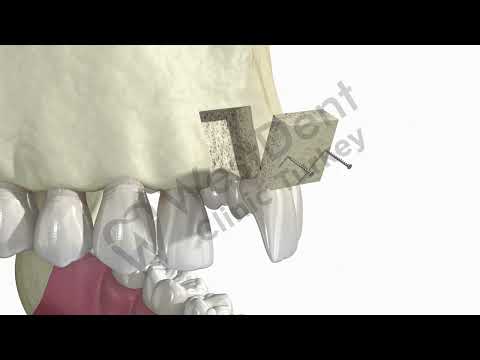
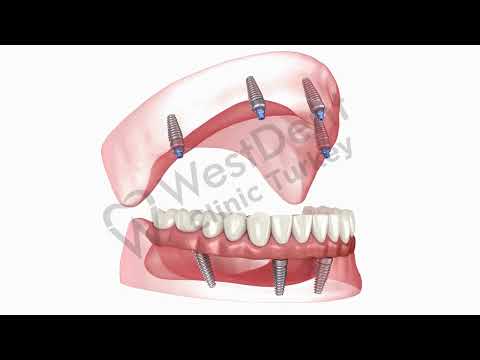

.jpg)
.jpg)
.png)
.jpg)








Share this listing