


U.S. Patients Seek Tijuana Lung Cancer Immunotherapy
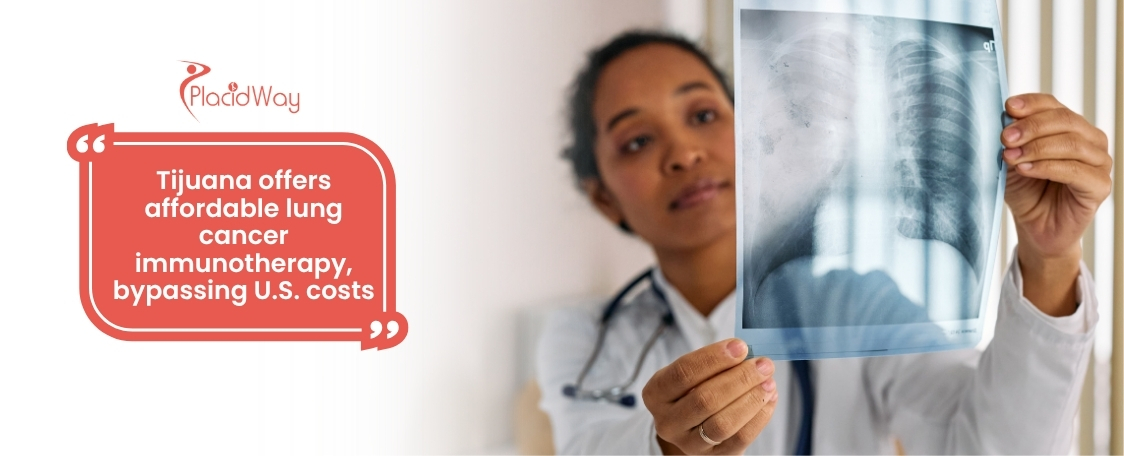
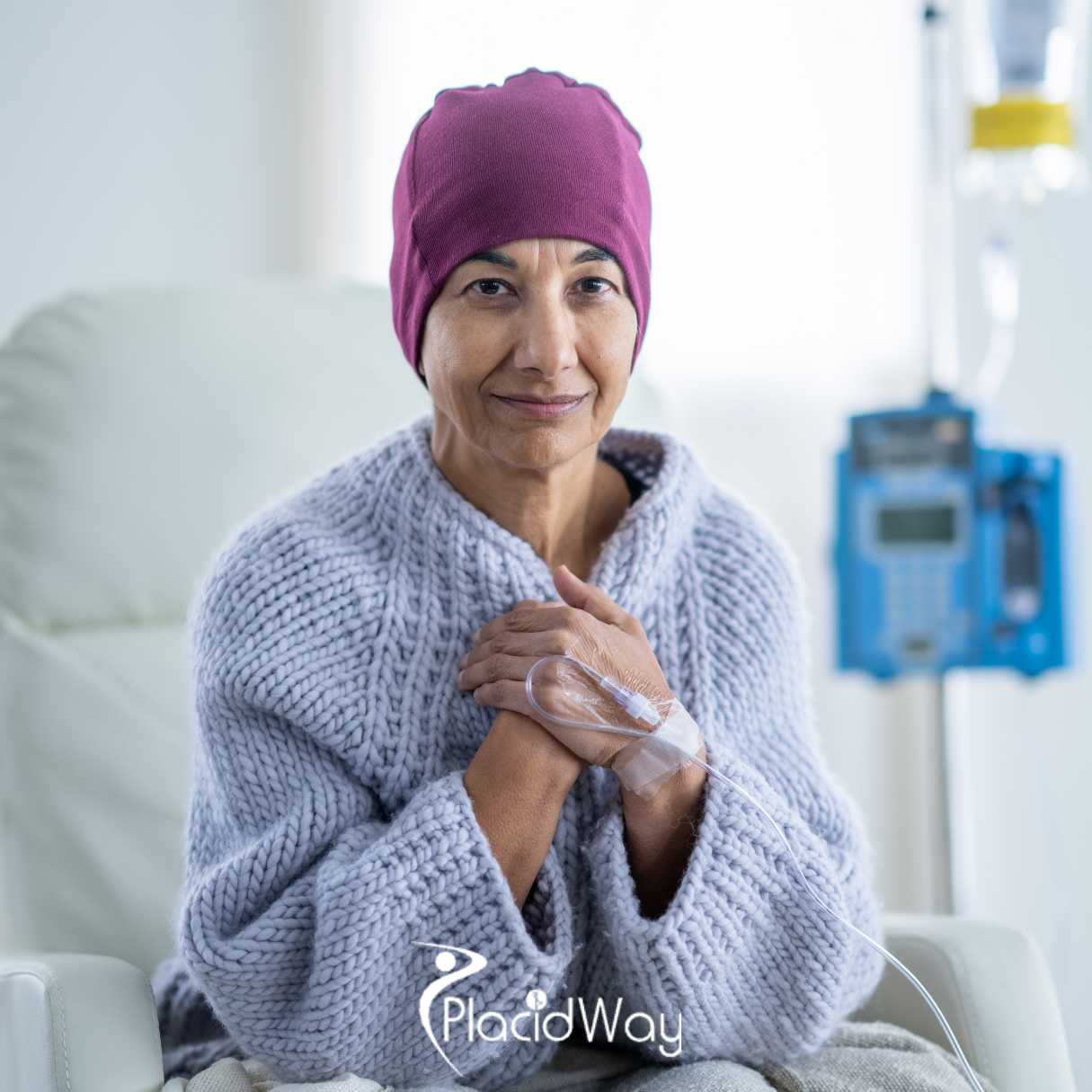
Facing devastating U.S. medical costs, thousands are crossing the border for affordable Lung Cancer Immunotherapy in Tijuana. In 2024, the surge in cross-border oncology care offers patients life-saving treatments at a fraction of domestic prices, bypassing severe financial toxicity.
The Crippling Financial Toxicity of U.S. Oncology Care
The landscape of modern oncology has been revolutionized by the advent of immunotherapy, a biological treatment that empowers the patient's own immune system to identify and destroy malignant cells. However, this scientific triumph has been overshadowed by an escalating economic crisis within the United States healthcare system. Coined by medical economists as "financial toxicity," the exorbitant cost of specialized cancer treatments has become a recognized side effect of the disease itself. For the average American patient, navigating a lung cancer diagnosis is no longer just a medical battle; it is an immediate, devastating threat to their lifetime financial stability.
Domestically, a single cycle of novel immunotherapeutic agents—such as PD-1 or PD-L1 checkpoint inhibitors—can generate invoices well over $15,000 to $20,000 per month. Even for patients with premium health insurance, astronomical deductibles, stringent copayments, and frequent coverage denials leave families drowning in insurmountable out-of-pocket expenses. It is increasingly common for U.S. patients to face the harrowing reality of depleting their retirement savings, liquidating real estate assets, or declaring medical bankruptcy simply to secure a few more months of targeted therapy. Driven by this systemic pricing failure, a massive demographic of oncology patients is looking beyond the borders for viable, economically sustainable alternatives.
Did You Know?
Studies indicate that over 42% of U.S. cancer patients deplete their entire life savings within the first two years of diagnosis. By seeking oncology treatments in established medical tourism hubs, patients can reduce their overall treatment expenses by 50% to 70% without sacrificing clinical quality.
Why Cross-Border Lung Cancer Treatment in Mexico is Booming?
The geographical proximity of Baja California to the United States provides an unprecedented logistical advantage for immunocompromised individuals. Unlike other global medical tourism destinations that require grueling, multi-day long-haul flights across international datelines, this vibrant Mexican medical hub is located a mere twenty minutes from the San Diego International Airport. For a lung cancer patient experiencing fatigue, respiratory distress, or reduced mobility, the ability to seamlessly cross the border via a brief, comfortable car ride is an invaluable medical benefit that significantly mitigates travel-related physical trauma.
Beyond mere location, the region has intentionally tailored its legislative and economic framework to support advanced medical care at accessible price points. Because the administrative overhead, pharmaceutical markups, and malpractice insurance premiums are fundamentally lower in Mexico, elite oncology centers can offer the exact same, globally approved biological agents and targeted therapies utilized in top-tier U.S. hospitals at a fraction of the cost. Patients are realizing that they are not migrating for experimental or substandard care; rather, they are escaping an artificially inflated domestic pricing structure to access world-class oncology protocols in a patient-centric, highly competitive international market.
Exploring Advanced Immunotherapy Protocols Across the Border
The medical facilities catering to international patients in Baja California are not merely dispensing basic chemotherapy; they are at the forefront of modern biological and integrative oncology. International patients have access to a sophisticated arsenal of advanced, customized treatment protocols designed to combat non-small cell lung cancer (NSCLC) and small cell lung cancer (SCLC). Comprehensive treatment strategies often include:
- Immune Checkpoint Inhibitors: Administration of advanced monoclonal antibodies that block proteins like PD-1, PD-L1, or CTLA-4, effectively removing the "brakes" on the immune system so T-cells can recognize and eradicate lung cancer cells.
- Dendritic Cell Vaccines: Cutting-edge therapies where a patient's own immune cells are extracted, exposed to lung cancer antigens in a highly controlled laboratory setting, and reintroduced to stimulate a targeted immune attack against the tumor.
- Targeted Genomic Therapies: Utilizing comprehensive genetic sequencing of the tumor to identify specific mutations (such as EGFR, ALK, or ROS1) and prescribing precision medications designed to block the exact molecular pathways driving the cancer's growth.
- Adoptive Cell Transfer (ACT): Highly specialized protocols designed to enhance the natural cancer-fighting ability of a patient’s T-cells, cultivating them in vast numbers ex vivo before safely infusing them back into the bloodstream.
- Integrative Adjuvant Therapies: Combining potent immunotherapies with holistic support systems, including high-dose intravenous vitamin C, hyperbaric oxygen therapy, and targeted nutritional oncology to minimize side effects and optimize immune response.
Cost Comparison: U.S. Cancer Care vs. Mexico Medical Tourism
One of the most paralyzing aspects of receiving cancer care in the United States is the absolute lack of financial transparency. Patients are routinely subjected to "surprise billing," where the facility, the administering nurse, the oncologist, and the pharmaceutical provider all bill independently. In stark contrast, the medical tourism model in Mexico operates on a foundation of upfront, transparent pricing. Patients receive comprehensive estimates that encompass the entire cycle of care, allowing families to allocate their resources effectively without the looming dread of hidden fees.
The financial data clearly illustrates the massive chasm between the two healthcare systems. By analyzing the core components of a standard monthly immunotherapy regimen for lung cancer, the mathematical justification for cross-border medical travel becomes undeniable. The savings generated frequently cover the entirety of luxury travel, premium accommodations, and dedicated nutritional support, while still preserving the patient's long-term financial health.
The State-of-the-Art Oncology Infrastructure in Baja California
The physical and technological transformation of the region's healthcare landscape over the past decade is nothing short of extraordinary. The era of crossing the border to visit small, isolated medical outposts has been entirely eclipsed by the development of monumental, multi-billion-dollar medical megalopolises. These towering medical centers are specifically designed with the international oncology patient in mind. Within these hyper-modern, glass-clad structures, patients will find fully integrated oncology wings equipped with the latest generation of diagnostic imaging, advanced radiation vaults, and dedicated infusion suites boasting panoramic views intended to reduce clinical anxiety.
Moreover, the technological investment in these facilities rivals, and frequently surpasses, many mid-tier U.S. hospital systems. State-of-the-art on-site laboratories ensure rapid genomic sequencing, allowing oncologists to tailor targeted therapies with unprecedented speed. The infusion centers are meticulously engineered to maintain the highest levels of sterility, utilizing advanced HEPA filtration systems crucial for protecting immunocompromised lung cancer patients. This holistic approach to medical infrastructure ensures that patients receive their life-saving treatments in an environment that is both clinically superior and deeply comforting.
"We are witnessing a critical tipping point in global healthcare. Cancer patients are no longer willing to accept the devastating financial toxicity of domestic treatments as inevitable. By connecting patients with internationally accredited centers in Mexico, we empower them to bypass an economically broken system and access the exact same life-saving immunotherapies at sustainable prices. Health and financial survival should never be mutually exclusive."
— Pramod Goel, CEO of PlacidWay
Ensuring Safety and Global Standards in Cross-Border Medicine
A primary concern for any patient seeking oncology care abroad is the rigorousness of medical standards and the authenticity of the treatments provided. The elite echelon of the Mexican medical tourism sector addresses this through strict adherence to global compliance and board certifications. The leading oncologists practicing in this region have undergone exhaustive medical training, frequently completing fellowships and specialized residencies at prestigious institutions across the United States, Canada, and Europe. They maintain active memberships in universally respected organizations such as the American Society of Clinical Oncology (ASCO) and the European Society for Medical Oncology (ESMO), ensuring their clinical methodologies align flawlessly with current global standards.
Furthermore, the handling, storage, and administration of biological drugs like immunotherapies require extreme precision. Top-tier Mexican facilities adhere to uncompromising international protocols regarding pharmaceutical cold-chain logistics, guaranteeing that sensitive biological medications remain viable and potent from the manufacturer to the infusion chair. Accreditations from global regulatory bodies act as a vital seal of approval, signifying that the facility consistently passes rigorous, independent audits concerning patient safety, infection control, and clinical excellence.
Did You Know?
The global medical tourism market for oncology is expanding at an unprecedented rate of over 15% annually. Baja California captures a massive segment of this demographic precisely because of deep, bilateral healthcare collaborations that ensure cross-border medical records and imaging can be seamlessly integrated into a patient's continuous care plan.
The Strategic Role of PlacidWay in Navigating Healthcare Connections
While the financial and clinical benefits of cross-border oncology are clear, the process of independently navigating international healthcare can be profoundly overwhelming—especially for a family already battling the emotional weight of a lung cancer diagnosis. The internet is flooded with unverified information, making it incredibly challenging to distinguish between highly accredited medical institutions and opportunistic clinics. This high-stakes information asymmetry highlights why partnering with an experienced, dedicated medical tourism facilitator is an absolute necessity.
Functioning as a trusted global connector, PlacidWay removes the immense burden of logistical research from the patient's shoulders. By maintaining a meticulously curated network of highly vetted, board-certified oncology providers, PlacidWay ensures that patients are only introduced to facilities that meet stringent international safety standards. Through this platform, patients can securely access transparent pricing, review detailed physician credentials, and schedule direct, virtual consultations with lead oncologists before ever booking a flight. This level of strategic advocacy guarantees that patients can focus entirely on their recovery rather than bureaucratic red tape.
What to Expect During Your Oncology Journey and Recovery?
The cross-border oncology experience is characterized by a deeply compassionate, concierge-level approach to patient care. Upon arrival at the San Diego International Airport, patients are greeted by dedicated bilingual medical liaisons and transported across the border via rapid, exclusive medical lanes. Instead of enduring sterile, intimidating hospital rooms, patients frequently reside in luxurious medical boutique hotels or specialized recovery suites. These environments are optimized for healing, featuring personalized anti-inflammatory dietary plans crafted by oncology nutritionists, continuous monitoring by registered nurses, and holistic wellness therapies aimed at minimizing the side effects of active treatment.
The continuum of care extends far beyond the final infusion. Before returning to the United States, patients undergo thorough multidisciplinary evaluations to ensure they are medically stable for travel. Comprehensive medical records, translated and digitized, are provided to facilitate seamless integration with the patient's local primary care physicians. Additionally, the top medical teams utilize advanced telemedicine platforms to conduct ongoing follow-up consultations, monitor blood panels, and adjust long-term immunotherapy protocols. This unwavering commitment to continuous, end-to-end care cements the region's status as a premier sanctuary for those seeking to conquer lung cancer without compromising their financial future.





.png)
.png)
.png)
.png)









Share this listing