


Thailand's Scarless Eye Surgery Surge Draws Global Tourists

Driven by the viral 'Restored Gaze' trend, a massive wave of European and Singaporean patients are seeking Trans-Conjunctival Blepharoplasty in Thailand. This scarless anti-aging procedure offers up to 60% savings, combining elite surgical precision with luxury recovery.
The Rise of the 'Restored Gaze' Phenomenon in Anti-Aging
In the highly competitive world of modern aesthetics, the paradigm has shifted dramatically from dramatic, obvious surgical alterations to the pursuit of undetectable enhancements. This movement has culminated in the "Restored Gaze" phenomenon—a global trend emphasizing the rejuvenation of the periorbital region without leaving any telltale signs of surgical intervention. For Generation X and aging Millennials, the eyes are frequently the first facial feature to broadcast fatigue, stress, and chronological aging. Puffy lower eye bags, deep tear troughs, and dark circles can project a permanent look of exhaustion, driving millions to seek effective, long-lasting clinical solutions.
Historically, lower eyelid surgery involved external incisions along the lash line, which carried inherent risks of visible scarring, prolonged swelling, and the dreaded alteration of the natural eye shape. However, the modern aesthetic consumer is fiercely educated and demands superior outcomes. The "Restored Gaze" trend specifically advocates for the trans-conjunctival approach, a highly complex technique that hides the incision completely within the inner mucosal lining of the eyelid. Because this technique requires immense microscopic precision and specialized training, patients from high-cost healthcare environments are increasingly looking beyond their domestic borders to find master surgeons capable of delivering this flawless, scar-free rejuvenation.
Did You Know?
Market analytics indicate that over 65% of cosmetic medical tourists arriving in Southeast Asia now prioritize facial rejuvenation. Among these, minimally invasive and scarless eye bag removal ranks as the number one most requested procedure for international patients aged 35 to 55.
Why Global Tourists Choose Trans-Conjunctival Blepharoplasty in Thailand?
The demographic profile of patients traveling for this specific procedure is fascinatingly bifurcated, largely dominated by European expatriates and affluent Singaporeans. For Singaporeans, the motivation is primarily driven by exorbitant domestic healthcare economics. Despite enjoying one of the world's most robust healthcare systems, elective cosmetic surgery in the city-state commands premium luxury pricing. A simple lower eyelid procedure can quickly escalate into a massive financial burden. Thailand, located just a short two-hour flight away, offers a compelling alternative: an elite, internationally accredited medical experience at a fraction of the cost, completely eliminating the prohibitive price barrier without sacrificing an ounce of clinical quality.
Conversely, European tourists are fleeing severely strained public healthcare systems and heavily taxed private medical sectors. In countries like the UK, Germany, and France, wait times for specialized aesthetic consultations can stretch for months, and post-operative care is notoriously hands-off. Thailand perfectly bridges this gap by merging world-renowned surgical excellence with legendary Southeast Asian hospitality. By undergoing eye bag removal surgery in Bangkok or coastal medical hubs, European patients can seamlessly transform a clinical procedure into a restorative, private medical holiday. This dual-purpose travel allows them to heal in discreet, tropical luxury, far away from the prying eyes of their local social and professional circles.
Understanding the Scarless Trans-Conjunctival Technique
The clinical supremacy of the trans-conjunctival method is the foundational pillar of the "Restored Gaze" movement. Unlike outdated techniques that routinely excised healthy muscle and skin, causing hollowed-out appearances, this modern approach focuses on architectural preservation and fat repositioning. When international patients secure specialized cosmetic surgery packages in this tropical medical haven, they are investing in a highly refined sequence of surgical protocols:
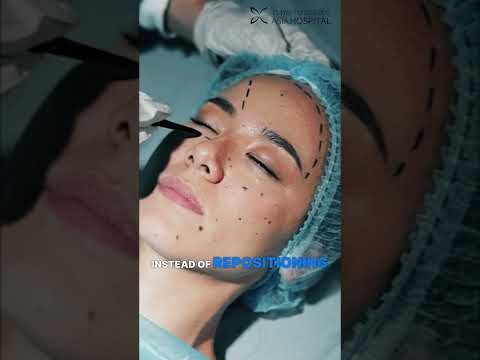
- Invisible Internal Incisions: Surgeons utilize a micro-incision placed meticulously on the inside of the lower eyelid (the conjunctiva). This guarantees absolute zero visible scarring on the external skin, a critical factor for patients demanding discreet results.
- Strategic Fat Repositioning: Rather than simply excising the herniated orbital fat—which can lead to a sunken, skeletal appearance later in life—elite surgeons release and drape the patient’s natural fat over the orbital rim. This fills the sunken tear trough, creating a smooth, youthful transition from the eye to the cheek.
- Orbital Muscle Preservation: Because the incision bypasses the delicate orbicularis oculi muscle entirely, the structural integrity and natural shape of the eye are flawlessly maintained. The risk of lower lid retraction (ectropion) is virtually eliminated.
- Accelerated Healing Pathways: The conjunctiva is highly vascular and heals remarkably faster than external dermal tissue. The lack of external sutures means drastically reduced downtime, allowing medical tourists to resume normal activities and enjoy their recovery vacation sooner.
- Twilight Sedation Compatibility: This refined technique is frequently performed under intravenous twilight sedation or local anesthesia rather than deep general anesthesia. This vastly reduces systemic medical risks, minimizes post-operative nausea, and accelerates the immediate discharge process.
Cost Comparison: Thailand vs. Singapore and Europe
A core driver of the global medical tourism industry is total financial transparency. In European and Singaporean domestic markets, cosmetic patients routinely face a highly fragmented billing process. A seemingly straightforward quote can rapidly inflate once facility fees, anesthesiologist rates, surgical garments, and mandatory follow-up appointments are tallied. This unpredictable pricing model causes immense financial anxiety for prospective patients, often pushing them to delay or entirely abandon their aesthetic aspirations.
The Southeast Asian medical tourism model violently disrupts this paradigm by pioneering the all-inclusive surgical package. Leading Thai medical centers offer a consolidated, transparent pricing structure that covers the entire spectrum of care from pre-operative blood work to final clearance. When analyzing the fiscal data, the economic arbitrage becomes undeniable. Patients can essentially fund round-trip international airfare, secure accommodations in a five-star hotel, undergo elite scarless surgery, and still retain thousands of dollars in savings compared to remaining in their home country.
Thailand's Advanced Medical Infrastructure and Technology
The days of associating medical travel with substandard, secondary healthcare facilities are entirely obsolete. Today, the medical landscape in this Southeast Asian powerhouse is characterized by sprawling, hyper-modern "medical cities" that rival—and frequently surpass—the technological capabilities of premier institutions in London, Paris, or Singapore. These monumental healthcare complexes are meticulously designed to blend stringent clinical sterility with the aesthetic opulence of a five-star resort. International patients arrive in marble-clad lobbies, are escorted by dedicated, multi-lingual medical concierges, and recover in private VIP suites equipped with high-speed internet, tailored dietary menus, and 24-hour dedicated nursing staff.
Within the surgical theaters, the commitment to technological advancement is staggering. Facilities catering to the international market heavily reinvest their capital into securing the most cutting-edge aesthetic technologies available globally. For eye bag removal surgeries, top-tier clinical teams routinely utilize advanced modalities such as radiofrequency (RF) scalpels to minimize bleeding, highly specialized micro-cannulas for precise fat grafting, and state-of-the-art 3D facial imaging systems for flawless pre-operative planning. Furthermore, patients often combine their trans-conjunctival procedures with non-invasive skin tightening lasers in the same visit, maximizing their aesthetic outcome through a multi-disciplinary, highly technological approach that is incredibly difficult to coordinate in fragmented Western healthcare systems.
"The 'Restored Gaze' trend highlights a sophisticated evolution in medical travel. We are seeing a massive shift where patients from highly advanced economies like Singapore and Europe are purposefully bypassing their local options. They are traveling to Thailand not just for cost-efficiency, but to secure highly specialized, scarless techniques. They demand invisible anti-aging, coupled with the uncompromising clinical quality and luxurious recovery infrastructure that Southeast Asia uniquely provides."
— Pramod Goel, CEO of PlacidWay
Safety and Expertise: Thailand’s Elite Board Certification
A primary concern for any patient crossing international borders for surgery is the verification of medical credentials and clinical safety. Fortunately, the regulatory landscape governing aesthetic surgery in this region is incredibly rigorous. The pathway to becoming a board-certified plastic surgeon in Thailand is an exhaustive, decades-long endeavor. After completing rigorous domestic medical schooling and surgical residencies, it is practically an industry standard for elite Thai surgeons to pursue advanced fellowships internationally. They frequently travel to the United States, the United Kingdom, or South Korea to master specific, highly nuanced procedures like trans-conjunctival blepharoplasty, returning home as globally recognized experts in periorbital rejuvenation.
What makes these surgeons particularly attractive to a diverse global patient base is their unparalleled cross-cultural anatomical expertise. Because Thailand serves as a universal nexus for medical tourism, leading practitioners perform thousands of procedures annually on a remarkably diverse demographic. They intimately understand the structural differences between Caucasian and Asian orbital bone structures, eyelid creases, and fat distribution. This high-volume, globally diverse surgical experience ensures that whether a patient flies in from Berlin or Singapore, the surgical approach is bespoke, culturally sensitive, and engineered to deliver universally flawless, natural-looking results.
Did You Know?
Thailand boasts one of the highest concentrations of globally accredited hospitals in Asia. The nation hosts over 60 Joint Commission International (JCI) accredited healthcare facilities, ensuring that international patients receive care that strictly adheres to the exact same gold-standard safety and sterility protocols expected in top-tier American and European hospitals.
The Strategic Role of PlacidWay in Cross-Border Healthcare
While the allure of scarless anti-aging in a tropical paradise is immense, the logistical reality of planning international surgery independently can be overwhelming. The internet is flooded with aggressive marketing campaigns, heavily filtered before-and-after photos, and self-proclaimed "expert" clinics. For a patient sitting in Europe or Singapore, trying to decipher medical jargon, overcome potential language barriers, and verify foreign medical licenses is a daunting, high-risk endeavor. This massive information asymmetry is precisely why the utilization of a dedicated, globally trusted medical tourism facilitator has become an essential component of the modern healthcare journey.
As a premier global connector, PlacidWay acts as the patient’s ultimate strategic advocate. Instead of blindly navigating foreign search engines, patients can leverage PlacidWay’s heavily vetted, carefully curated network of internationally accredited providers. PlacidWay simplifies the entire process by allowing patients to seamlessly compare comprehensive clinic profiles, review fully transparent pricing structures, analyze verified patient testimonials, and secure direct, translated virtual consultations with board-certified periorbital specialists. By completely neutralizing the logistical stress and guaranteeing the authenticity of medical credentials, PlacidWay empowers patients to focus 100% of their energy on their aesthetic goals and physical recovery.
What to Expect During Your Scarless Eyelid Surgery Recovery?
The recovery phase is where the Southeast Asian medical tourism model truly shines, transforming a potentially stressful clinical aftermath into a serene, restorative holiday. Because the trans-conjunctival approach requires no external cutting or suturing, the physical downtime is drastically minimized compared to traditional eye lifts. However, to ensure absolute perfection, elite medical packages typically incorporate specialized post-operative protocols. Patients are often transferred from the hospital suite directly to luxury recovery retreats or partnered boutique hotels. Here, they receive daily check-ins from registered nurses, enjoy curated anti-inflammatory diets, and undergo specialized therapies such as manual lymphatic drainage massages and hyperbaric oxygen therapy to rapidly clear residual bruising and accelerate tissue healing.
The chronological timeline is highly predictable, which is essential for busy international professionals. Most patients experience mild swelling and temporary visual blurriness for the first 48 to 72 hours. By day five, patients are generally cleared to enjoy light tourism, perhaps dining in high-end rooftop restaurants or relaxing by shaded resort pools. By day seven to ten, they receive their final surgical clearance and board their flights home. The ultimate triumph of this experience is the return: European and Singaporean patients arrive back in their home countries looking profoundly rested, vibrant, and rejuvenated, with colleagues and friends entirely unable to detect that a surgical intervention ever took place.

.png)

.png)


.png)
.png)



.png)
.jpg)
.png)
.png)









Share this listing