


If high private surgery costs in Australia, the United Kingdom, Canada or the United States have made breast augmentation feel out of reach, Thailand may offer a more affordable path. Current planning prices commonly range from $3,400 to $5,000, but your decision should depend on surgeon qualifications, hospital licensing, implant traceability and aftercare rather than price alone.
Before booking affordable breast augmentation in Thailand, verify the surgeon through the Medical Council of Thailand, confirm specialist plastic-surgery certification and look for hospital accreditation from Thailand’s Healthcare Accreditation Institute. You should also obtain a written plan for implant monitoring, complications and follow-up after returning home.
Quick Summary of Breast Augmentation in Thailand
- Estimated price: Most current provider quotes fall between $3,400 and $5,000, with an approximate average of $4,200. Combined augmentation and breast lift procedures may cost more.
- Provider credentials: Verify an active medical license through the Medical Council of Thailand and request evidence of Thai board certification in plastic surgery.
- Hospital standards: Look for a current Ministry of Public Health facility license and Healthcare Accreditation Institute accreditation. International accreditation is an additional indicator, not a requirement.
- Ideal candidate: You may qualify when you are medically stable, have realistic expectations, understand implant maintenance and can safely undergo anesthesia.
- Recovery: Many patients resume light daily activities within one to two weeks, although lifting, strenuous exercise and upper-body training require longer restrictions.
- Recommended stay: Allow approximately 7–14 days in Thailand for early recovery and surgeon review, depending on your procedure and clinical progress.
- Important caution: Breast implants are not lifetime devices. Future imaging, revision, removal or replacement may become necessary.
Why International Patients Consider Breast Augmentation in Thailand?
Breast augmentation in Thailand attracts patients who want greater access to experienced plastic surgeons, modern surgical facilities and more manageable private-pay costs. Bangkok is the main destination, although procedures are also available in Phuket, Pattaya, Chiang Mai and other major cities.
Cost matters, but it should not become your only reason for traveling. You are choosing an operation performed under anesthesia and placing a medical device that may remain in your body for years. Your surgeon’s qualifications, the operating facility, implant documentation and long-term support deserve equal attention.
- Patients from Australia may compare Thailand with higher private surgery and anesthesia fees at home.
- Patients from the United Kingdom may seek private treatment without waiting for local consultation schedules.
- Patients from North America may compare package prices that combine surgery, implants and hospital care.
- Patients from China, Cambodia and neighboring Asian countries benefit from shorter travel routes.
- Some patients value multilingual coordination, private recovery services and established medical-travel infrastructure.
- Others combine augmentation with a breast lift when pregnancy, breastfeeding, aging or weight changes have affected breast position.
Patient takeaway: Thailand can offer meaningful cost differences, but savings have value only when the surgeon, hospital, implant and aftercare plan meet appropriate safety standards.
How Breast Augmentation in Thailand Is Performed?
Breast augmentation increases breast volume using implants, fat transfer or a combination of both. During implant surgery, your surgeon creates a pocket above or below the chest muscle and inserts an implant selected for your anatomy, tissue thickness and preferred proportions.
Your consultation should focus on balance rather than a promised cup size. Bra sizing differs between manufacturers, while implant volume alone does not predict how your result will look on your chest.
Breast augmentation options commonly discussed in Thailand
| Option | How it works | Potential advantage | Important limitation |
|---|---|---|---|
| Silicone implants | A silicone shell contains cohesive silicone gel. | May provide a softer, more natural feel for suitable patients. | A rupture can be silent and may require ultrasound or MRI monitoring. |
| Saline implants | The implant shell is filled with sterile salt water. | Deflation is usually easier to notice. | Rippling or a less natural feel may concern patients with limited tissue coverage. |
| Fat transfer | Fat is removed through liposuction, processed and injected into the breasts. | Uses your own tissue and can create a modest volume increase. | Some transferred fat is reabsorbed, and more than one session may be needed. |
| Hybrid augmentation | Combines an implant with targeted fat transfer. | May improve contour transitions or tissue coverage. | Requires both implant surgery and liposuction recovery. |
| Augmentation with lift | Adds volume while removing skin and repositioning the breast or nipple. | Addresses both lost volume and significant sagging. | Creates longer scars and involves more complex recovery. |
Implant placement for breast augmentation in Thailand
Subglandular placement positions the implant beneath breast tissue but above the chest muscle. Submuscular or dual-plane placement provides partial or greater muscle coverage. The best option depends on your tissue thickness, activity level, implant size and risk of visible edges or rippling.
Incisions used for breast augmentation in Thailand
The inframammary incision sits in the crease below the breast and commonly provides direct surgical access. Periareolar incisions follow part of the areola border, while transaxillary incisions are placed in the armpit. Each approach has different implications for scars, sensation, implant access and future revision.
Who May Qualify for Breast Augmentation in Thailand?
You may be a suitable candidate when you are physically healthy, understand the limitations of surgery and want greater breast volume for personal reasons. A qualified surgeon must assess your medical history, breast anatomy, skin quality and expectations before confirming eligibility.
You may be a suitable candidate
- Your breast development is complete.
- Your general health supports elective surgery.
- Your expectations are specific and realistic.
- You can follow activity and travel restrictions.
- You understand future implant monitoring and revision possibilities.
Surgery may need to be delayed
- You are pregnant or breastfeeding.
- You have an uncontrolled medical condition or active infection.
- You cannot stop nicotine as directed by your surgeon.
- You have unresolved breast symptoms requiring investigation.
- You cannot remain in Thailand for appropriate follow-up.
Your consultation should include previous breast surgery, pregnancy plans, breastfeeding history, allergies, family history, medications, supplements, nicotine exposure and previous problems with anesthesia. Your surgeon may also request breast imaging based on your age, symptoms and screening history.
Important: Do not conceal smoking, vaping, medication use or health conditions to remain eligible. Missing information can affect anesthesia safety, wound healing and complication management.
Breast Augmentation Cost in Thailand
Breast augmentation in Thailand commonly costs between $3,400 and $5,000, with an approximate average of $4,200 in current PlacidWay pricing data. Your final quotation may change after the surgeon reviews your anatomy, implant preferences, medical history and whether you need a breast lift or revision.
Ask whether the price is procedure-only or an inclusive package. A lower initial quotation may exclude anesthesia, implants, laboratory testing, postoperative garments, overnight care or treatment for complications.
Estimated breast augmentation prices in Thailand
| Procedure | Planning range | Cost considerations |
|---|---|---|
| Round silicone breast implants | $2,800–$4,000 | Brand, profile, shell and hospital inclusions affect the quote. |
| Anatomical silicone breast implants | $3,500–$4,800 | Shaped implants may carry a higher product cost. |
| Saline breast implants | $2,500–$3,500 | Availability and suitability vary by surgeon and patient. |
| Breast augmentation with lift | $4,500–$6,500 | Longer operating time and additional surgical work increase the price. |
| Revision breast augmentation | Personalized quotation | Capsule removal, implant exchange and tissue repair affect complexity. |
Itemized cost of breast augmentation in Thailand
| Cost component | Estimated range | What to confirm |
|---|---|---|
| Plastic surgeon’s fee | $1,000–$2,000 | Consultations, surgery and early follow-up. |
| Anesthesia | $400–$800 | Anesthesiologist, medicines and monitored recovery. |
| Operating facility | $600–$1,200 | Operating room, nursing care and overnight stay. |
| Breast implants | $800–$2,000 | Manufacturer, model, surface, warranty and serial numbers. |
| Testing, garments and initial medicines | $200–$500 | Laboratory tests, support bra and discharge supplies. |
Breast augmentation cost in Thailand compared with other countries
| Country | Indicative private-pay range | Planning consideration |
|---|---|---|
| Thailand | $3,400–$5,000 | Add flights, accommodation and possible extended aftercare. |
| Australia | $7,000–$11,000 | Local follow-up may be easier, but private surgical fees are often higher. |
| United States | $8,000–$12,000 | Facility and anesthesia charges can substantially affect the total. |
| Canada | $8,000–$12,000 | Elective cosmetic augmentation is generally self-funded. |
| United Kingdom | $6,000–$10,000 | Quotes may differ by hospital, surgeon and implant selection. |
These figures are planning estimates rather than guaranteed quotations. Exchange rates, clinical requirements and package inclusions change. Request a personalized written quotation and keep an emergency reserve for additional accommodation, imaging, treatment or revised travel.
Hidden-cost checklist: Ask about consultations, laboratory tests, implant upgrade charges, anesthesia, hospital stay, support garments, medications, airport transfers, translation, extended accommodation, revision terms and treatment of complications.
How to Choose a Hospital for Breast Augmentation in Thailand?
A safe hospital should hold a current license from the relevant Thai health authority and have an operating room suitable for surgery under anesthesia. Ask the provider to identify the legal facility name, license number and issuing authority rather than relying on a brand name or social-media profile.
The Healthcare Accreditation Institute of Thailand evaluates healthcare organizations against national quality standards. HA accreditation is an important local quality signal. JCI or another international accreditation can provide additional reassurance, but it is not mandatory for every reputable Thai facility.
Hospital verification checklist for breast augmentation in Thailand
| Evidence to request | Why it matters | Question to ask |
|---|---|---|
| Current facility license | Confirms the legal entity is authorized to provide healthcare services. | What is the facility license number and issuing authority? |
| Healthcare Accreditation Institute status | Shows participation in Thailand’s national hospital quality system. | Is the hospital currently HA accredited, and when does accreditation expire? |
| Anesthesia team credentials | General anesthesia requires trained personnel and continuous monitoring. | Who will administer anesthesia and remain responsible during recovery? |
| Emergency and transfer protocol | Complications may require imaging, blood products, intensive care or specialist support. | What happens if I require emergency admission or transfer? |
| Infection-control process | Implant surgery requires strict sterile technique. | How does the facility monitor surgical-site infections? |
| Structured aftercare | Early problems need timely assessment before you fly home. | How many postoperative examinations are included? |
A cosmetic clinic may provide consultations while surgery occurs at a separate hospital. Confirm the exact operating location before paying. Your written consent and quotation should name the facility where anesthesia and surgery will take place.
How to Verify a Breast Augmentation Surgeon in Thailand
Your surgeon should hold an active license from the Medical Council of Thailand and specialist training in plastic surgery. A general medical license alone does not prove completion of recognized plastic-surgery training.
Use the Medical Council’s English-language verification tool to check the surgeon’s first name, surname and license number. You can also review the Society of Plastic and Reconstructive Surgeons of Thailand directory, but confirm formal credentials directly rather than relying on membership claims in advertisements.
- Request the surgeon’s full legal name in English and Thai, where available.
- Verify the medical license through the Medical Council of Thailand database.
- Request plastic-surgery certification and identify the organization that issued it.
- Ask about breast augmentation experience, including annual case volume and revision procedures.
- Confirm who performs the operation and whether assistants complete any surgical steps.
- Review complication management, hospital access and after-hours contact arrangements.
- Ask for the revision policy in writing, including which expenses remain your responsibility.
Reassuring surgeon responses
- Explains more than one suitable option.
- Discusses scars and limitations clearly.
- Provides implant documentation.
- Explains revision and emergency plans.
- Allows time for informed decision-making.
Warning signs when choosing a surgeon
- Refuses to provide a license number.
- Guarantees a specific cup size or perfect symmetry.
- Pressures you to pay immediately.
- Avoids discussing implant complications.
- Cannot identify the operating hospital.
Breast Implant Safety and Risks in Thailand
Breast augmentation is elective surgery with genuine medical and aesthetic risks. Choosing an experienced surgeon and licensed hospital can reduce avoidable risks, but no provider can eliminate every complication or guarantee a permanent result.
Breast augmentation risks and practical precautions
| Potential complication | What it means | Risk-reduction discussion |
|---|---|---|
| Infection | Bacteria may infect the incision or implant pocket. | Sterile facility, wound care, early symptom reporting and prompt assessment. |
| Bleeding or hematoma | Blood collects around the implant and may require another operation. | Medication review, blood-pressure management and activity restrictions. |
| Capsular contracture | Scar tissue tightens around the implant, causing firmness, discomfort or shape change. | Discuss implant placement, surgical technique and the provider’s revision approach. |
| Rupture or deflation | The implant shell develops a tear or hole. | Keep implant records and follow recommended imaging and clinical reviews. |
| Asymmetry or displacement | The breasts or implants heal in different positions. | Realistic planning, appropriate implant selection and postoperative support. |
| Sensation changes | Nipple or breast sensation may increase, decrease or change. | Discuss incision choice, implant size and your individual anatomy. |
| BIA-ALCL | An uncommon lymphoma associated with the capsule around certain breast implants. | Ask about implant surface, known risks and symptoms requiring evaluation. |
| Additional surgery | Revision, removal or replacement may become necessary. | Understand long-term costs, warranty limitations and local follow-up options. |
Breast implant documentation in Thailand
Before discharge, request an implant card showing the manufacturer, product name, size, serial or lot number and surface type. Keep digital and printed copies. Confirm that the implant is legally supplied for use in Thailand and ask how the manufacturer handles product warranties.
When to seek urgent medical help after breast augmentation
Seek urgent assessment for rapidly increasing swelling, uncontrolled bleeding, severe or worsening pain, spreading redness, wound drainage, fever, breathing difficulty, chest pain, fainting or swelling and pain in one calf. Do not wait for a routine video appointment when symptoms suggest an emergency.
Long-term warning signs: Persistent breast swelling, a new fluid collection, a lump, progressive firmness, unexplained shape change or ongoing pain requires medical evaluation, even when it develops years after surgery.
Preparing for Breast Augmentation Travel to Thailand
Your travel plan should protect your recovery rather than treat surgery as part of a normal holiday. Build your itinerary around medical appointments, rest, safe transportation and the possibility that your surgeon may delay your flight.
Travel-planning timeline for breast augmentation in Thailand
| Timeframe | Planning task | What to confirm |
|---|---|---|
| Four to eight weeks before travel | Complete remote consultation and medical screening. | Surgeon, hospital, implant options, quotation and eligibility. |
| Two to four weeks before travel | Follow instructions concerning nicotine, medications and supplements. | Do not stop prescribed medication without approval from your clinician. |
| At least one month before travel | Review Thailand travel-health recommendations. | Routine vaccines, destination-specific risks and personal health needs. |
| Two or three days before surgery | Arrive in Thailand and attend an in-person assessment. | Physical examination, implant plan, consent and laboratory results. |
| First 24–48 hours after surgery | Rest with a responsible adult nearby. | Emergency numbers, wound instructions and follow-up schedule. |
| Approximately 7–14 days after surgery | Complete early postoperative review before departure. | Incision condition, implant position and fitness to fly. |
What to arrange before breast augmentation in Thailand
- Accommodation near the operating hospital with easy access and an elevator.
- A companion or responsible adult for the first postoperative period.
- Flexible flights and accommodation in case your surgeon delays departure.
- Travel insurance documents and confirmation of cosmetic-surgery exclusions.
- Contact details for a clinician willing to assess you after returning home.
- Loose front-opening clothing that does not require raising your arms.
- Copies of medical records, allergies and current medication names.
Do not plan beaches, swimming, nightlife, strenuous sightseeing or long road journeys during early recovery. Heat, dehydration, contaminated water and excessive movement can make wound care more difficult.
Breast Augmentation Recovery in Thailand and at Home
Recovery varies according to implant placement, incision, implant size, combined procedures and your health. Swelling, tightness, bruising and temporary changes in sensation are common during early healing, but symptoms should gradually improve rather than intensify.
Typical breast augmentation recovery timeline
| Timeframe | Biological or clinical process | Patient sensation | Activity level | Action required |
|---|---|---|---|---|
| First 24 hours | Early inflammation and anesthesia recovery. | Pressure, tightness, fatigue and soreness. | Short assisted walks and rest. | Follow discharge instructions and report concerning symptoms. |
| Days two to seven | Swelling and bruising remain active while incisions begin sealing. | Tightness, sensitivity and limited arm comfort. | Gentle walking and basic personal care. | Attend the surgeon’s review and protect incisions. |
| Weeks two to three | Inflammation reduces and tissues continue stabilizing. | Improving comfort with residual swelling or altered sensation. | Light work may be possible depending on duties. | Continue restrictions and remote follow-up after travel. |
| Weeks four to six | Internal scar tissue strengthens and implants begin settling. | Less tightness with occasional sensitivity. | Gradual return to activity when cleared. | Ask before upper-body exercise, lifting or impact activity. |
| Three to six months | Implants and soft tissues approach a more stable position. | Breasts generally feel softer and more natural. | Most normal activities may resume after clearance. | Assess scars, symmetry and implant position with the surgeon. |
| Long term | Natural aging, pregnancy, weight changes and implant wear continue. | New changes should not be ignored. | Normal activity with continued breast awareness. | Maintain screening and implant monitoring as advised. |
Wear the support garment recommended by your surgeon and follow instructions concerning sleep position, showering, incision care, driving and lifting. Do not copy another patient’s recovery routine because placement techniques and clinical needs differ.
Flying home: Your surgeon should assess your wounds, swelling and general condition before departure. During long flights, follow individualized advice about movement, hydration and clot-risk precautions.
Breast Augmentation Trends and Patient Demographics in Thailand
Thailand remains an established destination for aesthetic surgery. The ISAPS 2024 survey estimated 197,505 cosmetic procedures in Thailand, including 146,585 surgical procedures. Breast augmentation accounted for 13,633 procedures and ranked as the country’s third most common aesthetic operation in the survey.
The survey also estimated that international patients represented an average of 20.1% of patients attending Thai plastic-surgery practices. Australia, China and Cambodia were the most frequently cited origin countries. These figures cover cosmetic procedures generally and should not be interpreted as a guaranteed profile for every breast augmentation clinic.
Global breast augmentation procedure trend
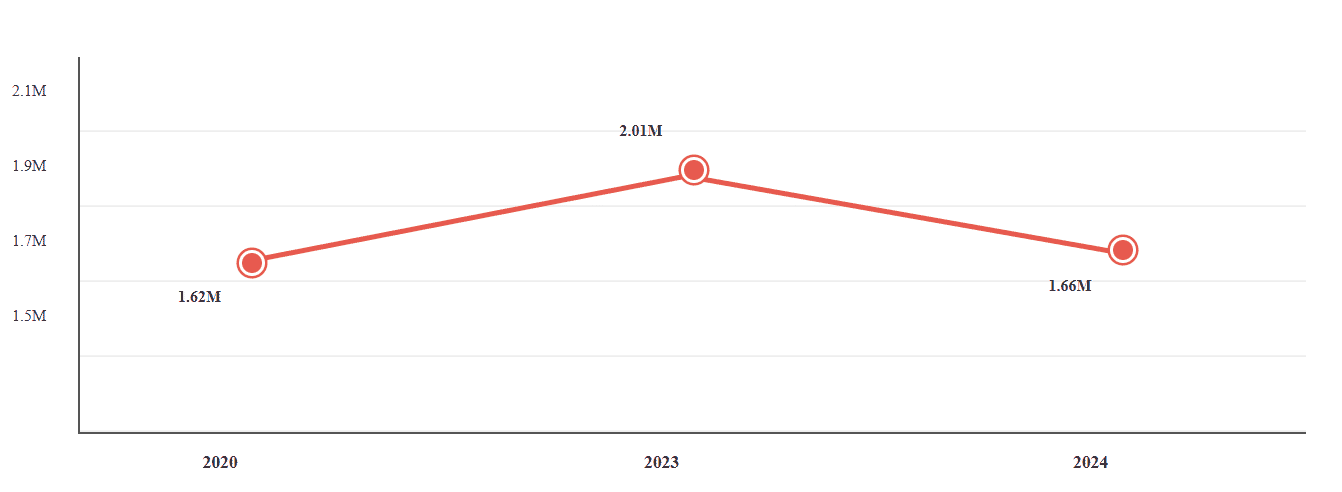
ISAPS estimated 1,624,281 breast augmentations worldwide in 2020, 2,009,263 in 2023 and 1,658,615 in 2024. The change demonstrates that annual procedure volumes fluctuate and that popularity should never replace individual medical decision-making.
Age distribution for breast augmentation patients
Globally, 54% of breast augmentation procedures in the 2024 ISAPS survey involved patients aged 18–34, while 37.4% involved patients aged 35–50. Age alone does not determine suitability; health, anatomy, expectations, pregnancy plans and screening needs remain important.
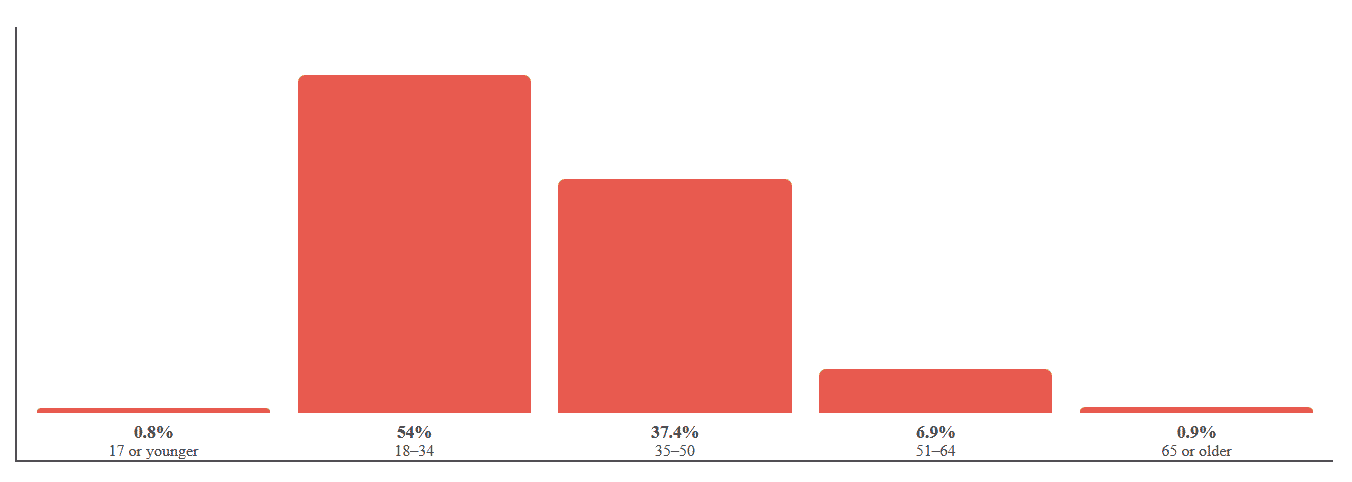
Understanding the data: These are projected international survey estimates, not a registry of every operation. They describe broad procedure patterns and should not be used to predict an individual patient’s outcome.
Breast Augmentation in Thailand - Patient Testimonial
Frequently Asked Questions
How much does breast augmentation cost in Thailand in 2026?
Breast augmentation in Thailand commonly costs between $3,400 and $5,000, with an approximate average of $4,200. Your personalized price depends on implant type, surgeon experience, hospital fees, anesthesia, procedure complexity and package inclusions. Combined breast augmentation and lift surgery usually costs more.
Is breast augmentation in Thailand safe for international patients?
Breast augmentation in Thailand may be performed safely when you choose a properly licensed hospital and a qualified plastic surgeon. However, every operation carries risks. Verify the surgeon’s Medical Council license, plastic-surgery certification, hospital accreditation, anesthesia arrangements, implant documentation and complication-management plan before booking.
How long should I stay in Thailand after breast augmentation?
Many international patients plan to remain in Thailand for approximately 7–14 days after uncomplicated breast augmentation. Your surgeon may recommend a longer stay after combined surgery or if healing concerns develop. Do not book a fixed return flight without enough time for postoperative examination and medical clearance.
Which breast implants are available in Thailand?
Thai plastic surgeons may offer silicone or saline implants in different shapes, profiles and surface types. Availability varies by hospital and surgeon. Ask for the manufacturer, product model, surface, warranty and regulatory details before surgery, and obtain an implant card containing the serial or lot numbers.
When can I fly after breast augmentation in Thailand?
You should fly only after your surgeon confirms that your wounds, swelling and general condition are suitable for travel. Many patients schedule their first postoperative checks within a 7–14-day stay. Long-haul travel may require individualized advice concerning movement, hydration, compression and blood-clot risk.
How can I verify a breast augmentation surgeon in Thailand?
Request the surgeon’s full legal name and medical license number, then search the Medical Council of Thailand’s official database. Ask for evidence of specialist plastic-surgery certification and experience performing breast augmentation. You should also confirm that the named surgeon will personally perform your operation.
What should a Thailand breast augmentation package include?
A comprehensive quotation may include the surgeon, anesthesiologist, breast implants, operating room, nursing care, hospital stay, laboratory testing, support garment and early follow-up. Accommodation, flights, translation, implant upgrades, extended stays and complication treatment may be separate. Request every inclusion and exclusion in writing.
How long does breast augmentation recovery take?
Many patients return to light activities within one to two weeks, although soreness, swelling and tightness may continue. Strenuous exercise and heavy upper-body activity usually require a longer restriction period. Implant settling and scar maturation continue for several months, depending on your operation and healing.
Do breast implants last for a lifetime?
Breast implants are not considered lifetime devices. Some patients keep implants for many years without replacement, while others require revision because of rupture, capsular contracture, displacement, discomfort or changing preferences. You should plan for long-term monitoring and the financial possibility of future surgery.
What happens if I develop a complication after returning home?
Contact the Thai surgical team and seek an in-person assessment from a qualified local clinician. Urgent symptoms require immediate medical care rather than remote advice. Before traveling, obtain your operative report, implant records, emergency contact information and written details explaining which revision or complication expenses the provider covers.
Compare Breast Augmentation Options in Thailand
PlacidWay can help you compare providers, understand estimated treatment costs, request information and prepare questions about surgeon credentials, implants, hospital standards and aftercare.
Request Information About Breast AugmentationDisclaimer: This information is for educational purposes only and does not replace professional medical advice. Always consult a qualified healthcare provider before making medical decisions.
References
- ISAPS International Survey on Aesthetic/Cosmetic Procedures Performed in 2024 – International Society of Aesthetic Plastic Surgery
- Doctor License Verification – Medical Council of Thailand
- Plastic Surgeon Directory and Patient Safety Information – Society of Plastic and Reconstructive Surgeons of Thailand
- Healthcare Organization Accreditation – Healthcare Accreditation Institute of Thailand
- Risks and Complications of Breast Implants – U.S. Food and Drug Administration
- Things to Consider Before Getting Breast Implants – U.S. Food and Drug Administration
- Breast Augmentation Recovery – American Society of Plastic Surgeons
- Thailand Traveler Health Guidance – Centers for Disease Control and Prevention
.png)





.jpg)









Share this listing