


Mexico Stem Cell Market Hits $860M by 2034 Amid US Surge
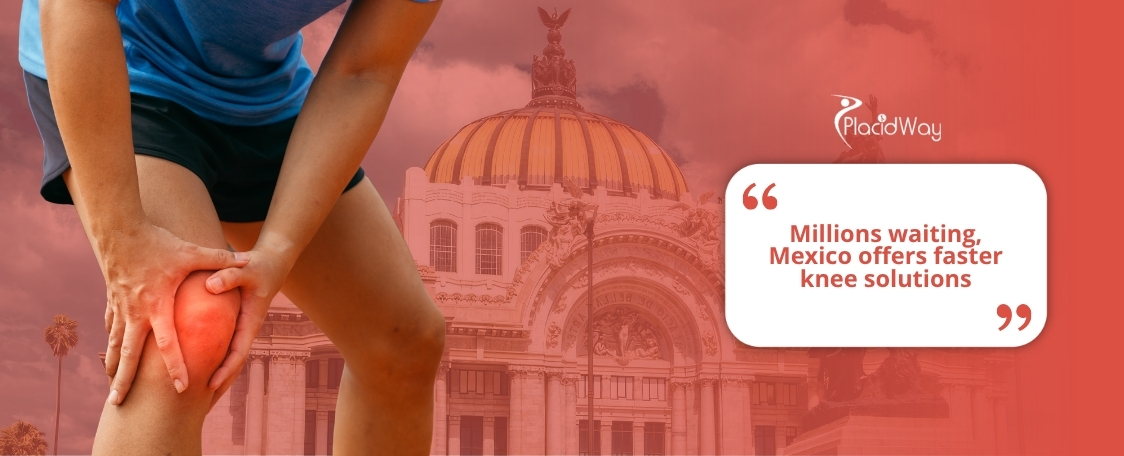
Driven by restrictive FDA regulations, thousands of Americans are seeking Stem Cell Therapy in Mexico. This massive influx is projected to double Mexico's regenerative medical tourism market to $860 million by 2034, offering patients innovative, affordable cellular treatments across the border.
The Exploding Growth of the Mexican Stem Cell Medical Tourism Market
The global healthcare landscape is currently undergoing a monumental paradigm shift, and the Mexican stem cell medical tourism market finds itself positioned perfectly at the epicenter of this transformation. According to comprehensive industry projections, the valuation of regenerative medicine and cellular therapies within Mexico is on a hyper-accelerated trajectory, definitively poised to double and reach a staggering $860 million by the year 2034. This unprecedented economic surge is not an anomaly; rather, it is a direct result of a highly sophisticated medical infrastructure meeting an insatiable, rapidly growing international demand for progressive healthcare alternatives.
Historically viewed as a niche sector reserved for the ultra-wealthy or professional athletes, cellular treatments have rapidly transitioned into mainstream medical consumerism. Patients from the United States and Canada are driving this explosive financial growth, actively seeking advanced biological solutions for severe orthopedic degeneration, complex autoimmune disorders, neurological conditions, and proactive anti-aging protocols. As the domestic North American market continues to lag in clinical deployment due to bureaucratic red tape, Mexico has successfully capitalized on this void, establishing a highly lucrative, internationally respected regenerative medicine ecosystem.
Did You Know?
Over 75% of North American medical tourists seeking advanced regenerative therapies now actively choose Mexico as their primary destination. This dominance is largely driven by the legal availability of culture-expanded mesenchymal stem cells (MSCs), cultivated in state-of-the-art, internationally accredited biologic laboratories.
Why US Patients Are Crossing the Border for Regenerative Medicine?
The mass exodus of patients seeking Regenerative Medicine in Mexico is fundamentally rooted in the stark limitations of what is legally permissible within the United States healthcare framework. American patients suffering from chronic pain, joint deterioration, or systemic illnesses frequently encounter a domestic medical model that prioritizes symptom management—primarily through highly addictive pharmaceuticals or invasive, irreversible surgical interventions—over actual cellular regeneration and healing. When patients do attempt to pursue cellular therapies domestically, they are severely restricted to autologous treatments (using their own cells from fat or bone marrow) that are strictly prohibited from being expanded or multiplied in a laboratory setting.
Conversely, crossing the southern border unlocks a highly advanced realm of biological therapies. Medical tourists are specifically drawn to the availability of highly potent, ethically sourced human umbilical cord tissue-derived mesenchymal stem cells (HUCT-MSCs). Because Mexican federal regulations permit the careful laboratory expansion (culturing) of these cells, patients can receive millions—often tens or hundreds of millions—of highly viable, youthful stem cells in a single dosage. This massive cellular volume is scientifically critical for achieving meaningful anti-inflammatory and immunomodulatory effects, offering profound healing potential that is simply unattainable under current U.S. domestic policies.
The Regulatory Landscape: FDA Restrictions vs. Mexican Innovation
To truly comprehend the forces driving this $860 million market projection, one must deeply analyze the divergent regulatory philosophies between the United States Food and Drug Administration (FDA) and Mexico's COFEPRIS (Federal Committee for Protection from Sanitary Risks). The FDA classifies any human cells that are significantly manipulated—such as being cultured or expanded to increase their numbers—as biological drugs. Consequently, these therapies must undergo the identical, decades-long, multi-billion-dollar clinical trial processes required for synthetic pharmaceuticals before they can be commercially approved for specific conditions. This rigid regulatory posture has effectively paralyzed broad domestic access to expanded cellular therapies.
Mexico, recognizing the immense scientific validity and safety profile of cellular therapies, has adopted a more progressive, yet fiercely regulated, approach. COFEPRIS provides a rigorous legal framework that allows licensed, specialized biologic laboratories to legally culture and expand stem cells for therapeutic use, provided they adhere to stringent international safety standards. This balanced regulatory environment fosters incredible medical innovation, enabling top-tier researchers and physicians to offer evidence-based, highly customized treatments without being stifled by outdated bureaucratic classifications, ultimately making Stem Cell Treatment in Mexico the premier choice for international patients.
Understanding the Economics of Stem Cell Therapy in Mexico
Beyond regulatory hurdles, the crippling financial burden of the American healthcare system serves as a massive catalyst for this outbound medical migration. Because the FDA considers most advanced cellular therapies experimental, American health insurance networks provide absolutely zero coverage or financial reimbursement for these procedures. When specialty clinics in the U.S. do offer compliant, minimally manipulated cellular injections, the out-of-pocket costs are astronomically inflated, heavily burdened by soaring malpractice insurance premiums, administrative bloat, and exorbitant facility fees.
The economic architecture of the Mexican regenerative medicine sector offers a completely different reality. The subsidized cost of elite medical education, lower real estate overhead, and direct access to high-end laboratory infrastructure allow Mexican facilities to offer superior, culture-expanded stem cell treatments at a fraction of the U.S. price point. Patients gain access to dramatically higher cell counts, comprehensive diagnostic panels, and multi-day therapeutic protocols for an investment that is fundamentally logical and highly transparent.
Advanced Medical Infrastructure Driving Mexico's Regenerative Boom
The image of medical tourism being confined to rudimentary, outdated clinics is an archaic myth entirely shattered by the modern reality of Mexican healthcare. The massive infusion of capital into the sector has given rise to hyper-modern "medical cities" positioned strategically in destination hubs like Baja California, Guadalajara, and the Riviera Maya. These architectural marvels house dedicated regenerative medicine wings equipped with multi-million-dollar, ISO-certified cleanrooms. This advanced infrastructure is entirely vital for the delicate handling, precise cultivation, and secure cryopreservation of biological materials.
Furthermore, the laboratories fueling this cross-border boom utilize cutting-edge biomolecular technology that rivals, and frequently surpasses, standard hospital labs found in North America. To meet the stringent demands of an increasingly educated international patient base, these facilities implement exhaustive cold-chain logistics to ensure optimal cell viability from the laboratory incubator directly to the patient's bedside. This seamless integration of high-end clinical science and luxurious hospital environments has solidified Mexico's reputation as a global powerhouse in the regenerative medical space.
"As the Mexican stem cell market accelerates toward a staggering $860 million valuation, we are witnessing a fundamental shift in patient behavior. U.S. patients are no longer willing to wait decades for domestic regulatory approvals on life-changing regenerative therapies. They are leveraging verified platforms to safely access hyper-advanced, highly regulated cellular treatments across the border, prioritizing both profound healing and financial viability."
— Pramod Goel, CEO of PlacidWay
Ensuring Safety and Quality in Cross-Border Cellular Treatments
As with any rapidly expanding medical sector, ensuring patient safety and treatment efficacy remains the absolute highest priority. The top echelon of the Mexican regenerative medicine market operates under a strict culture of clinical transparency. Authentic, top-tier providers do not operate in the shadows; they proudly display their active COFEPRIS operational licenses, adhere to rigorous international biological guidelines, and employ specialized medical teams consisting of board-certified immunologists, highly trained hematologists, and precision orthopedic surgeons to administer the treatments safely.
Quality control in these elite centers is uncompromising. Prior to any treatment being administered, legitimate laboratories utilize independent, third-party testing to rigorously screen all cellular products. This extensive screening protocols check for endotoxins, mycoplasma, and an exhaustive panel of infectious diseases. The goal is to ensure that the patient receives a highly purified, exceptionally potent biological product, entirely mitigating the risks associated with cross-contamination and adverse immunological responses.
Did You Know?
Premium Mexican stem cell laboratories provide a verifiable "Certificate of Analysis" with every single patient treatment protocol. This crucial medical document transparently details the exact cellular dosage, verifies a cell viability rate frequently exceeding 95%, and confirms negative results for rigorous infectious disease screening.
The Strategic Role of PlacidWay in Navigating Medical Travel
Despite the undeniable medical and financial benefits, attempting to navigate a foreign healthcare market independently can be deeply overwhelming for patients already battling chronic illnesses. The internet is flooded with aggressive marketing campaigns and unverified medical brokers, making it exceptionally challenging to distinguish between an elite, scientifically sound medical laboratory and a substandard operation. This critical information gap is exactly where the intervention of a specialized, internationally recognized medical tourism facilitator becomes absolutely indispensable.
Acting as the premier global connector in this space, PlacidWay systematically removes the anxiety and guesswork from cross-border healthcare. PlacidWay meticulously vets every international provider, ensuring that patients are only connected with legally licensed, board-certified specialists operating within internationally accredited facilities. By providing transparent cost comparisons, detailed provider profiles, and direct access to medical experts for virtual consultations, PlacidWay empowers patients to make highly informed, safe decisions, perfectly bridging the gap between American demand and Mexican medical excellence.
What to Expect During Your Stem Cell Journey in Mexico?
The regenerative medical tourism experience is meticulously engineered to be as stress-free and restorative as possible. Leading medical tourism providers have refined the entire patient pipeline into a seamless, concierge-level journey. When choosing an all-inclusive package through a trusted facilitator, patients can expect a highly structured, supportive environment:
- Comprehensive Virtual Assessment: Before booking flights, patients undergo in-depth telehealth consultations with specialized Mexican physicians who review MRIs, blood work, and medical history to design a highly personalized cellular protocol.
- VIP Border Logistics: Upon arriving at airports in San Diego or directly into Mexican destination cities, patients are greeted by bilingual medical chauffeurs who provide secure, direct transportation to the medical facility and partner hotels.
- Advanced Diagnostic Diagnostics: Upon arrival, clinical teams conduct final, in-person biological assessments and blood panels to perfectly calibrate the cellular dosage to the patient's exact metabolic state.
- Painless Administration: Depending on the targeted condition, treatments are administered via comfortable, heavily monitored systemic IV drips, or highly precise, ultrasound-guided intra-articular injections by specialist orthopedic surgeons.
- Holistic Recovery Environments: Recovery takes place in beautiful, serene environments—ranging from specialized medical boutiques to luxury beachfront resorts—focusing on anti-inflammatory nutrition and total body relaxation to optimize cellular uptake.
- Long-Term Medical Follow-up: The journey does not end at the border. Premium providers schedule consistent 30, 60, and 90-day virtual check-ins to monitor symptom reduction, track healing progress, and ensure long-term patient satisfaction.





















Share this listing